
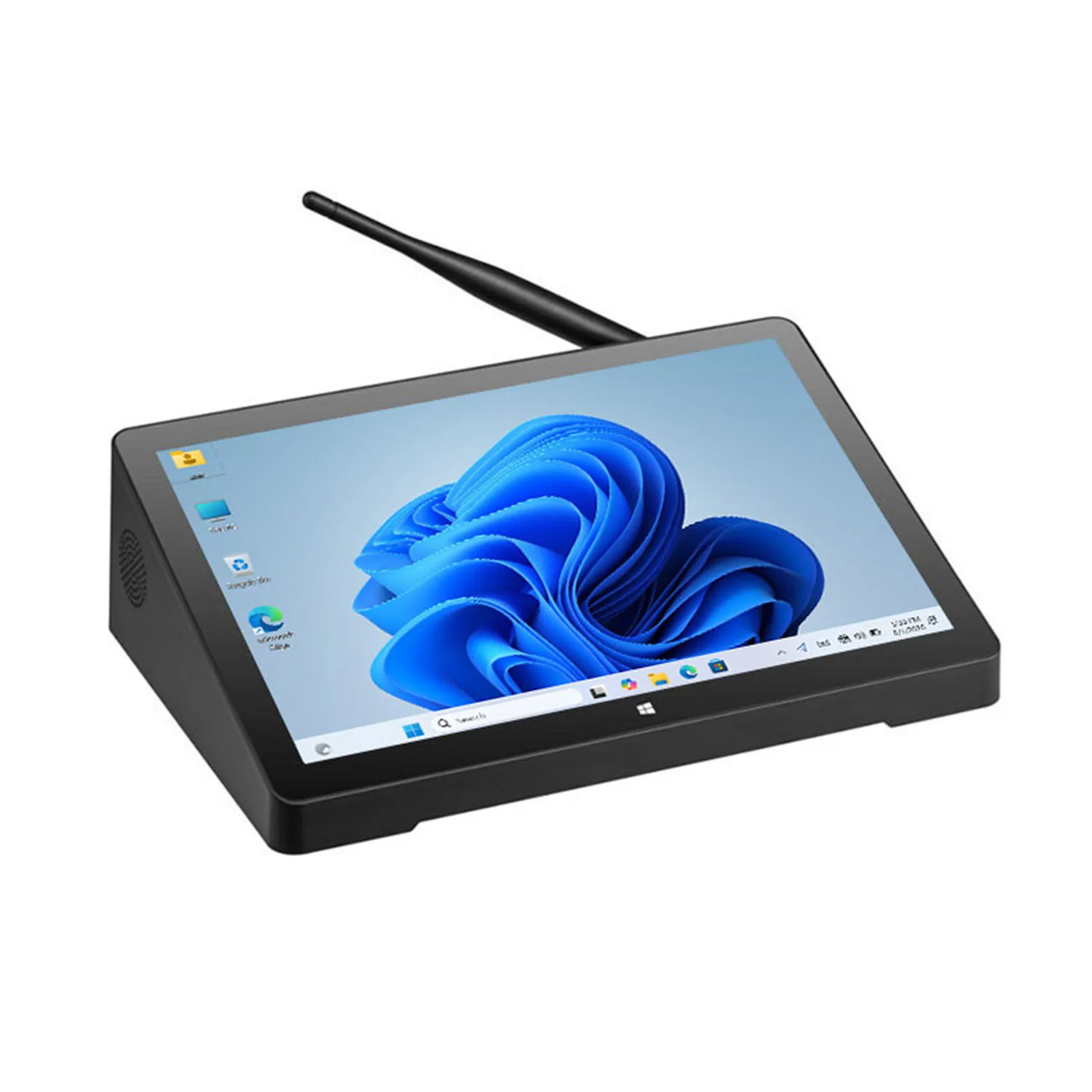
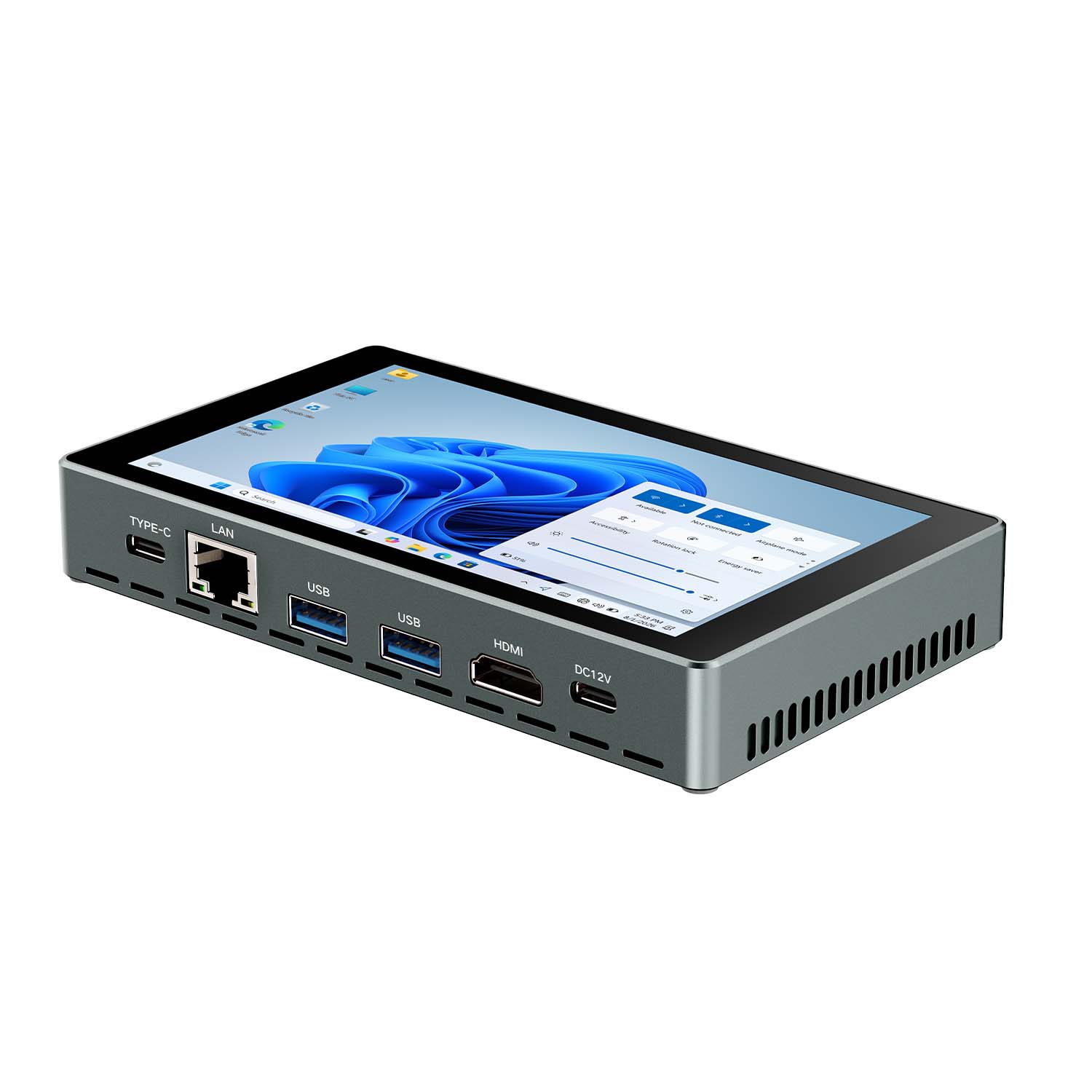
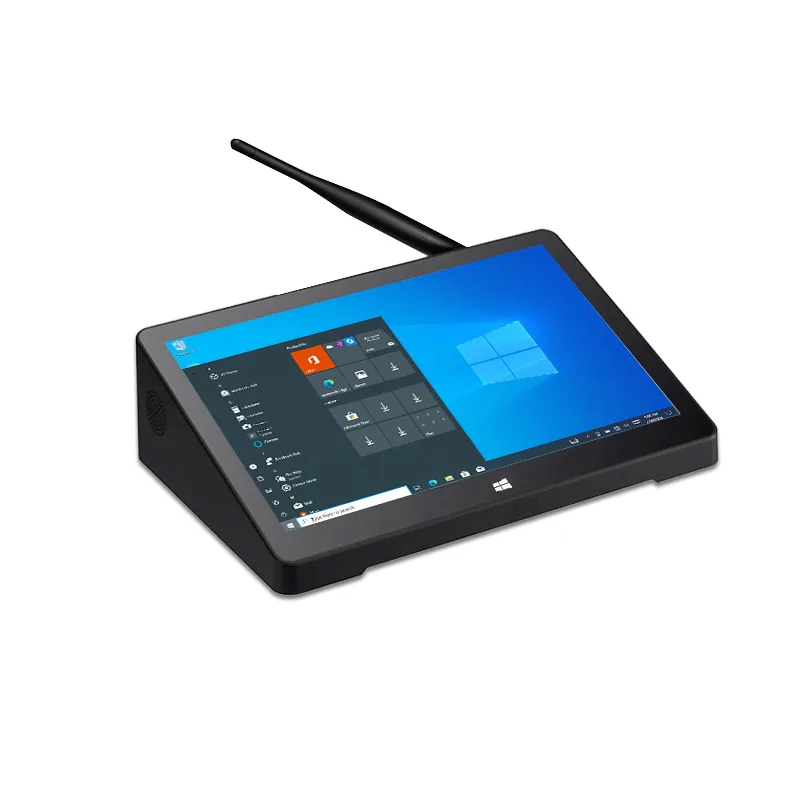
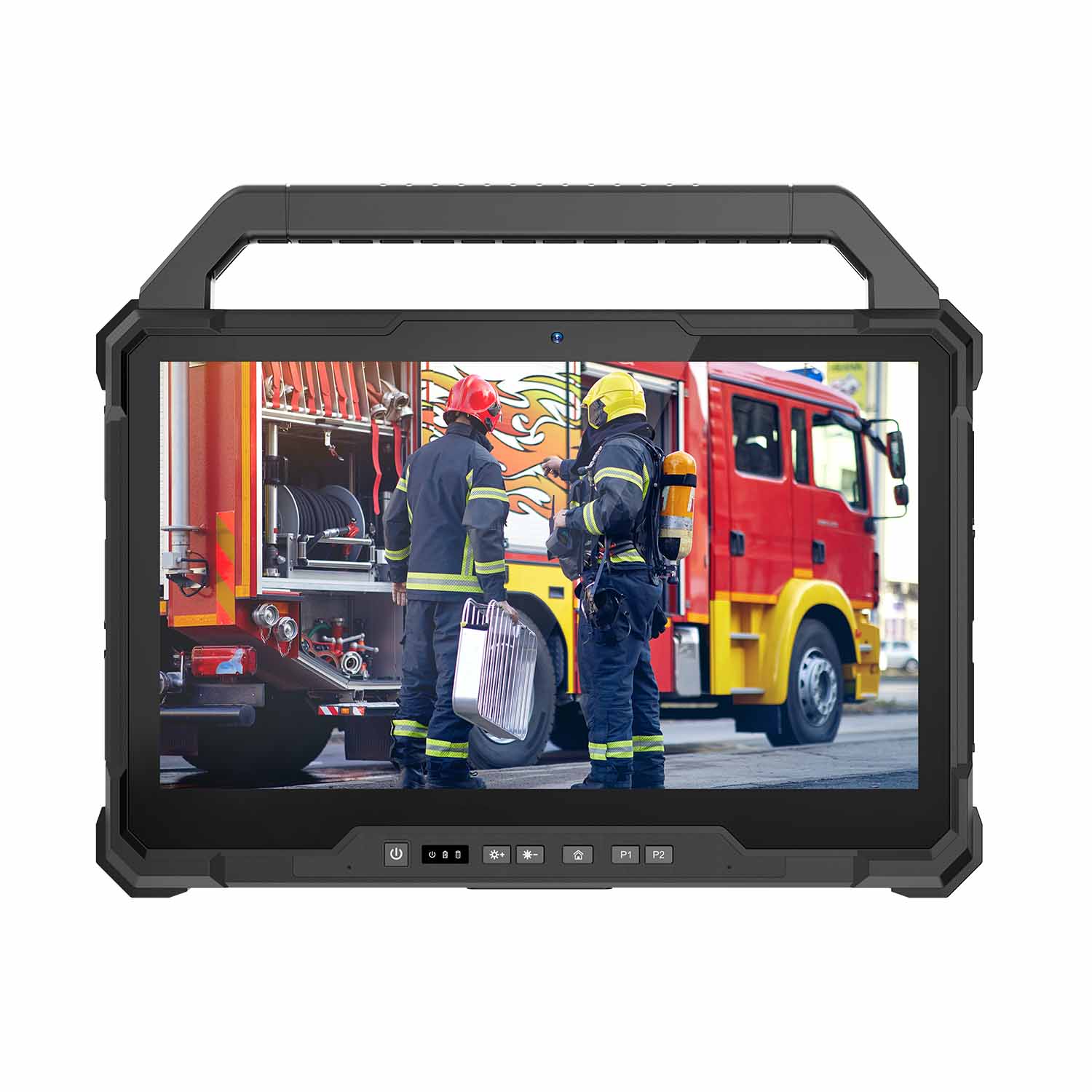
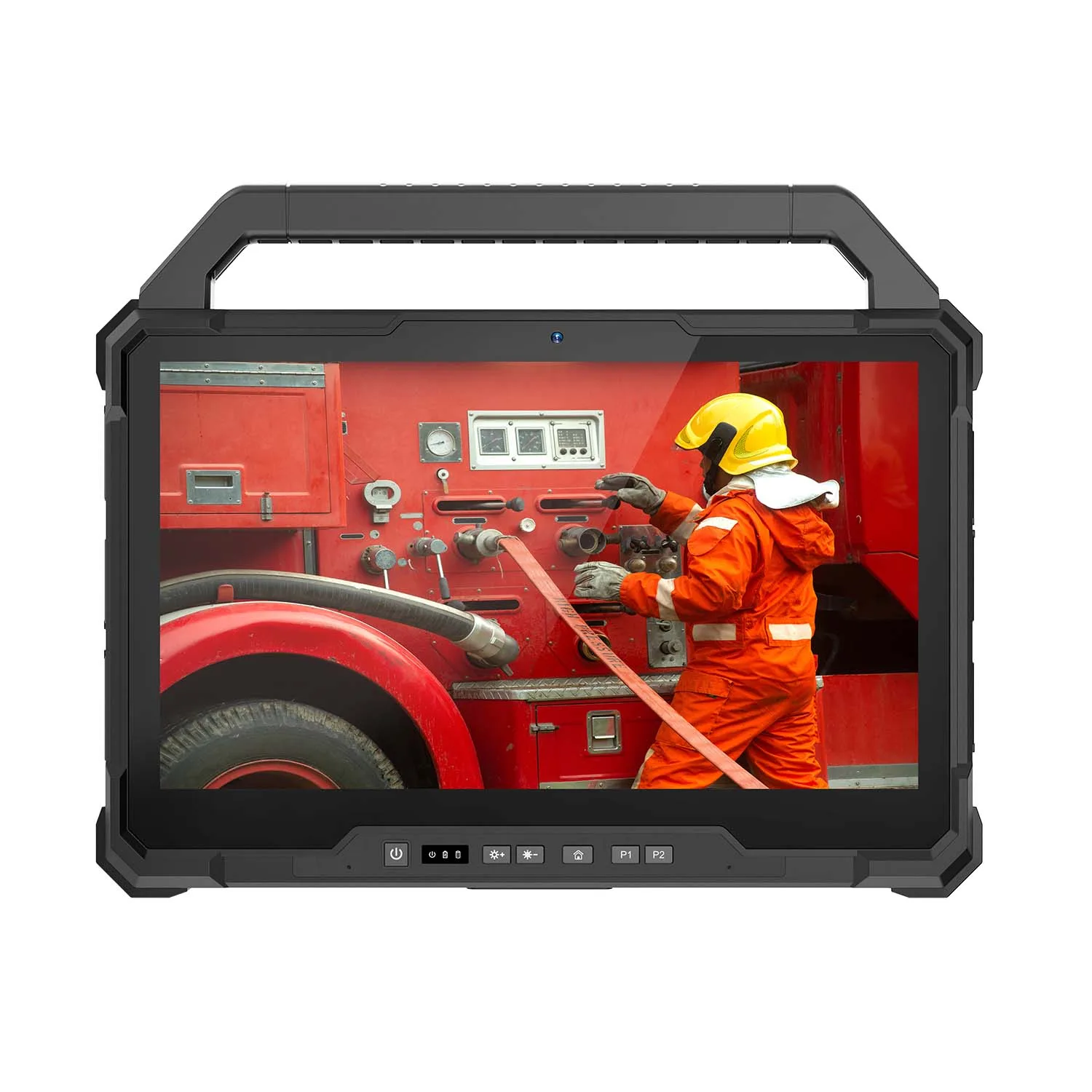
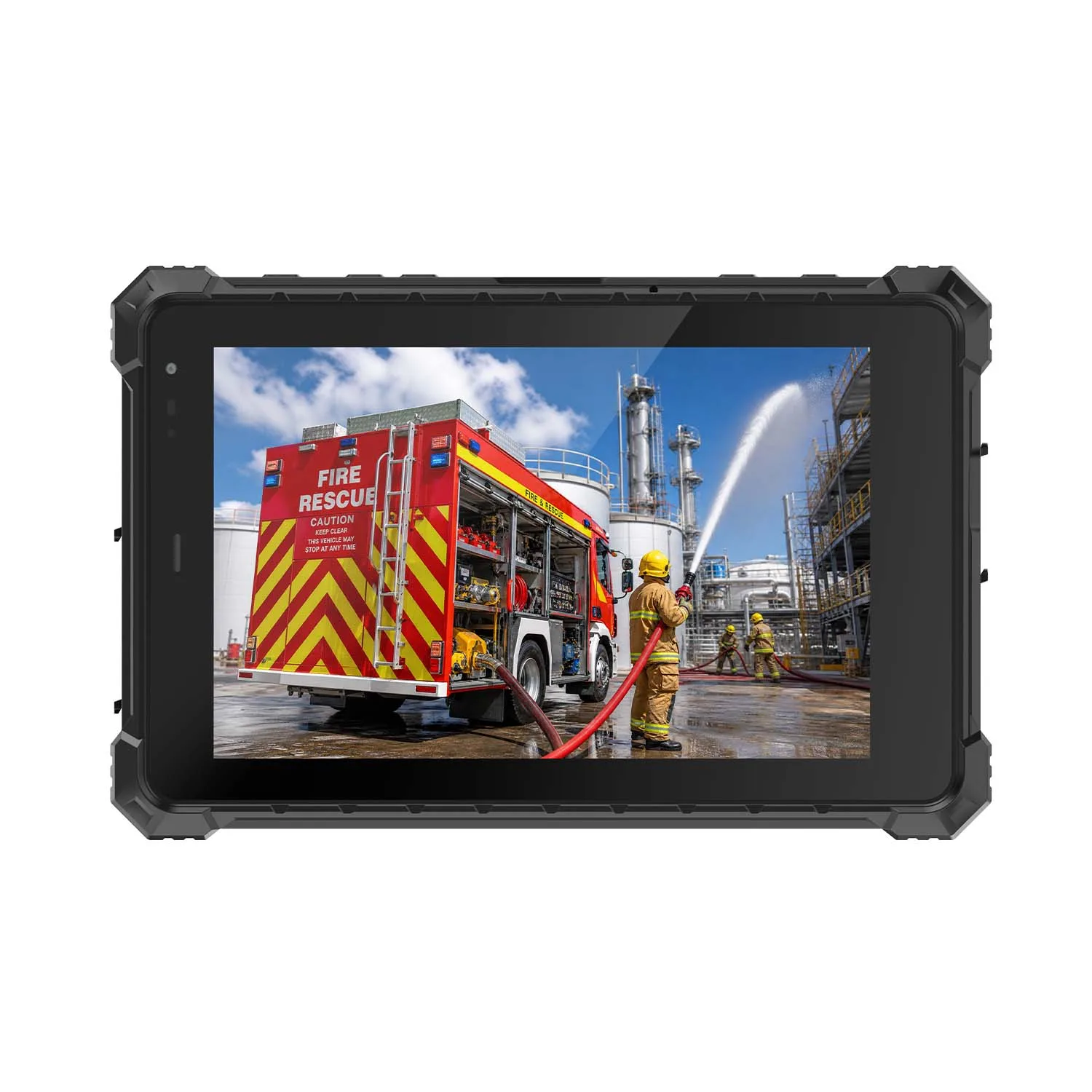






How to Digitize Refinery Operator Rounds with Tablets
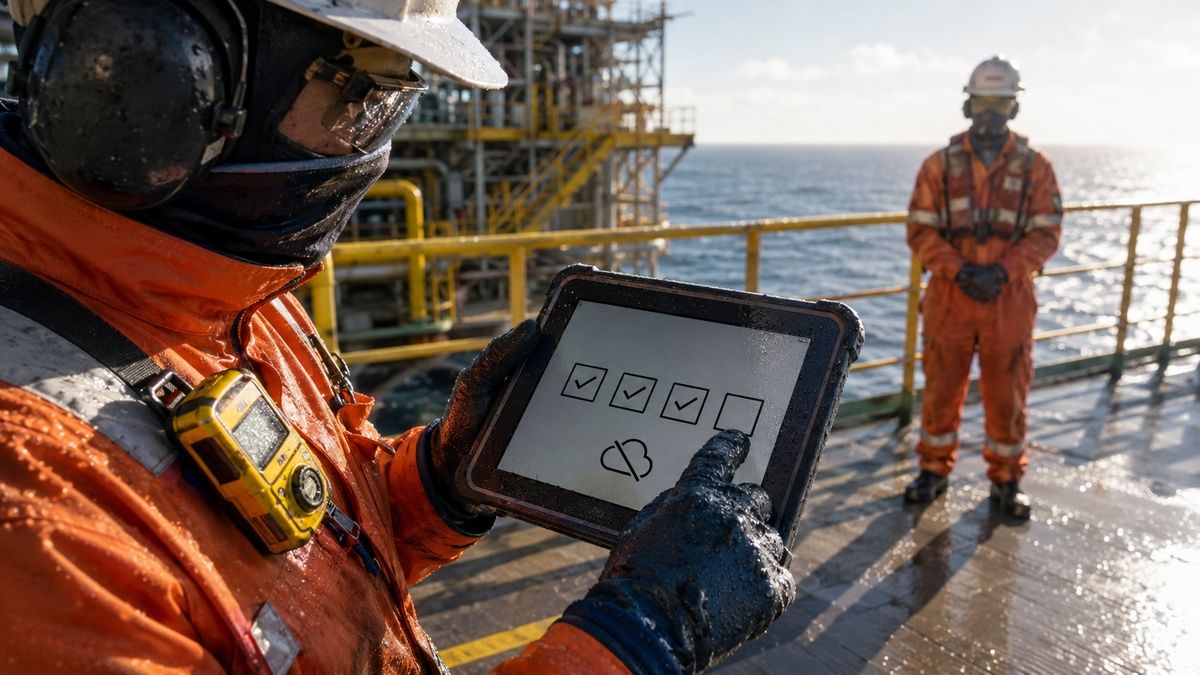
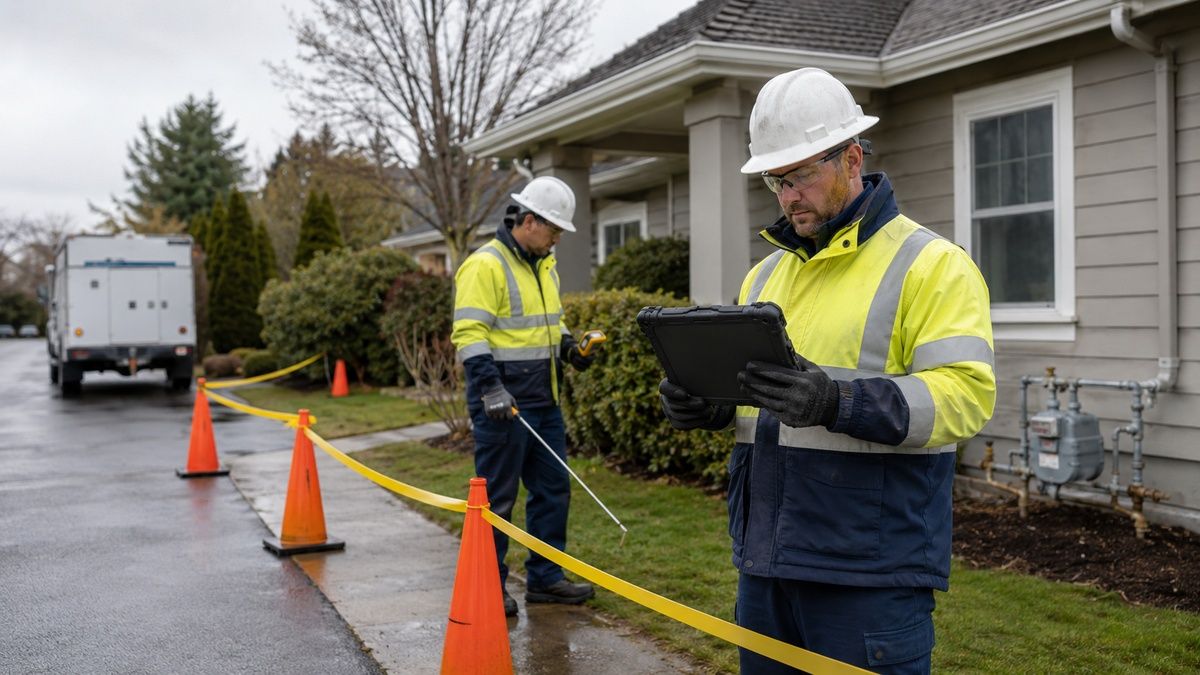
The practical answer to how to digitize refinery operator rounds with tablets is to build every round around controlled asset identities, approved document revisions, traceable readings, exception rules and a verified offline-to-CMMS handoff—not to copy a paper checklist onto a screen. A refinery digital operator rounds tablet becomes useful only when the data model and field behavior are defined as carefully as the hardware.
Operator rounds combine observation, context and escalation. A worker may look for seal leakage, abnormal noise or insulation damage, then transcribe a value from a local indicator. The tablet did not measure that value. The record should therefore retain the source instrument or indicator ID, unit, observation point, timestamp and operator action so a reviewer can distinguish a field observation from automated process data.
Digitalization also changes failure modes. Paper may be late or difficult to trend; a mobile form can silently attach an observation to the wrong pump, display a superseded P&ID, hide an incomplete offline upload or create a duplicate notification after reconnection. The best workflow exposes those errors to the user and makes the server—not a green icon on the tablet—the final evidence that the round arrived intact.
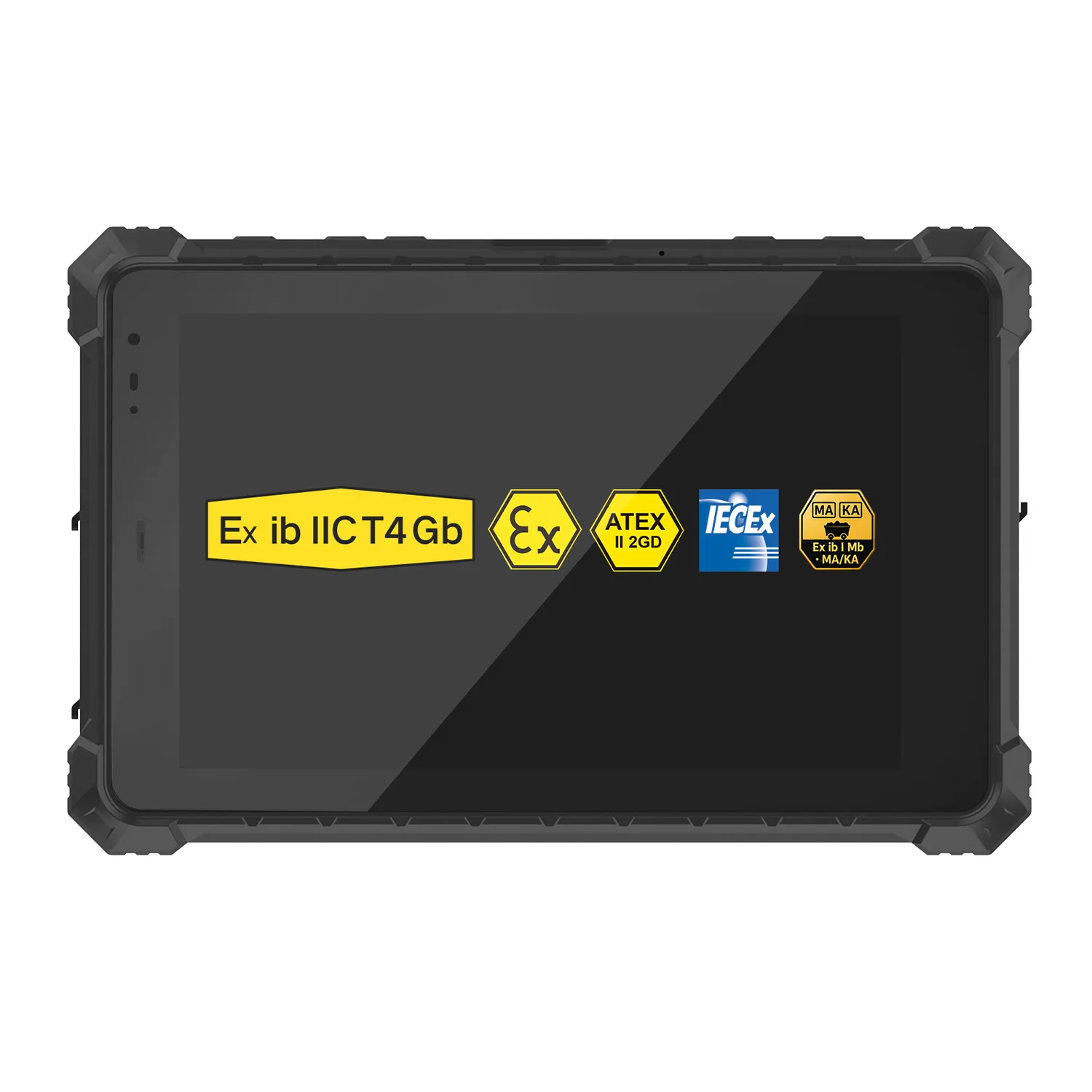
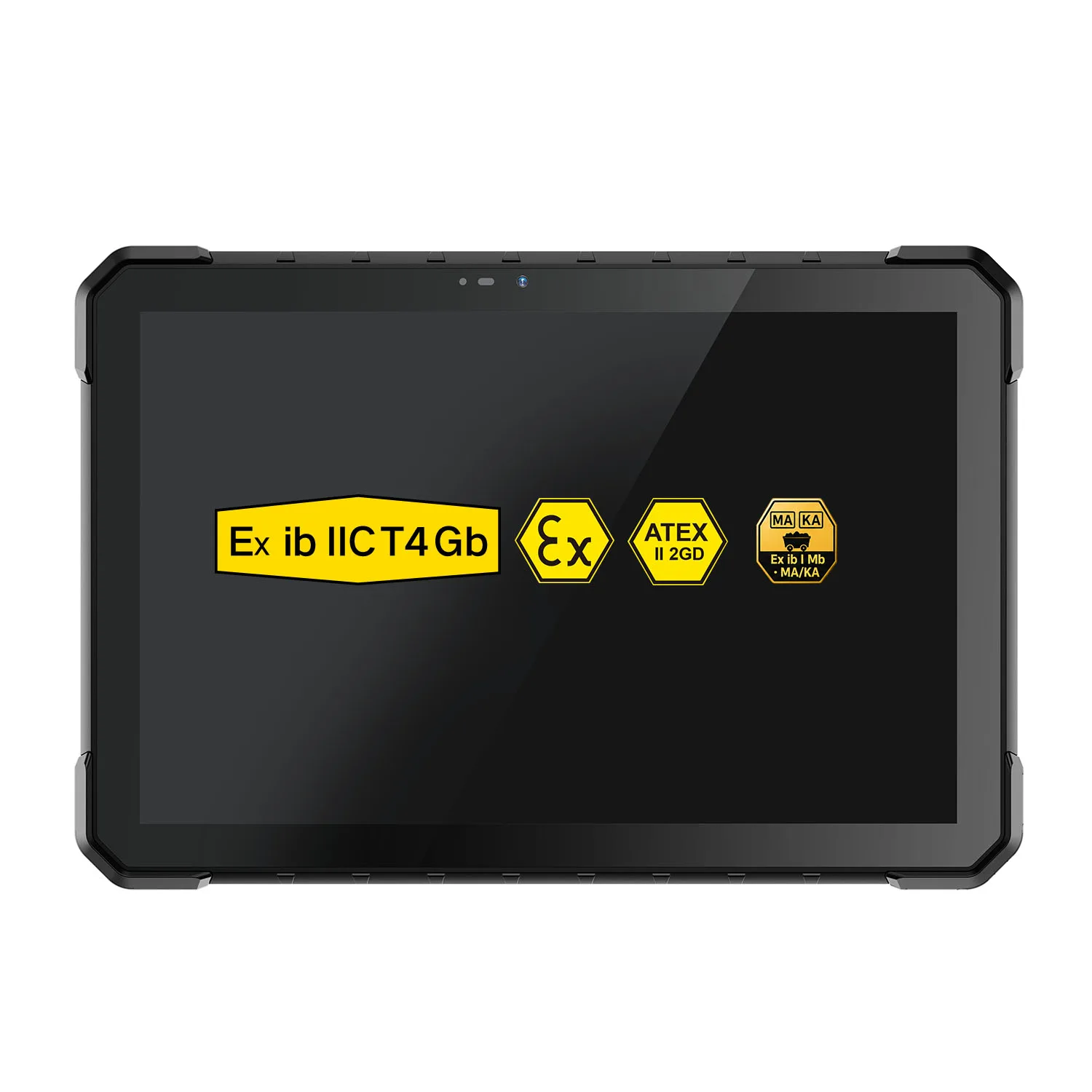
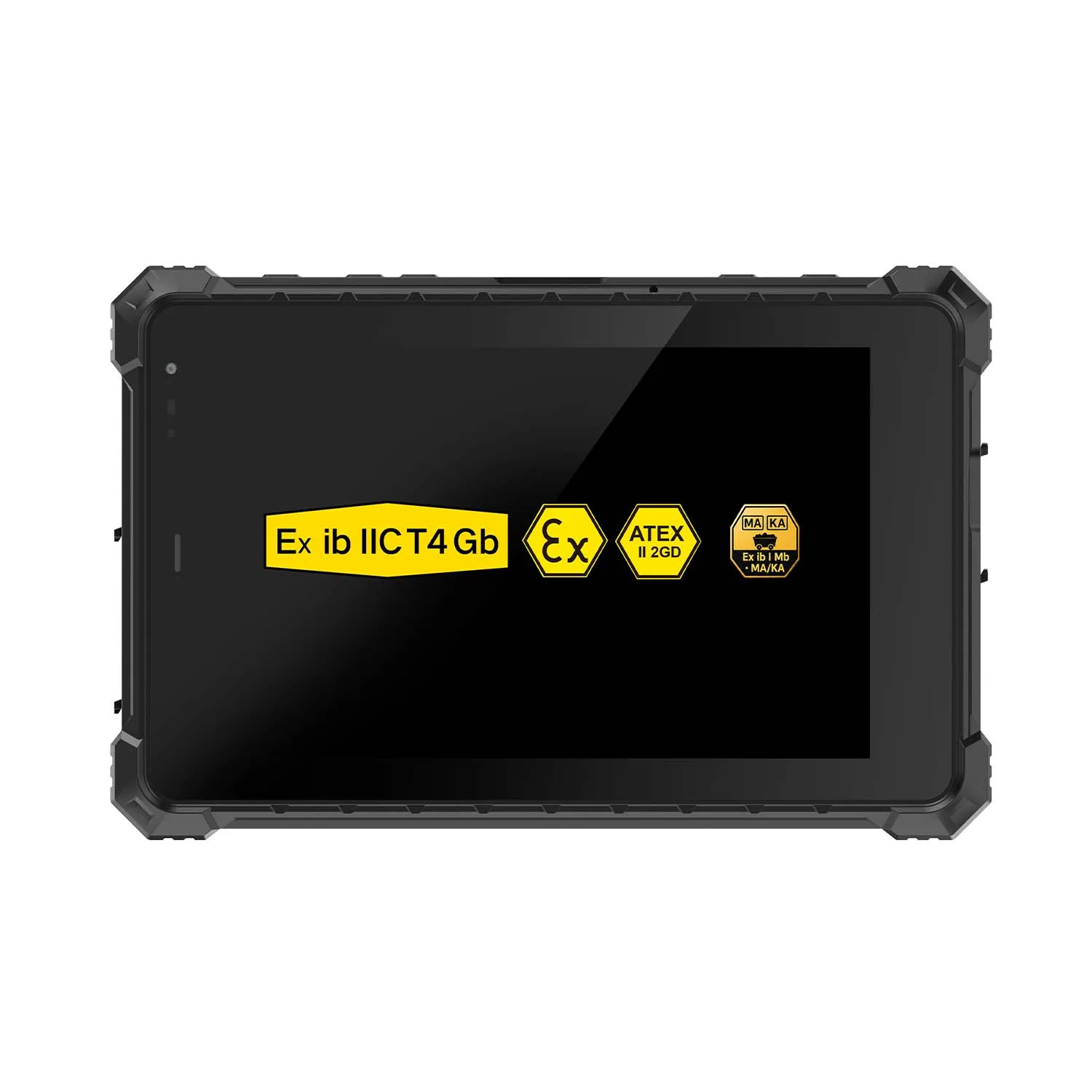
Hardware remains a gate, especially where the route enters a classified location. ATEX, IECEx or North American approval is tied to the specific configuration and work area, while IP65–IP68 and MIL-STD-810G/H address different environmental stresses. Digital workflow design cannot make an ordinary rugged tablet acceptable in Zone 1, and a certified tablet cannot make a poorly designed inspection form operationally sound.
This 2026 guide evaluates ten manufacturers through the lens of refinery rounds: controlled P&ID access, asset identification, exception capture, offline behavior and fleet governance. High-category hazardous-area candidates appear first, followed by Zone 2 or Division 2 products for documented lower-category routes. The proposed field exercises are acceptance methods, not unverified customer cases.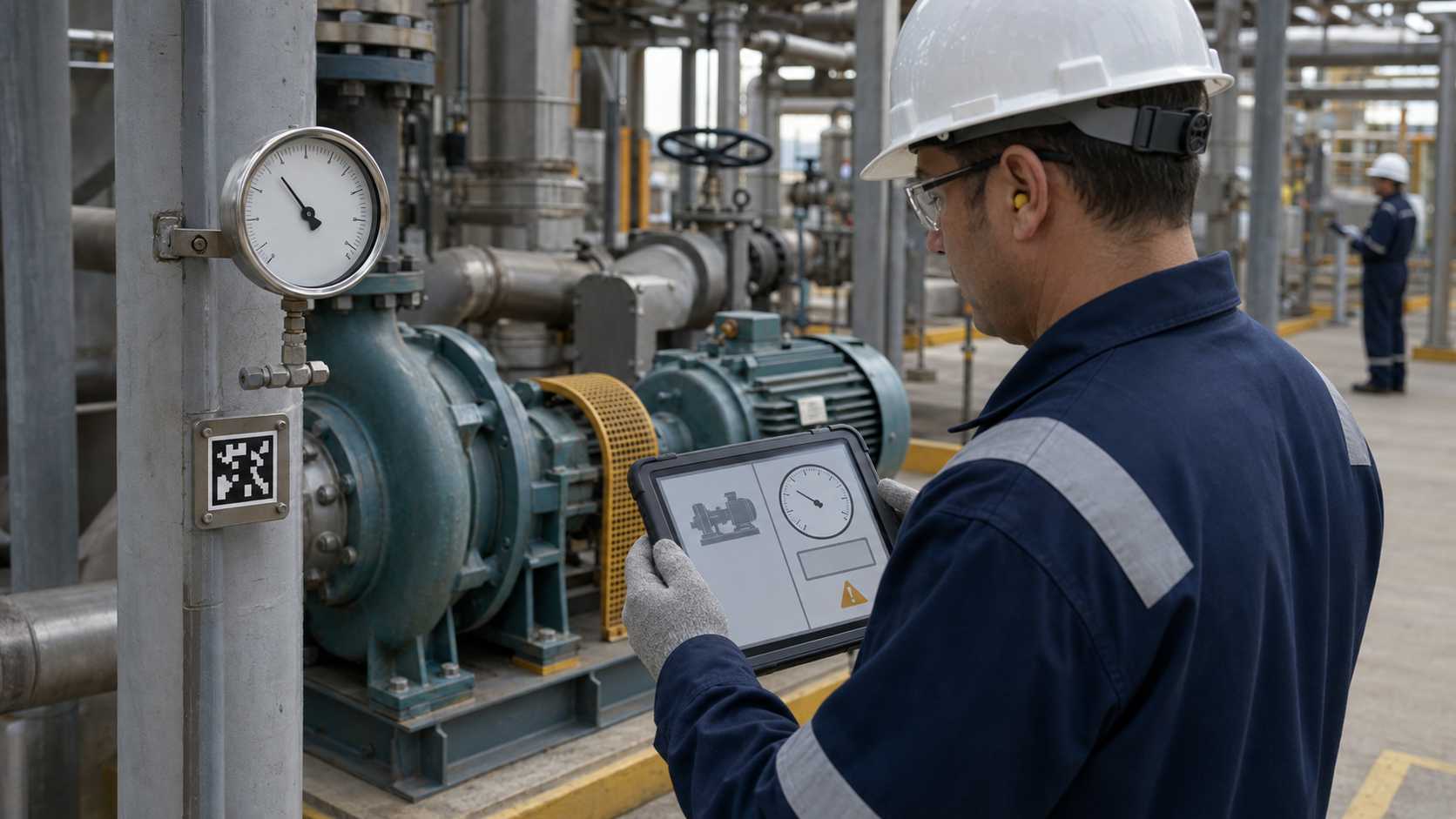
Refinery CMMS Work Order Tablet: What Defines a Reliable Digital Round?
A reliable mobile CMMS workflow does more than open and close maintenance notifications. It preserves the difference between a scheduled operator check, an observed exception, a maintenance request and an authorized change to equipment or operating conditions. That separation prevents a completed screen from being mistaken for completed maintenance.
- Stable route and point identity: Give every route, asset and inspection point its own controlled identifier. A point record should state what the operator observes, where the source is located, which unit is used and what action follows an abnormal result. Scanning may speed selection, but the screen should still show a human-readable asset description and area.
- Context-rich observations: Store the source instrument or local indicator, reading unit, observation method, timestamp, operator role and operating context. For a visual or audible observation, use defined choices plus a short note rather than forcing a fabricated number into a numeric field.
- Exception-first behavior: A high-severity result should reveal the approved immediate action and designated reporting route. The application must allow the operator to stop data entry and respond physically; it should never make form completion a condition for following an alarm, leaving an area or calling the control room.
- End-to-end record acceptance: Offline creation, handover, reconnection and server acknowledgement belong in the same test. Photographs, annotations and signatures need their own completeness checks because a form header can synchronize while a large attachment remains queued.
OSHA 29 CFR 1910.119 places P&IDs within process-safety information and requires documented inspection and test records for covered process equipment. Those records identify the inspection date, person, equipment identifier, work performed and result. ISO 14224:2016 supplies a broader petroleum-industry basis for collecting reliability and maintenance data in a standard format. Neither source dictates a mobile screen, but both discourage ambiguous asset names and context-free readings.
Our proposed workflow starts with 18 training points rather than an entire process unit. Build three six-point routes in a safe training area: one normal round, one route with four seeded exceptions and one route with two unavailable points. This small scope lets the team repair asset naming, units and escalation logic before hundreds of inherited checklist lines harden into production data.
The handoff from observation to CMMS should use explicit states: observed, reviewed, notification created, work order assigned, field action completed and operationally accepted. “Closed on tablet” is not one of them. When systems use different status vocabularies, a visible mapping table should define who owns each transition and which system is authoritative.
P&ID Viewing Tablet for Hazardous Areas: Top 10 Manufacturers for 2026
A hazardous-area drawing workflow needs two independent controls: the delivered device must be admitted to the location, and the drawing package must be the approved revision for the unit and task. A cached file without revision status can be more dangerous than no drawing because it appears authoritative while omitting a management-of-change update.
1. Pepperl+Fuchs / ECOM (Germany)
Core Strength: High-category mobile hardware with enterprise security and field-accessory governance
Pepperl+Fuchs has decades of experience in industrial automation and explosion protection, while ECOM specializes in mobile equipment for classified locations. That background is relevant to refineries that want the tablet, approved carrying equipment and lifecycle documentation managed as one field system.
2. i.safe MOBILE (Germany)
Core Strength: Large-format Zone 1/21 mobility for controlled drawings and structured rounds
i.safe MOBILE designs phones, tablets and communication equipment for hazardous industries. Its current large-screen portfolio is relevant when outside operators need to read controlled drawings or multi-column isolation and inspection information without carrying a standard office tablet into the route.
3. Aegex Technologies (United States)
Core Strength: Windows workflow compatibility in high-category gas and dust locations
Aegex focuses on intrinsically safe Windows tablets for hazardous operations. This position can be useful where a refinery retains Windows-based inspection software, controlled-document clients or engineering viewers that would be costly to rebuild for another operating system.
4. CENAVA (China)
Core Strength: Project-level configuration for task-specific forms and industrial data capture
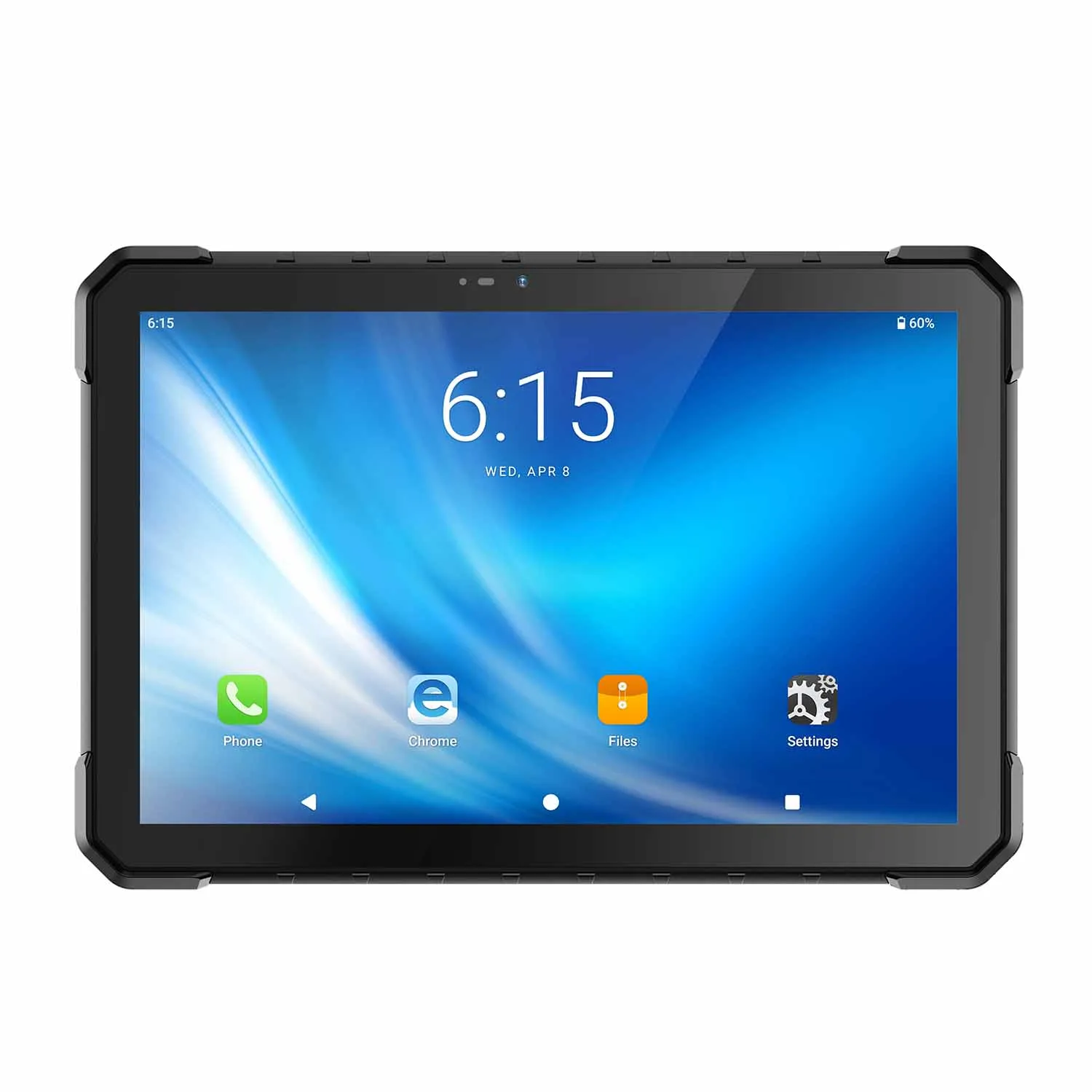
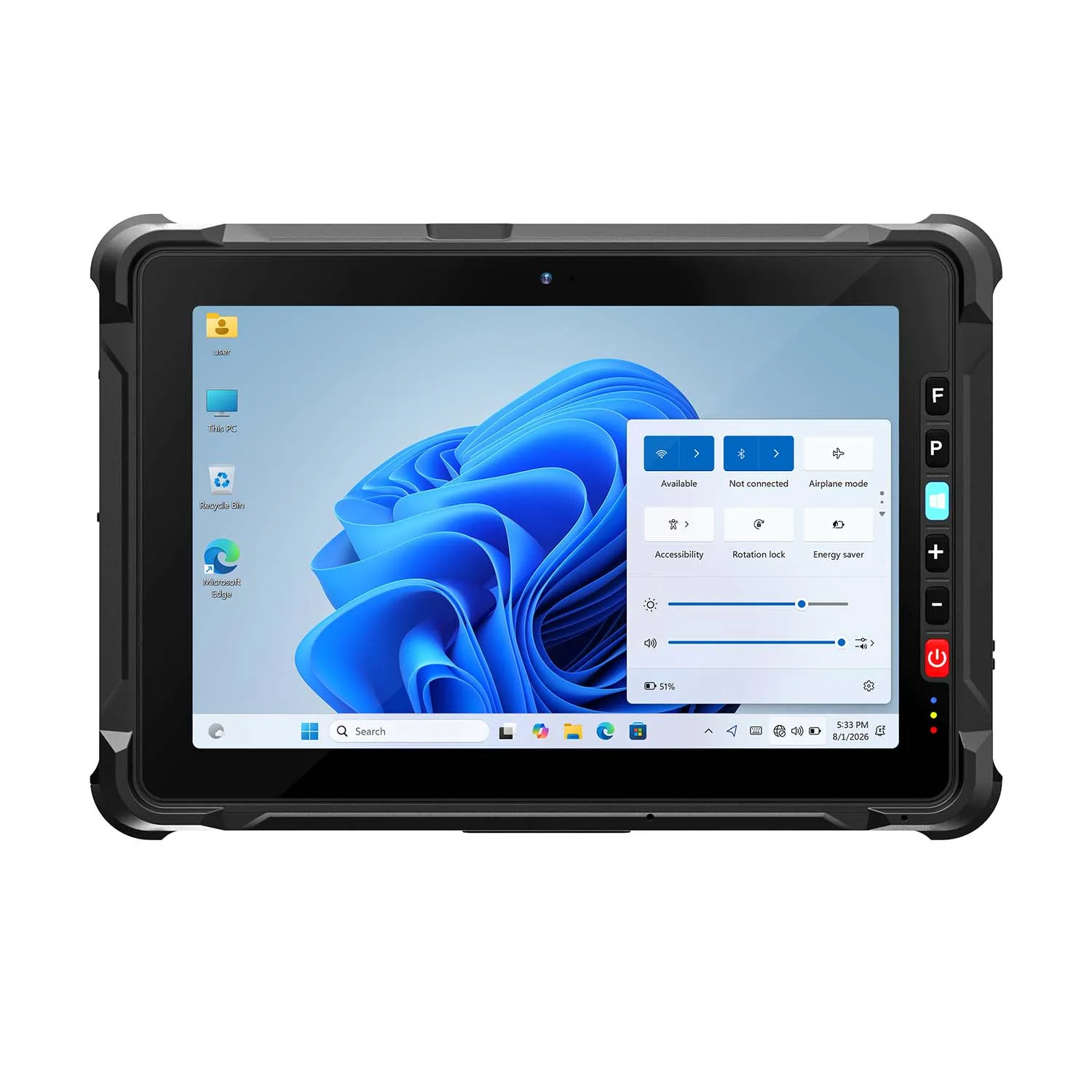
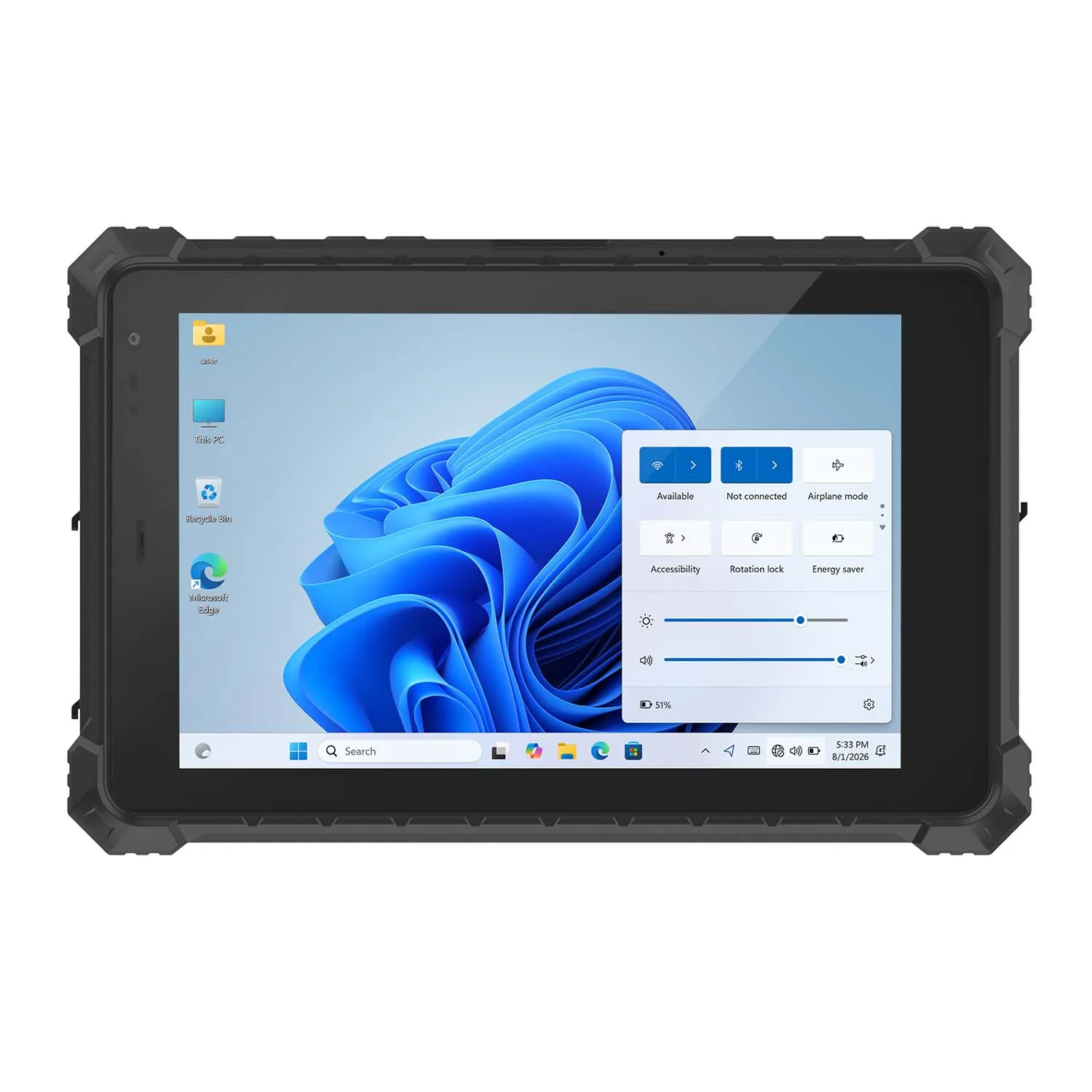
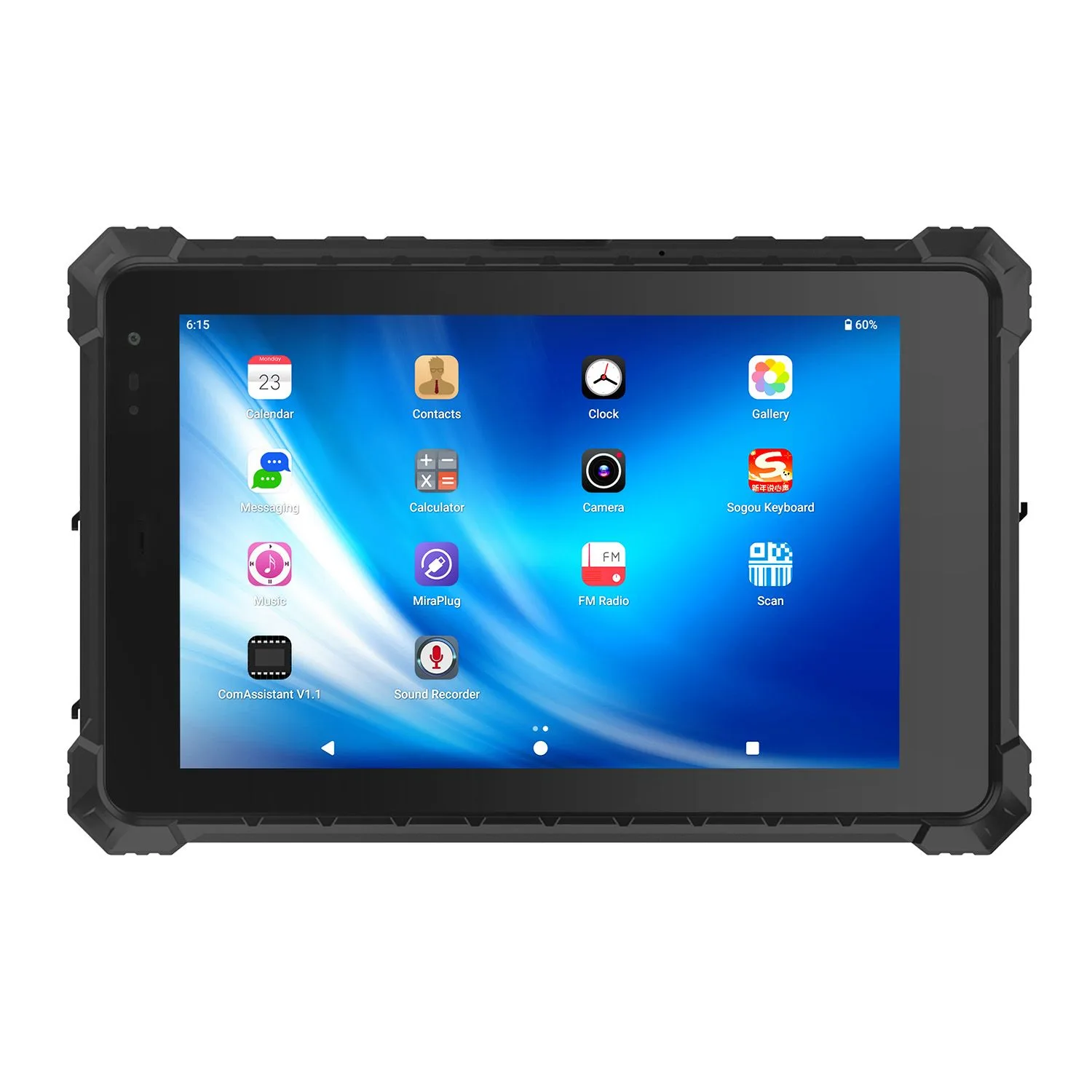
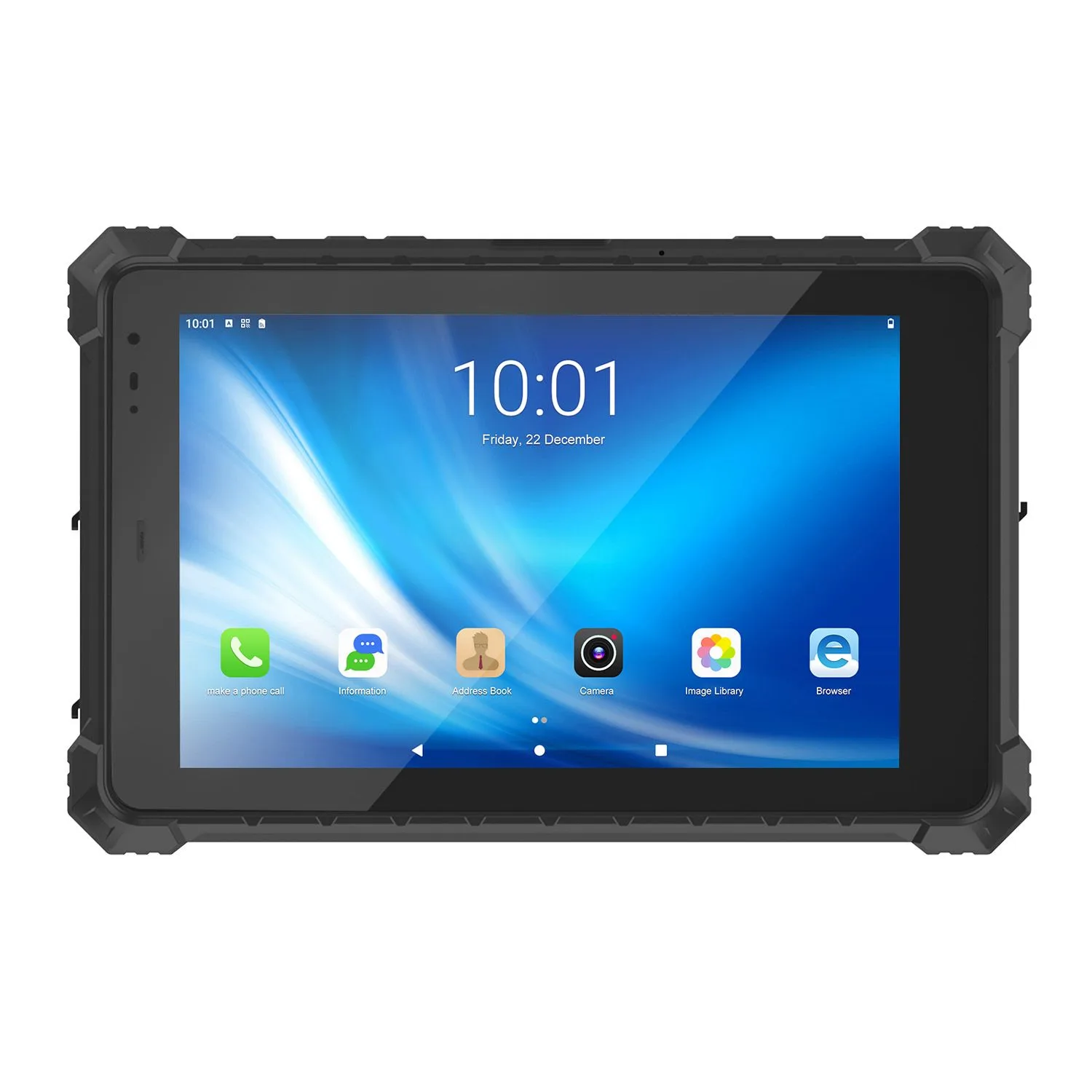
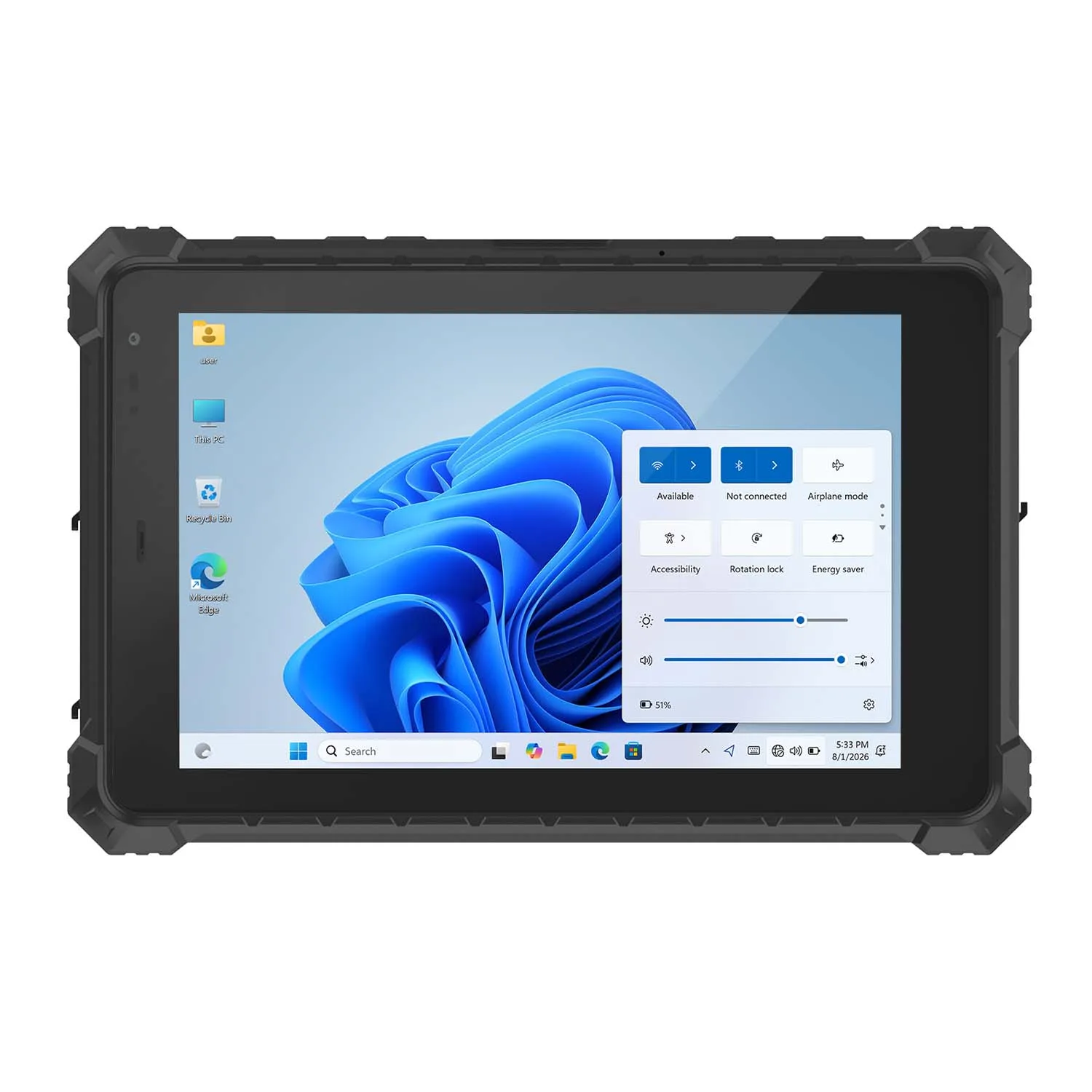
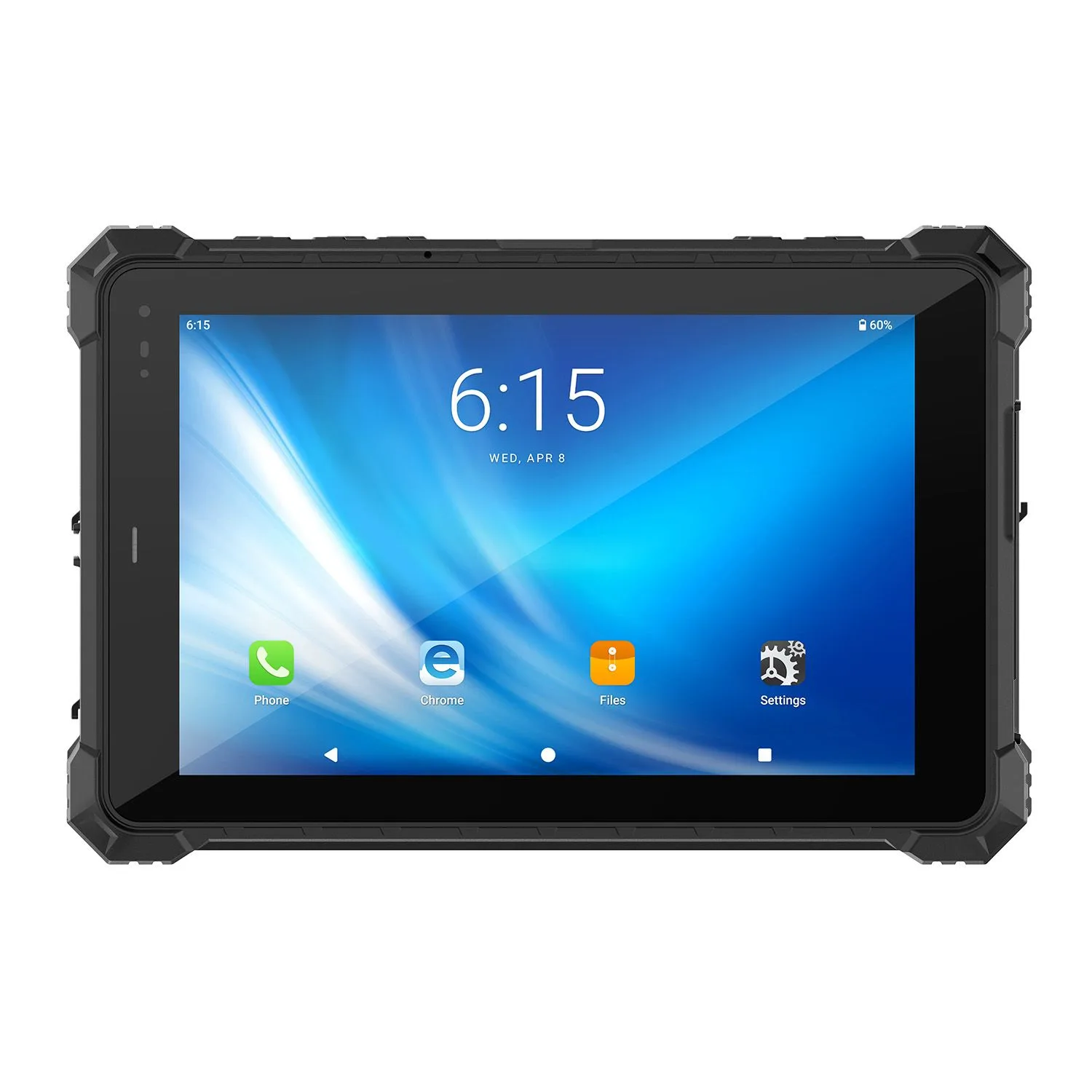
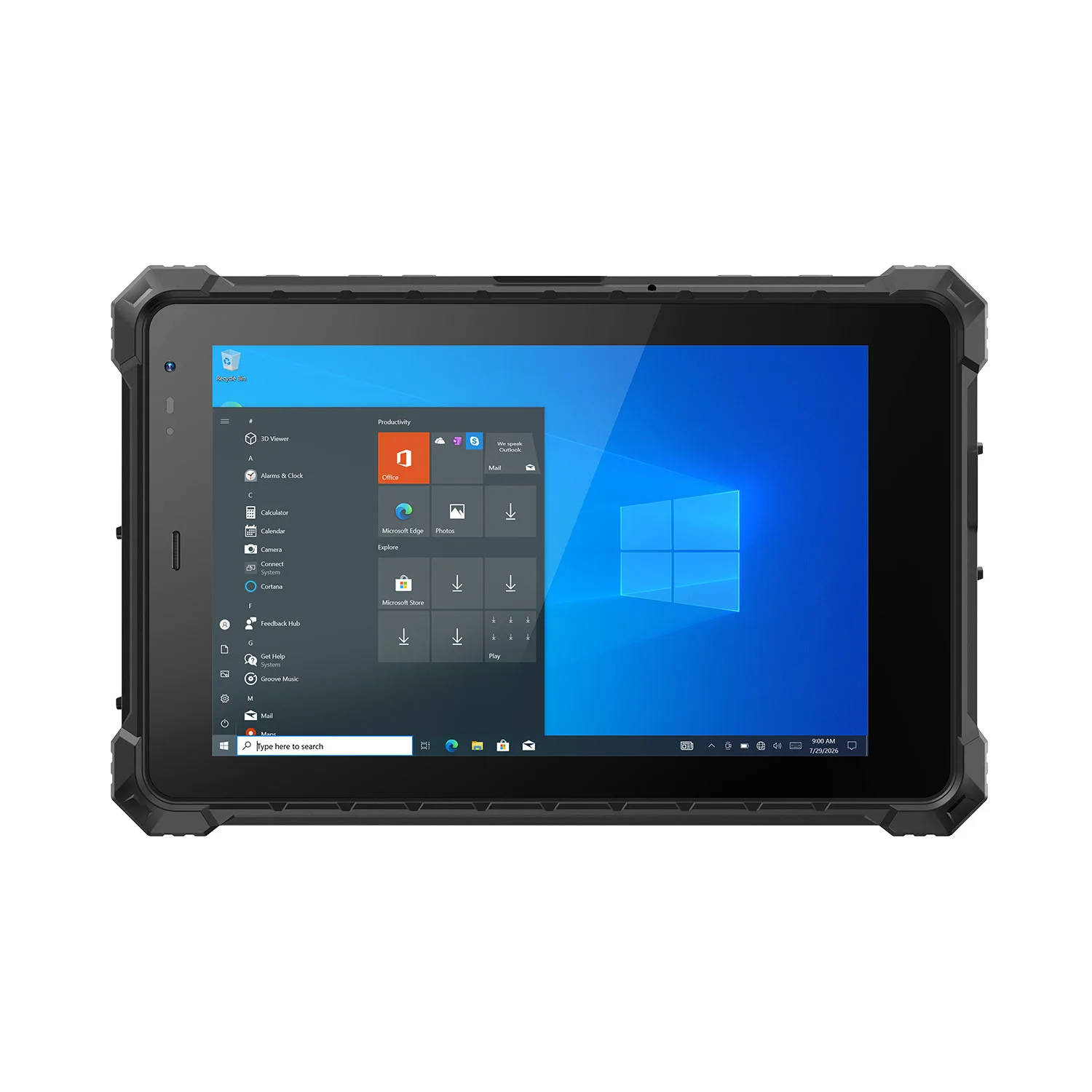
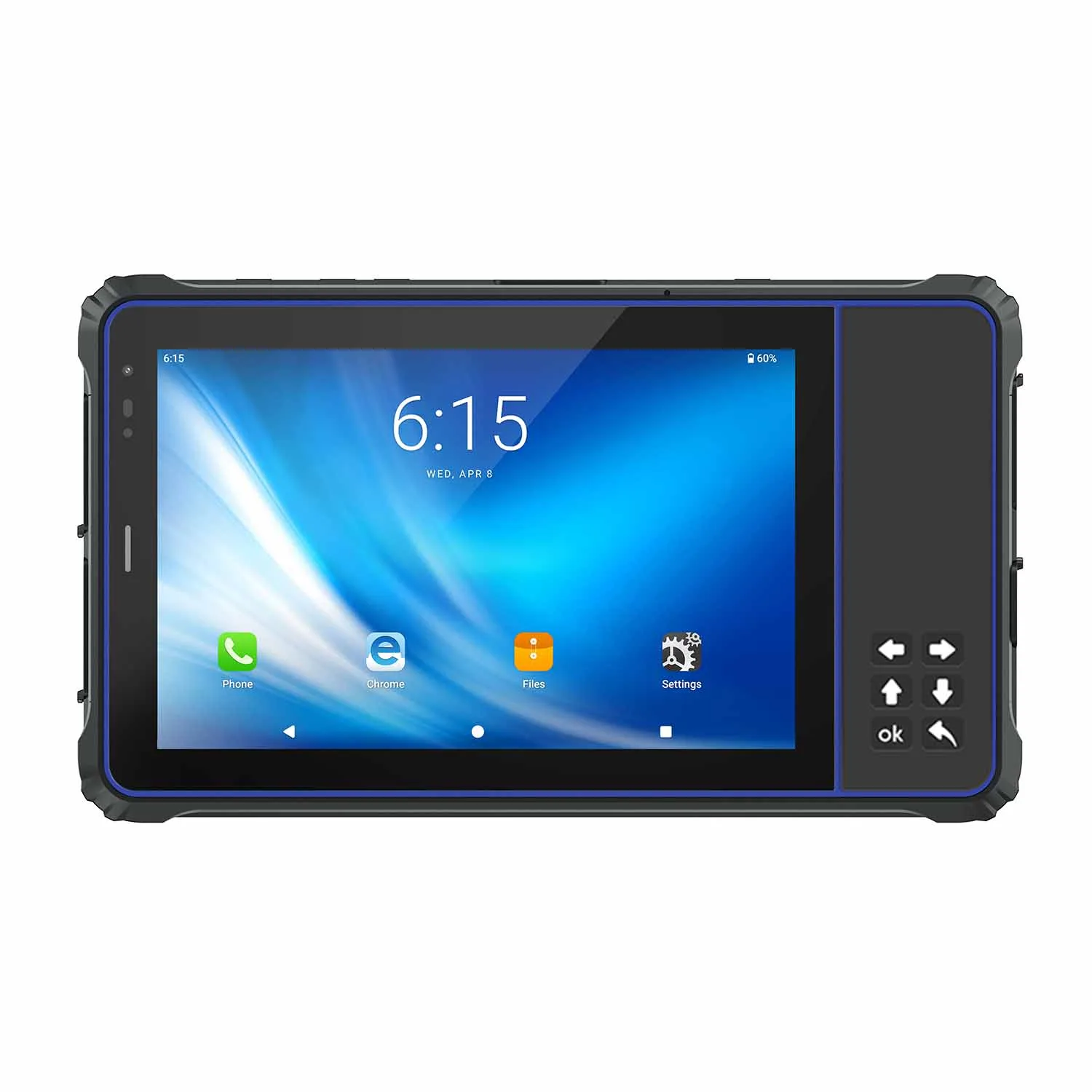
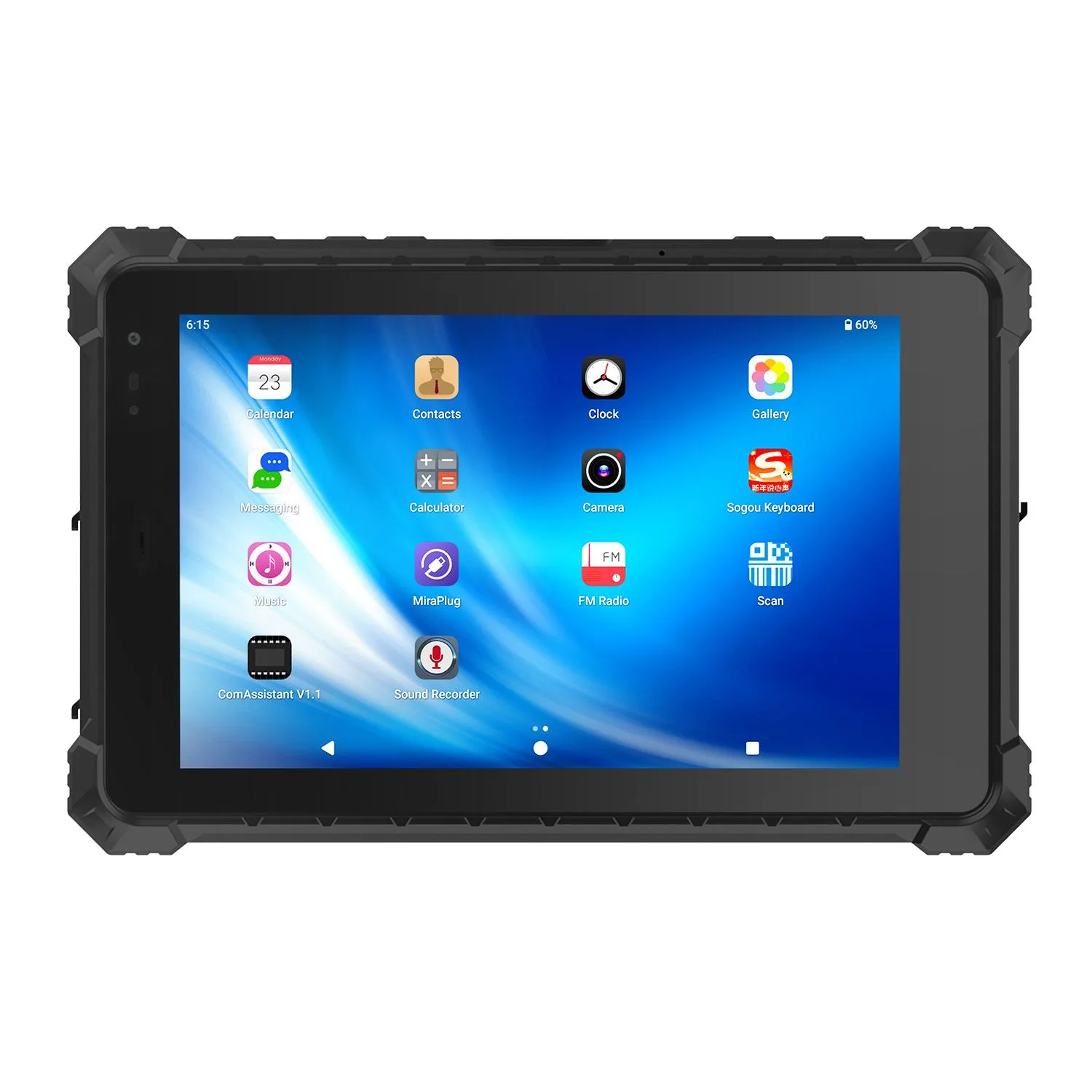
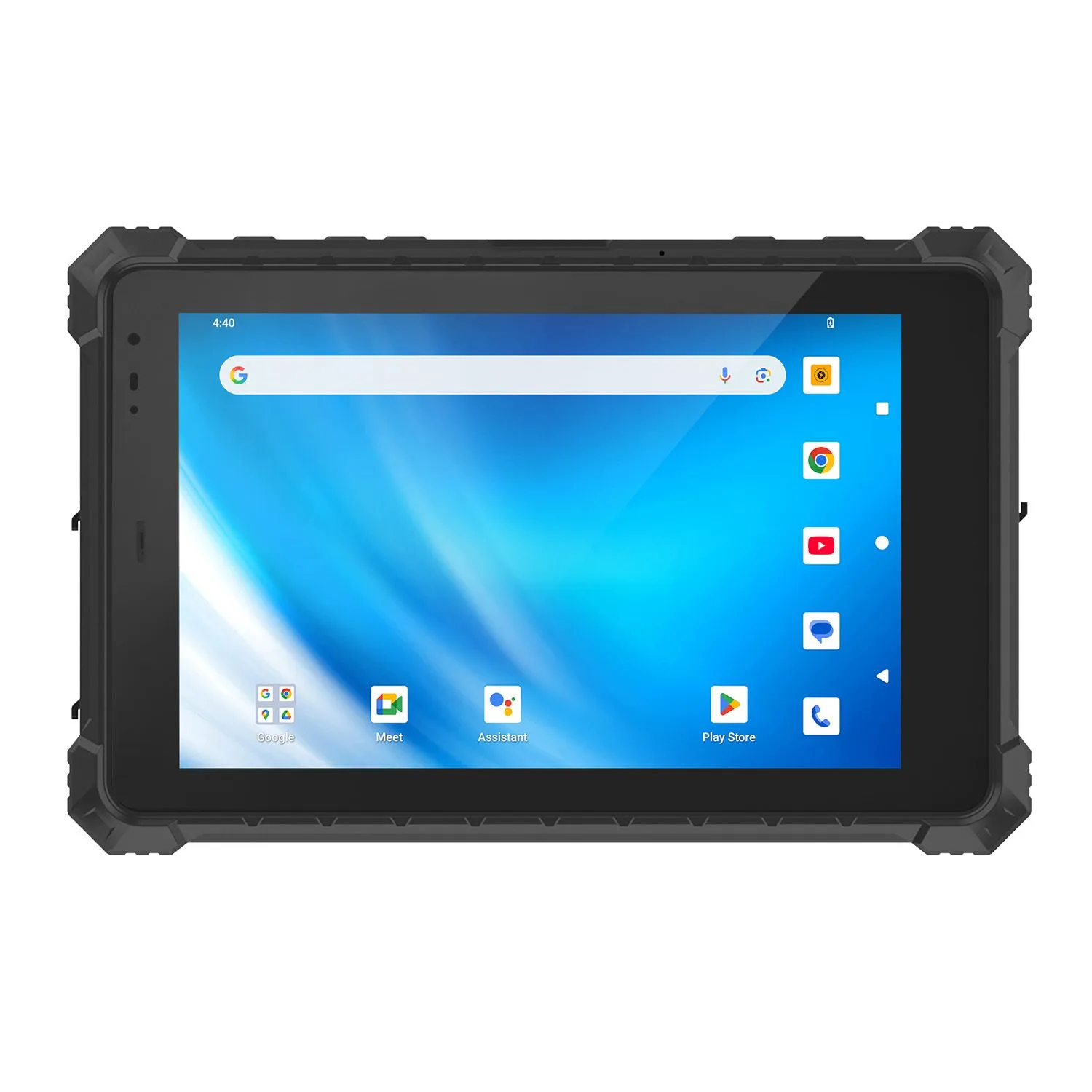
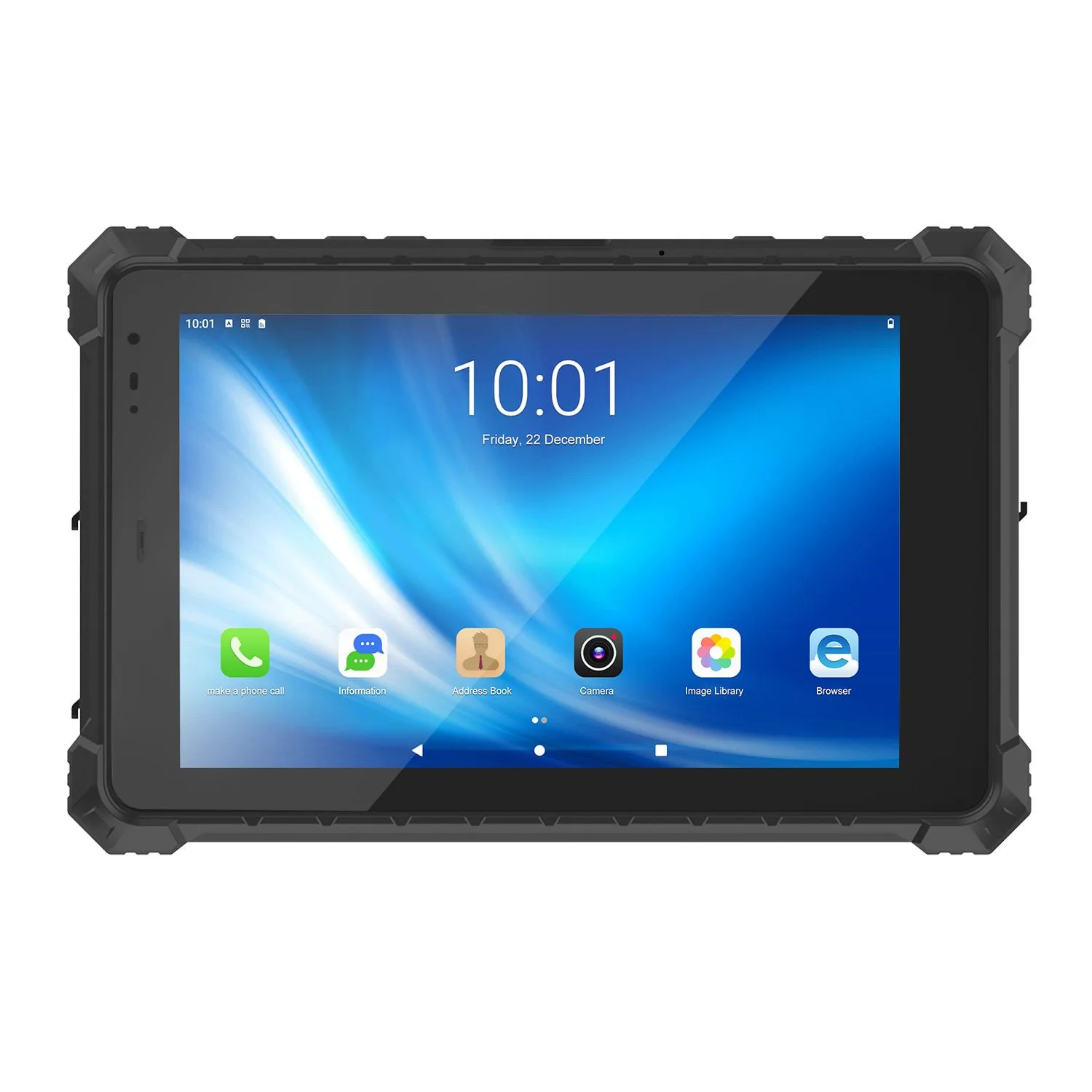
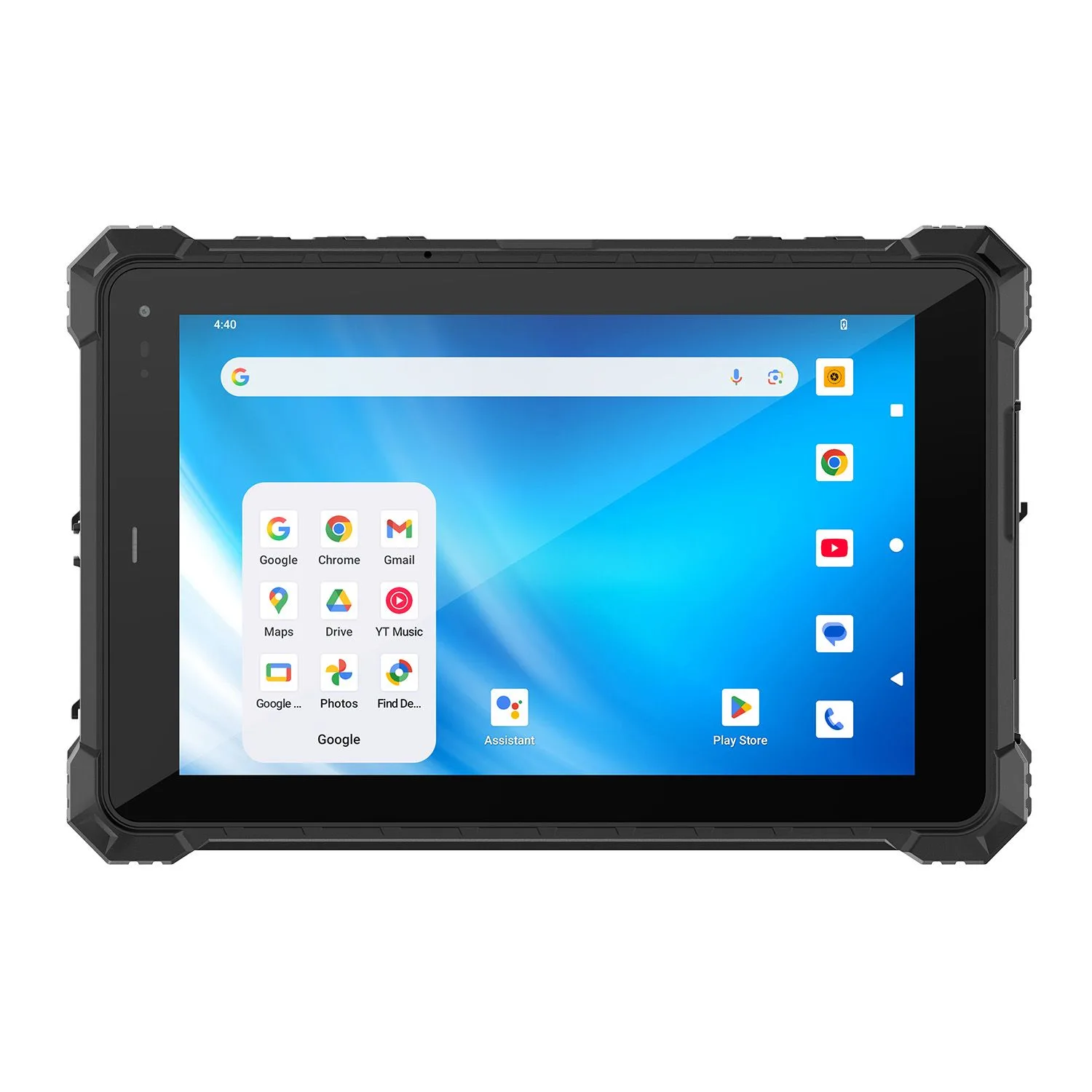
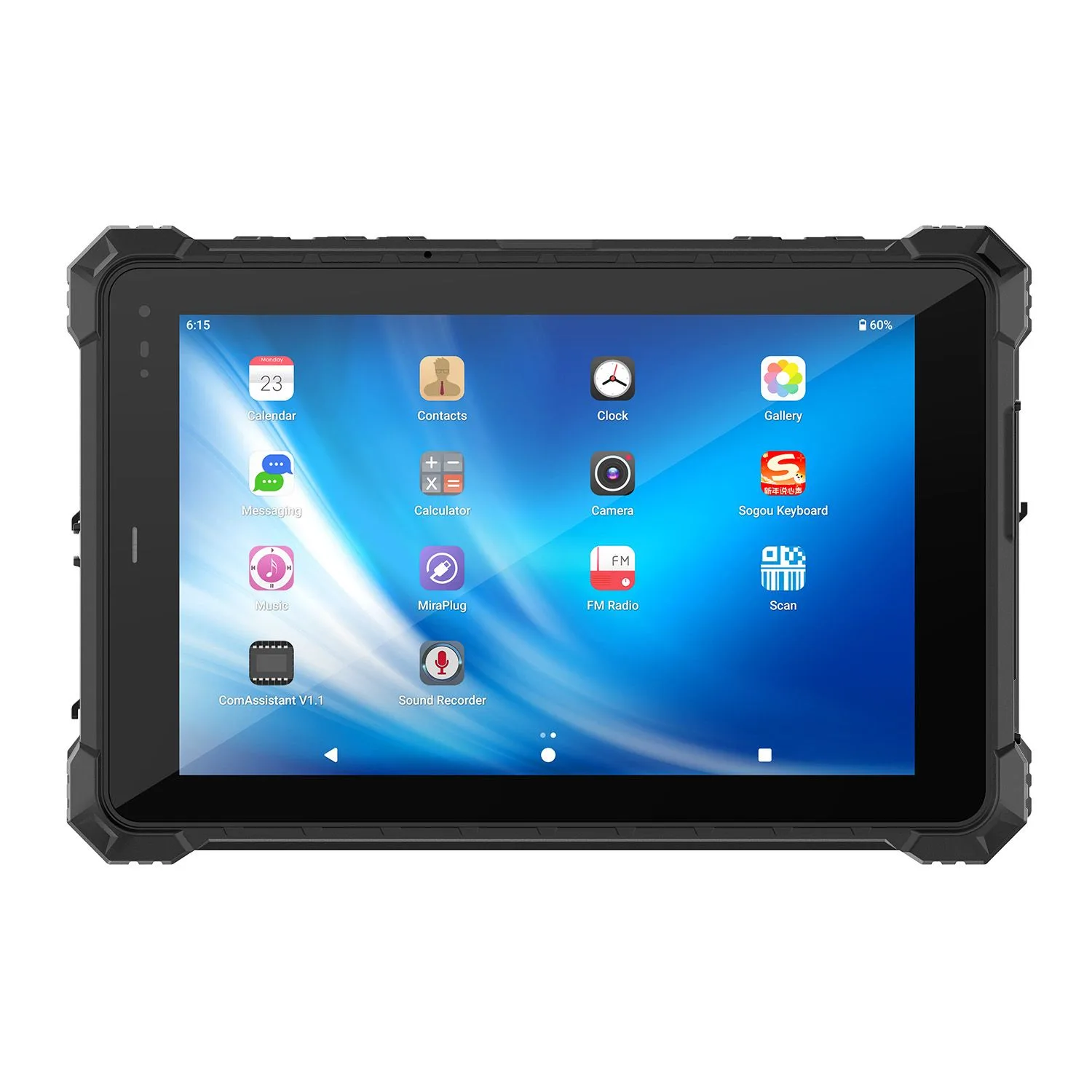
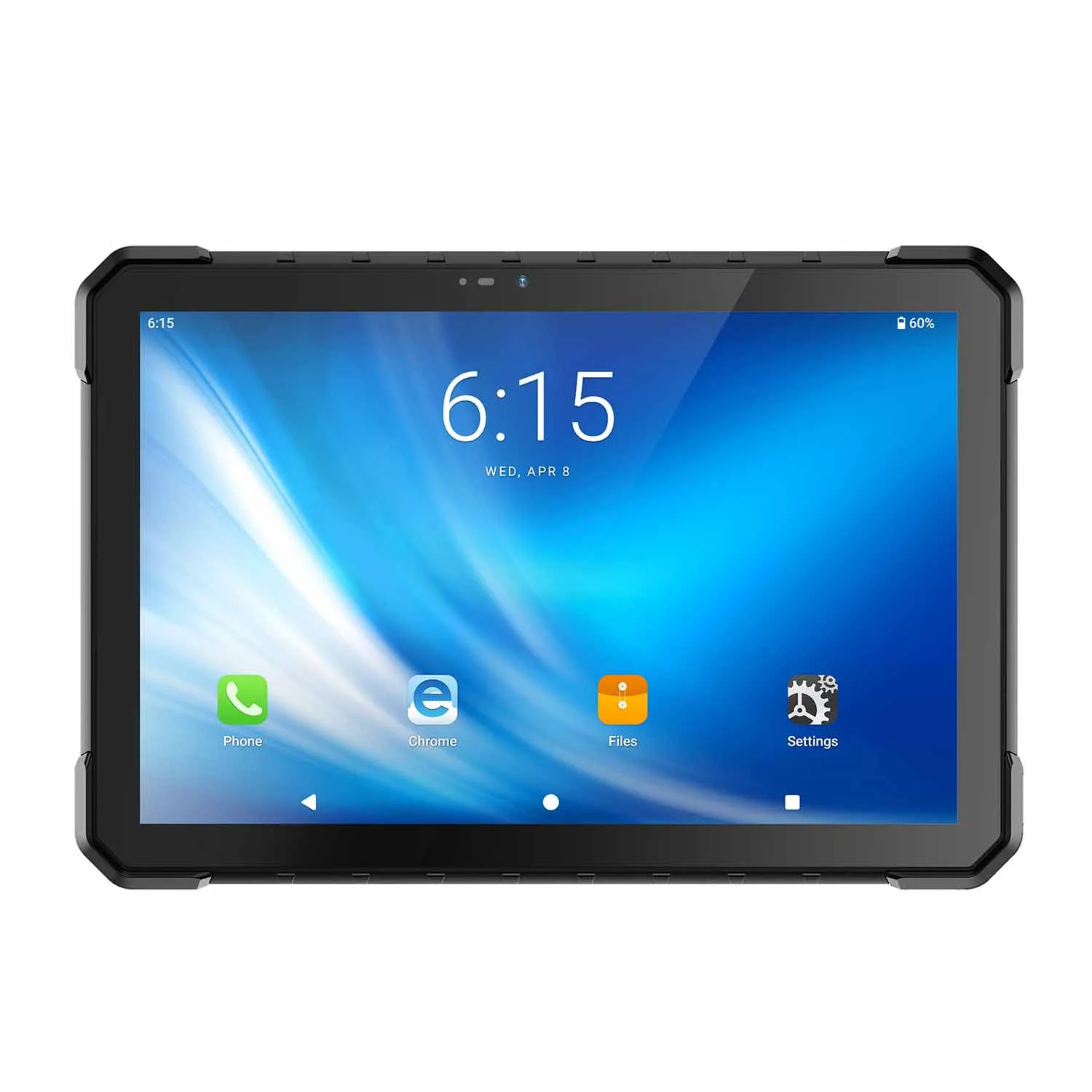
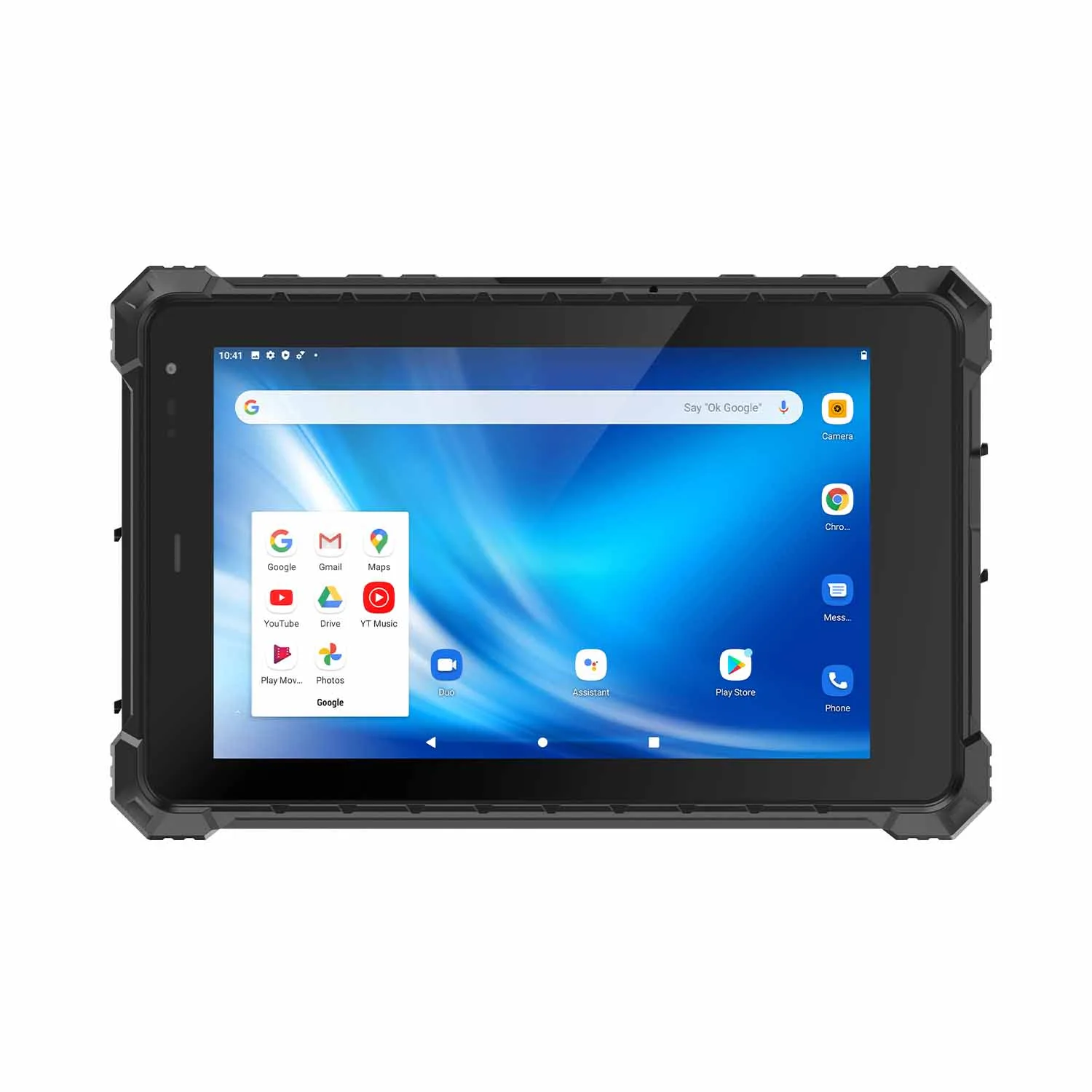
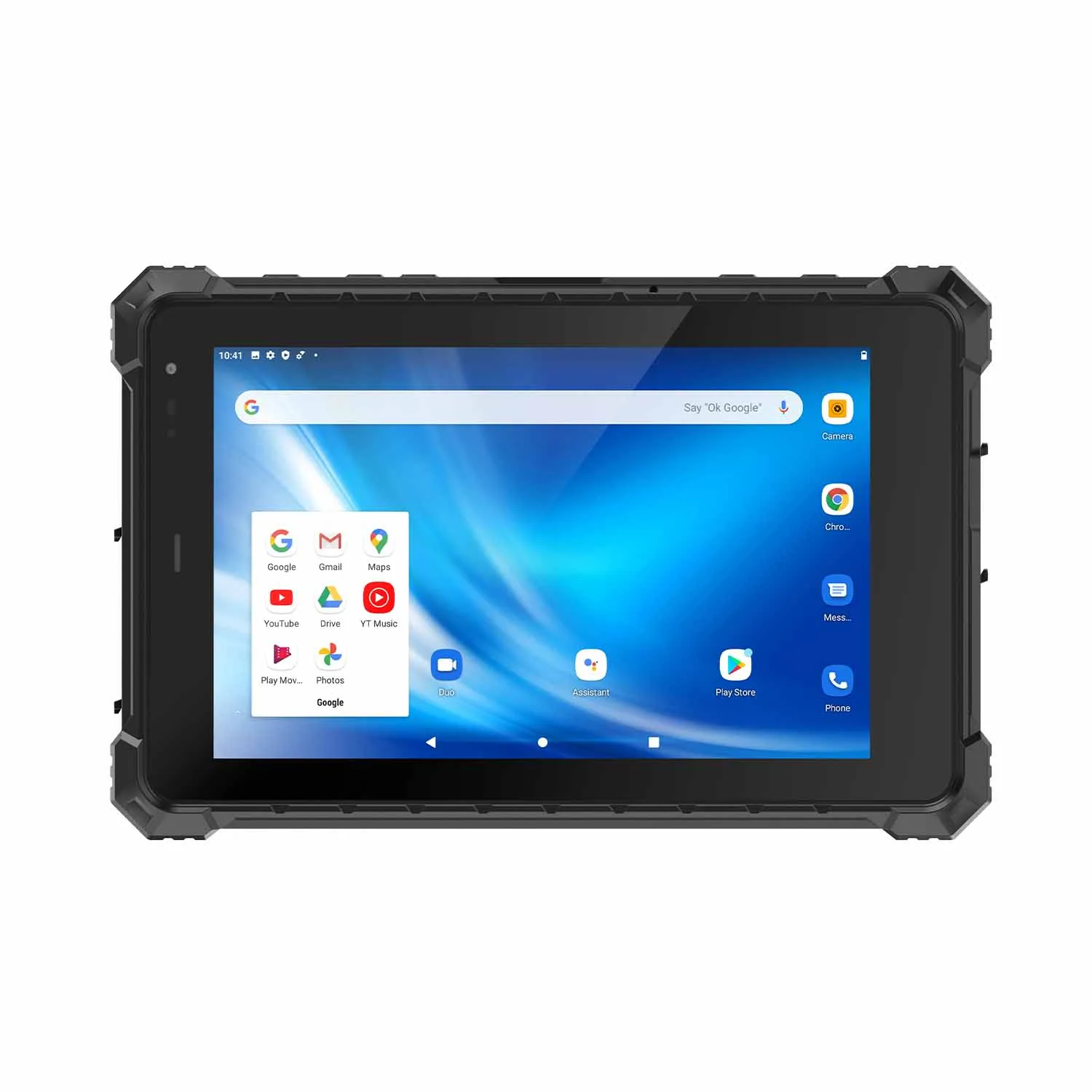
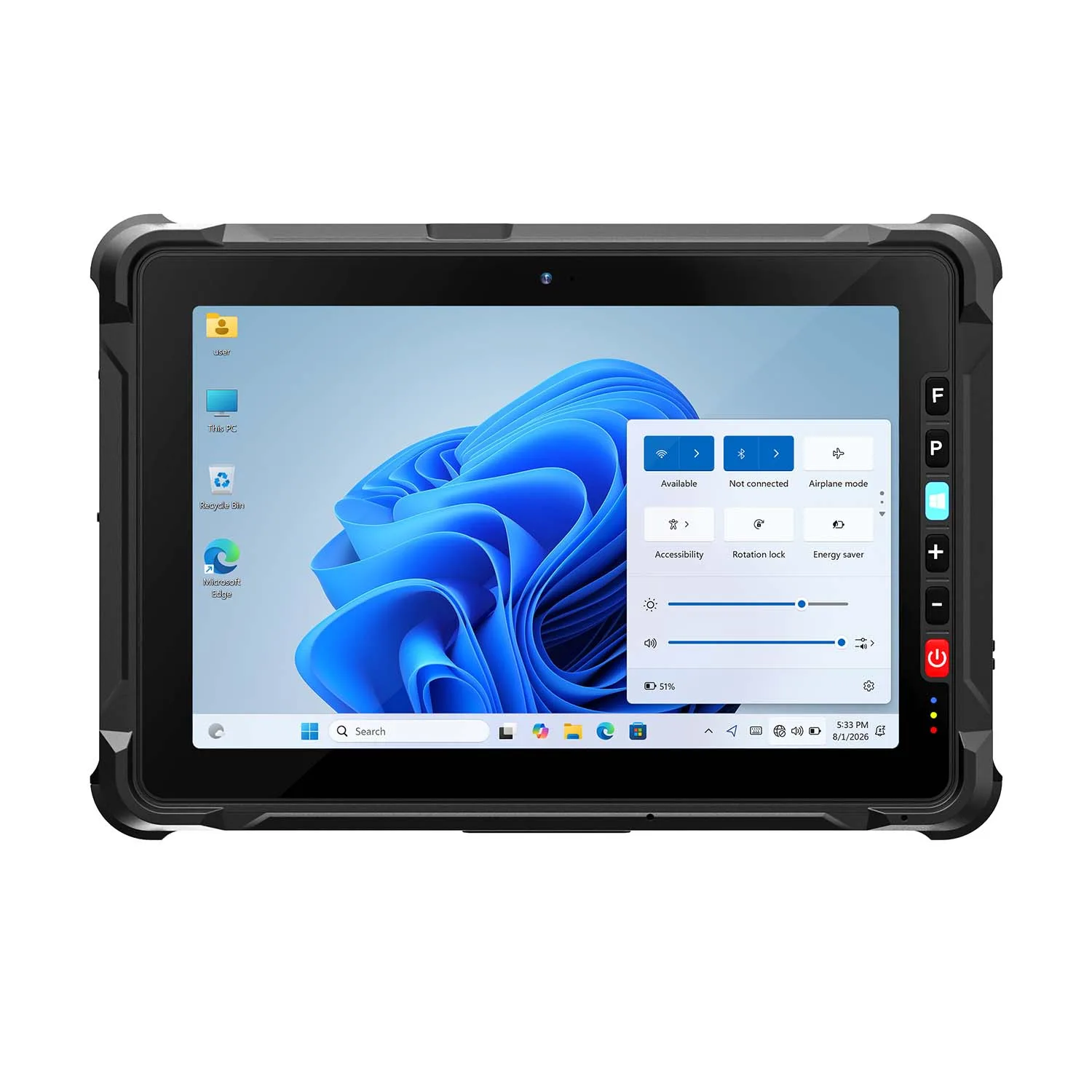
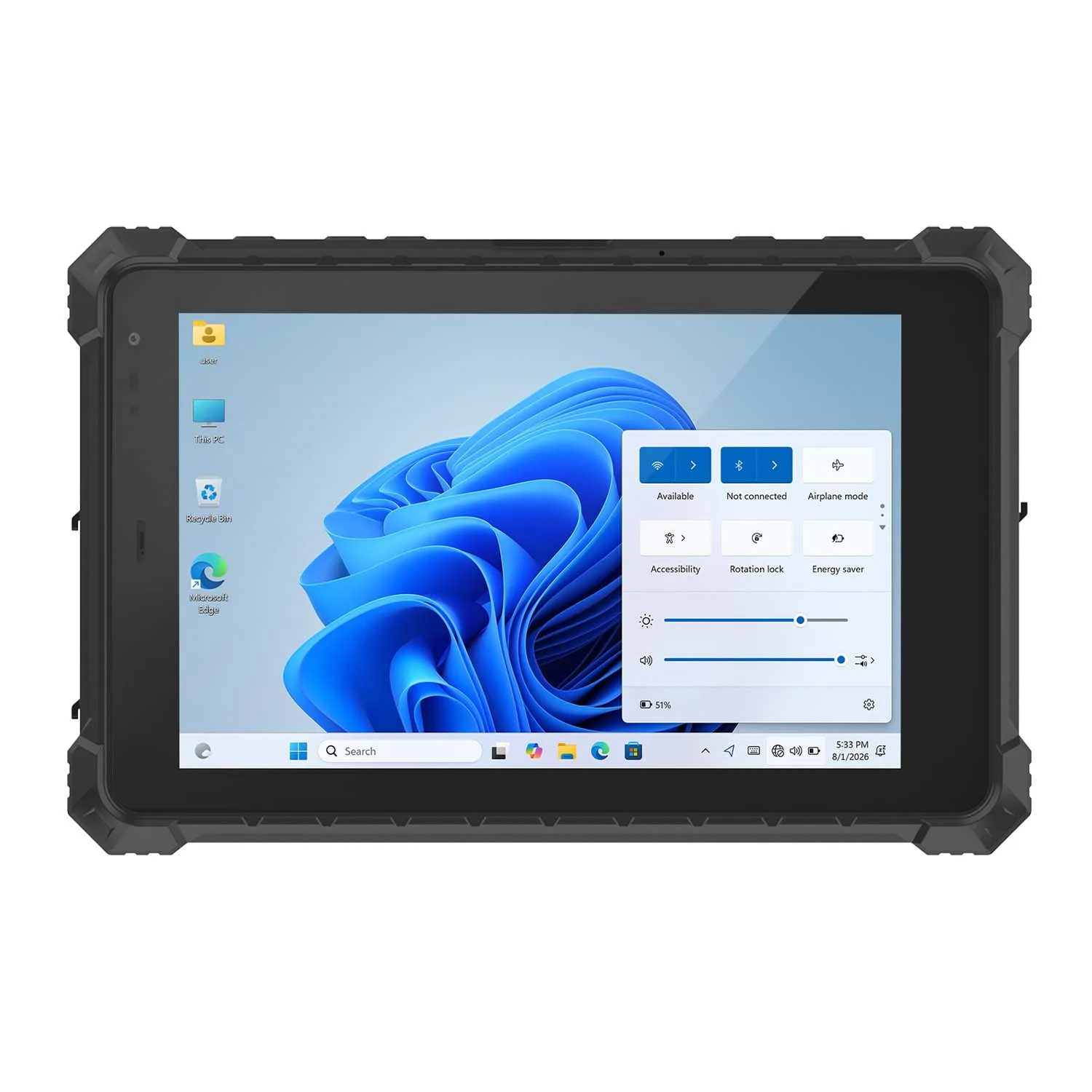
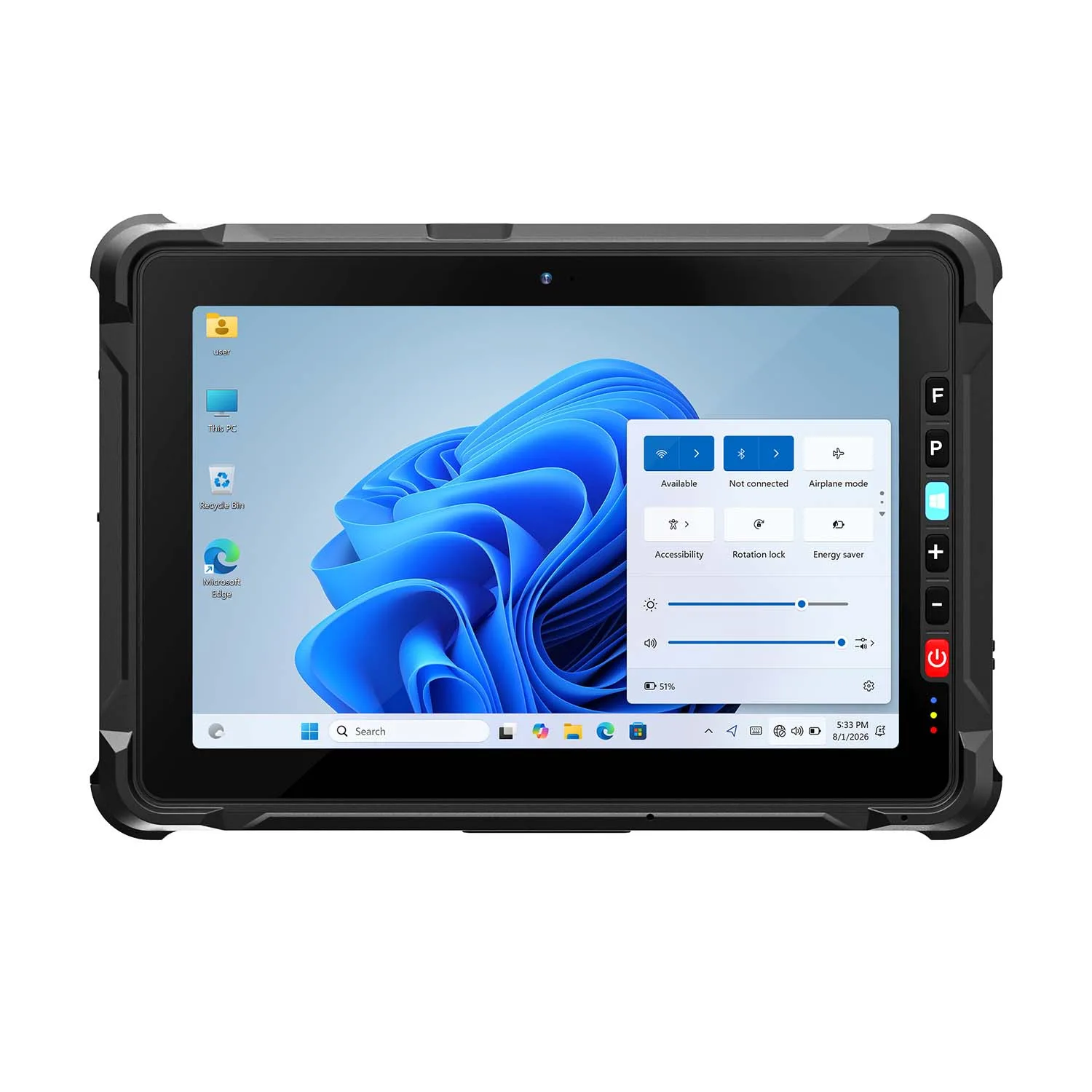
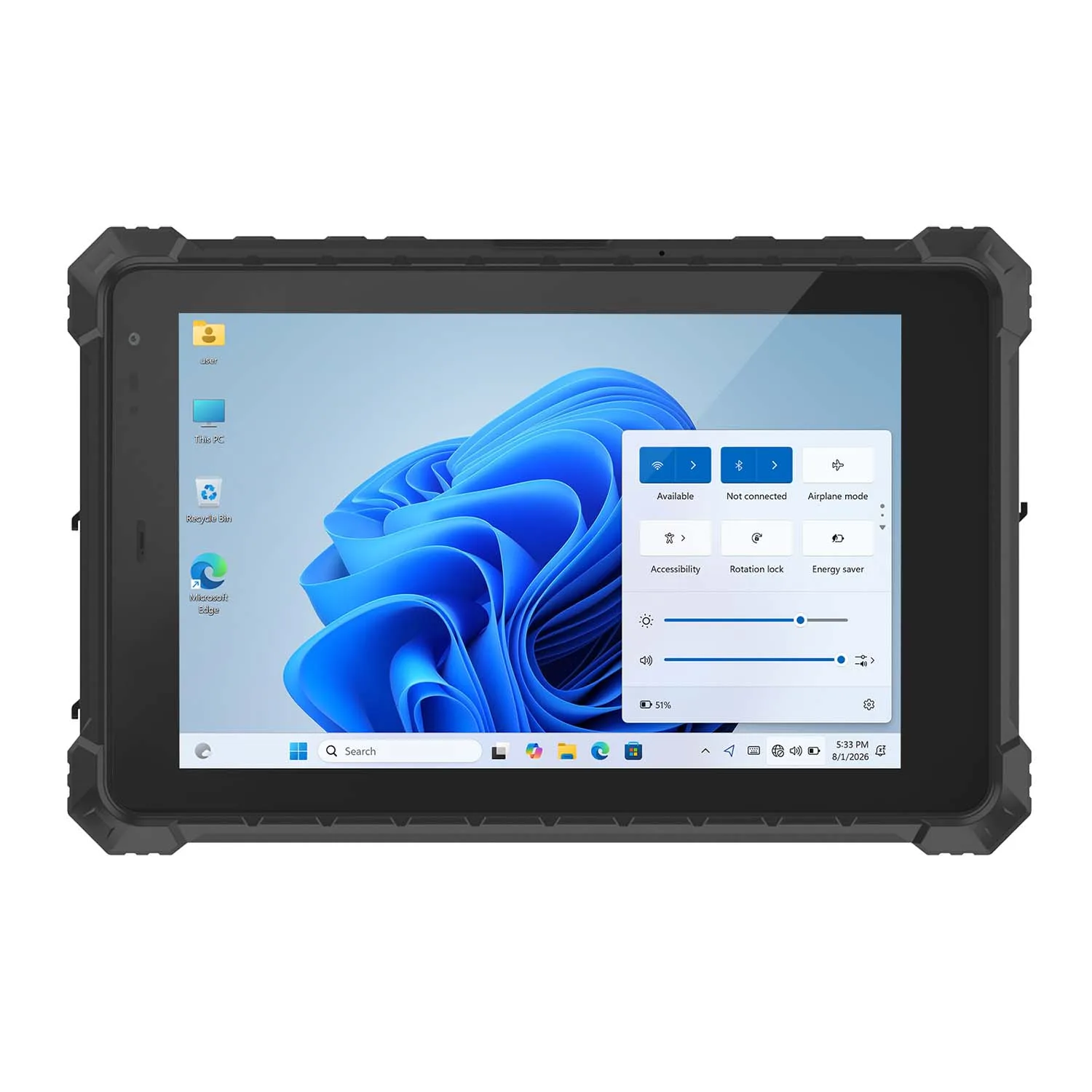
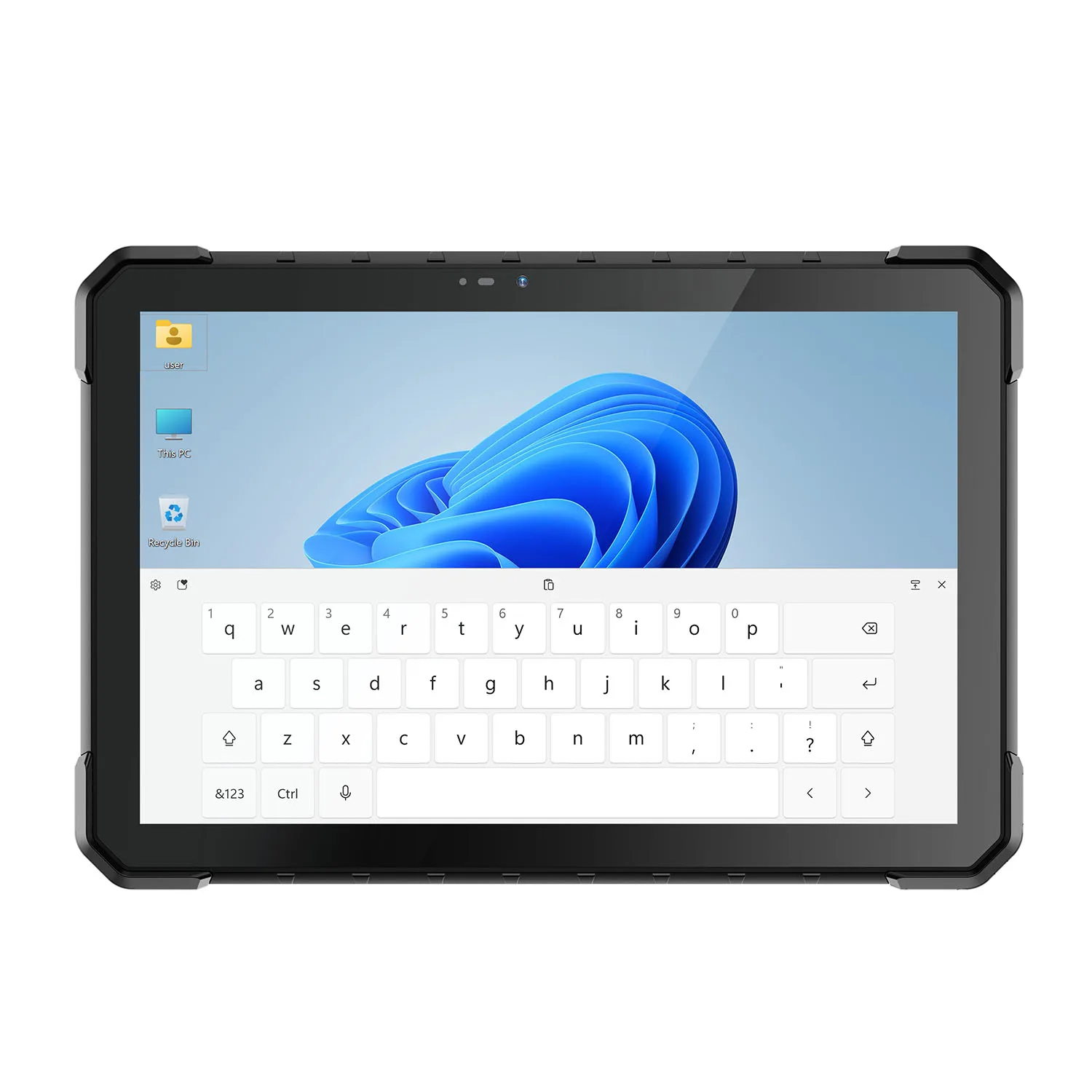
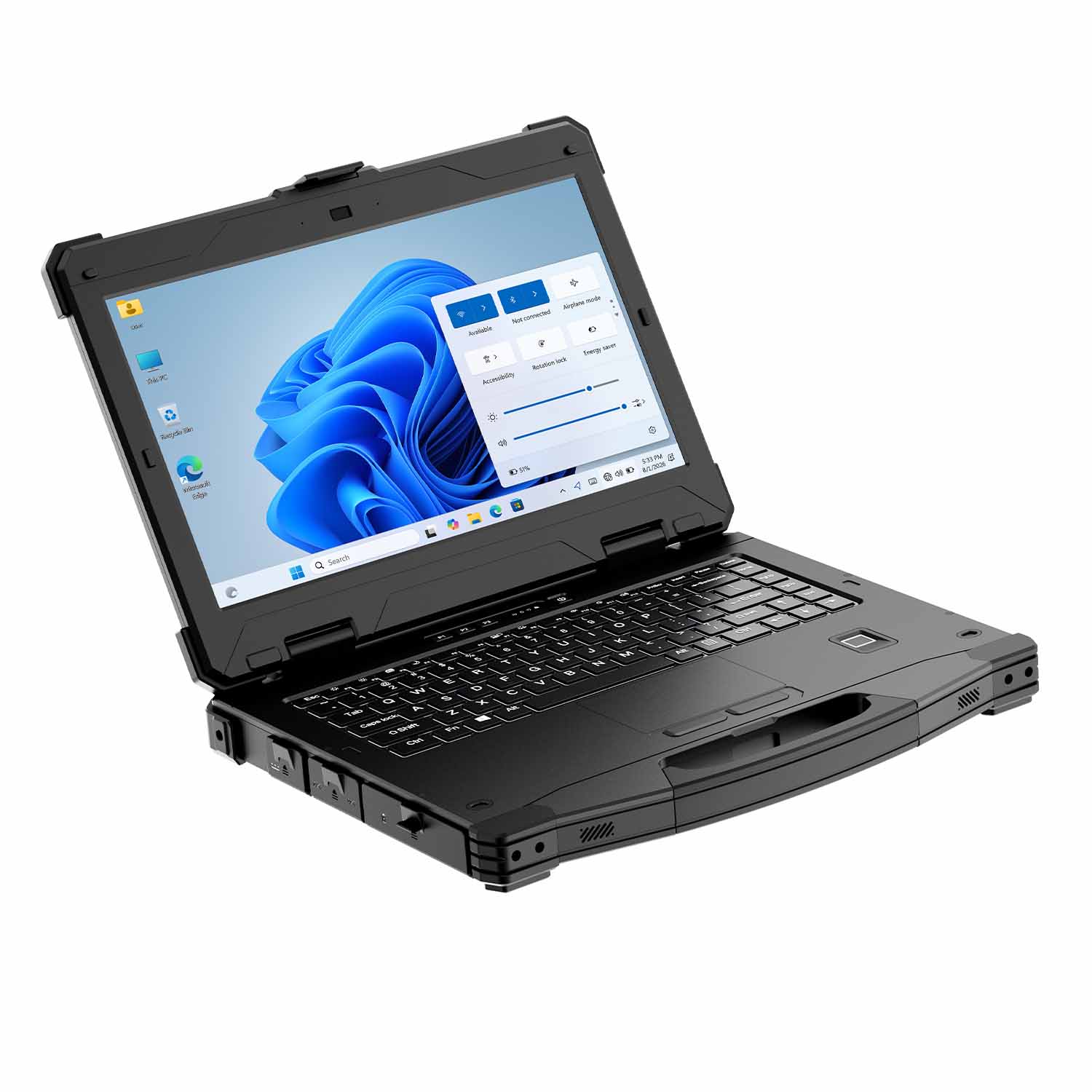
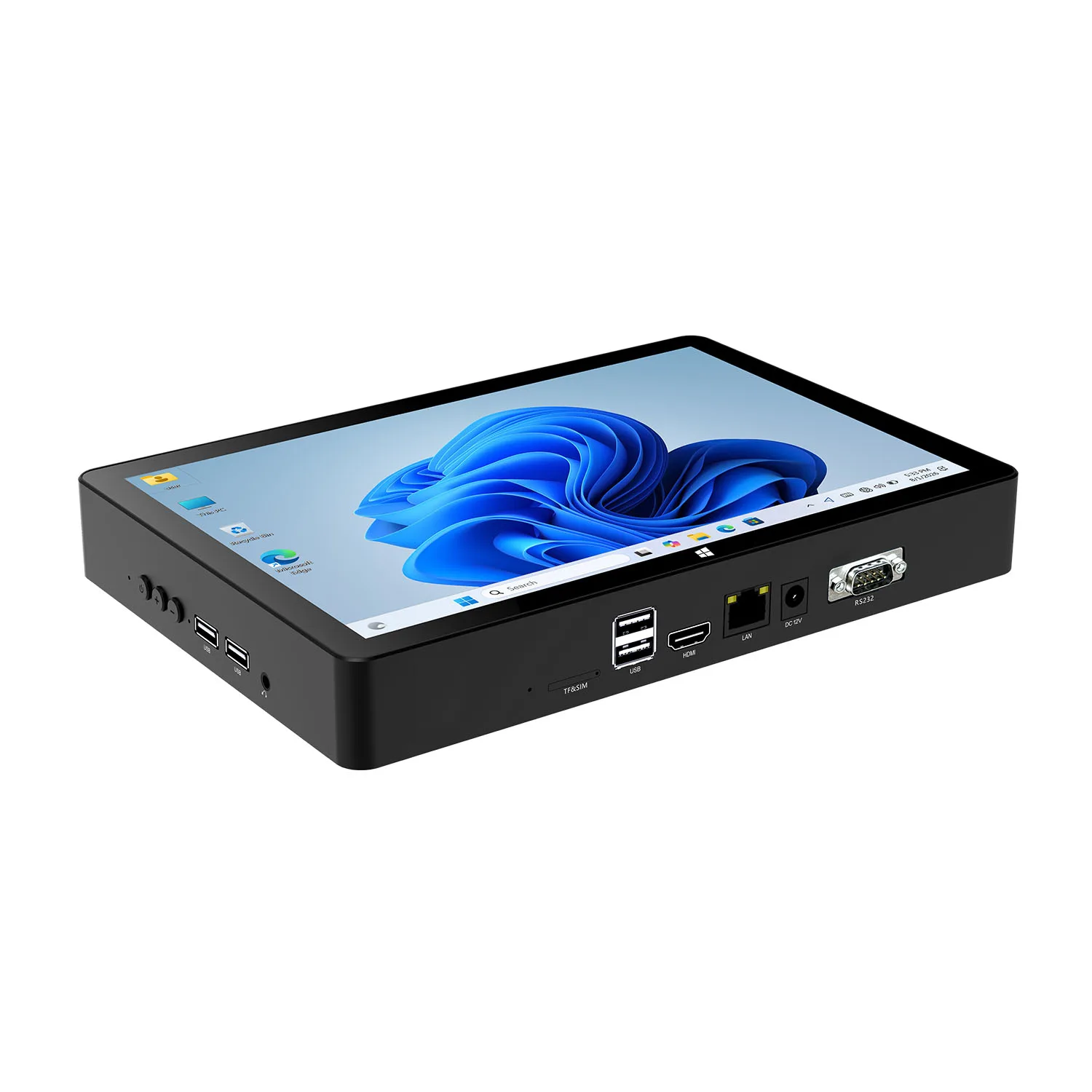
CENAVA develops rugged and explosion-protected tablets for OEM/ODM industrial projects. Its value in operator-round programs lies in aligning the device image, scanning or NFC option, carrying method and mobile application with the refinery’s actual point-identification scheme.
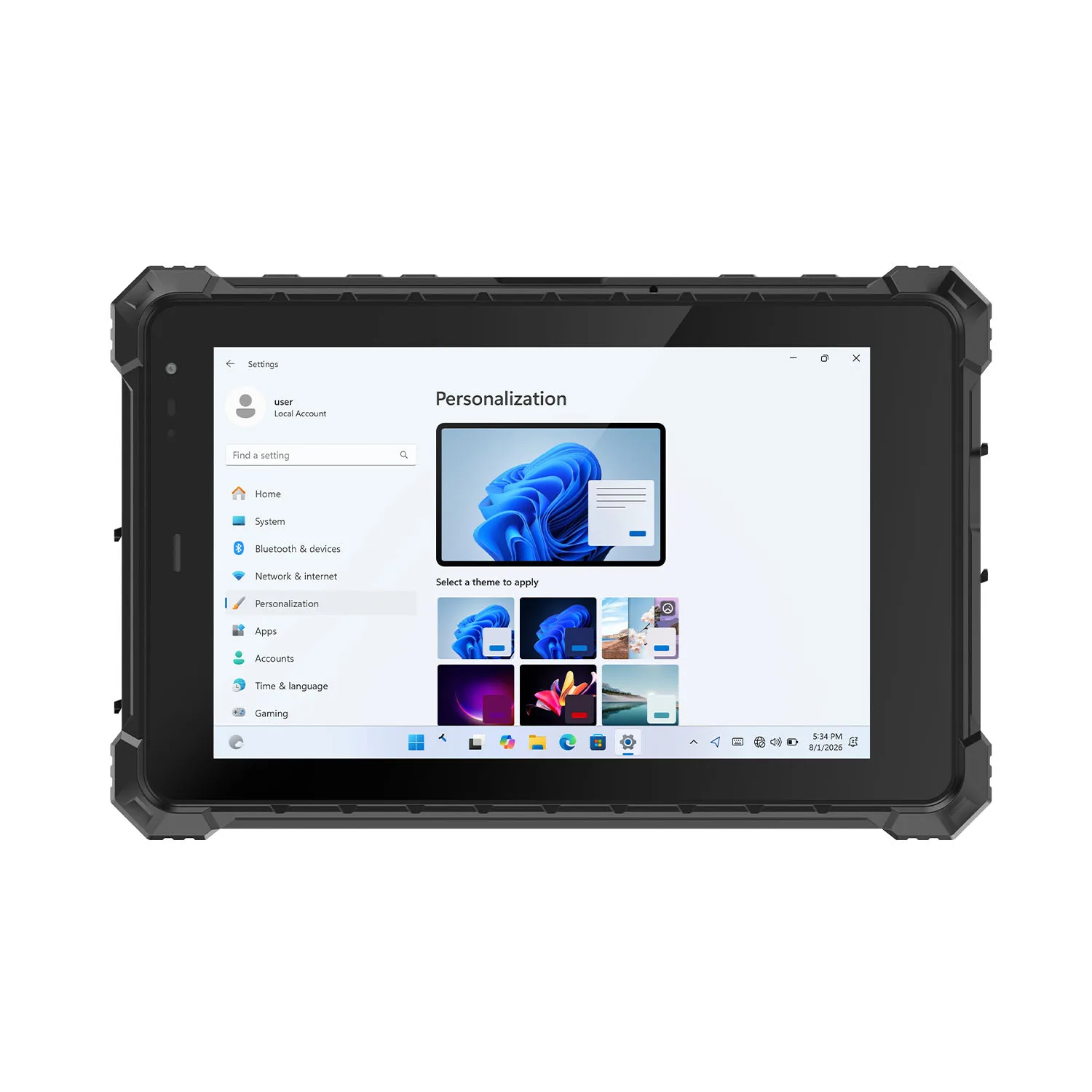
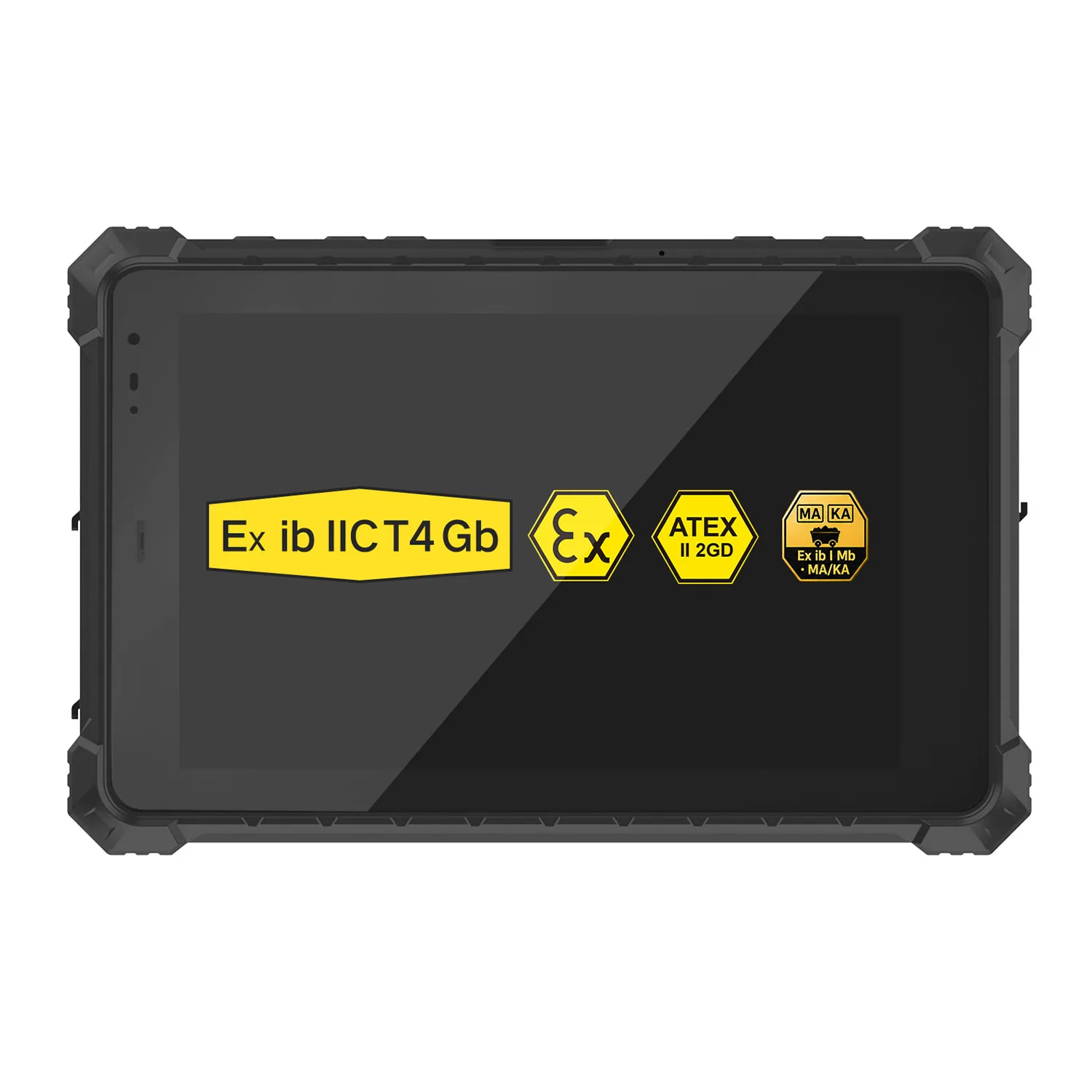
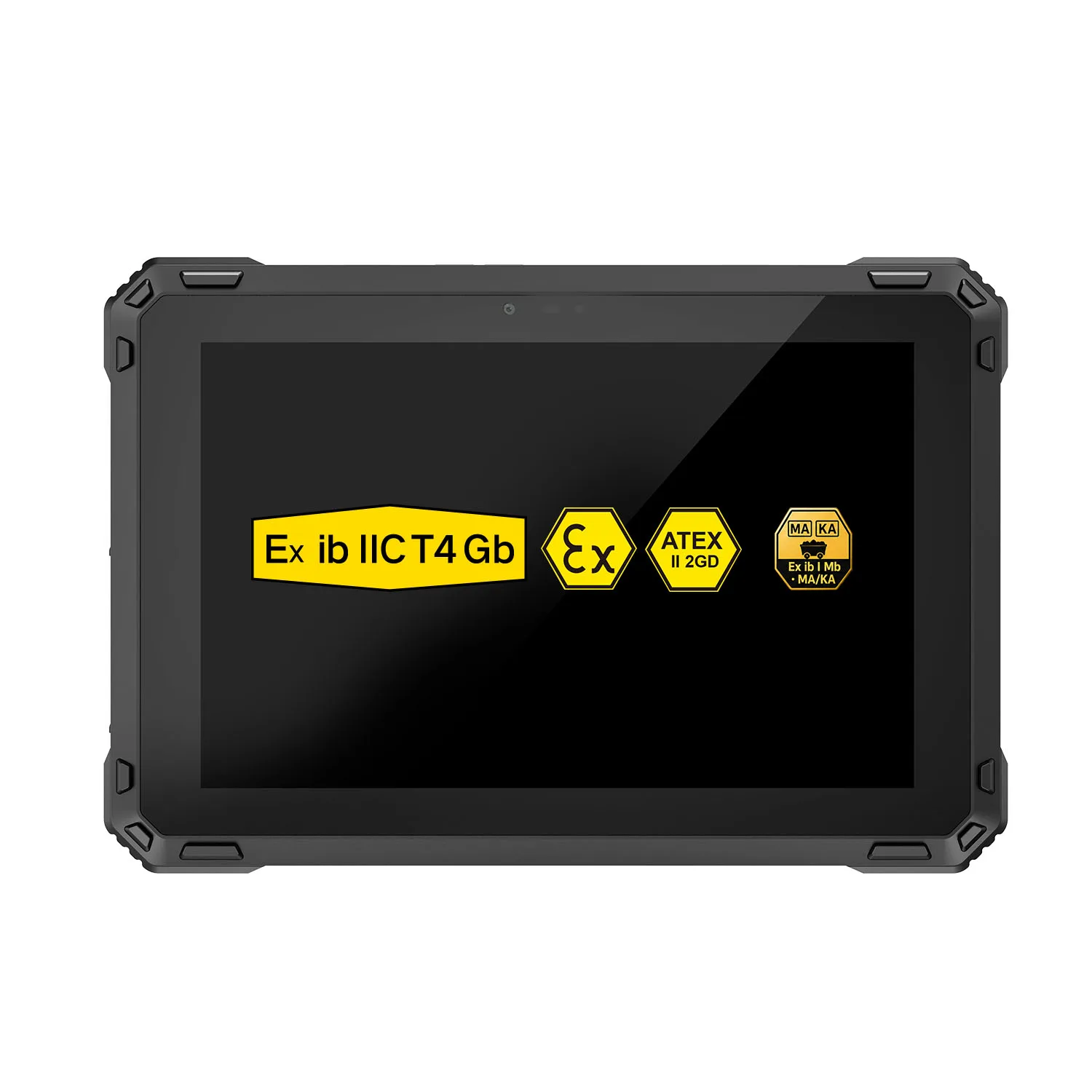
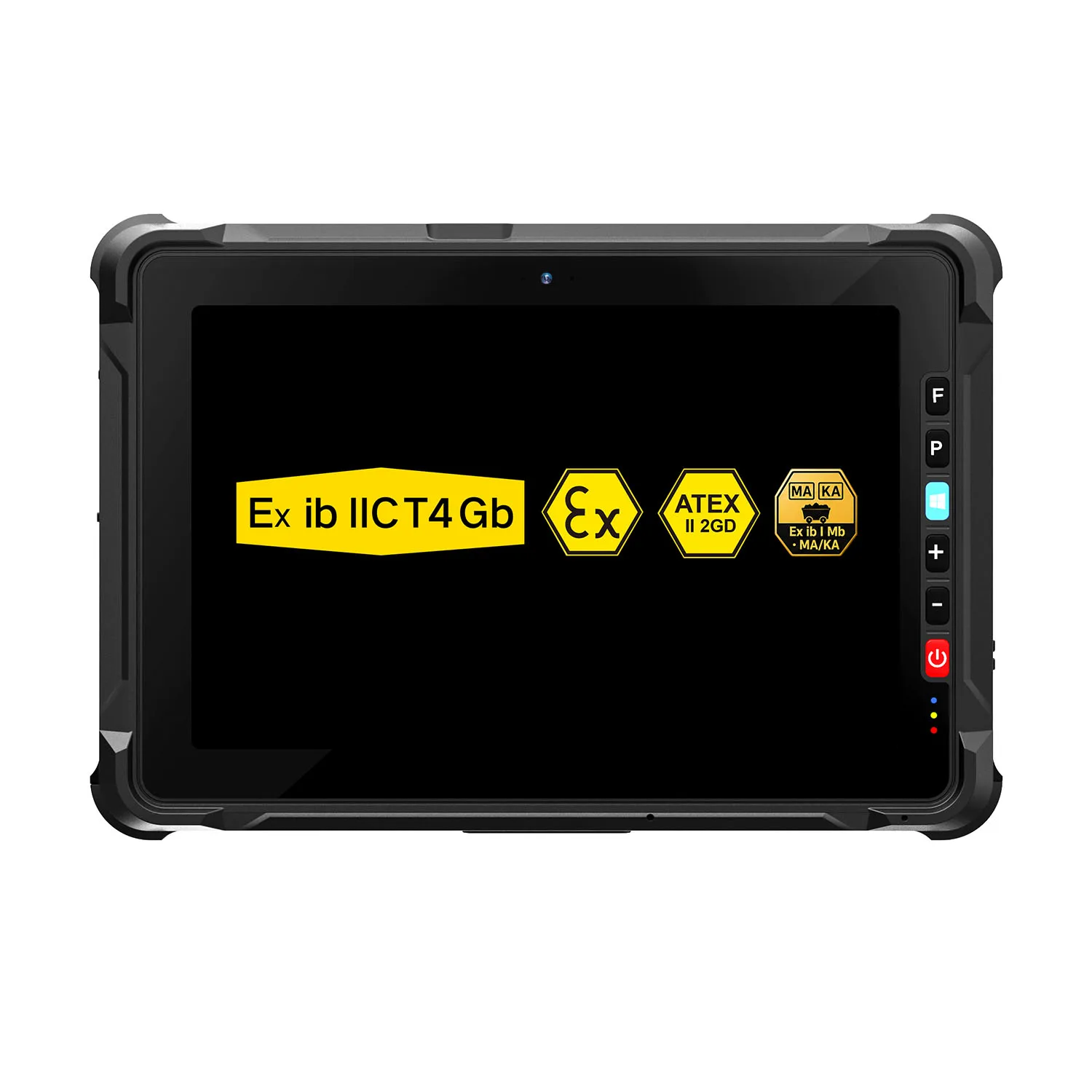
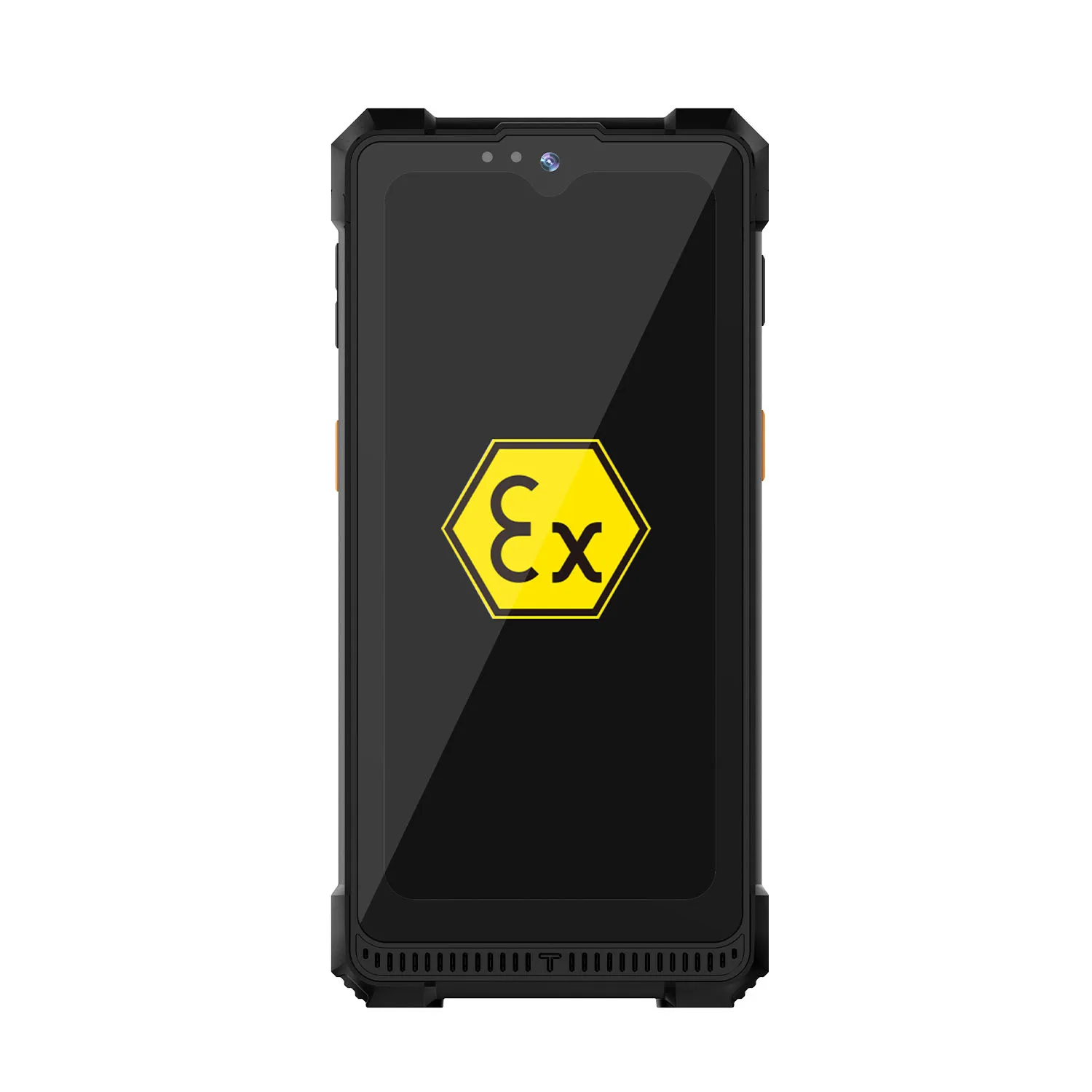
- Key Product: The A10ST-EX MT8781 project configuration is specified with
Ex ib IIC T5 Gbmarking. The delivery pack should connect that exact model and physical label to its certificate schedule, ambient range, battery and selected modules; specifications from a visually similar standard A10ST should not be merged into the Ex record. - Technical Advantage: Hardware options can be planned around one defined workflow instead of added after the application is frozen. That flexibility is most useful when each option has an owner, acceptance test and configuration identifier.
A petrochemical plant inspection tablet may use NFC for fixed-point identity, a 2D imager for equipment tags or manual search for damaged labels. The project should select one primary method and define a fallback rather than presenting three equally prominent choices to an operator wearing PPE.
The CENAVA pilot should include deliberate wrong-tag and unreadable-tag cases. If the fallback permits manual selection, the screen can require area and equipment-class agreement, then display the full description before accepting the observation. This small friction is preferable to a clean but misassigned record.
5. Getac (Taiwan)
Core Strength: Outdoor-readable Android workflow for documented Zone 2/22 routes
Getac is a long-established rugged-computing manufacturer serving industrial, utility and field-service operations. Its Android portfolio combines environmental durability with enterprise management tools, which can suit outdoor refinery routes where the area classification matches the lower-category model.
6. BARTEC (Germany)
Core Strength: Zone 2/22 enterprise data capture with scanner-aware configuration control
BARTEC has extensive hazardous-area engineering experience and offers mobile computers for industrial maintenance and logistics. Its collaboration around enterprise tablet platforms is relevant where a refinery wants consistent barcode behavior and managed applications across stores, workshops and selected process areas.
7. Winmate (Taiwan)
Core Strength: Windows compatibility for lower-category hazardous-area inspection applications
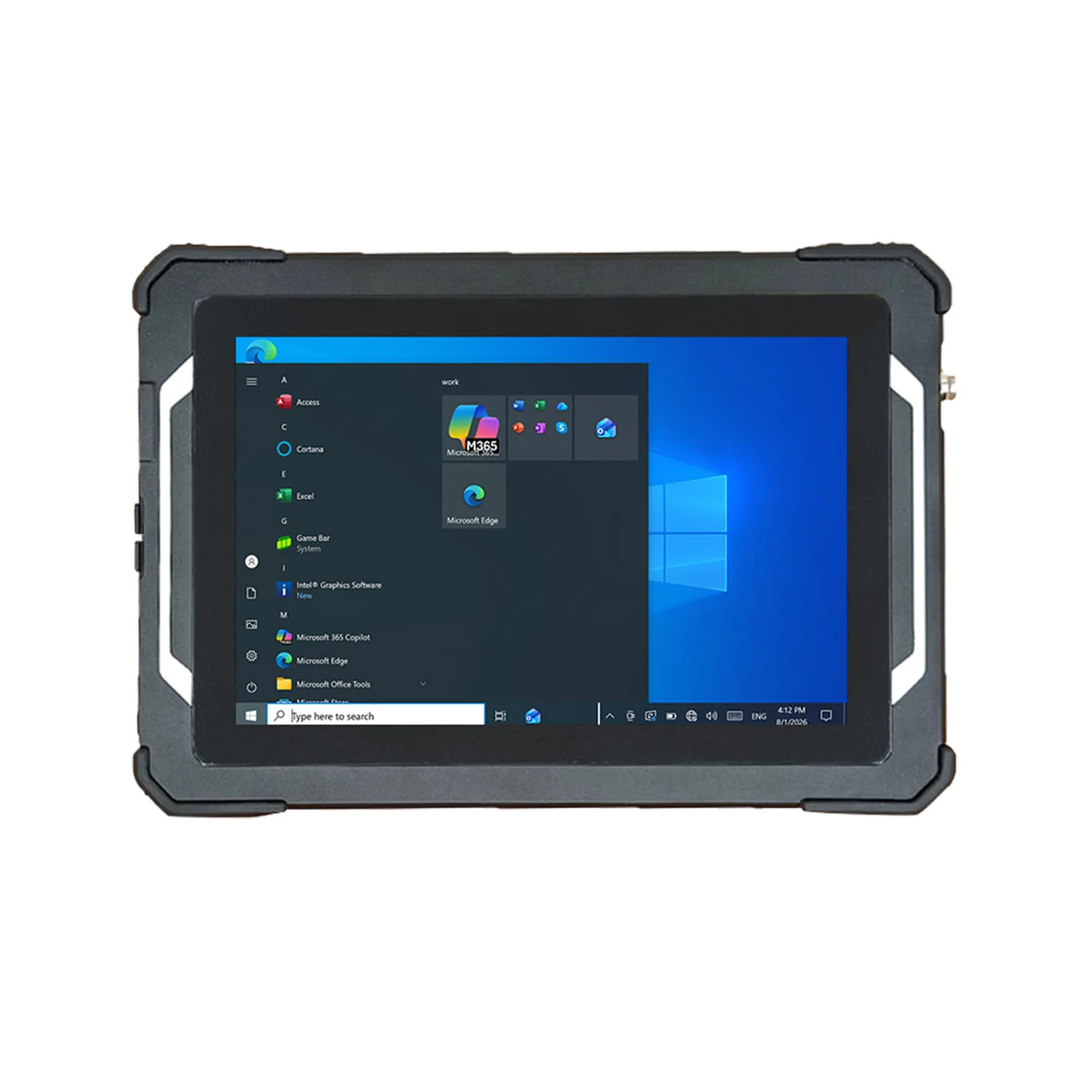
Winmate manufactures rugged tablets, displays and industrial computers for field and vehicle-based work. Its M101 line is relevant where a refinery uses Windows CMMS extensions, drawing viewers or local instrument utilities on a documented Zone 2 or Division 2 route.
8. DURABOOK (Taiwan)
Core Strength: Fanless Windows mobility with explicit Zone 2/22 environmental evidence
DURABOOK produces rugged Windows computers for field service, manufacturing and energy work. The U11-EX offers a large view for drawings and inspection histories while remaining targeted at documented lower-category hazardous locations.
9. Zebra Technologies (United States)
Core Strength: Enterprise Android lifecycle, barcode capture and fleet-management depth
Zebra is widely used for enterprise mobility and automatic identification. Its application and device-management ecosystem can be attractive where refinery stores, warehouses and field teams share governance while keeping hazardous-location builds visibly separated.
10. Panasonic TOUGHBOOK (Japan)
Core Strength: Modular Windows platform for safe-area and optional Division 2 work
Panasonic TOUGHBOOK has a long history in field computing for transportation, utilities and public service. Its modular ecosystem can fit refineries that need Windows drawing and maintenance applications across control rooms, workshops and selected lower-category routes.
How to Choose the Right Manufacturer for Refinery Operator Rounds
Hardware selection becomes meaningful after the refinery defines the data contract and field route. The following four steps preserve the reference article’s selection logic while shifting the evidence from brochure comparison to a measurable operator-round pilot.
Define Your Operating Environment
Start with a route-point register, not a generic unit name. For each point, record the asset tag, functional location, observation type, source instrument, unit, expected range or choice set, responsible role, hazardous-area classification, PPE, stable operating position and approved response to an exception. A separate route version should show the order in which points are visited.
Map ordinary and abnormal availability. Steam release, scaffold erection, an open drain, lifting activity or temporary barrier can make a normally accessible point unavailable without changing its master asset record. The app needs “not safely accessible” as a valid outcome with escalation; forcing a reading encourages guessing or unsafe approach.
The first pilot can use 18 controlled points and 12 shifts. Inspectors should not be judged on how quickly they finish an unfamiliar form. Track wrong-asset selections, unavailable points, exception acknowledgements, incomplete syncs and supervisor rework; those measures reveal whether the design preserves operational meaning.
Clarify Performance Requirements
Translate field conditions into tasks. Test the issued glove and screen film for numeric entry, a 20-character note, drawing pan/zoom and one-tap abnormal escalation. Repeat in shade, direct sun and after a safe water-mist simulation. “Glove mode” is not a universal outcome because glove material, moisture and interface layout change the result.
A search for a high temperature rugged tablet for pipe rack inspection should lead to an ambient and heat-soak assessment, not a generic “extreme temperature” claim. Compare the certified operating range with measured local air temperature and solar exposure; radiant heat from piping can heat the enclosure beyond the weather-station reading. Establish shaded rest or task-duration rules through the refinery’s engineering process.
Use a proposed 36-task exercise: ten correct asset scans, eight readings transcribed from training indicators, four binary observations, four permitted defect photographs, four seeded out-of-range values, two duplicate scans, two controlled-drawing revision changes and two offline handovers. Stop cues and inaccessible-point behavior should be evaluated separately so task completion never competes with safety response.
Consider Software & Integration
Define one data object across the mobile form, integration layer and CMMS: route ID, point ID, asset ID, source, value or choice, unit, observation time, operator role, exception severity, attachment hash, device submission ID and server receipt. If the CMMS cannot store a field, decide where it remains authoritative rather than concatenating unlabeled values into a comment.
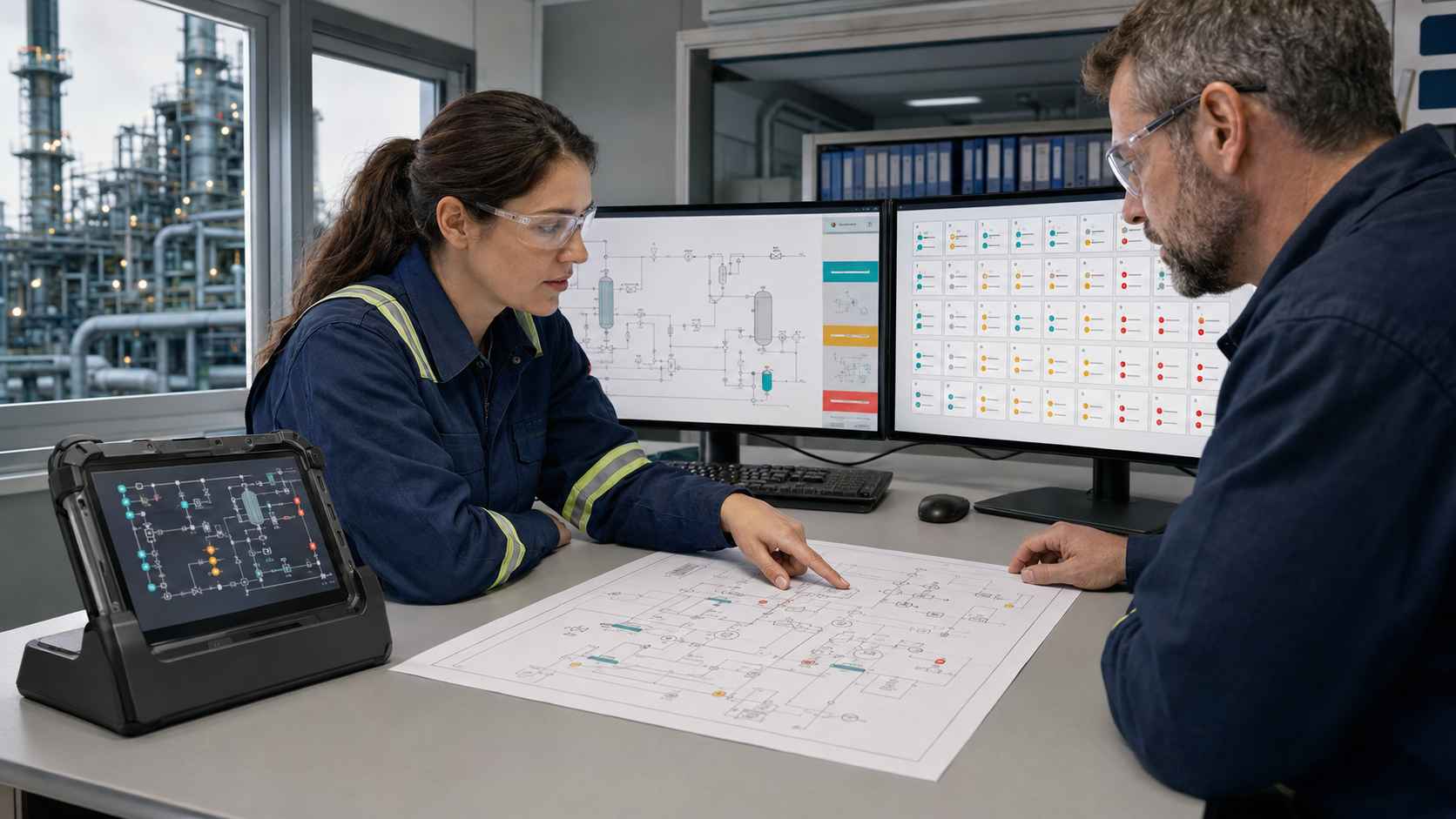
P&ID access needs a controlled package service. Each offline package should identify unit, document number, revision, effective state, generation time and expiration policy. Field redlines are proposals with their own identifier; they should not overwrite the approved drawing or appear as a current revision to the next operator.
Run a 75-minute disconnected route with two operator handovers and one application restart. Reconnect once. Then reconcile the tablet, middleware and CMMS for 36 task results, attachments and exception notifications. Acceptance means the server received the complete authoritative set and exposed conflicts—not merely that every local tile turned green.
Analyze Total Cost of Ownership (TCO) vs. Initial Cost
Include certified hardware, approved carry and charging equipment, spares, device enrollment, application configuration, integration, drawing-package administration, training, periodic physical inspection, cleaning, security maintenance, repair quarantine and re-release. A low device price does not offset a workflow that creates duplicate work orders or requires manual cleanup every shift.
A baseline calculation keeps the business case honest. If eight operators complete two rounds per shift and each spends six minutes reconciling notes afterward, the process consumes 96 staff-minutes per shift. Measure the digital pilot against that baseline while adding supervisor review, exception handling and sync recovery; 96 minutes is not a promised saving.
Contact CENAVA only when a specific project configuration needs review. Provide the destination country; ATEX/IECEx or Class/Division framework; Zone or Division, gas group, temperature class and ambient/solar conditions; route and shift length; CMMS/EAM platform; P&ID file format and controlled viewer; identity method; glove/PPE details; scanner requirement; carrier, SIM or eSIM needs only when cellular service is required; and NFC card or tag technology only when NFC is included. Do not send credentials, live process values, confidential drawings, SIS logic or employee personal data.
The Future of Digital Refinery Operator Rounds: Trends to Watch
Asset taxonomy becoming the mobile foundation
Refineries are moving away from free-text equipment names toward governed functional locations, equipment classes and failure descriptors. This makes cross-unit analysis more useful, but only if field labels, CMMS records and route points resolve to the same asset identity.
Exception-first rounds replacing uniform checklists
Future applications will present normal observations quickly while expanding context and action guidance for an exception. The aim is not to minimize clicks at any cost; it is to give abnormal information more attention without hiding the route status or delaying a physical response.
Controlled offline P&ID packages
Mobile drawing access is shifting from downloaded folders toward unit-scoped packages with revision status and expiry behavior. A device may remain offline for the round while still making staleness visible, separating approved documents from field annotations and recording which revision was viewed.
Server-side completeness and lineage checks
Mature programs will judge synchronization by the server’s authoritative record, attachment hashes, duplicate detection and integration receipts. Device fleets will also retain serial-level links to approval evidence, application version and permitted route, making workflow and hardware governance part of one release process.
Conclusion
Digitizing refinery rounds starts with a controlled operating model, not a tablet purchase. Every observation should resolve to the correct route, asset, point, source, unit, time and exception rule, while P&ID access exposes the approved revision and offline records remain traceable through CMMS receipt.
The ten manufacturers in this guide offer different combinations of hazardous-area scope, environmental protection, screen format and enterprise management. Pepperl+Fuchs / ECOM, i.safe MOBILE, Aegex and the specified CENAVA build warrant review for higher-category routes; Getac, BARTEC, Winmate, DURABOOK, Zebra and Panasonic belong on routes whose lower-category or safe-area requirements match the delivered configuration.
A defensible refinery-round program uses a small controlled pilot, seeded data errors, realistic PPE, unavailable-point handling and end-to-end reconciliation before scale-up. The tablet then becomes a reliable field record terminal—without being mistaken for the process control system, safety system, calibrated instrument, permit authority or operator decision-maker.
Need a Rugged Device for Your Project?
Tell us your operating environment and requirements — our engineers will recommend a configuration and quote within 24 hours.
Get a Free Quote Back to Blog