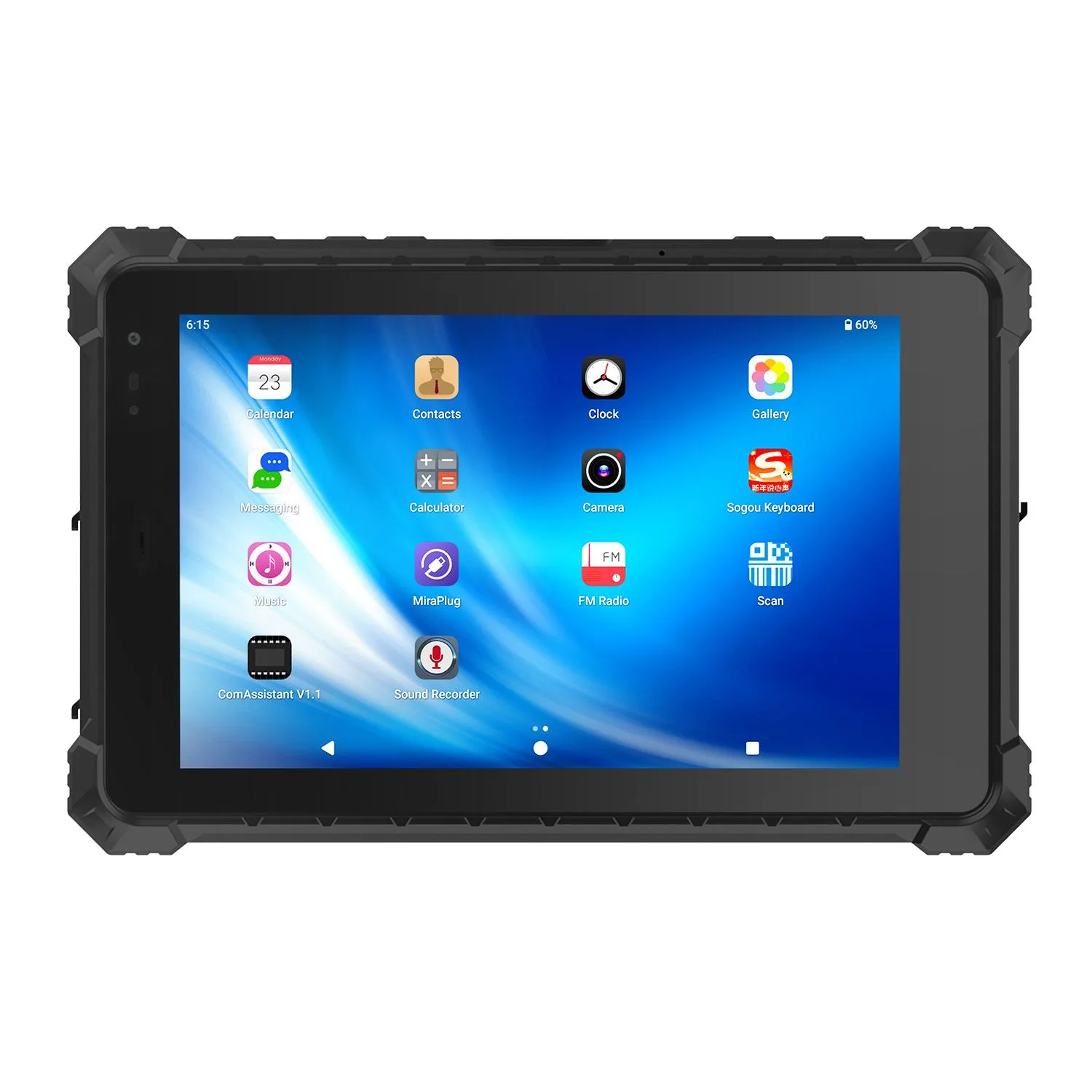
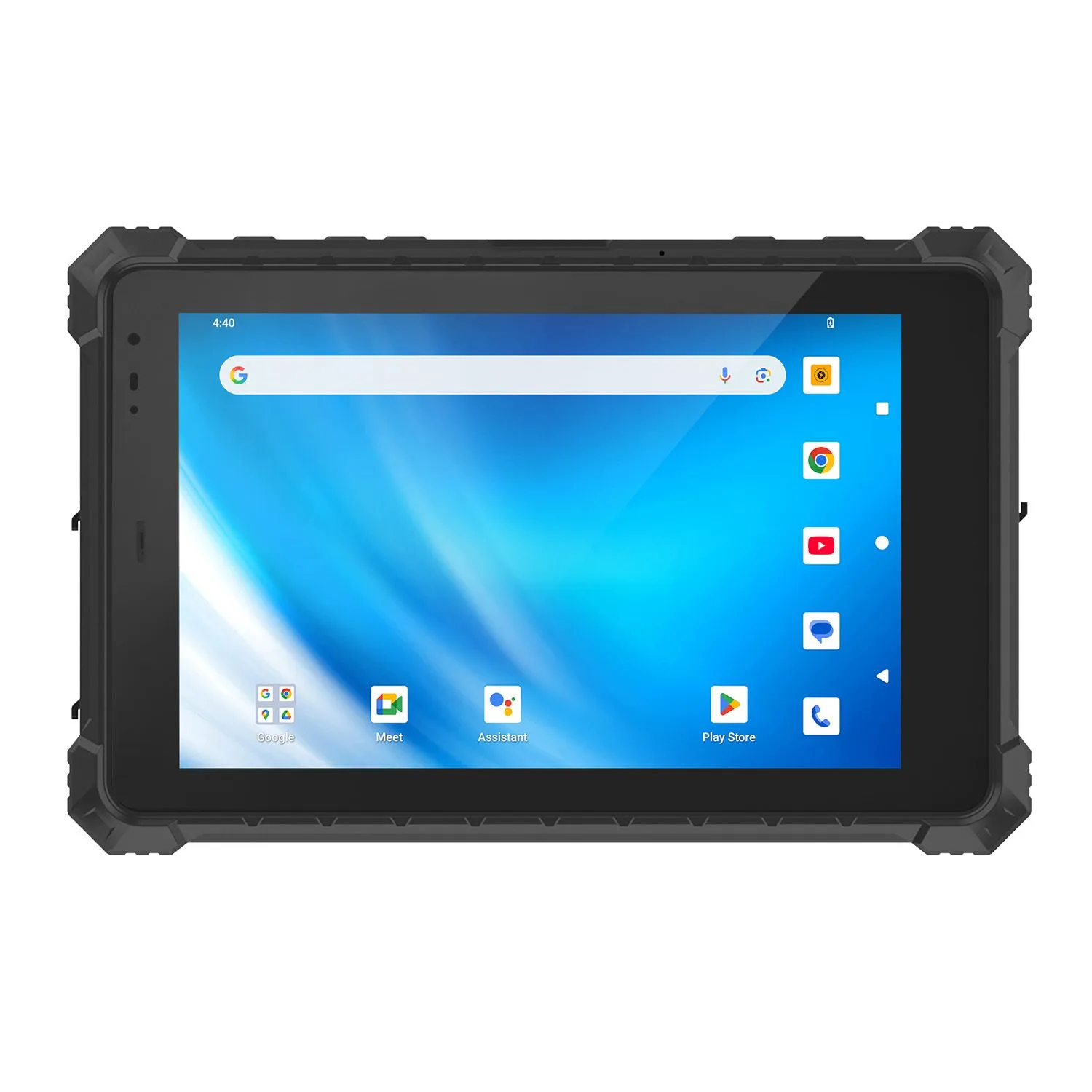
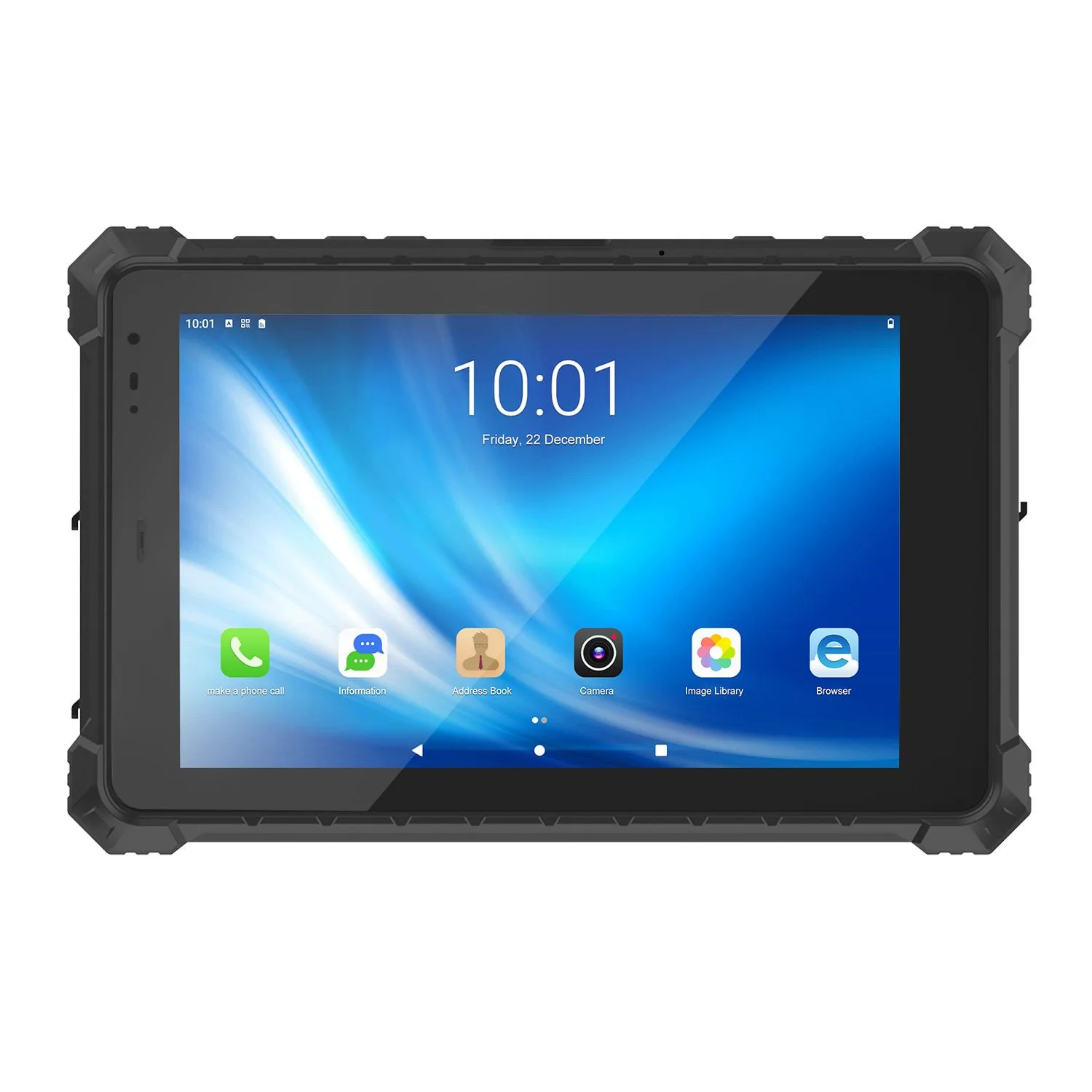
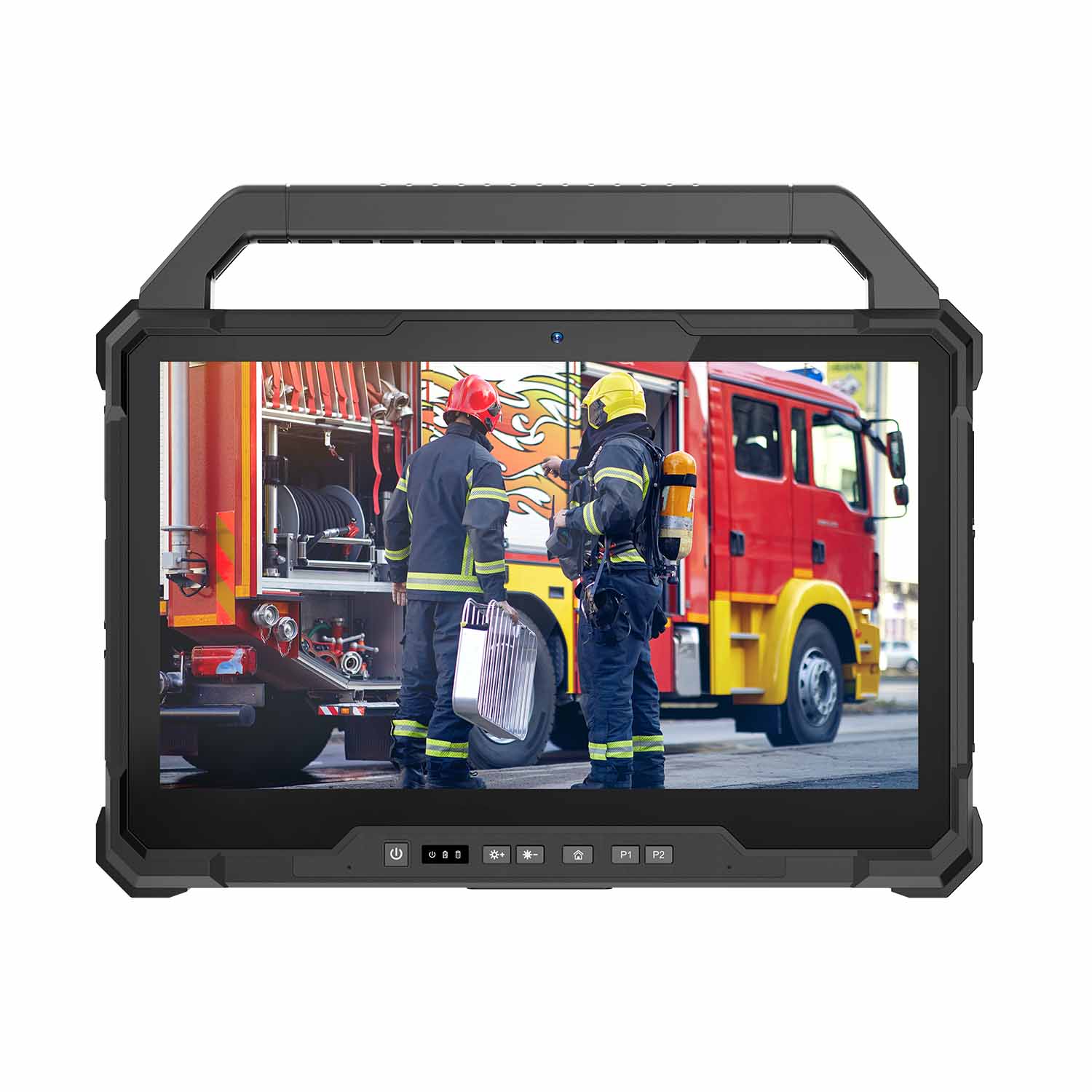
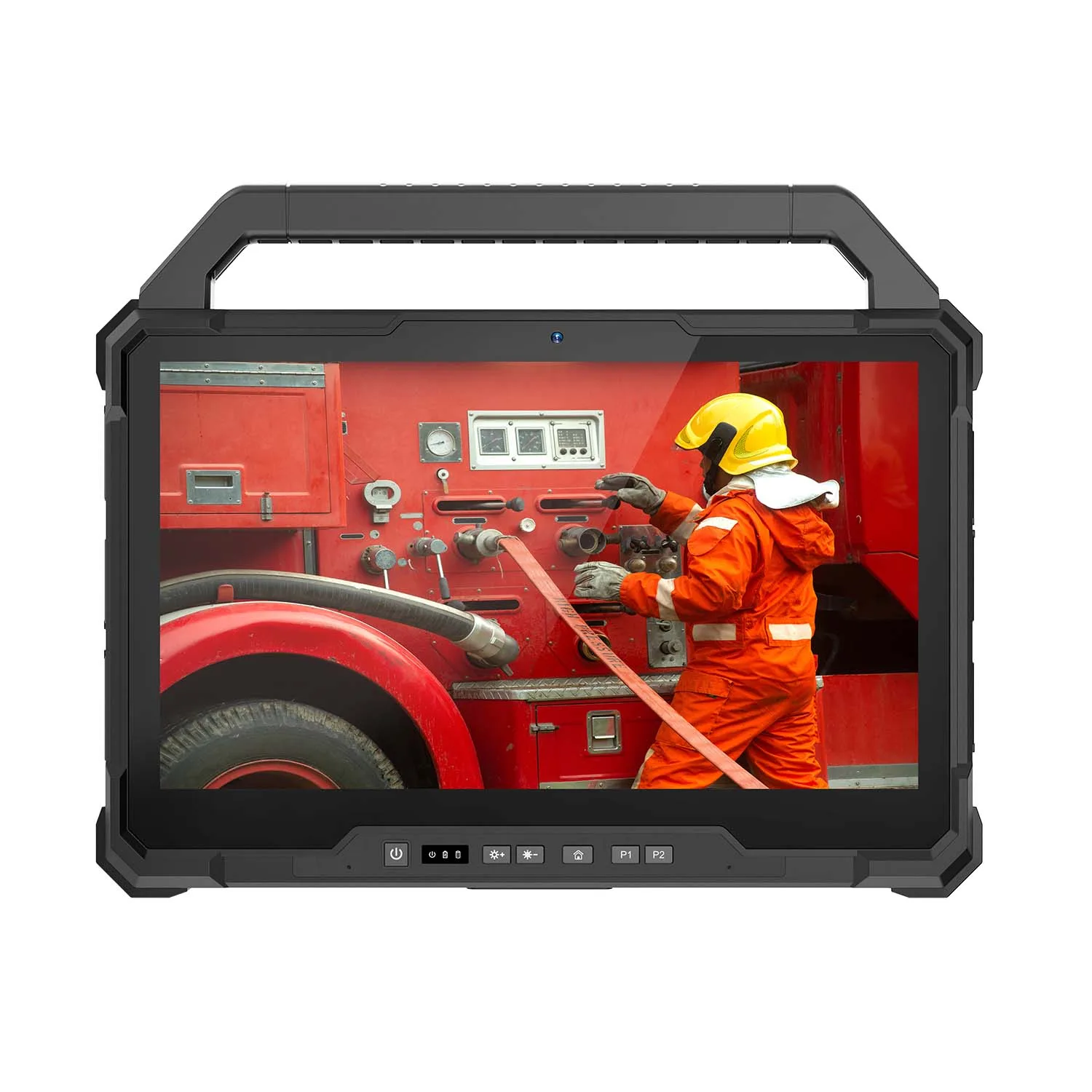
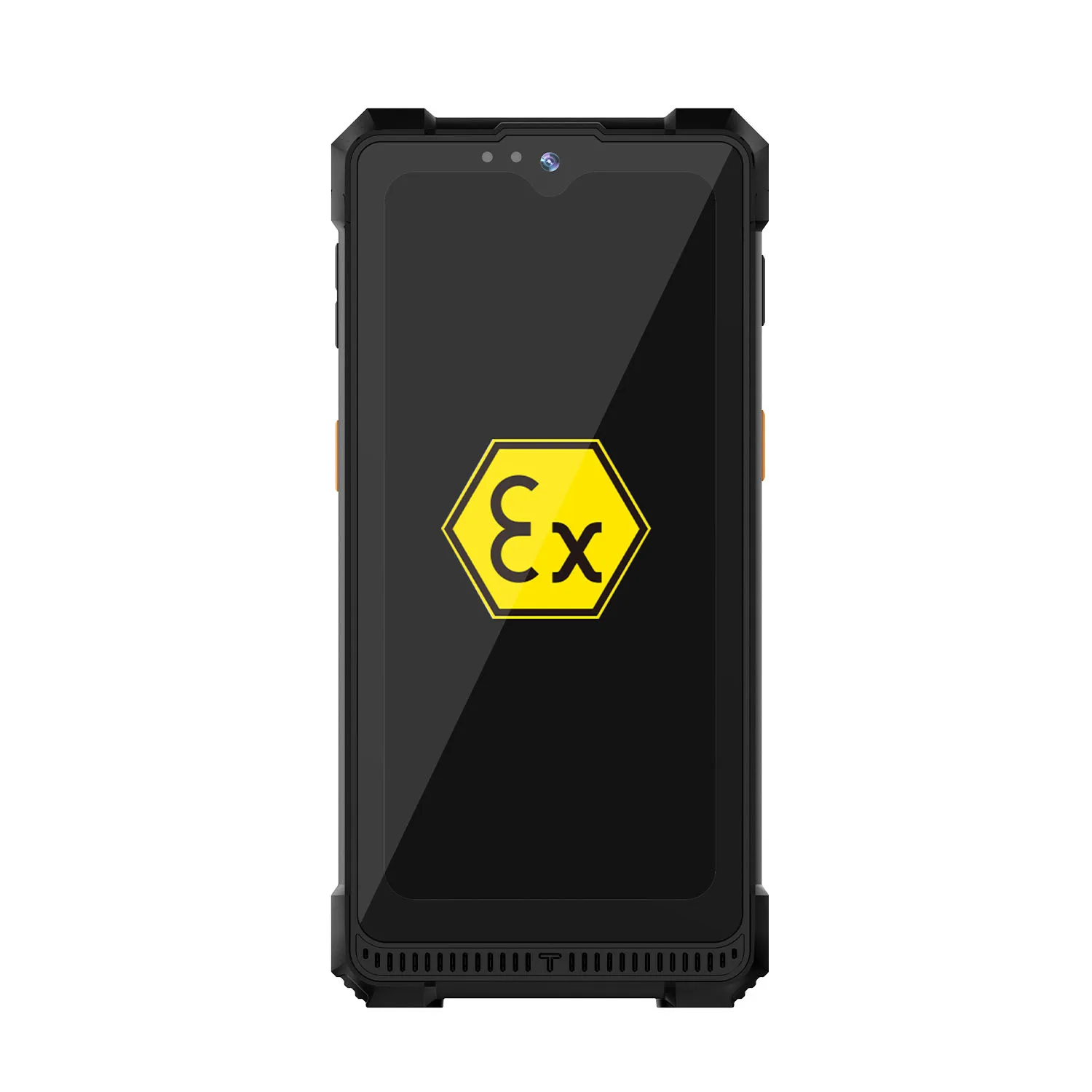
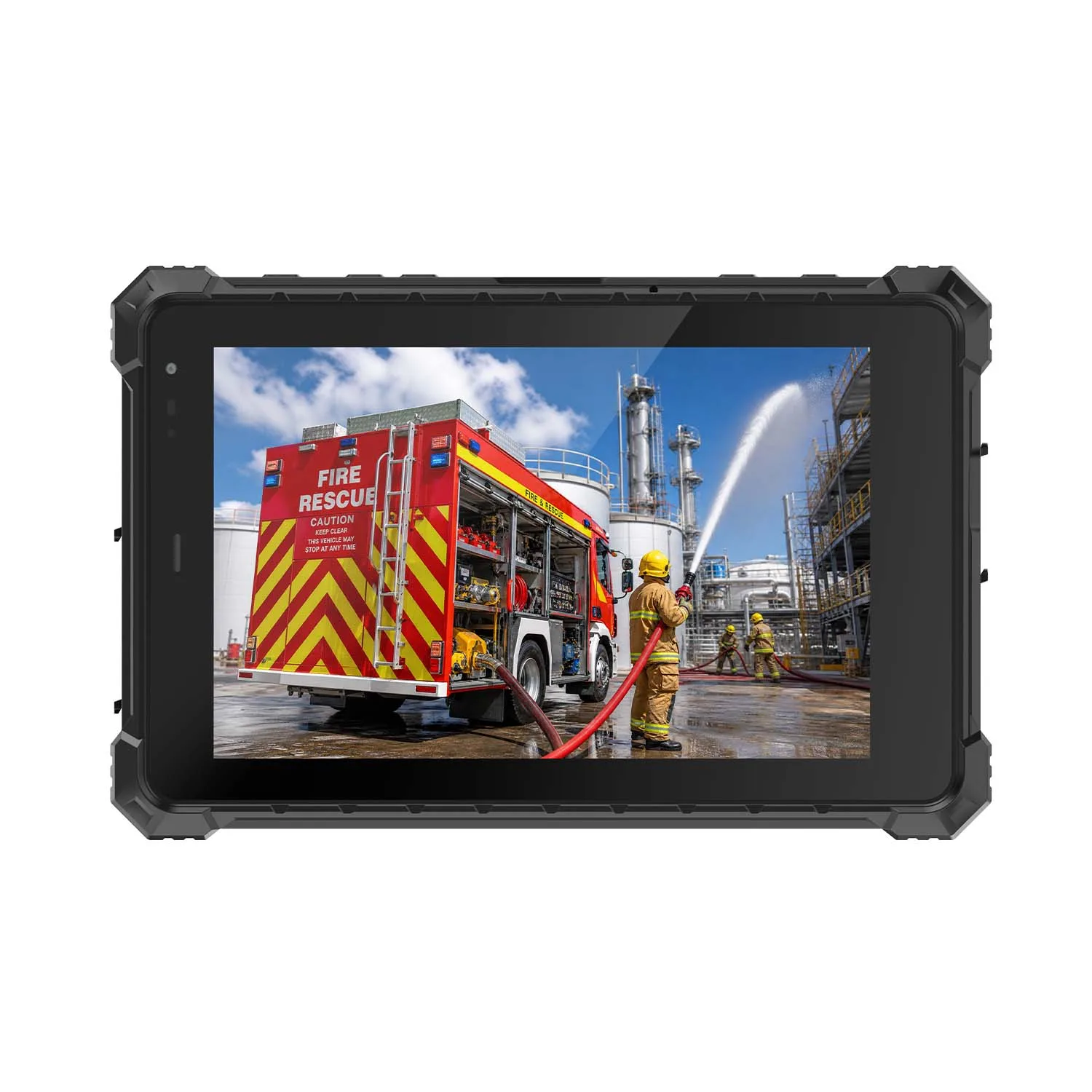





ATEX & IECEx Rugged Tablets Explained: Zones, Certifications & FAQ
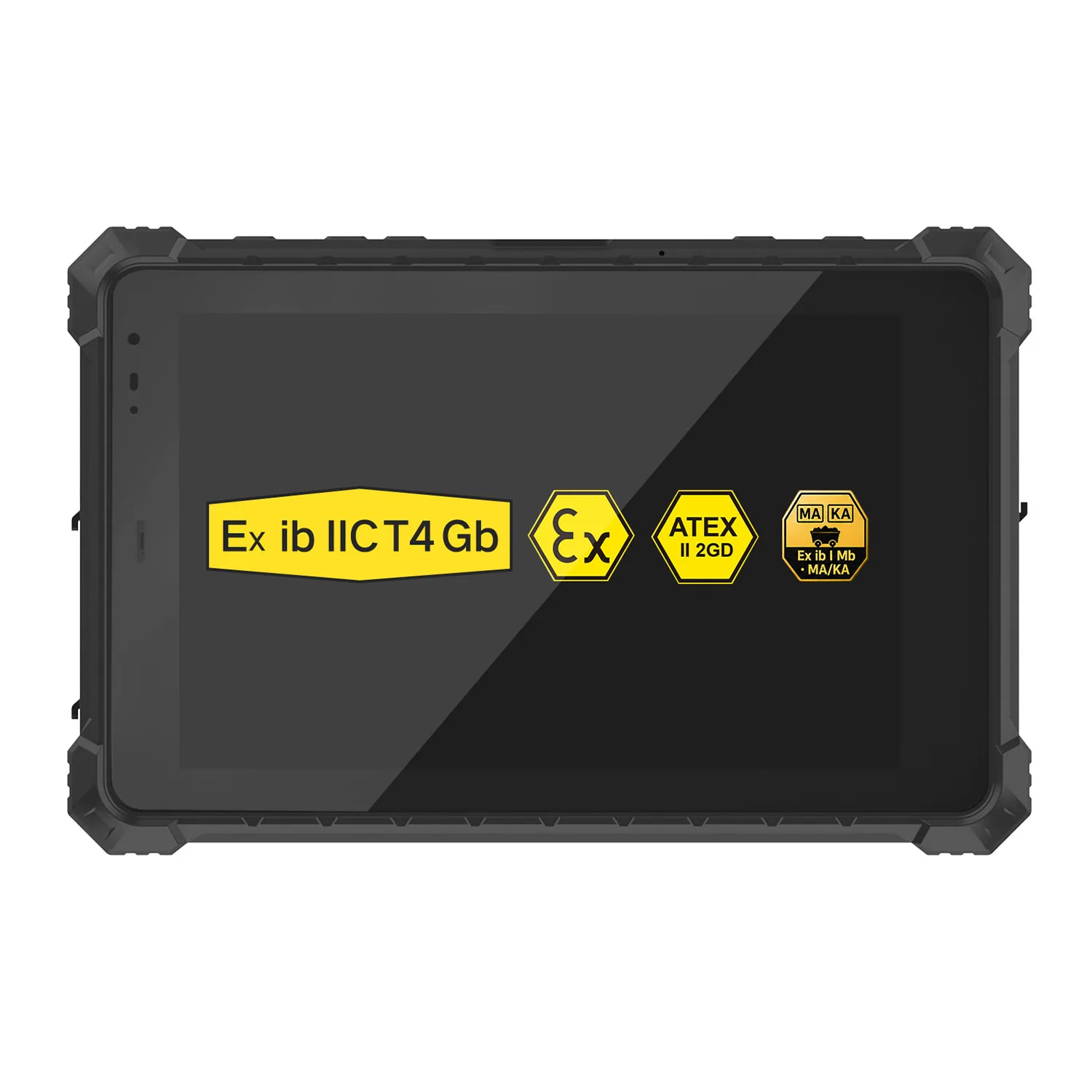
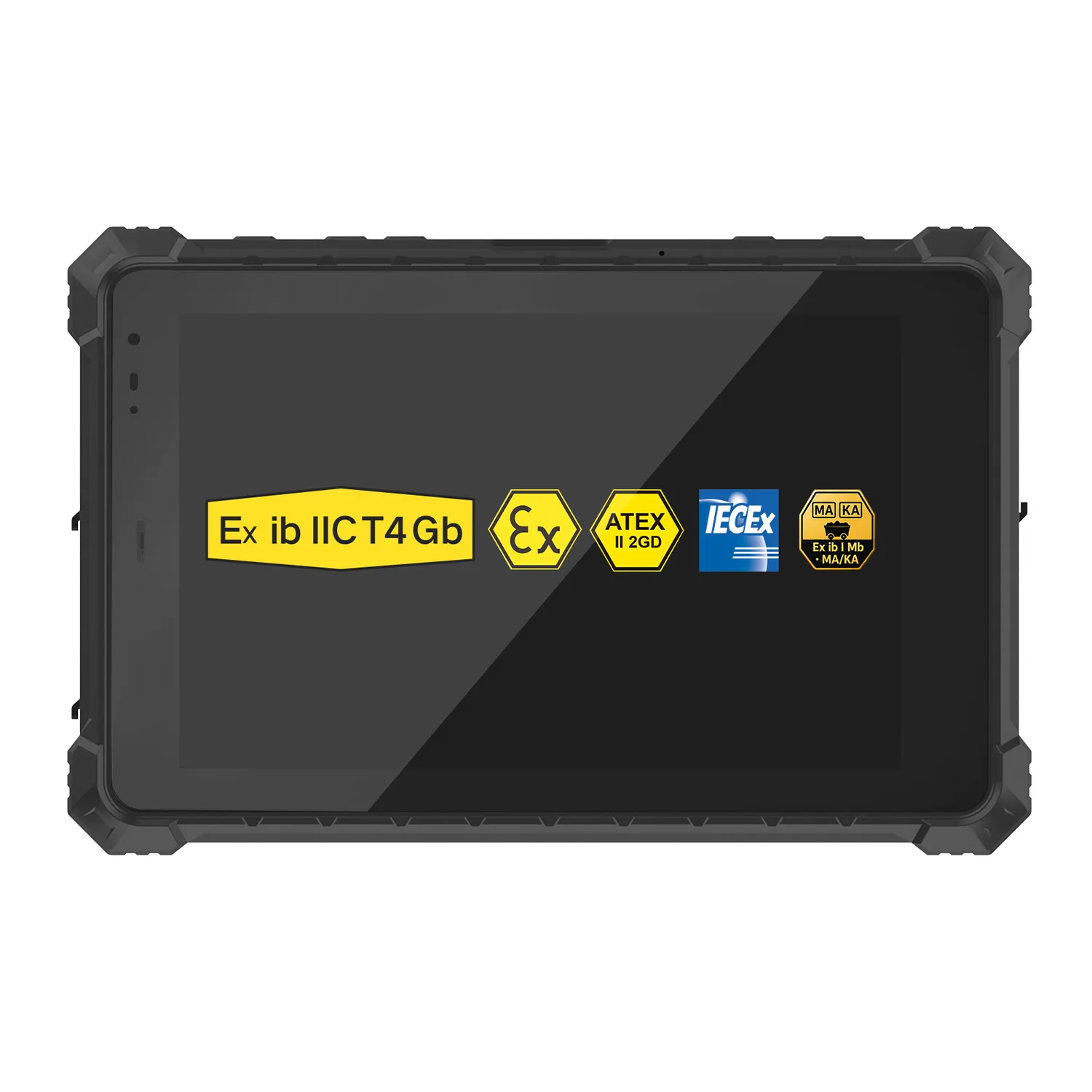
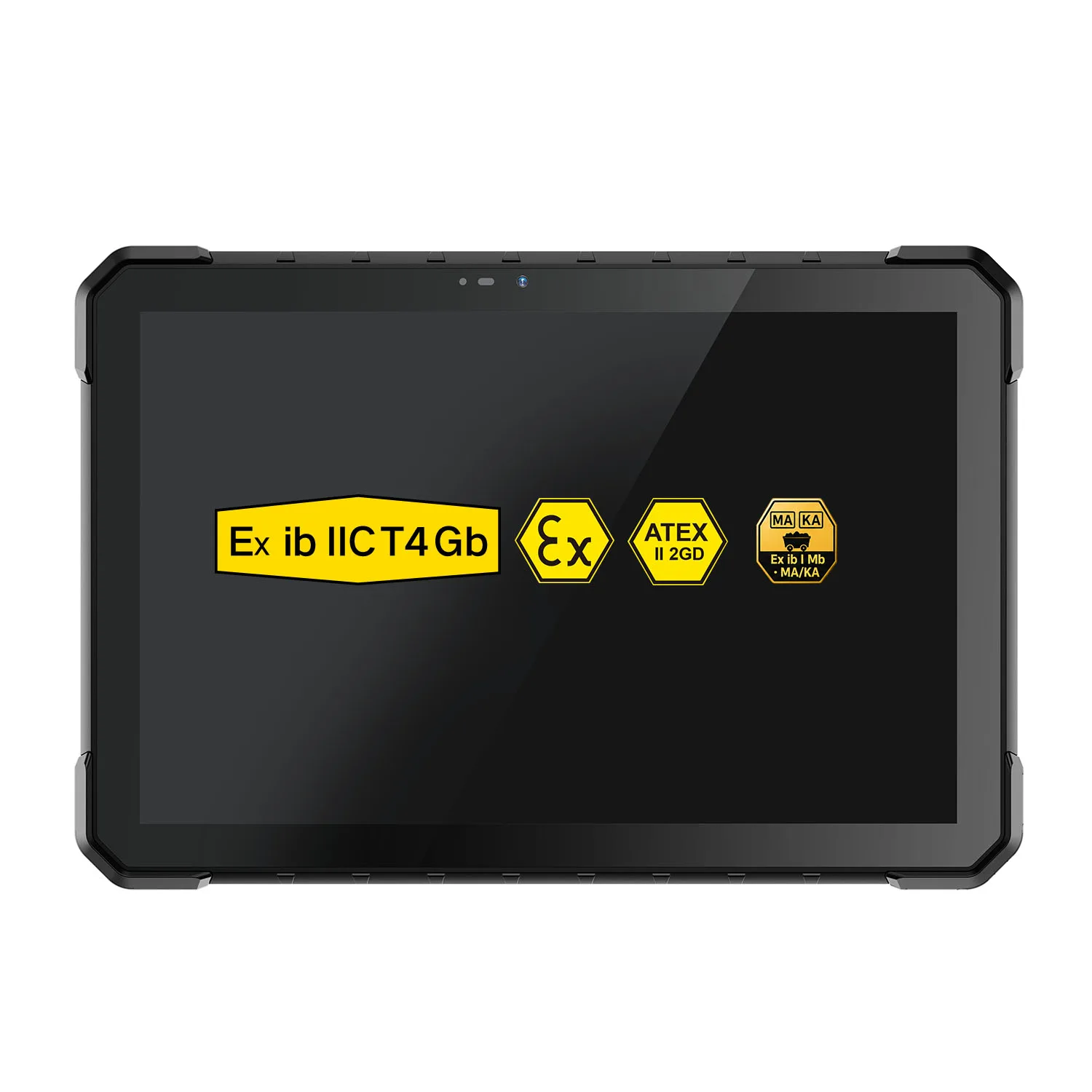
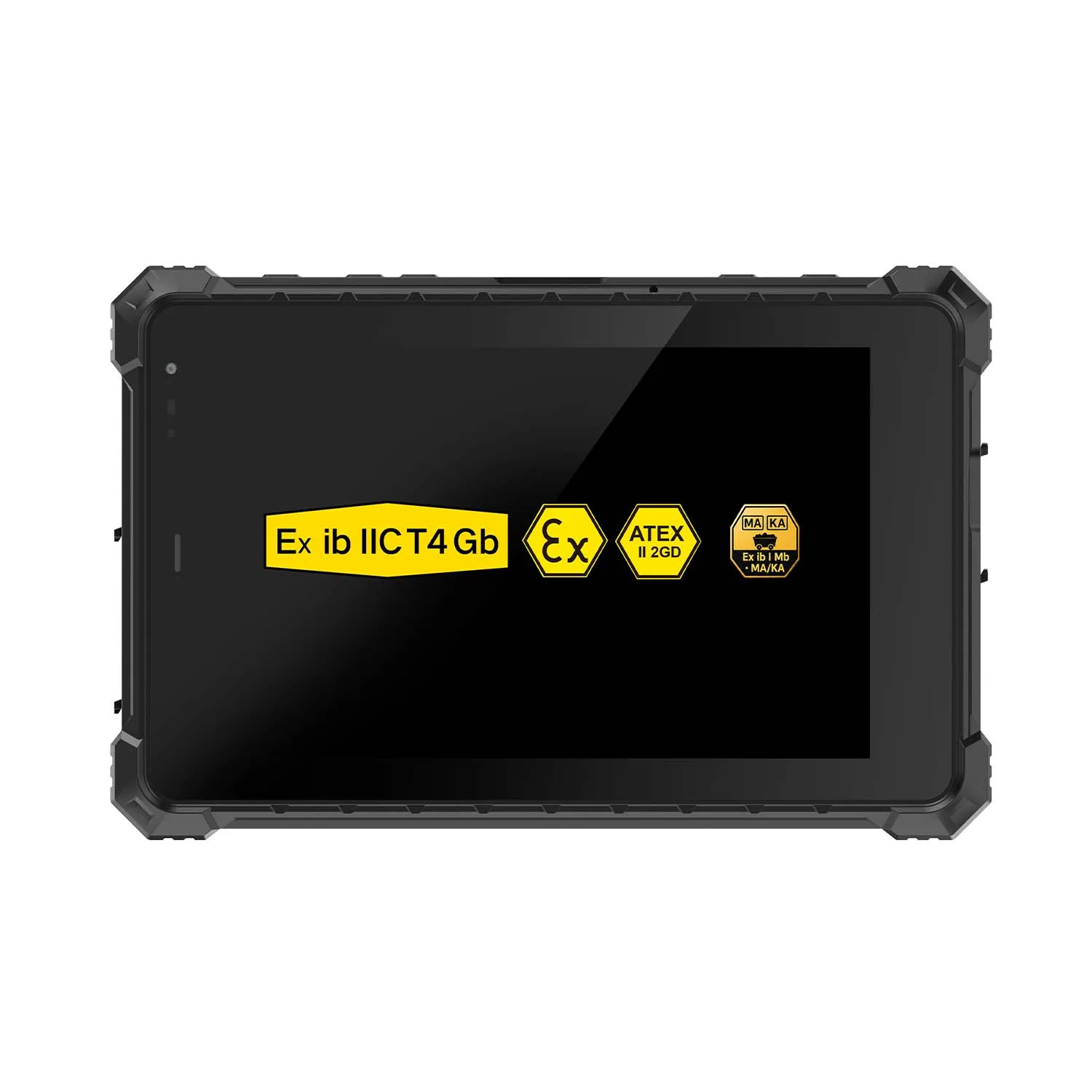
ATEX is the mandatory EU certification for equipment used in explosive atmospheres, while IECEx is a voluntary, internationally recognized equivalent accepted in 60+ countries — both confirm a device won't spark or ignite gas, vapor, or dust in a classified hazard zone. CENAVA supplies rugged tablets and handhelds certified to ATEX Directive 2014/34/EU, IECEx 02, China's CCRI standard, and MA/KA mining certifications, covering Zone 1/21 through Zone 2/22 environments.
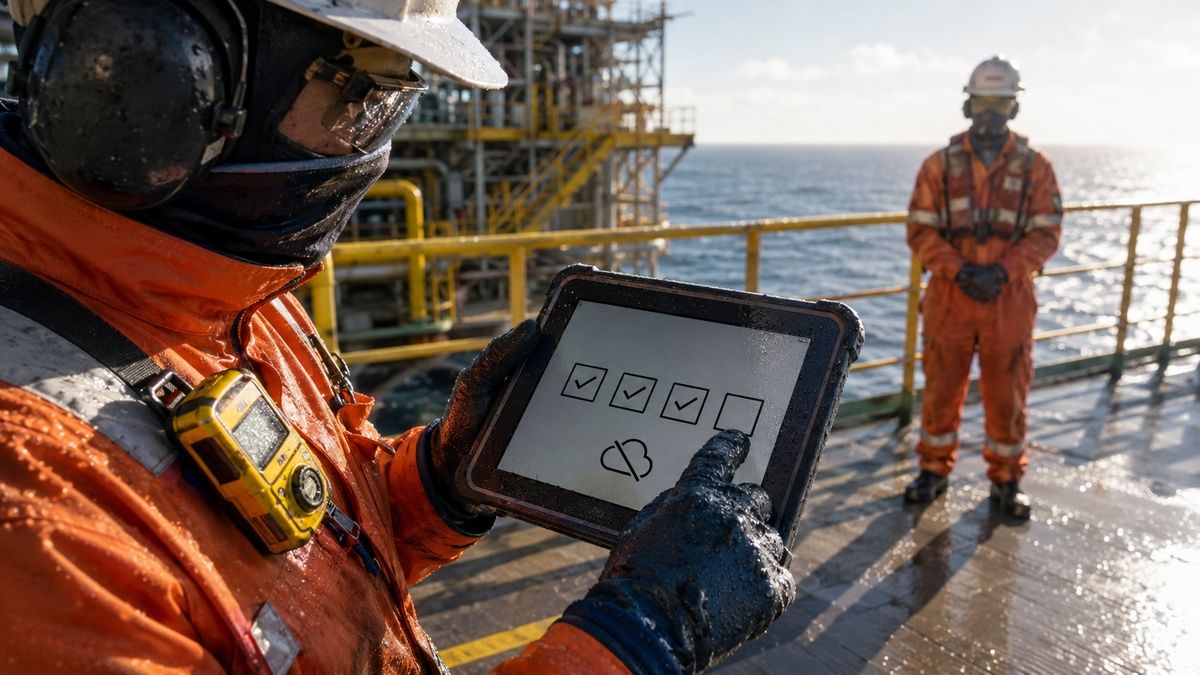
Working in dangerous places needs tools that put safety first. This is why ATEX and IECEx certifications matter: they confirm a device meets strict standards for use in areas where explosive gas, vapor, or dust may be present, lowering the risk of an accidental ignition. An ATEX- or IECEx-certified tablet is built specifically for these environments — reliable and safe on oil rigs, in chemical plants, mines, and grain-processing facilities alike.What Does ATEX Certification Mean?
ATEX ("Atmosphères Explosibles") is a European Union directive that governs equipment used in areas where explosive gases, vapors, or dust may occur. It is legally mandatory for equipment sold or used within the EU.ATEX classifies areas into Zones by hazard likelihood and equipment into Categories by protection level, so the right device gets matched to the right risk level:ATEX Zones — Where the Risk Is
| Zone | Hazard Type | Description |
|---|---|---|
| Zone 0 | Gas/Vapor | Explosive gas present continuously or for long periods |
| Zone 1 | Gas/Vapor | Explosive gas likely to occur occasionally during normal operation |
| Zone 2 | Gas/Vapor | Explosive gas unlikely, and if present, only briefly |
| Zone 20 | Dust | Explosive dust present continuously or for long periods |
| Zone 21 | Dust | Explosive dust likely to occur occasionally |
| Zone 22 | Dust | Explosive dust unlikely, and if present, only briefly |
ATEX Equipment Categories — Required Protection Level
| Category | Suitable Zones | Protection Level | Typical Use |
|---|---|---|---|
| Category 1 | Zone 0 / 20 | Very high — safe even with two simultaneous faults | Continuous high-risk hazard areas |
| Category 2 | Zone 1 / 21 | High — safe during normal and single-fault conditions | Medium-risk areas |
| Category 3 | Zone 2 / 22 | Normal — safe during normal operation only | Low-risk, occasional-hazard areas |
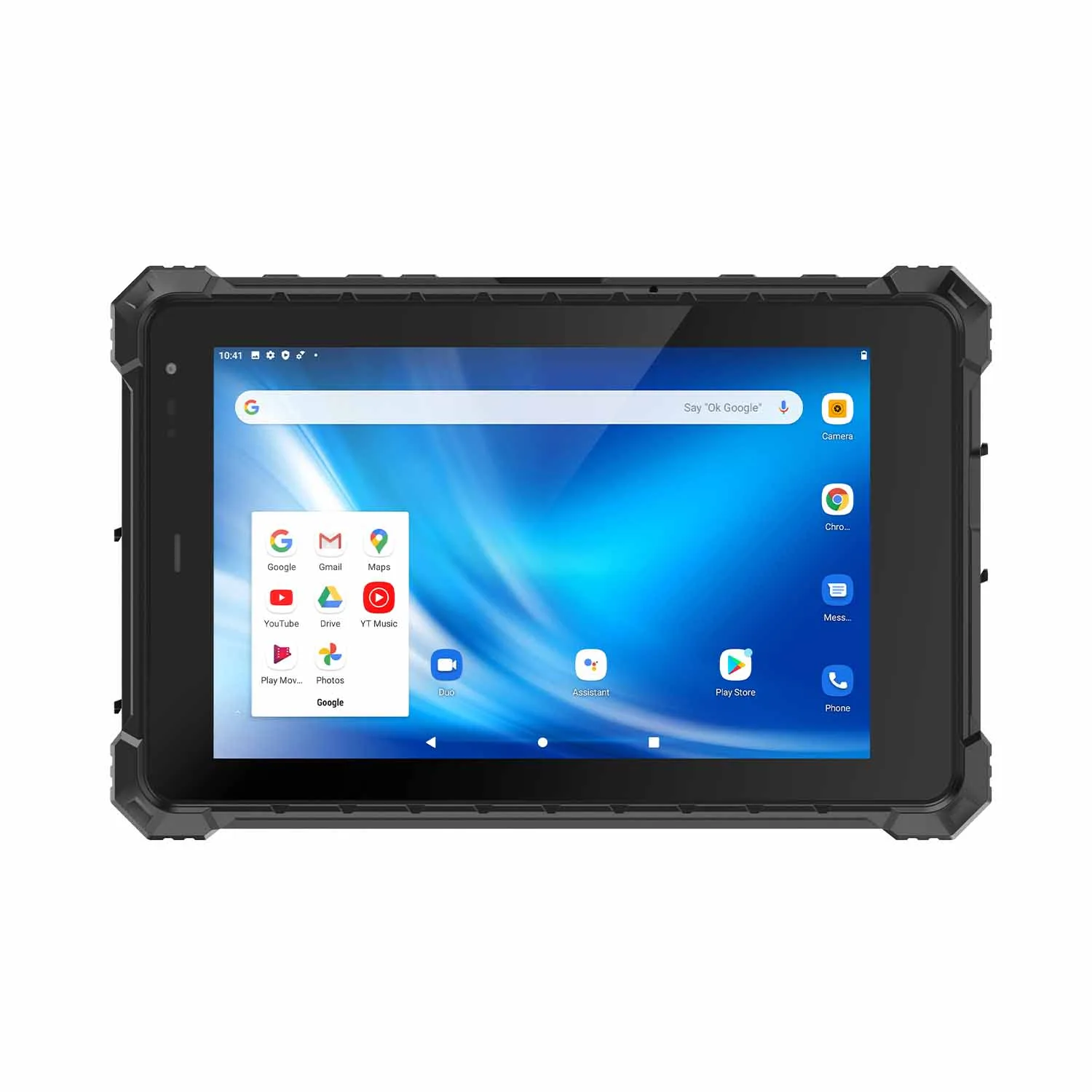
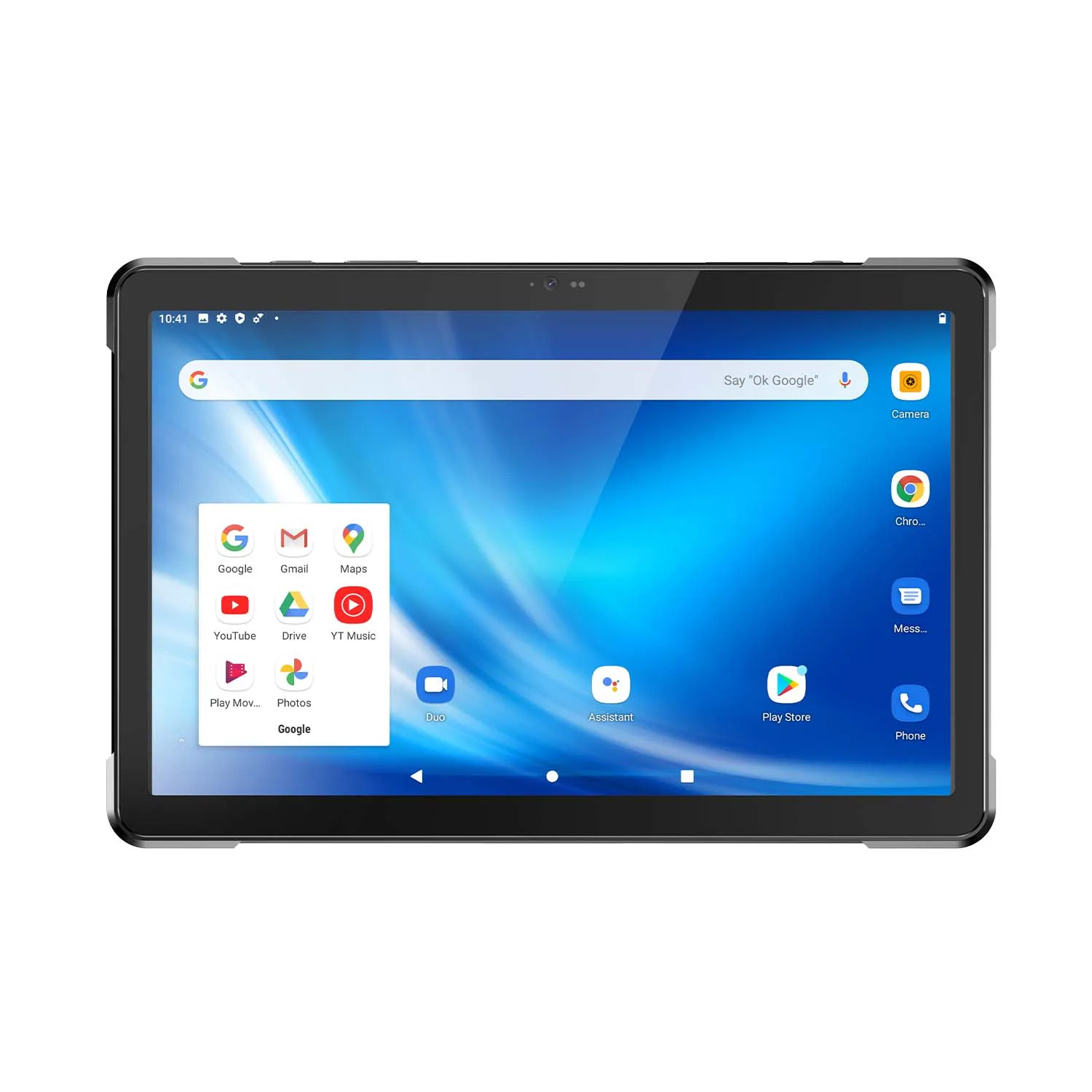
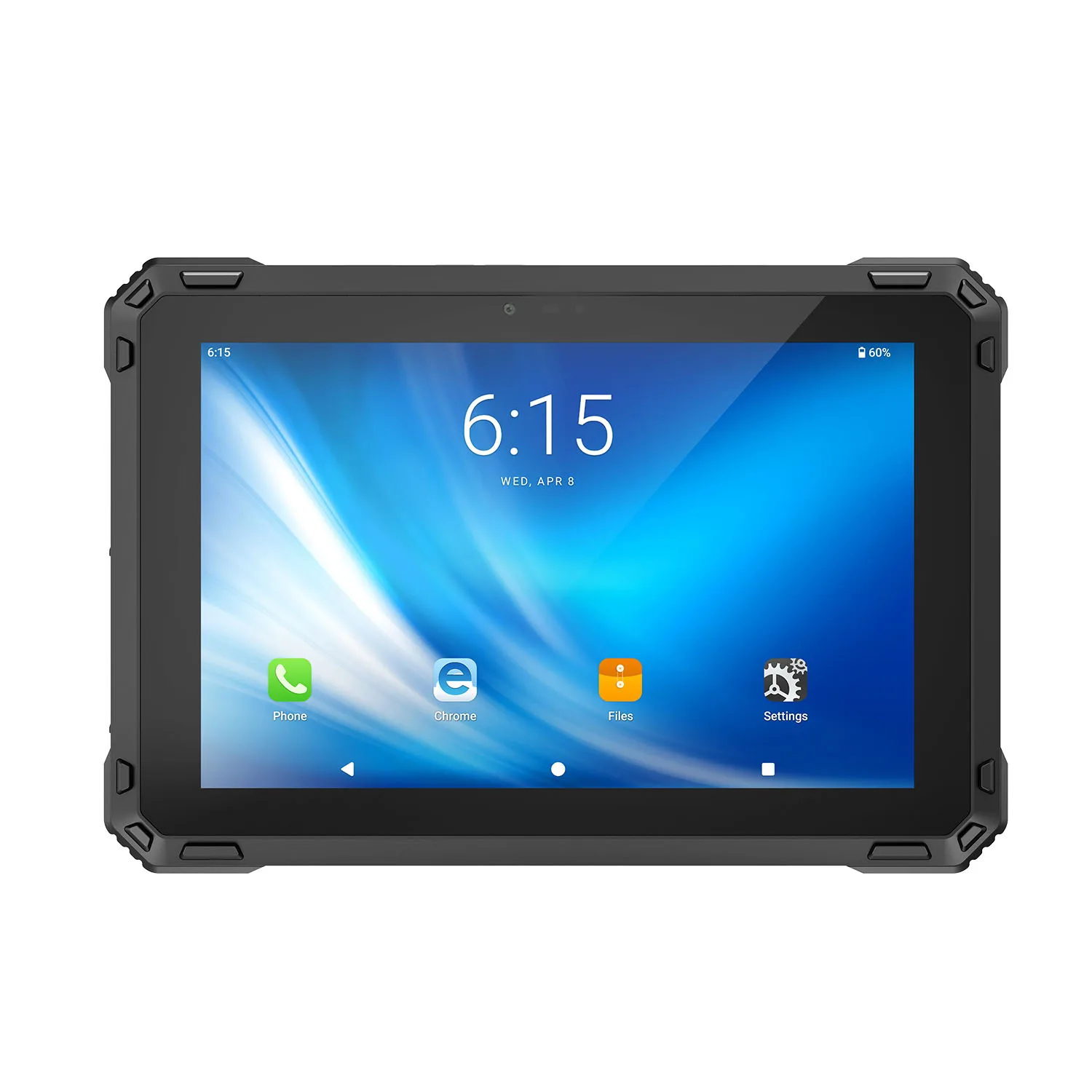
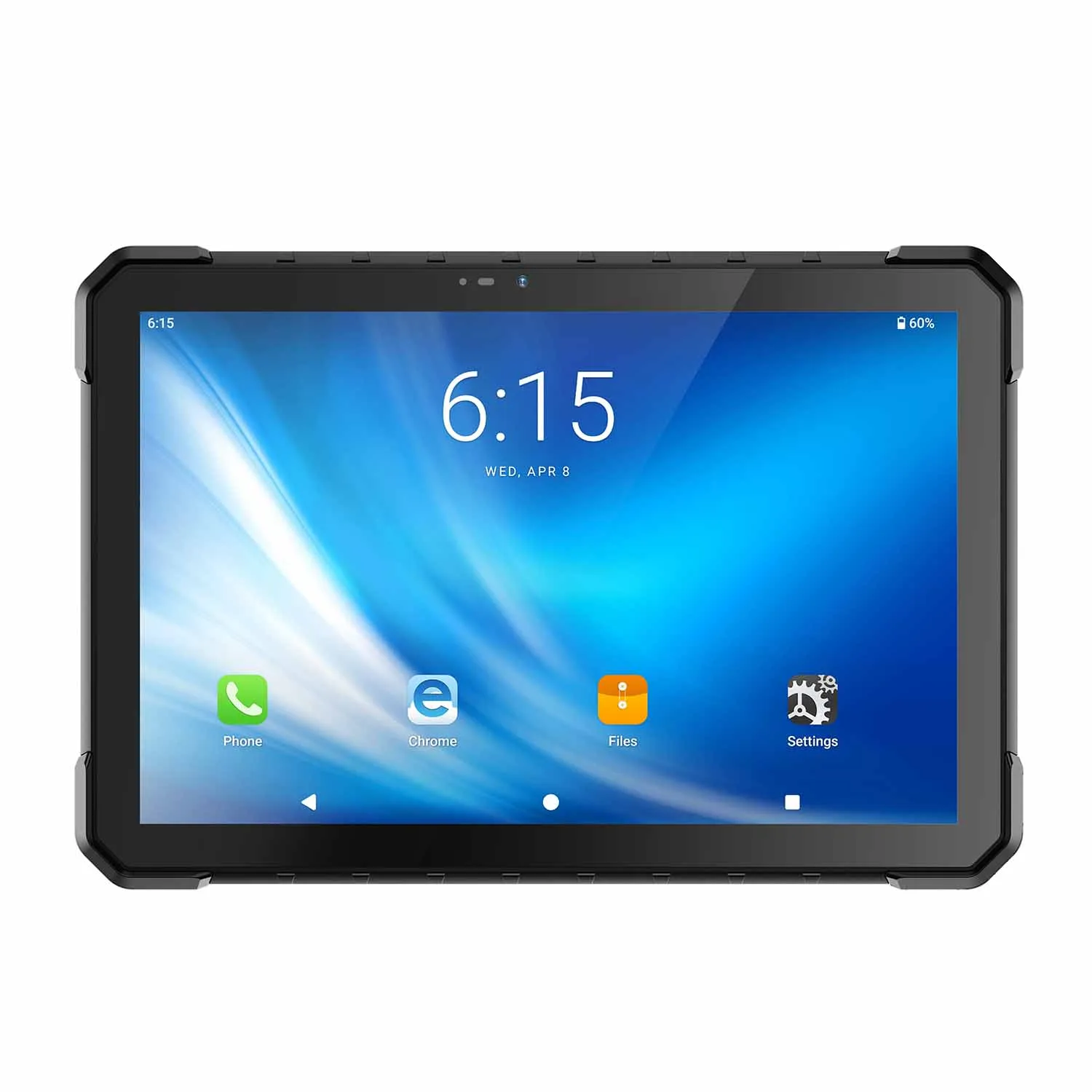
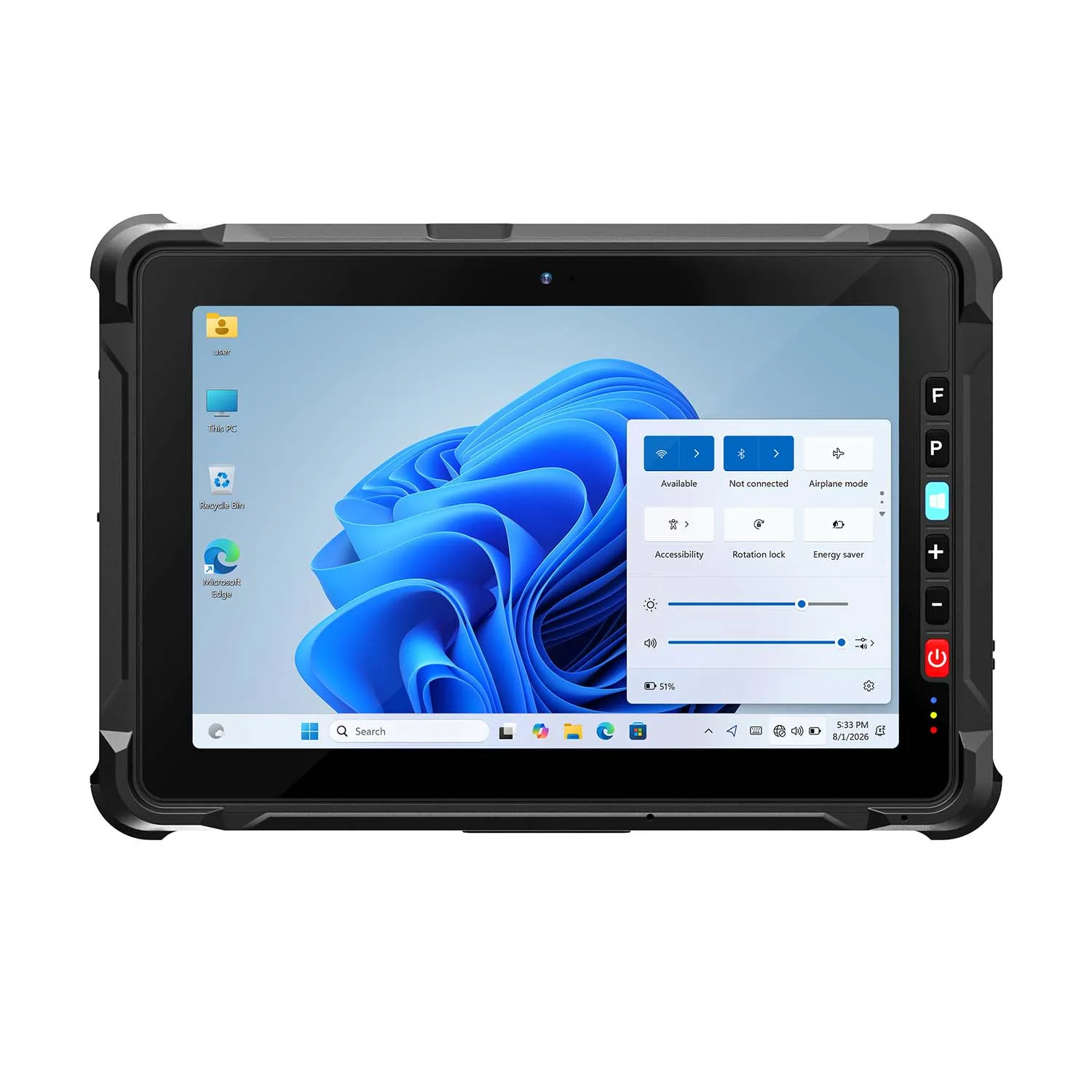
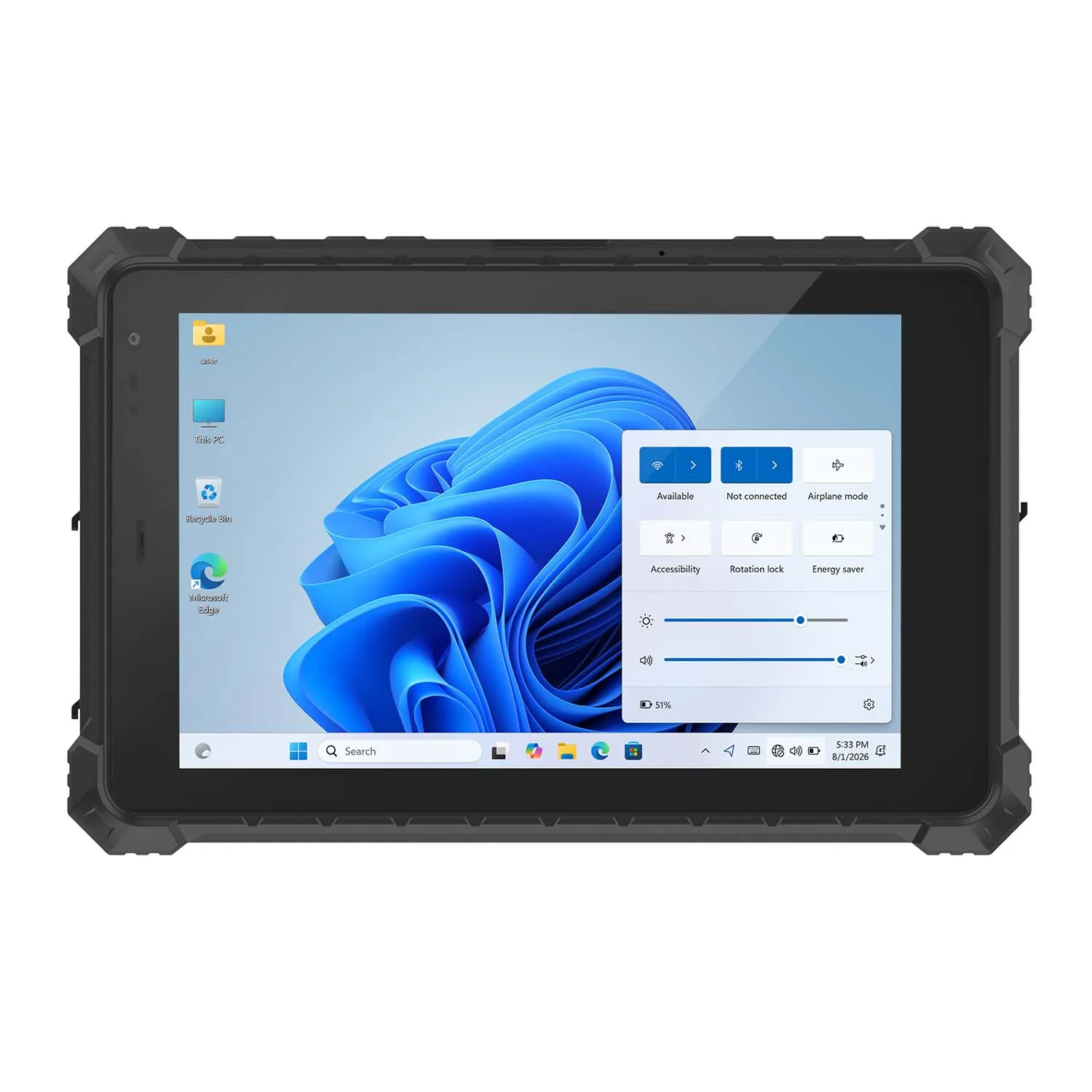
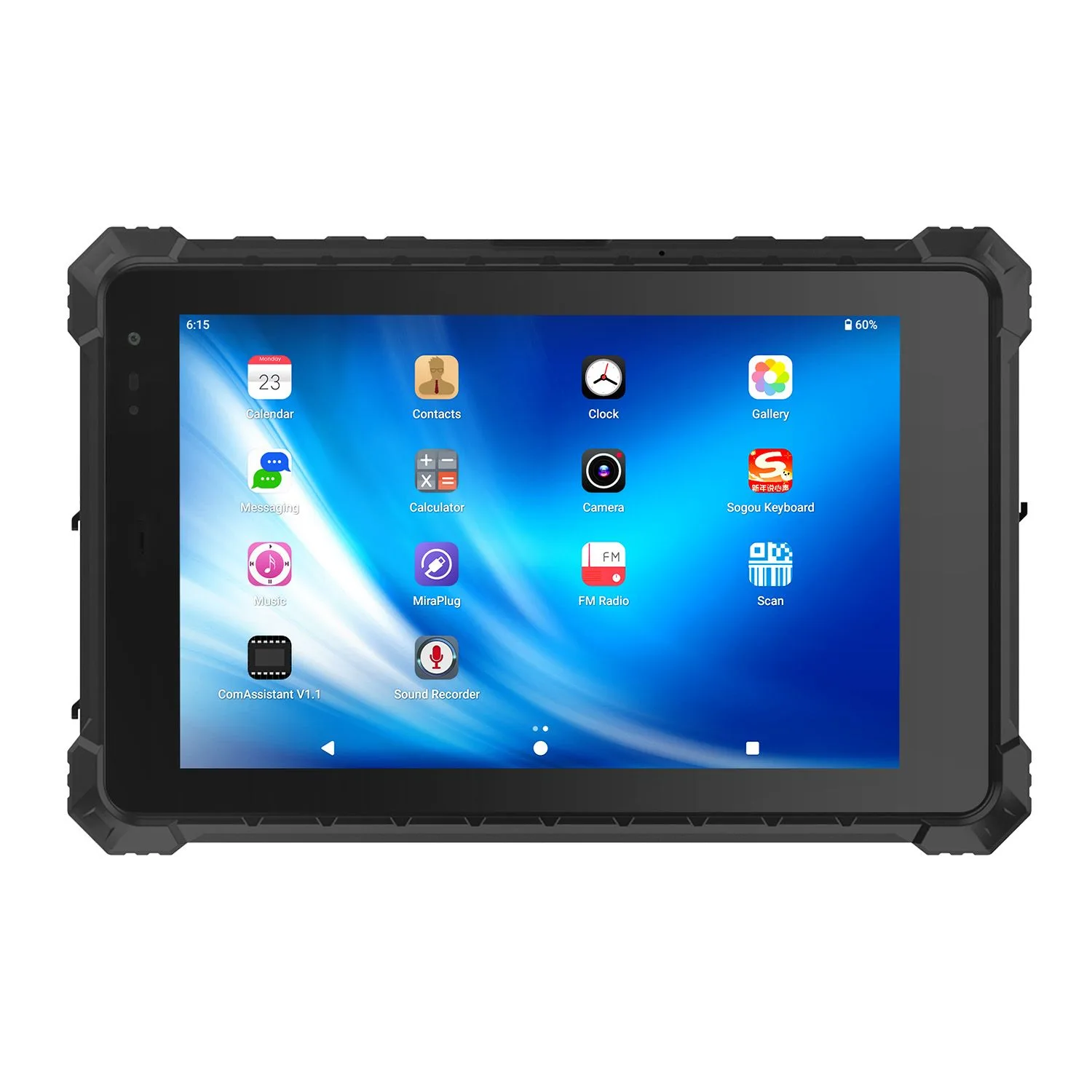
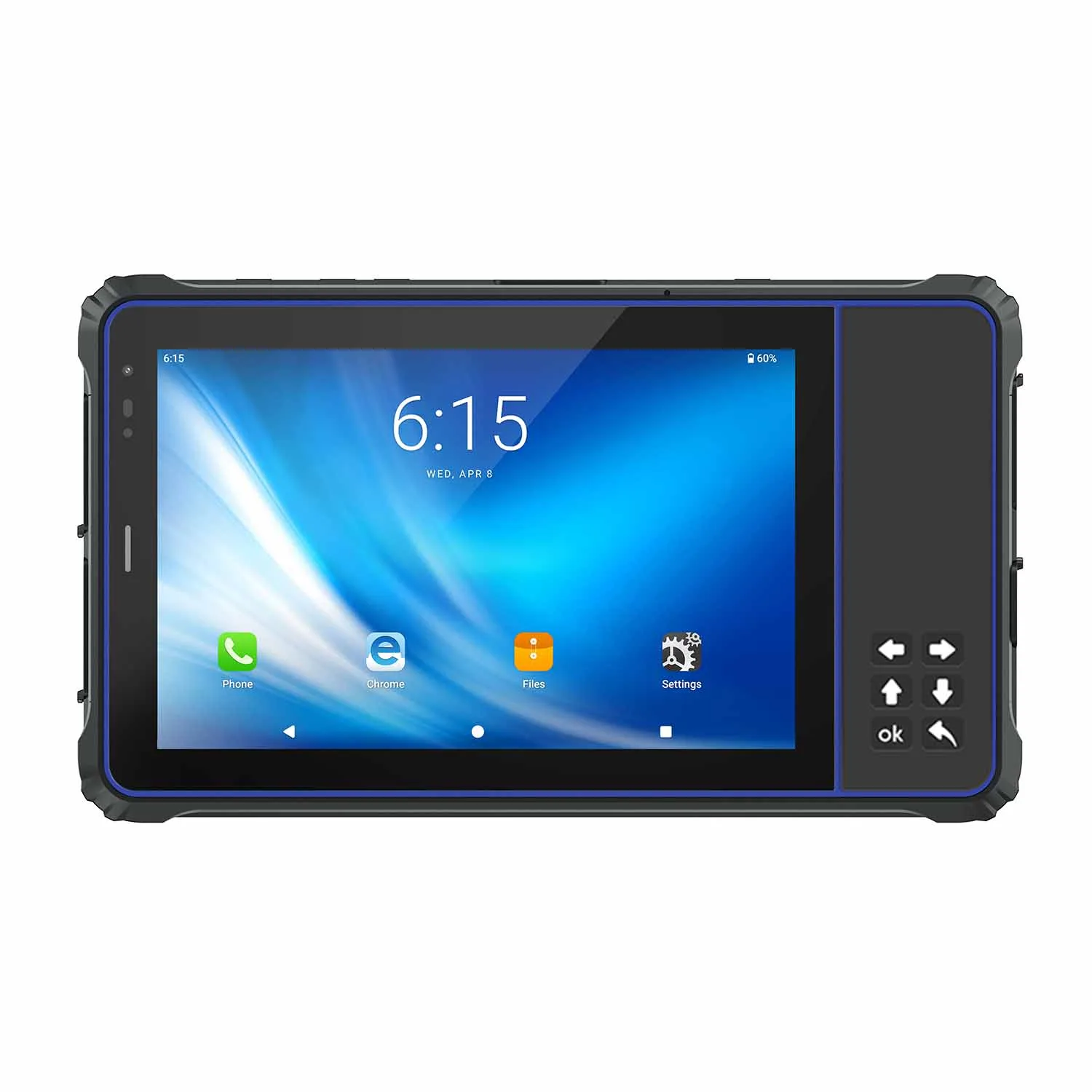
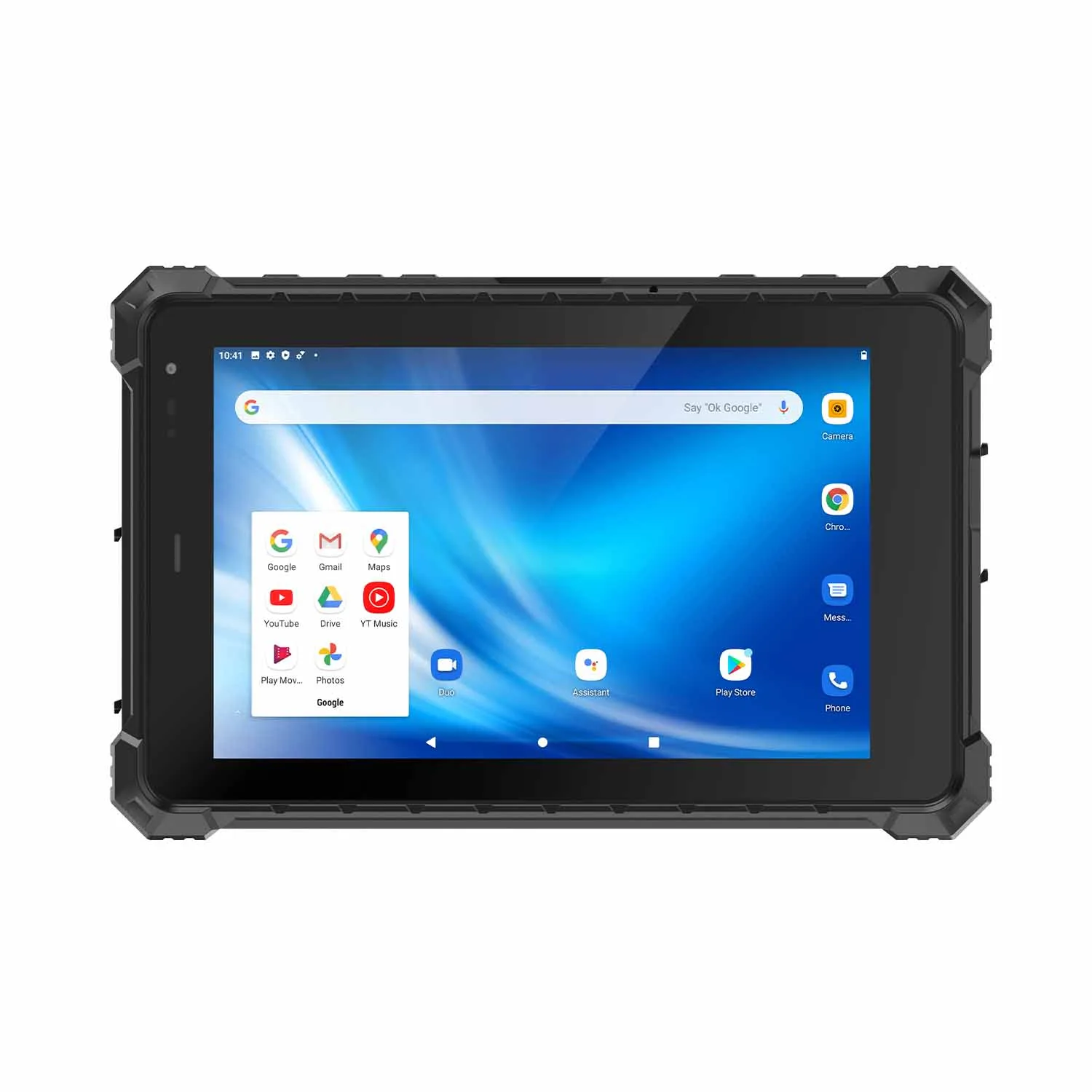
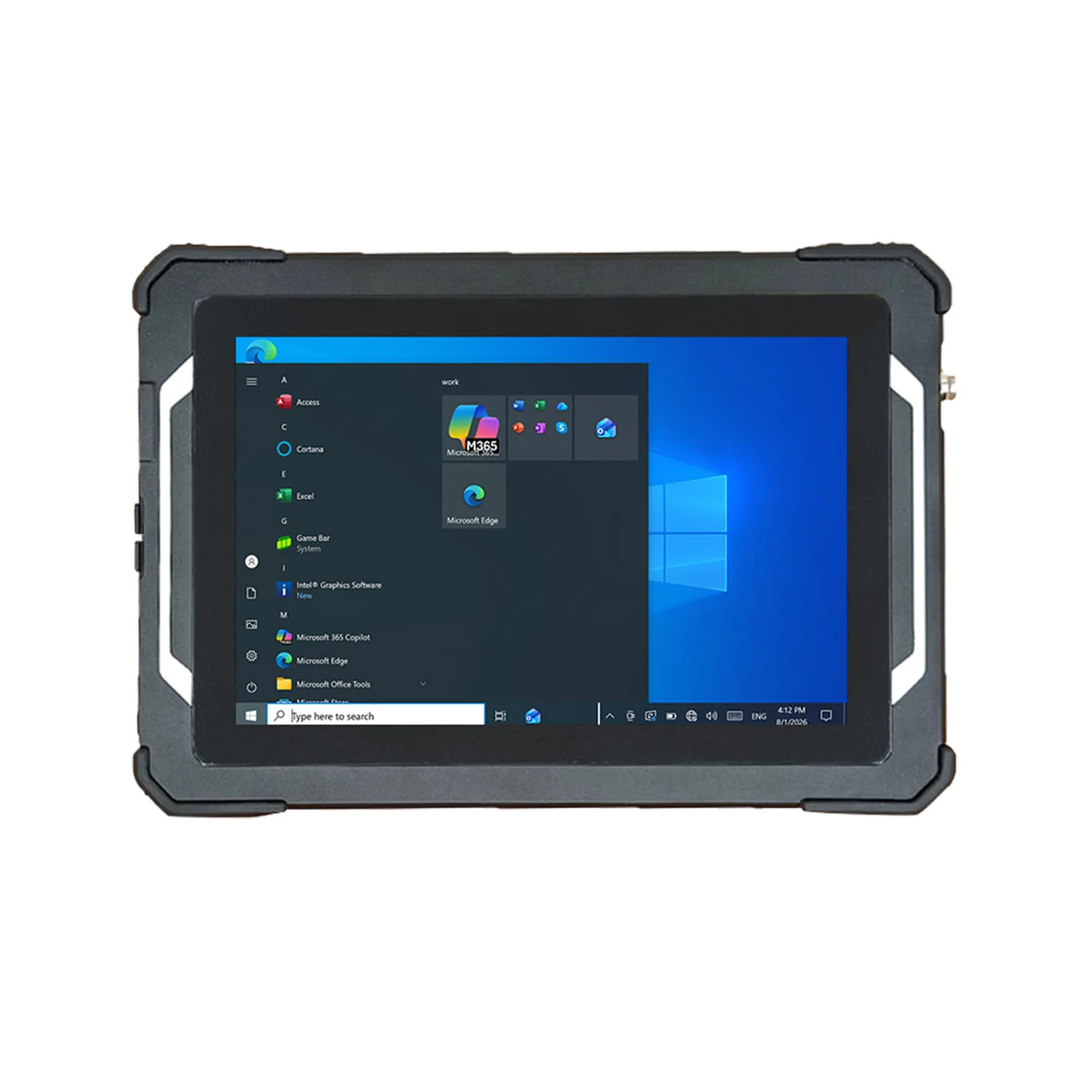
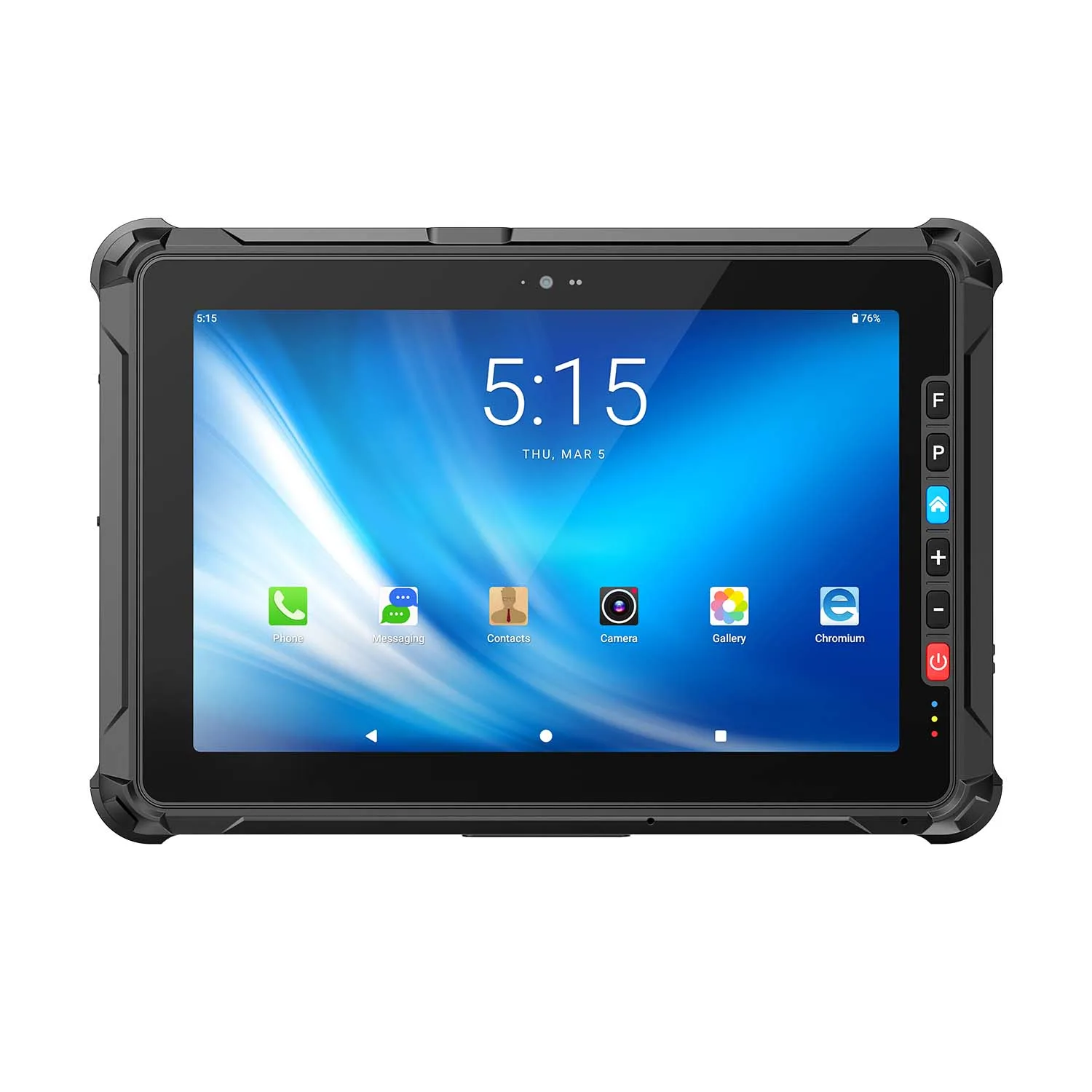
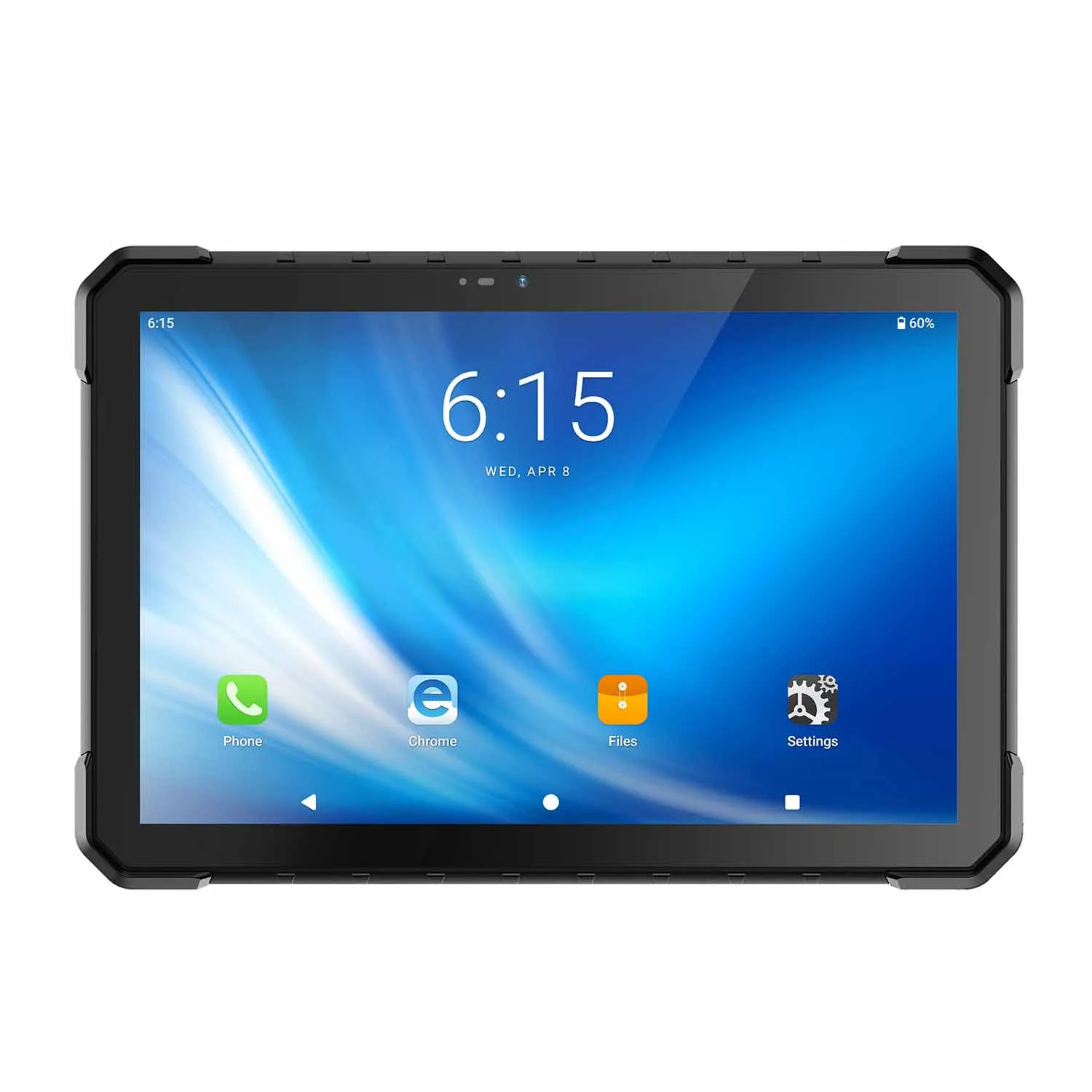
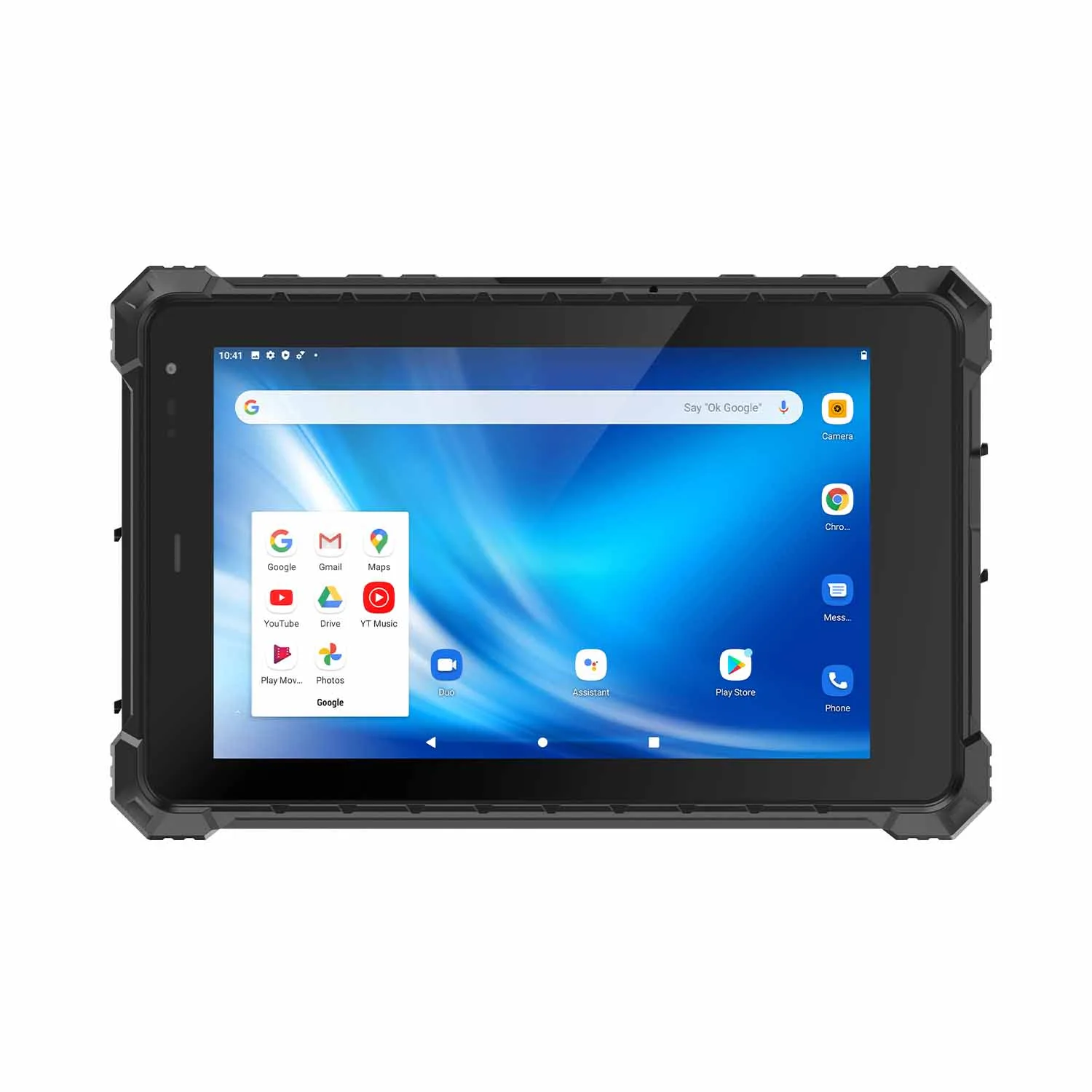
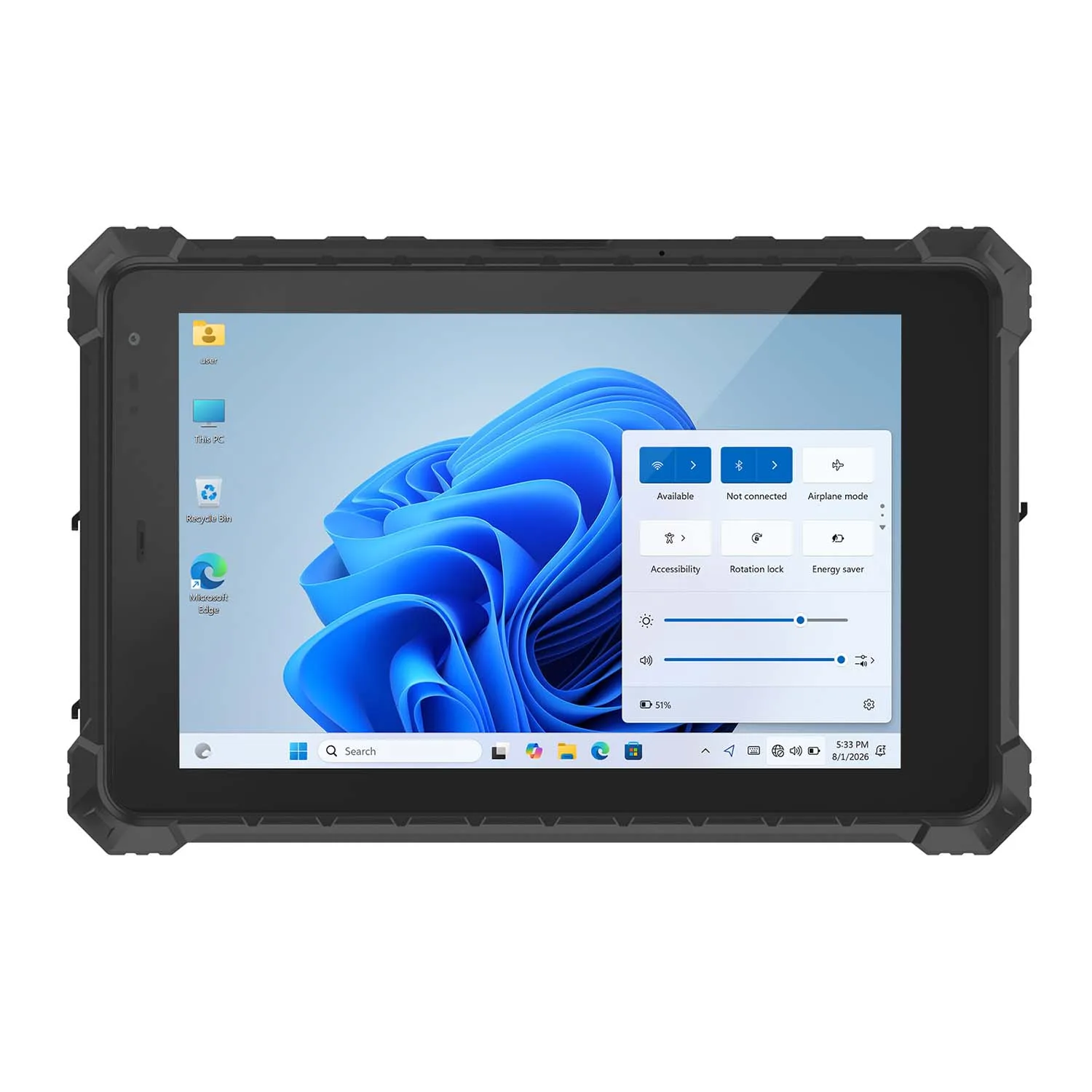
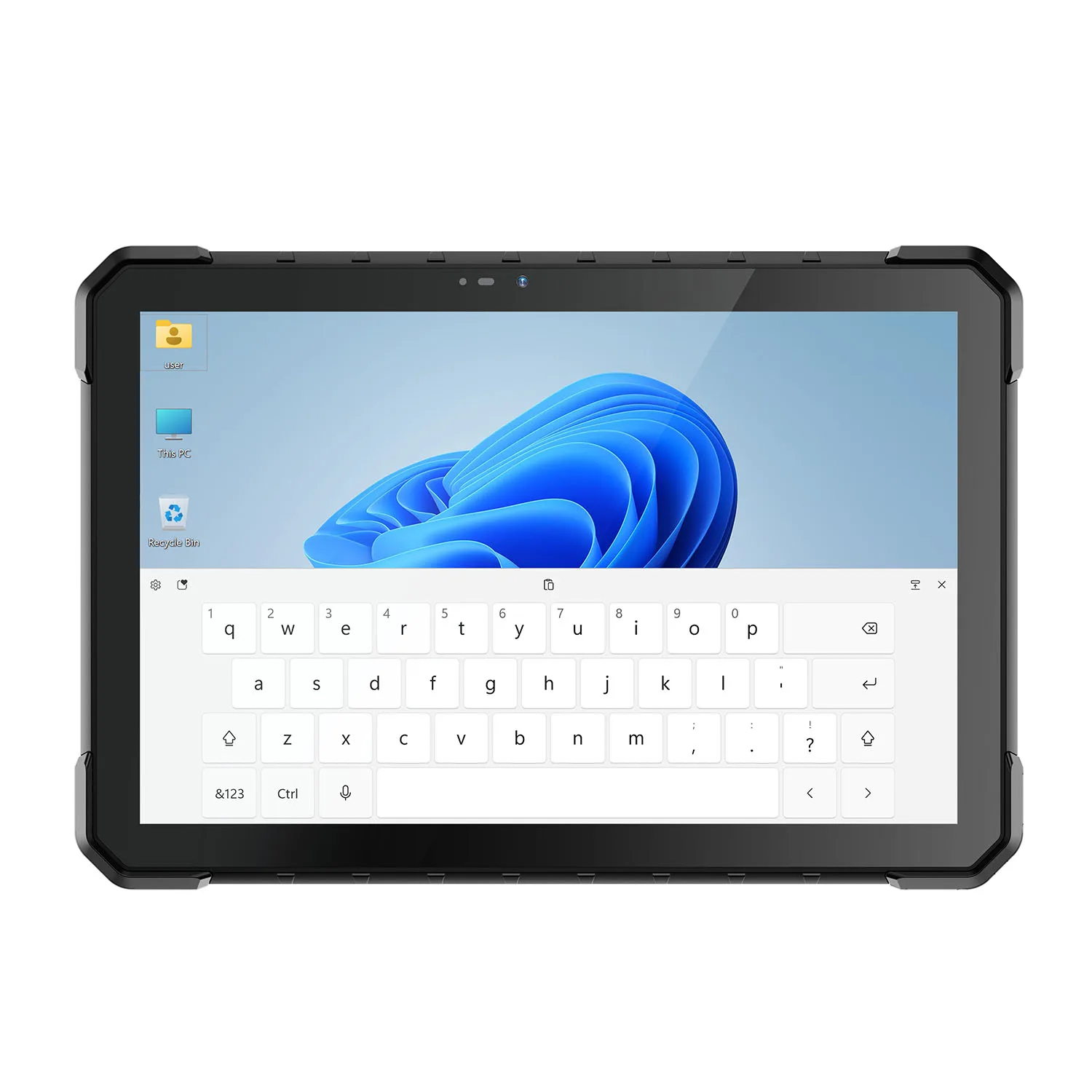
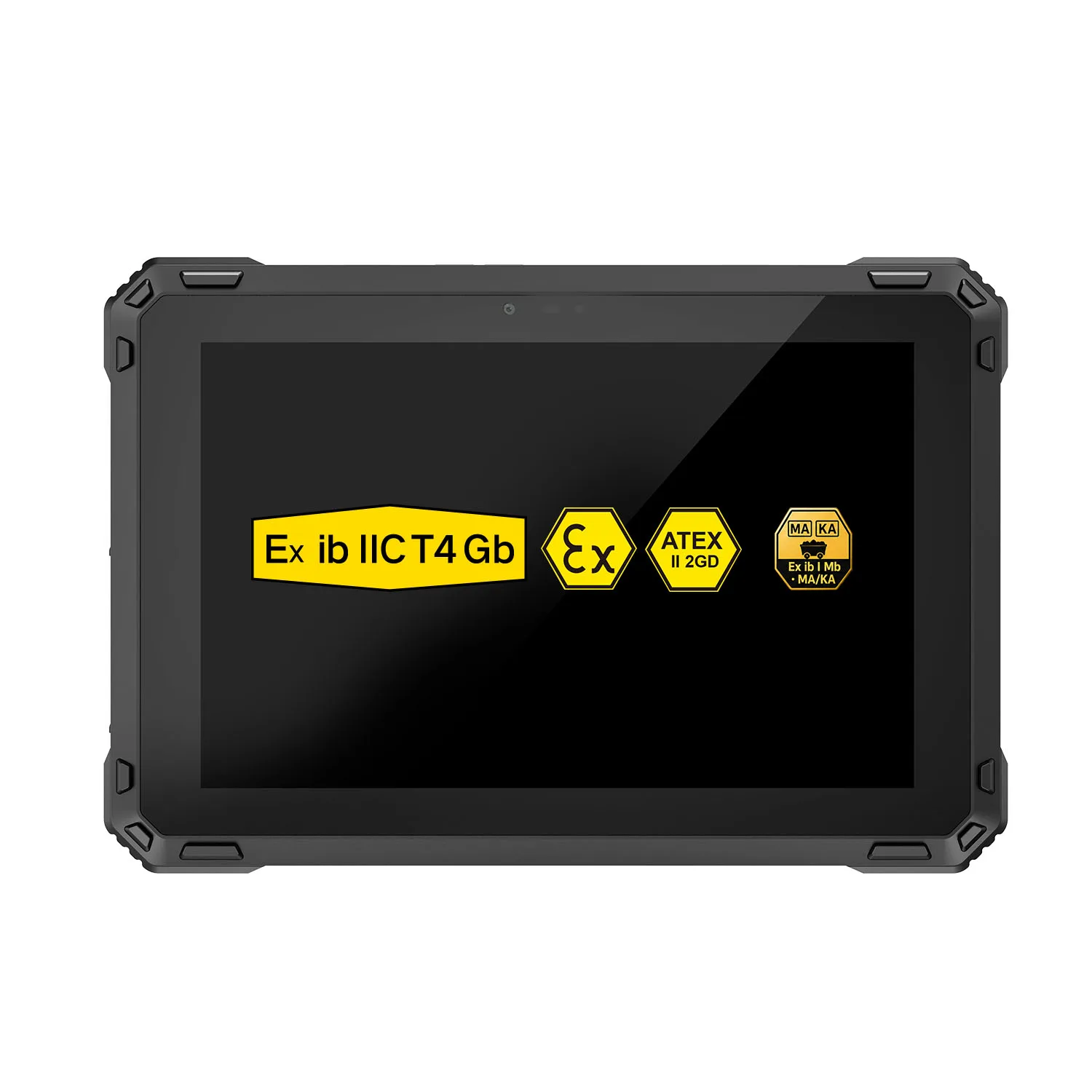
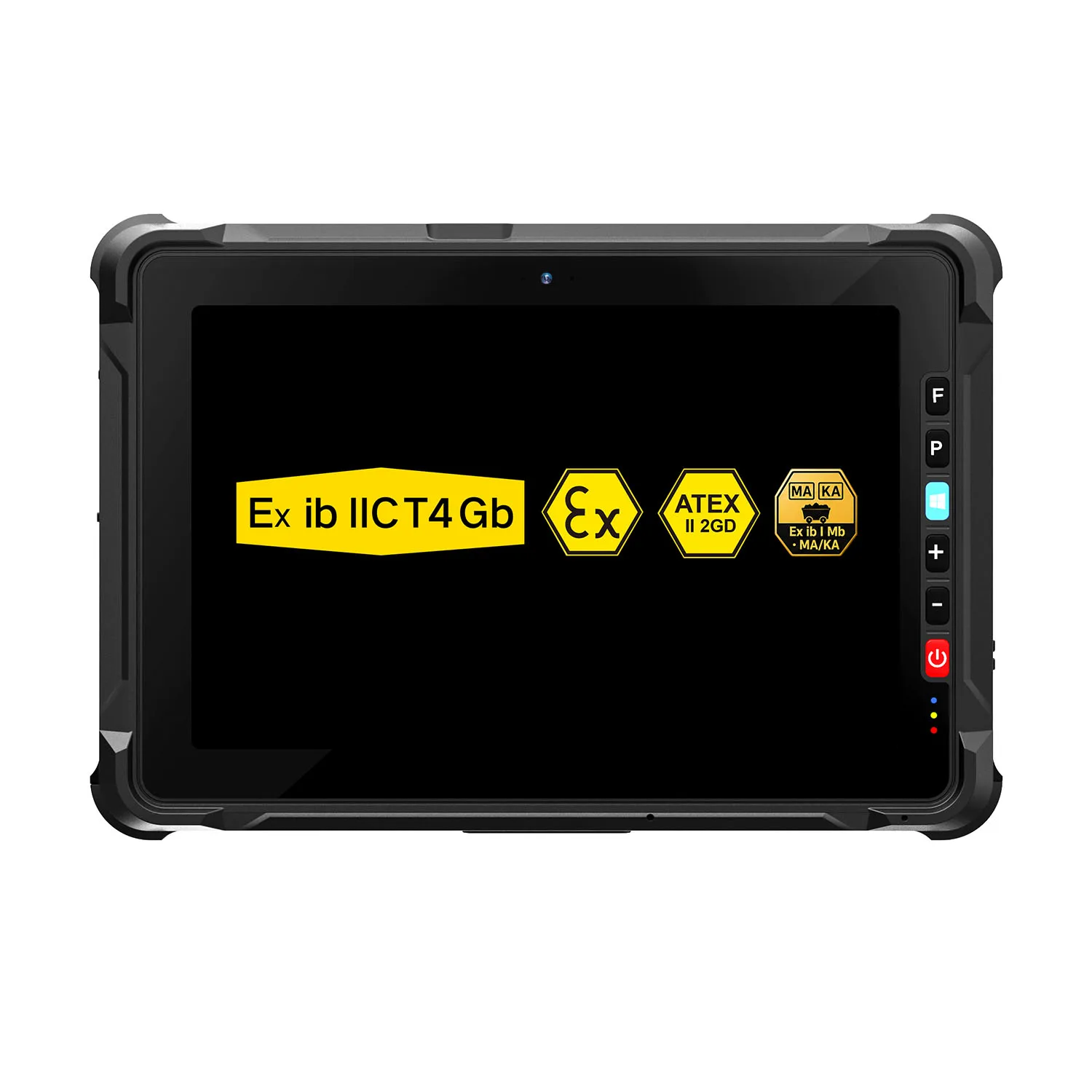
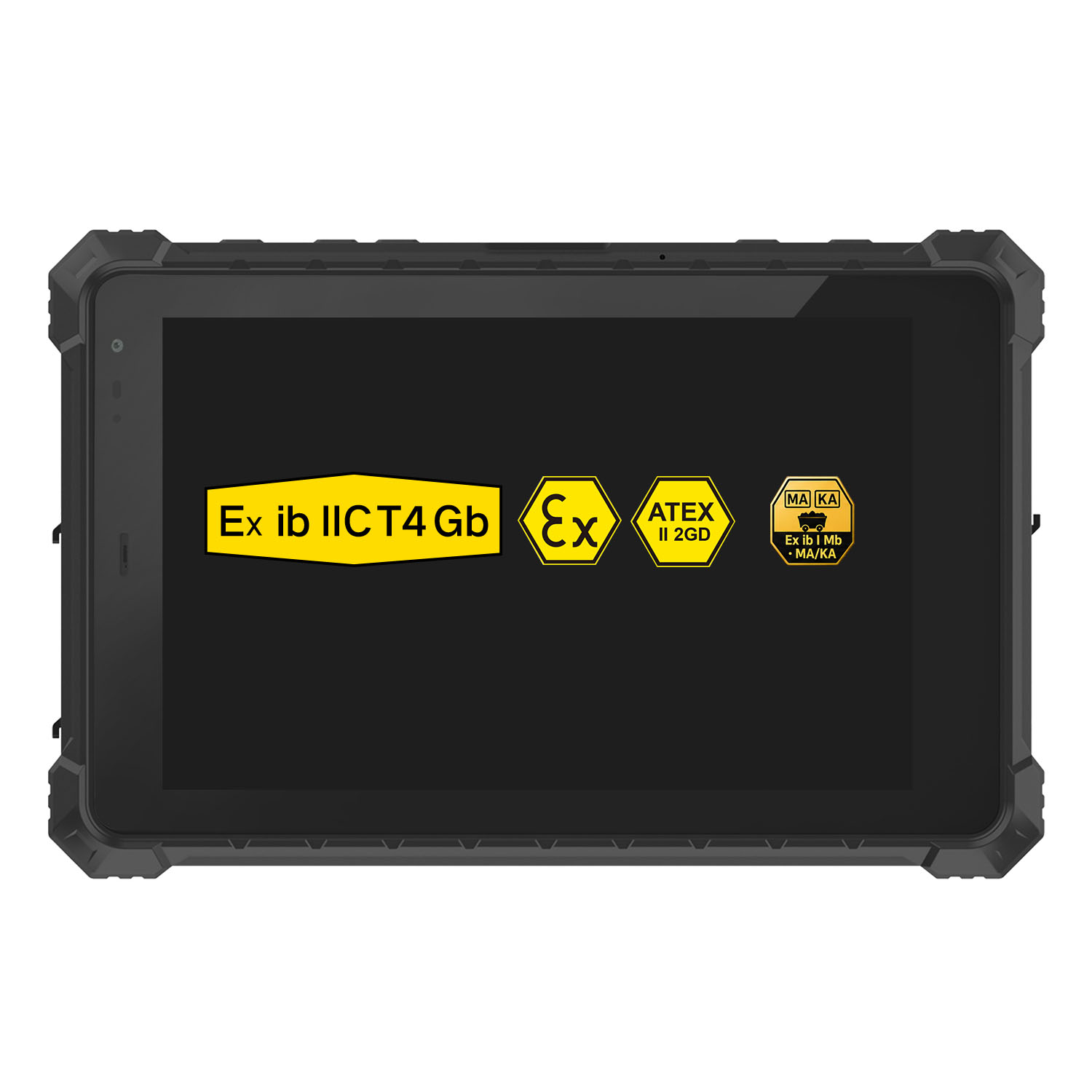
Compare CENAVA Explosion-Proof Tablet Options
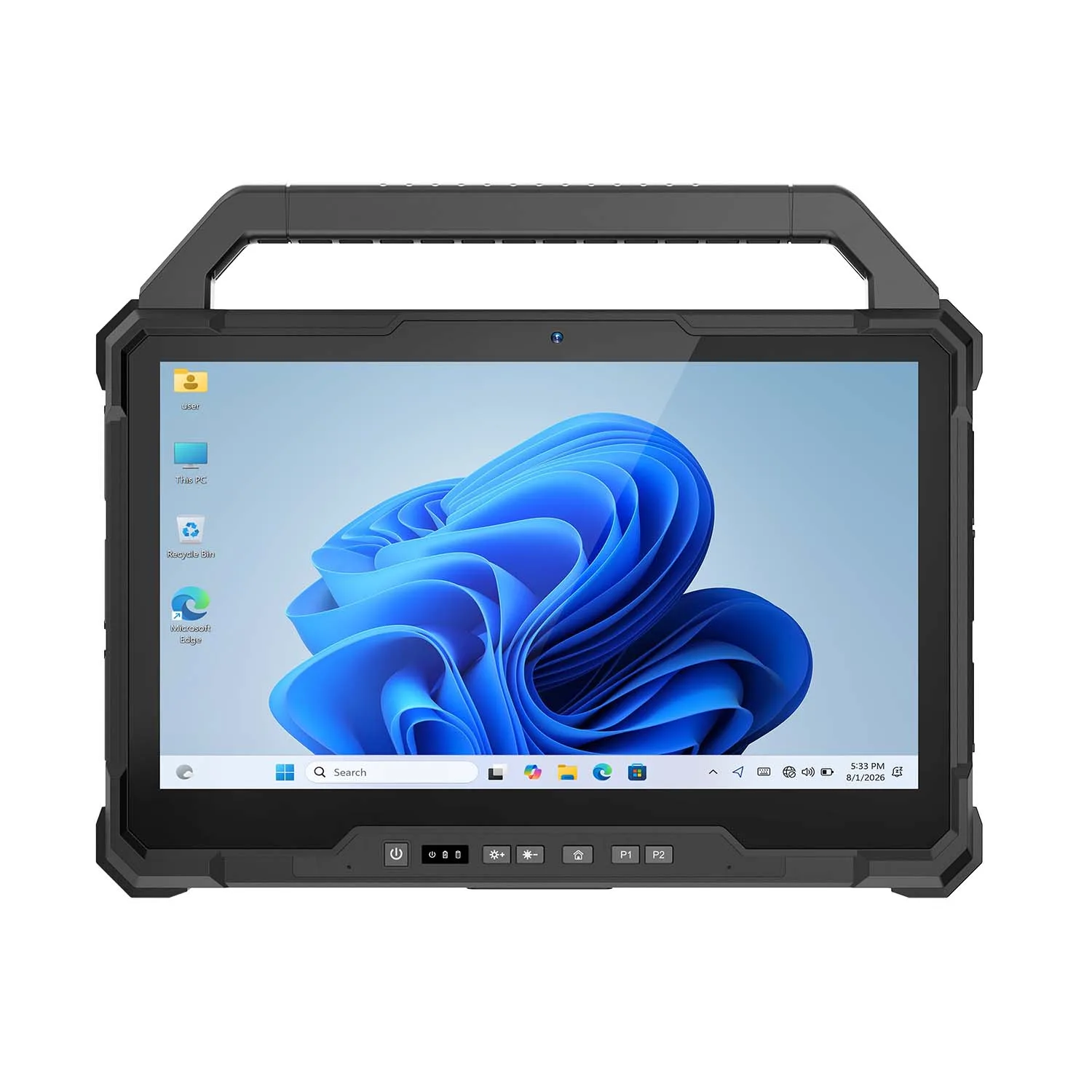
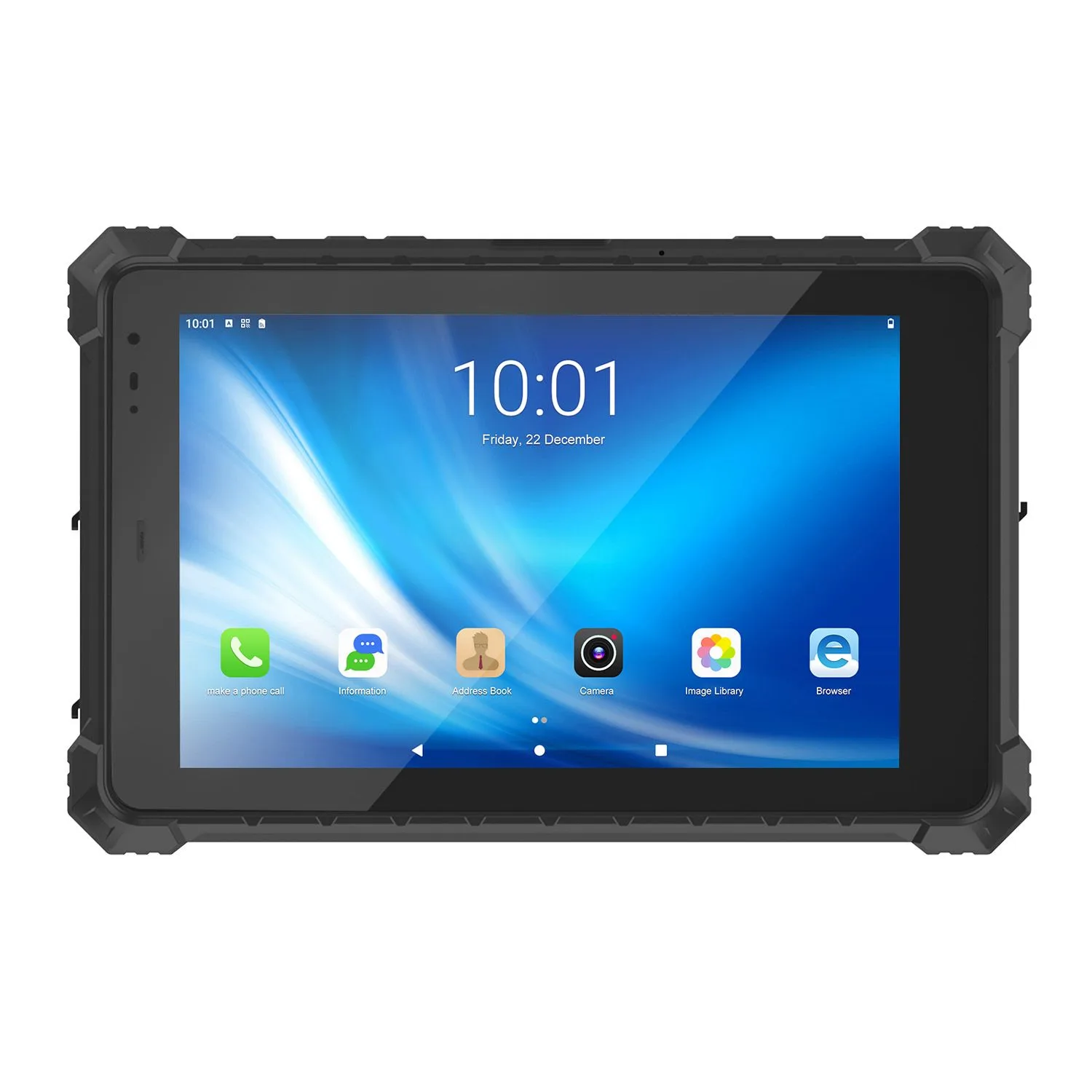
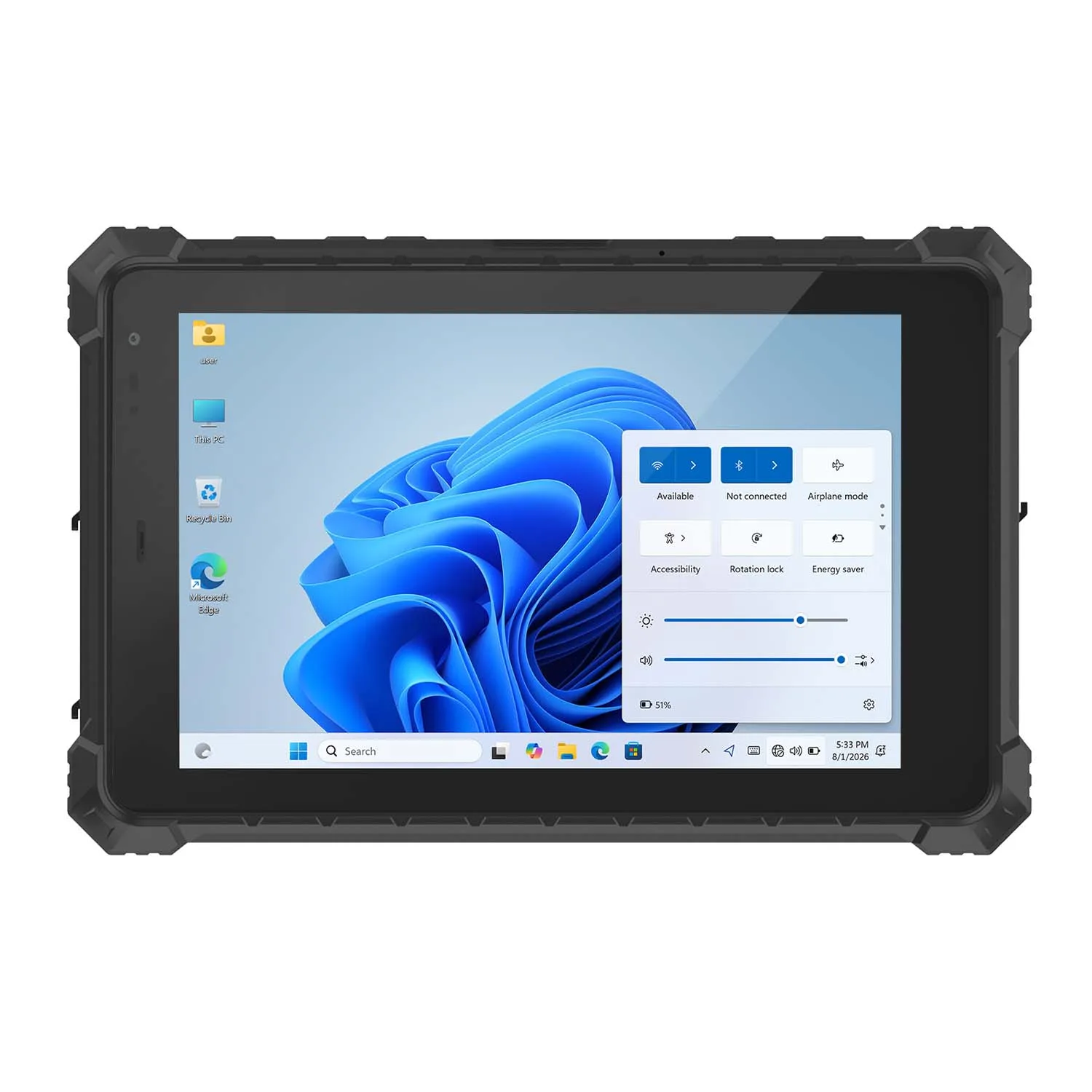
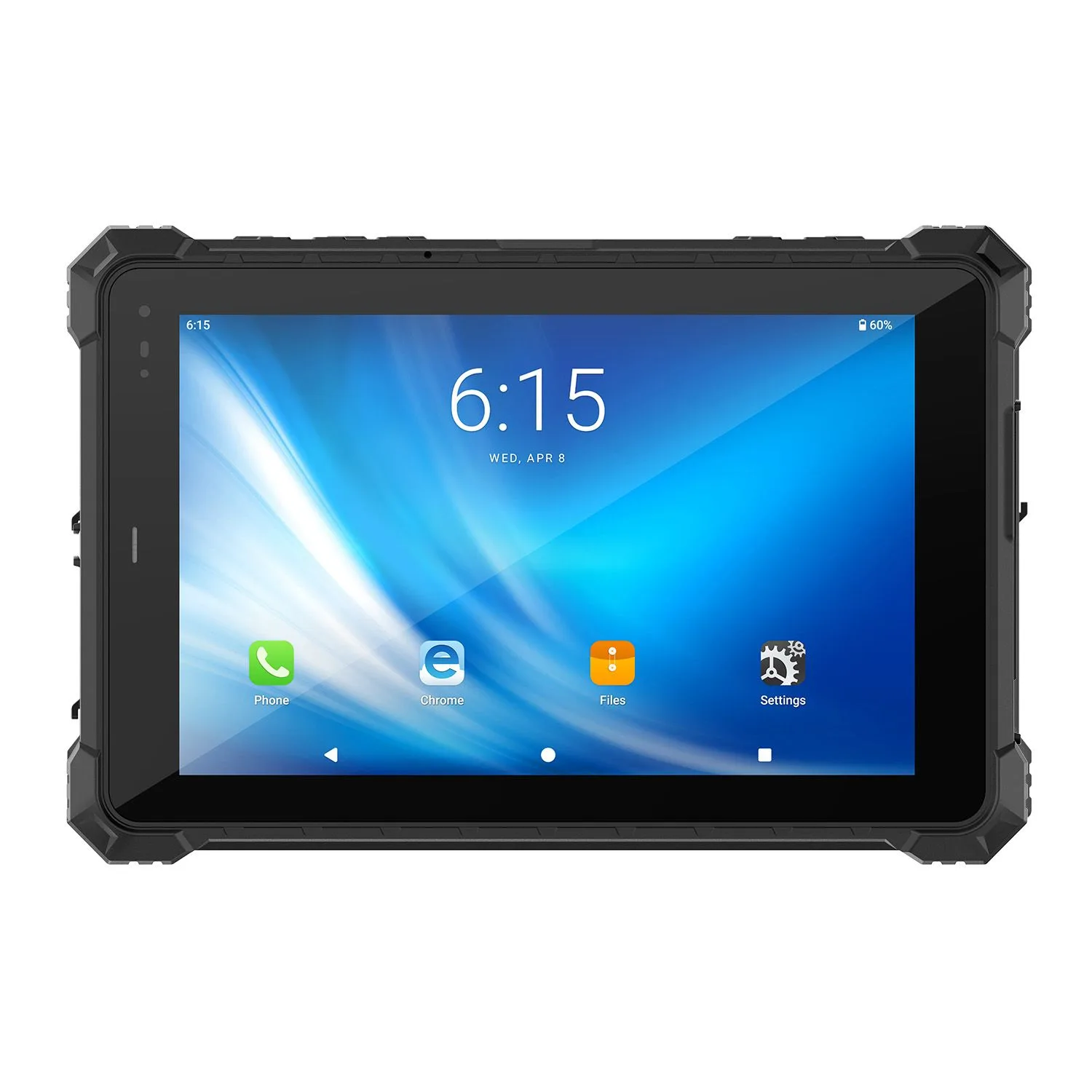
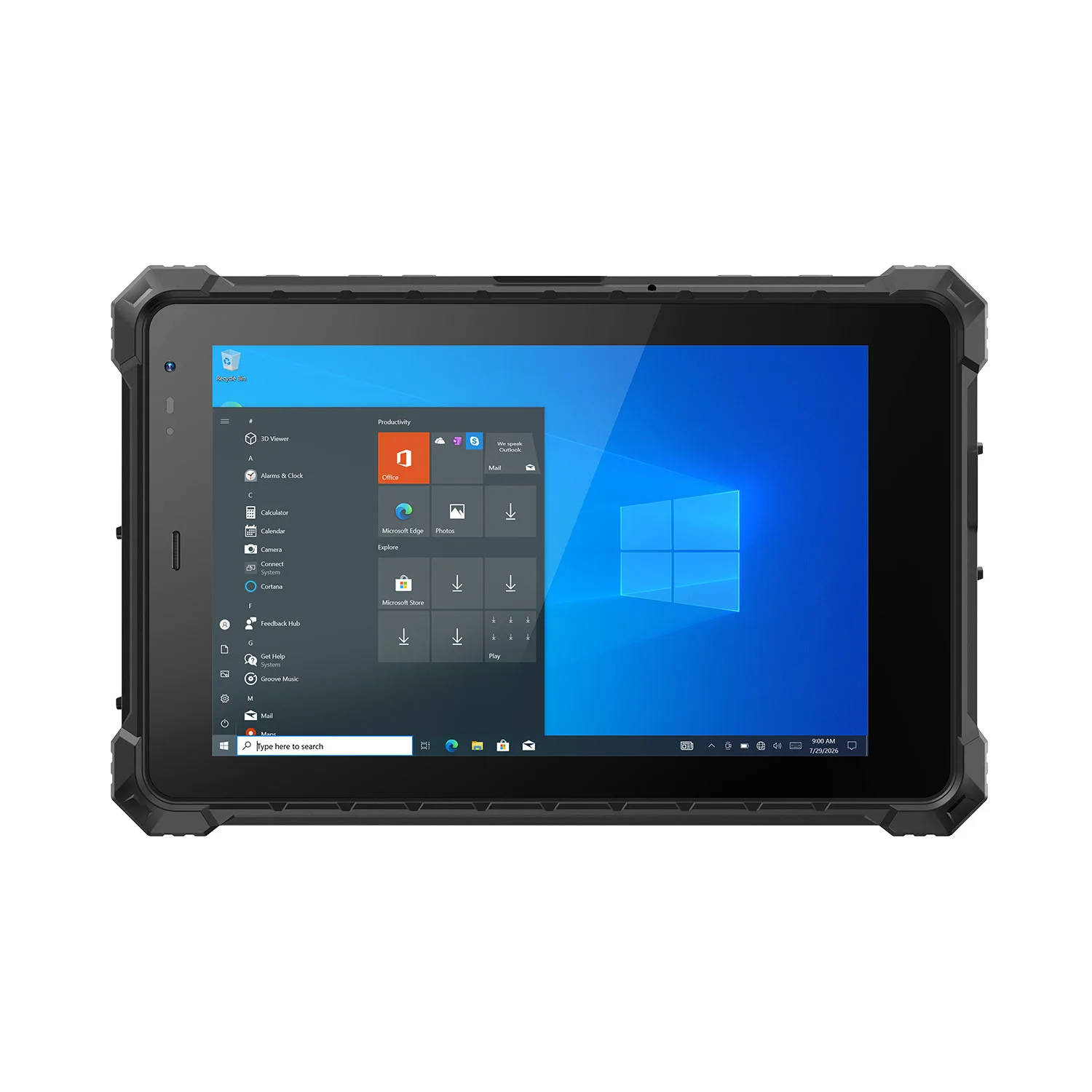
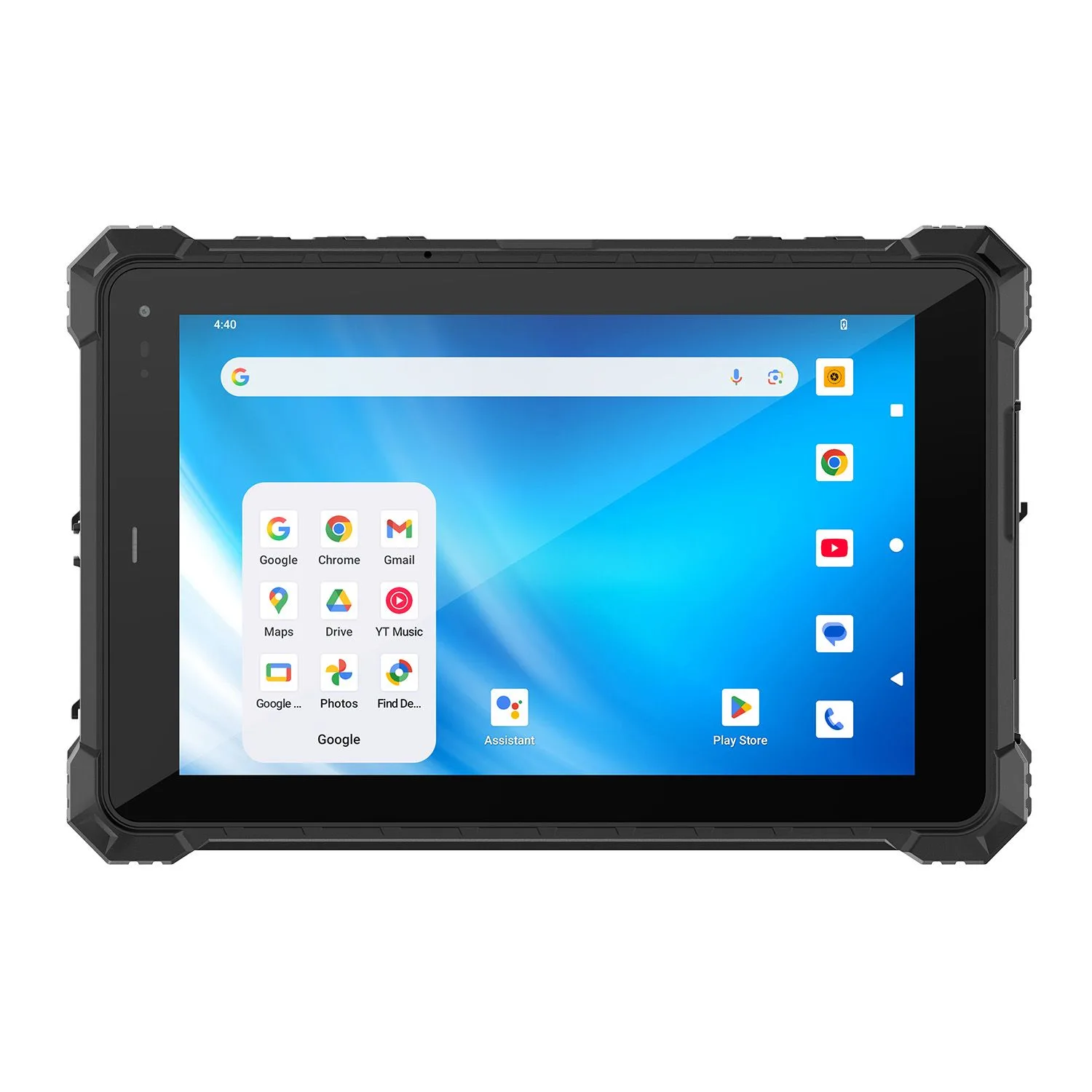
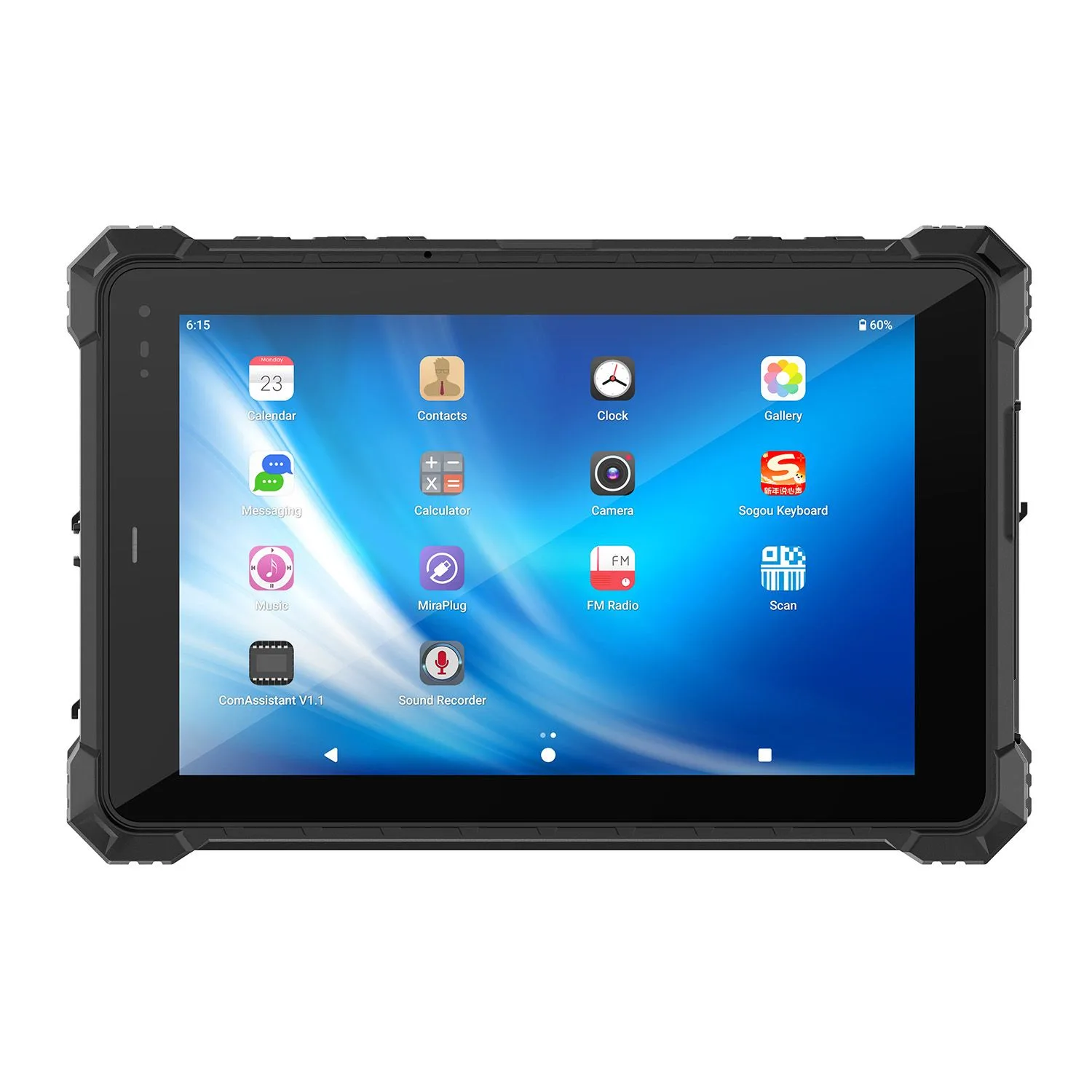
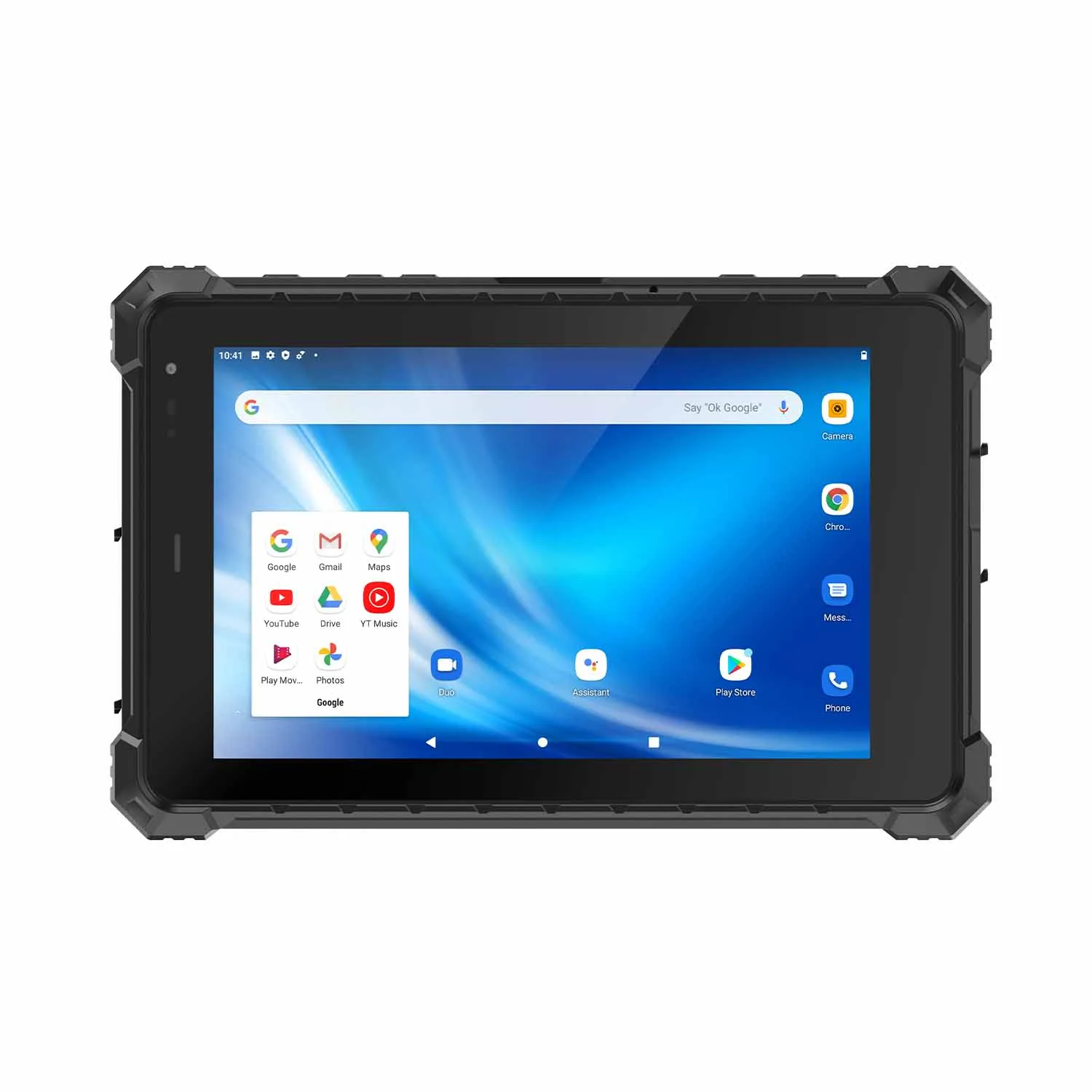
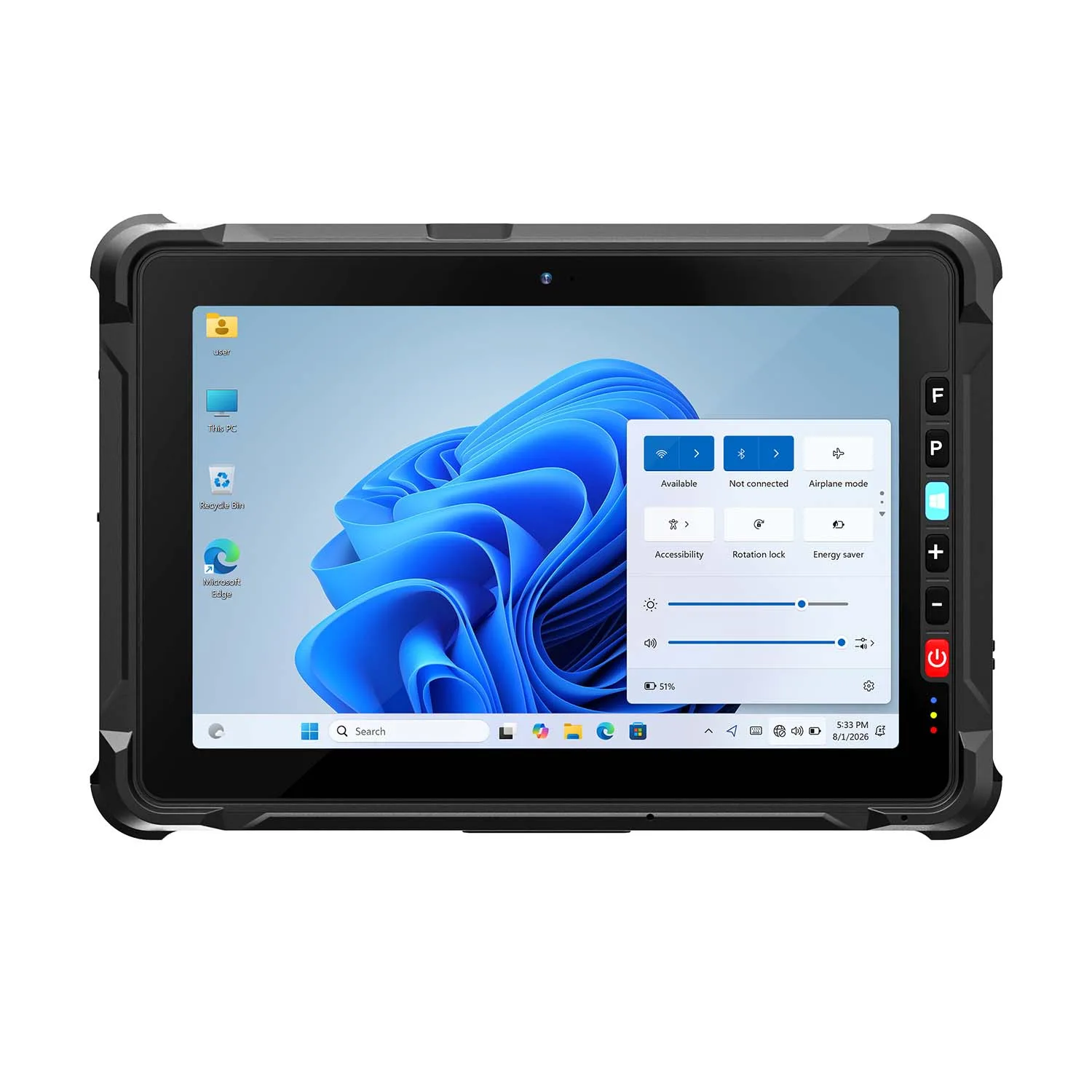
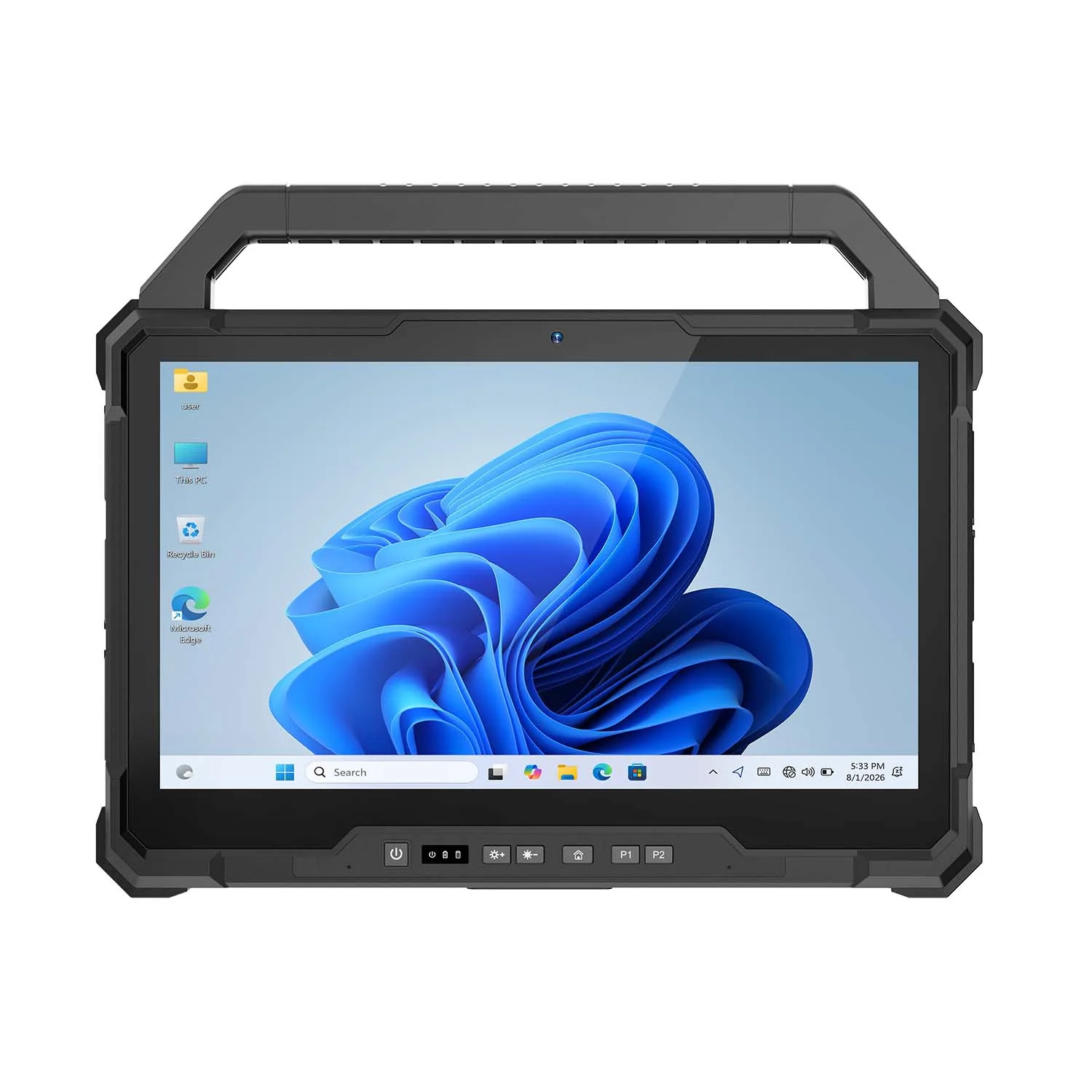
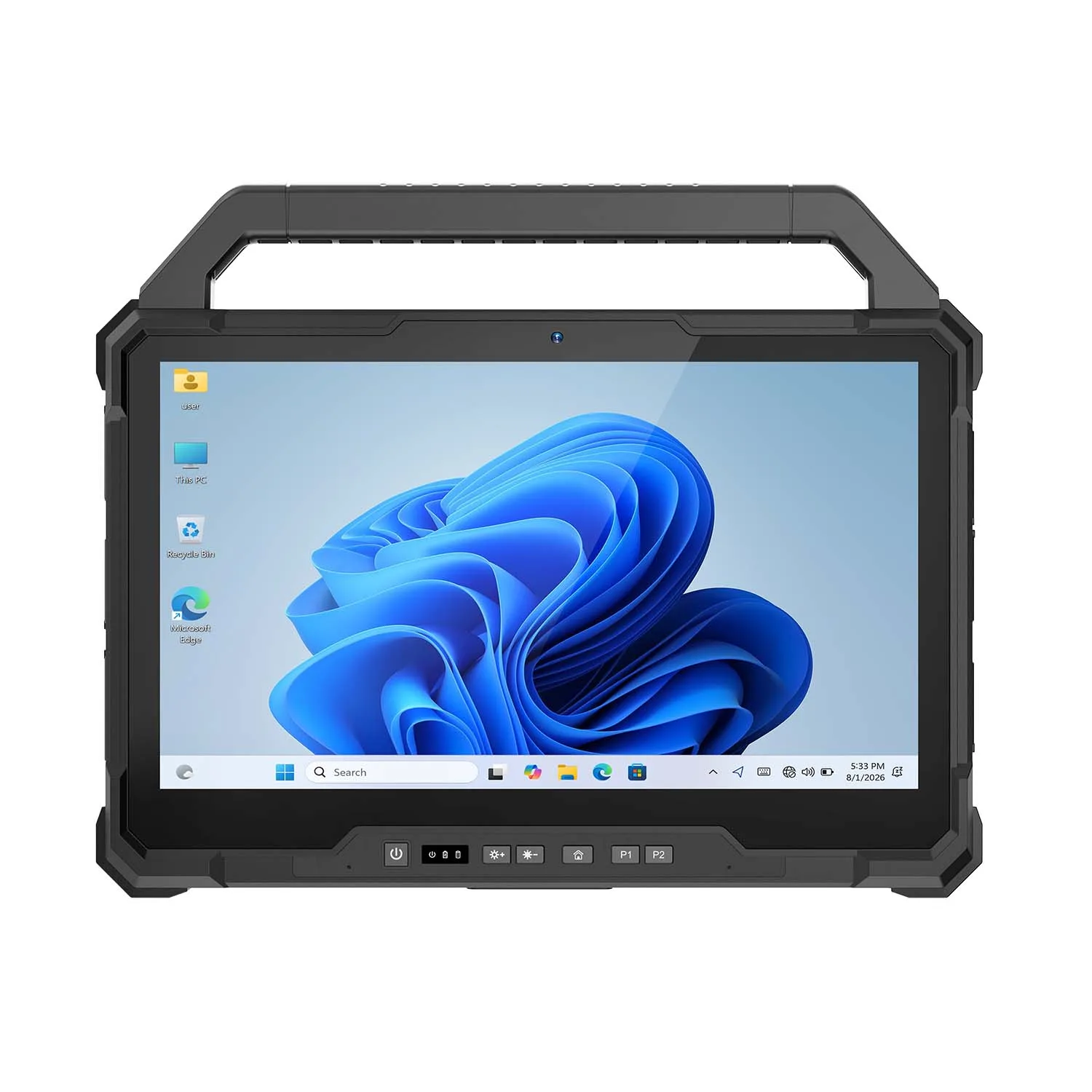
Choose a certified model based on your operating system, connectivity and application needs.
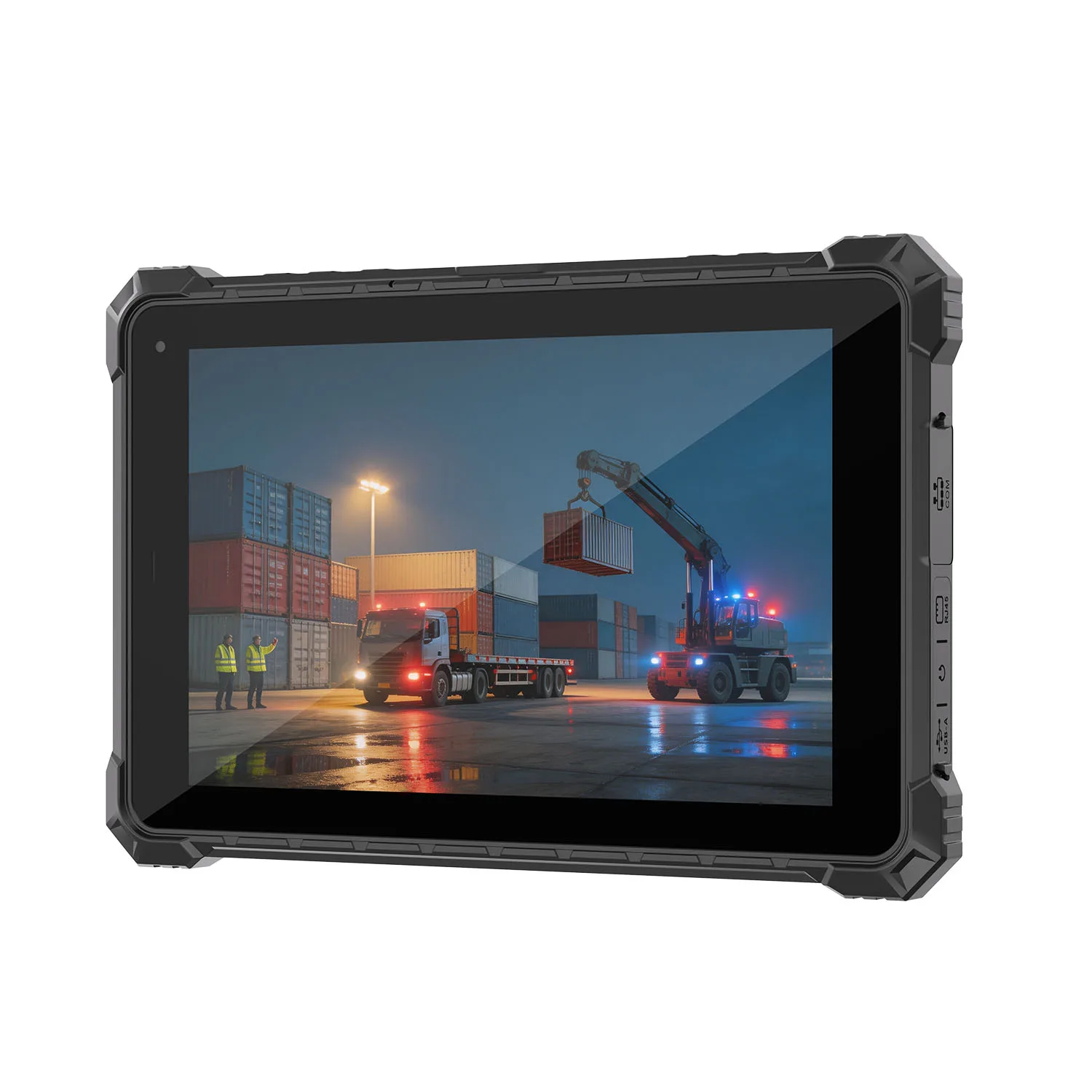
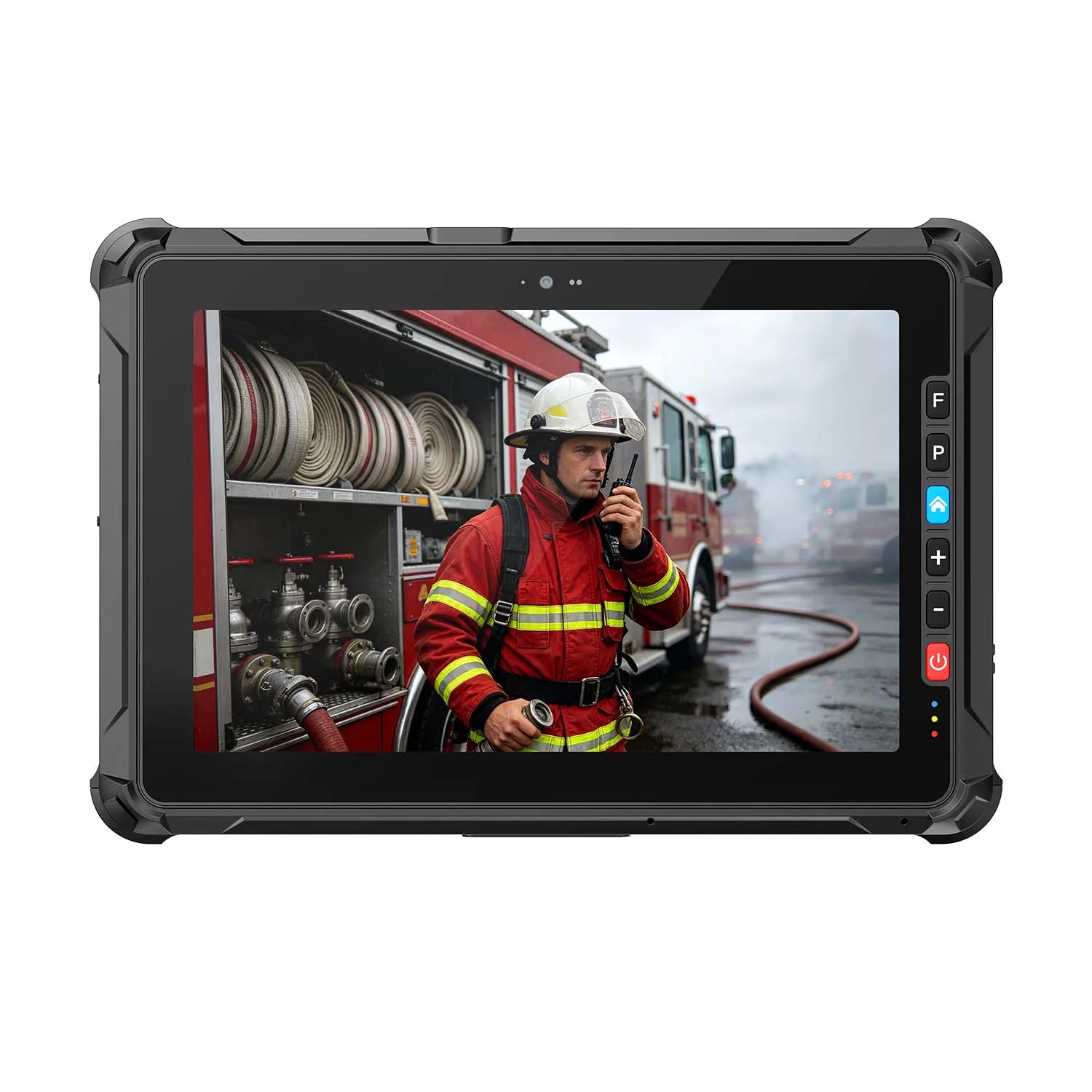
- ● Android 11
- ● 10.1" FHD Display
- ● RK3568, Industrial Interfaces
- ● ATEX & IECEx Certified
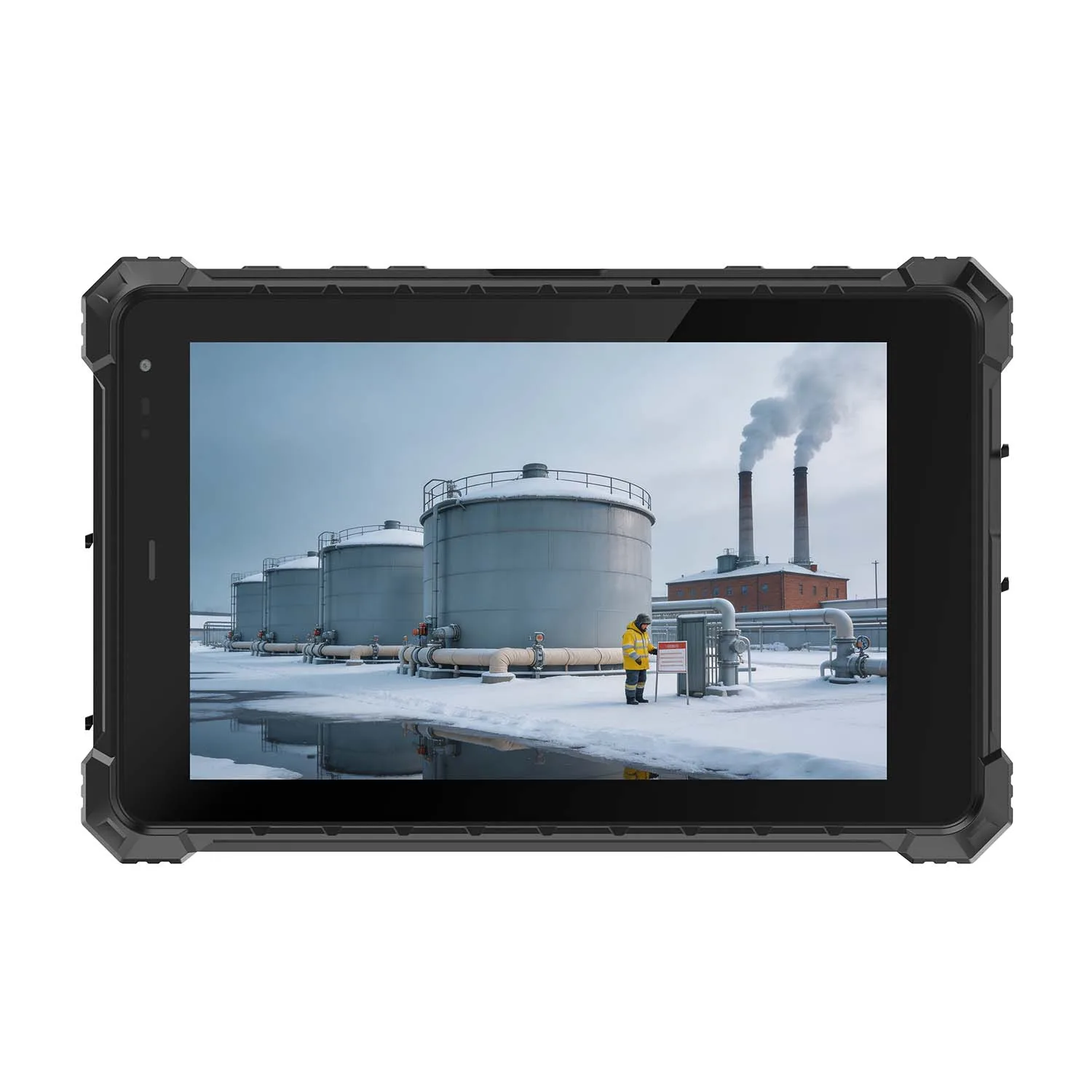
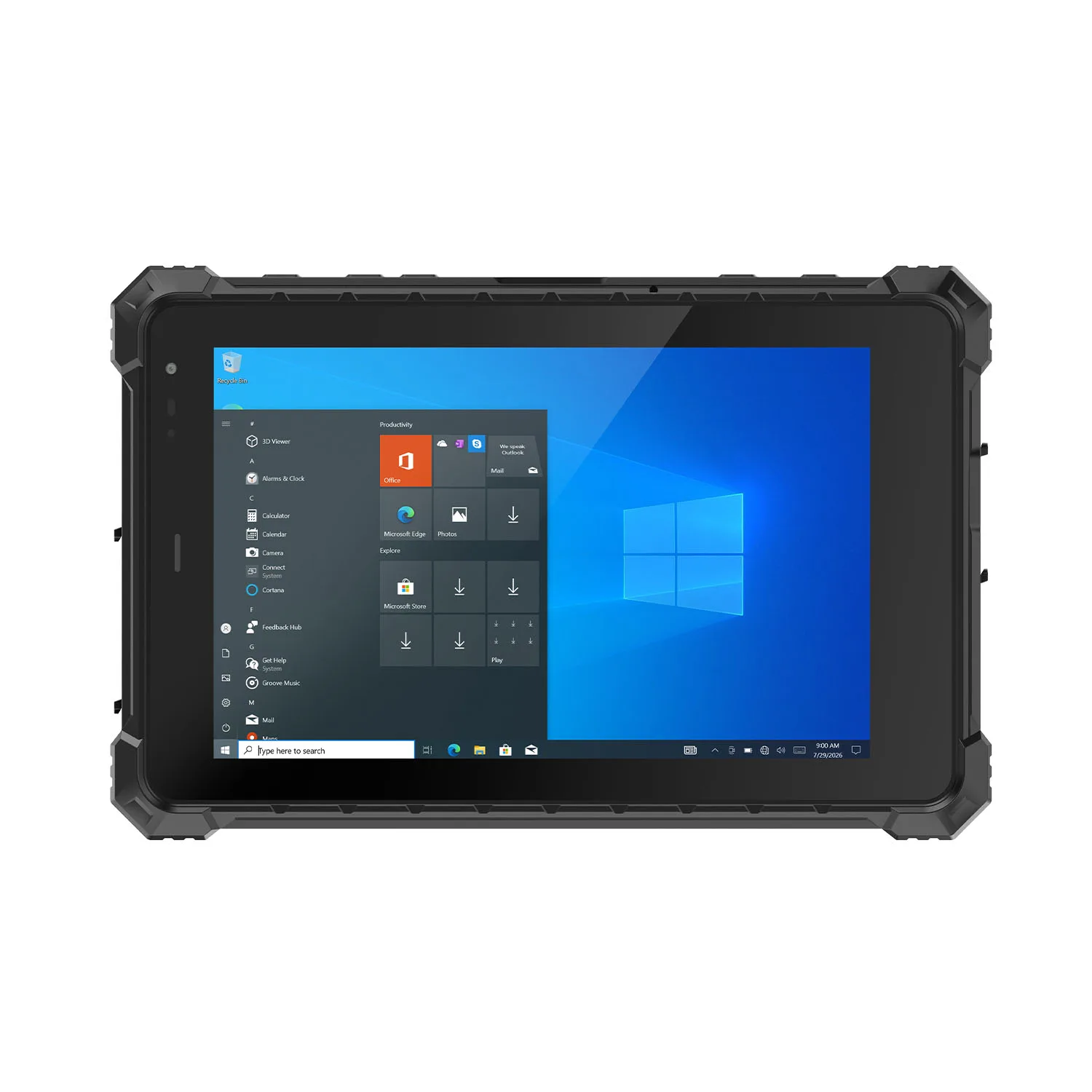
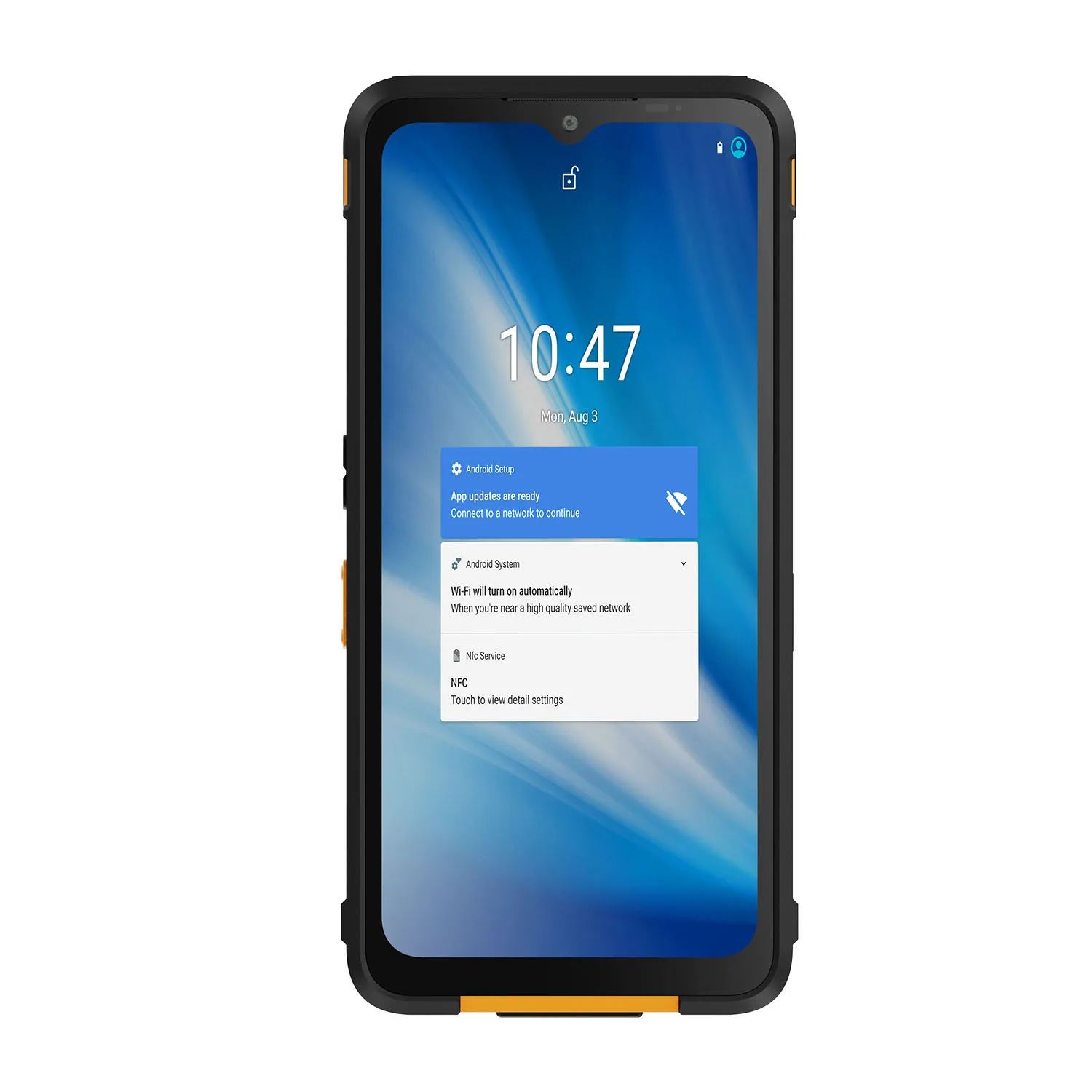
- ● Android 12
- ● 8" Display, 5G Connectivity
- ● MT6877, Rugged & Portable
- ● ATEX & IECEx Certified
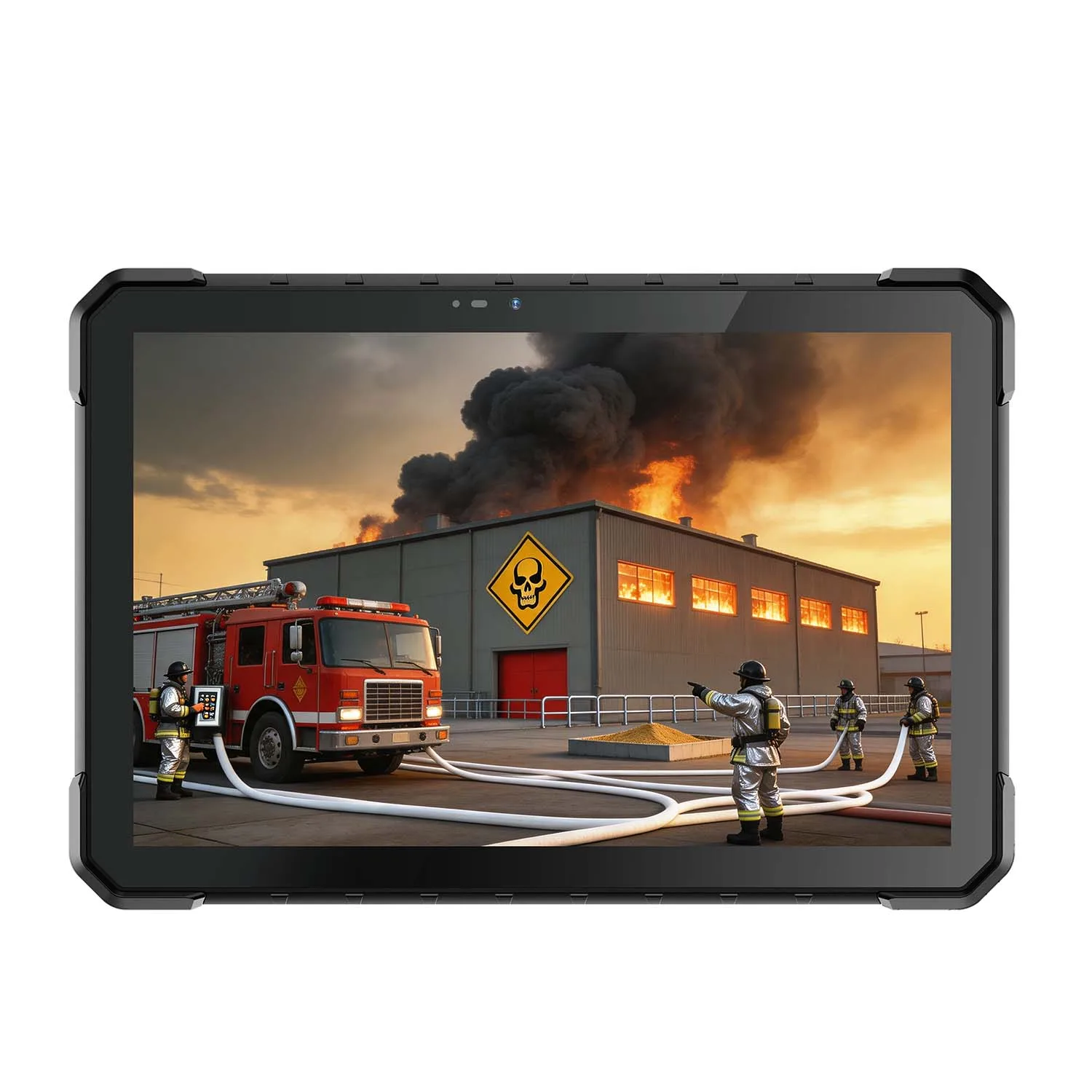
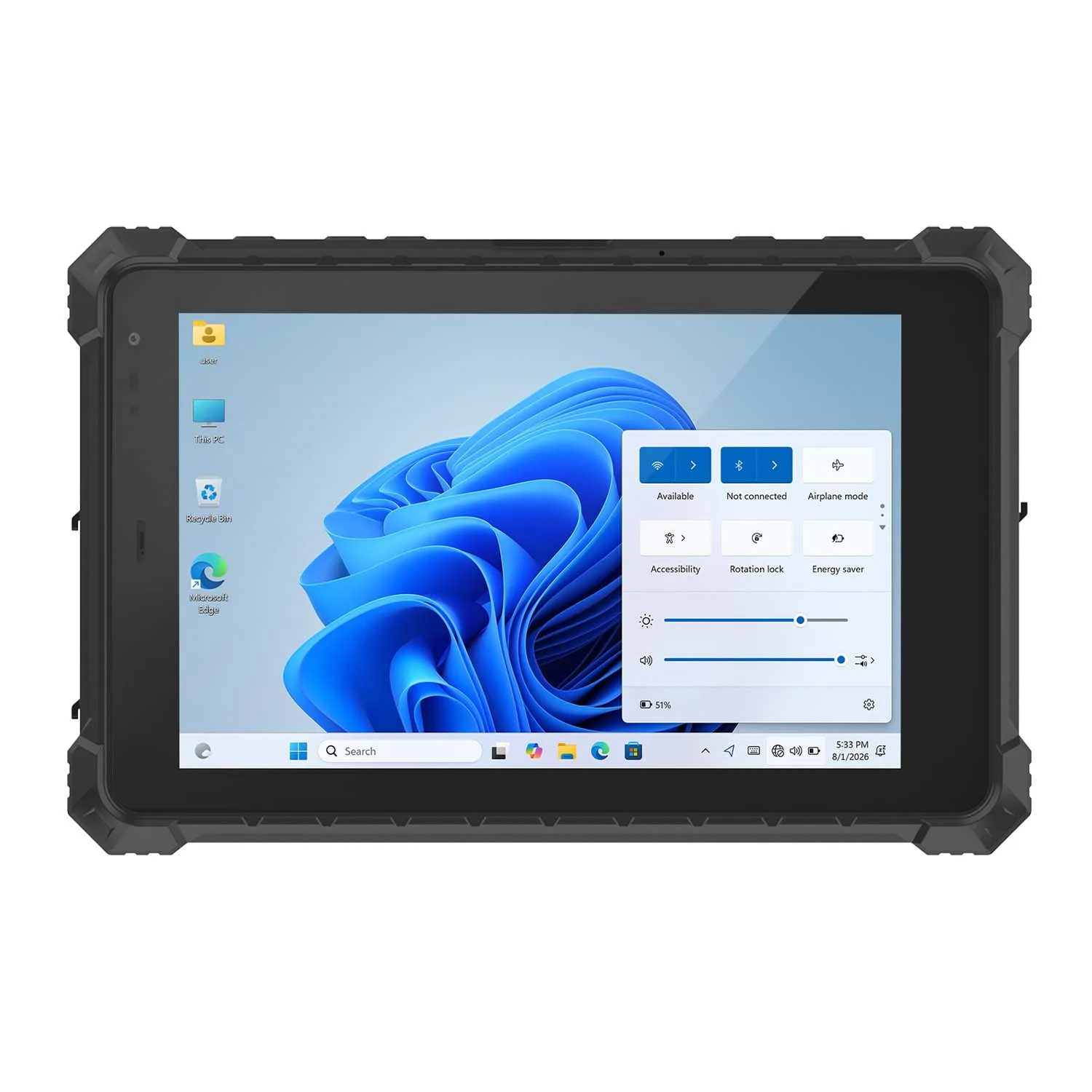
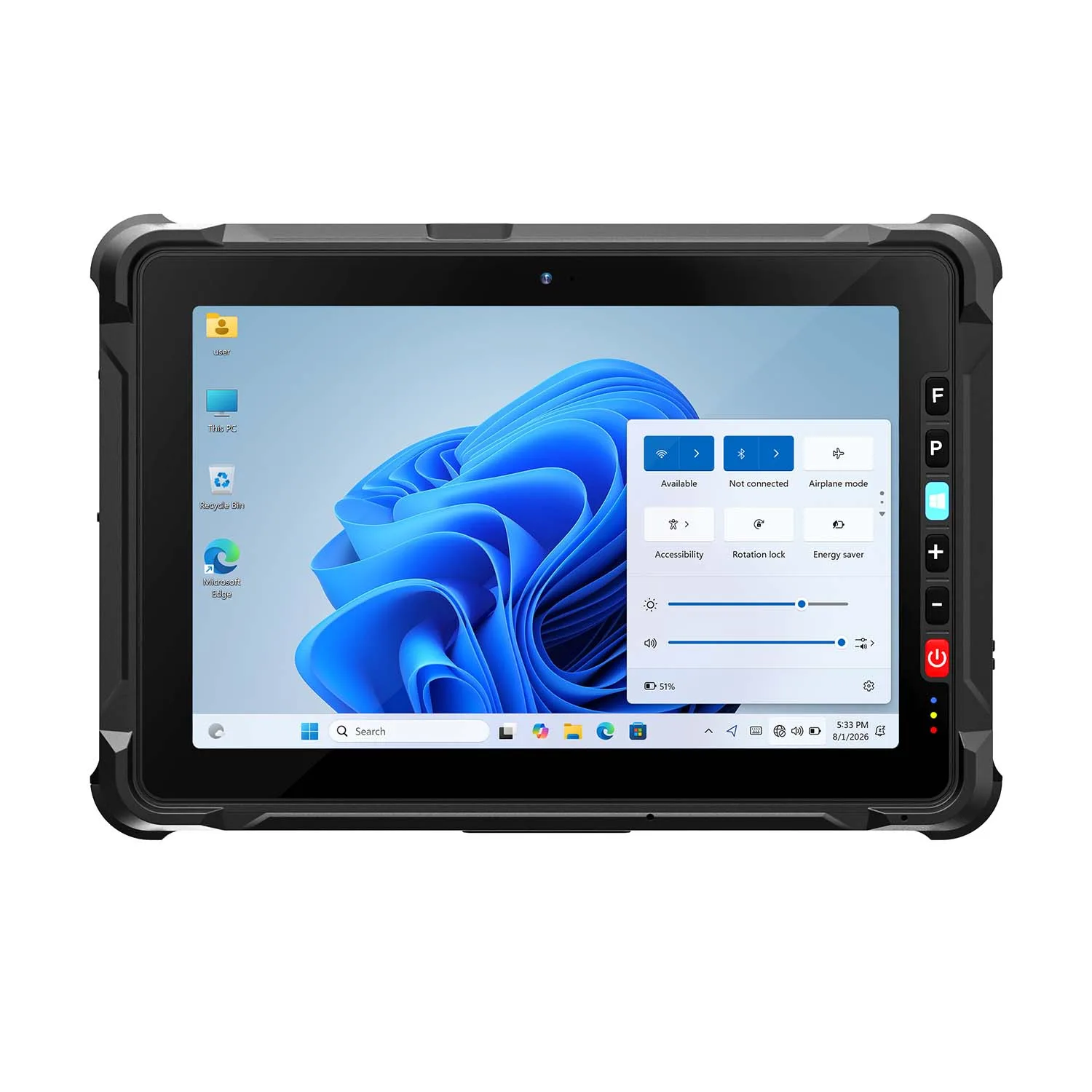
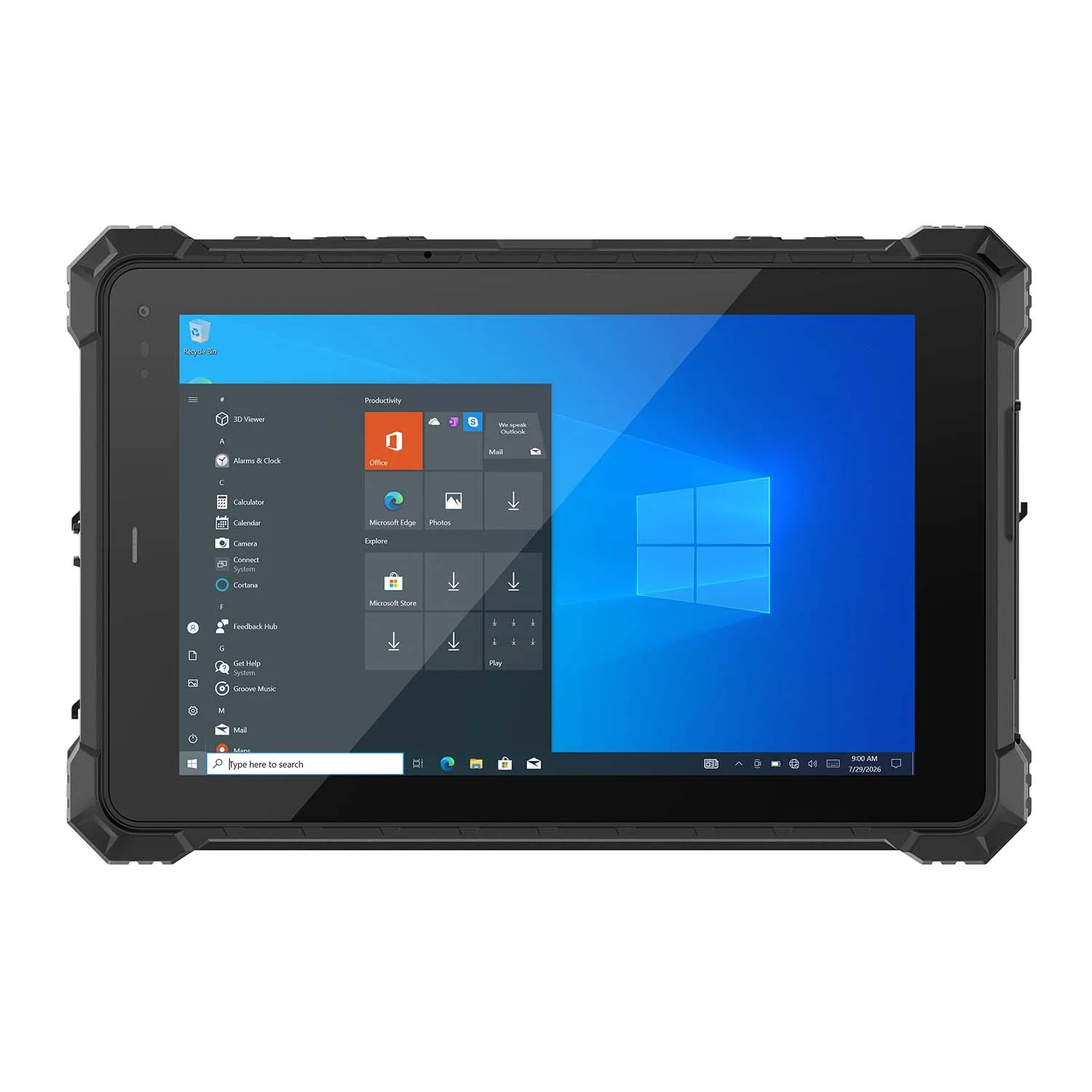
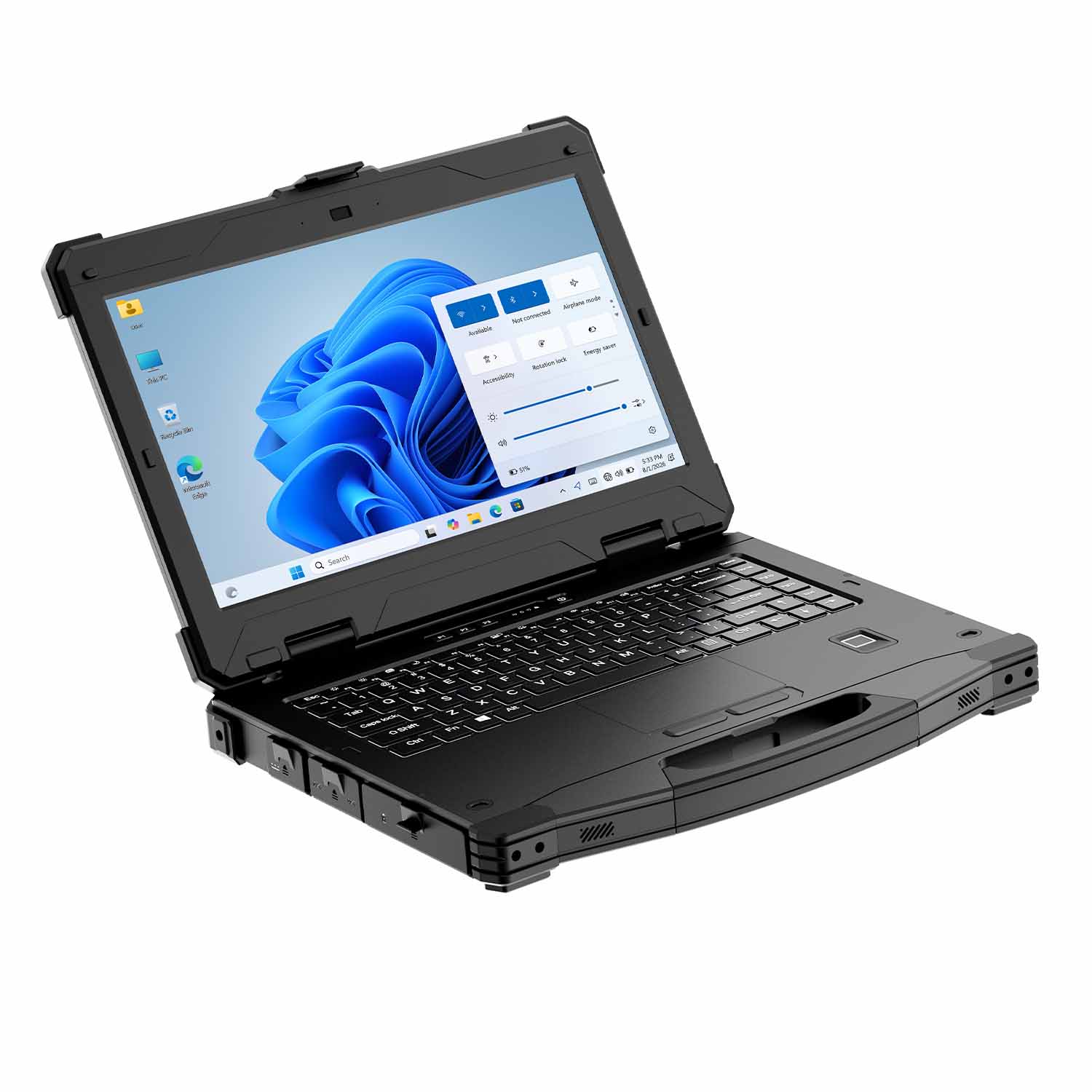
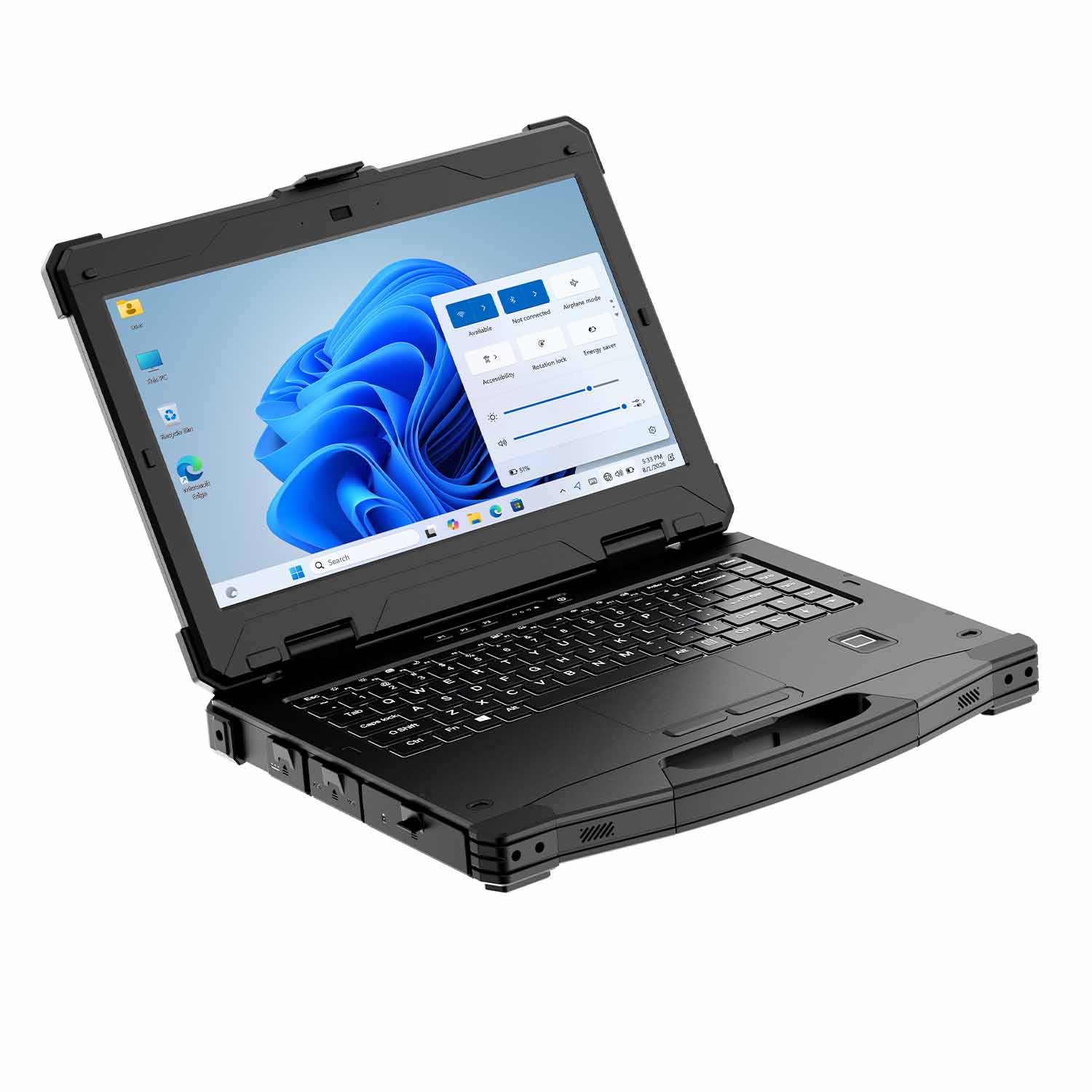
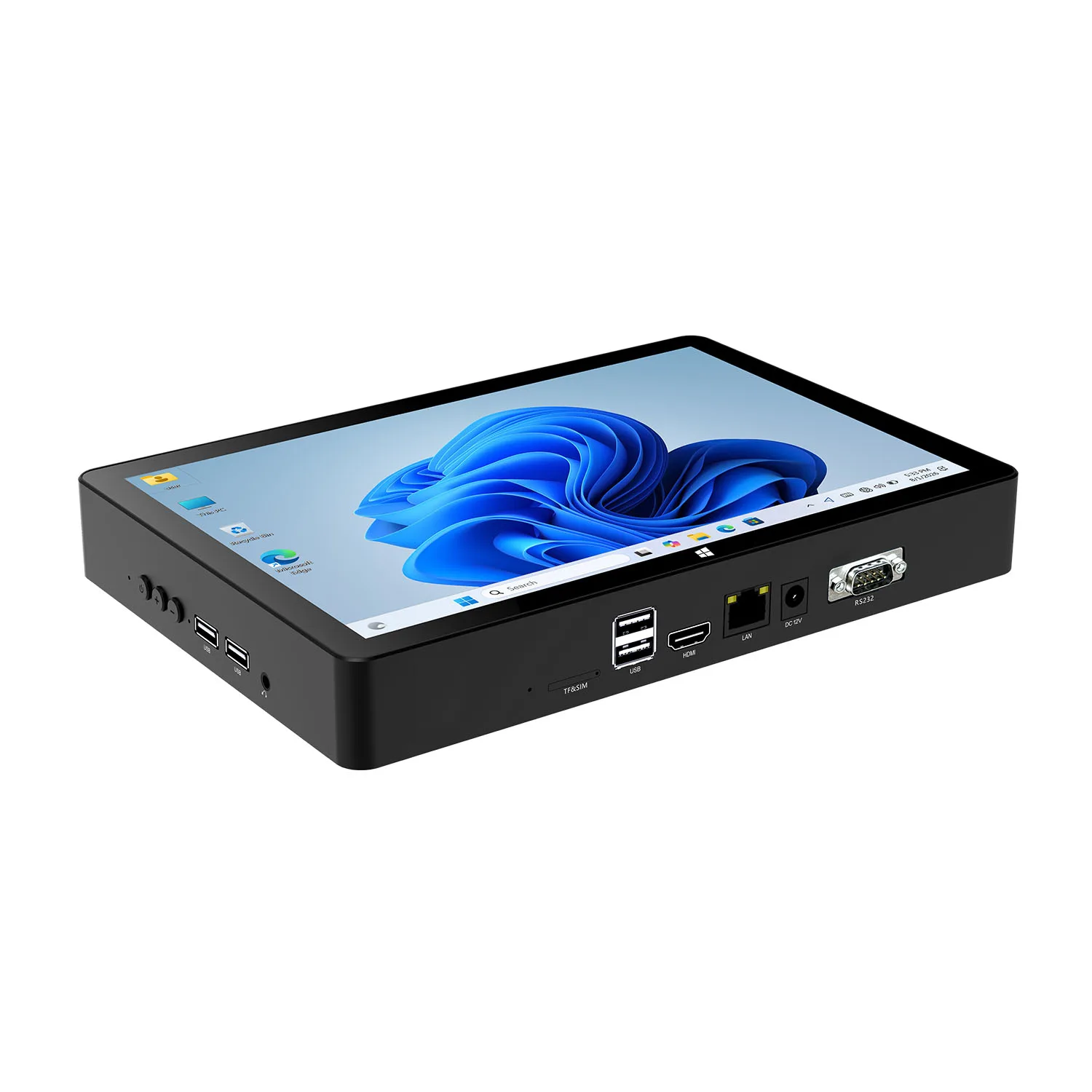
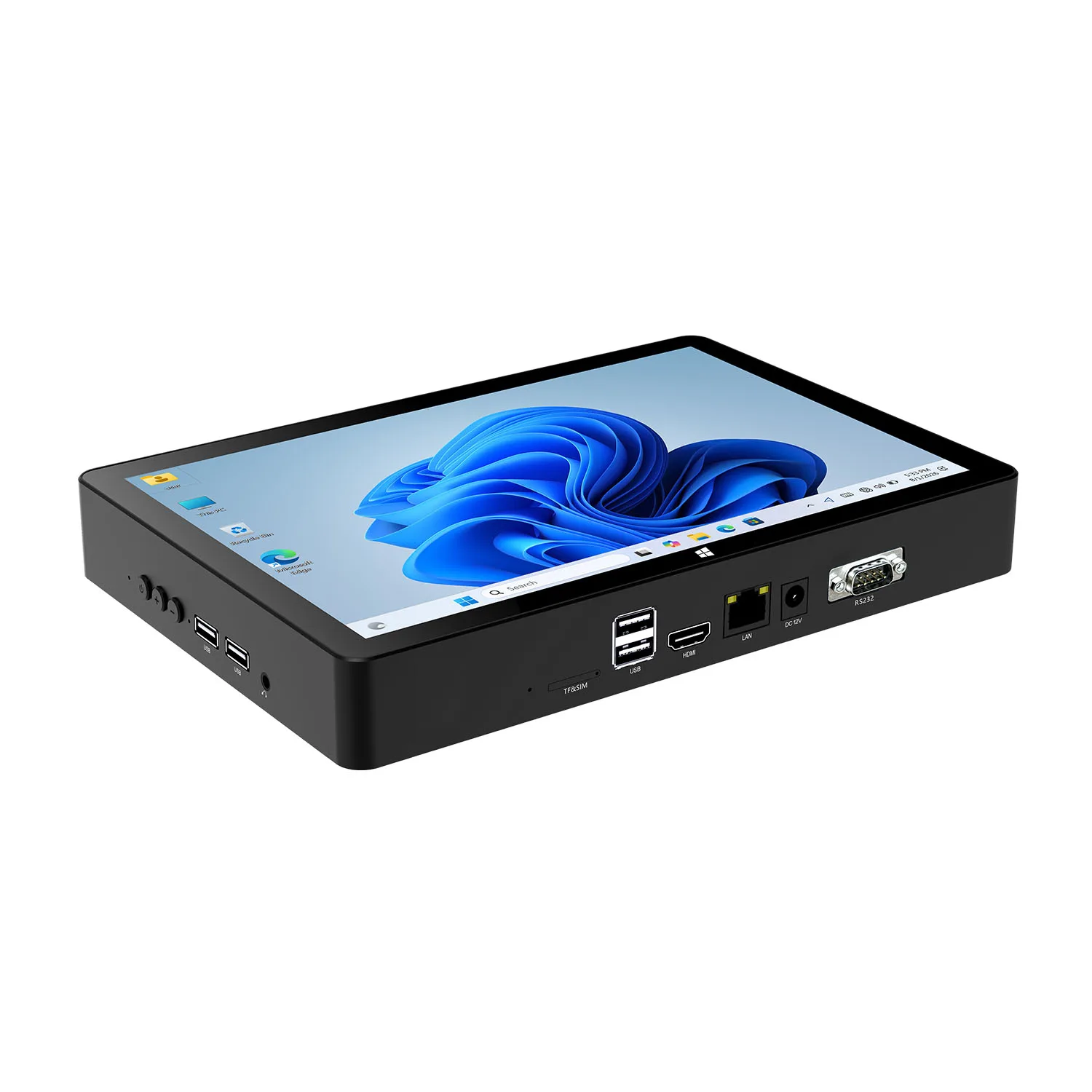
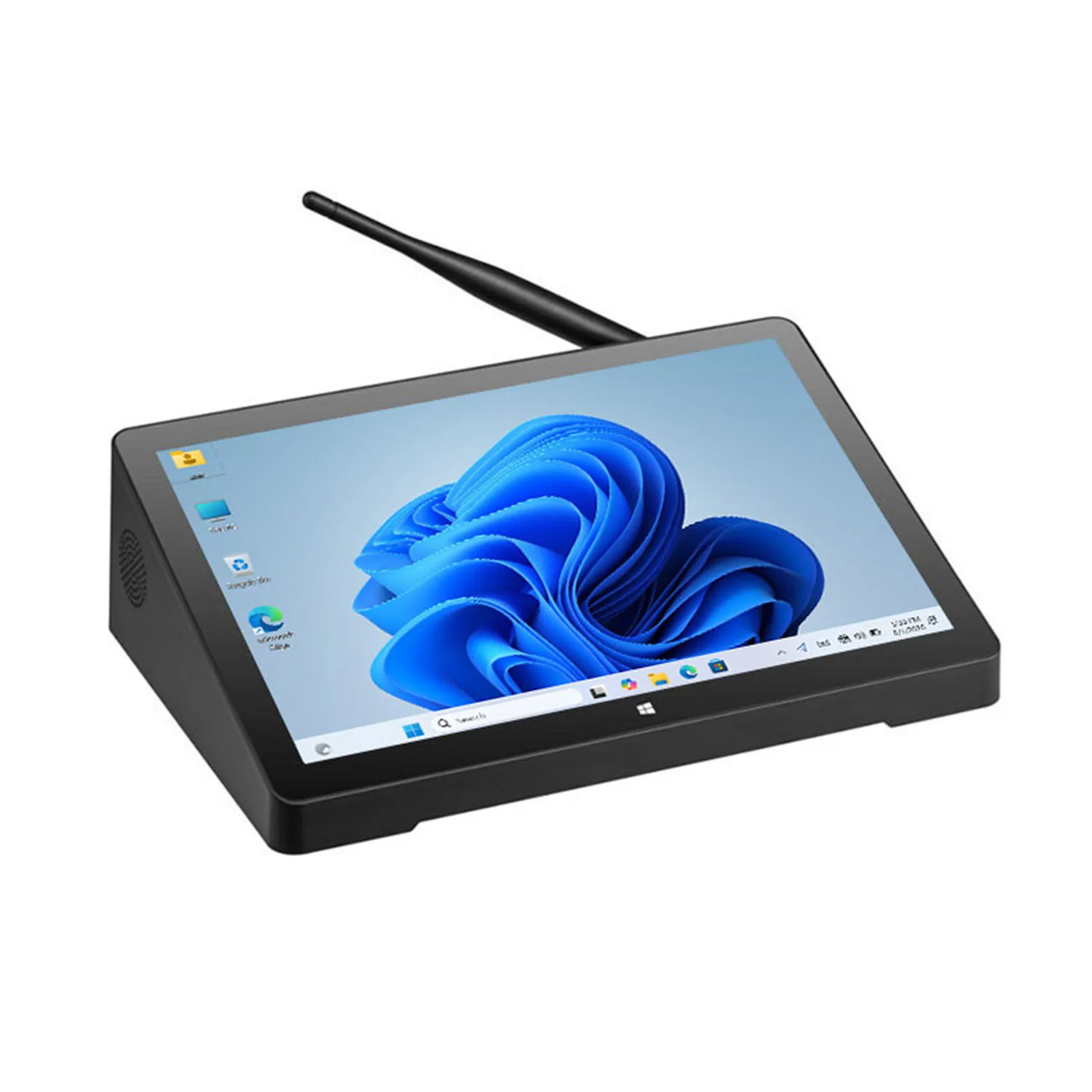
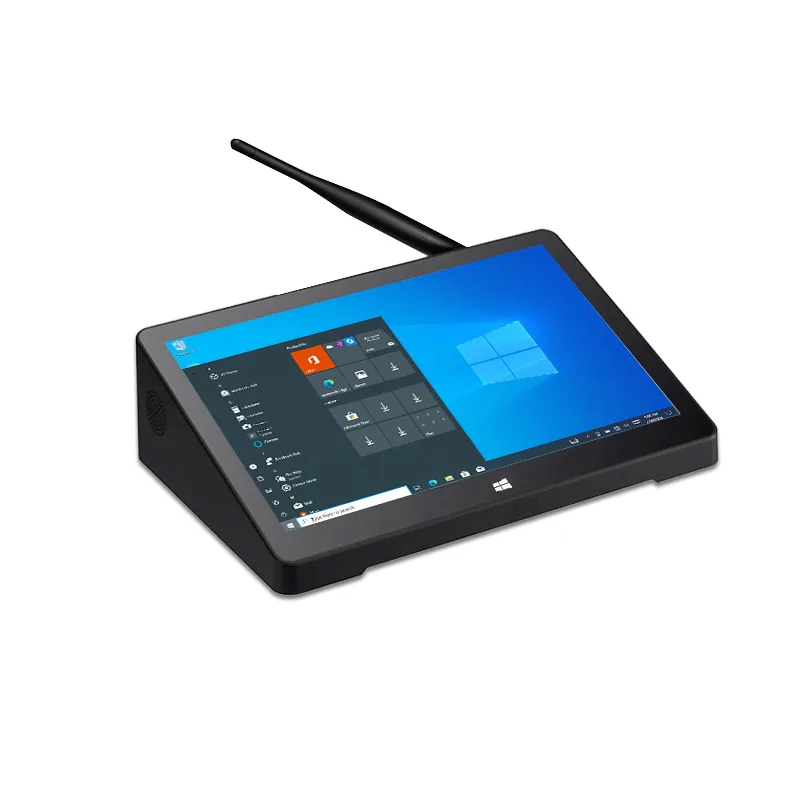
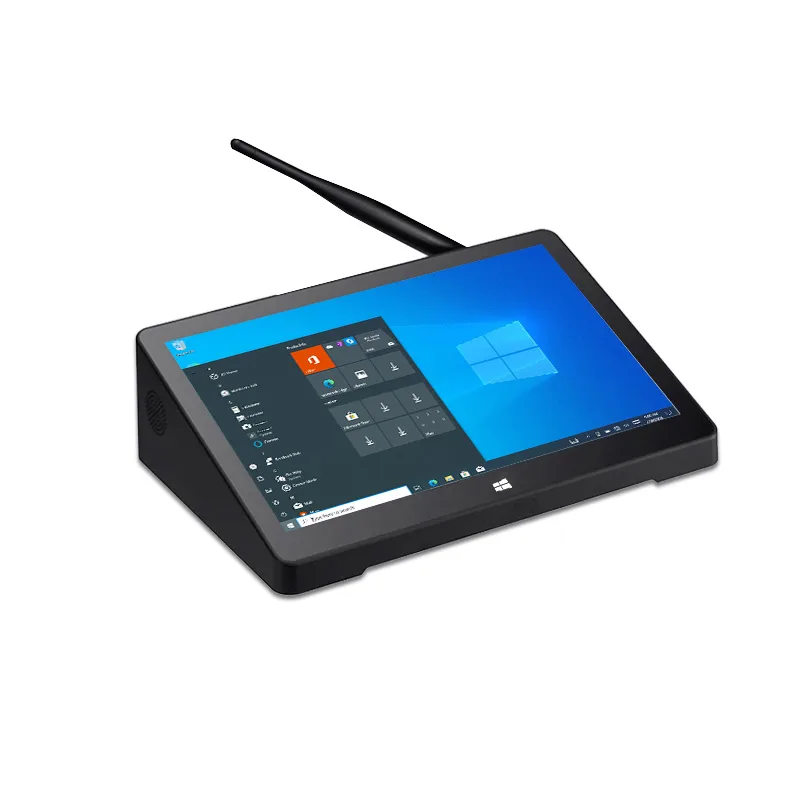
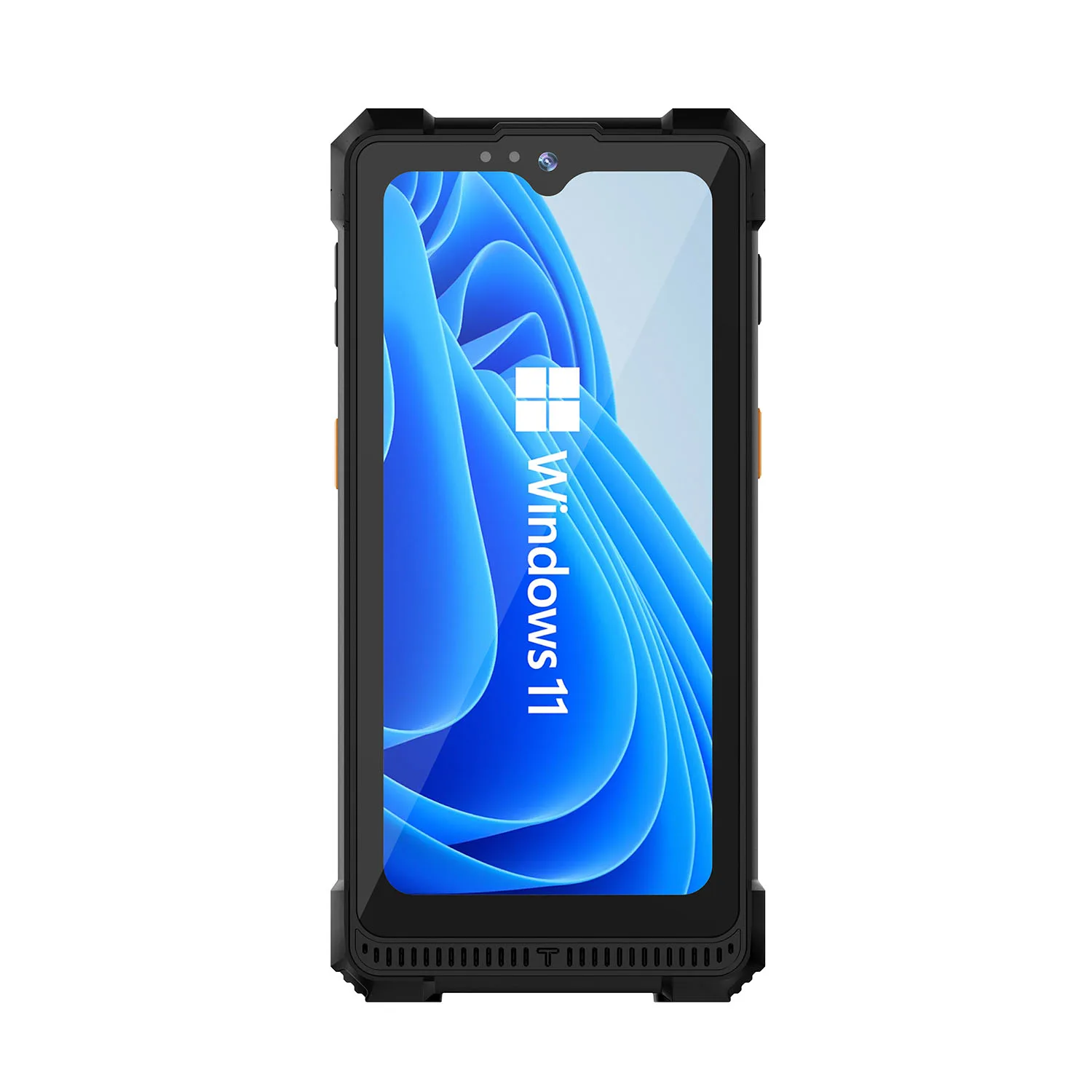
- ● Windows 11
- ● 10.1" Display
- ● Intel Core i7, High Performance
- ● ATEX & IECEx Certified
What Does IECEx Certification Mean?
IECEx is the international equivalent of ATEX — a voluntary but widely recognized certification system accepted in 60+ countries, making it the practical choice for companies operating across multiple regions rather than only the EU. Like ATEX, IECEx testing confirms a device won't release sparks or heat capable of igniting a hazardous atmosphere, and it requires periodic inspection of flameproof components to keep protection effective over the device's service life.Key IECEx benefits: global recognition, performance-based (not just prescriptive) safety testing, and a certificate that can be verified directly in IECEx's official online database.ATEX vs. IECEx: Key Differences
| Feature | ATEX (EU) | IECEx (International) |
|---|---|---|
| Legally required? | Yes, within the EU | No, but very widely recognized |
| Usage area | EU markets only | Recognized in 60+ countries |
| Certifying body | Some devices self-declared by manufacturer | Always independently, third-party certified |
| Product label | CE + Ex marking, e.g. CE Ex II 2G | IECEx mark, e.g. IECEx Ex d IIB T4 |
| Certificate check | Usually on product label/file | Verifiable online in IECEx's database |
CENAVA's Explosion-Proof Certification Portfolio
CENAVA supplies rugged tablets and 5G handhelds certified across four hazardous-area standards, giving buyers coverage well beyond a single-region certification:| Standard | Region | Zone Coverage |
|---|---|---|
| ATEX Directive 2014/34/EU | European Union | Zone 1/21 |
| IECEx 02 | International (60+ countries) | Zone 2/22 |
| CCRI | China | Zone 1/21 |
| MA / KA | China coal & metal/non-metal mining | Coal methane (Ex ib I Mb) / metal-nonmetal mining |
Applications of ATEX/IECEx Certified Rugged Tablets
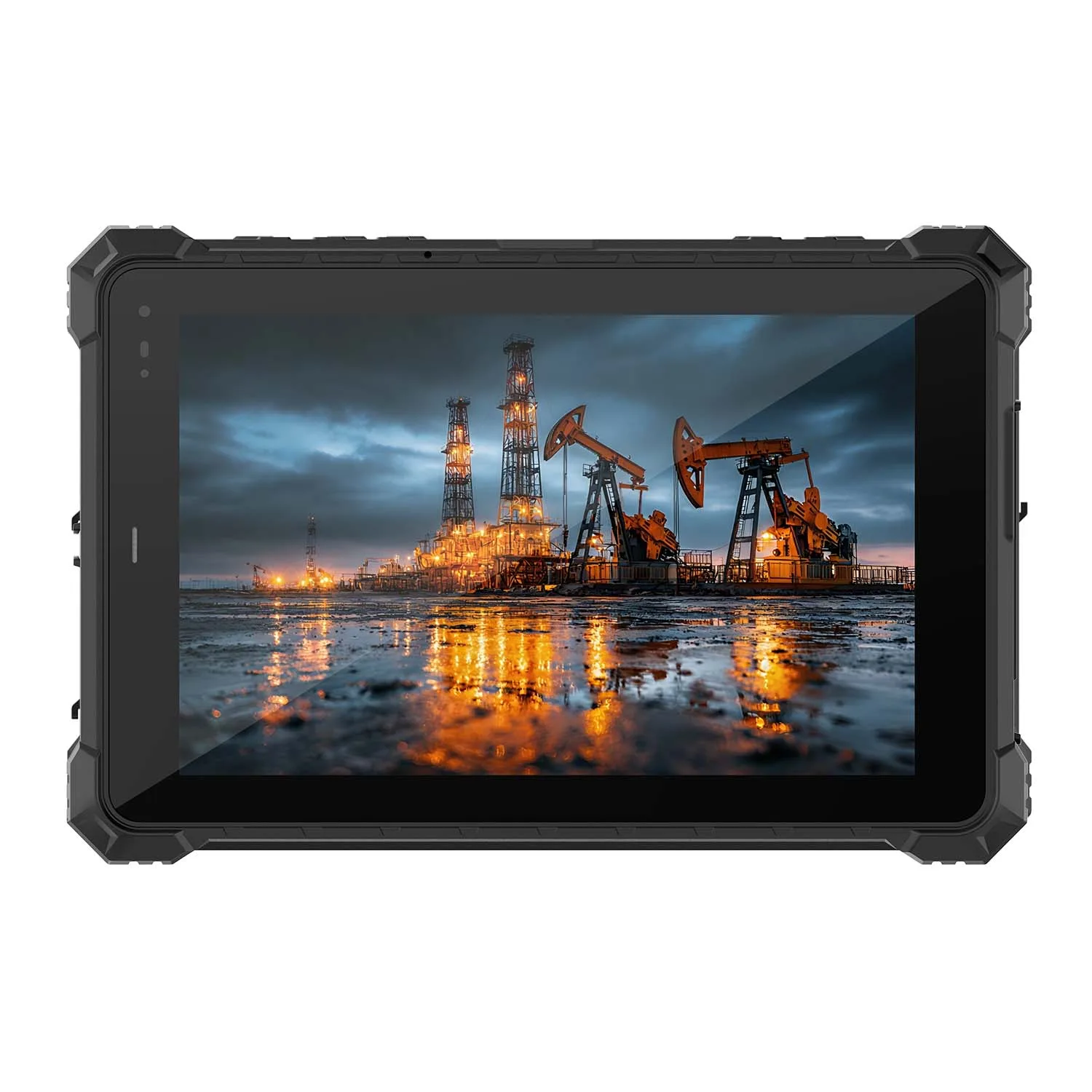
Oil & Gas Refineries and Pipelines
ATEX/IECEx and CCRI-certified tablets support routine pipe inspection, valve monitoring, and safety patrols in refineries and gas-processing plants, with glove-friendly touchscreens compatible with chemical-resistant PPE. In deployments across Middle Eastern and Southeast Asian refineries, CENAVA's ATEX-certified tablets replaced paper-based inspection checklists with digital workflows, cutting inspection time by roughly 40% while improving compliance traceability.Coal & Underground Mining
MA-certified (Ex ib I Mb) tablets for coal-mine methane environments, and KA-certified devices for metal/non-metal mining, support personnel positioning, methane-level monitoring, and equipment tracking with dust-tight housings and ultra-bright displays for low-light tunnel conditions. In hard-rock and coal-mining deployments across China and Indonesia, these certified tablets have supported faster emergency response and improved workforce safety tracking underground.Chemical & Pharmaceutical Plants
Zone 1/21 certified devices support batch tracking, reactor monitoring, and safety audits directly on the plant floor, including barcode scanning and digital SOP access. Deployments across pharmaceutical and specialty chemical plants in Europe and China have used Zone 1/21 terminals to maintain safe operation in mixed gas-and-dust environments.Natural Gas & LNG
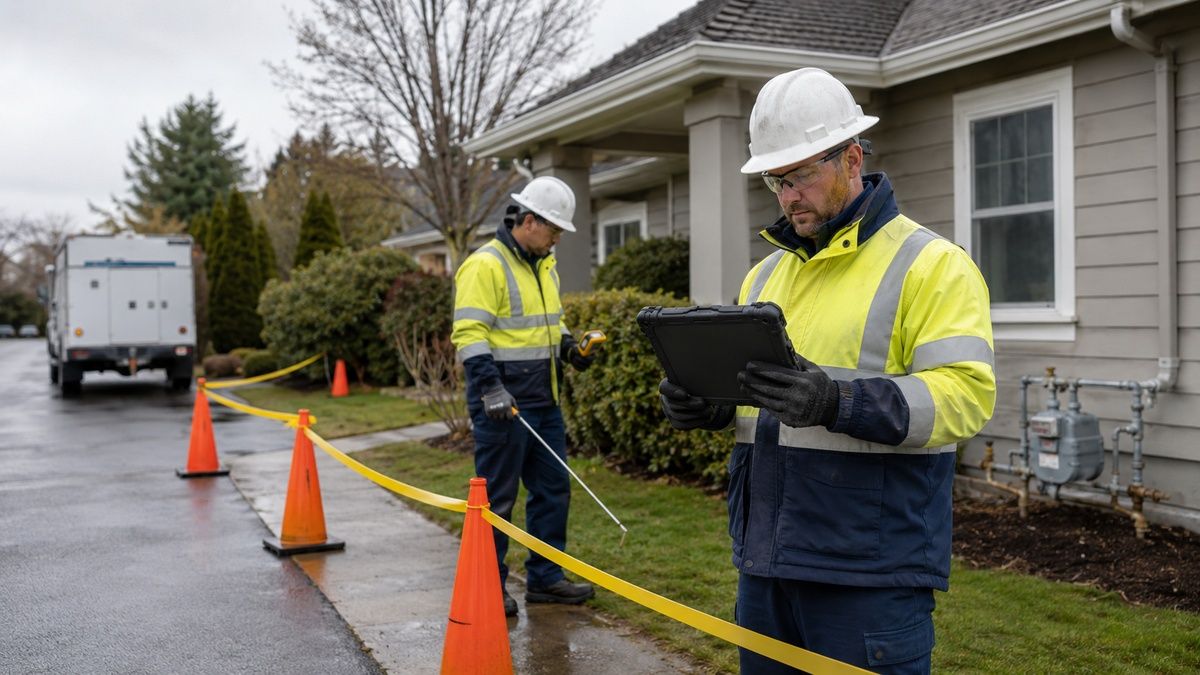
Spark-free, ATEX/IECEx Zone 1/2 explosion-proof terminals support pipeline inspection, compressor-station monitoring, and LNG terminal operations near methane and ethane processing equipment — deployed across pipeline and terminal operations in Central Asia and Australia.Food & Grain Processing
Zone 21/22 certified terminals support hazardous inventory management in flour mills and grain silos, where organic dust presents its own ignition risk distinct from gas-hazard environments — deployed in North American grain-processing facilities to prevent dust-ignition risk during inventory work.How to Choose the Right Certified Equipment
Know your environment. Identify whether your facility has gas hazards, dust hazards, or both, and which Zone classification applies (Zone 1/2 for gas, Zone 21/22 for dust).
Check the label. Confirm the device carries the correct Ex mark and protection category for your Zone.
Verify the certificate. IECEx certificates can be checked directly in the official online database; ATEX documentation should be requested from the manufacturer.
Ask directly. A simple question — "Which Zone and standard is this device certified for?" — can prevent a costly compliance mismatch later.
Consider multi-region coverage. If you operate across the EU and other regions, a device certified to both ATEX and IECEx (and CCRI, for Chinese operations) avoids needing separate hardware per market.
Working in dangerous places needs tools that focus on safety. This is why ATEX and IECEx certifications are important. These certifications make sure devices follow strict safety rules. They help lower risks in places where explosions could happen. For you, this means feeling safer using technology in tough areas.
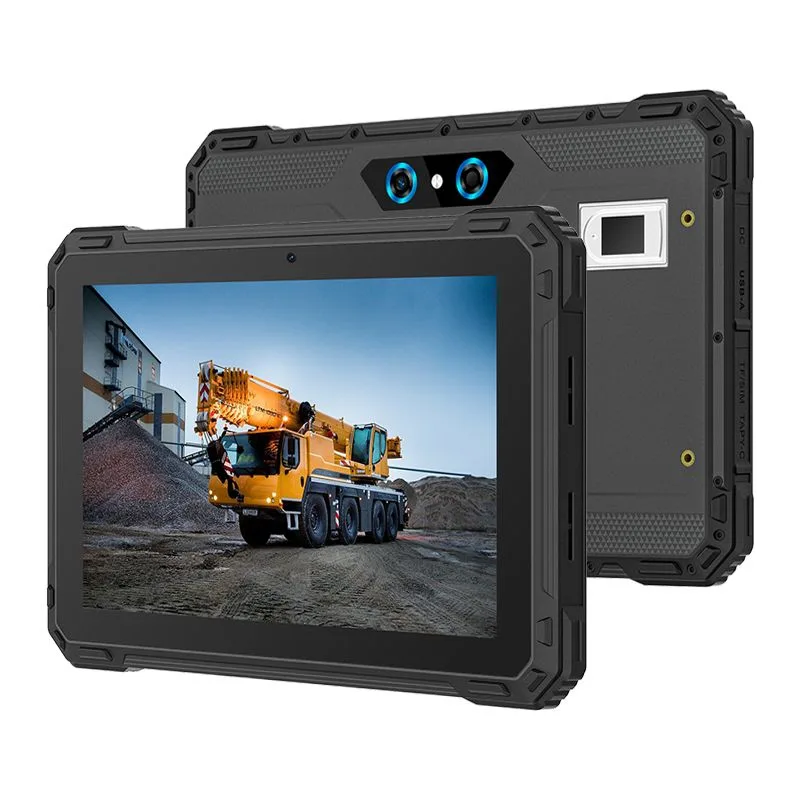
An ATEX tablet is made for these risky places. It stays reliable and safe while working well. Whether on oil rigs, in chemical plants, or mines, these tablets are a safe and smart choice for your work.
What Does ATEX Certification Mean?
Overview of ATEX Standards
ATEX means "Explosive Atmospheres" in French. It is a European rule that ensures tools used in risky areas are safe. These rules stop accidents caused by gases, vapors, or dust. If you work in oil, gas, mining, or chemicals, knowing ATEX is important. It sets safety rules for devices like an ATEX tablet, so they work safely in dangerous places.
Image Source: Wikipedia
The ATEX rule splits tools into groups and zones based on danger levels. Zone 0 means explosive materials are always present. Zone 2 means risks happen sometimes. This helps you pick the right tools for your job, lowering accident risks.
Key Features of ATEX Certification
ATEX certification makes sure tools follow strict safety rules. Here are some features that make it important for dangerous places:
Compliance with Safety Standards: Certified tools meet ATEX rules, lowering fire risks.
Hazard Assessment and Classification: Tools are tested to find the right safety level for each zone.
Intrinsic Safety: Tools are built to stop sparks or heat that could cause fires.
Quality Assurance: Makers follow strict rules to keep tools safe, checked by audits.
Independent Verification: Outside experts check and confirm tools meet ATEX rules.
These features make sure an ATEX tablet is safe and works well in tough conditions.
Benefits of Using an ATEX Tablet
Using an ATEX-certified tablet has many benefits in risky areas. Here's why it helps:
Enhanced Safety Compliance: Explosion-proof tablets meet safety rules for industries like oil, gas, and chemicals.
Reduced Incidents: Safer tools mean fewer accidents.
Reliable Performance: These tablets work well in tough places without stopping.
Improved Productivity: Long battery life and clear screens help you work safely and faster.
Choosing an ATEX-certified tablet keeps you safe and helps you work better in dangerous areas.
What Does IECEx Certification Mean?
Overview of IECEx Standards
The IECEx certification makes sure tools used in explosive areas are safe. It is a global system that stops explosions by focusing on how devices are made and work. Unlike ATEX, which is for Europe, IECEx is accepted worldwide. This makes it great for companies working in many countries.
Image Source: IECEx
These rules focus on stopping explosions, not just controlling them. For example, IECEx-certified tools are tested to ensure they don't release sparks or heat that could cause fires. Also, the rules require regular checks of flameproof parts to keep them safe over time. This method lowers setup costs by using strong cables instead of expensive systems.
Key Features of IECEx Certification
IECEx certification has important features for dangerous places. These include:
Global Recognition: Many countries accept IECEx, making it good for worldwide use.
Performance-Based Standards: It focuses on stopping explosions through smart design and materials.
Periodic Inspections: Tools must be checked often to stay safe.
Risk Reduction: Devices are made to lower fire risks, keeping workers safer.
Cost Efficiency: Strong cables save money compared to other setups.
These features make IECEx-certified tools, like tough tablets, safe and reliable in hard conditions.
Benefits of Using an IECEx Tablet
Using an IECEx-certified tablet in risky areas has many benefits. Here's why it's a good choice:
Enhanced Safety: The tablet meets strict safety rules, lowering accident risks.
Global Compliance: It's accepted worldwide, so you can use it anywhere.
Durability: These tablets handle tough conditions like heat, dust, and water.
Improved Productivity: Long battery life and bright screens help you work better.
Cost Savings: It allows cheaper setups, making it useful for industries like oil and gas.
Tip: Using both IECEx and ATEX certifications gives you the best safety and performance in explosive areas.
ATEX Zones and Equipment Categories
In potentially explosive environments, ATEX divides areas into Zones based on the likelihood of the presence of explosive gases or dust. At the same time, equipment is classified into Categories depending on the level of protection required. This helps ensure the right device is used in the right area for maximum safety.
ATEX Zones – Where the Risk Is
Zone | Type of Hazard | Description |
Zone 0 | Gas/Vapor | Area where explosive gas is always present or present for long periods |
Zone 1 | Gas/Vapor | Area where explosive gas is likely to occur occasionally during normal use |
Zone 2 | Gas/Vapor | Area where explosive gas is unlikely, but if it occurs, only briefly |
Zone 20 | Dust | Area where explosive dust is constantly present or for long periods |
Zone 21 | Dust | Area where explosive dust is likely to occur occasionally |
Zone 22 | Dust | Area where explosive dust is unlikely, and if so, for a short time |
ATEX Equipment Categories – What Level of Protection is Needed
Category | Suitable Zones | Level of Protection | Typical Use |
Category 1 | Zone 0 / Zone 20 | Very high protection – safe even with two faults | High-risk areas, continuous hazard |
Category 2 | Zone 1 / Zone 21 | High protection – safe during normal and fault conditions | Medium-risk areas |
Category 3 | Zone 2 / Zone 22 | Normal protection – safe during normal operation only | Low-risk areas, rare hazards |
Applications of ATEX/IECEx Certified Rugged Tablets
ATEX/IECEx certified rugged tablets are specially designed for use in hazardous and potentially explosive environments, providing reliable performance and safety where standard devices would pose a risk. These tablets combine industrial-grade durability with explosion-proof standards, making them ideal for a wide range of industries. Below are the main application scenarios:
Oil & Gas Industry
In oil and gas operations, such as refineries, pipelines, and offshore platforms, hazardous gases are often present. ATEX/IECEx certified rugged tablets allow workers to safely perform inspections, equipment diagnostics, and data collection in these environments.

With wireless connectivity and camera support, technicians can access manuals, communicate with remote teams, and monitor systems in real time. Built to resist oil, water, vibration, and extreme temperatures, these tablets ensure safe and efficient field operations.
Mining and Tunneling
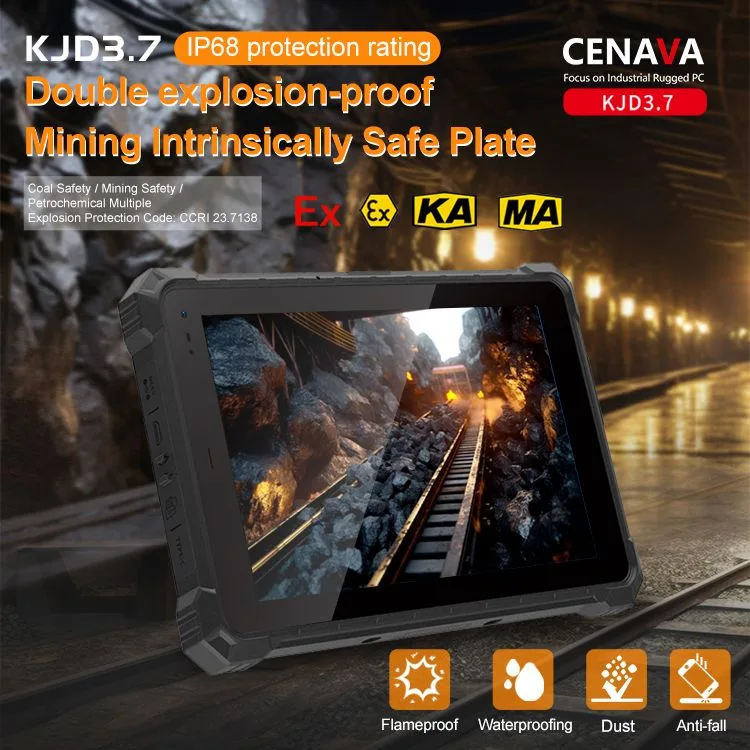
Underground mines and tunnels are prone to explosive gases and dust, making safety-critical devices a must. Rugged tablets certified for ATEX/IECEx zones support real-time communication, GPS navigation, and equipment monitoring even in harsh conditions. Miners and technicians use them to report incidents, run diagnostics, and stay connected with control rooms. These tablets are shockproof, dust-resistant, and built for tough, low-light environments.
Chemical & Pharmaceutical Plants
Chemical and pharmaceutical facilities often involve flammable substances and require strict safety measures. Rugged tablets with ATEX/IECEx certification help digitize processes like batch tracking, quality checks, and inventory management directly in hazardous areas. Operators can scan barcodes, fill out digital forms, and access SOPs on-site. Many models are cleanroom-compatible and feature glove-friendly, antibacterial touchscreens for safe daily use.
ATEX vs. IECEx Certification
If you're planning to purchase equipment used in hazardous environments—such as areas with flammable gases or combustible dust—you'll likely come across two important certifications: ATEX and IECEx.
✅ In Simple Terms:
Certification | Origin | Mandatory? | Where It's Used | Think of it as... |
ATEX | European Union | Mandatory in the EU | Only within EU countries | Like the CE mark for electronics |
IECEx | International | Voluntary, but widely accepted | Recognized in 60+ countries | A kind of "international passport" |
What's the Purpose of These Certifications?
Both certifications aim to ensure that:
➡ The equipment is safe to use in explosive environments, and won't cause a spark or ignition that could endanger people or the facility.
Key Differences Between ATEX and IECEx
Feature | ATEX (EU) | IECEx (International) |
Legally Required? | Yes, within the European Union | No, but widely recognized globally |
Usage Area | Only for EU markets | Accepted in many countries worldwide |
Certification Body | Some devices can be self-declared by manufacturer | All devices must be certified by an independent third party |
Product Label | Includes CE and Ex marking, e.g., CE Ex II 2G | Includes IECEx mark, e.g., IECEx Ex d IIB T4 |
Certificate Check | Usually on product label or file | Can be verified online in the official IECEx database |
A Simple Example:
Let's say you're a procurement manager for a petrochemical plant and need to buy rugged explosion-proof tablets:
If the devices will be used in France or Germany, they must be ATEX certified—it's a legal requirement in the EU.
If you're exporting to Asia, the Middle East, or Latin America, IECEx certification is more likely to be accepted by local authorities.
The best option is to choose products with both ATEX and IECEx certification, ensuring maximum compliance and global usability.
Quick Tips: How to Choose the Right Equipment?
Know Your Environment: If your facility has gas hazards, look for equipment rated for Zone 1 or Zone 2.
Check the Label: Make sure the device has the proper Ex mark and protection level.
Verify the Certificate: IECEx certificates can be verified online—great for peace of mind.
Ask the Manufacturer: A simple question like "Is your product ATEX or IECEx certified?" can save a lot of risk later.
Frequently Asked Questions
1. What's the main difference between ATEX and IECEx?ATEX is a legally mandatory EU certification for equipment used in explosive atmospheres, while IECEx is a voluntary but internationally recognized equivalent accepted in 60+ countries — most multi-region operators choose devices certified to both.
2. Do I need ATEX or IECEx for my facility?
If your facility is located in the EU, ATEX certification is a legal requirement; if you operate outside the EU — particularly across Asia, the Middle East, or Latin America — IECEx certification is more likely to be recognized by local authorities.
3. What Zone classifications does CENAVA's certified equipment cover?
CENAVA's portfolio covers ATEX Zone 1/21, IECEx Zone 2/22, China's CCRI standard for Zone 1/21, and MA/KA mining certifications for coal methane and metal/non-metal mining environments.
4. Are CENAVA's explosion-proof tablets also water- and dust-resistant?
Yes — CENAVA's certified devices are IP68-rated for dust and water ingress and operate across a -20°C to +60°C range, in addition to their intrinsically safe, spark-free circuit design.
5. Can a single certified tablet be used in both gas and dust hazard zones?
It depends on the specific certification and gas/dust group rating (e.g., gas group IIC, dust group IIIC) of the model — confirm your facility's exact hazard classification with CENAVA's team so the certified configuration matches both gas and dust requirements where both are present.
6. Does CENAVA provide compliance documentation for customs and audits?
Yes — CENAVA ships certified devices with full ATEX/IECEx/CCRI/MA/KA compliance documentation, official test reports, and datasheets to support customs clearance and safety audits.
7. Can CENAVA customize a certified tablet with our company branding?
Yes — CENAVA offers OEM branding, boot logo, and firmware pre-configuration (OS selection, app pre-installation, kiosk mode, MDM enrollment) within the bounds of the certified hardware specification, so branding doesn't compromise the certification.
8. How do I find the exact certified model for my hazardous-area classification?
Certified configurations are matched to each project's specific Zone and gas/dust group requirements rather than sold as one fixed SKU — contact CENAVA's team with your facility's classification for a documented, matched recommendation.
Conclusion
Choosing between ATEX and IECEx (or needing both, alongside CCRI or MA/KA mining certification) comes down to where your facility operates and which Zones and hazard types you need to cover. CENAVA's explosion-proof rugged tablets and 5G handhelds are certified across ATEX Directive 2014/34/EU, IECEx 02, CCRI, and MA/KA mining standards, built on a common IP68, intrinsically safe platform, and backed by documented compliance support from selection through customs clearance.📩 If you're not sure which certification and Zone rating your facility needs, contact CENAVA's team — or See Explosion-Proof Tablets: ATEX & IECEx Overviewfor certification systems, Ex marking guide, and product options.About CENAVA Rugged
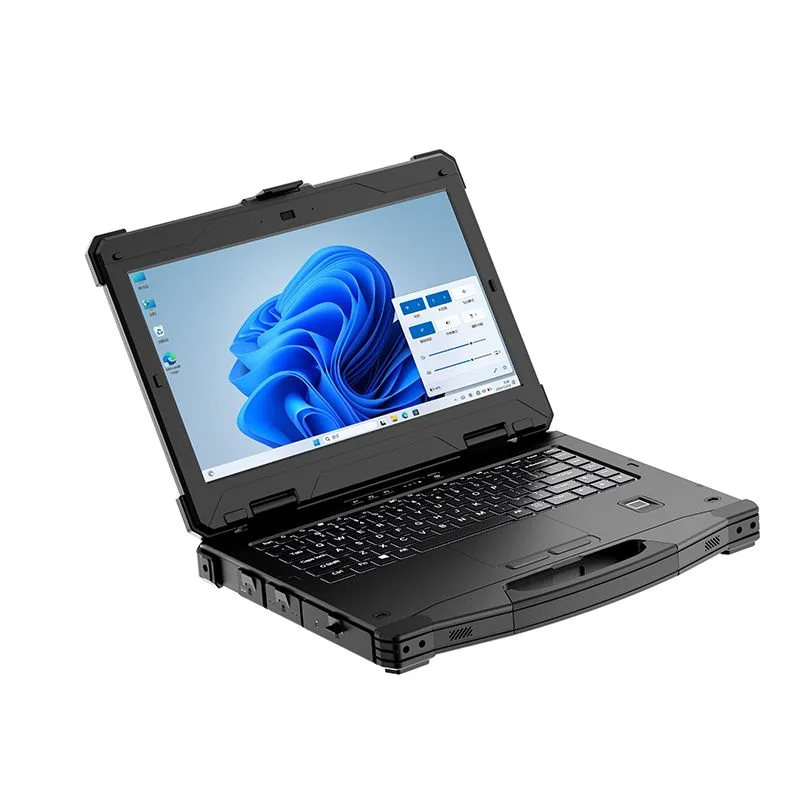
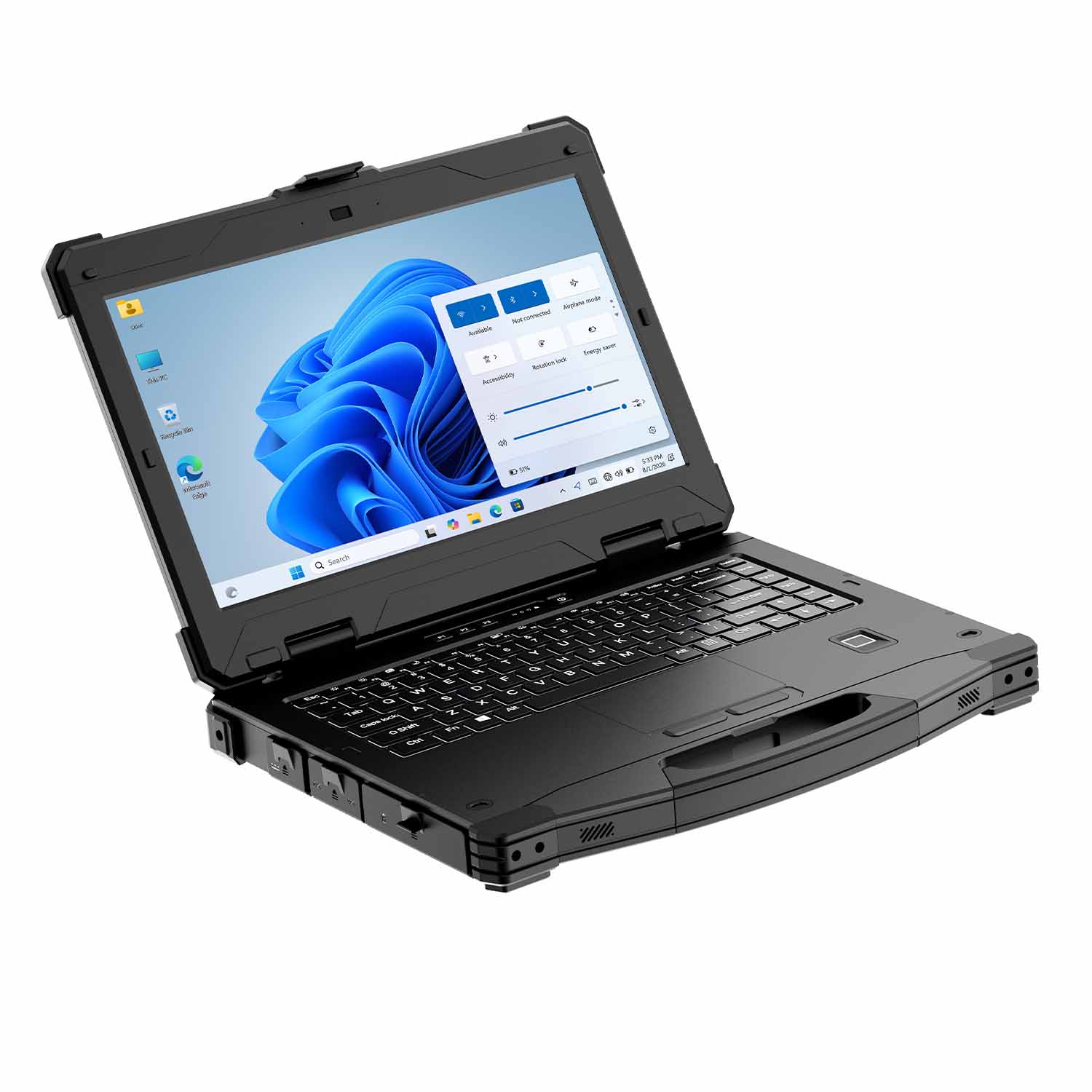
CENAVA develops and manufactures rugged computing devices and provides OEM/ODM customization for industrial customers worldwide. Its portfolio includes rugged tablets, rugged laptops, industrial panel PCs, rugged handhelds and explosion-protected tablets for hazardous-area applications.
Media and project inquiries
Email: tom@cenavapc.com
WhatsApp: +86 134 2375 9197
Website: www.cenavapc.com
Need a Rugged Device for Your Project?
Tell us your operating environment and requirements — our engineers will recommend a configuration and quote within 24 hours.
Get a Free Quote Back to Blog