 A tablet only belongs in a combustible-dust area when its dust approval matches both the classified location and the material being handled. After that match is confirmed, put the device through the actual inspection job: identify a conveyor bearing, record an abnormal observation, and return the record to maintenance. A rugged enclosure alone does not authorize entry into a hazardous area.
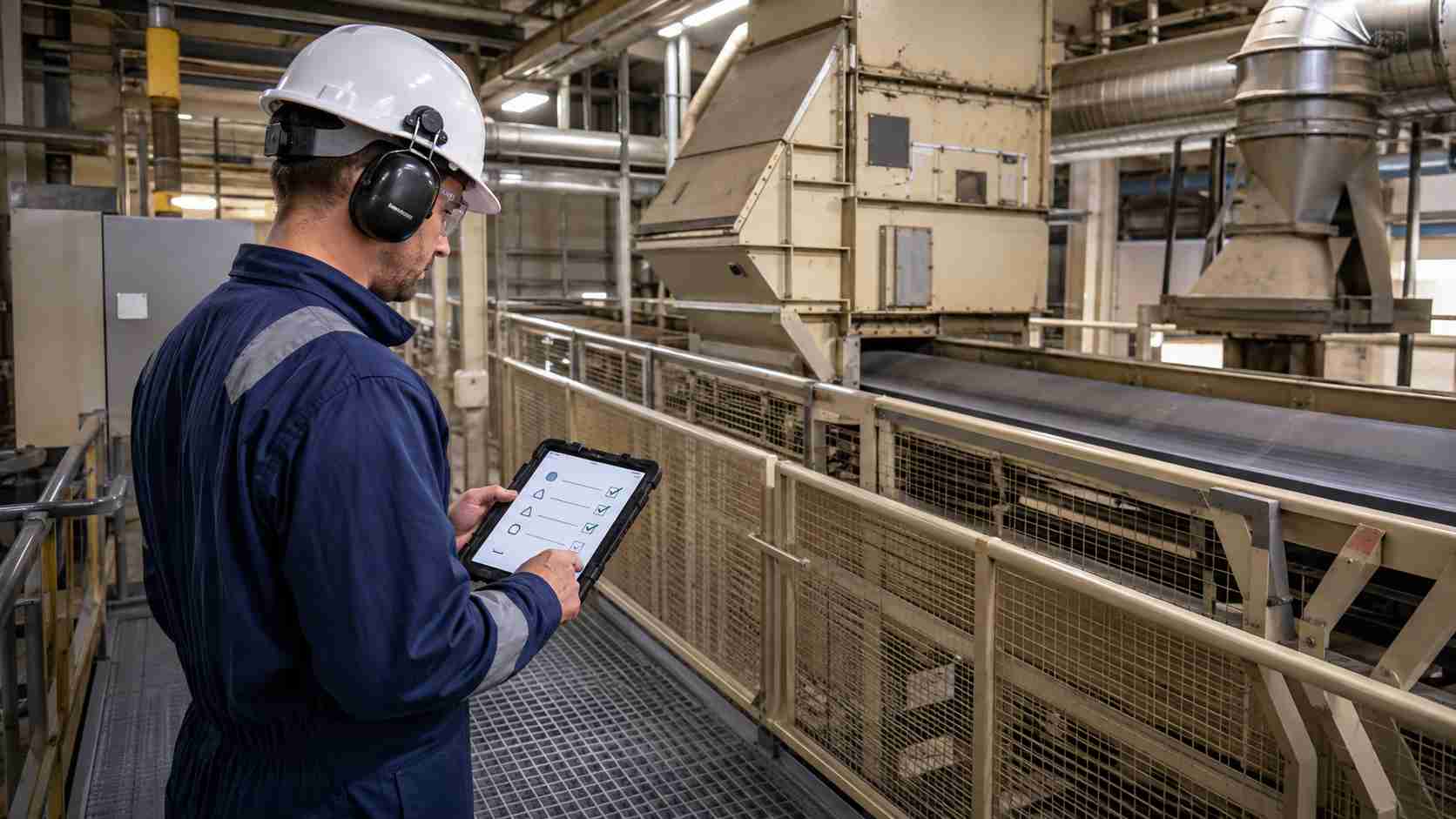
In a grain elevator the tablet has to do more than simply survive a dusty shift. An operator may need to identify a conveyor bearing, record an abnormal observation and send the record back to maintenance. Throughout that route the device — and every accessory carried with it — must stay inside its permitted operating conditions.
The consequences of poor dust control are well documented. The U.S. Chemical Safety Board’s Imperial Sugar investigation described a 2008 explosion that killed 14 workers and injured 36. An initial event likely started inside an enclosed conveyor; accumulated sugar dust then fueled secondary explosions. A tablet can help with recordkeeping inside a safety system, but it cannot replace the system itself.
In 2026 the hard part of procurement is often the fleet boundary. A maintenance team that enters a classified processing area needs a completely different hardware assessment from a dispatcher who stays in an unclassified office. Trying to cover both jobs with one attractive specification usually either wastes money or leaves a hazardous-area requirement unmet.
What Defines a Top-Tier Feed Mill Tablet Manufacturer?

A useful supplier makes the purchasing boundary clear. Below we look at four practical areas, keeping general terminology here and placing each model’s exact specifications in its own entry.
Hazardous-area scope and configuration control. In the usual selection framework, Zone 20 requires equipment protection level Da (ATEX category 1D); Zone 21 needs at least Db (category 2D); Zone 22 needs at least Dc (category 3D). More protective equipment can serve a less demanding zone when its other conditions still match. The dust subgroup is a separate decision: IIIA covers combustible flyings, IIIB non-conductive dust and IIIC conductive dust. Powdered sugar is listed as a IIIB example in IECEx technical guidance. Assigning every grain or feed mixture to IIIC, or assuming a IIIB product satisfies an explicitly IIIC requirement, is a common and costly mistake. None of the models below is recommended for Zone 20.
Ruggedness needs precise terminology. IEC 60529 defines ingress protection. In an IP6X rating the first digit confirms dust-tight enclosure protection under the stated test conditions; water protection is assessed separately. Three approvals are often mixed together. An IP6X rating only shows that dust cannot enter the enclosure under test conditions — it gives no information about whether the surface can ignite a dust cloud. MIL-STD-810H is a menu of test methods, not a blanket pass/fail stamp. Method 510.7 (dust) and Method 501.7 (high-temperature storage) matter only for the exact configuration that was tested. The –20 °C to +60 °C range on a data sheet refers to processor stability, not to the ambient limits of an ATEX or NEC 500 approval. Treat the three certificates as independent documents.
Thermal and maintenance discipline. Two different temperatures are often mixed up. The T135 °C stamped on the tablet label is the maximum surface temperature the enclosure can reach under fault conditions — not the ambient air temperature in the elevator boot. The plant’s real limit comes from its own dust-characterization report: cloud ignition temperature, layer ignition temperature, and whether the dust is conductive (IIIC) or non-conductive (IIIB). Thick deposits act as insulation. A 5 mm cake of corn starch on a warm housing changes the calculation completely. Clean the surface first, then read the label. HSE combustible-dust guidance shows why a clean exterior and a favorable ambient rating are not enough on their own. The supplier should state cleaning restrictions and which accessories are permitted. Charging and battery changes belong in an unclassified location unless the exact approved system and its instructions clearly allow otherwise.
Workflow integration and lifecycle accountability: A demonstration should use the actual CMMS or inspection application, including the site's authentication method. Procurement needs an agreed software-support period and a repair route that preserves the approved configuration. For U.S. projects, OSHA 1910.307 requires attention to the particular classified location and material.
The Top 8 Grain Elevator Inspection Tablet Manufacturers of 2026
This shortlist is presented without a performance ranking. Entries 1–6 discuss models or configurations with published dust-approval information. Entries 7–10 address the unclassified parts of a facility's workflow; they are not substitutes for the dust-certified models. An outdoor location, warehouse or vehicle cabin is not automatically unclassified—the site's assessment establishes that boundary.
1. Pepperl+Fuchs / ECOM (Germany)
Pepperl+Fuchs combines industrial sensing and explosion-protection products with ECOM mobile computing. That background is relevant to buyers who need a mobile device managed as part of an industrial equipment system, rather than a consumer tablet with an added protective case.
2. i.safe MOBILE (Germany)
i.safe MOBILE develops communication equipment for hazardous locations, including mobile computers and associated industrial interfaces. Its process-industry focus makes the company relevant where a tablet has to fit both maintenance software and a controlled accessory system.
3. BARTEC (Germany)
BARTEC specializes in explosion-protection systems and industrial mobility. Its enterprise tablets combine hazardous-area engineering with Zebra's application and device-management ecosystem, which is useful when a plant already operates an established barcode workflow.
4. Getac (Taiwan)
Getac's F110 and T800 series run full Windows 11 Pro, which matters when your CMMS client is a .NET desktop app that IT has no budget to re-platform. One grain-cooperative maintenance chief we spoke with kept his F110 docked in the shop for work-order closeouts, then carried it into the elevator headhouse for belt-alignment photos—same device, no data sync gaps. The trade-off is weight: at 1.9 kg with the extended battery, it is not a one-hand scanner.
5. DURABOOK (Taiwan)
DURABOOK's rugged-computing range includes compact Windows tablets and ATEX variants. It offers a useful alternative for teams that need desktop application compatibility but find a larger tablet awkward during frequent short inspection stops.
6. CENAVA (China)
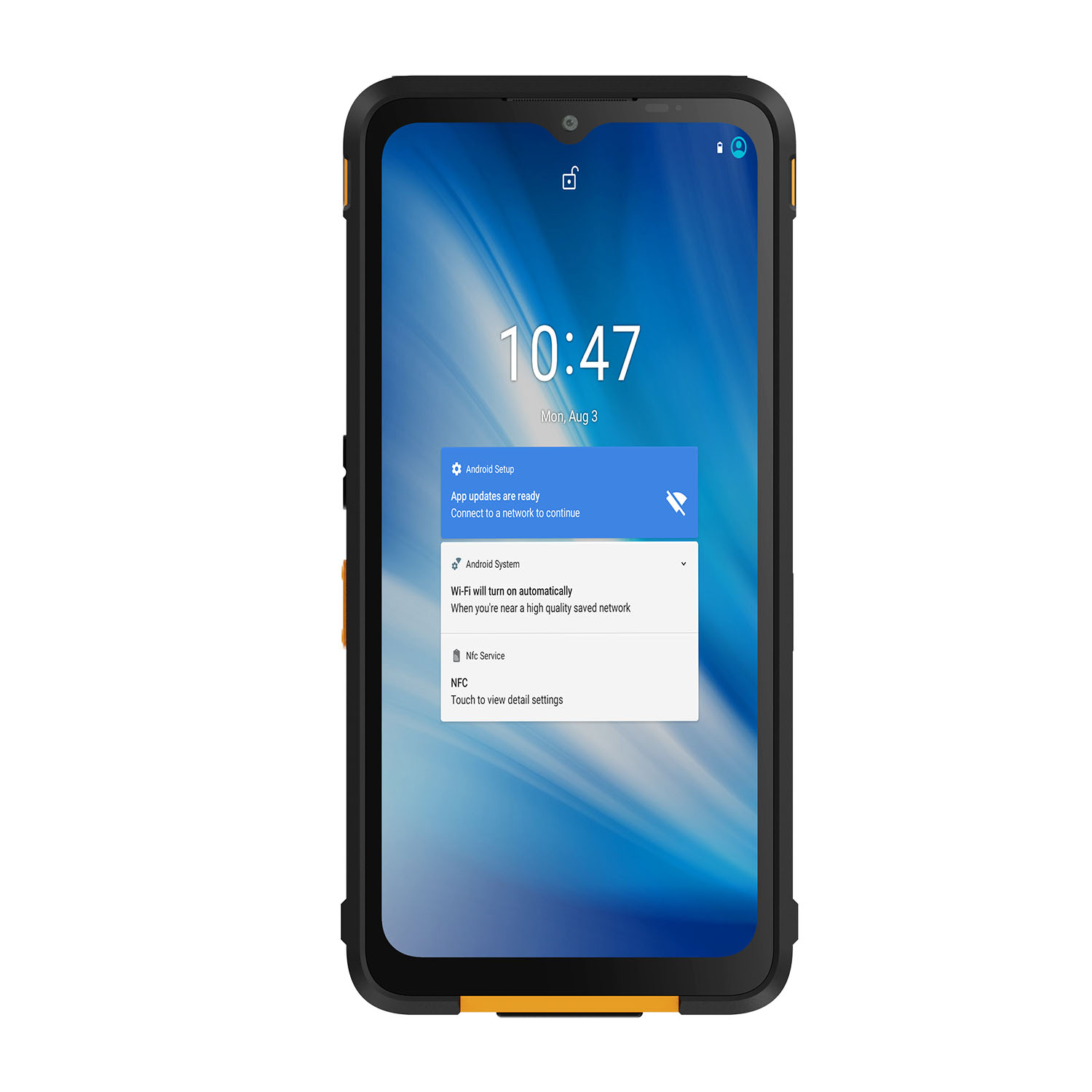
CENAVA’s A10ST-EX is a 10.1-inch Android 12 tablet quoted at 1.1 kg with a 10 000 mAh battery. The Zone 22 approval (IECEx CSAE 24.0031X, Ex ic IIIC T135 °C Dc) applies only to the base unit with the standard 4+64 GB memory configuration and the factory battery. When we asked for a quotation that added an NFC reader and 8 GB RAM, CENAVA replied that any memory or I/O change triggers a new conformity assessment (lead time 8–10 weeks) and the existing certificate does not transfer. For buyers who can freeze the bill of materials for the whole fleet life, this is workable. For teams that expect to add features later, it becomes a procurement bottleneck.
The practical value of the configuration approach is that procurement can lock the required task and keep every change inside the approved scope. A reader module or battery option should be chosen as part of that controlled build, not added later because it appears elsewhere in the catalogue.
For example, an Android inspection app may need to associate a scanned equipment tag with one maintenance record. We would specify that transaction and its error behavior, then evaluate the proposed CENAVA configuration against it. An offline form that silently attaches a photo to the previous asset is unacceptable regardless of hardware price.
The page also identifies a separate higher-category marking under voluntary technical-documentation verification. That document must not be presented as the required ATEX conformity assessment for a Zone 21 electrical tablet. The European Commission's warning about voluntary certificates explains this distinction. CENAVA's A10ST-EX carries Zone 22 approval only under the exact configuration listed on certificate IECEx CSAE 24.0031X. Change the battery, add a non-listed NFC module, or flash a different Android build, and the approval voids.
7. Winmate (Taiwan)
Winmate produces rugged mobile computers alongside industrial displays. Its broader integration portfolio makes it relevant to the unclassified side of a processing facility, where a technician may move between a service bench and a maintenance office.
8. Zebra Technologies (United States)
Zebra's ET45 and ET55 tablets pair with the TC21/TC26 sled for 1D/2D scanning. In a feed-mill warehouse we observed, receiving clerks scanned 40-lb bag lots into the ERP in an unclassified storage bay, then left the tablet in a locker before entering the classified processing tower. The boundary is the point: Zebra serves the hand-off, not the hazardous area itself.
 How to Choose the Right Manufacturer for Your Application
The right tablet for combustible-dust areas is the one that clears both the safety-scope decision and the actual task trial. Keep those two decisions separate. A convenient interface never compensates for an unsuitable approval, and a correct approval does not make a poorly designed form usable.
Define Your Operating Environment
Map the actual route. Start with the current classification drawing and the authorized work procedure. Note every place the tablet is set down or handed to another worker, not only the area where the inspection begins. A room name such as “packing” does not establish a classification.
Identify the controlling material and thermal conditions. Use the plant’s own dust-characterization and equipment-selection basis, including any recent blend changes. A catalogue label like “food industry” is far too broad to determine the required dust subgroup or surface-temperature limit.
Decide how the device will be maintained. Define the approved carrying arrangement and cleaning method in advance. Damaged enclosures or illegible identification need a clear withdrawal process. An office trial should never create a dust cloud or deliberately contaminate energized equipment just to imitate a hazardous environment.
Housekeeping numbers need a precise meaning. OSHA 1910.272(j) requires immediate removal when fugitive dust exceeds ⅛ inch (0.32 cm) in specified grain-elevator priority housekeeping areas, and it also allows an equivalent-protection provision. The figure is not a universal safe accumulation limit for every room or every powder. Configure the inspection form around the site’s actual applicable rule instead of simply copying this number into a generic pass/fail box.
Clarify Performance Requirements
Test whether an operator can finish the real task
Prepare a set of 20 dummy asset records that follow the production form layout. Include at least one correction and one missing mandatory field. Measure both task completion and input errors. A high benchmark score still does not tell you whether the operator selected the wrong bearing.
Check gloves and carrying method together
Test the PPE the site already requires, together with the approved carrying arrangement.
Confirm the battery plan covers the route
Run the agreed workload for its full intended duration and record the remaining charge. Keep display brightness and camera use realistic. Treat the result as a measurement for that specific configuration and trial — not a guarantee for every shift or season.Keep the trial report short: task completed, time taken, errors observed, and the specific change needed. A failed demonstration is still useful if it reveals a fixable form problem. It becomes misleading when the supplier simply disables the difficult part of the workflow and declares the device accepted.
Consider Software & Integration
Test what happens when the connection drops
In an unclassified test environment, interrupt connectivity after a dummy observation has been saved. Restore the link and check the CMMS result. The application should keep any pending transmission clearly visible and must not create duplicate completed jobs when it retries.
Define who can change or close the record
Keep an operator’s observation separate from maintenance approval. When a correction is made, preserve the original entry. A tag read identifies an asset; it does not by itself prove that the scheduled inspection actually took place.
Identify observations that need an immediate response
The site’s emergency actions must stay independent of form completion. An operator should never stay in a hazardous situation simply to upload a photograph or to obtain the application’s completion tick.
The CSB’s Didion Milling report supplies a concrete warning. In the 2017 incident, workers went to investigate unexplained smoke before the explosions; five people died. The investigation pointed to failures in emergency preparedness as part of wider safety-management problems. The practical software lesson is straightforward: give every abnormal observation an explicit escalation route. A mobile form should never push an operator to keep investigating when the emergency plan calls for immediate withdrawal. The point is drawn from a published accident report; it is not a claim that any particular tablet would have prevented the event.
Analyze Total Cost of Ownership (TCO) vs. Initial Cost
Count the complete deployment
Include every permitted accessory and the software preparation work in the comparison. Factor in training and repair downtime rather than matching a bare-device price against a fully equipped quotation.
Measure the real cost of route interruption
At a mid-size feed mill in Iowa last March, two operators made morning and afternoon rounds through the pellet mill and cooler. Each return trip to the maintenance office to dock a tablet and sync work orders added 4–7 minutes of walking plus about 2 minutes of login overhead. Over a 10-day sample that came to 92–128 minutes per day — roughly 16–22 hours per month — spent on terminal access instead of inspection. Your layout will be different, but measure the actual walking time rather than the hardware price. Use the site’s own observations; never shorten a required safety step simply to improve the calculation.
Define replacement responsibilities
State clearly who supplies an equivalent approved replacement and who restores the application. A spare that carries a similar product name may still have a different configuration, and a restored app may be missing its assigned records.
If a CENAVA configuration needs a formal quotation, contact CENAVA with the installation country and the site’s classified-area requirement. Include the dust subgroup, the allowable surface-temperature limit, the ambient conditions and the application name. Add operator and radio-service details only for a cellular deployment; add the NFC card or tag standard only when that function is required. Never include access keys or card credentials. The routine manufacturer comparisons above do not need a sales inquiry.
The Future of Tablets in Combustible Dust Facilities: Trends to Watch
For 2026 procurement, four practical developments matter more than simply chasing every new feature and assuming it will improve a dust-area workflow.
Equipment identity linked to fleet records. A mobile-device inventory becomes far more useful once it can distinguish the exact approved configuration from the wider product family. Recording the permitted accessory set next to the serial number makes unauthorized substitutions much easier to catch.
Offline records with visible status. Plants have good reason to demand a clear separation between a locally saved observation and a record that the CMMS has actually accepted. The real improvement is recovery that avoids hidden data loss or duplicate work orders. A stronger radio still does not eliminate the need to handle an interrupted transaction properly.
Assisted review that keeps human decisions visible. Software can help compare inspection photographs or flag missing information. It must not infer a safe dust concentration from an ordinary camera image, nor turn a photo into an ignition-risk assessment. Keep the original evidence and make any automated suggestion clearly distinguishable from the operator’s own observation.
Longer service through controlled repair. Replaceable parts and planned software maintenance can make a rugged fleet more economical to run. For approved equipment, any repair or material change must still preserve the relevant protection requirements. The real sustainability question is how an authorized process returns the exact device to service — not simply whether a battery can be removed.
Conclusion
The 2026 market offers several distinct approaches to tablet selection for combustible dust. Pepperl+Fuchs/ECOM and i.safe MOBILE cover relevant Zone 21 options. BARTEC, Getac and DURABOOK each provide Zone 22 routes that differ in dust subgroup and temperature marking; they are not interchangeable.
CENAVA offers a configuration-focused route through its numbered Zone 22 approvals. Winmate, Zebra, Panasonic and Juniper Systems address the unclassified parts of the workflow described above. The practical step is to keep those fleet boundaries explicit and to record each model’s exact specification in its own purchasing file.


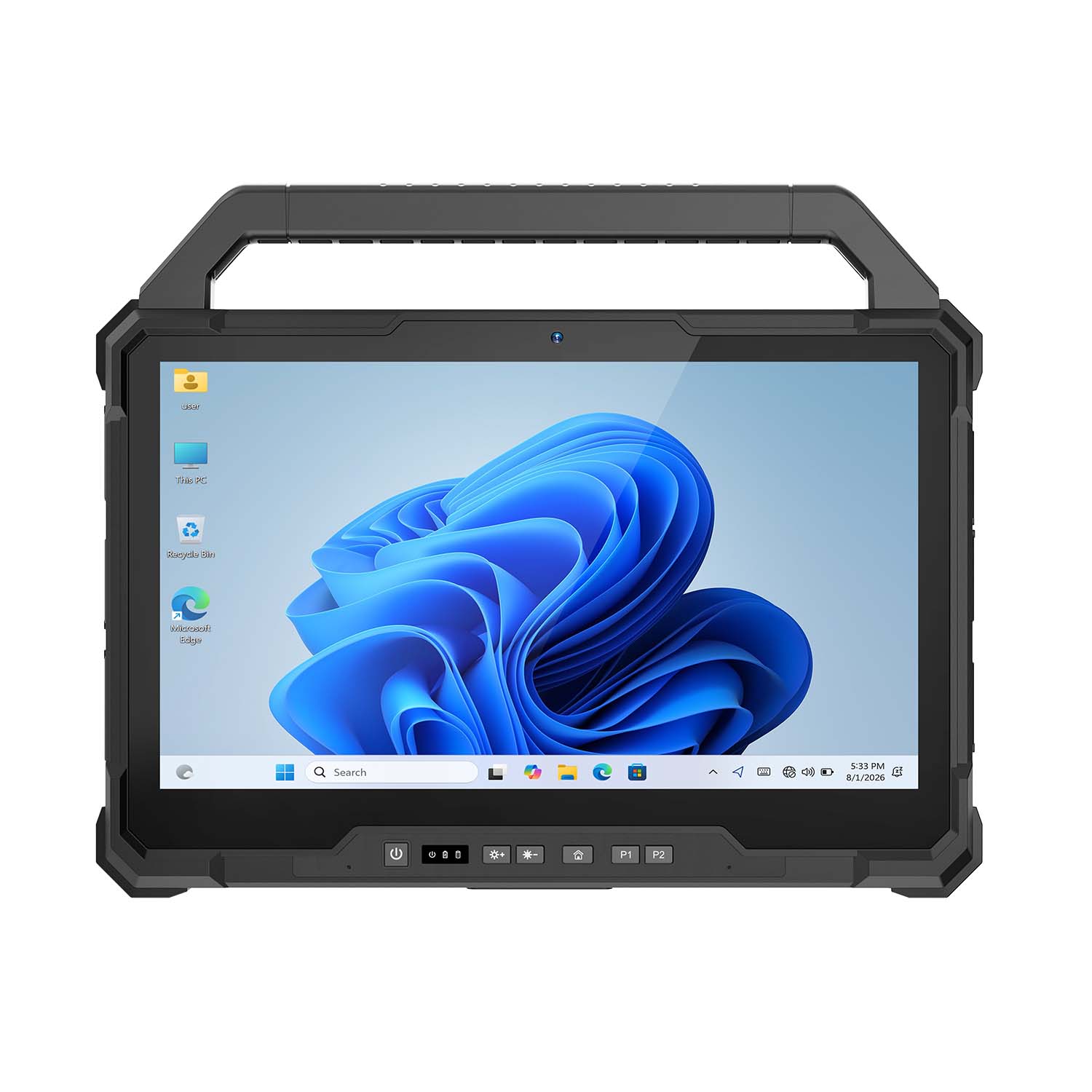 CENAVA W30U i5-1235U 13.3 Inch Win11 IP65 Rugged Tablet
 CENAVA W109U i7-1255U 10.95 Inch Win11 IP67 Rugged Tablet
 CENAVA A109TB MT6789V 10.95 Inch Android 14 IP68 Rugged Tablet
 CENAVA W10Y i7-10510Y 10.1 Inch Win11 IP68 Rugged Tablet Full I/O
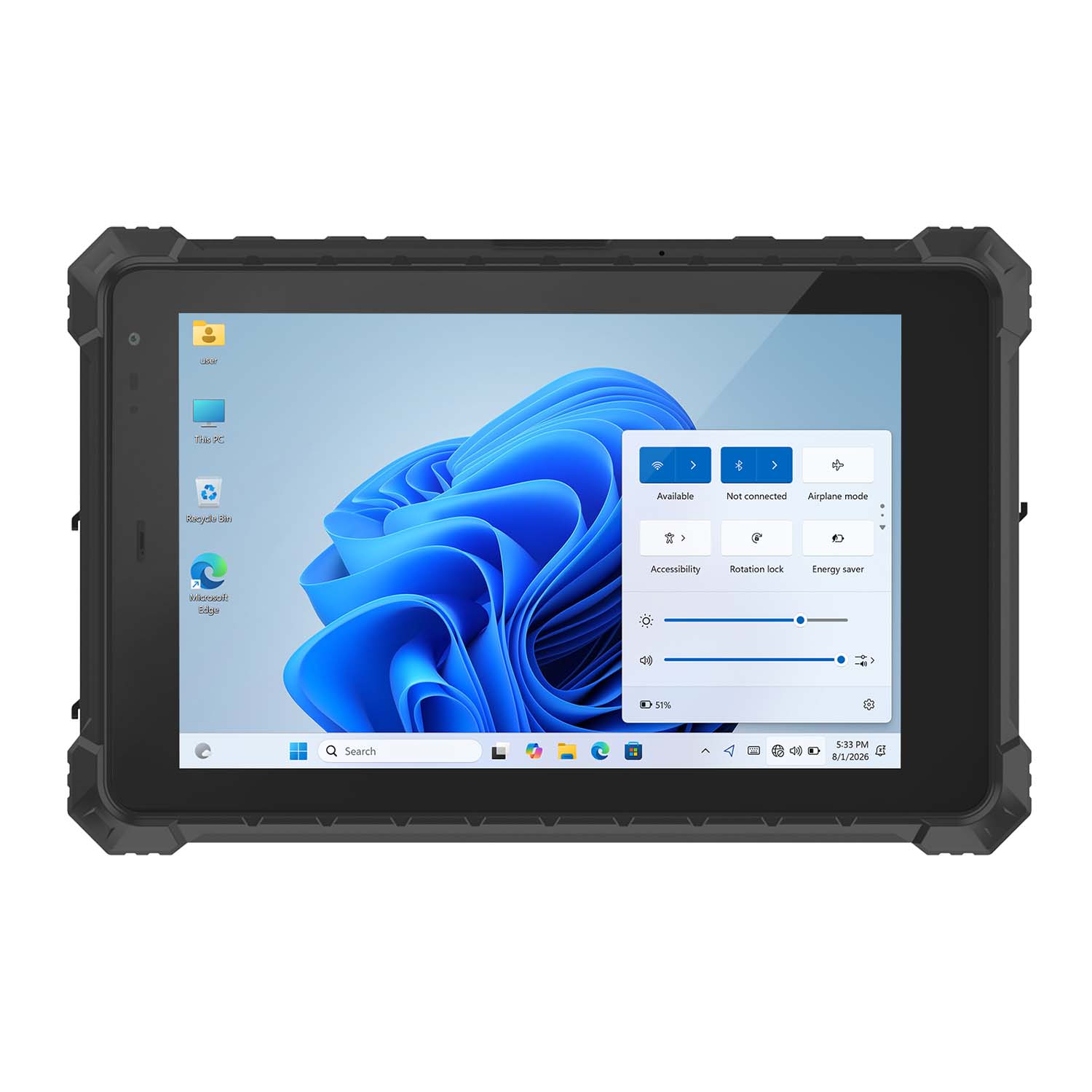 CENAVA W10N N5100 10.1 Inch Win11 IP68 Rugged Tablet Full I/O
 CENAVA A10RX RK3588 10.1 Inch Android 12 IP67 Rugged Tablet
 CENAVA A10ST MT8781 10.1 Inch Android 13 IP68 Rugged Tablet
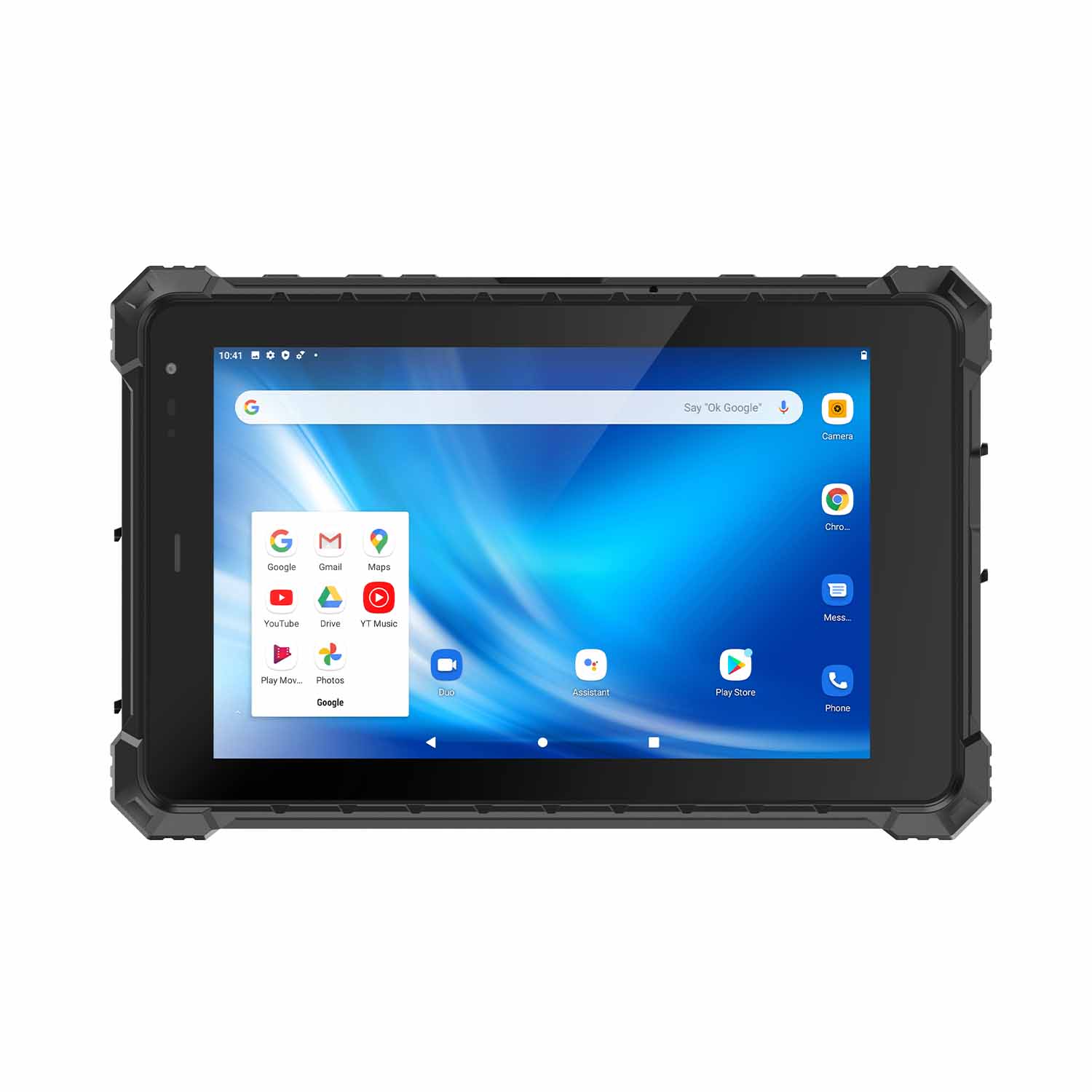 CENAVA A80ST MT6771 8 Inch Android 10 IP68 Rugged Tablet
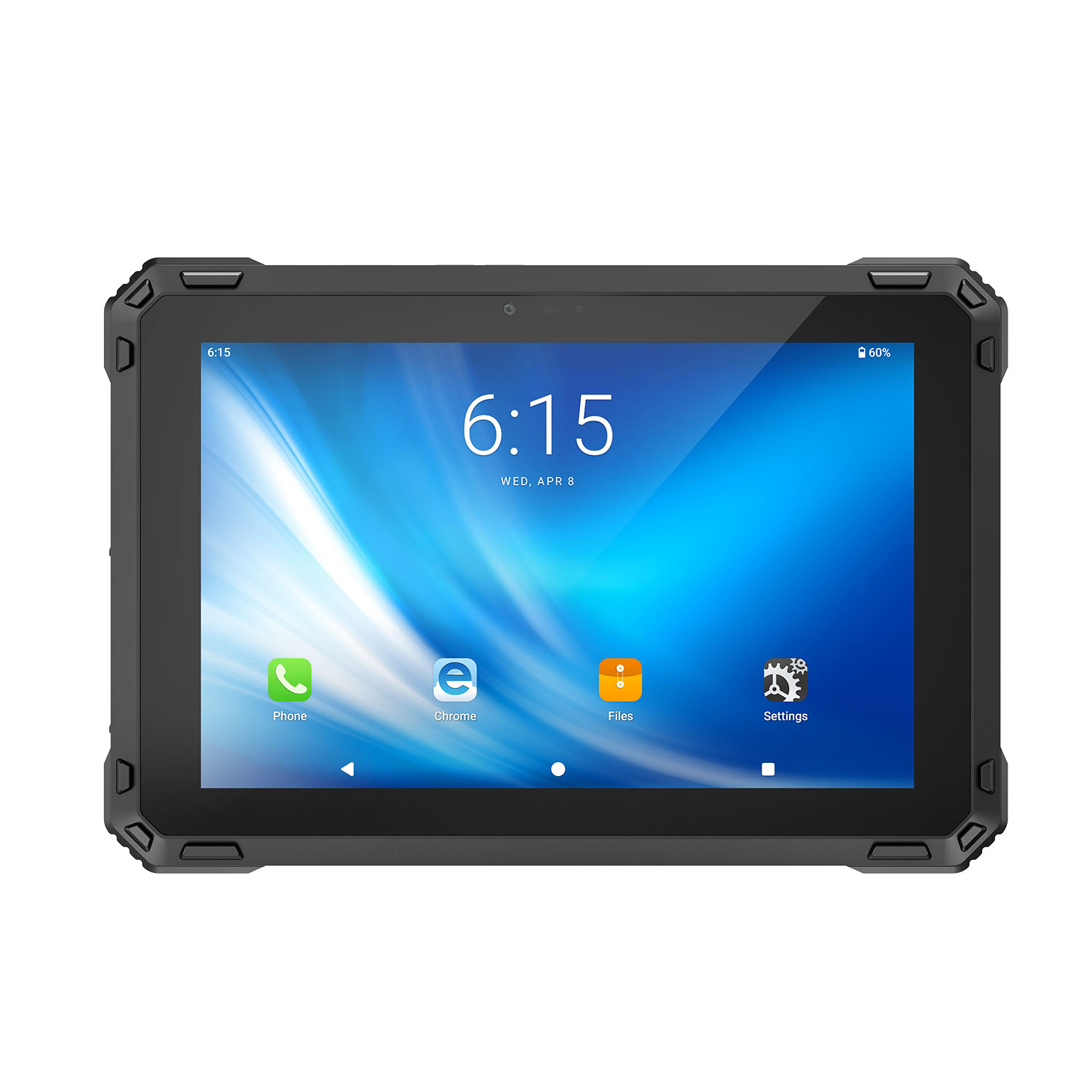 CENAVA A88ST MT6769 8 Inch Android 16 IP68 Rugged Tablet
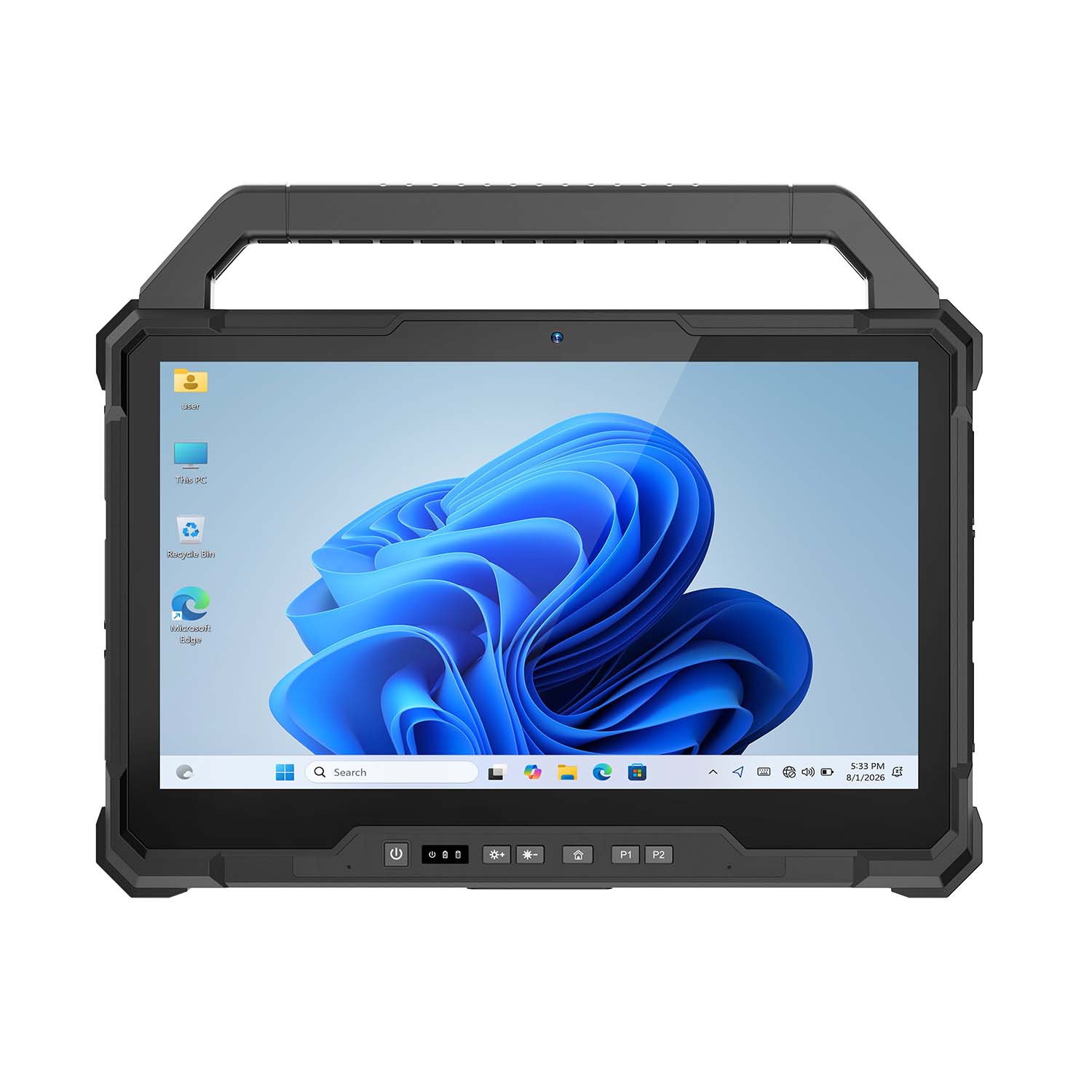 CENAVA W30NS N150 13.3 Inch Win11 IP65 Rugged Tablet
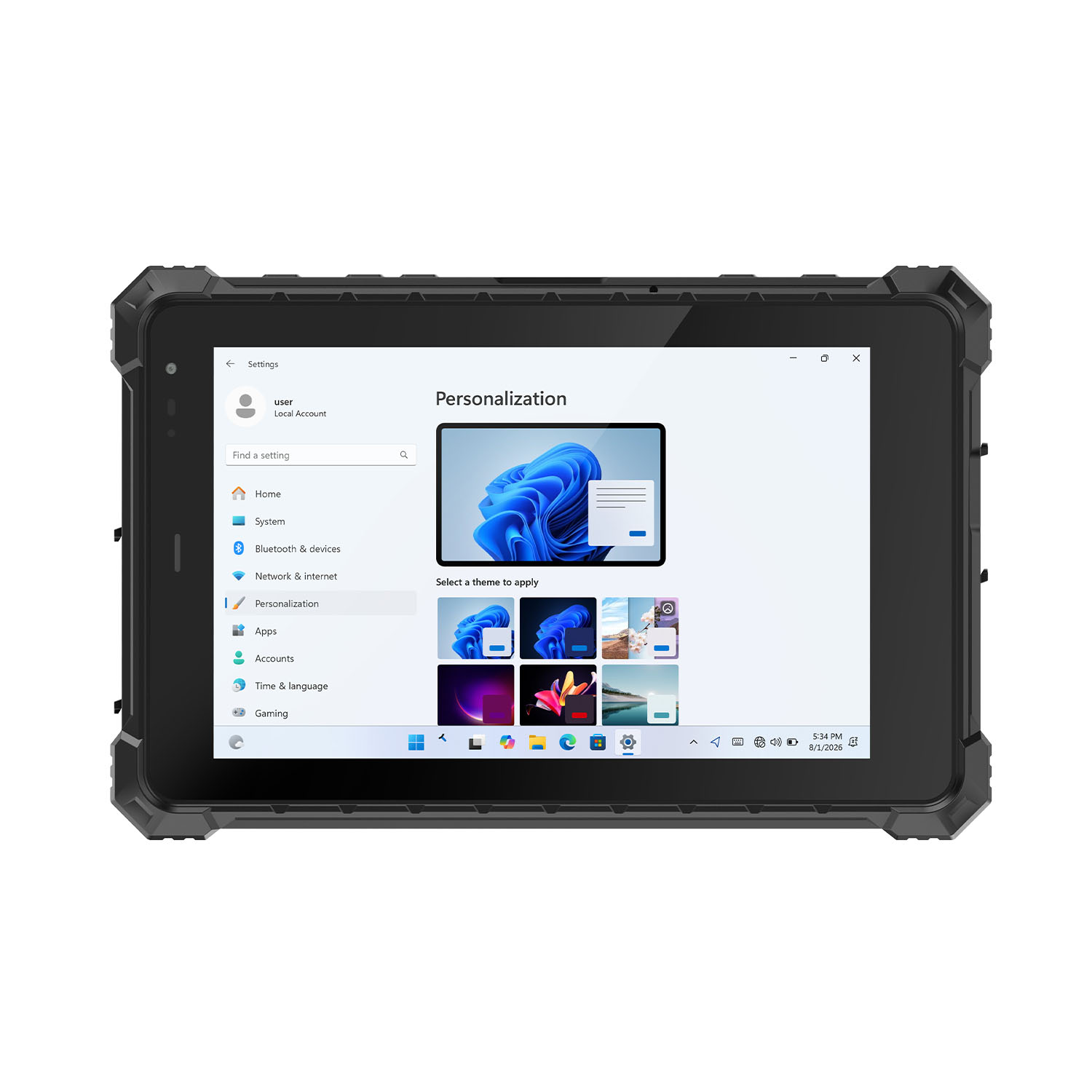 CENAVA W80Y i7-10510Y 8 Inch Win11 IP68 Rugged Gigabit
 CENAVA A10R RK3568 10.1 Inch Android 11 IP68 Rugged Tablet
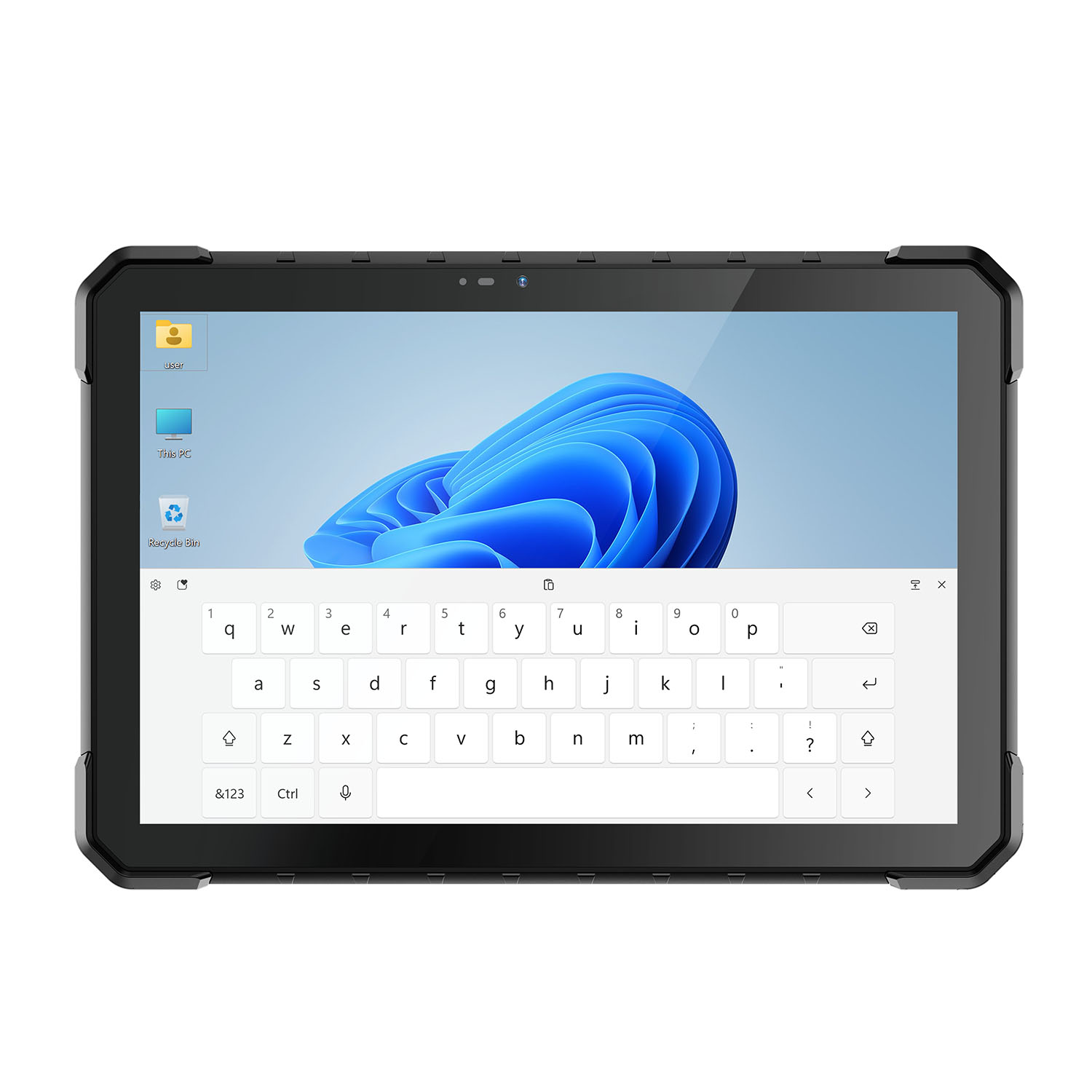 CENAVA W18Y i7-10510Y 10.1 Inch IP68 Industrial Tablet
 CENAVA CXE80C N2930 8 Inch Win10 IP65 Rugged Tablet
 CENAVA A18ST MT8781 10.1 Inch Android 13 IP68 Rugged Tablet
 CENAVA A10R RK3588 10.1 Inch Android 12 IP68 Rugged Tablet
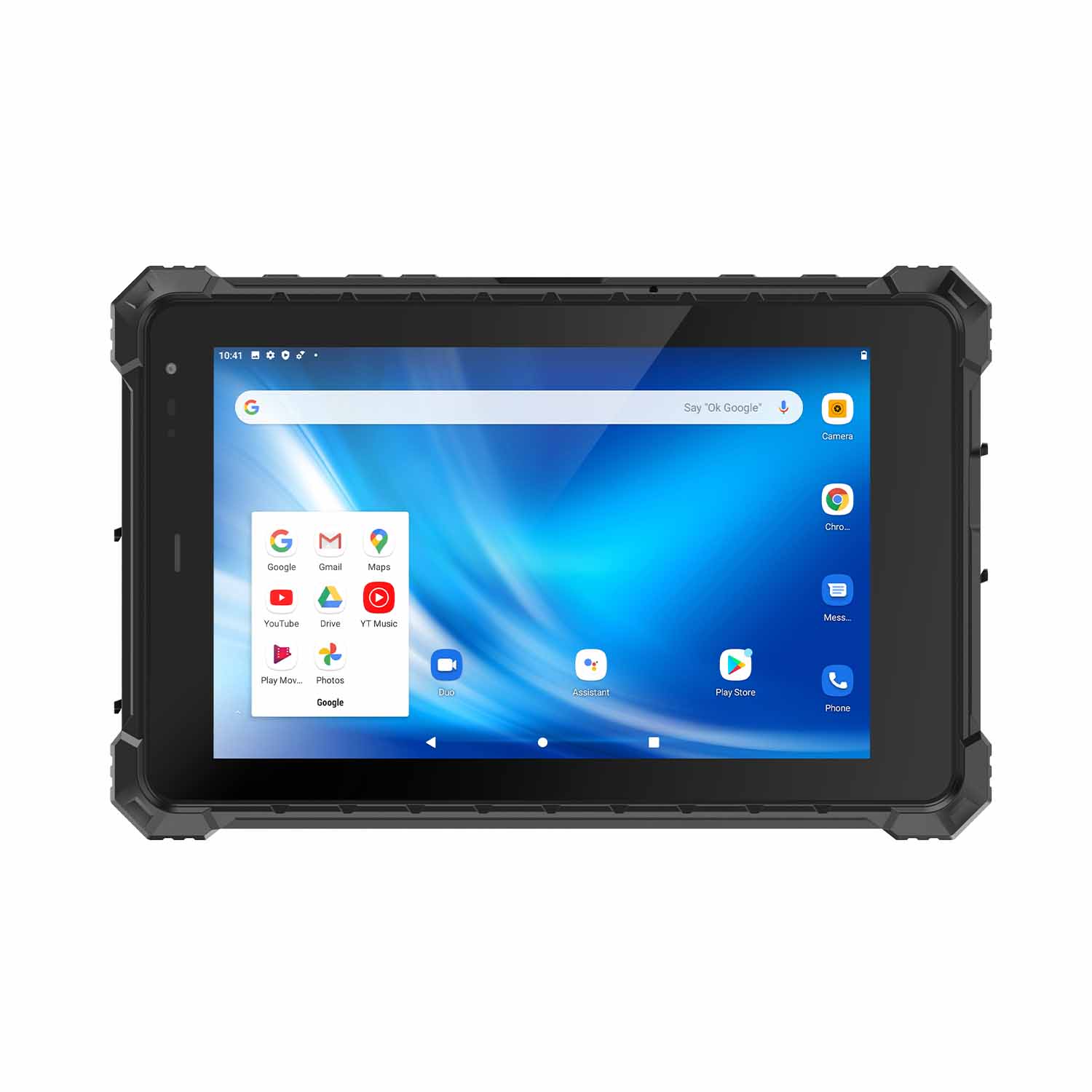 CENAVA A80ST-5G MT6877 8 Inch Android 12 IP68 Rugged Tablet
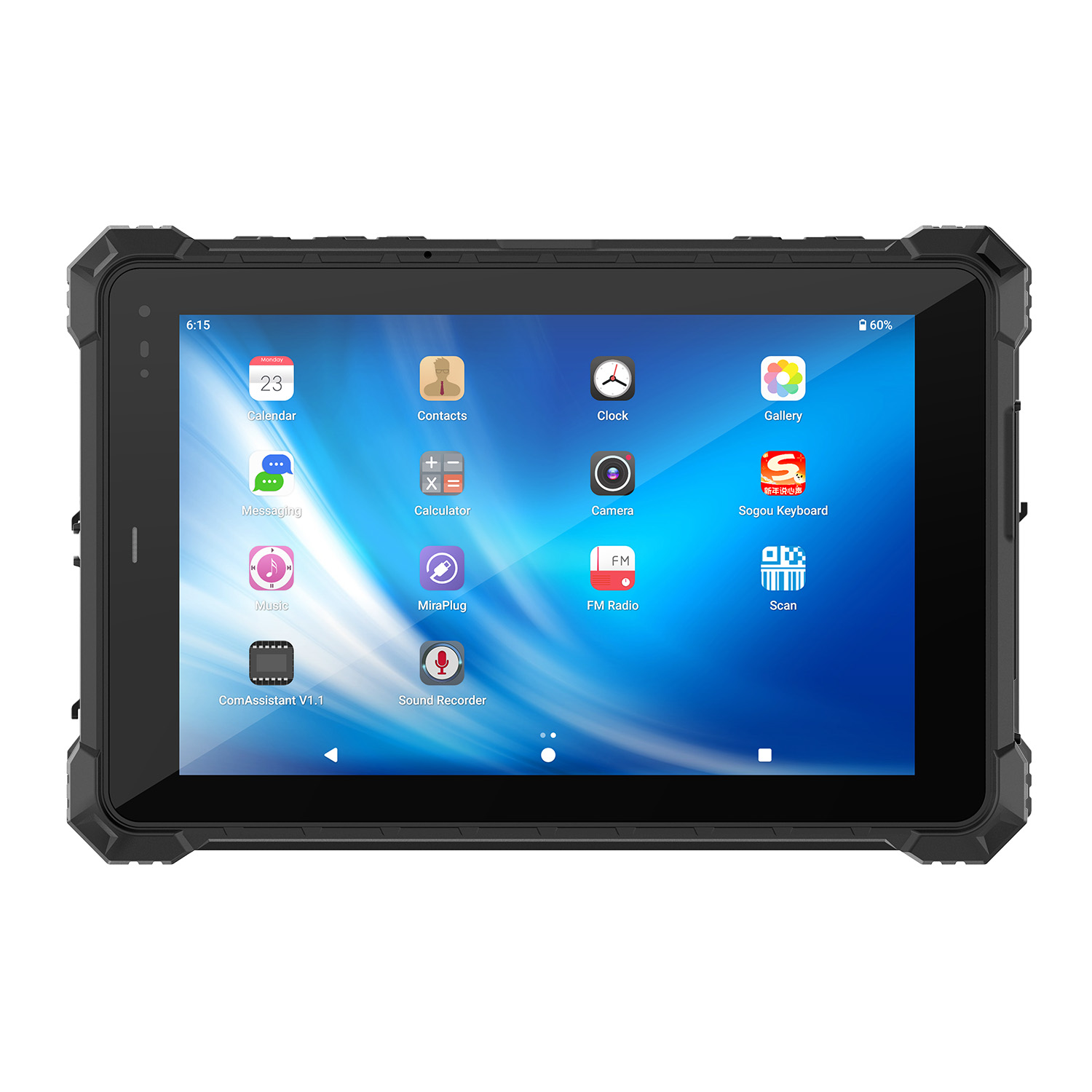 CENAVA A10STX MT8781 10.1 Inch Android 13 IP67 Rugged Tablet
 CENAVA A10ST-5G MT6877 10.1 Inch Android 12 IP68 Rugged Tablet
 CENAVA A10STX-5G MT6877 10.1 inch 5G Rugged Android Tablet
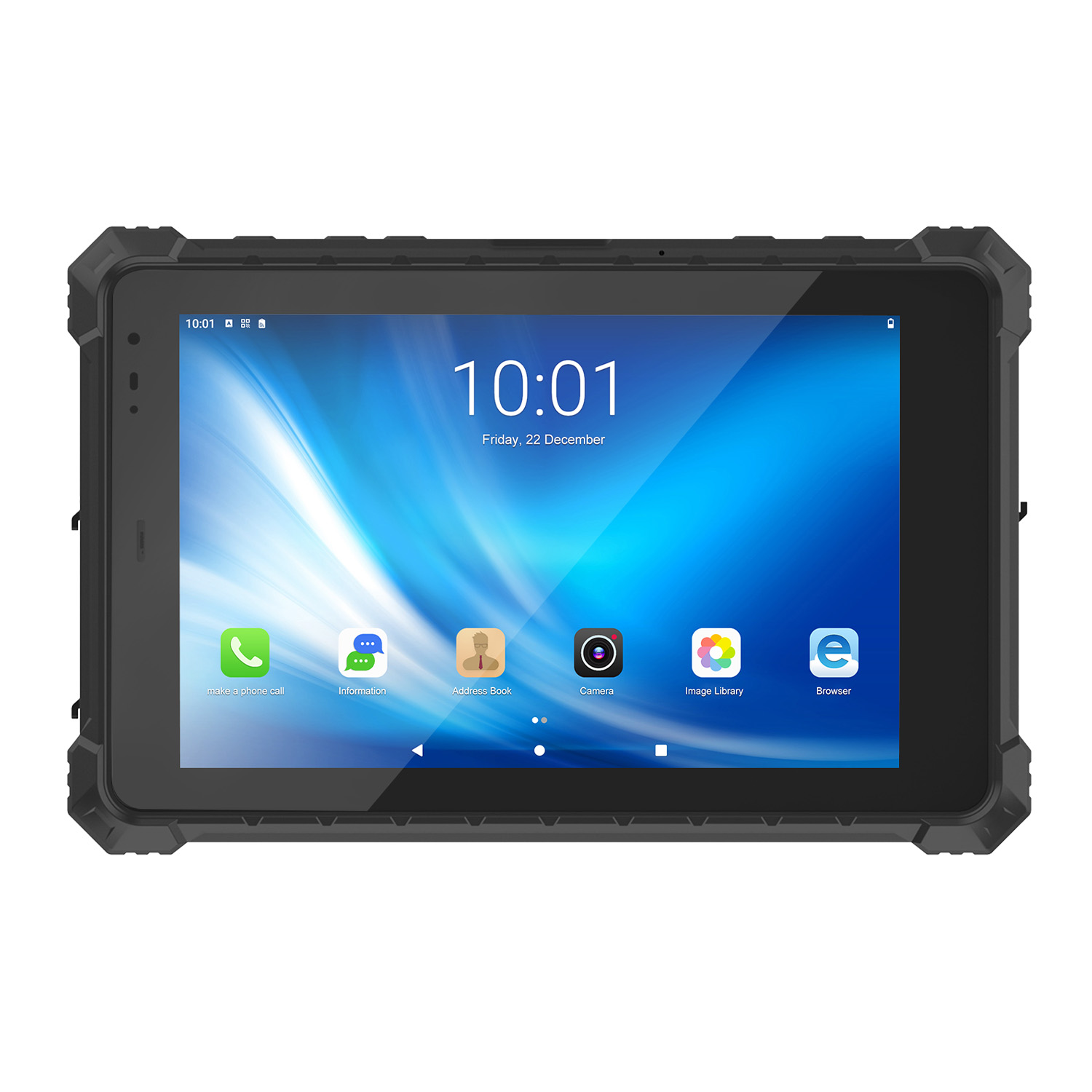 CENAVA A10ST MT6771 10.1 Inch Android 10 IP68 Rugged Tablet
 CENAVA A10STX MT6769 10.1 Inch Android 16 IP67 Rugged Tablet
 CENAVA A10ST MT6769 10.1 Inch Android 16 IP68 Rugged Tablet
 CENAVA A10STX MT6771 10.1 Inch Android 10 IP67 Rugged Tablet
 CENAVA A80ST MT8781 8 Inch Android 13 IP68 Rugged Tablet
 CENAVA A80R RK3588 8 Inch Android 12 IP68 Rugged Tablet
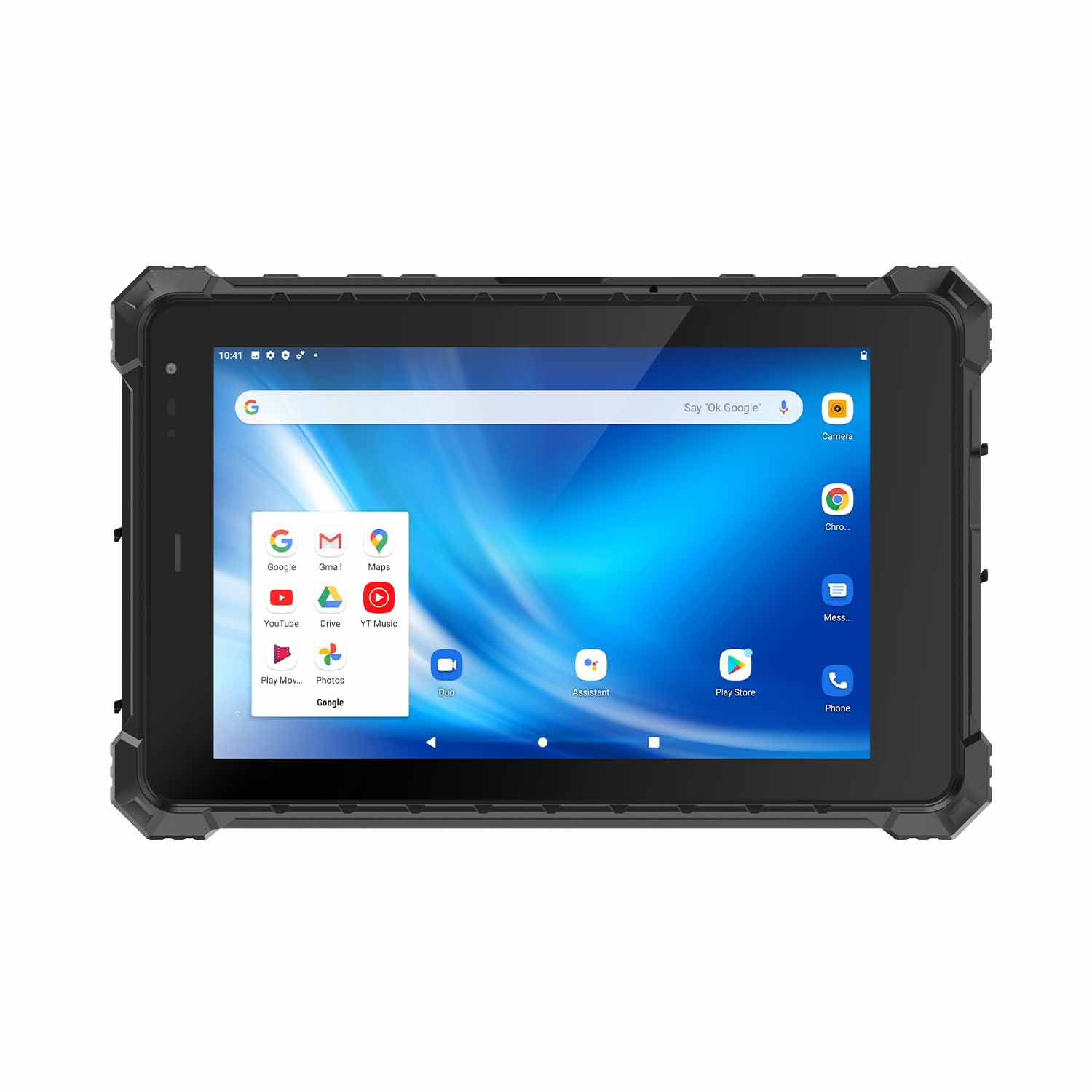 CENAVA A80STX-5G MT6877 8 Inch Android 12 IP67 Rugged Tablet
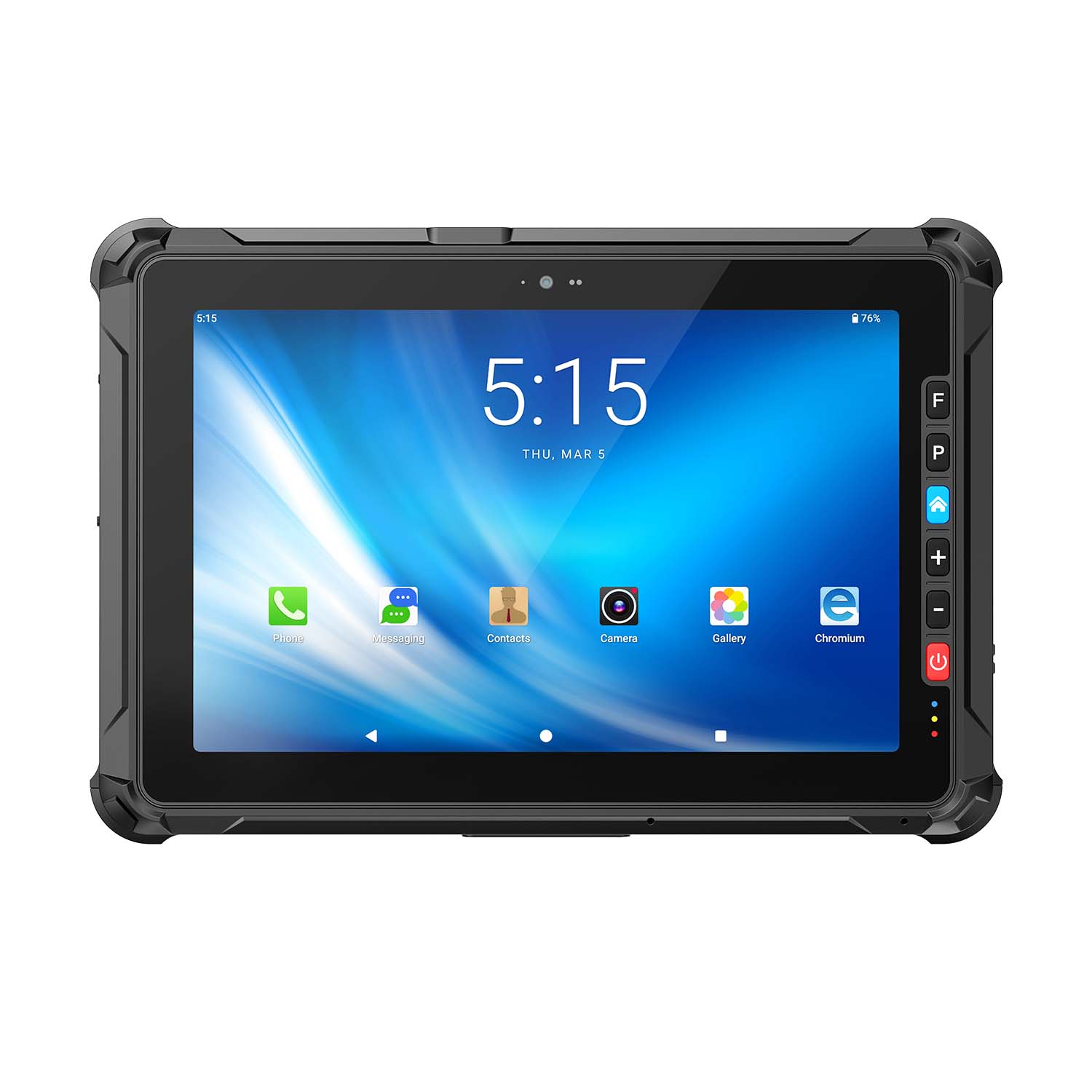 CENAVA A109ST MT8781 10.95 Inch Android 16 IP67 Rugged Tablet
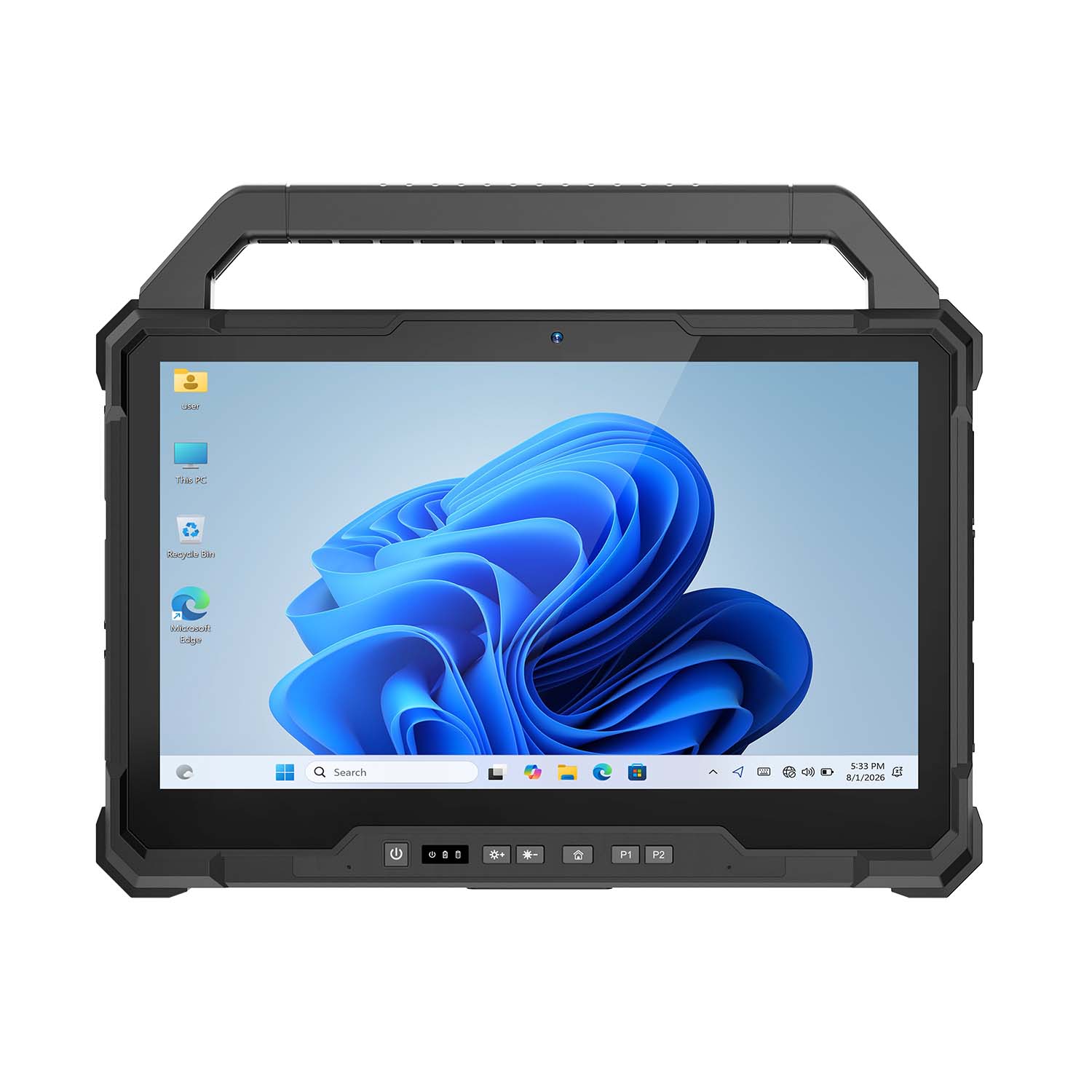 CENAVA W30U Pro Ultra7-155U 13.3 Inch Win11 IP65 Rugged Tablet
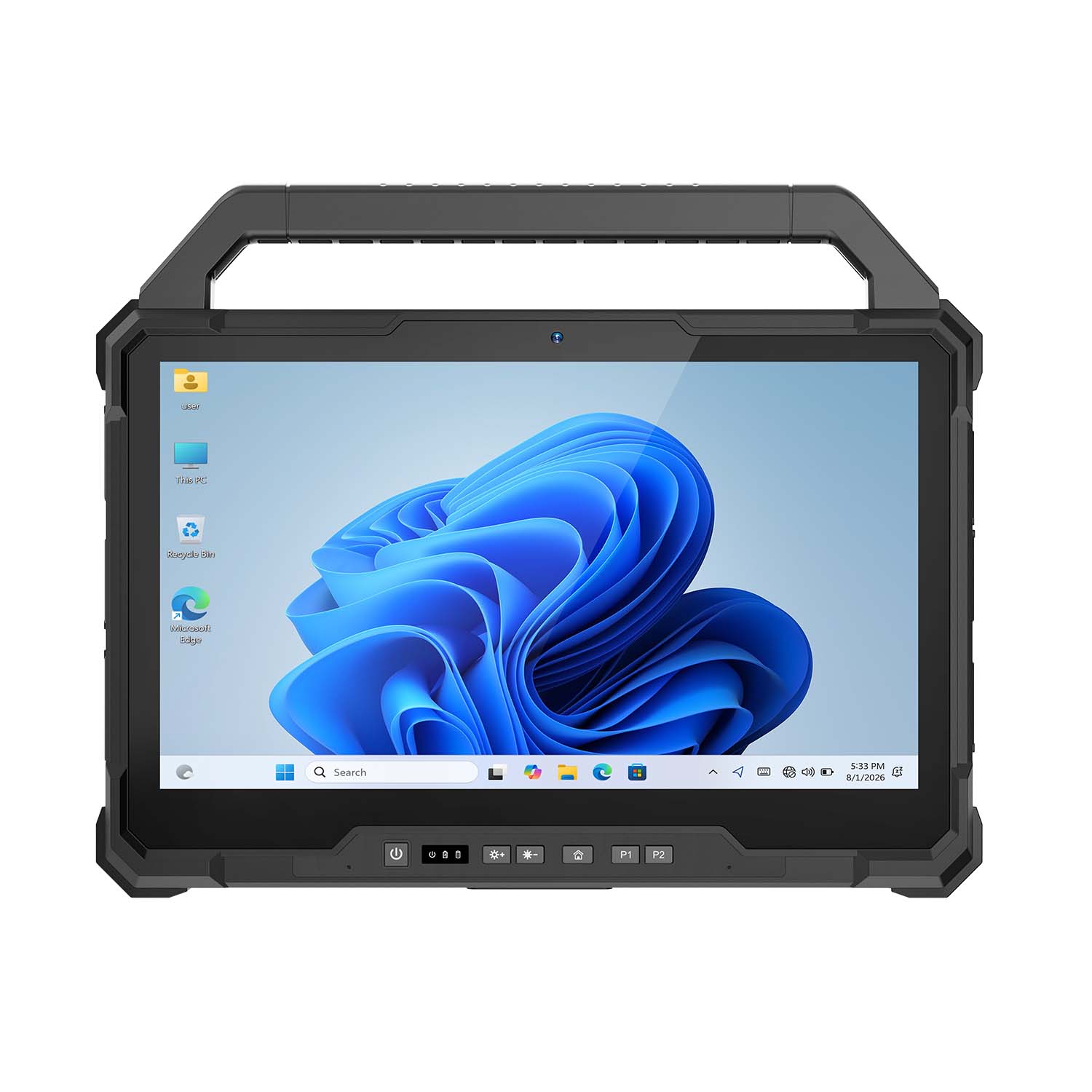 CENAVA W30U i7-1255U 13.3 Inch Win11 IP65 Rugged Tablet
 CENAVA W109NS N150 10.95 Inch Win11 IP67 Rugged Tablet GbE
 CENAVA W109U i5-1235U 10.95 Inch Win11 IP67 Rugged Tablet
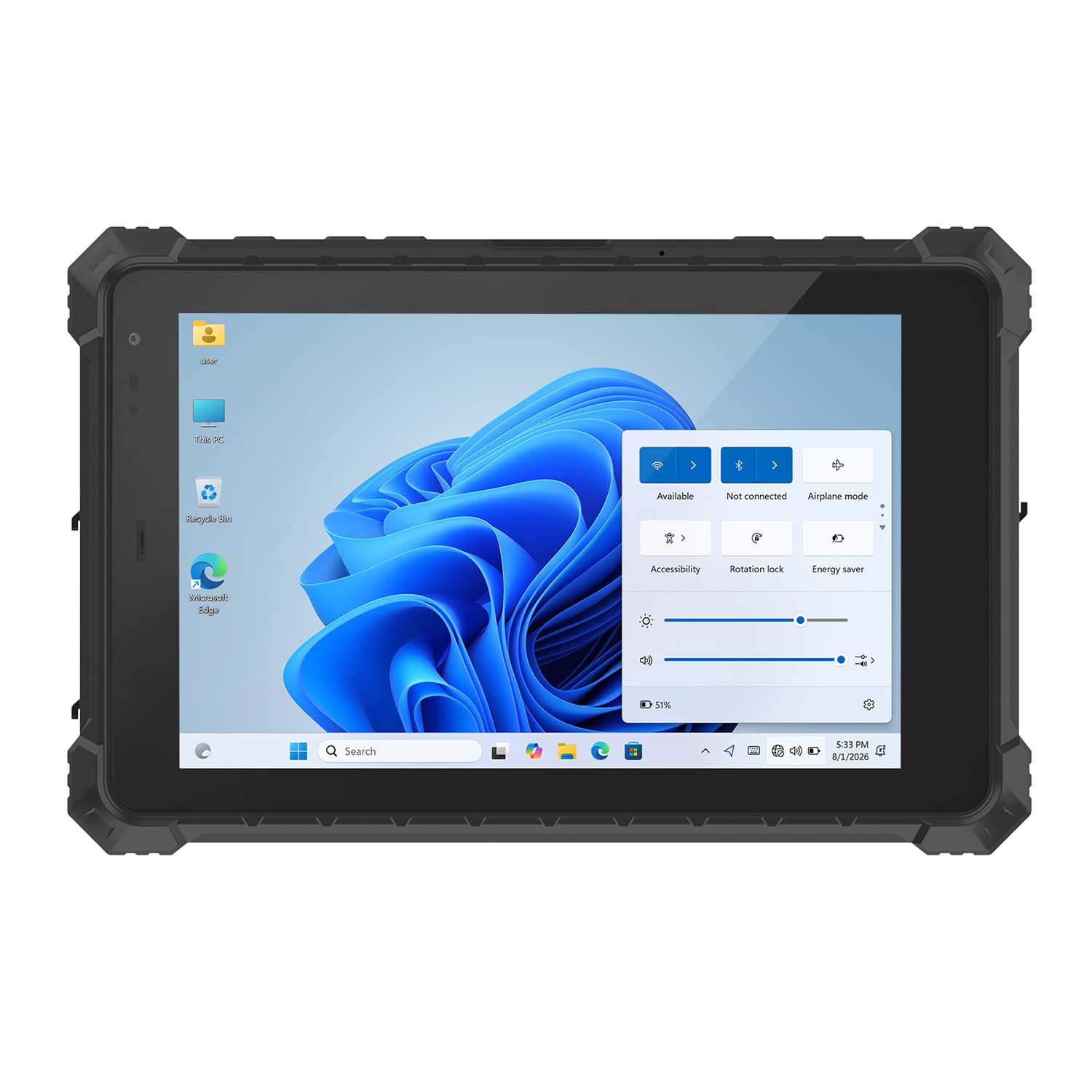 CENAVA W10Y i5-10210Y 10.1 Inch Win11 IP68 Rugged Tablet Full I/O
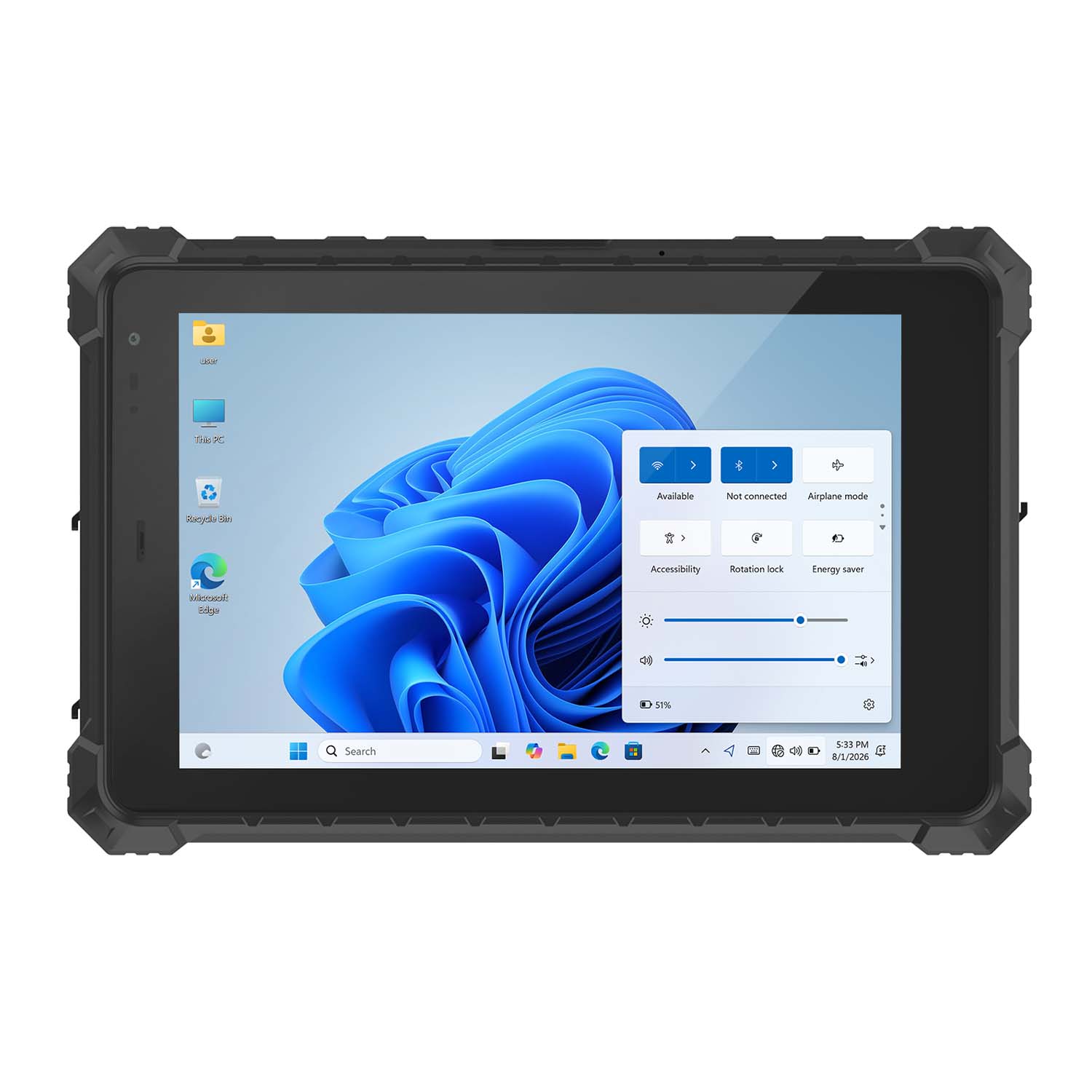 CENAVA W10NPRO N100 10.1 Inch Win11 IP68 Rugged Full I/O
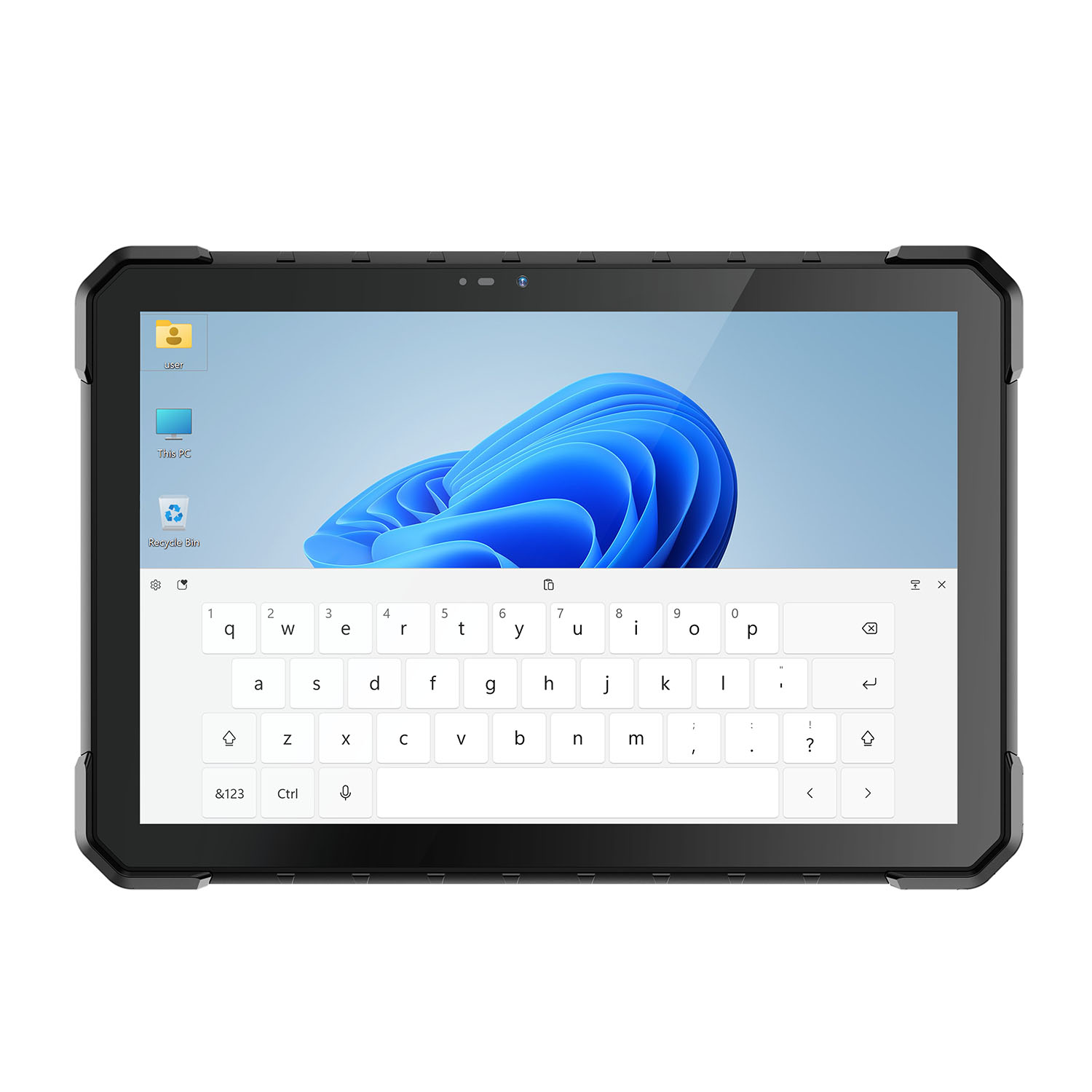 CENAVA W18Y i5-10210Y 10.1 Inch Win11 IP68 Rugged Slim
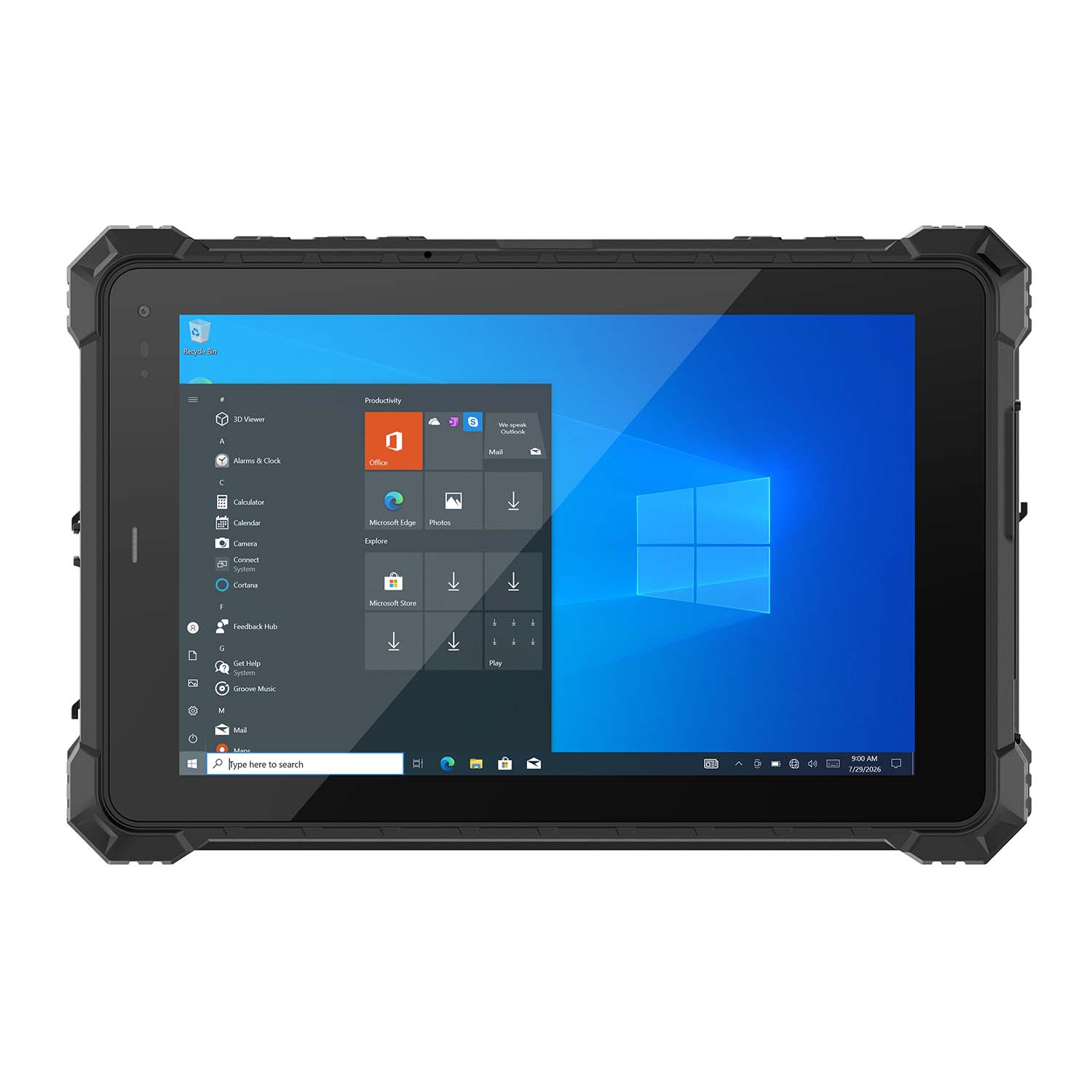 CENAVA W10NX N5100 10.1 Inch Windows IP67 Industrial Tablet
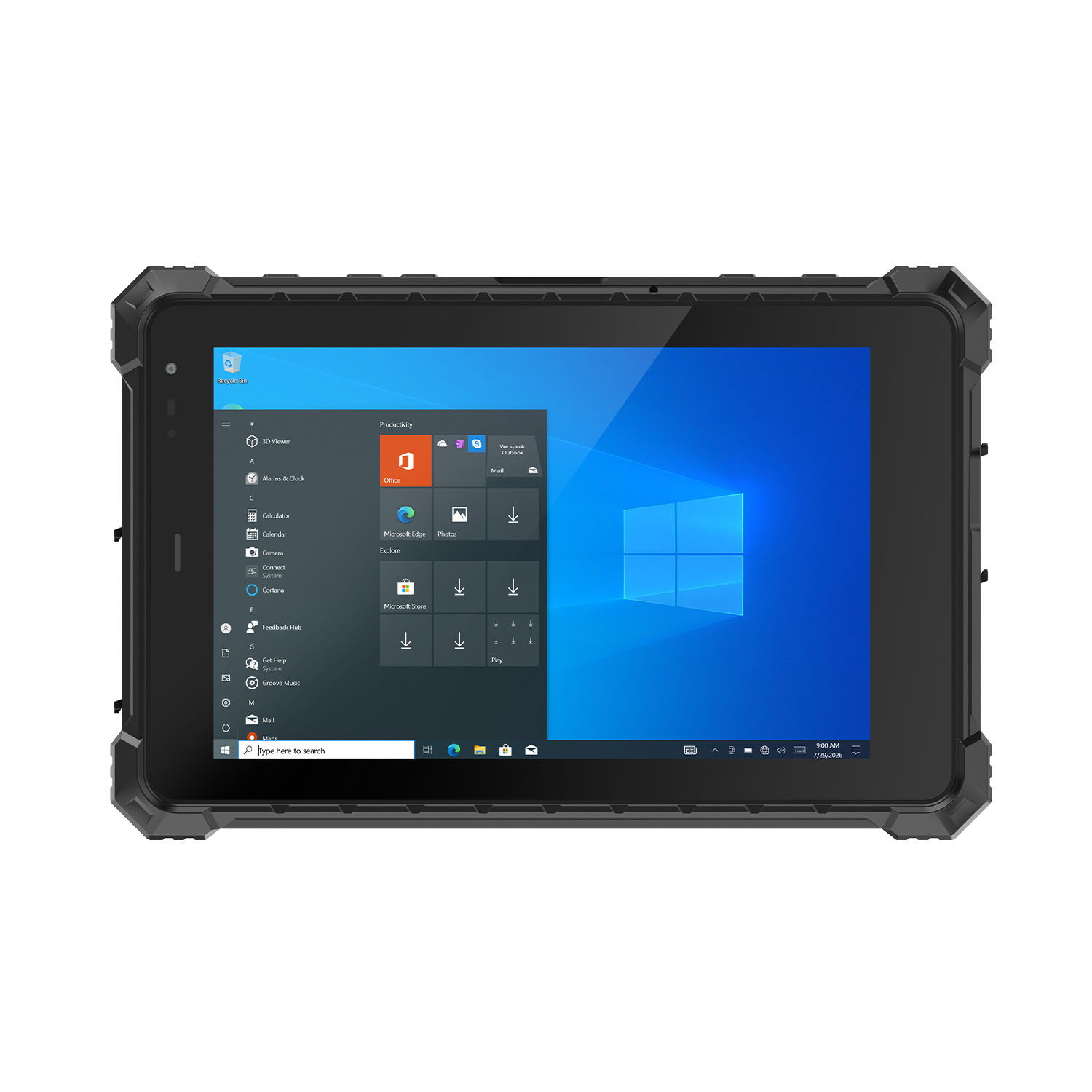 CENAVA W80N N5100 8 Inch Win11 IP68 Windows Rugged Tablet
 CENAVA H10PRO N100 10.1 Inch Win11 Industrial PC | WiFi6 Touch Panel
-1.jpg) CENAVA H55N N5100 5.5" Win11 Mini Industrial PC
CENAVA H55N N5100 5.5" Win11 Mini Industrial PC
 CENAVA H10F N100 10.1" Win11 Industrial Panel PC Touch Computer
 CENAVA H10F N95 10.1" Win11 Industrial Panel PC | WiFi6 Touch Computer
 CENAVA H7S N3350 7 Inch Win10 Entry Industrial PC | POE Fanless Touch Panel
 CENAVA H7 N4020 7" Win10 Compact Industrial PC | POE Fanless Touch Panel
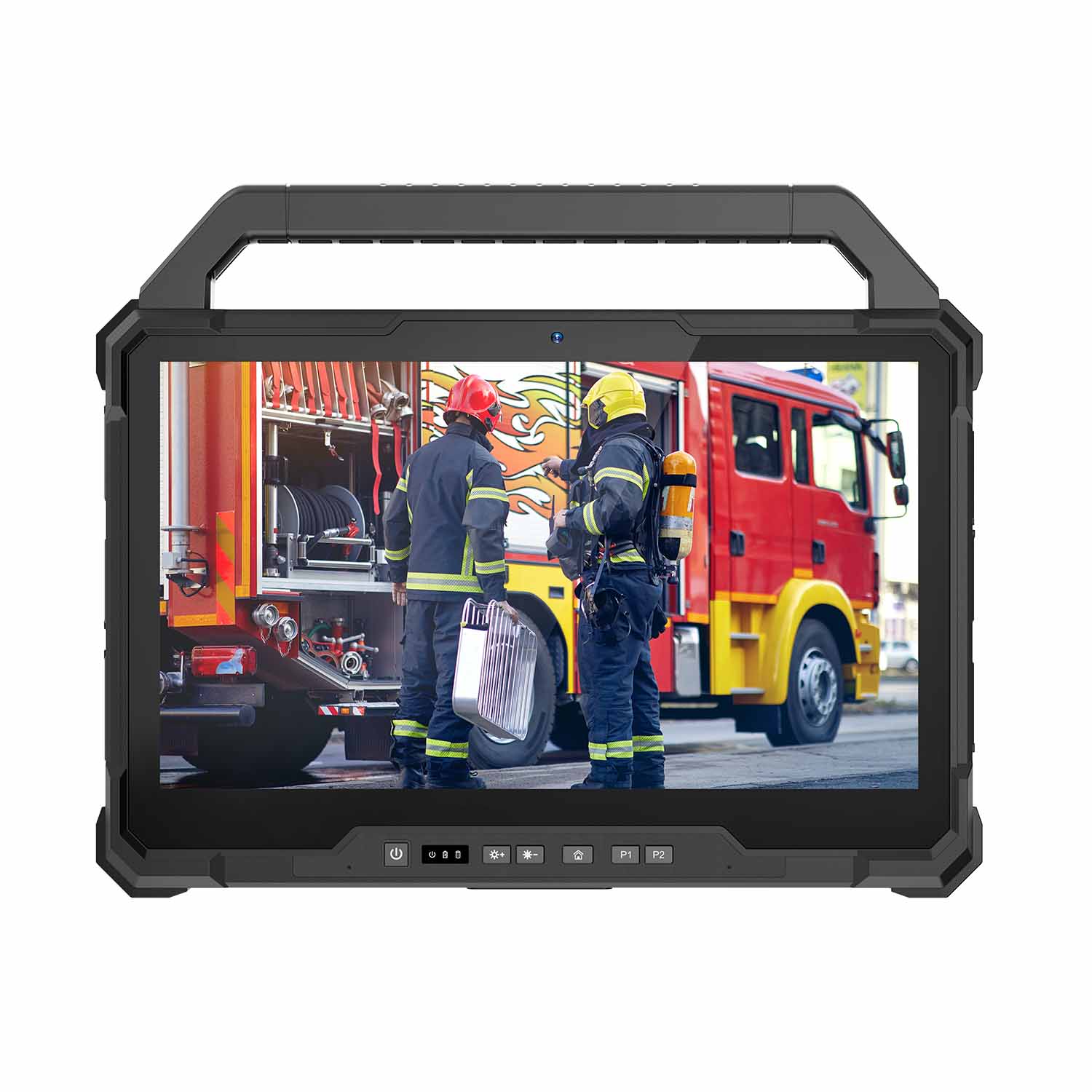 W30U-EX i7-1255U 13.3 Inch Explosion-Proof Windows Tablet
 W30UPro-EX Ultra7-155U ATEX II 2GD Ex ib IIC T5 Gb Explosion-Proof Tablet
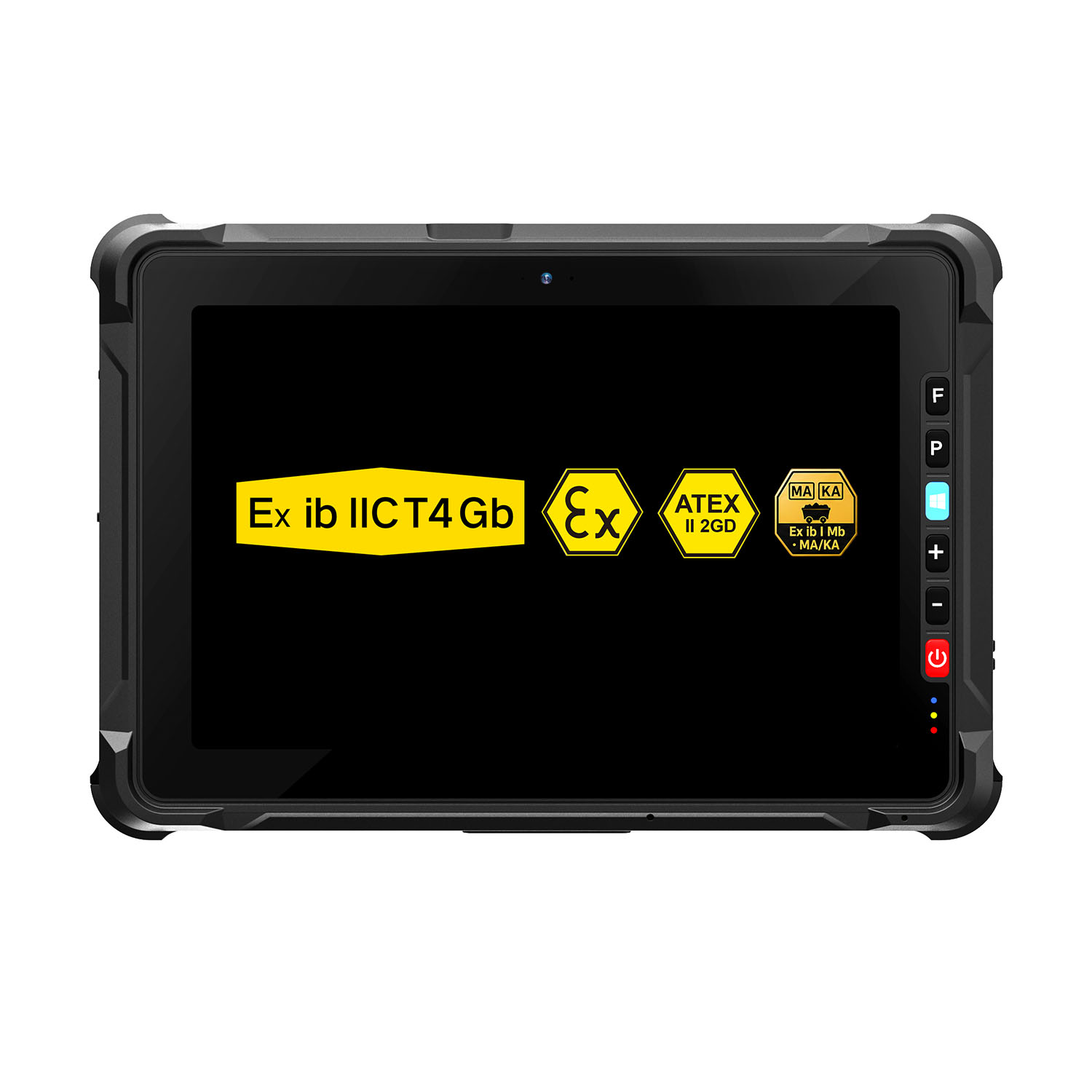 W109NS-EX N150 Explosion-Proof Hazardous Area Windows Tablet
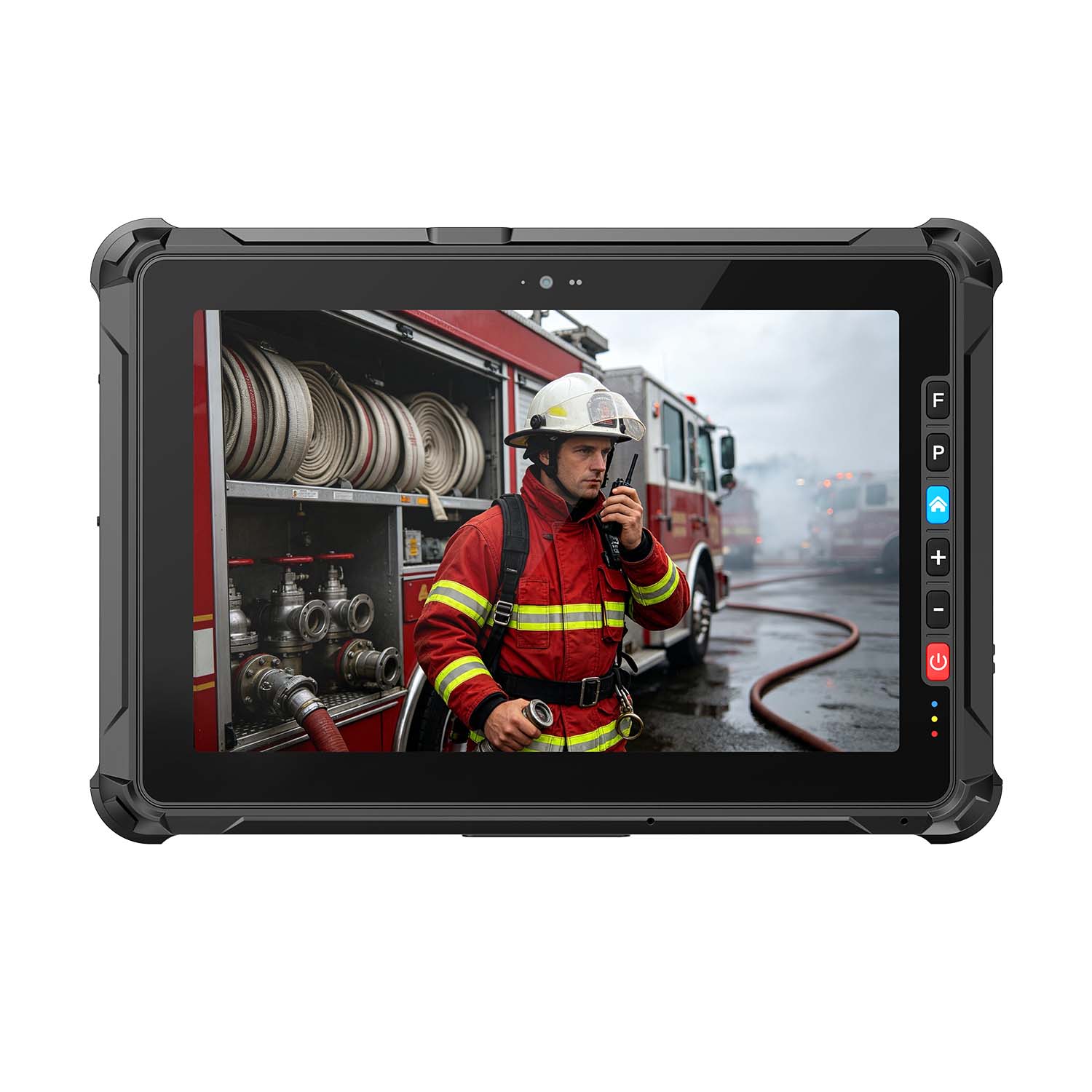 A109ST-EX MT8781 20000mAh Explosion-Proof ATEX II 2GD Android Tablet
.jpg) W10N-EX N5100 Explosion-Proof Intrinsically Safe Windows Tablet
W10N-EX N5100 Explosion-Proof Intrinsically Safe Windows Tablet
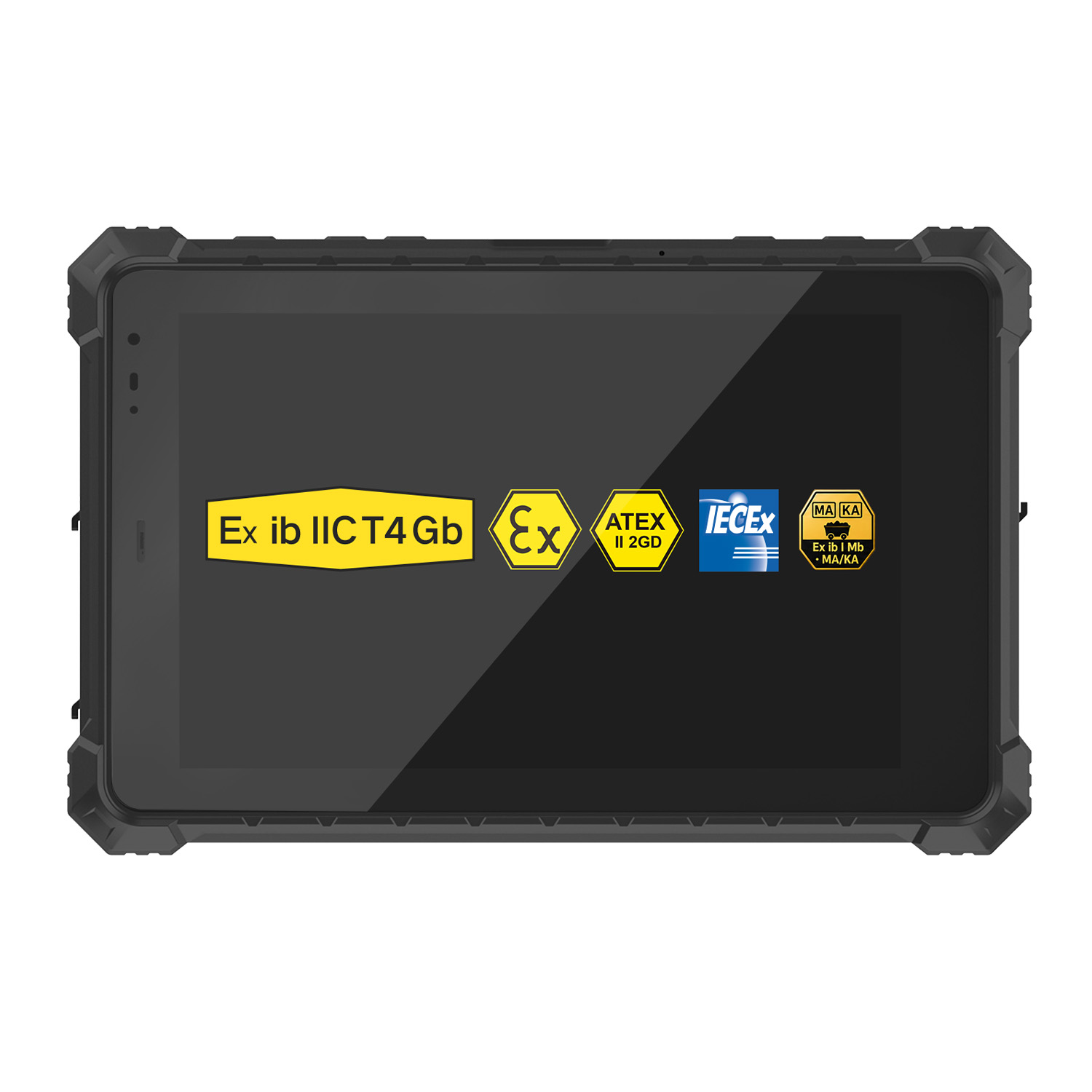 A10ST-EX MT8781 Ex ib IIC T5 Gb Hazardous Area Rugged Tablet
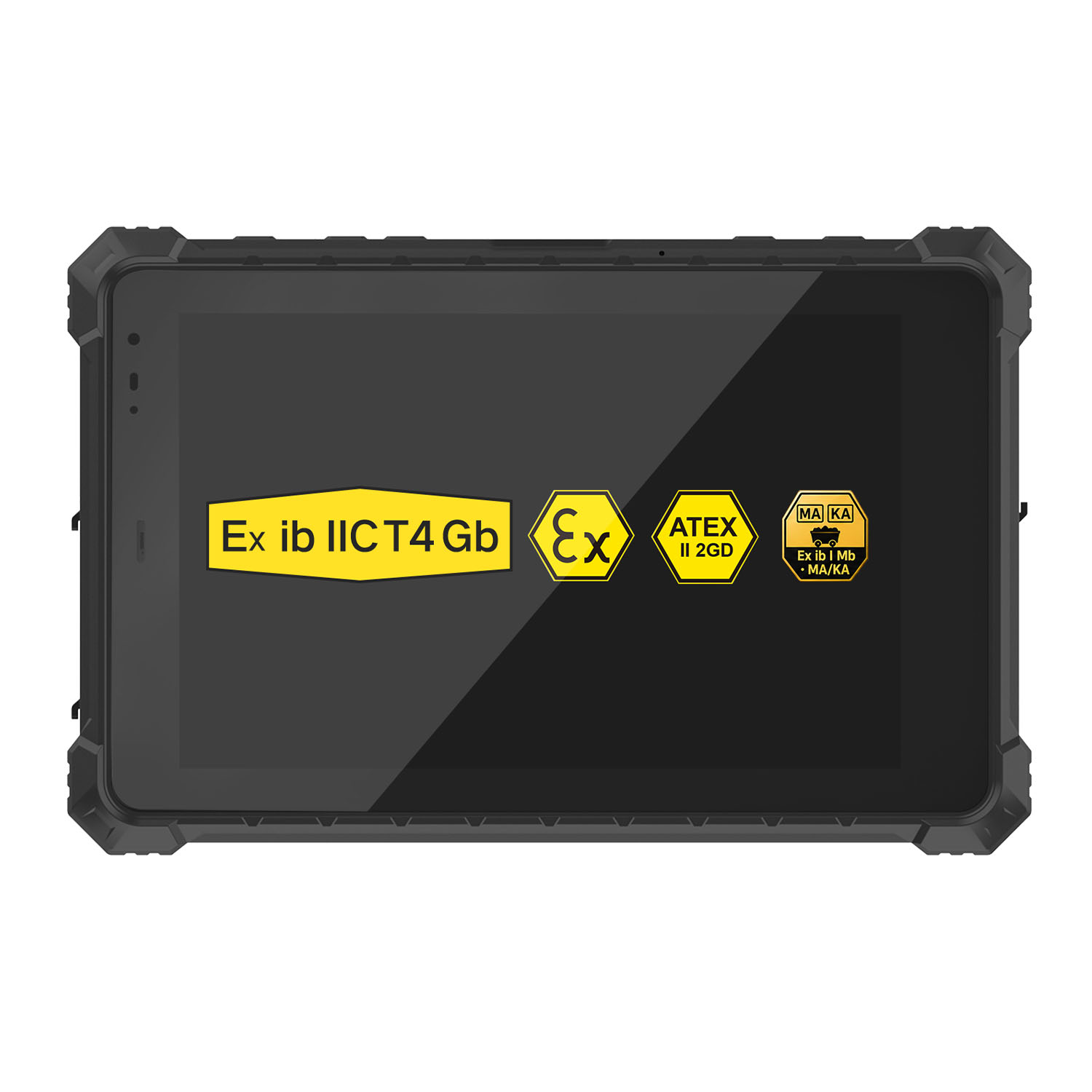 A10R-EX 10.1 Inch Explosion Proof RK3568 Industrial Tablet PC
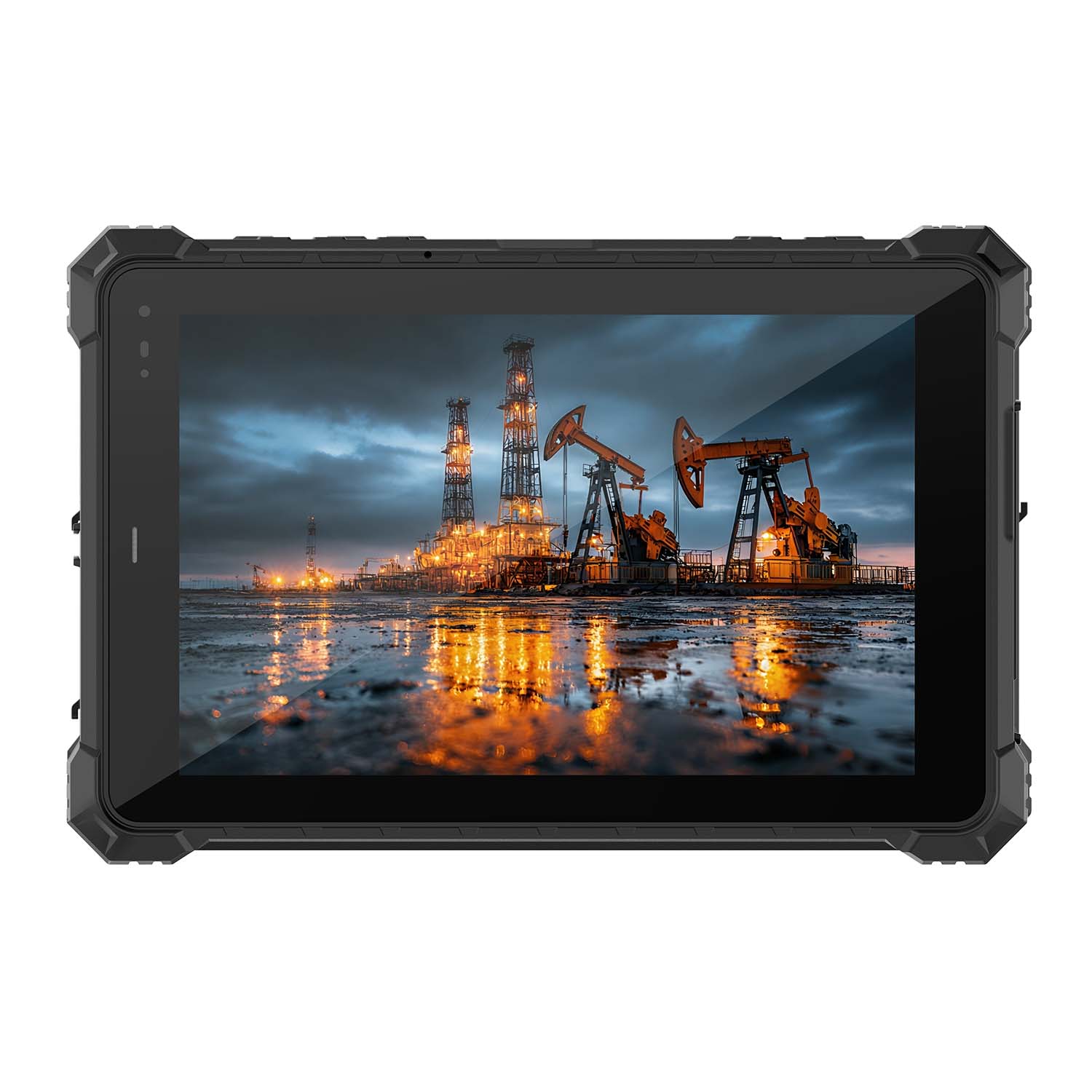 A10STX-EX MT8781 10.1 Inch ATEX II 2GD Android Tablet
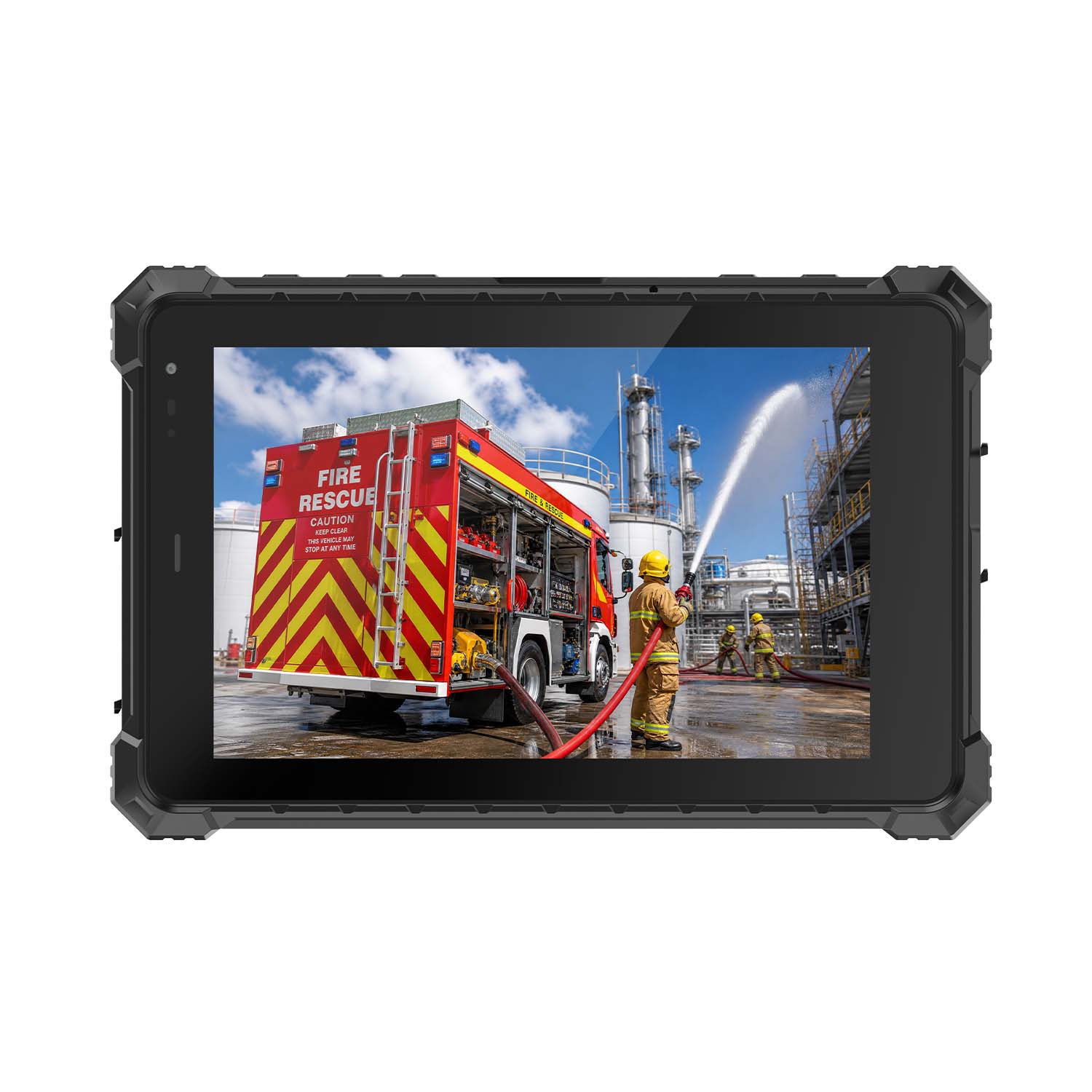 W80N-EX N5100 8 Inch Explosion-Proof Windows ATEX II 2GD Tablet
 A18ST-EX Slim 10.1-Inch Explosion-Proof Android Tablet
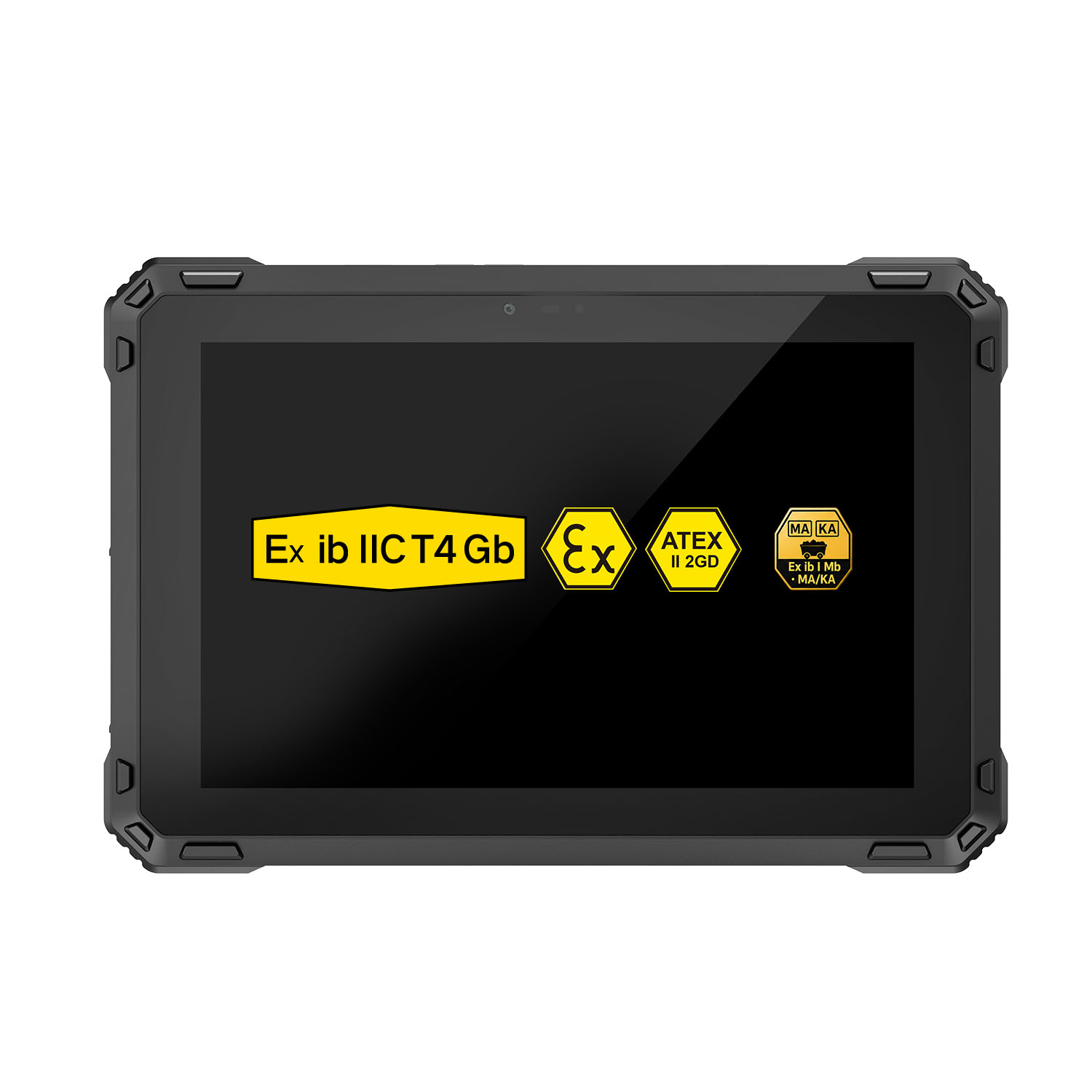 A88ST-EX MT6769 Hazardous Area 8-Inch Explosion-Proof Android Tablet
 A80ST-5G EX MT6877 8 Inch Ex ib ⅡC T4 Gb Explosion Proof Tablet
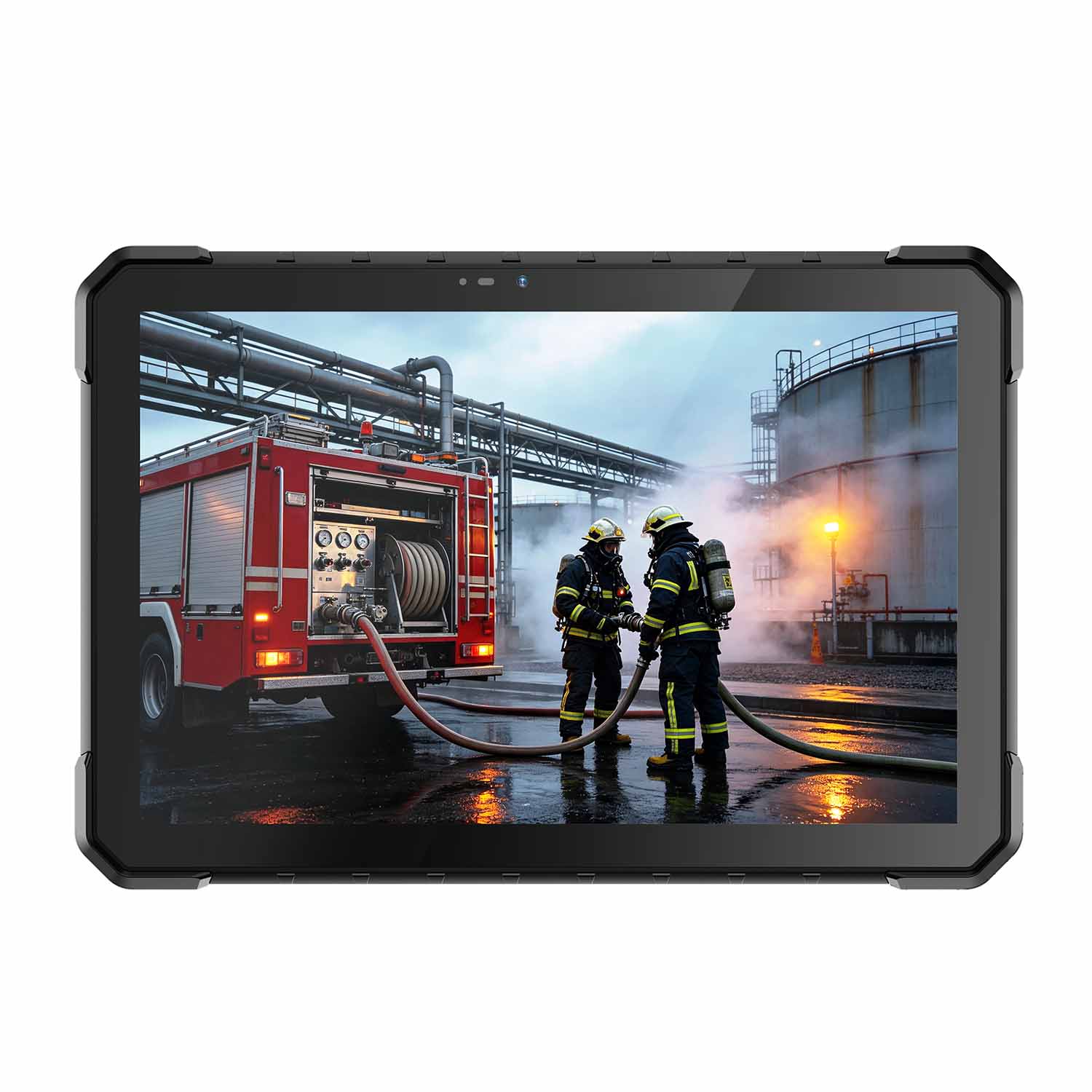 CENAVA W18Y-EX i7 10.1 Inch Explosion-Proof Windows 11 Tablet
 W65G-EX Explosion-Proof Windows Handheld Hazardous Area PDA