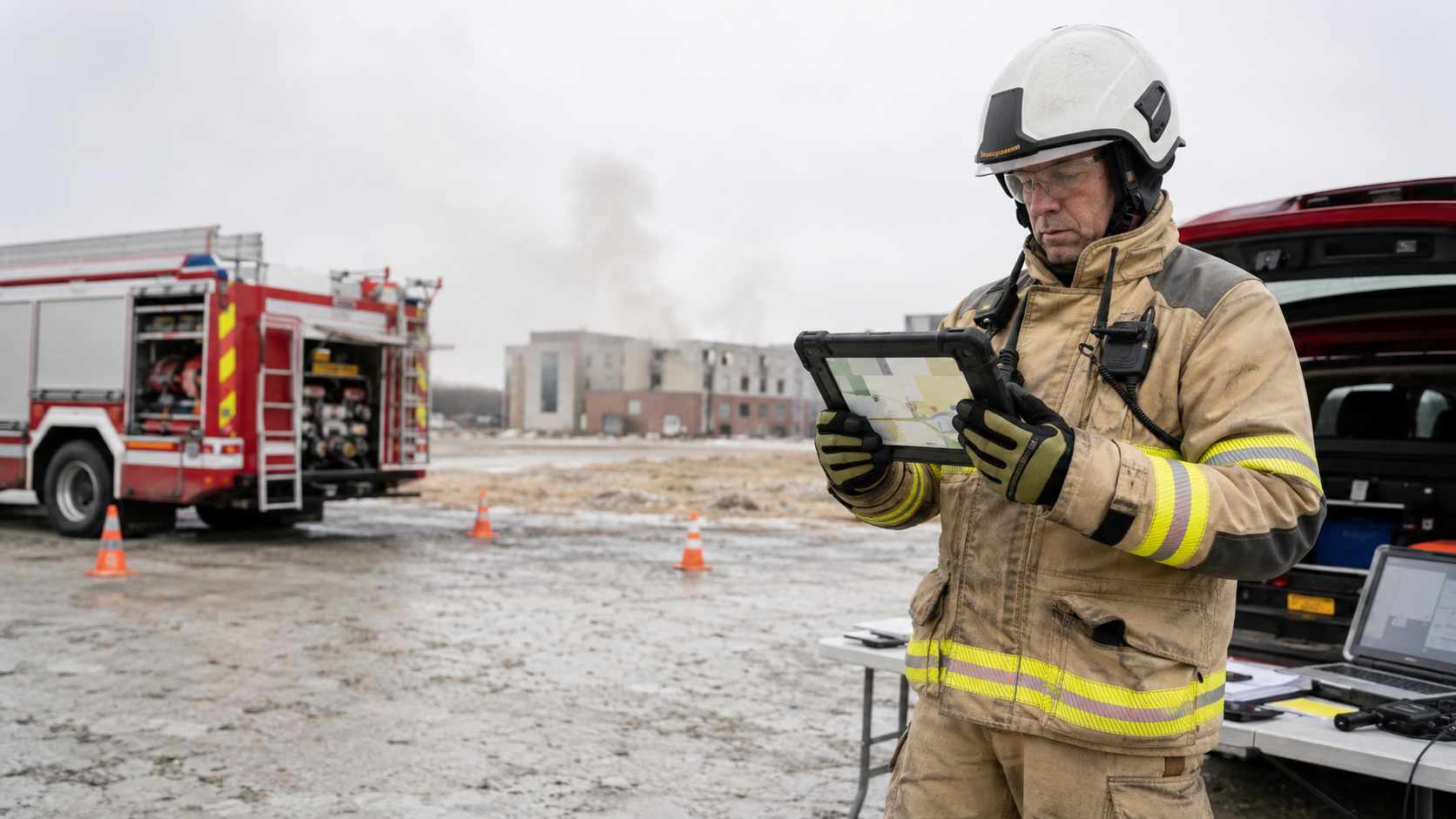
 This fire and emergency response tablet buying guide starts with one decision: assign the device to a specific incident role—dispatch, command, apparatus, EMS, inspection or HazMat—then test the exact hardware, dock and application with the PPE and communications plan used by that team.
A firefighter rugged tablet may survive rain and apparatus vibration yet still be unsuitable inside an immediately dangerous to life or health environment. An IP rating does not establish flame resistance, while MIL-STD-810H testing does not turn electronics into structural-firefighting PPE. Structural firefighting PPE — anything worn or carried into the hot zone — is certified under NFPA 1971, and no tablet on this list carries that mark. Most tablet work belongs in a vehicle, command post, cold zone or controlled post-incident route.
Emergency operations also punish small workflow defects. A wet glove misses a button, a shoulder strap catches on a compartment latch, or a map attachment remains unsynchronized when a crew changes sector. Those failures rarely appear in a showroom, so our selection method measures tasks under controlled conditions rather than awarding points for specifications alone.
HazMat adds a separate approval question. A refinery release, fuel-terminal incident or solvent spill may create a Zone or Division boundary that ordinary fire-service tablets must not cross. The site classification and exact device certificate govern that route; “rugged,” “sealed” and “anti-static-looking” are not equivalent to intrinsically safe.
This guide compares 6 manufacturers serving different parts of the response system. The order is not an absolute ranking. Several products suit mainstream public-safety work; CENAVA and DURABOOK (in its certified variants) carry the hazardous-location configurations for defined HazMat tasks; and every recommendation remains tied to the intended role.
What Defines a Top-Tier Emergency Response Tablet Manufacturer?
A credible manufacturer treats the device as one element in an operational system. Four capabilities make the largest difference after a pilot expands across 4 stations or 40 apparatus:
Role-specific product evidence: The supplier separates ingress, drop, vibration and temperature claims from flame exposure, hazardous-location approval and public-safety network authorization.
A complete apparatus workflow: The tablet, powered dock, tether, hand strap and stylus are evaluated together. Mounting position, cable routing and release clearance receive the same attention as the enclosure.
Usability with real PPE: Wet touch and glove modes are demonstrated with the agency's issued equipment. The manufacturer avoids implying one setting works with every glove material or thickness.
Lifecycle and integration discipline: OS servicing, device management, offline maps, repair identity and spare accessories remain available through the planned fleet life.
 The Top 6 Firefighter Field Operations Tablet Manufacturers of 2026
The following manufacturers address frontline fire-service computing from different angles — some emphasize Windows command applications, others Android mobility, and two carry certifications relevant to HazMat work. The entries below take different shapes on purpose; the unifying question is whether the device's evidence matches your assigned role.
1. Panasonic TOUGHBOOK (Japan)
An engine cab is a Panasonic ecosystem more often than not: cradle, vehicle power and the aerial-mount display all speak TOUGHBOOK. That integration history — one Windows image rolling out across engines, trucks and the command van — puts the platform on department shortlists before anyone compares drop-test numbers.
2. Dell Technologies (United States)
Dell's Latitude Rugged line brings enterprise Windows management into public-safety and government fleets. Agencies already using Dell deployment services may find value in common identity, security and support processes. The 12-inch format favors map and multi-pane work over minimal carrying bulk.
3. Zebra Technologies (United States)
For asset-heavy work — turnout-gear inventories, EMS supply expiry checks, hydrant inspection tags — Zebra's Android scanners earn their place by reading worn, dirty barcodes that phone cameras give up on. The trade is real: you give up the full Windows application, so confirm which workflows actually need one before mixing fleets.
4. DURABOOK (Taiwan)
DURABOOK supplies rugged notebooks and tablets for public safety, field service and industrial work. The U11I is an 11.6-inch Windows tablet — and it matters for this guide that the U11I is orderable with ANSI/UL Class I Division 2 certification, with an ATEX Zone 2/22 variant (U11I-EX) alongside. For HazMat record-keeping in a Division 2 or Zone 2 area, that option code is the product; the standard U11I stays at the command post. The mid-size chassis also balances command-screen space with easier carrying than a 12-inch platform.
5. CENAVA (China)
CENAVA builds rugged Android tablets for inspection and hazardous-area projects, selling through OEM and project channels rather than retail. For an agency, that means one vendor can hold the build, the accessories and the application integration together — useful, provided the certified identity survives from sample unit to fleet order. For emergency work, configuration control must stay stronger than customization pressure.
Key Products: The CENAVA A10ST-EX is a 10.1-inch Android tablet with IP68 protection. CENAVA publishes the Zone 2/22 IECEx certificate IECEx CSAE 24.0031X with Ex ic IIC T4 Gc / Ex ic IIIC T135°C Dc, and the EU Zone 2/22 certificate CSANe 24ATEX1144X with II 3GD marking. The A10ST family also includes an Ex ib IIC T4 Gb variant for Zone 1 routes — a different option code, a different certificate, and a different price; the Zone 2/22 documents above do not cover it, so name the zone in your inquiry.
Why They're on the List — Core Strength: CENAVA offers an OEM-oriented route for linking a named Zone 2/22 configuration with HazMat inspection forms and project-specific accessories.
The A10ST-EX is relevant to a planned HazMat task only when its certificate and conditions match the site classification. It is not a structural-fire attack tablet, and a separate voluntary verification document should not be presented as a formal Zone 1 ATEX approval. The European Commission's ATEX guidance outlines the EU conformity framework.
Project confirmation is appropriate when an agency needs an exact regional, communications or tag-reading configuration. In that case, contact CENAVA with the country; fire, EMS or HazMat role; cold/warm/hot-zone application environment; zone or division, gas group and temperature class if applicable; issued glove and decontamination agent; required app and OS; country, carrier and SIM/eSIM requirement if cellular service is needed; NFC tag or card type if used; plus the dock, charging location and accessories.
6. MilDef / Handheld (Sweden)
MilDef's mobile-computing portfolio includes the Handheld-branded Algiz line, used in demanding public, defense and industrial settings. The Algiz 10XR provides a straightforward Windows environment for teams that work outdoors and offline. It should remain in assessed non-classified response areas unless separate approval evidence permits otherwise.
How to Choose the Right Manufacturer for Your Application
The best rugged tablet for firefighters is the one that completes its assigned role without distracting the crew or crossing a safety boundary. That principle breaks down into a short sequence of workstreams; keep them in this order.
Define Your Operating Environment
Place the tablet on the incident-zone diagram. Dispatch and station tasks are different from apparatus use; a cold-zone command post is different from a HazMat warm zone; neither is the interior structural-fire environment. Assign a permitted role, carrying method, dock and charging point to each device group.
Separate the evidence. Ingress, environmental stress and ignition protection are three different qualifications: IEC 60529 covers the enclosure against water and dust, MIL-STD-810 supplies the test methods for drop, vibration and temperature, and the hazardous-location certificate covers ignition risk for one exact configuration — none of the three speaks for the others. Flame resistance and PPE approval sit outside all three documents.
For HazMat operations, OSHA 1910.120 provides the U.S. framework for hazardous-waste and emergency-response operations. A tablet may record the plan or observations, but trained personnel, protective equipment and site control remain the operative safeguards.
Clarify Performance Requirements
Build an 18-task pilot: 6 mapping or preplan tasks, 6 photographs or asset checks and 6 exception or offline records. Add one wrong address, one wet screen and one interrupted connection. Measure completion time, recovery and the number of touches—not just whether the screen eventually responds.
A glove touch firefighter tablet is a search phrase, not a universal performance category. Test structural gloves, extrication gloves and medical nitrile gloves separately with the production screen protector. A setting that works for one material may create missed taps or false touches with another.
One-hand use also has limits. Evaluate grip balance and strap access on the ground or in a stationary training prop. The operator should not read a tablet while climbing, carrying a charged hose line or moving through traffic; three points of contact and scene awareness take priority.
Consider Software & Integration
Start the application test offline. Cache maps and preplans, create a status update, attach 3 photographs and interrupt the connection for 20 minutes. When the link returns, the application should expose pending items and resolve conflicts without duplicating the incident record.
Use the agency's incident structure. The FEMA Incident Command System resources provide common terminology and role organization; the tablet should reflect assigned permissions rather than create a parallel command process. A digital marker records the transfer; the authority behind it still travels through the incident command structure.
Communications need project-level evidence. LTE or 5G operation depends on country, carrier, device configuration and incident coverage. A tablet may connect to an external radio, router or satellite gateway — useful redundancy, but the crew's certified portable radio remains the primary voice link.
Analyze Total Cost of Ownership (TCO) vs. Initial Cost
Include docks, straps, screen protectors, spare batteries, management licensing, application validation, training and repair logistics. Keep ordinary and HazMat-approved models in separate pools — paint them differently if necessary, because at 3 a.m. a shared look is a shared risk.
Operational re-entry belongs in the cost model. As an illustrative calculation, 4 crews completing 3 handovers each and losing 8 minutes to duplicate notes consume 96 staff-minutes per day. Replace those assumptions with measured pilot data, then compare the saving with the annualized device and support cost.
Inspect the end of life. Ask how long security updates are planned, whether the same dock remains orderable, and how a repair replacement preserves the approved option. A lower purchase price loses value if the fleet must change mounts in year 2 of a 5-year program.
 Future Trends in Fire and Emergency Field Tablets
Public-safety mobility is moving toward clearer roles and better operational evidence rather than simply thicker enclosures. Developments already visible in 2026 procurement cycles:
Role-aware device assignment: Fleet systems will associate each serial number with apparatus, cold-zone command, EMS or HazMat use. A configuration mismatch can be flagged before the device enters a kit.
Offline-first incident applications: Maps, preplans and structured status records will remain usable during network interruption, with visible queues and deliberate conflict handling when connectivity returns.
PPE-specific interface profiles: Agencies will store tested touch, button and stylus settings for named glove types rather than relying on a generic glove-mode claim.
Assisted image review with bounded decisions: On-device models may flag a missing placard, unreadable address or changed roof feature for human review. They should not declare structural stability, identify a chemical conclusively or replace a calibrated thermal imager.
Conclusion
Panasonic, Dell, Zebra, DURABOOK and MilDef/Handheld cover apparatus, command and inspection roles across Windows and Android. Their real differences appear when crews test issued gloves, final docks, offline maps and one-hand carrying under controlled conditions.
CENAVA and — in its C1D2 and ATEX variants — DURABOOK add hazardous-location routes for selected HazMat tasks. Those approvals follow the exact model, certificate conditions and classified environment; IP65/IP68 or MIL-STD-810G/H evidence does not authorize a tablet for a flammable atmosphere or structural-fire interior.
A sound emergency-tablet buying framework ends with an 18-task pilot, a role-controlled asset register and measured recovery from a 20-minute outage. Give the tablet the information jobs — records, maps, photographs, forms — and leave PPE, gas detection, radio traffic, thermal imaging and command authority to the tools certified for them. Used inside those limits, a tablet earns its place on the rig every shift.


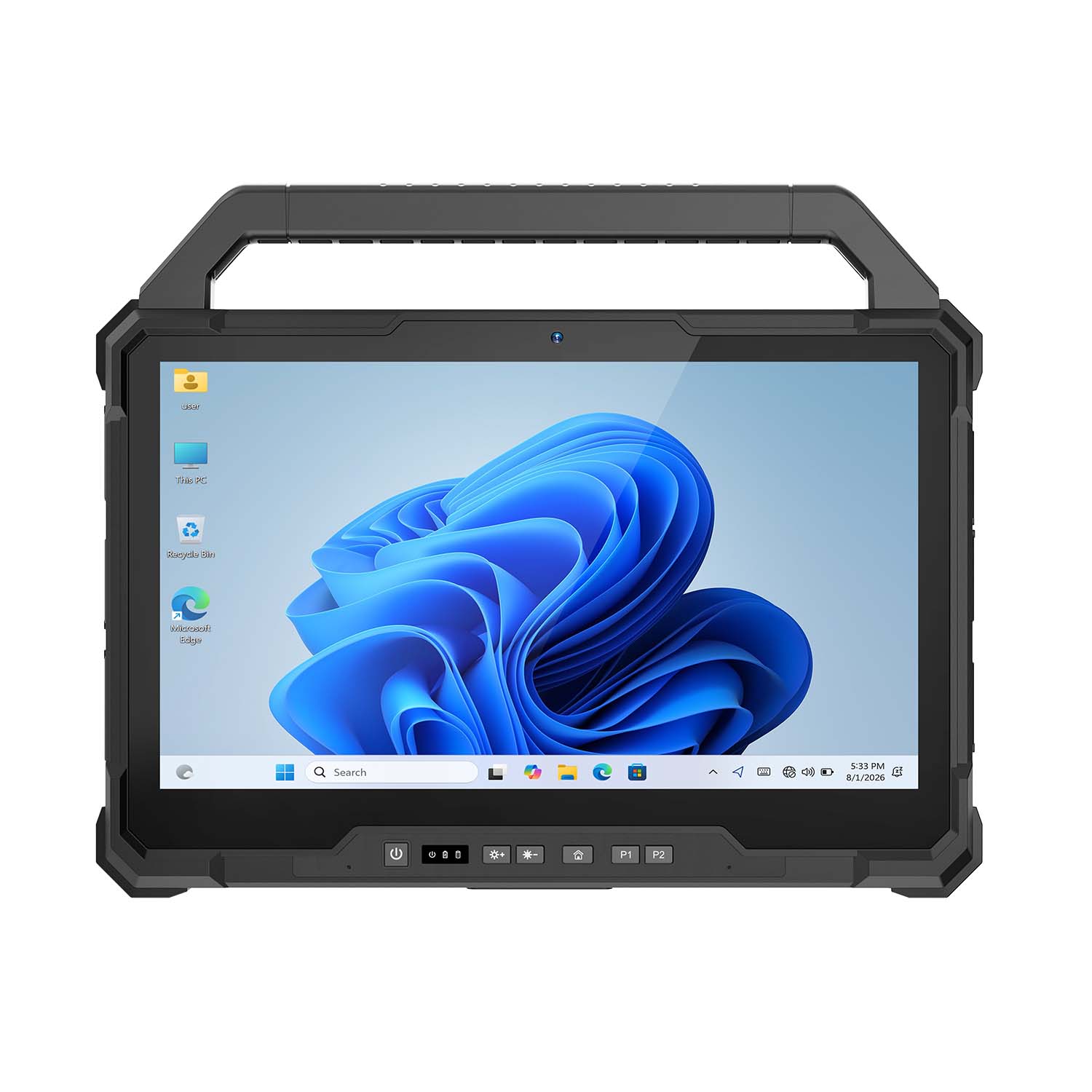 CENAVA W30U i5-1235U 13.3 Inch Win11 IP65 Rugged Tablet
 CENAVA W109U i7-1255U 10.95 Inch Win11 IP67 Rugged Tablet
 CENAVA A109TB MT6789V 10.95 Inch Android 14 IP68 Rugged Tablet
 CENAVA W10Y i7-10510Y 10.1 Inch Win11 IP68 Rugged Tablet Full I/O
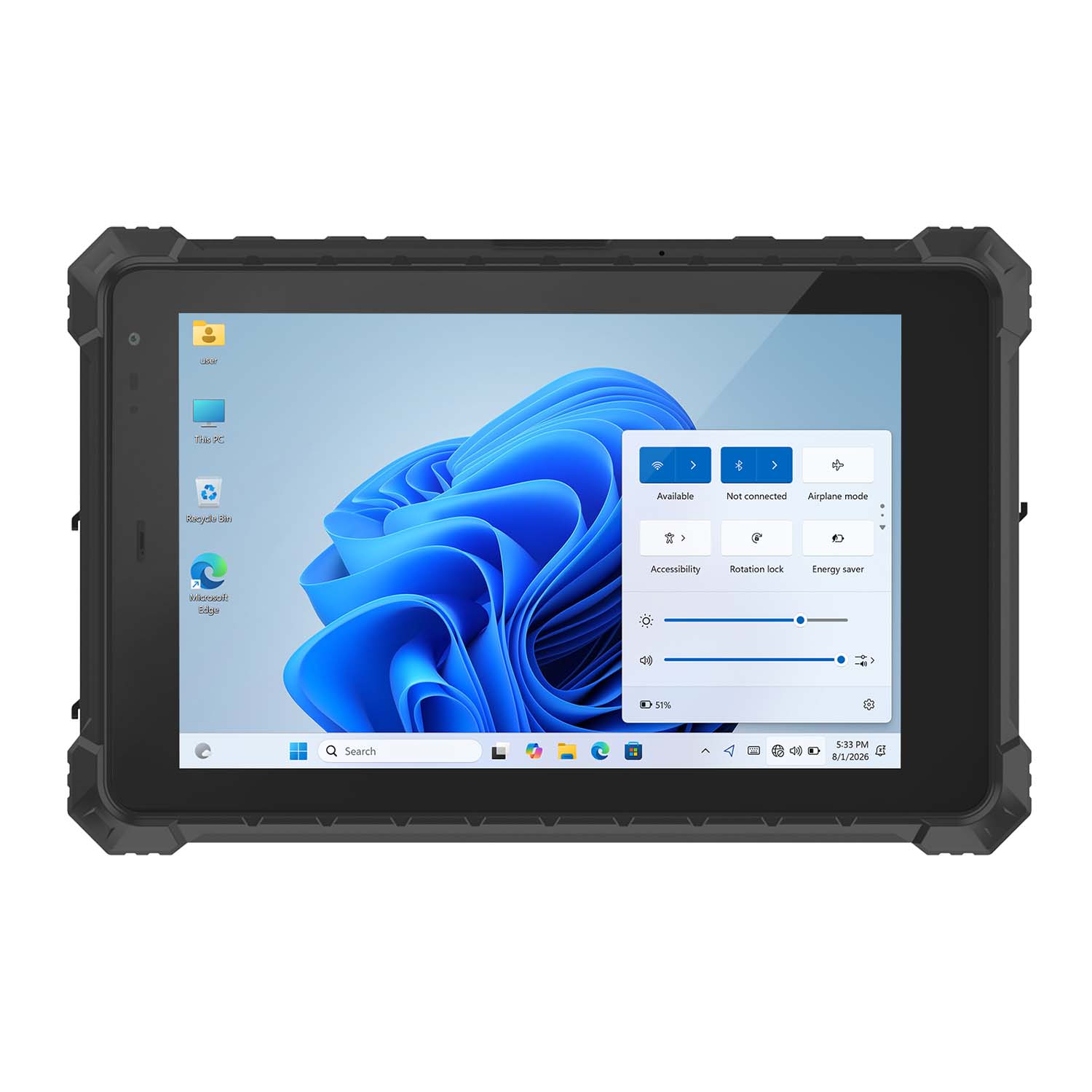 CENAVA W10N N5100 10.1 Inch Win11 IP68 Rugged Tablet Full I/O
 CENAVA A10RX RK3588 10.1 Inch Android 12 IP67 Rugged Tablet
 CENAVA A10ST MT8781 10.1 Inch Android 13 IP68 Rugged Tablet
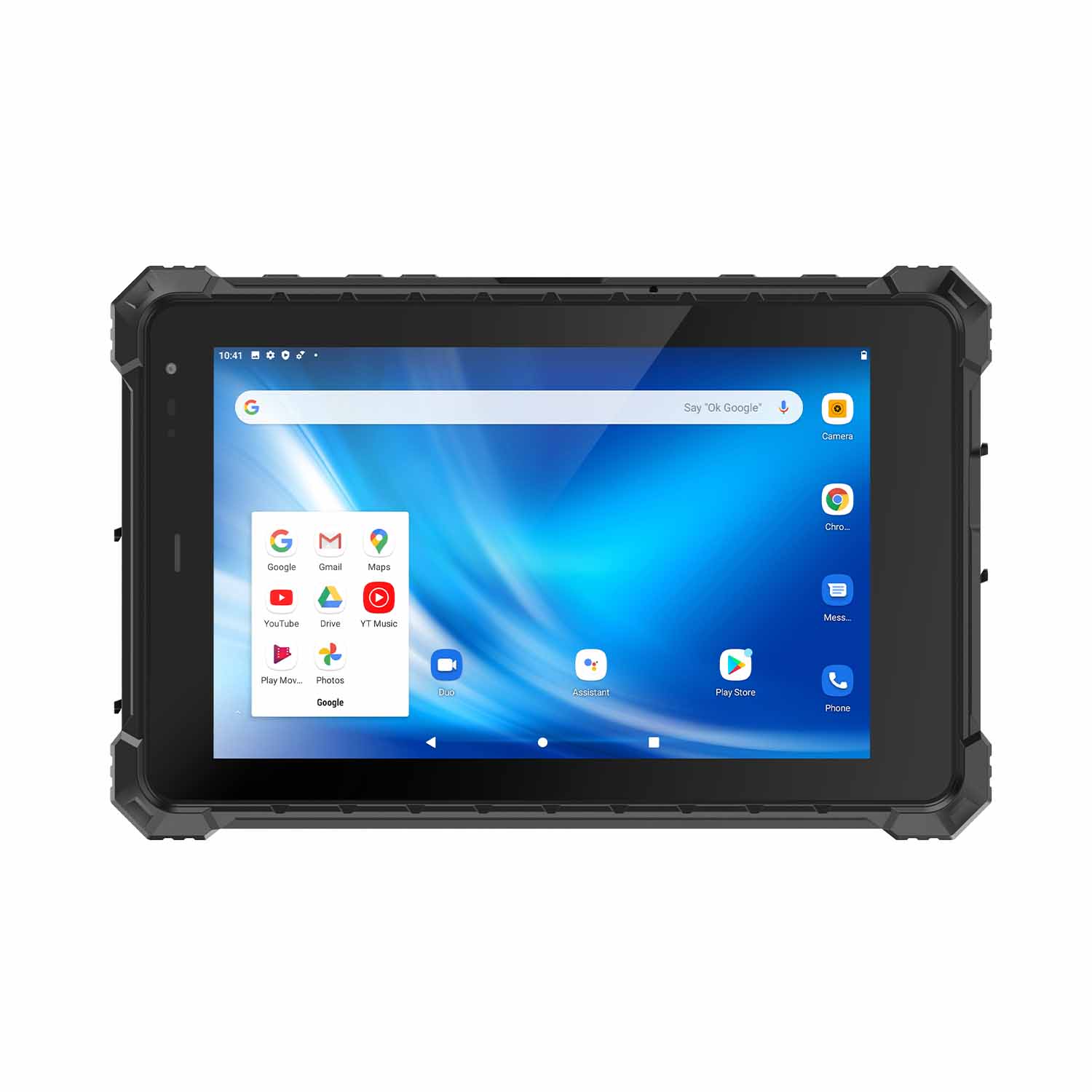 CENAVA A80ST MT6771 8 Inch Android 10 IP68 Rugged Tablet
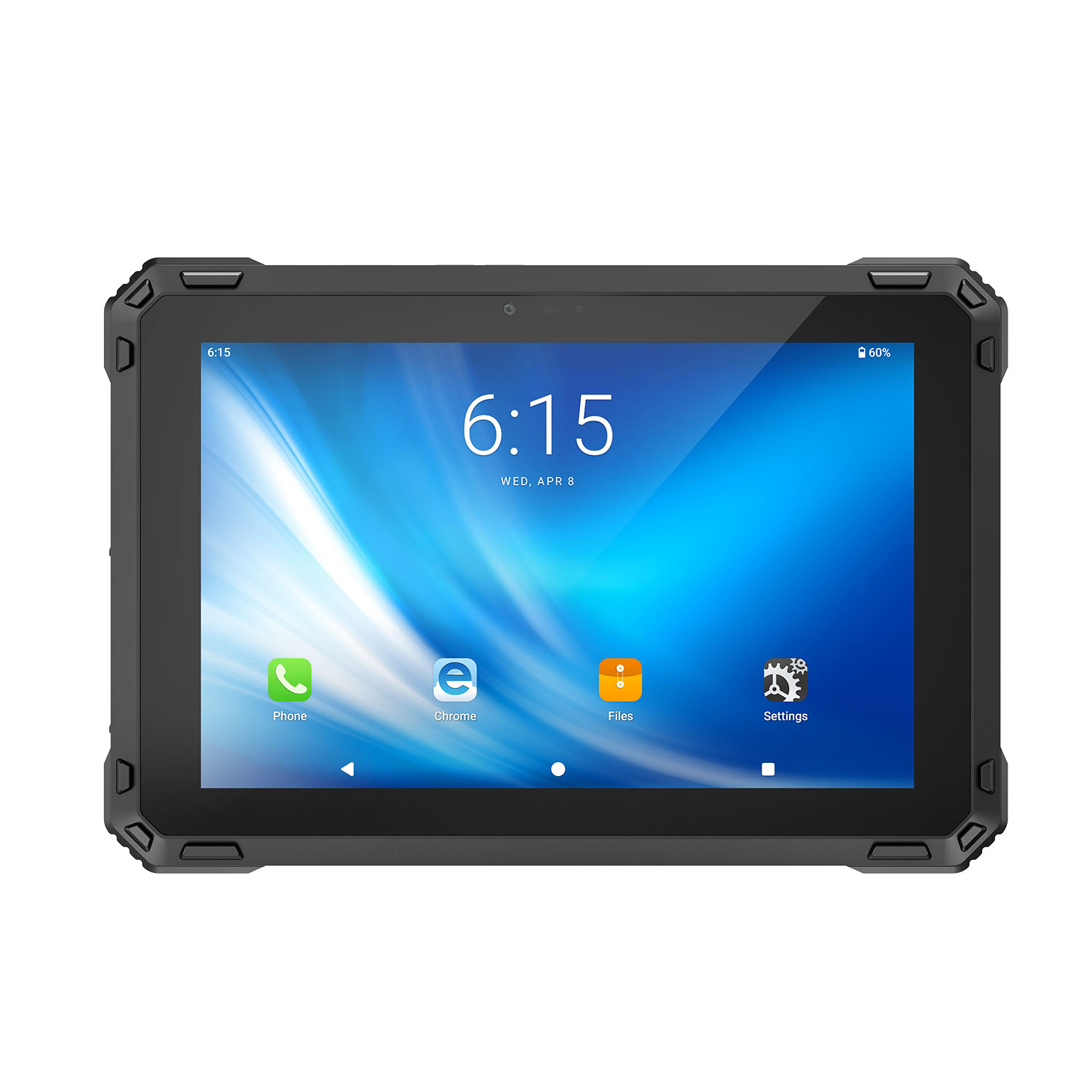 CENAVA A88ST MT6769 8 Inch Android 16 IP68 Rugged Tablet
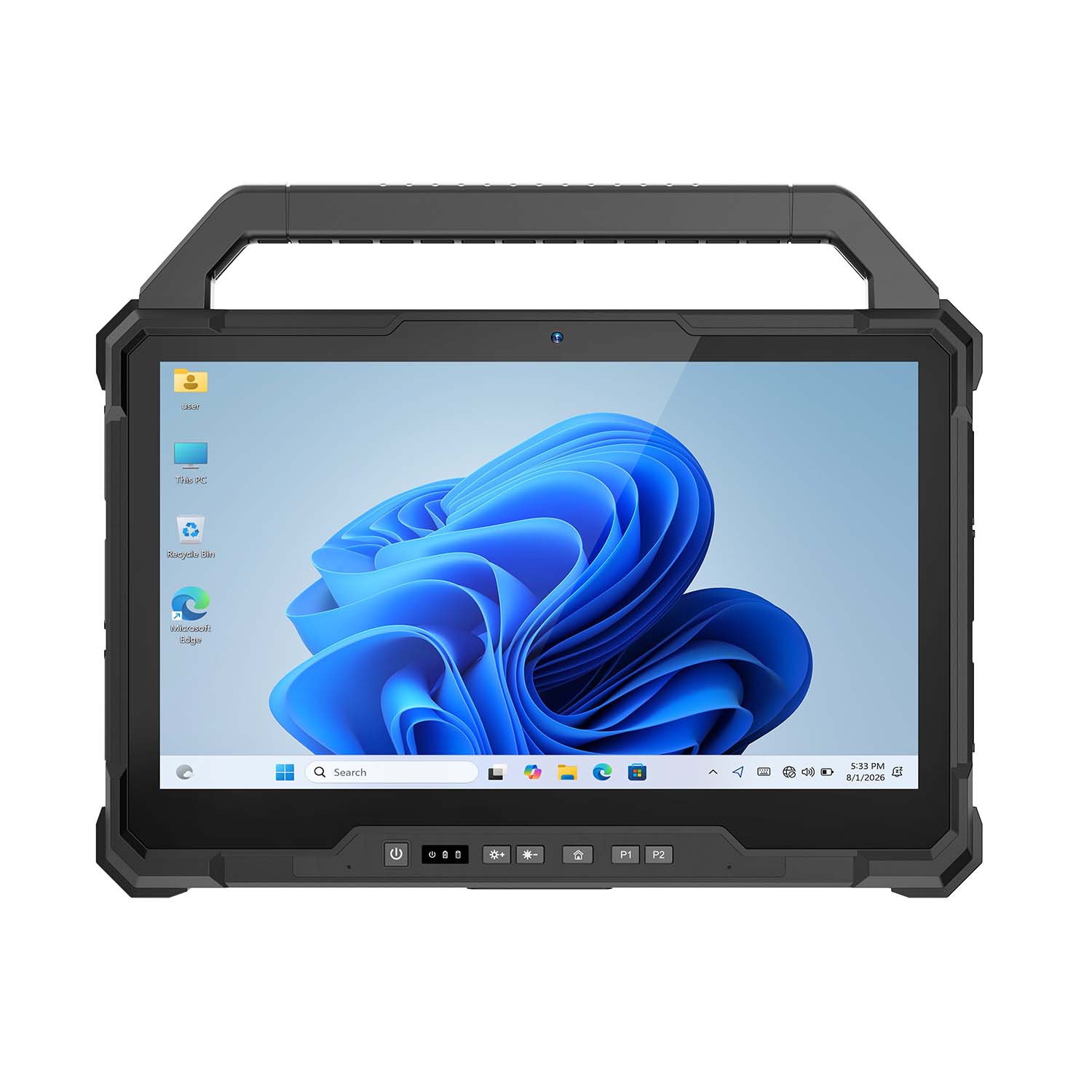 CENAVA W30NS N150 13.3 Inch Win11 IP65 Rugged Tablet
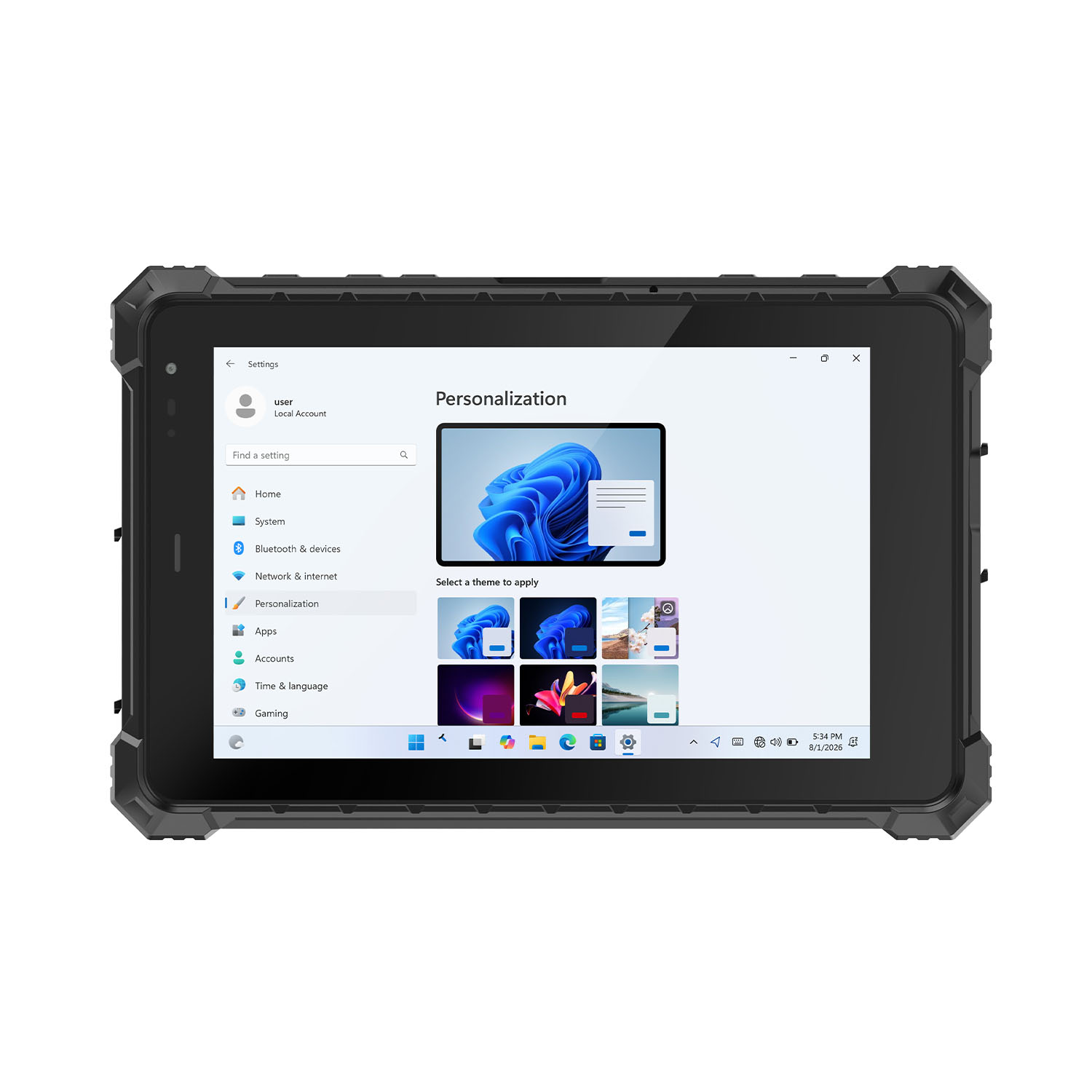 CENAVA W80Y i7-10510Y 8 Inch Win11 IP68 Rugged Gigabit
 CENAVA A10R RK3568 10.1 Inch Android 11 IP68 Rugged Tablet
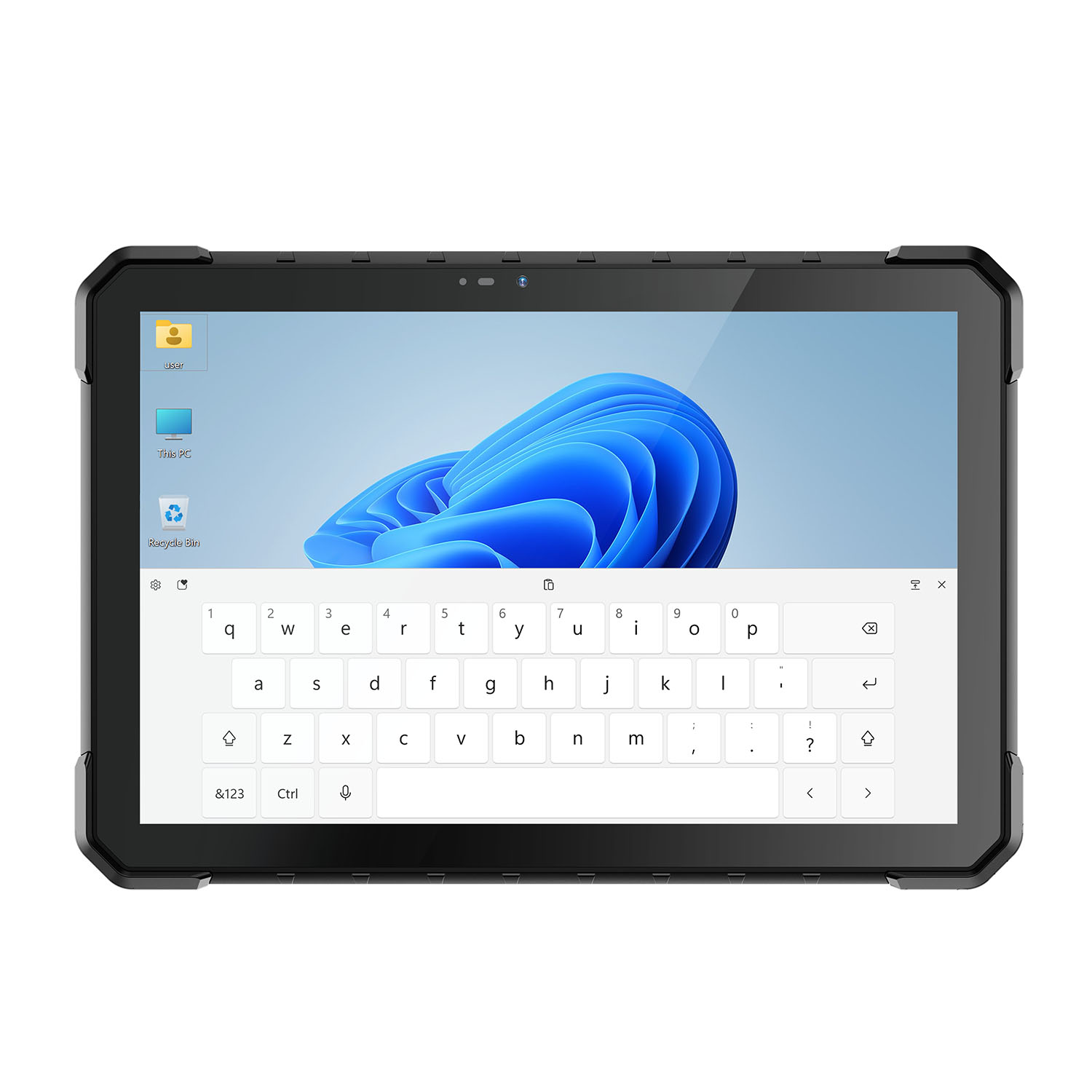 CENAVA W18Y i7-10510Y 10.1 Inch IP68 Industrial Tablet
 CENAVA CXE80C N2930 8 Inch Win10 IP65 Rugged Tablet
 CENAVA A18ST MT8781 10.1 Inch Android 13 IP68 Rugged Tablet
 CENAVA A10R RK3588 10.1 Inch Android 12 IP68 Rugged Tablet
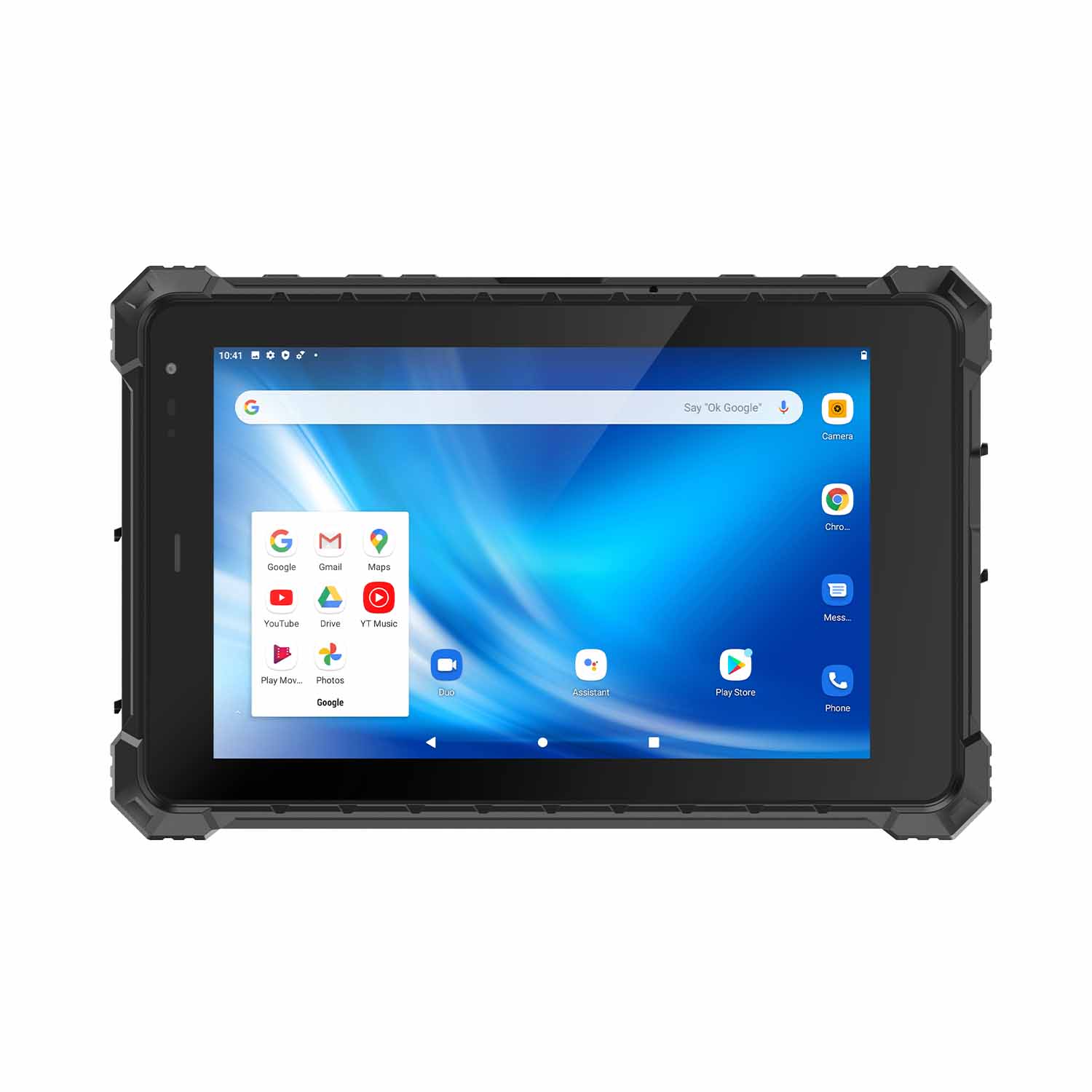 CENAVA A80ST-5G MT6877 8 Inch Android 12 IP68 Rugged Tablet
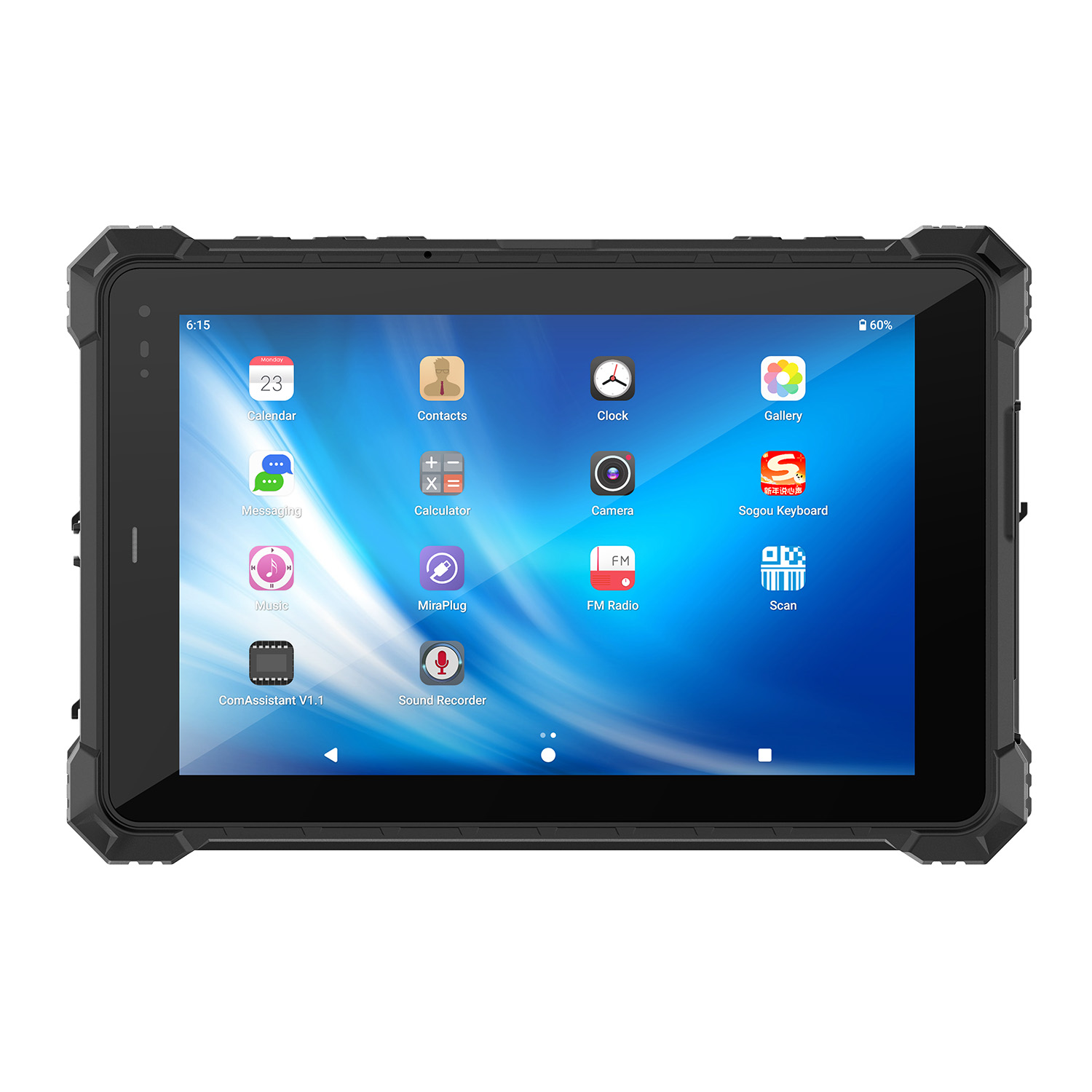 CENAVA A10STX MT8781 10.1 Inch Android 13 IP67 Rugged Tablet
 CENAVA A10ST-5G MT6877 10.1 Inch Android 12 IP68 Rugged Tablet
 CENAVA A10STX-5G MT6877 10.1 inch 5G Rugged Android Tablet
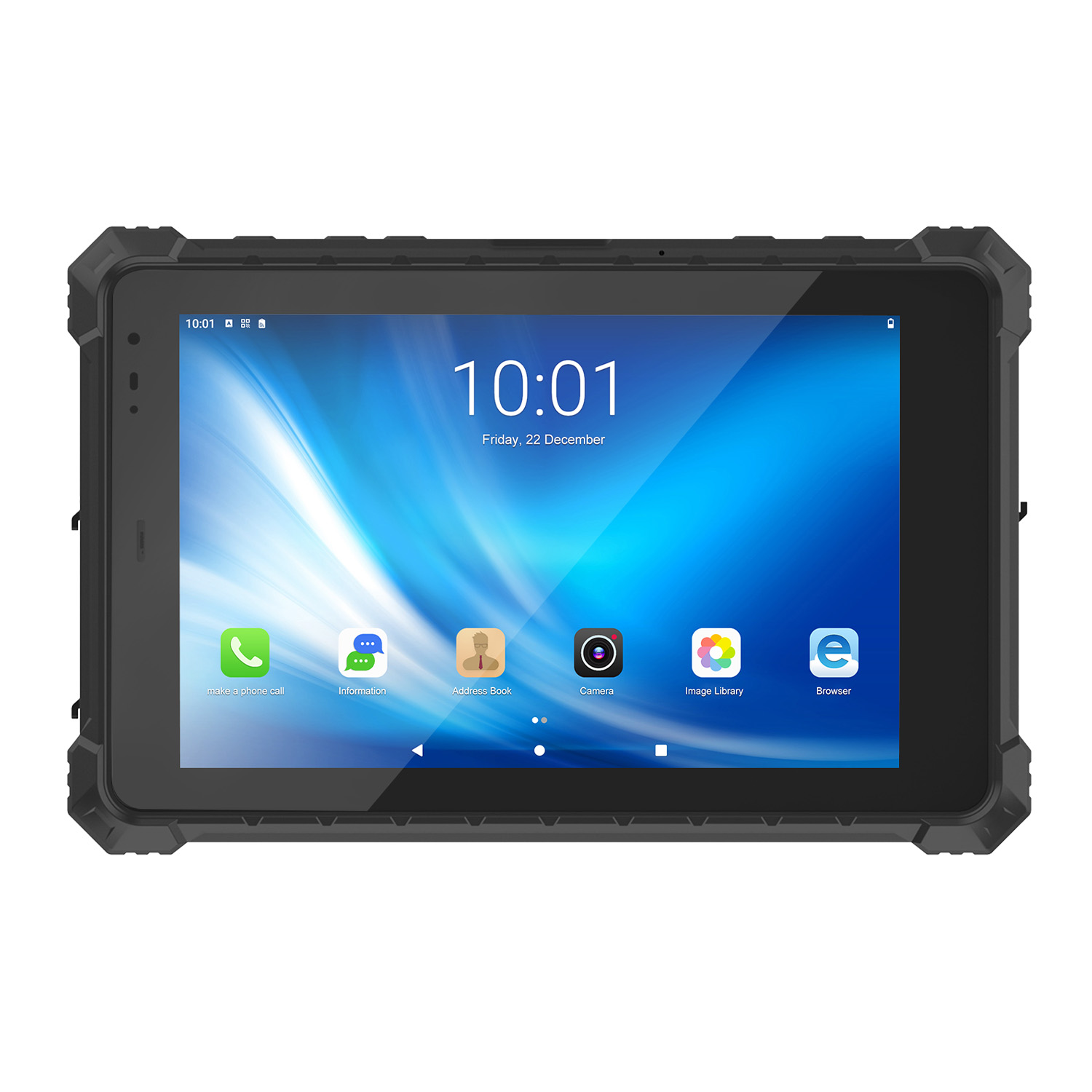 CENAVA A10ST MT6771 10.1 Inch Android 10 IP68 Rugged Tablet
 CENAVA A10STX MT6769 10.1 Inch Android 16 IP67 Rugged Tablet
 CENAVA A10ST MT6769 10.1 Inch Android 16 IP68 Rugged Tablet
 CENAVA A10STX MT6771 10.1 Inch Android 10 IP67 Rugged Tablet
 CENAVA A80ST MT8781 8 Inch Android 13 IP68 Rugged Tablet
 CENAVA A80R RK3588 8 Inch Android 12 IP68 Rugged Tablet
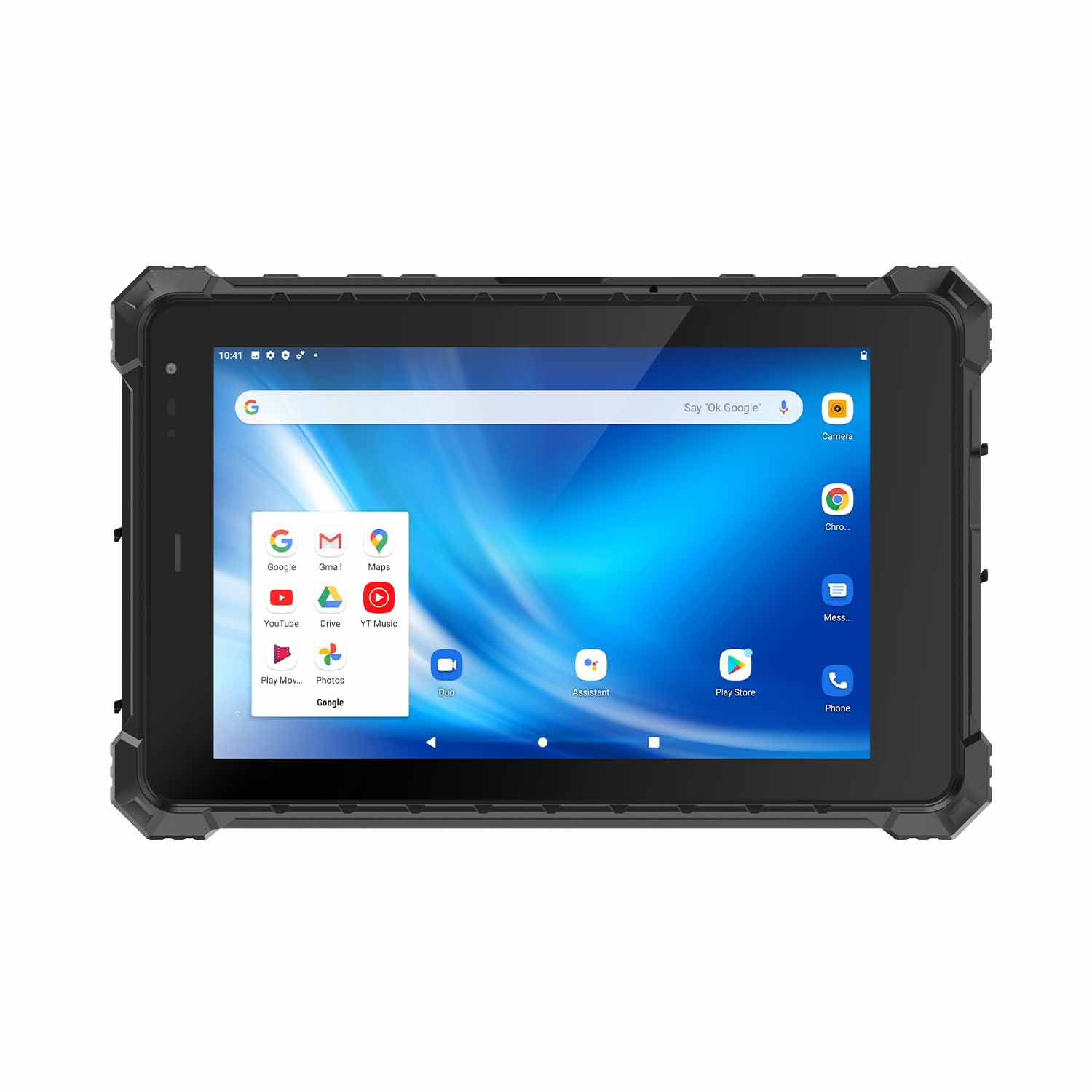 CENAVA A80STX-5G MT6877 8 Inch Android 12 IP67 Rugged Tablet
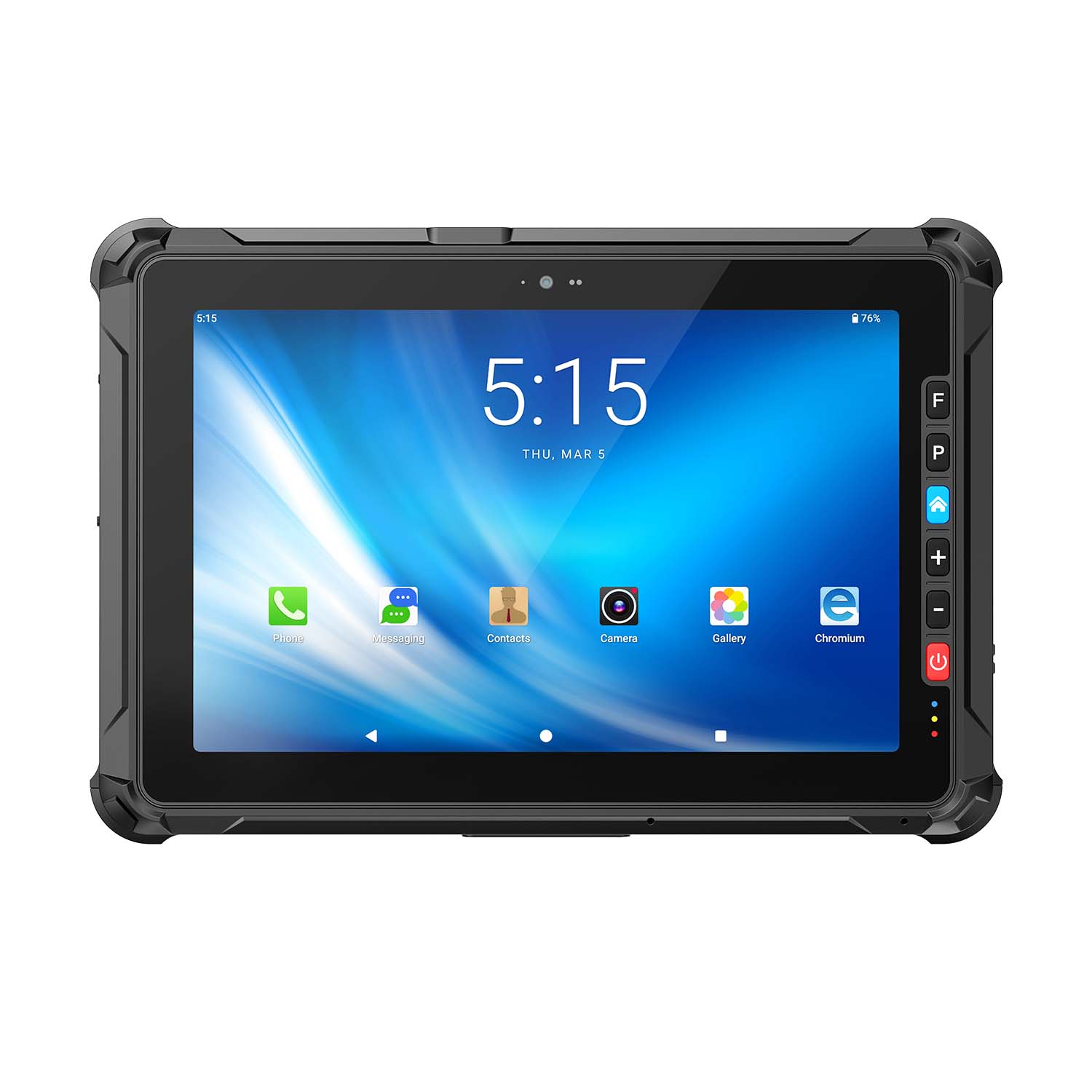 CENAVA A109ST MT8781 10.95 Inch Android 16 IP67 Rugged Tablet
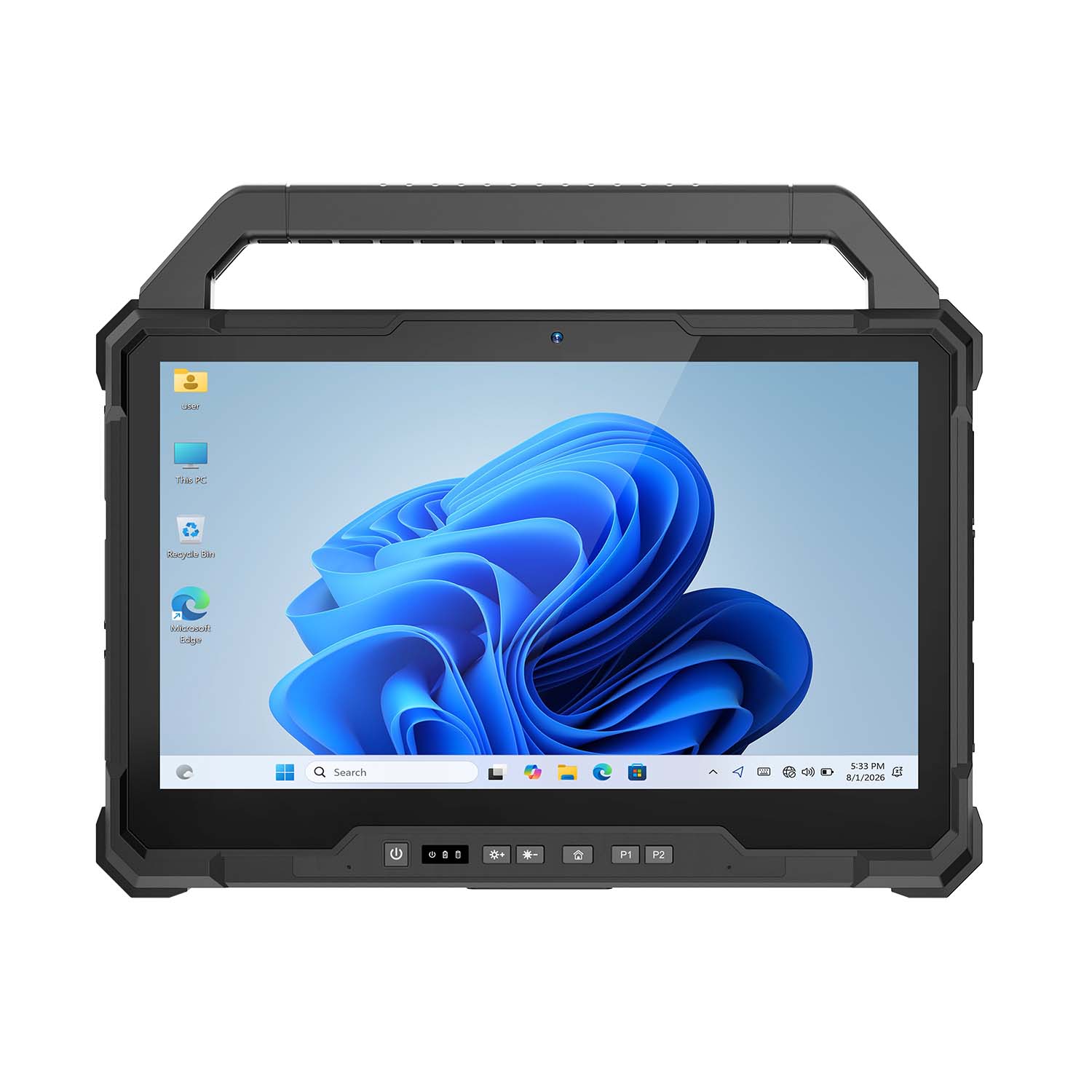 CENAVA W30U Pro Ultra7-155U 13.3 Inch Win11 IP65 Rugged Tablet
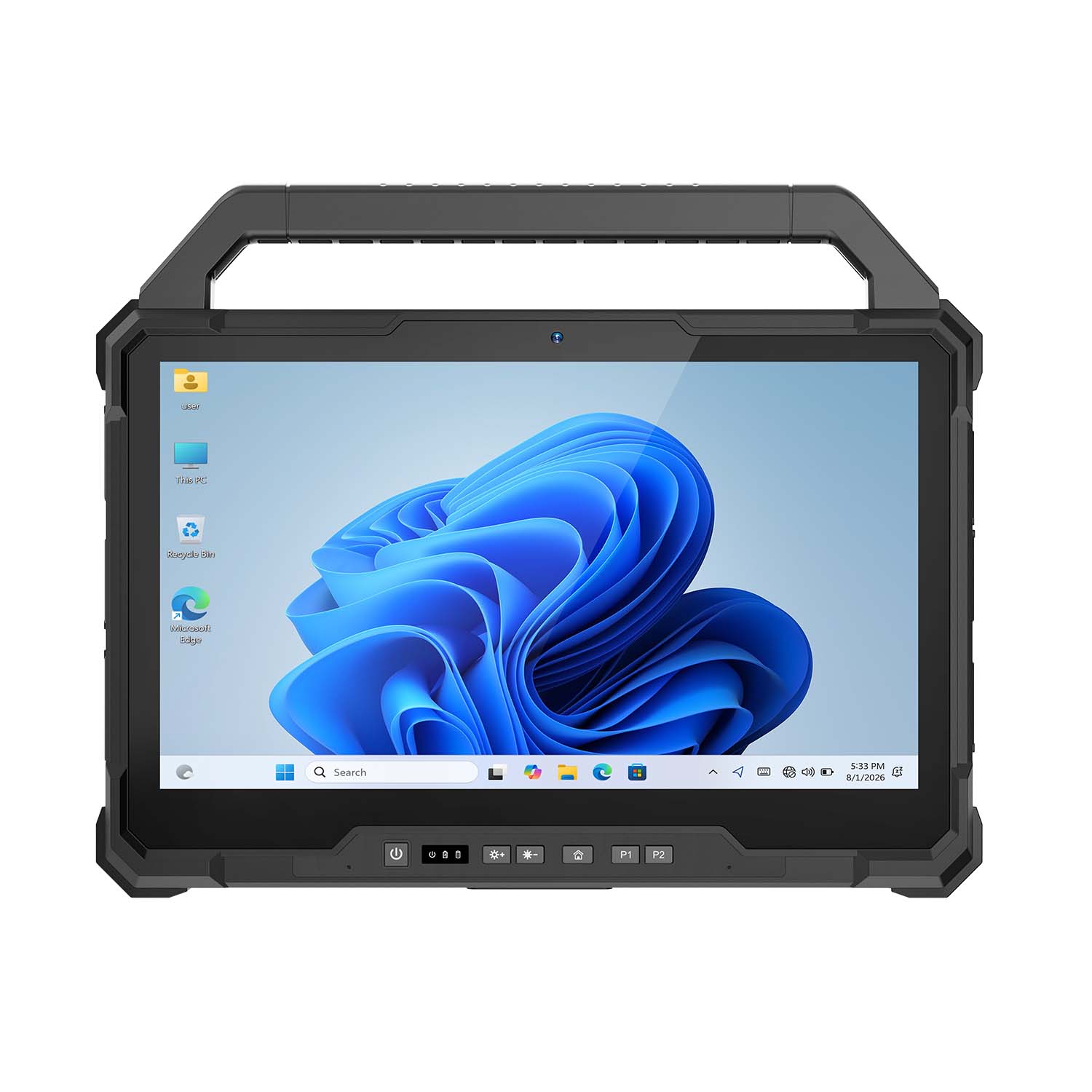 CENAVA W30U i7-1255U 13.3 Inch Win11 IP65 Rugged Tablet
 CENAVA W109NS N150 10.95 Inch Win11 IP67 Rugged Tablet GbE
 CENAVA W109U i5-1235U 10.95 Inch Win11 IP67 Rugged Tablet
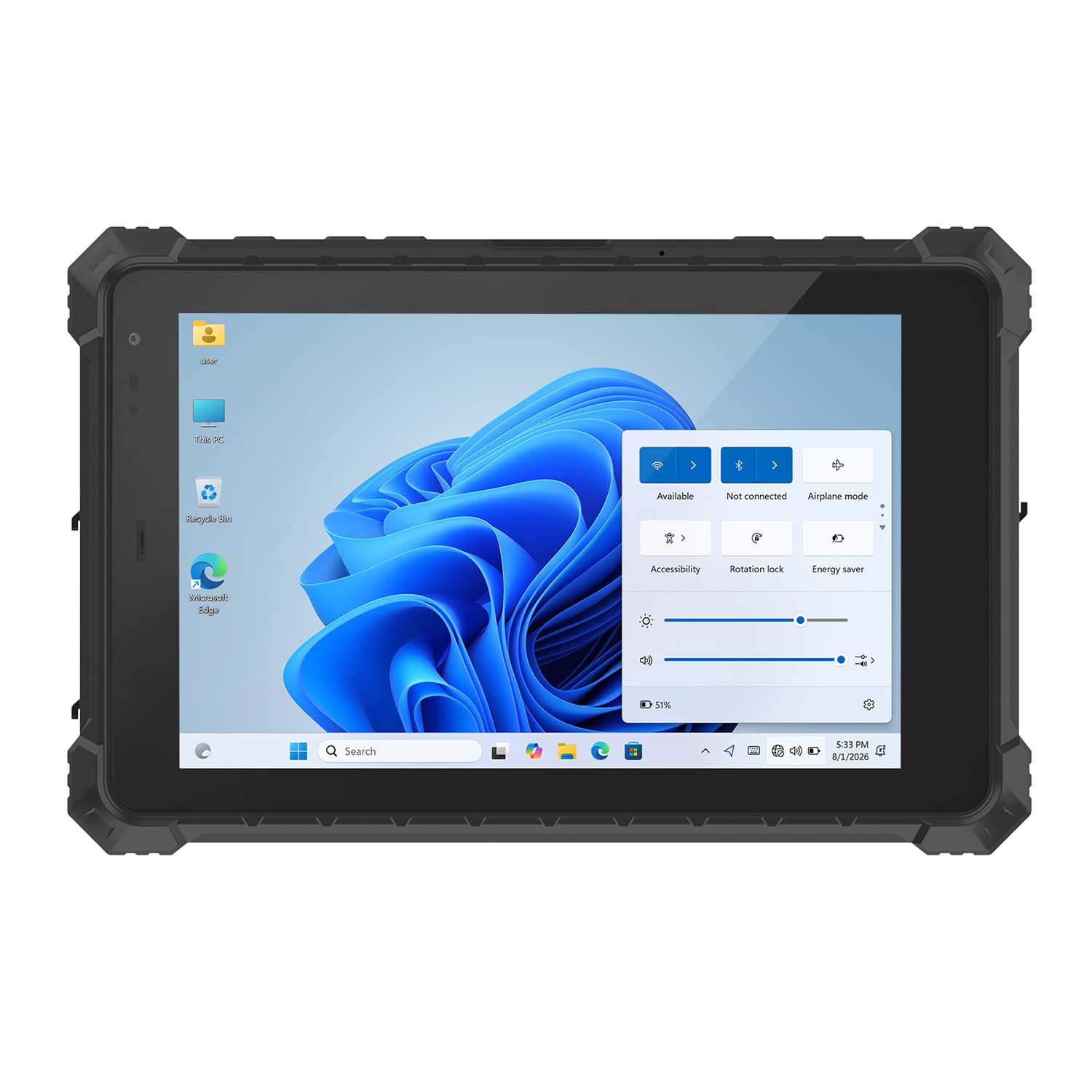 CENAVA W10Y i5-10210Y 10.1 Inch Win11 IP68 Rugged Tablet Full I/O
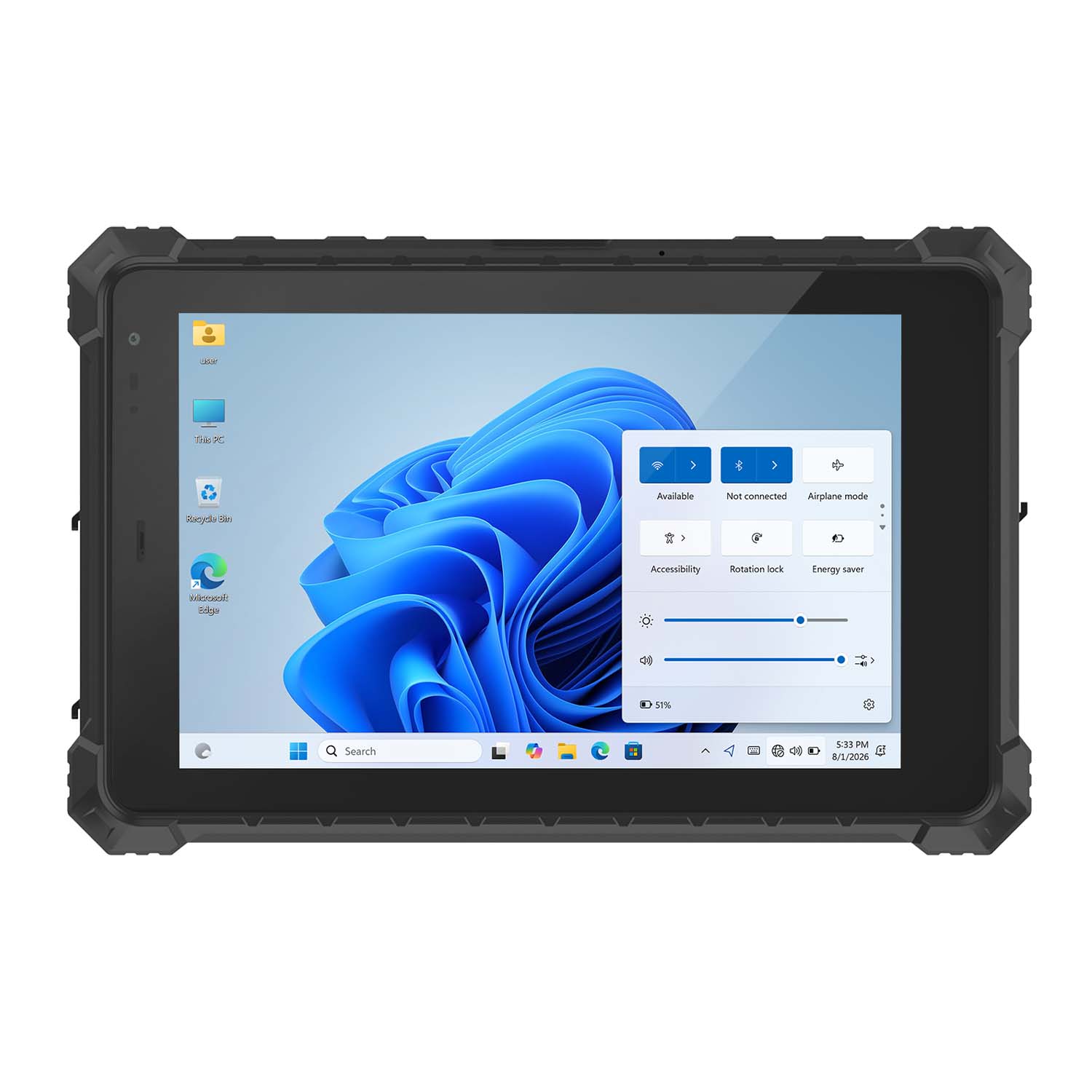 CENAVA W10NPRO N100 10.1 Inch Win11 IP68 Rugged Full I/O
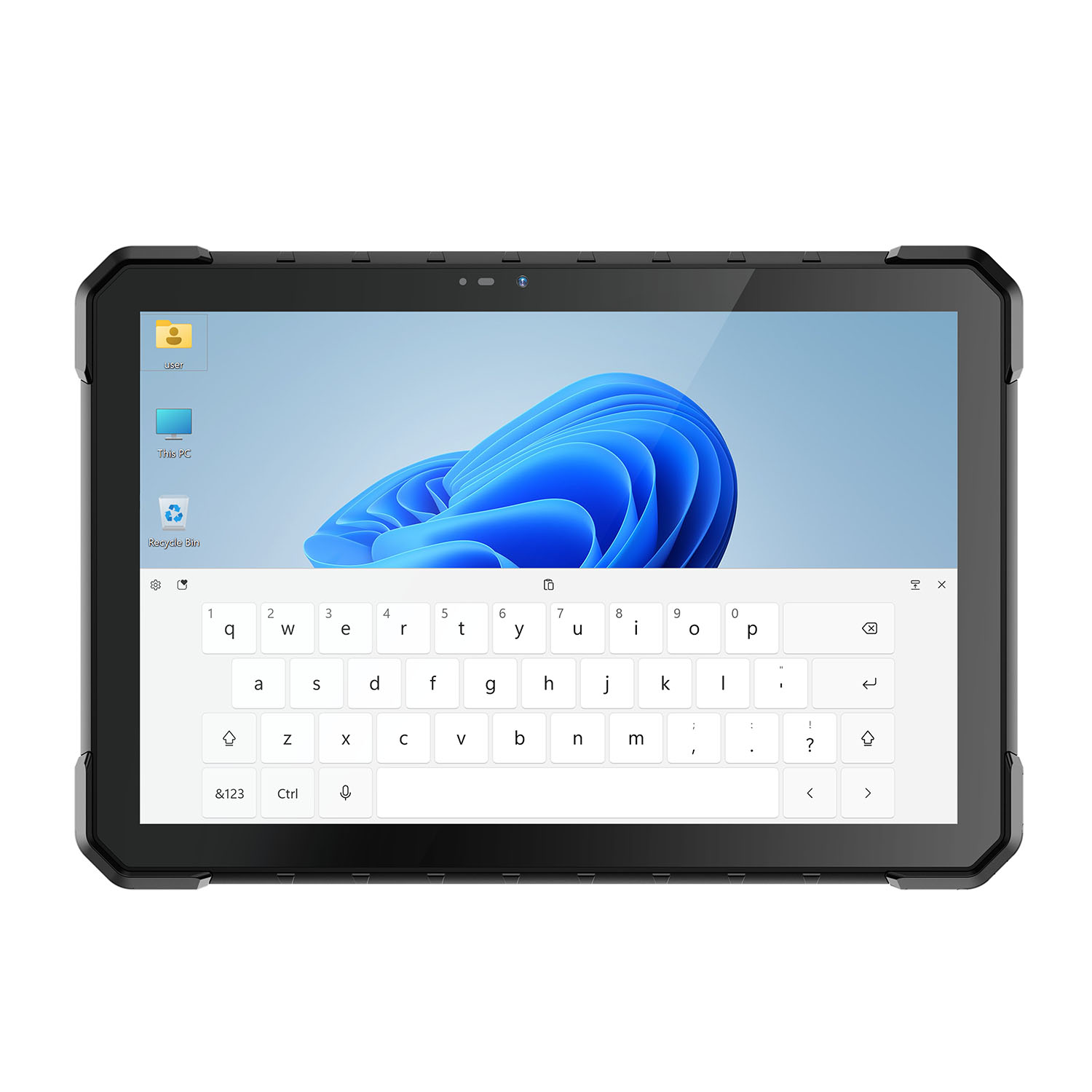 CENAVA W18Y i5-10210Y 10.1 Inch Win11 IP68 Rugged Slim
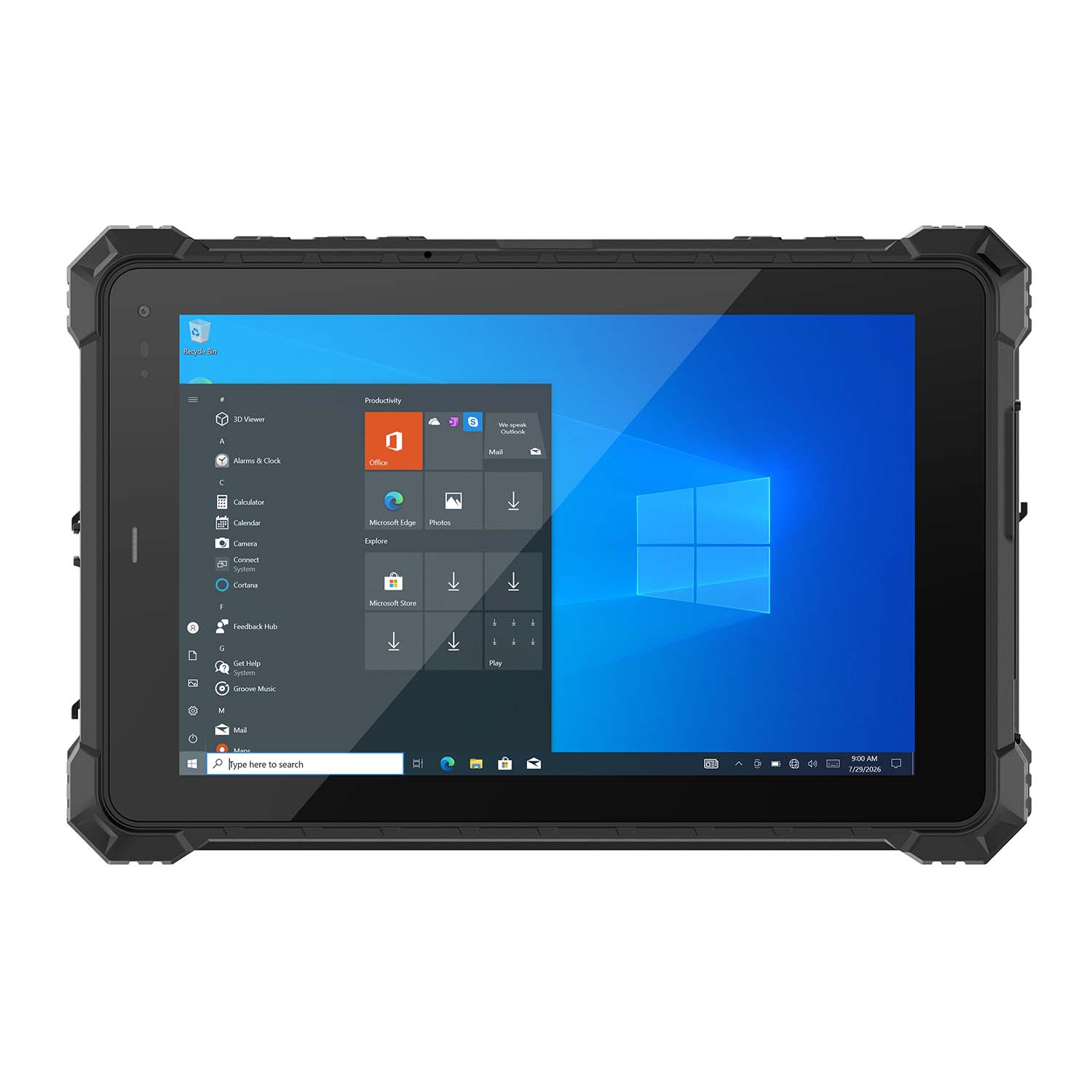 CENAVA W10NX N5100 10.1 Inch Windows IP67 Industrial Tablet
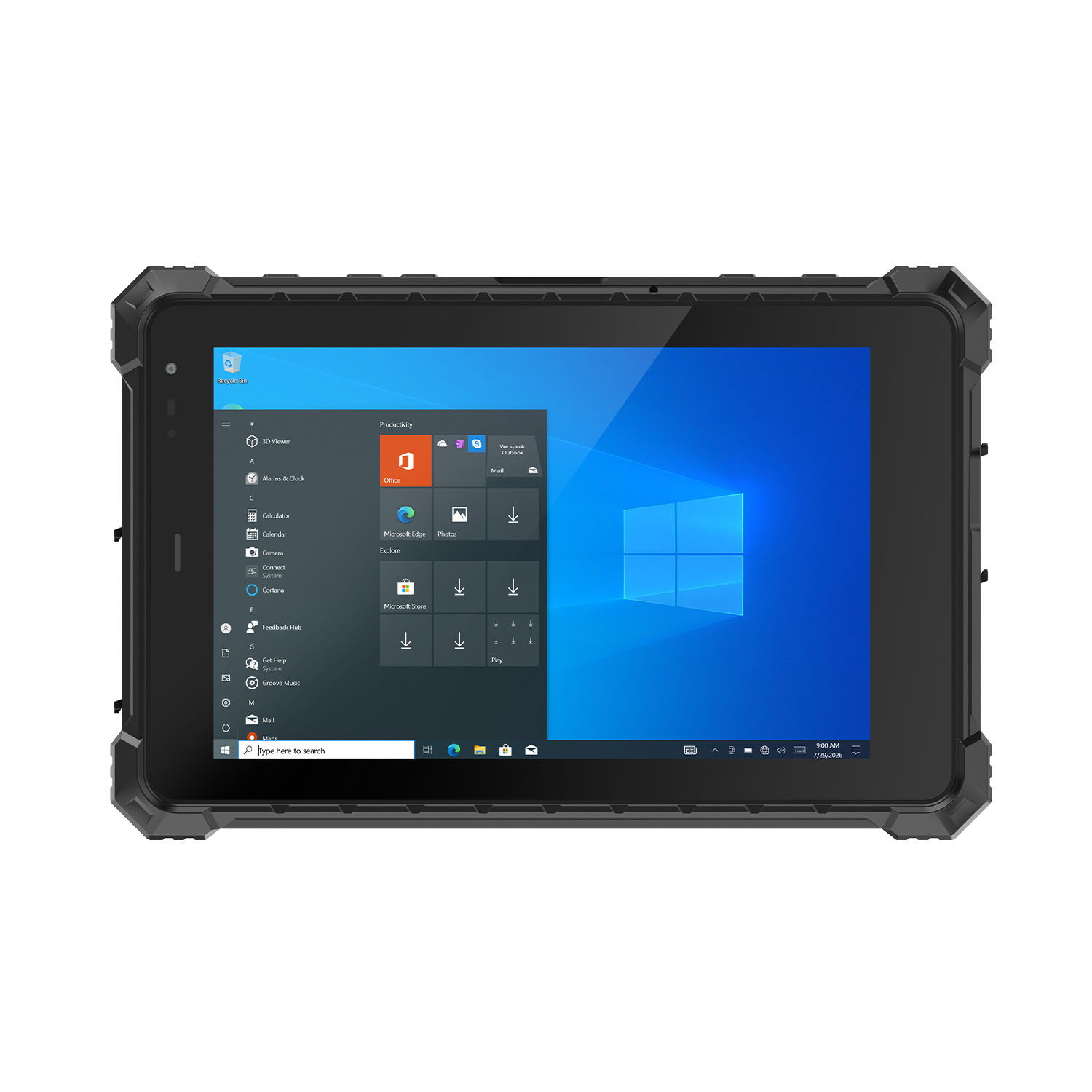 CENAVA W80N N5100 8 Inch Win11 IP68 Windows Rugged Tablet
 CENAVA H10PRO N100 10.1 Inch Win11 Industrial PC | WiFi6 Touch Panel
-1.jpg) CENAVA H55N N5100 5.5" Win11 Mini Industrial PC
CENAVA H55N N5100 5.5" Win11 Mini Industrial PC
 CENAVA H10F N100 10.1" Win11 Industrial Panel PC Touch Computer
 CENAVA H10F N95 10.1" Win11 Industrial Panel PC | WiFi6 Touch Computer
 CENAVA H7S N3350 7 Inch Win10 Entry Industrial PC | POE Fanless Touch Panel
 CENAVA H7 N4020 7" Win10 Compact Industrial PC | POE Fanless Touch Panel
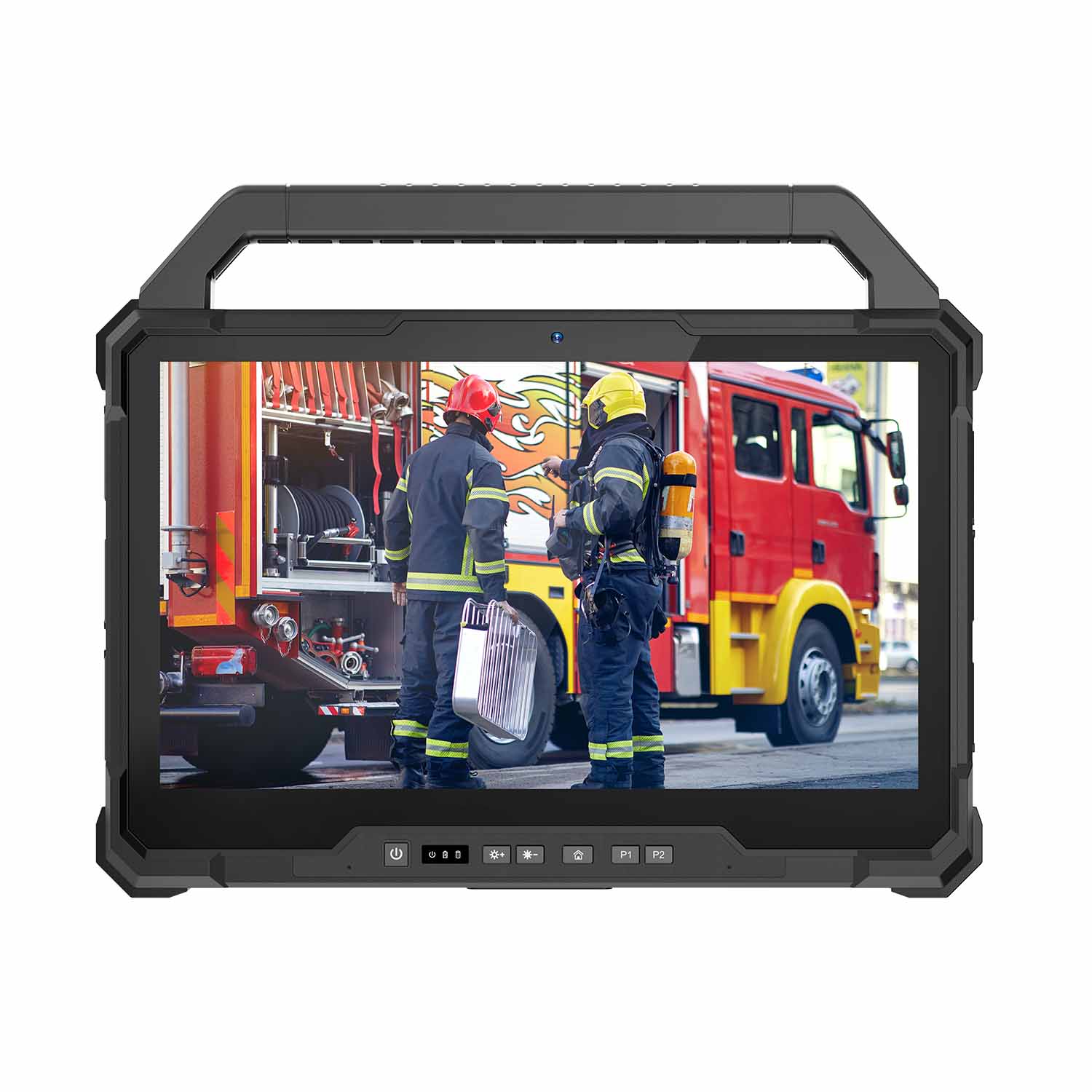 W30U-EX i7-1255U 13.3 Inch Explosion-Proof Windows Tablet
 W30UPro-EX Ultra7-155U ATEX II 2GD Ex ib IIC T5 Gb Explosion-Proof Tablet
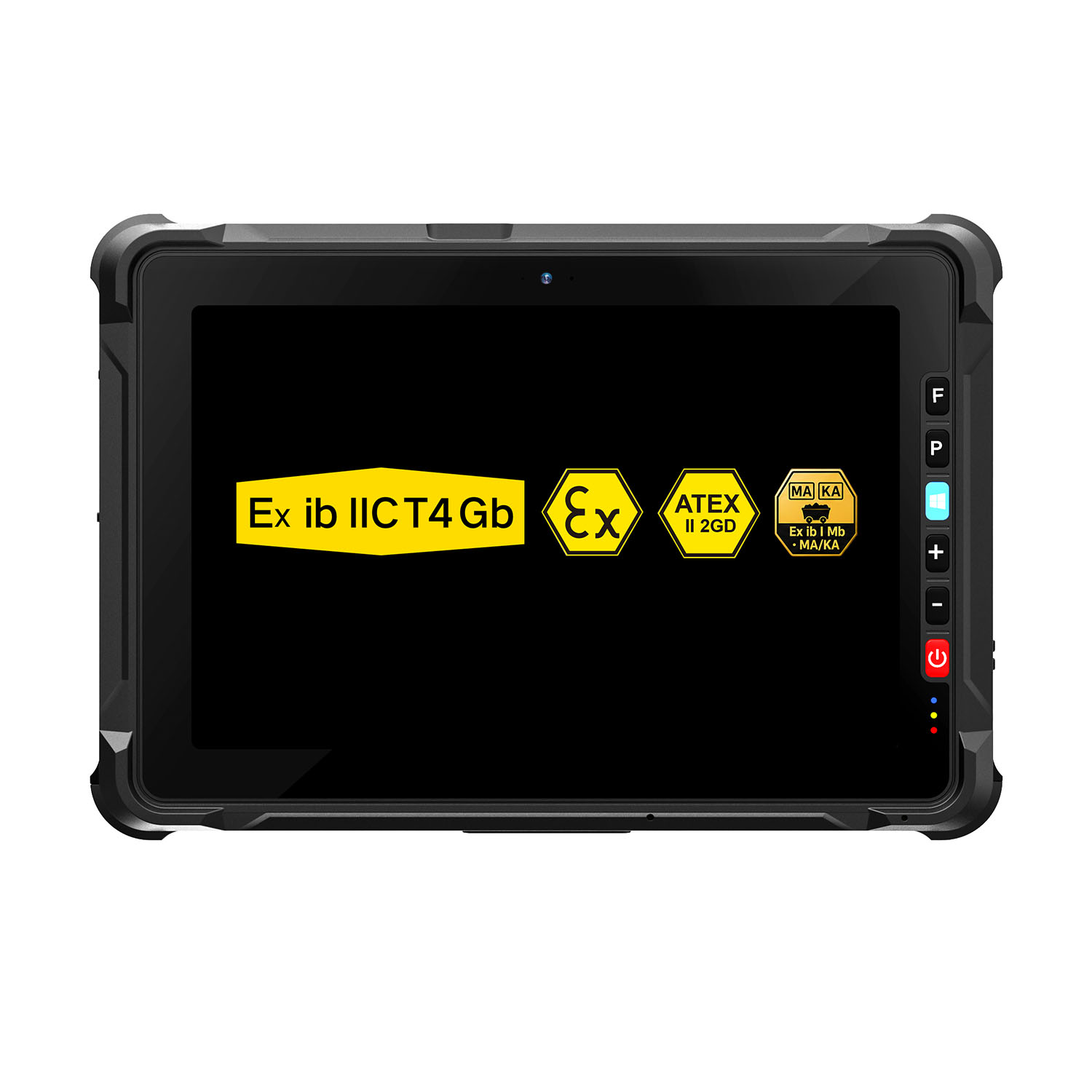 W109NS-EX N150 Explosion-Proof Hazardous Area Windows Tablet
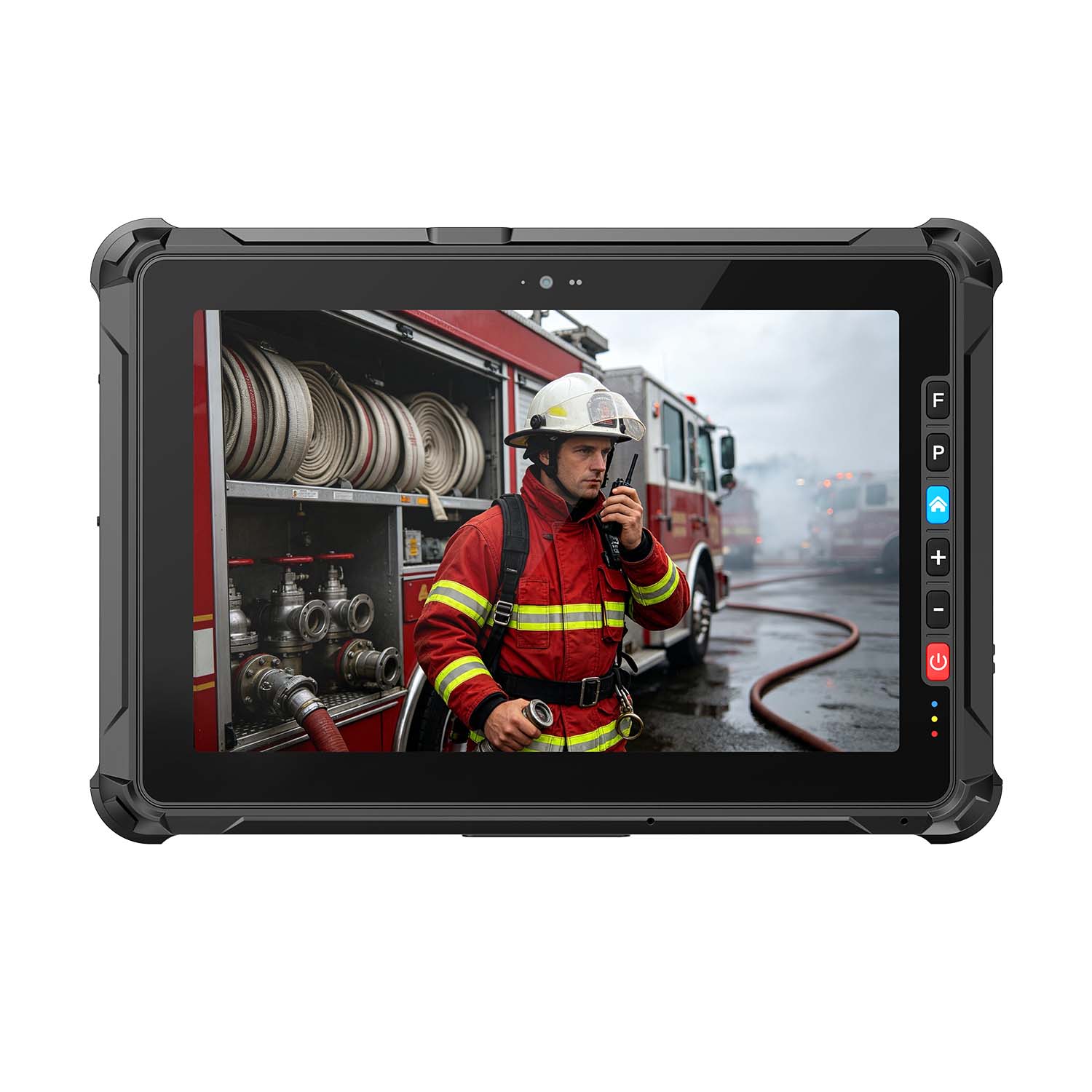 A109ST-EX MT8781 20000mAh Explosion-Proof ATEX II 2GD Android Tablet
.jpg) W10N-EX N5100 Explosion-Proof Intrinsically Safe Windows Tablet
W10N-EX N5100 Explosion-Proof Intrinsically Safe Windows Tablet
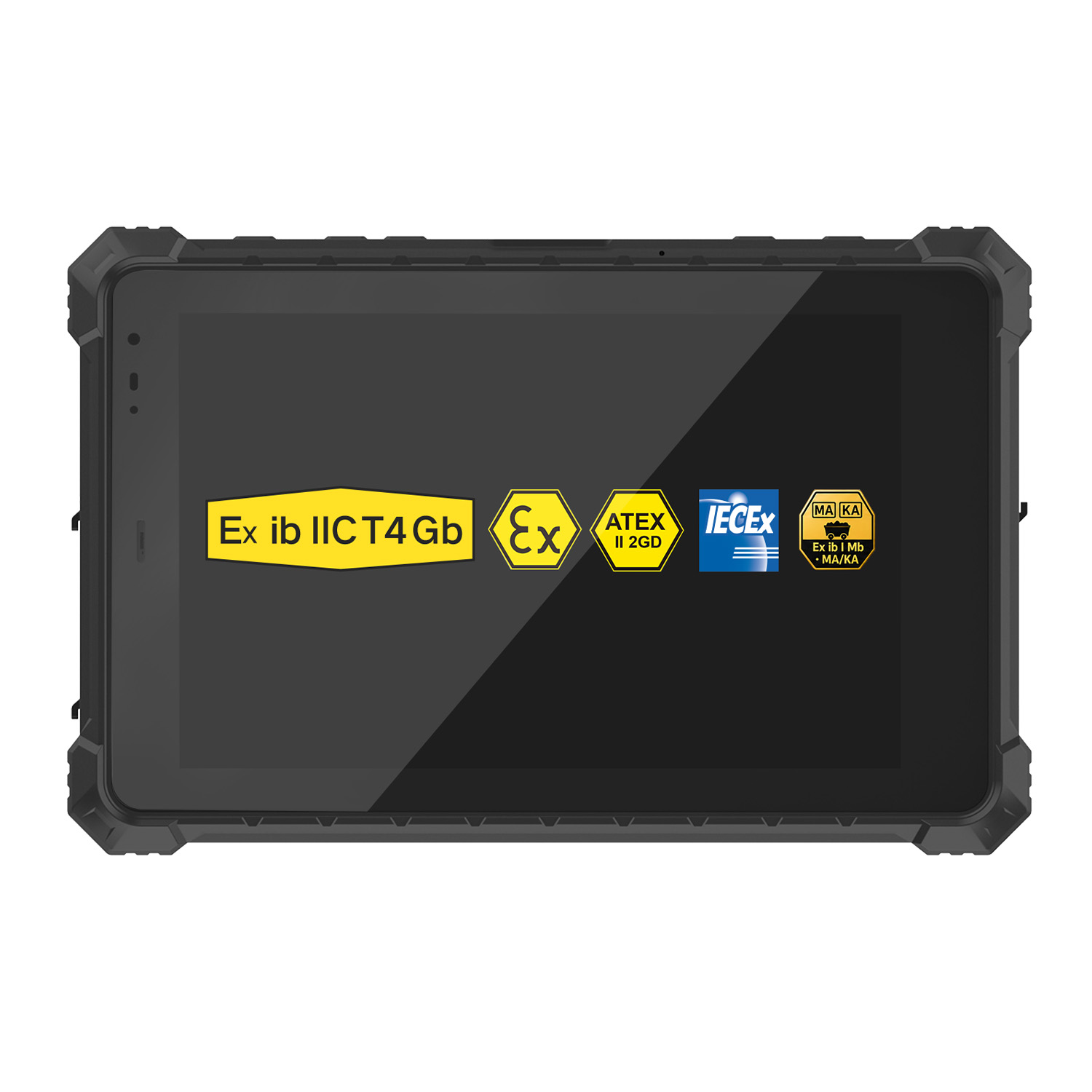 A10ST-EX MT8781 Ex ib IIC T5 Gb Hazardous Area Rugged Tablet
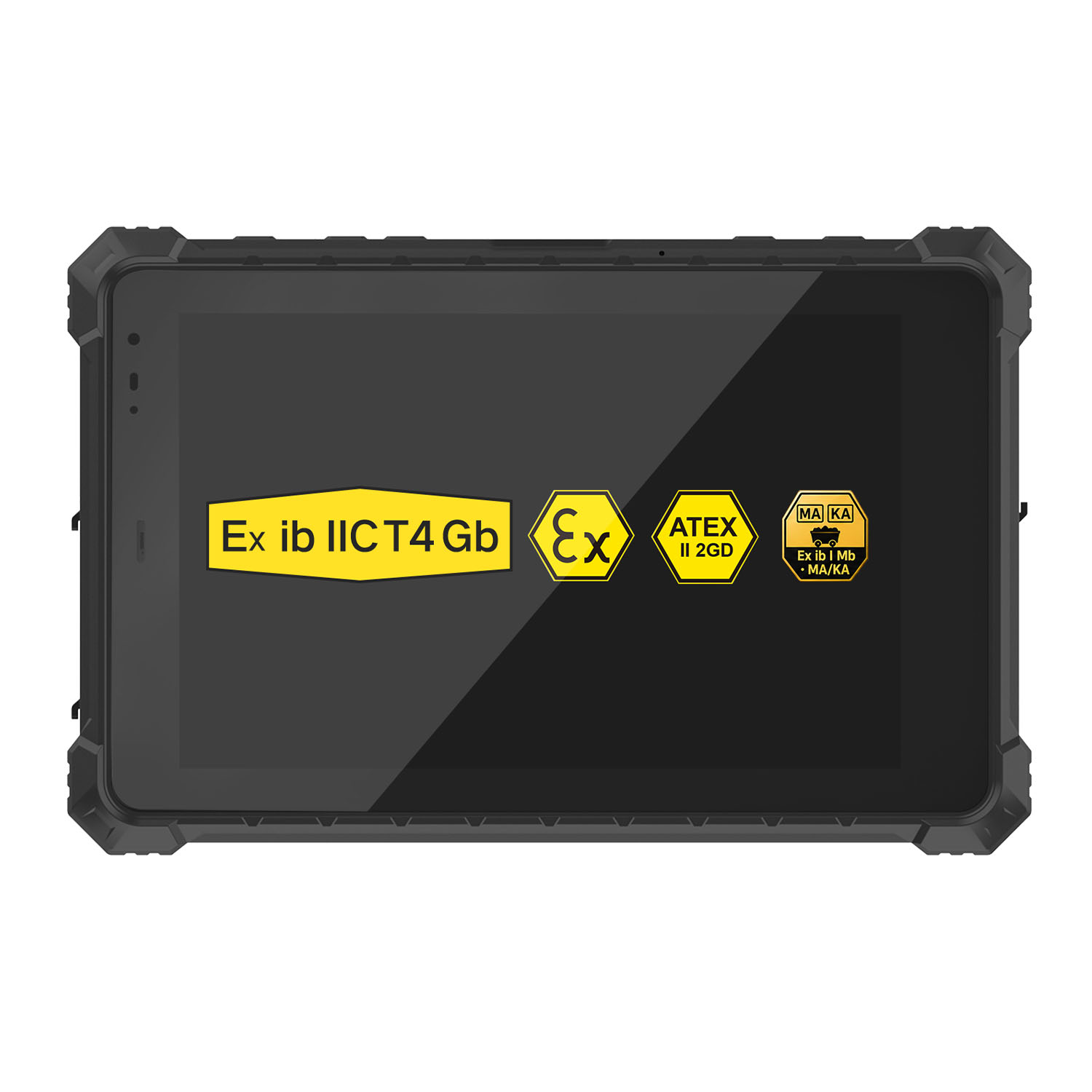 A10R-EX 10.1 Inch Explosion Proof RK3568 Industrial Tablet PC
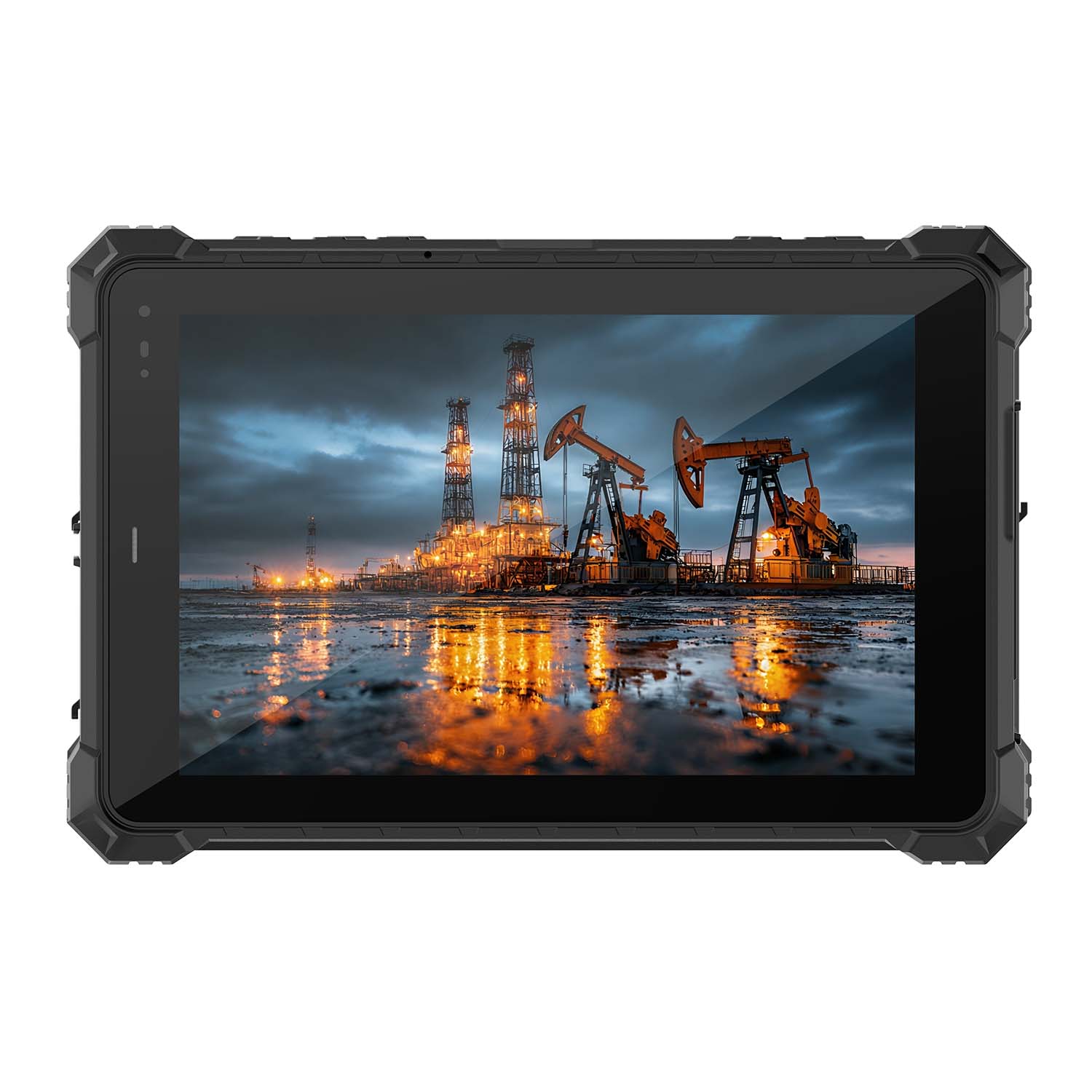 A10STX-EX MT8781 10.1 Inch ATEX II 2GD Android Tablet
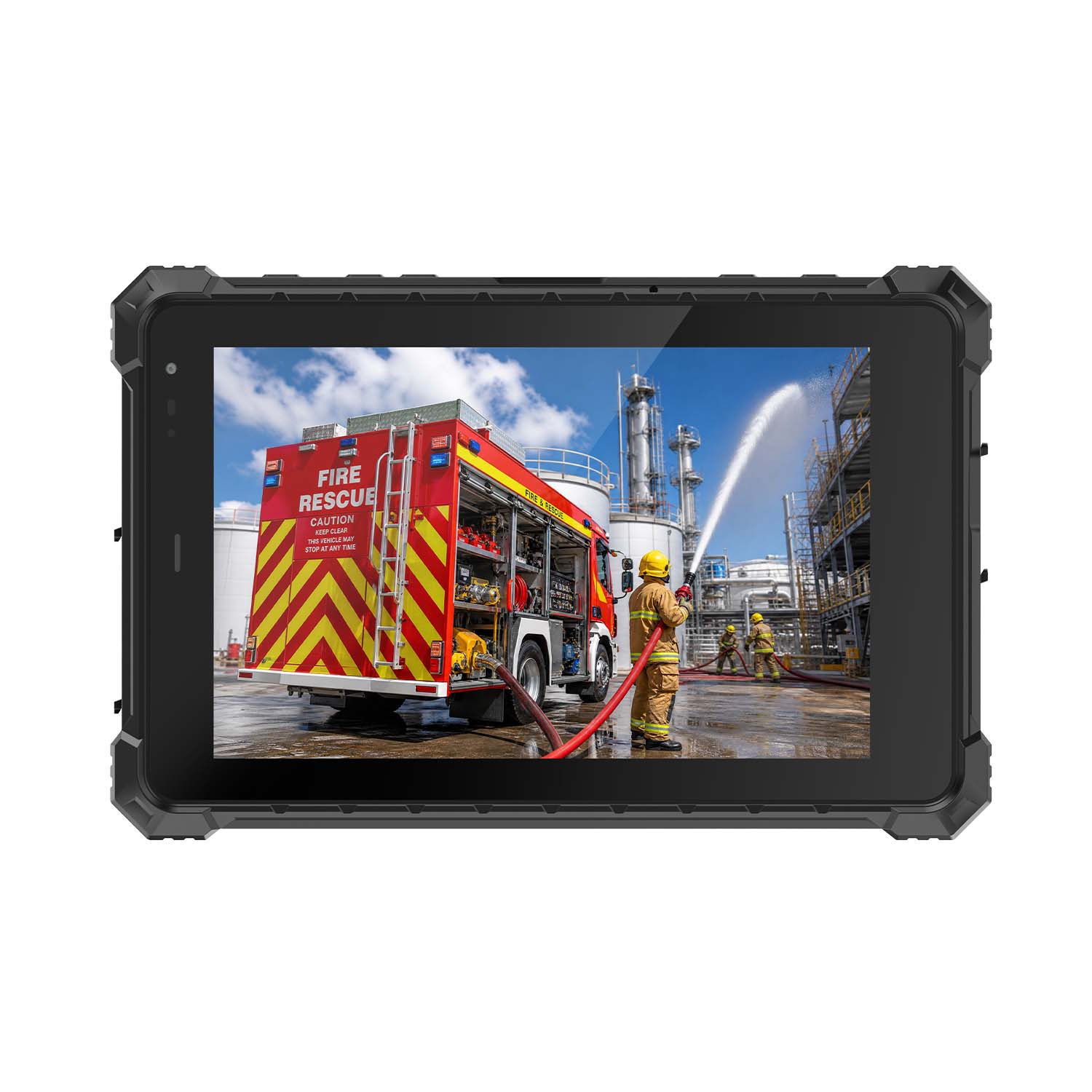 W80N-EX N5100 8 Inch Explosion-Proof Windows ATEX II 2GD Tablet
 A18ST-EX Slim 10.1-Inch Explosion-Proof Android Tablet
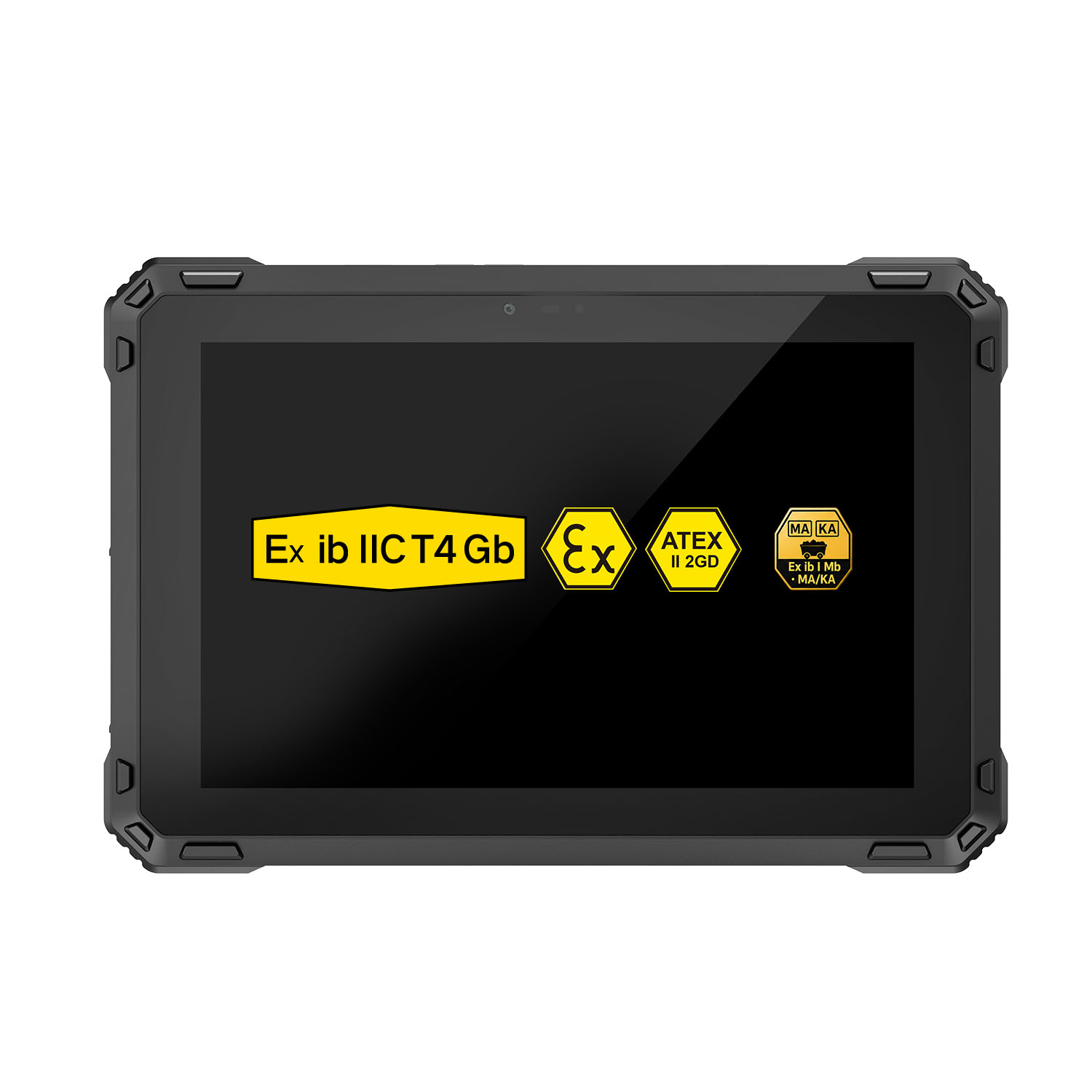 A88ST-EX MT6769 Hazardous Area 8-Inch Explosion-Proof Android Tablet
 A80ST-5G EX MT6877 8 Inch Ex ib ⅡC T4 Gb Explosion Proof Tablet
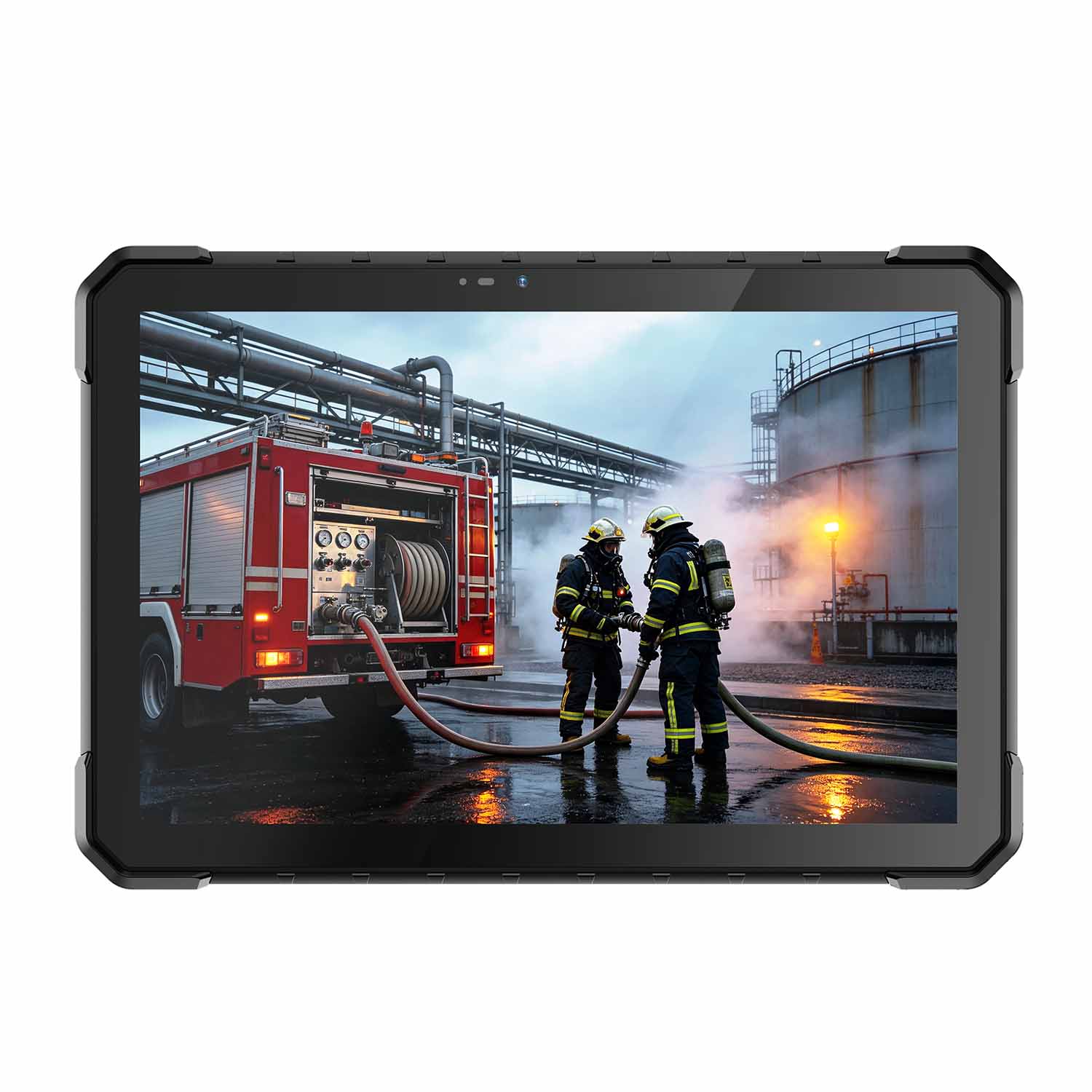 CENAVA W18Y-EX i7 10.1 Inch Explosion-Proof Windows 11 Tablet
 W65G-EX Explosion-Proof Windows Handheld Hazardous Area PDA