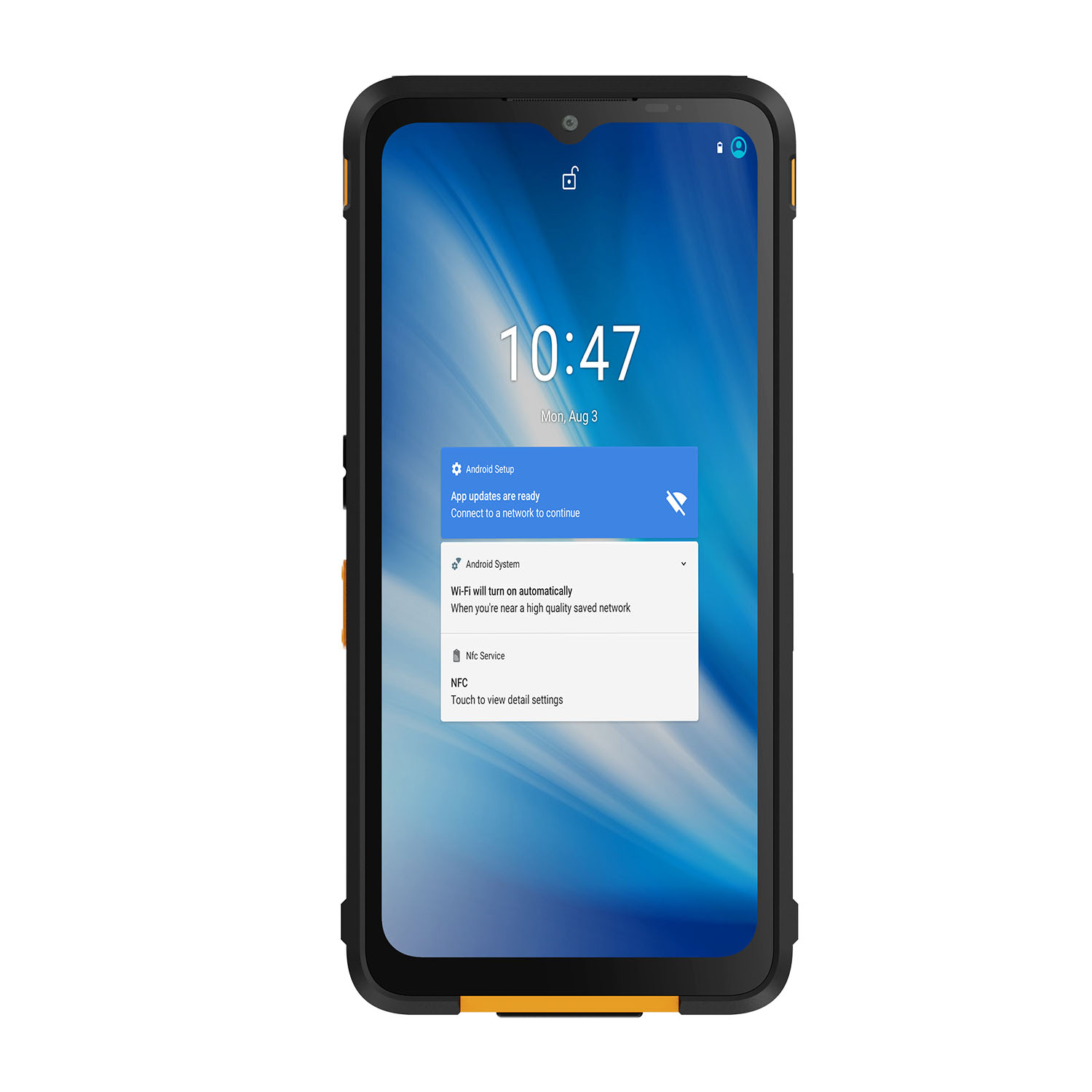
Choose a fuel-depot tablet by mapping the inspection route and hazardous-area boundary first, then matching the exact approved build to the work order, NFC workflow, cleaning regime and charging location.
A fuel depot rugged tablet may move from an office to a loading rack, tank farm or dispenser island during one shift. Those places are not interchangeable. IP68 does not prove ignition protection, while an ATEX mark on one option code does not automatically cover every tablet in the same commercial family.
Fuel depots also combine process safety with transactional work. Operators record seals, meter readings and hose condition; retail staff may identify a driver or fuel card; maintenance teams photograph a leaking cabinet from a safe position. The tablet carries the record — the calibrated meter, payment authority and gas detector behind that record remain certified instruments in their own right.
The physical workflow is unusually demanding. Direct sun reduces screen contrast, hydrocarbon residue changes glove input, and tanker movements leave little room for a technician staring at a form. Our preferred trial therefore measures task completion at a controlled training point before any approved device enters a live classified route.
This guide compares seven manufacturers that address different parts of that operating envelope. The order is not an absolute ranking. Some products target Zone 1 or Division 1 work, several cover selected Zone 2 or Division 2 configurations, and one belongs only in assessed non-classified station areas.
What Defines a Top-Tier Fuel-Depot and Service-Station Tablet Manufacturer?
A credible field-device manufacturer does more than attach a hazardous-area acronym to a standard data sheet. Four capabilities have the greatest effect once a pilot expands beyond 5 or 10 devices:
Configuration-level approval control: The supplier identifies the model, option code, certificate number, gas group, temperature class and permitted zone or division. The buyer receives evidence for the unit being ordered, not a neighboring product.
Workflow-ready accessories: Hand straps, tethers, styluses, docks and charging stations are selected as part of the route. Accessories used in a classified area must remain within the approved documentation for that unit.
Environmental evidence with limits: Ingress, drop, vibration and operating-temperature claims refer to named methods or conditions. Chemical resistance, electrostatic behavior and fuel exposure are not inferred from an IP or MIL-STD statement.
Lifecycle and integration discipline: OS maintenance, device management, repair identity, offline data handling and NFC implementation are addressed across the planned fleet life rather than after deployment.
The Top 7 Fuel Depot Inspection Tablet Manufacturers of 2026
The seven manufacturers below approach depot inspection from different technical positions.
1. i.safe MOBILE (Germany)
i.safe MOBILE specializes in mobile communication equipment for potentially explosive atmospheres. Much of its portfolio is organized around defined Zone and Division use, which makes the brand familiar to chemical, oil and gas operators. For fuel terminals, that specialization is more relevant than a broad consumer feature list.
2. Pepperl+Fuchs / ECOM Instruments (Germany)
Pepperl+Fuchs and its ECOM brand have decades of experience in explosion-protected sensors and mobile devices. Their sales and service channels are accustomed to configuration control in process industries. That background suits depots that already manage certified handhelds alongside fixed Ex equipment.
3. Aegex Technologies (United States)
Aegex focuses on intrinsically safe Windows tablets and mobility programs for energy and chemical operations. Its products address teams that need desktop-compatible applications in higher-protection hazardous locations. For a depot, the handling instructions are as important as the Windows environment.
4. Getac (Taiwan)
Getac has a broad rugged-computing portfolio used in utilities, public safety and industrial field service. The company offers mainstream Windows devices alongside selected EX configurations, allowing an operator to standardize applications while maintaining separate device pools. Color, asset tags and management rules should make those pools unmistakable.
5. DURABOOK (Taiwan)
Narrow between a pump skid and a metering cabinet, a full-size tablet spends the shift in the way. DURABOOK's R8-EX is the 8-inch answer for exactly that gap — with the usual caveat that a smaller chassis leaves less room for battery and antenna, so validate shift-length runtime before standardizing on it.
6. Winmate (Taiwan)
The M101S-EX is Winmate's direct bid for this exact use case: one Windows tablet, two regional certification paths, aimed at integrators who must dock the same unit in a vehicle cradle and on a fixed workstation. The certification path — IECEx or the regional scheme — must be chosen at order time; they are not interchangeable after delivery.
7. CENAVA (China)
CENAVA develops rugged tablets and industrial mobile computers for inspection, logistics and hazardous-area projects. Its OEM approach is useful when a depot needs a defined Android build, accessories and application integration within one project. The commercial benefit depends on keeping the certified identity unchanged from sample to volume order.
Key Products: The CENAVA A10ST-EX is a 10.1-inch Android tablet with IP68 protection. CENAVA publishes the Zone 2/22 IECEx certificate IECEx CSAE 24.0031X with Ex ic IIC T4 Gc / Ex ic IIIC T135°C Dc, and the EU Zone 2/22 certificate CSANe 24ATEX1144X with II 3GD marking. The A10ST family also includes an Ex ib IIC T4 Gb variant for Zone 1 routes — a different option code, a different certificate, and a different price; the Zone 2/22 documents above do not cover it, so name the zone in your inquiry.
Why They're on the List — Core Strength: CENAVA provides an OEM-oriented route for combining a named Zone 2/22 tablet build with inspection forms and project-specific accessories.
The A10ST-EX fits a fuel-depot workflow that captures equipment condition, exceptions and selected tag data on a matching route. A separate voluntary technical-verification document should not be presented as a formal Zone 1 ATEX certificate. The European Commission's ATEX guidance explains the EU conformity framework and economic-operator responsibilities.
Project confirmation is justified when an exact regional or NFC configuration is required. In that case, contact CENAVA with the country; depot or station type; application environment; zone or division, gas group and temperature class; issued glove and cleaning agent; required app and OS; country, operator and SIM/eSIM requirement if cellular service is needed; NFC card technology and application if fuel-card reading is required; plus the intended dock, charging location and accessories. Do not send cryptographic keys in an initial sales inquiry.

How to Choose the Right Manufacturer for Your Application
Manufacturer selection becomes manageable once the team converts a depot or station into specific routes, tasks and acceptance evidence. The work breaks into a few workstreams; keep price, certification and workflow claims in this order.
Define Your Operating Environment
Overlay the approved hazardous-area drawing on the real walking route. Mark dispensers, tanker unloading, vapor recovery, pump rooms, loading racks, tank bunds and safe charging points. Note where an employee crosses from a non-classified office into Zone 2, Zone 1 or a North American Division location.
Separate the evidence. IEC 60529 addresses enclosure ingress protection, while MIL-STD-810 provides environmental test methods. OSHA 1910.307 addresses hazardous classified locations in the United States. An NFC reader, a payment-certified terminal and fuel-resistant housing are three separate qualification steps — IEC 60529, MIL-STD-810 and OSHA 1910.307 each answer only their own question.
Record the cleaning agent by product name and concentration. Gasoline, diesel, ethanol blends and urea solution create different residues, and the approved cleaning instruction may be narrower than the site's habitual solvent. A controlled material check is safer than wiping a pilot unit repeatedly with an undocumented chemical.
Clarify Performance Requirements
Build a 20-job acceptance script: 5 normal inspections, 5 photographs, 5 tag or card reads and 5 exception records. Introduce one wrong asset, one interrupted connection and one damaged label. The reviewer should measure task completion and recovery rather than relying on a polished demonstration.
Use the issued gloves. A screen advertised for glove input may behave differently with wet nitrile, coated cut-resistant material or a loose winter glove. Testing belongs at a controlled training point or other approved location; a live classified route is never a test bench.
Daylight and movement need separate checks. Read a seal number at the normal angle, attach the final tether and complete the form away from vehicle paths. The best interface is sometimes the one that lets a technician stop after 15 seconds, look up and resume without losing the record.
Consider Software & Integration
An nfc tablet for fuel card operations must match the actual card technology and business process. Ask whether the card uses ISO/IEC 14443 or another interface, whether the task reads a public identifier or a secured application, and which software owns authorization. An NFC logo does not mean compatibility with every MIFARE, DESFire, FeliCa or EMV contactless implementation.
Keep payment and identification roles distinct. Reading an employee or fleet identifier into a work order is different from processing a financial transaction. If the tablet touches payment data, the acquiring bank, payment application and PCI scope need a separate review; a rugged enclosure does not establish payment certification.
Start the inspection-app test offline. Cache the route, record photographs, queue changes and expose synchronization status to the operator. When the link returns, the system should resolve edits without duplicate work orders. Cellular coverage depends on country, operator, band and site conditions, so no single SKU deserves a worldwide claim.
Analyze Total Cost of Ownership (TCO) vs. Initial Cost
Include approved accessories, safe-area chargers, spare batteries, device-management licensing, application validation, training and repair logistics. Store certified and ordinary builds as separate stock items — same look, different approval, and a shared appearance without that separation raises risk instead of lowering cost.
Operational re-entry belongs in the model. As an illustrative calculation, 8 operators completing 2 loading or inspection rounds each and losing 9 minutes per round consume 144 staff-minutes a day. Replace those assumptions with measured pilot values, then compare the saving with the annualized fleet cost.
Inspect the repair path as well. Ask how a returned unit retains its option identity, whether a replacement carries the same approval route, and how the device record is updated. A fast swap is useful only when it does not introduce an ordinary unit into a classified work pack.
Future Trends in Fuel-Depot and Gas-Station Field Tablets
The next generation of projects will emphasize evidence and workflow control rather than adding more unchecked feature claims. The changes already showing up in 2026 procurement:
Area-aware device assignment: Device-management systems will increasingly bind each serial number to an approved route or work group. A supervisor will see the mismatch before issuing the job.
Offline identity and transaction separation: Inspection apps will store operational identifiers locally while keeping payment authorization in its governed system. Clear sync status will matter more than a vague “always connected” promise.
More disciplined NFC qualification: Buyers will specify card family, application, security ownership and read objective before ordering. Pilot results will record the exact card sample rather than claiming universal NFC compatibility.
Assisted visual review with bounded decisions: On-device models may flag an unreadable seal, hose-surface change or missing label for human review. They should not declare leak safety, approve custody transfer or replace a calibrated instrument.
 Conclusion
For selected high-protection fuel-terminal tasks, i.safe MOBILE, Pepperl+Fuchs/ECOM and Aegex offer relevant routes, while Getac, DURABOOK, Winmate and CENAVA address particular Zone 2 or Division 2 configurations. For the non-classified office, shop and retail areas of the same site, a standard enterprise rugged tablet with managed Android is sufficient — hazardous-area approval is not required where the area drawing says so.
The useful comparison is never “IP68 versus IP65” by itself. A depot needs the exact certificate build for each classified route, a separate NFC and payment-integration decision, and a controlled place for charging. IP ratings and MIL-STD-810G/H methods remain valuable environmental evidence, but they do not replace ignition-protection or legal-metrology requirements.
A sound fuel depot tablet buying guide ends with a 20-job pilot, measured offline recovery and a configuration-controlled asset register. Keep the tablet separate from gas detection, emergency shutdown, payment authorization and custody-transfer measurement, and it becomes a dependable inspection tool without being assigned a safety or financial role it was never approved to perform.


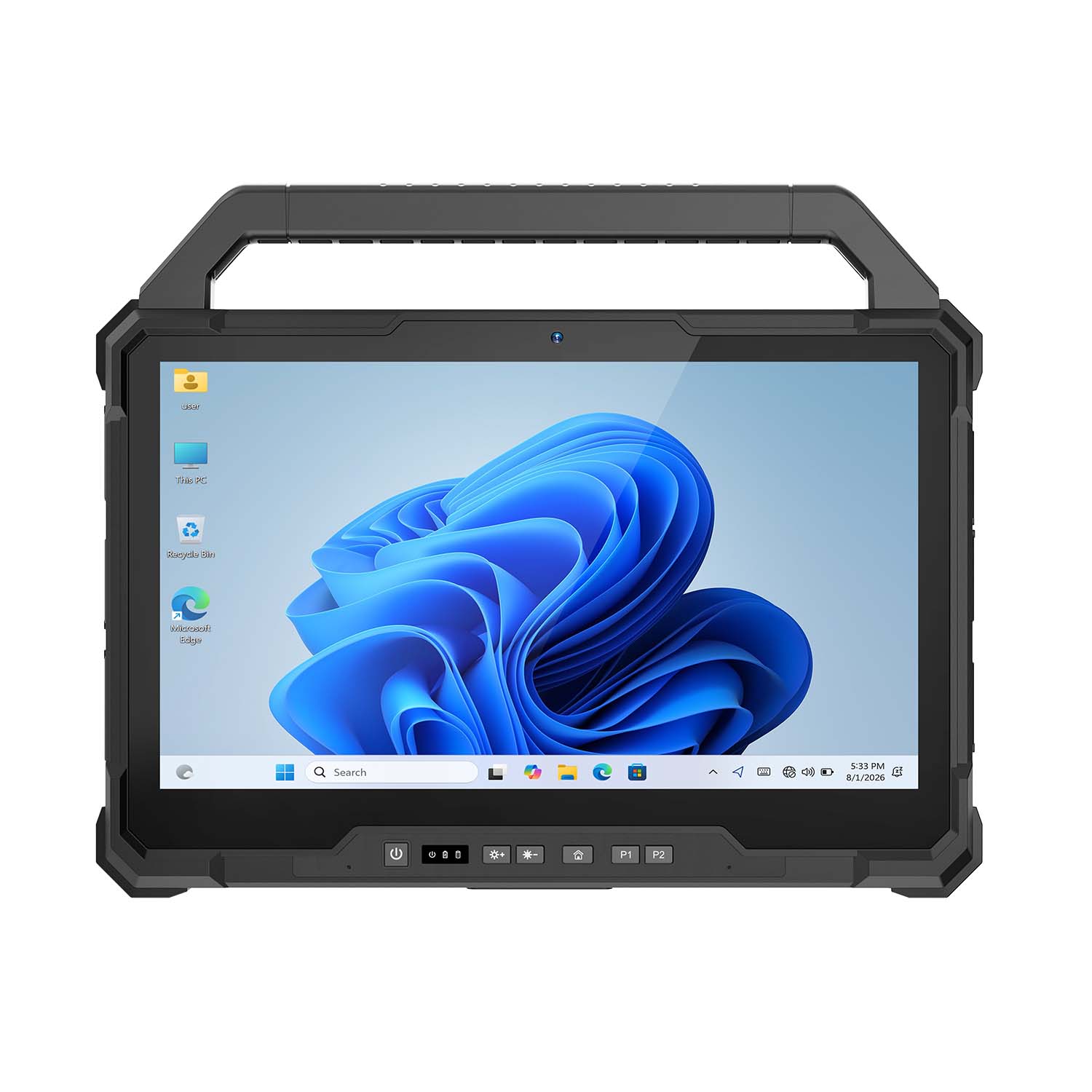 CENAVA W30U i5-1235U 13.3 Inch Win11 IP65 Rugged Tablet
 CENAVA W109U i7-1255U 10.95 Inch Win11 IP67 Rugged Tablet
 CENAVA A109TB MT6789V 10.95 Inch Android 14 IP68 Rugged Tablet
 CENAVA W10Y i7-10510Y 10.1 Inch Win11 IP68 Rugged Tablet Full I/O
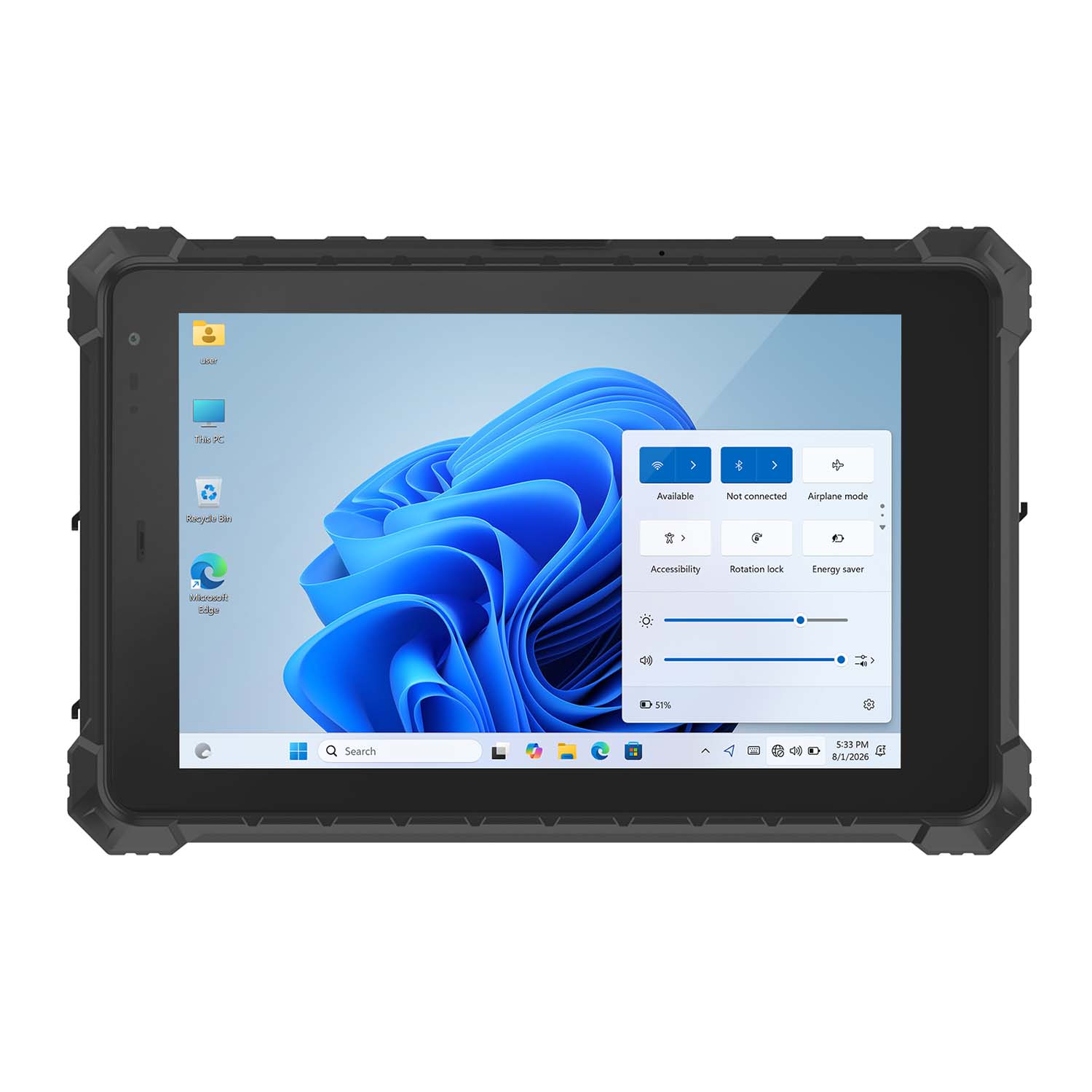 CENAVA W10N N5100 10.1 Inch Win11 IP68 Rugged Tablet Full I/O
 CENAVA A10RX RK3588 10.1 Inch Android 12 IP67 Rugged Tablet
 CENAVA A10ST MT8781 10.1 Inch Android 13 IP68 Rugged Tablet
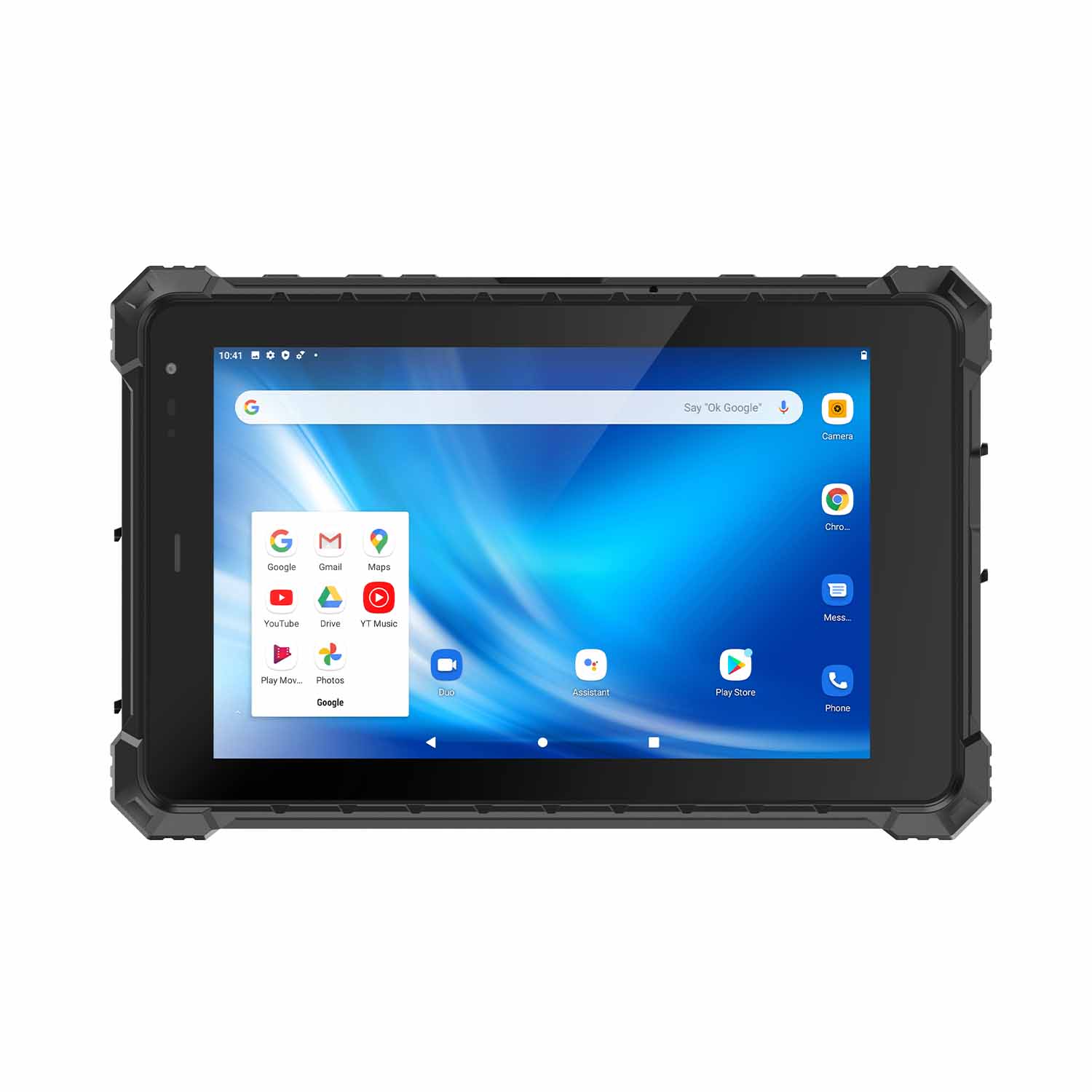 CENAVA A80ST MT6771 8 Inch Android 10 IP68 Rugged Tablet
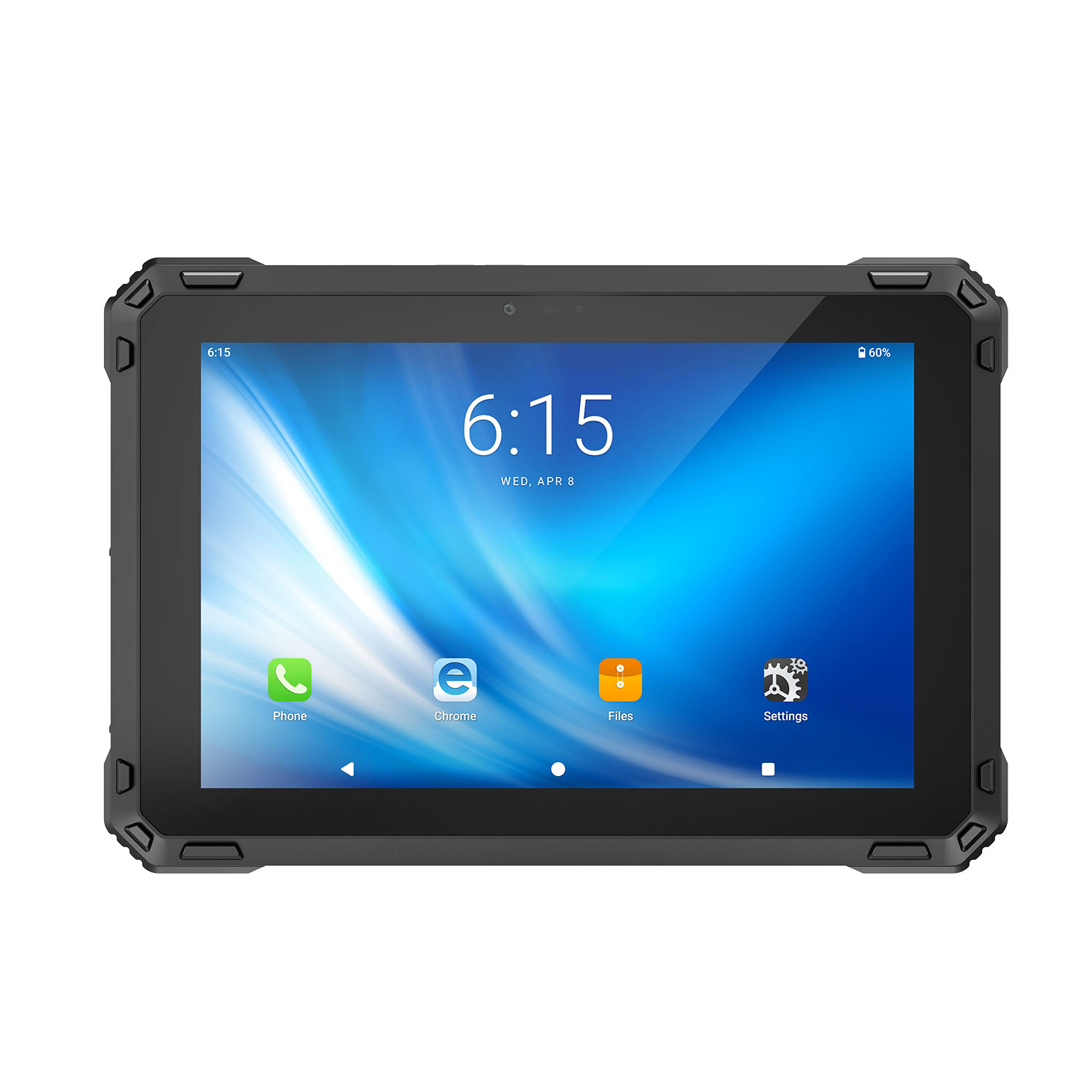 CENAVA A88ST MT6769 8 Inch Android 16 IP68 Rugged Tablet
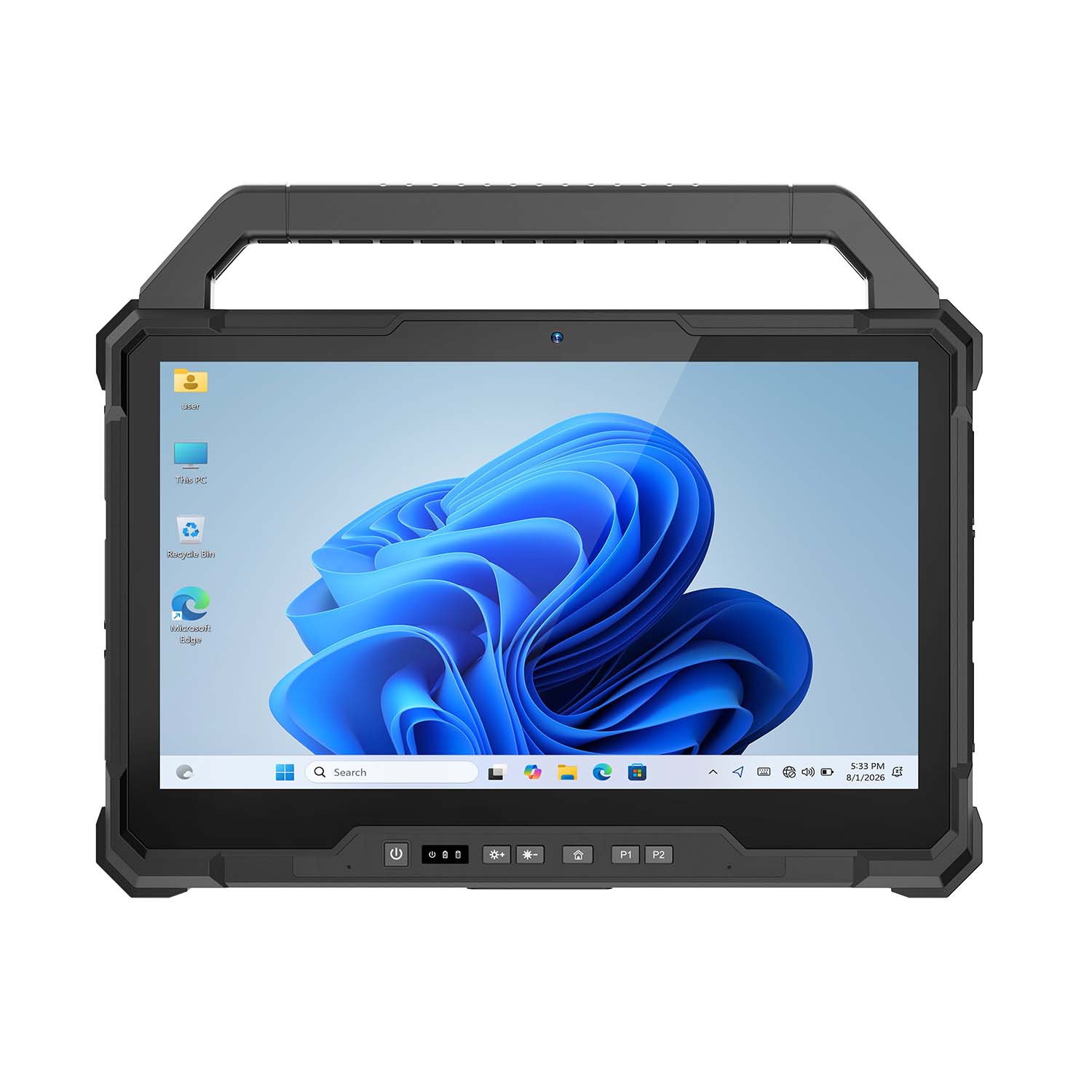 CENAVA W30NS N150 13.3 Inch Win11 IP65 Rugged Tablet
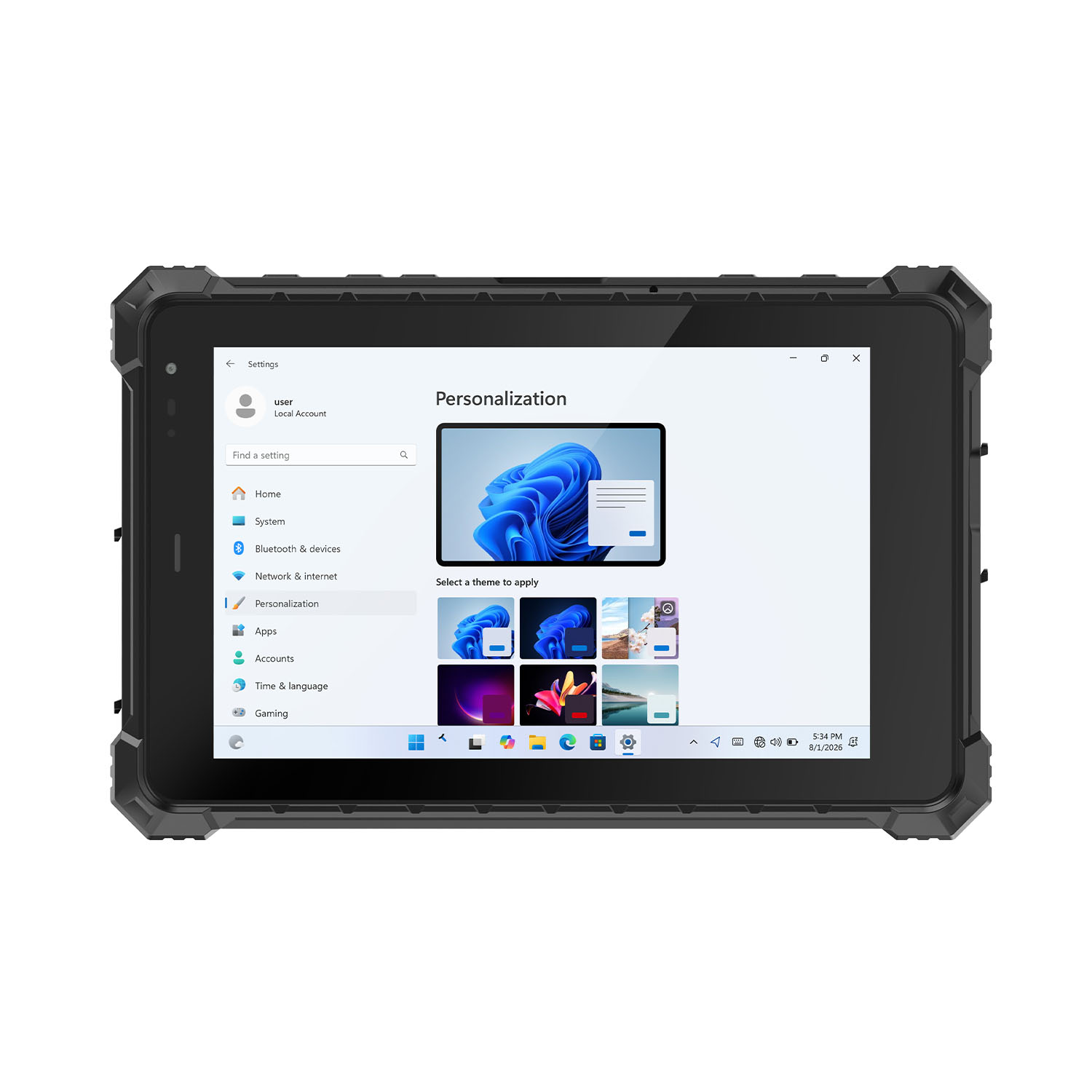 CENAVA W80Y i7-10510Y 8 Inch Win11 IP68 Rugged Gigabit
 CENAVA A10R RK3568 10.1 Inch Android 11 IP68 Rugged Tablet
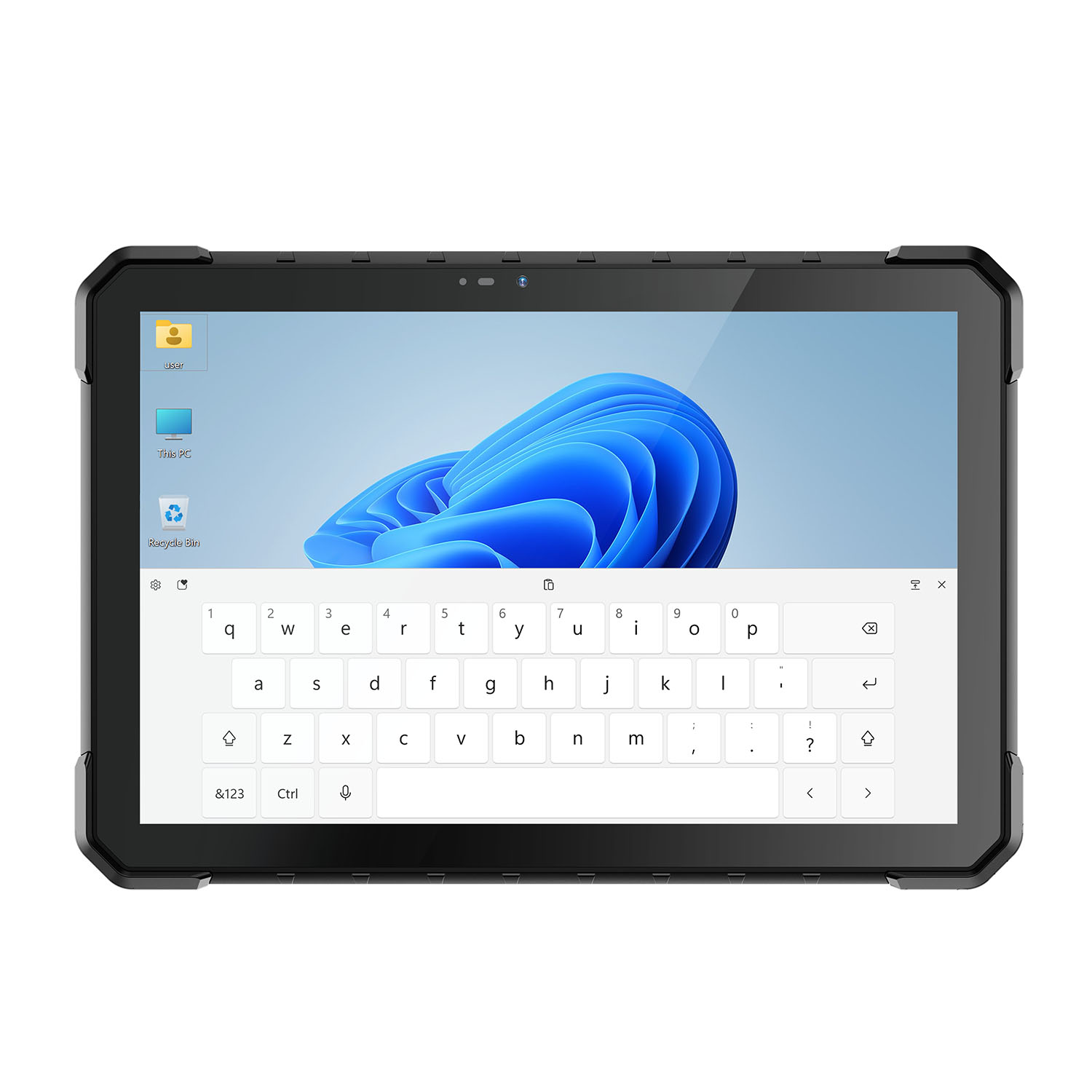 CENAVA W18Y i7-10510Y 10.1 Inch IP68 Industrial Tablet
 CENAVA CXE80C N2930 8 Inch Win10 IP65 Rugged Tablet
 CENAVA A18ST MT8781 10.1 Inch Android 13 IP68 Rugged Tablet
 CENAVA A10R RK3588 10.1 Inch Android 12 IP68 Rugged Tablet
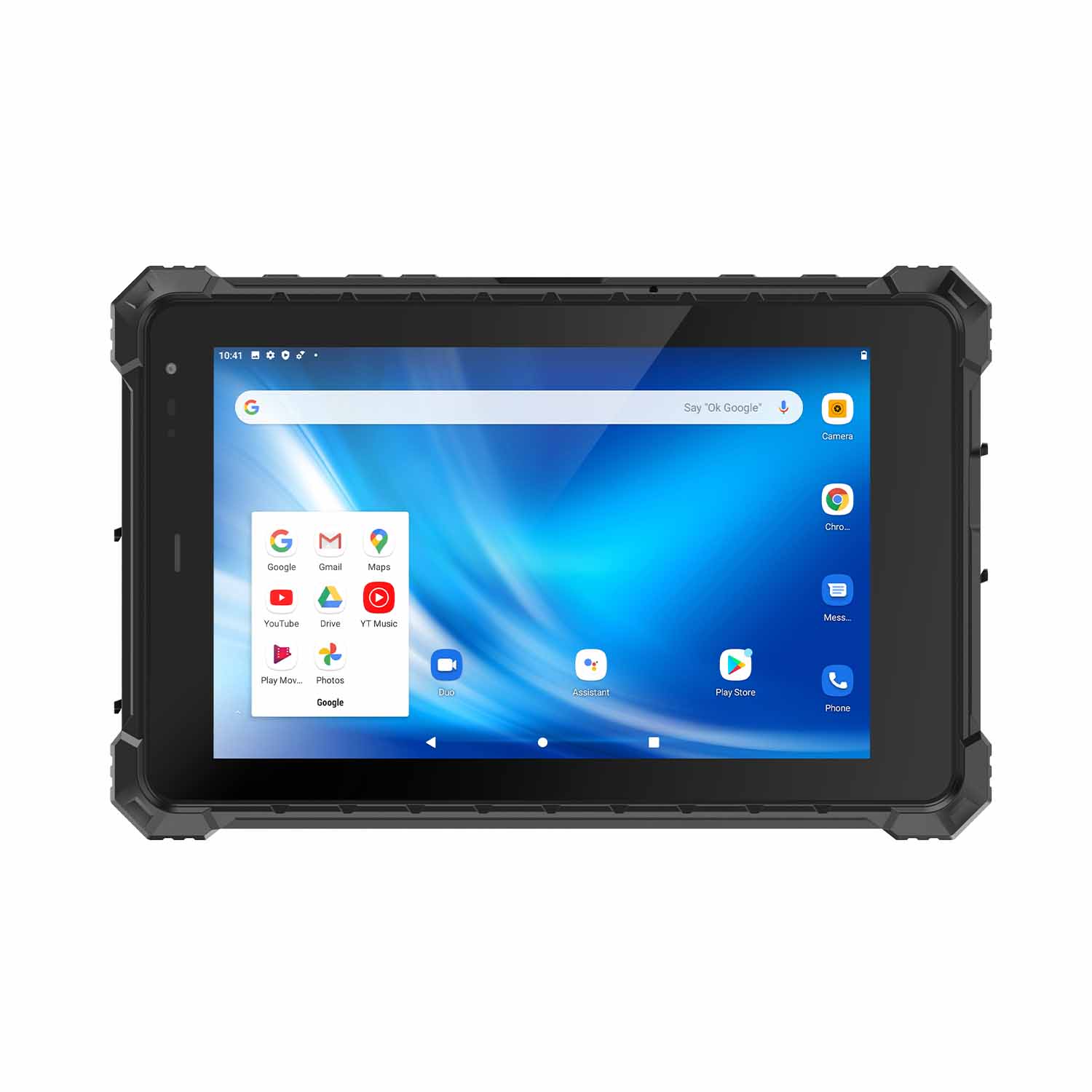 CENAVA A80ST-5G MT6877 8 Inch Android 12 IP68 Rugged Tablet
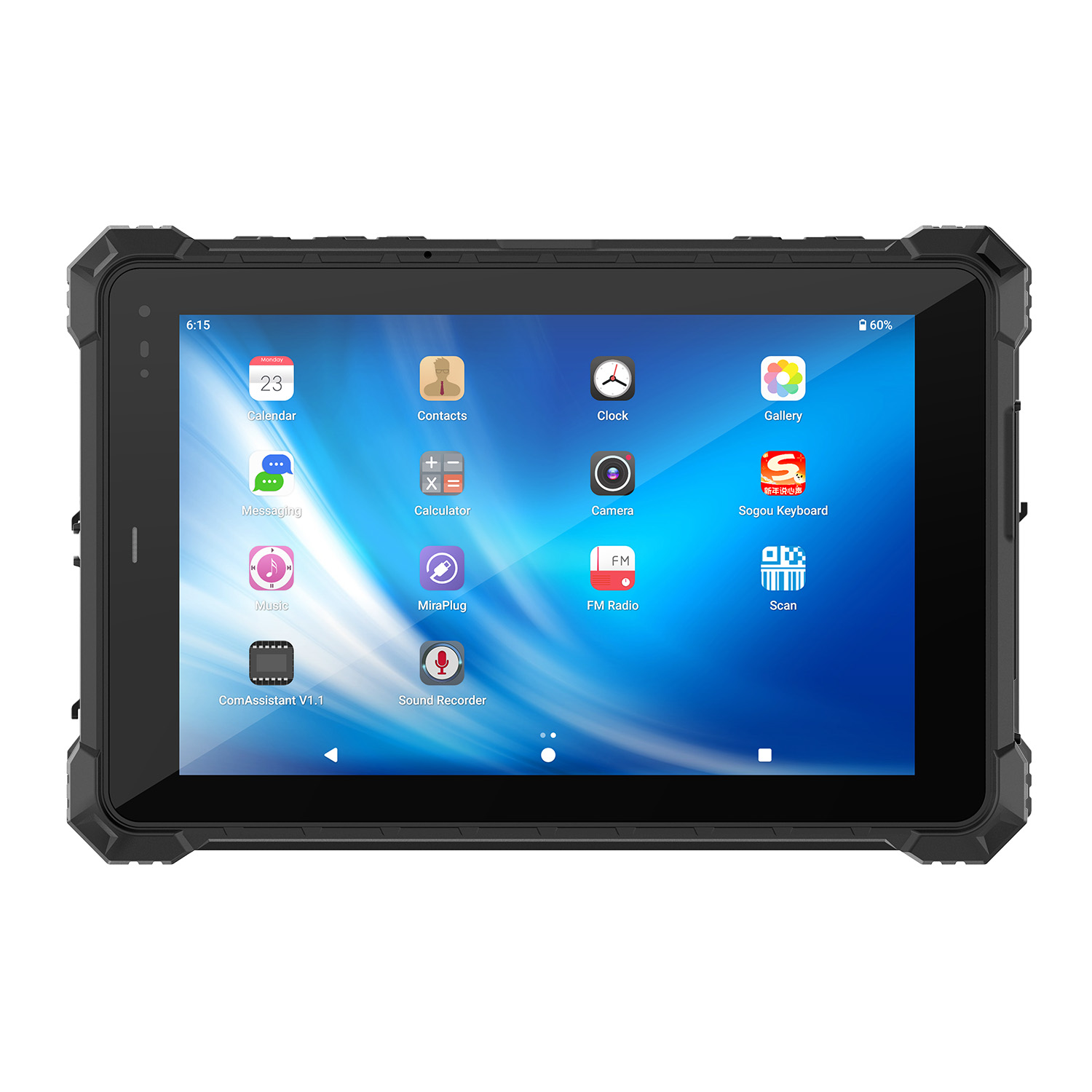 CENAVA A10STX MT8781 10.1 Inch Android 13 IP67 Rugged Tablet
 CENAVA A10ST-5G MT6877 10.1 Inch Android 12 IP68 Rugged Tablet
 CENAVA A10STX-5G MT6877 10.1 inch 5G Rugged Android Tablet
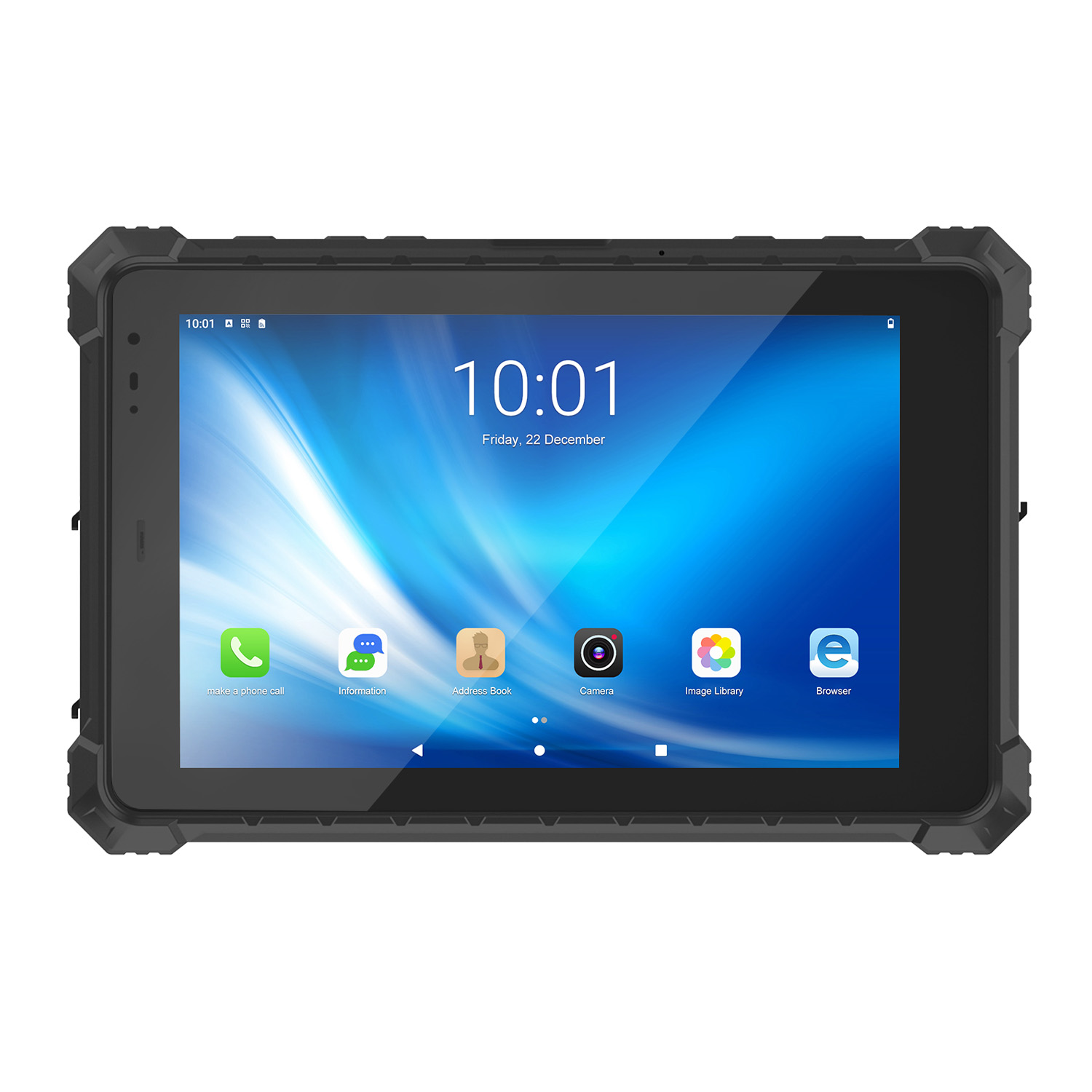 CENAVA A10ST MT6771 10.1 Inch Android 10 IP68 Rugged Tablet
 CENAVA A10STX MT6769 10.1 Inch Android 16 IP67 Rugged Tablet
 CENAVA A10ST MT6769 10.1 Inch Android 16 IP68 Rugged Tablet
 CENAVA A10STX MT6771 10.1 Inch Android 10 IP67 Rugged Tablet
 CENAVA A80ST MT8781 8 Inch Android 13 IP68 Rugged Tablet
 CENAVA A80R RK3588 8 Inch Android 12 IP68 Rugged Tablet
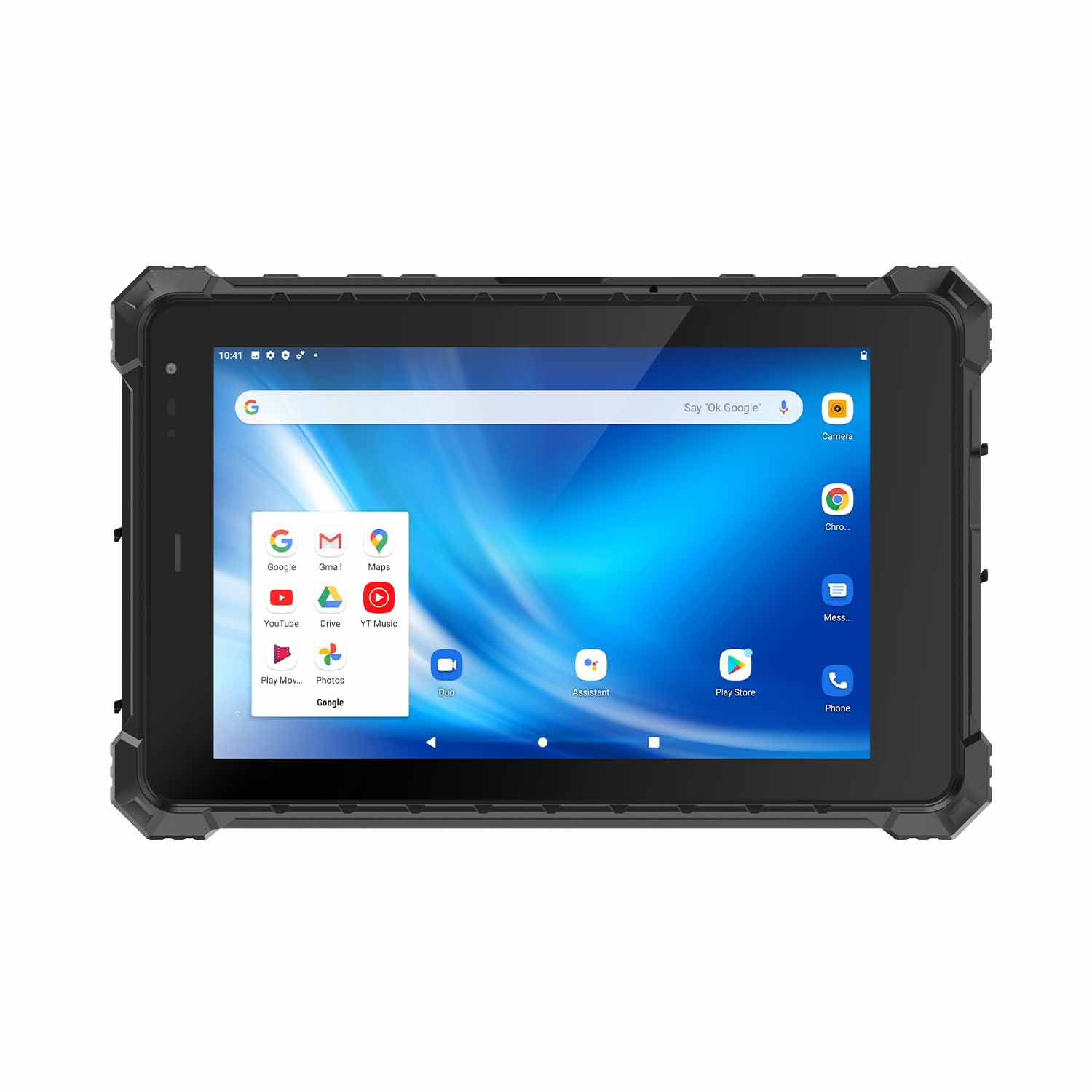 CENAVA A80STX-5G MT6877 8 Inch Android 12 IP67 Rugged Tablet
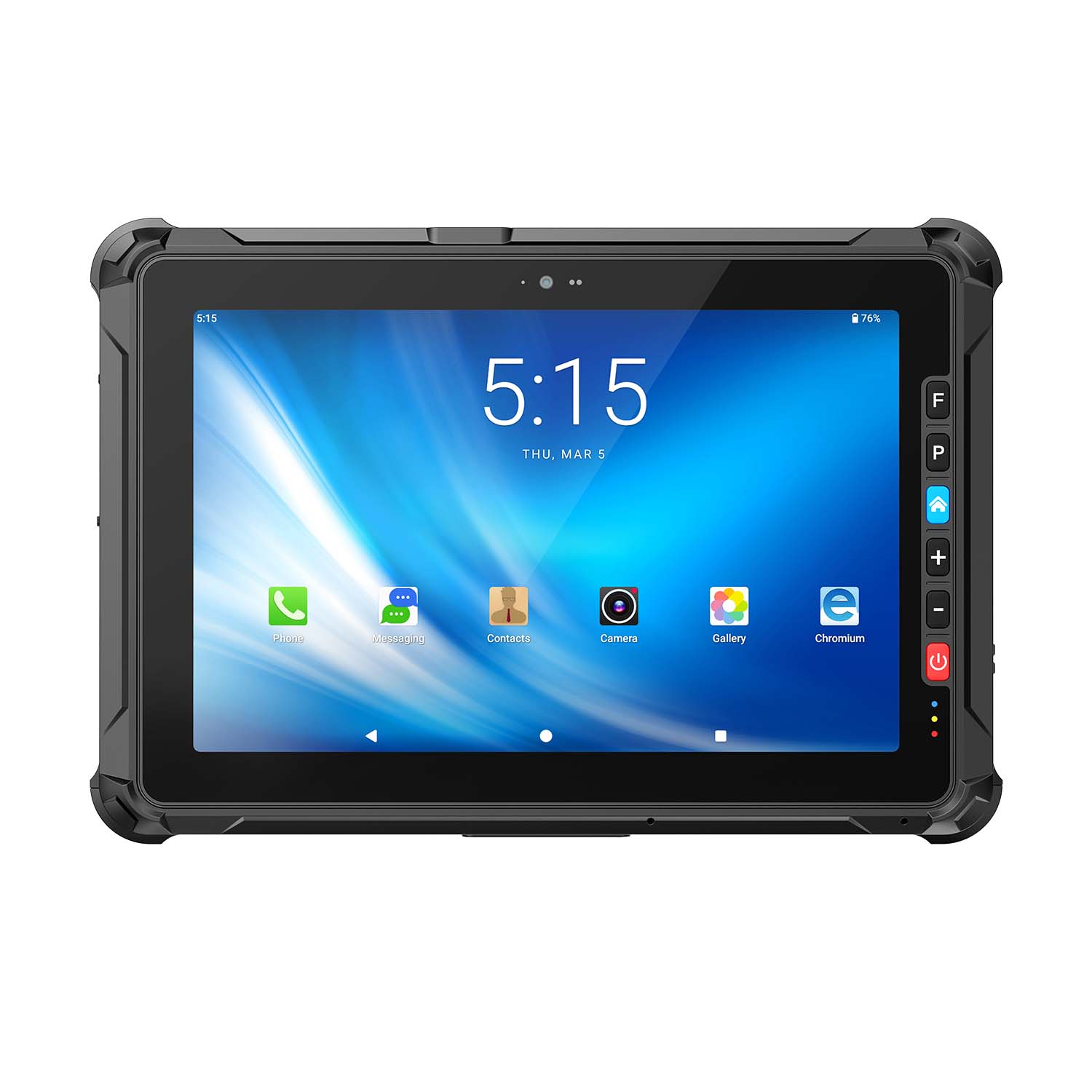 CENAVA A109ST MT8781 10.95 Inch Android 16 IP67 Rugged Tablet
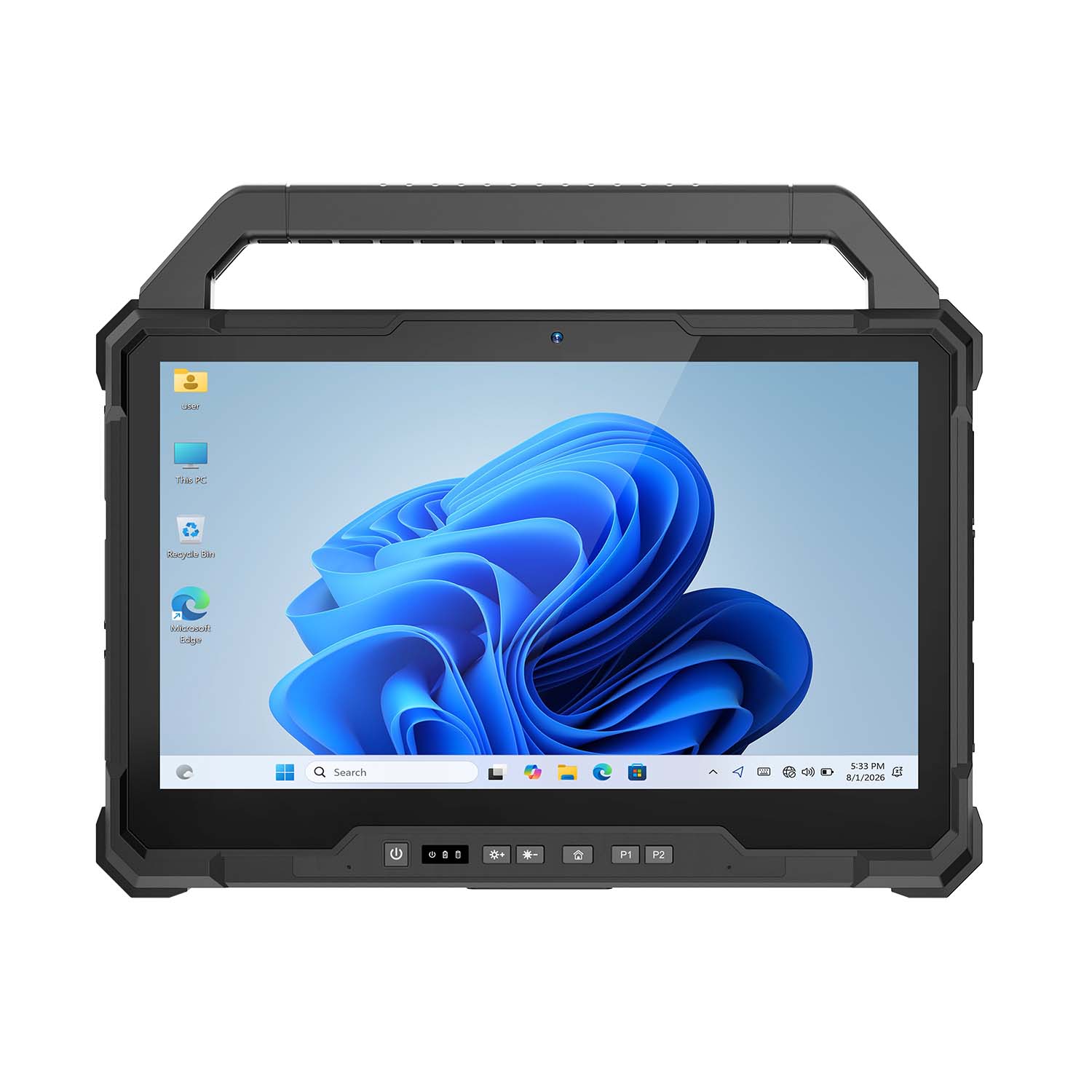 CENAVA W30U Pro Ultra7-155U 13.3 Inch Win11 IP65 Rugged Tablet
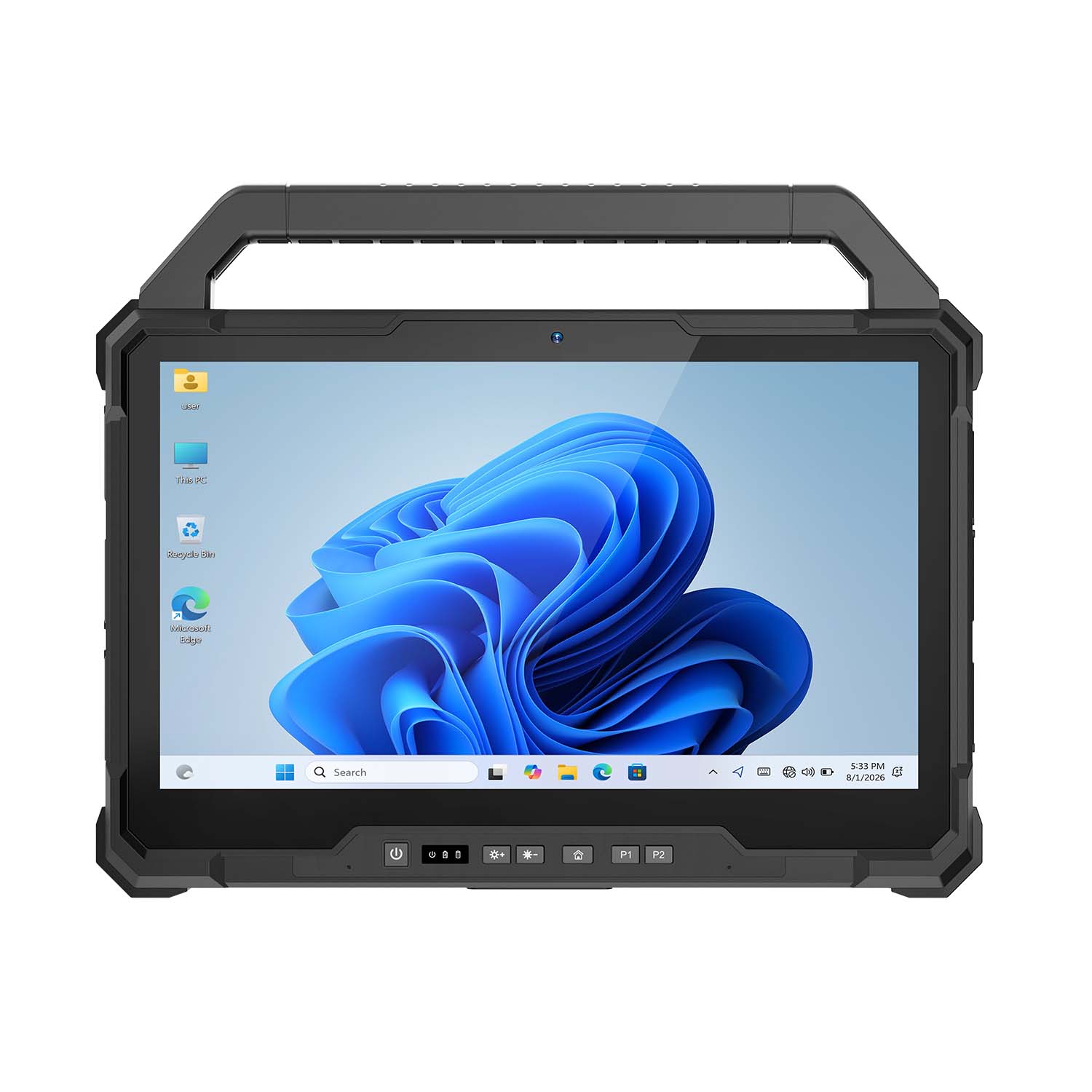 CENAVA W30U i7-1255U 13.3 Inch Win11 IP65 Rugged Tablet
 CENAVA W109NS N150 10.95 Inch Win11 IP67 Rugged Tablet GbE
 CENAVA W109U i5-1235U 10.95 Inch Win11 IP67 Rugged Tablet
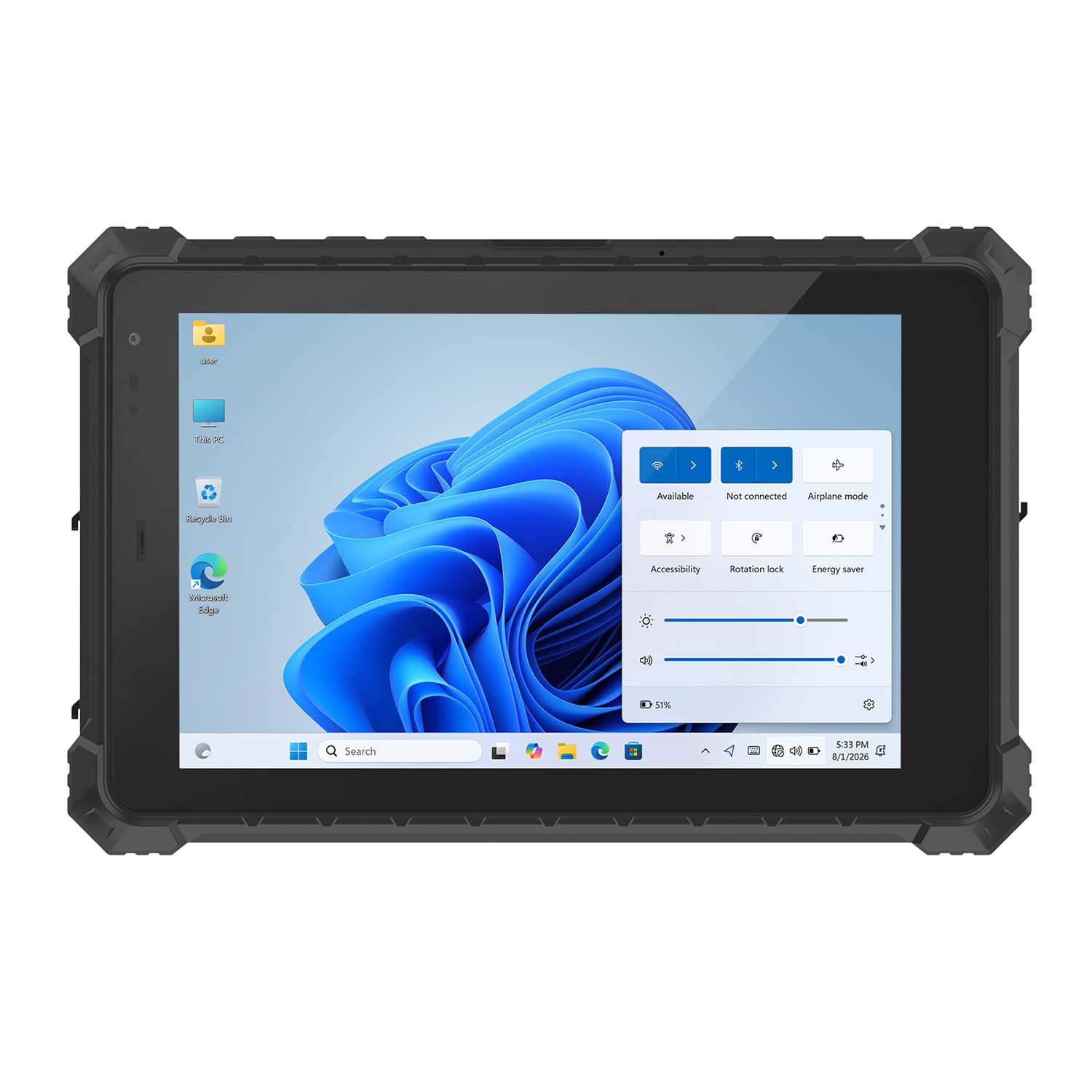 CENAVA W10Y i5-10210Y 10.1 Inch Win11 IP68 Rugged Tablet Full I/O
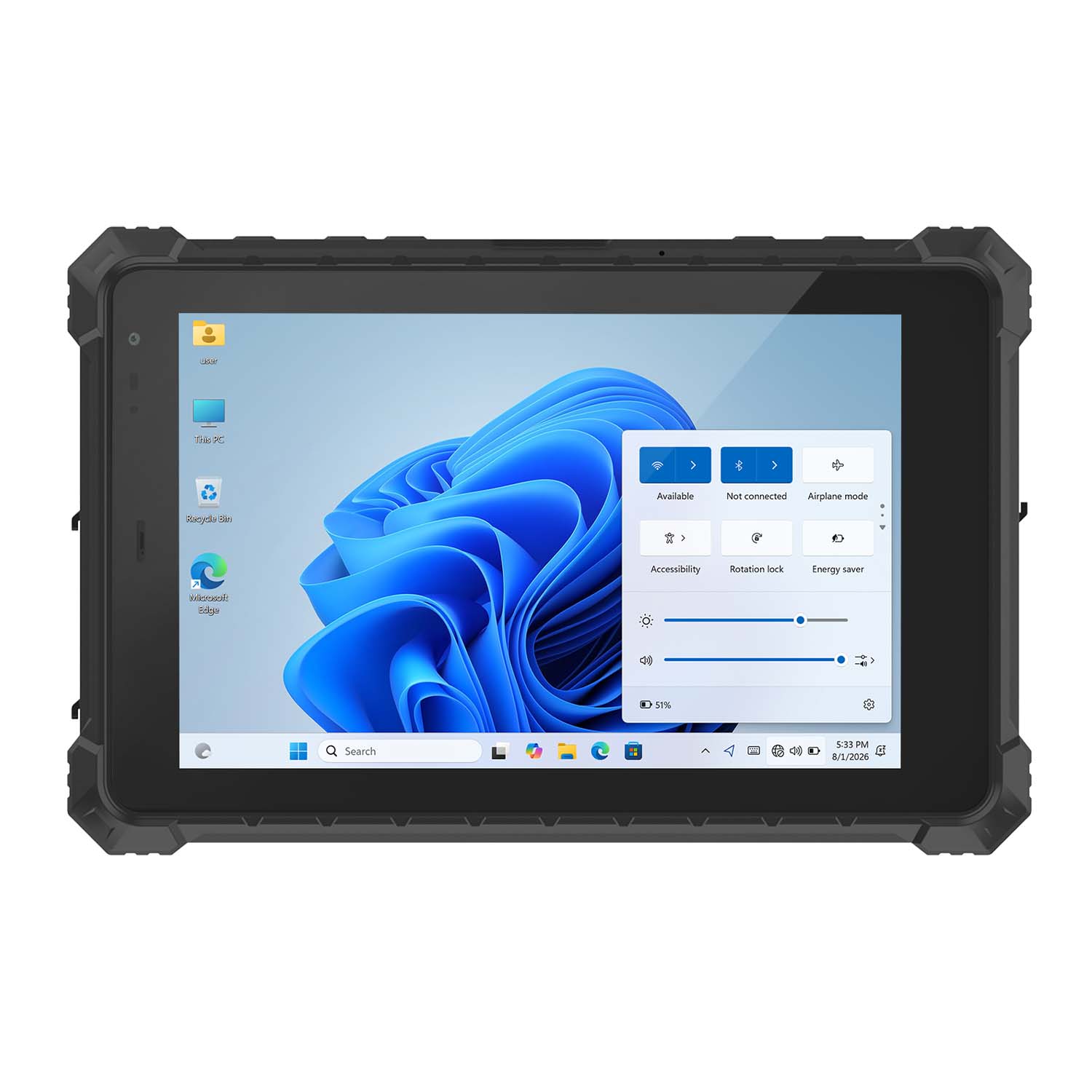 CENAVA W10NPRO N100 10.1 Inch Win11 IP68 Rugged Full I/O
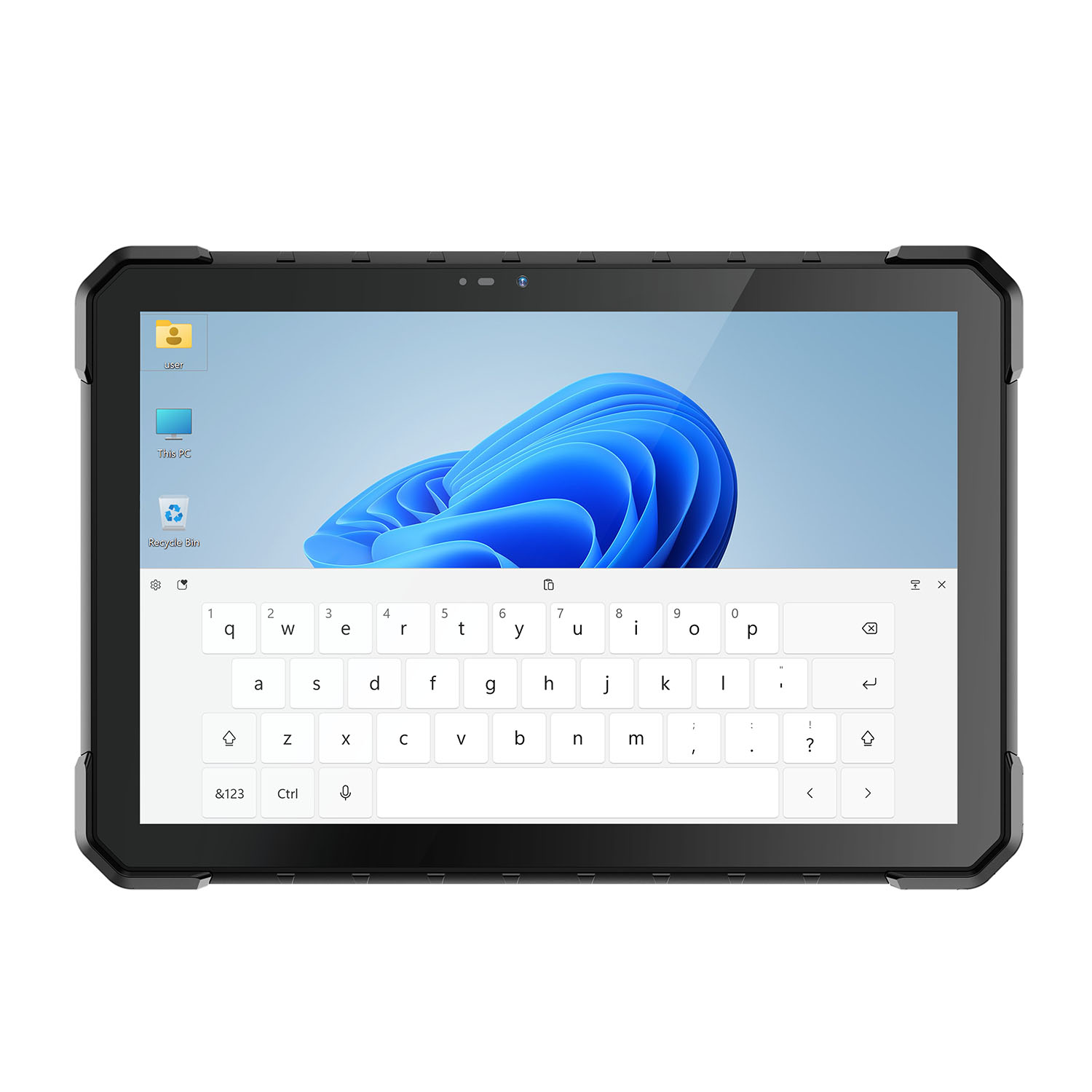 CENAVA W18Y i5-10210Y 10.1 Inch Win11 IP68 Rugged Slim
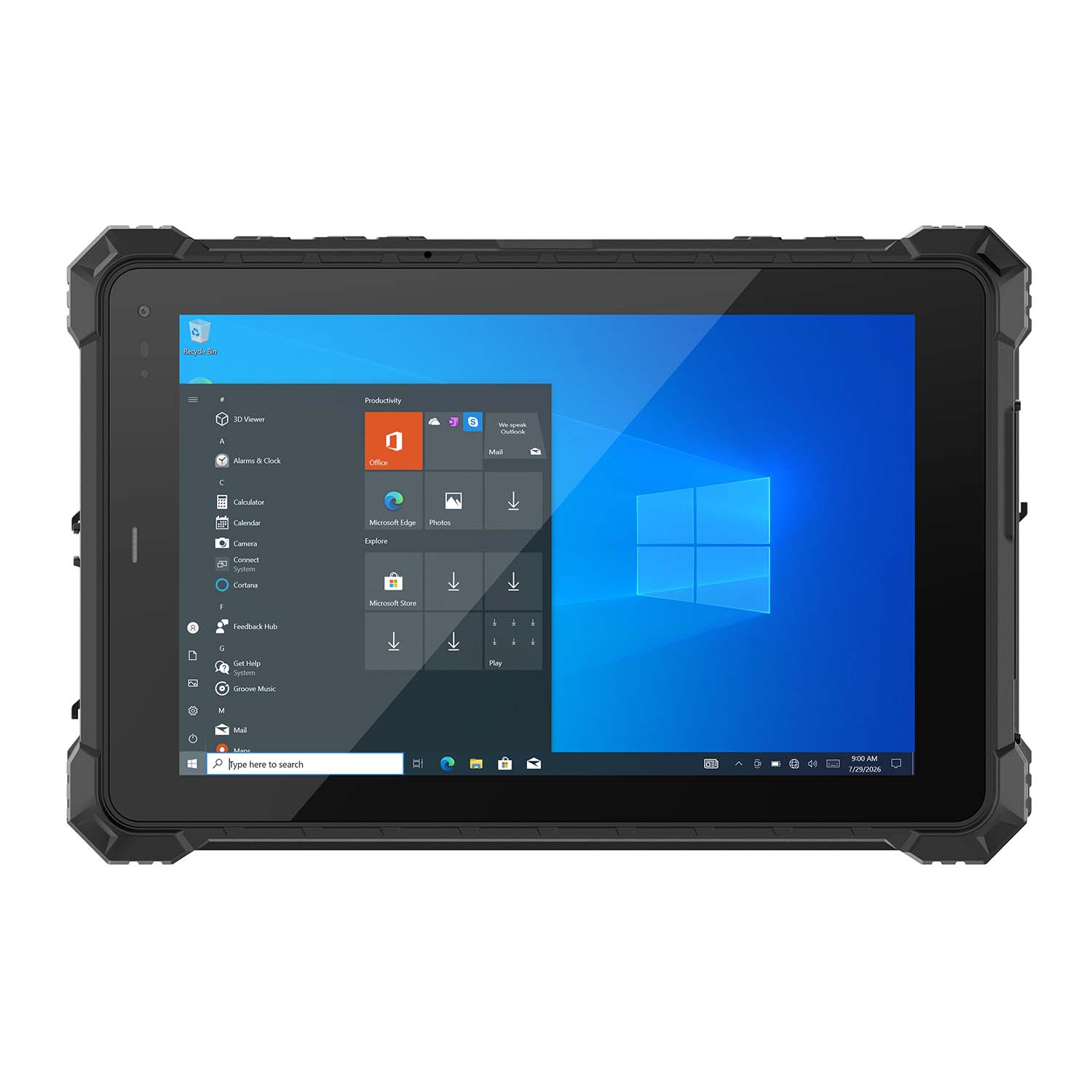 CENAVA W10NX N5100 10.1 Inch Windows IP67 Industrial Tablet
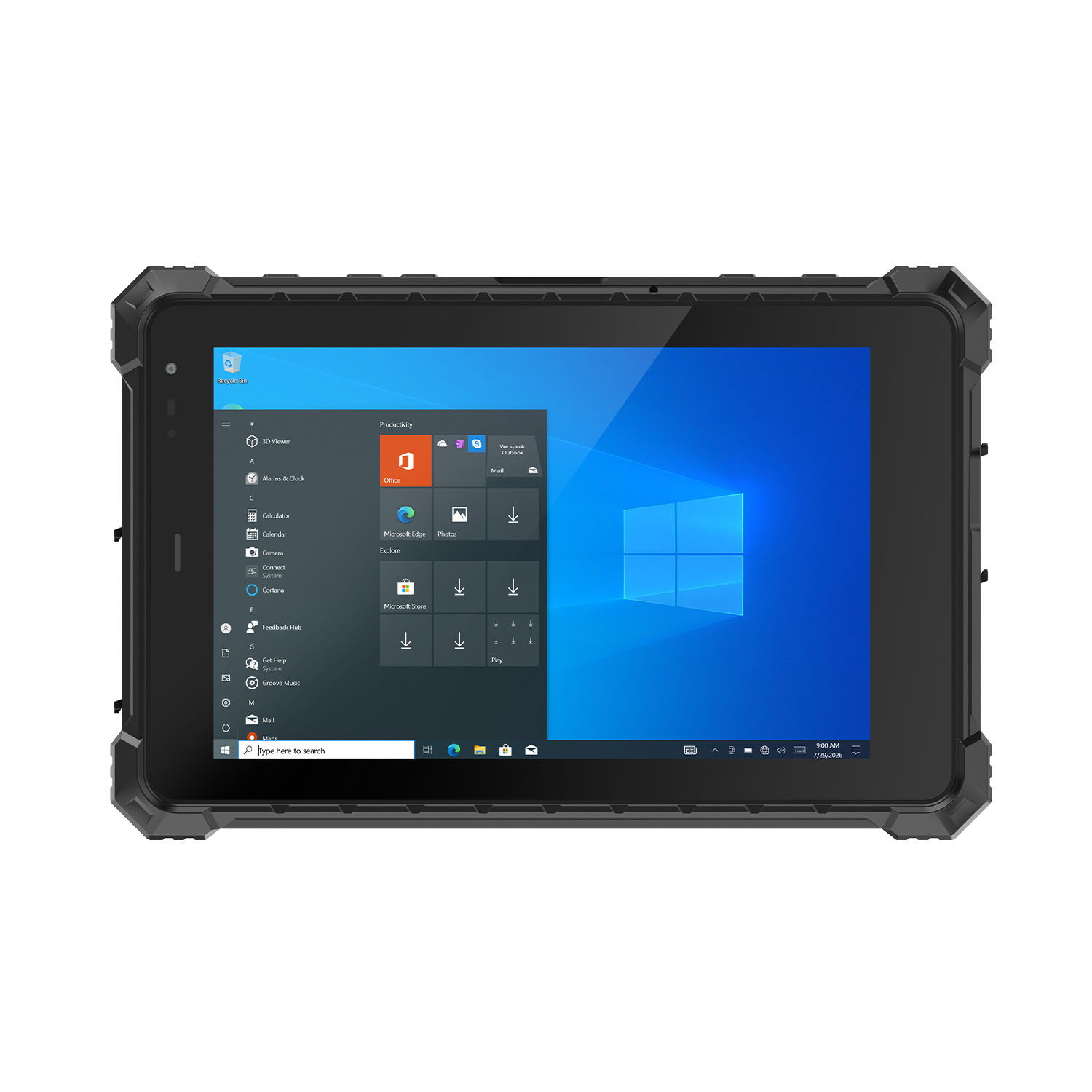 CENAVA W80N N5100 8 Inch Win11 IP68 Windows Rugged Tablet
 CENAVA H10PRO N100 10.1 Inch Win11 Industrial PC | WiFi6 Touch Panel
-1.jpg) CENAVA H55N N5100 5.5" Win11 Mini Industrial PC
CENAVA H55N N5100 5.5" Win11 Mini Industrial PC
 CENAVA H10F N100 10.1" Win11 Industrial Panel PC Touch Computer
 CENAVA H10F N95 10.1" Win11 Industrial Panel PC | WiFi6 Touch Computer
 CENAVA H7S N3350 7 Inch Win10 Entry Industrial PC | POE Fanless Touch Panel
 CENAVA H7 N4020 7" Win10 Compact Industrial PC | POE Fanless Touch Panel
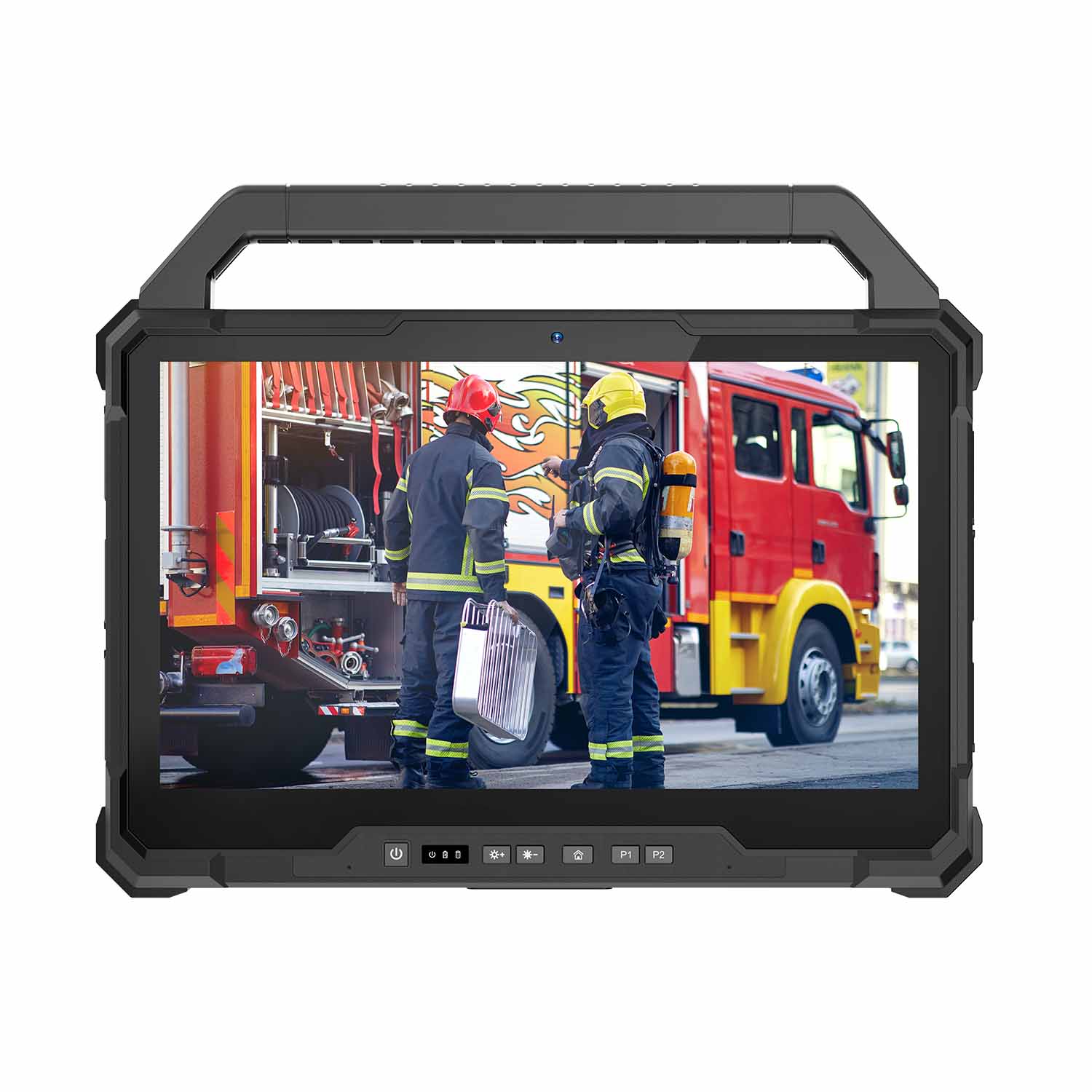 W30U-EX i7-1255U 13.3 Inch Explosion-Proof Windows Tablet
 W30UPro-EX Ultra7-155U ATEX II 2GD Ex ib IIC T5 Gb Explosion-Proof Tablet
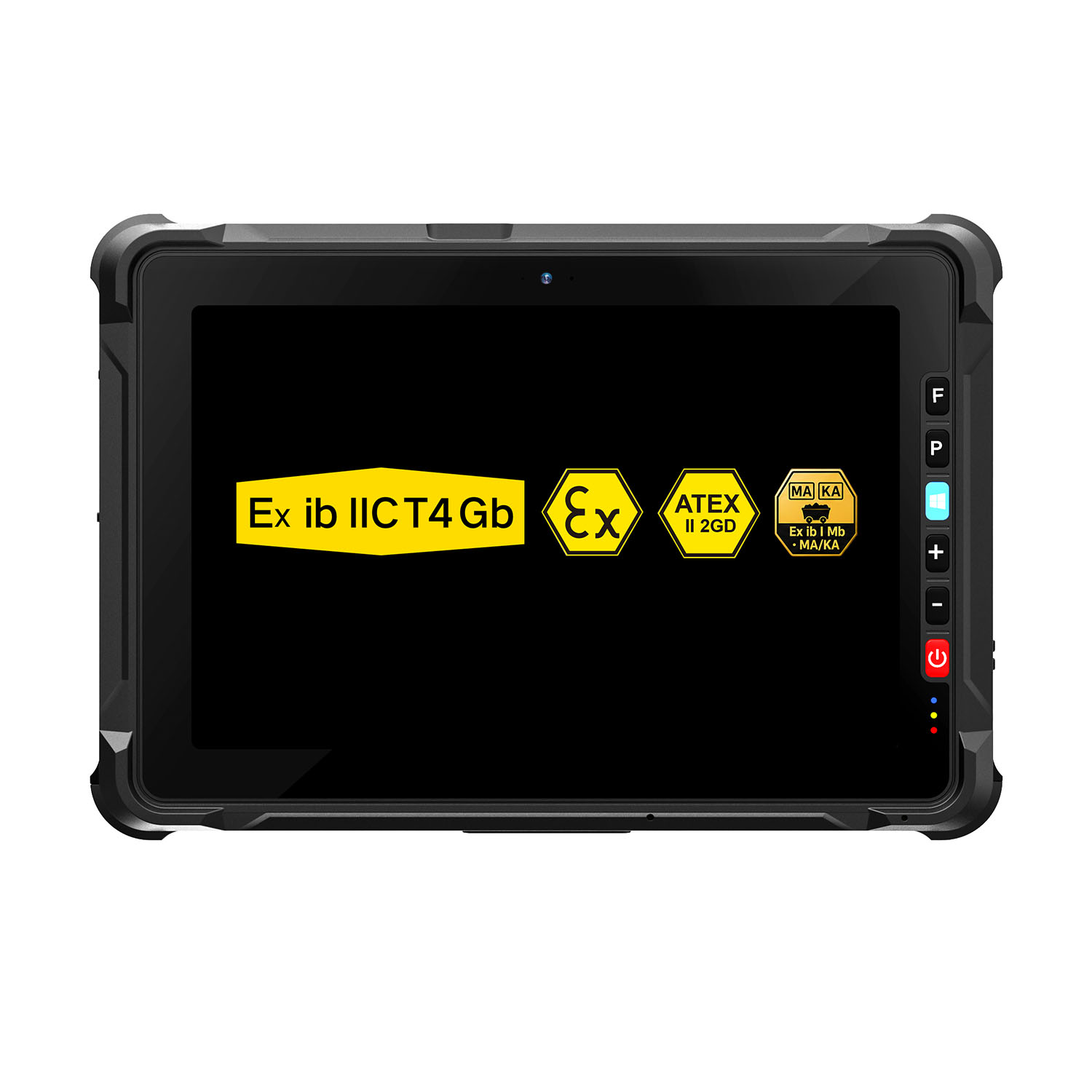 W109NS-EX N150 Explosion-Proof Hazardous Area Windows Tablet
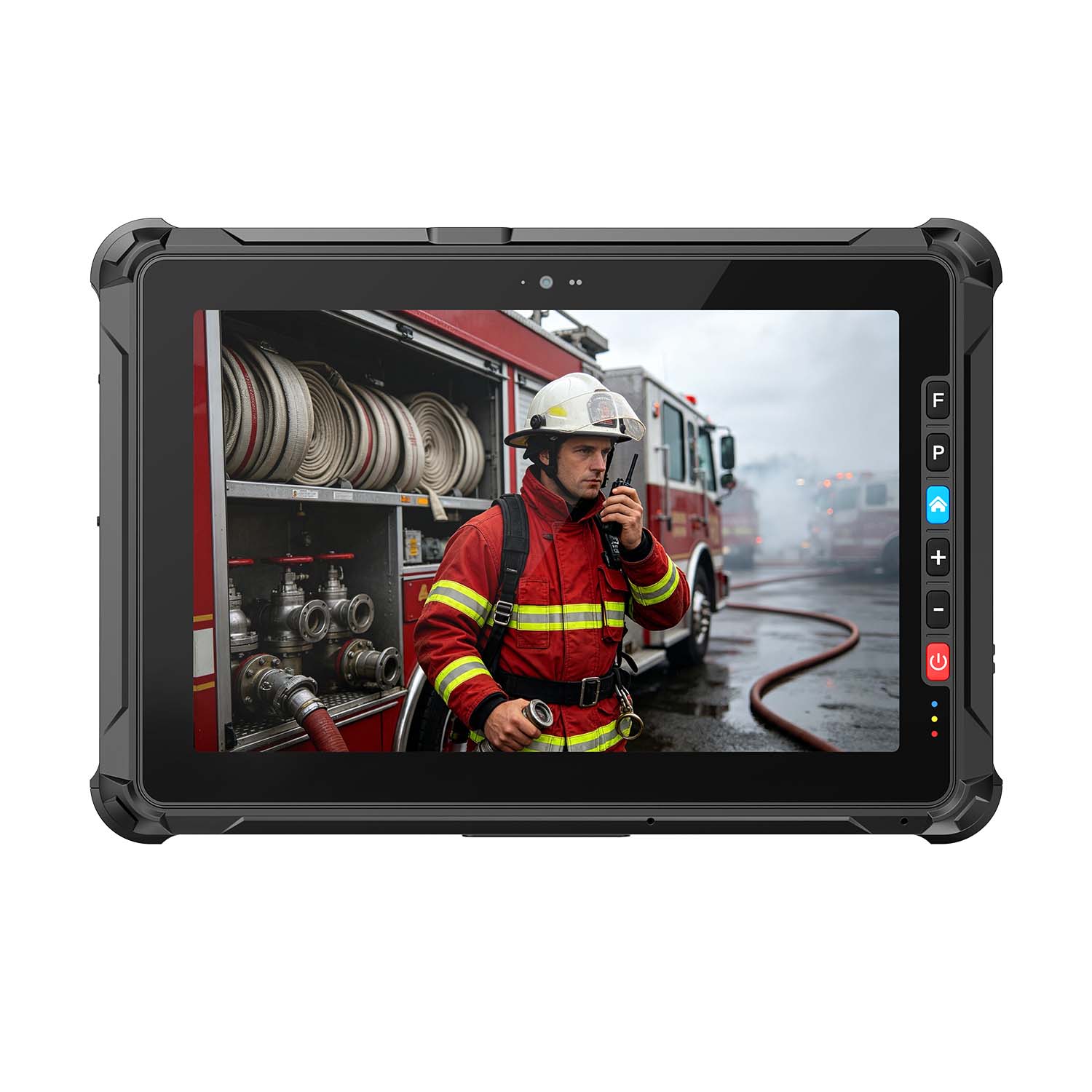 A109ST-EX MT8781 20000mAh Explosion-Proof ATEX II 2GD Android Tablet
.jpg) W10N-EX N5100 Explosion-Proof Intrinsically Safe Windows Tablet
W10N-EX N5100 Explosion-Proof Intrinsically Safe Windows Tablet
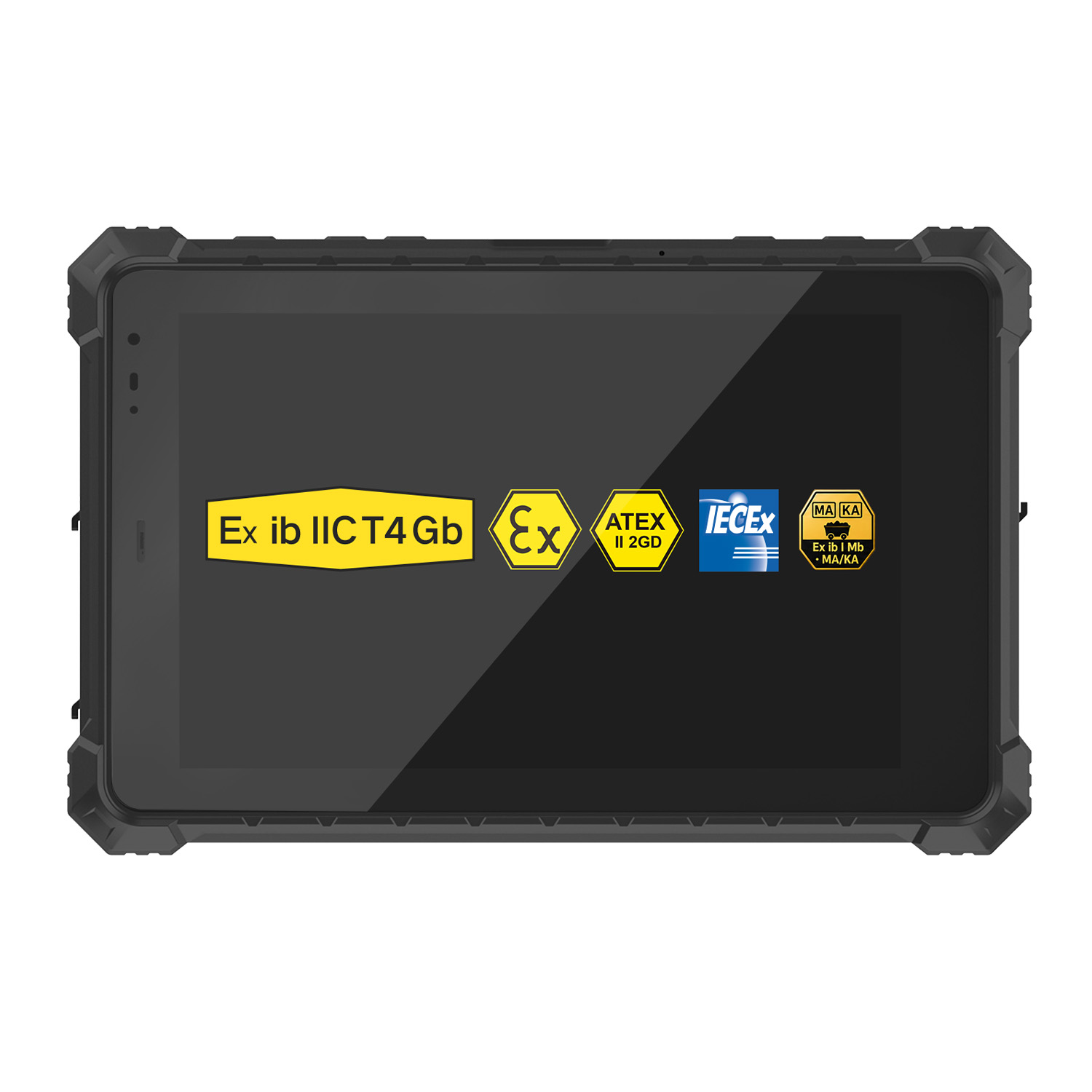 A10ST-EX MT8781 Ex ib IIC T5 Gb Hazardous Area Rugged Tablet
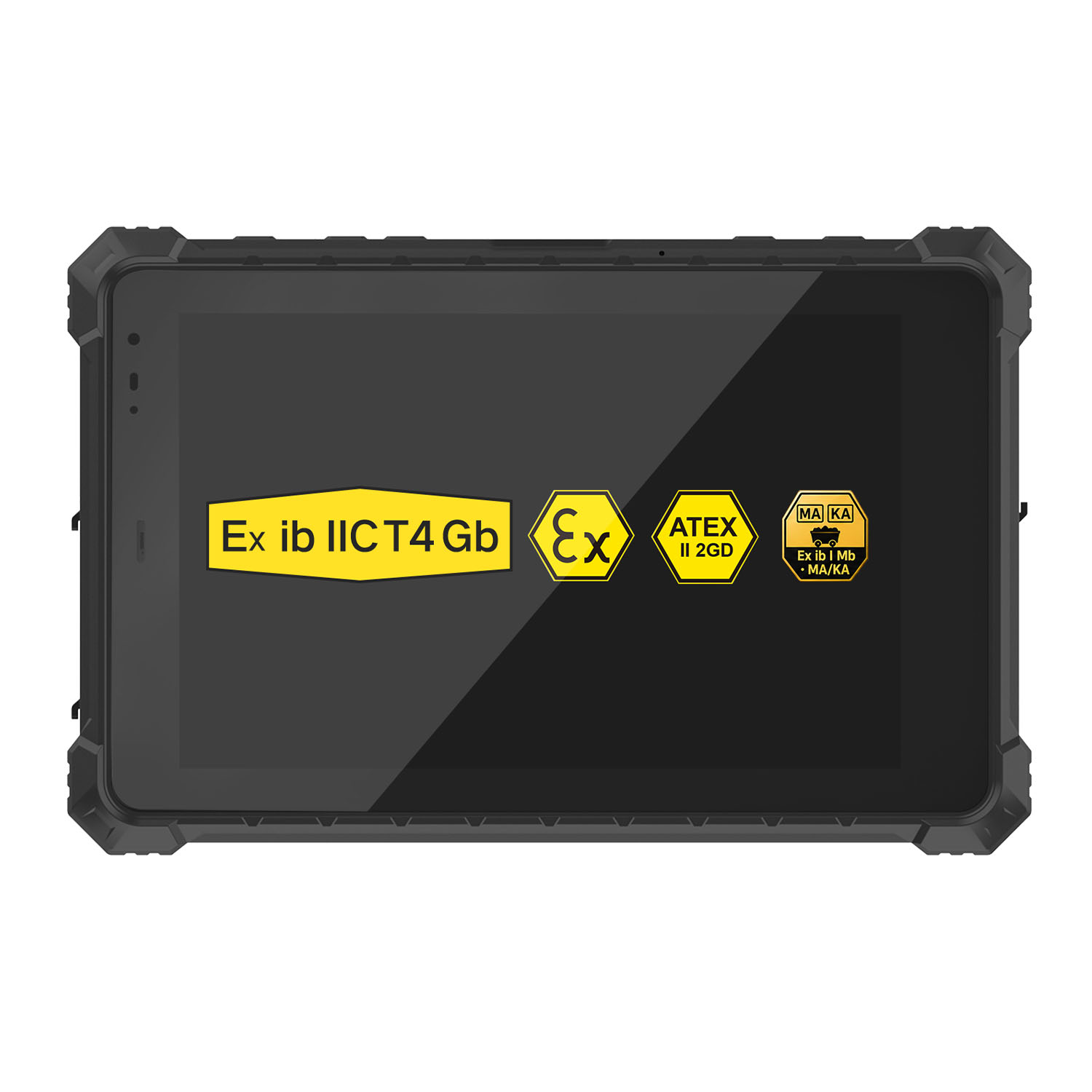 A10R-EX 10.1 Inch Explosion Proof RK3568 Industrial Tablet PC
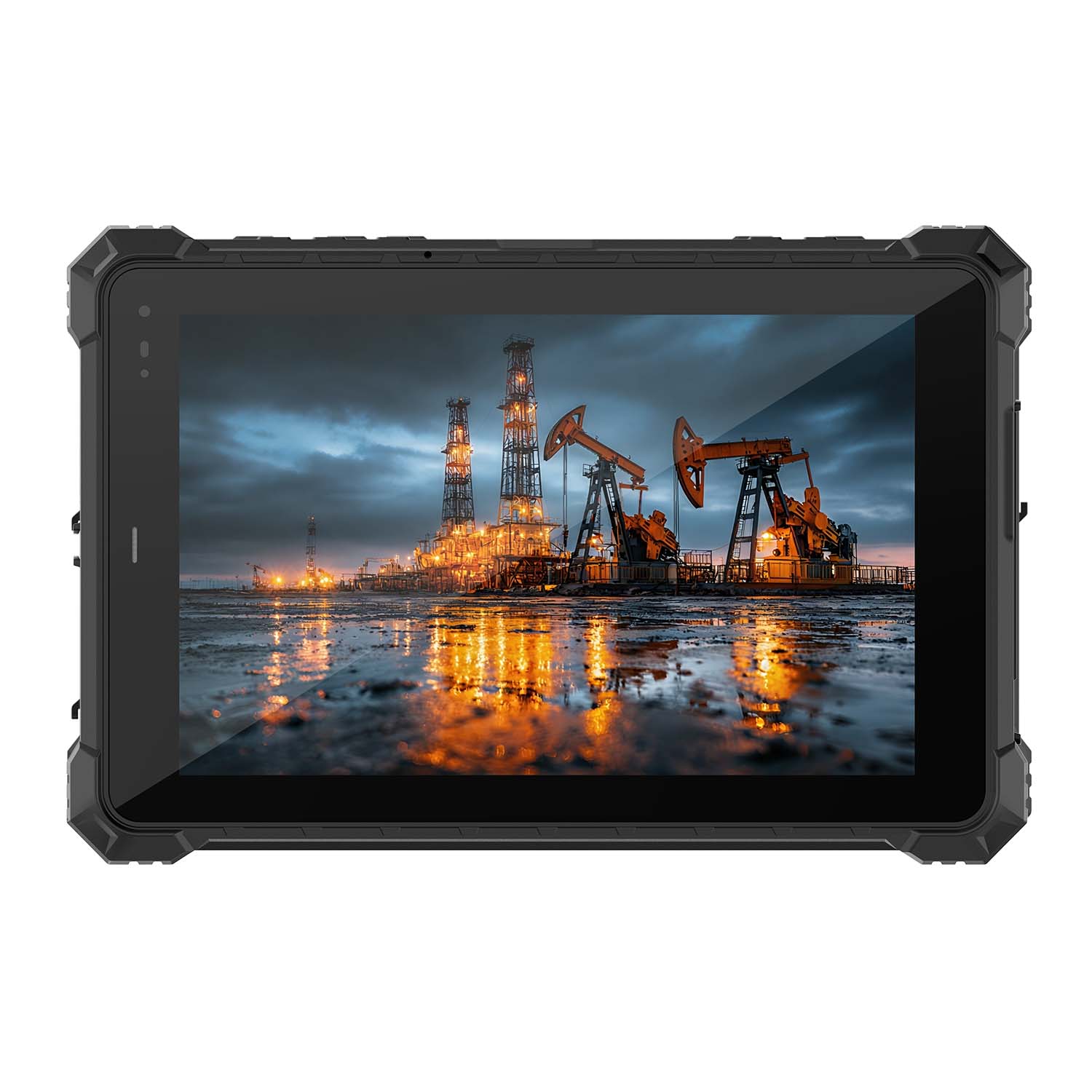 A10STX-EX MT8781 10.1 Inch ATEX II 2GD Android Tablet
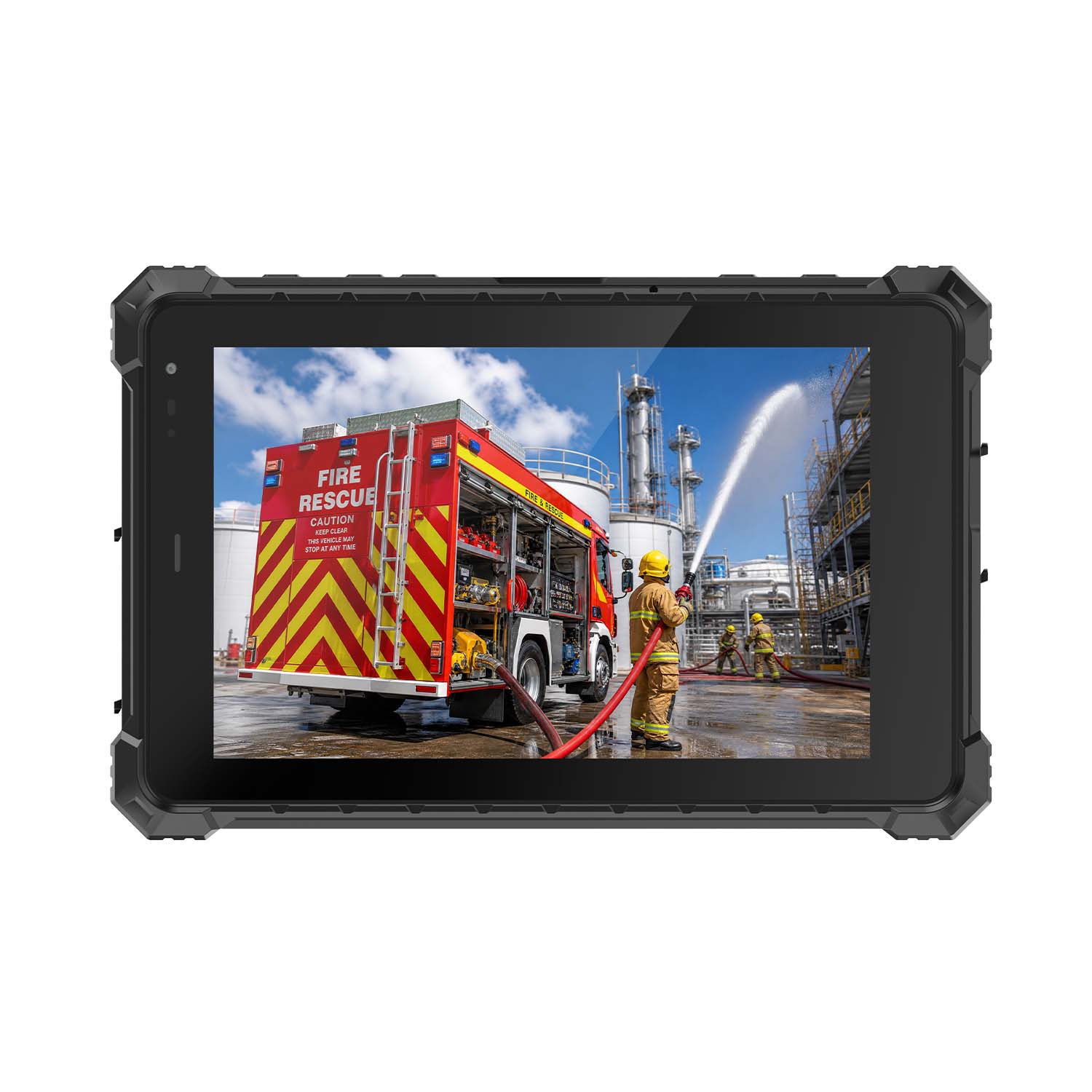 W80N-EX N5100 8 Inch Explosion-Proof Windows ATEX II 2GD Tablet
 A18ST-EX Slim 10.1-Inch Explosion-Proof Android Tablet
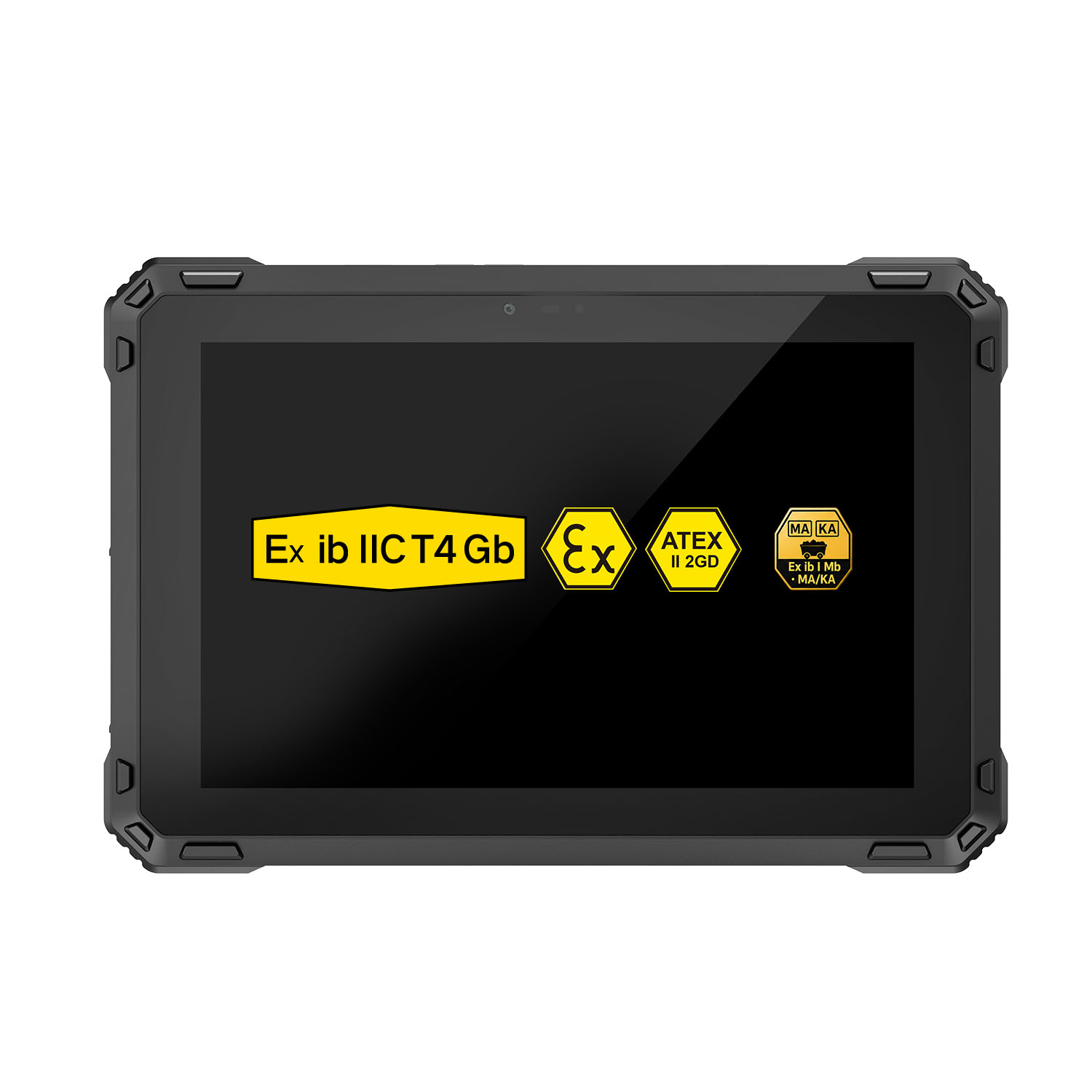 A88ST-EX MT6769 Hazardous Area 8-Inch Explosion-Proof Android Tablet
 A80ST-5G EX MT6877 8 Inch Ex ib ⅡC T4 Gb Explosion Proof Tablet
 CENAVA W18Y-EX i7 10.1 Inch Explosion-Proof Windows 11 Tablet
 W65G-EX Explosion-Proof Windows Handheld Hazardous Area PDA