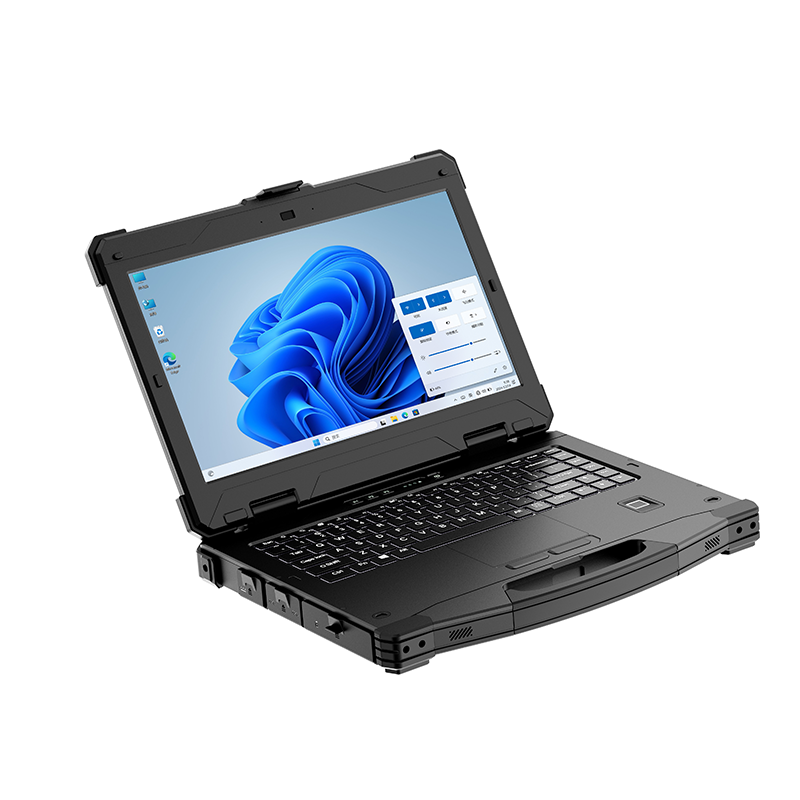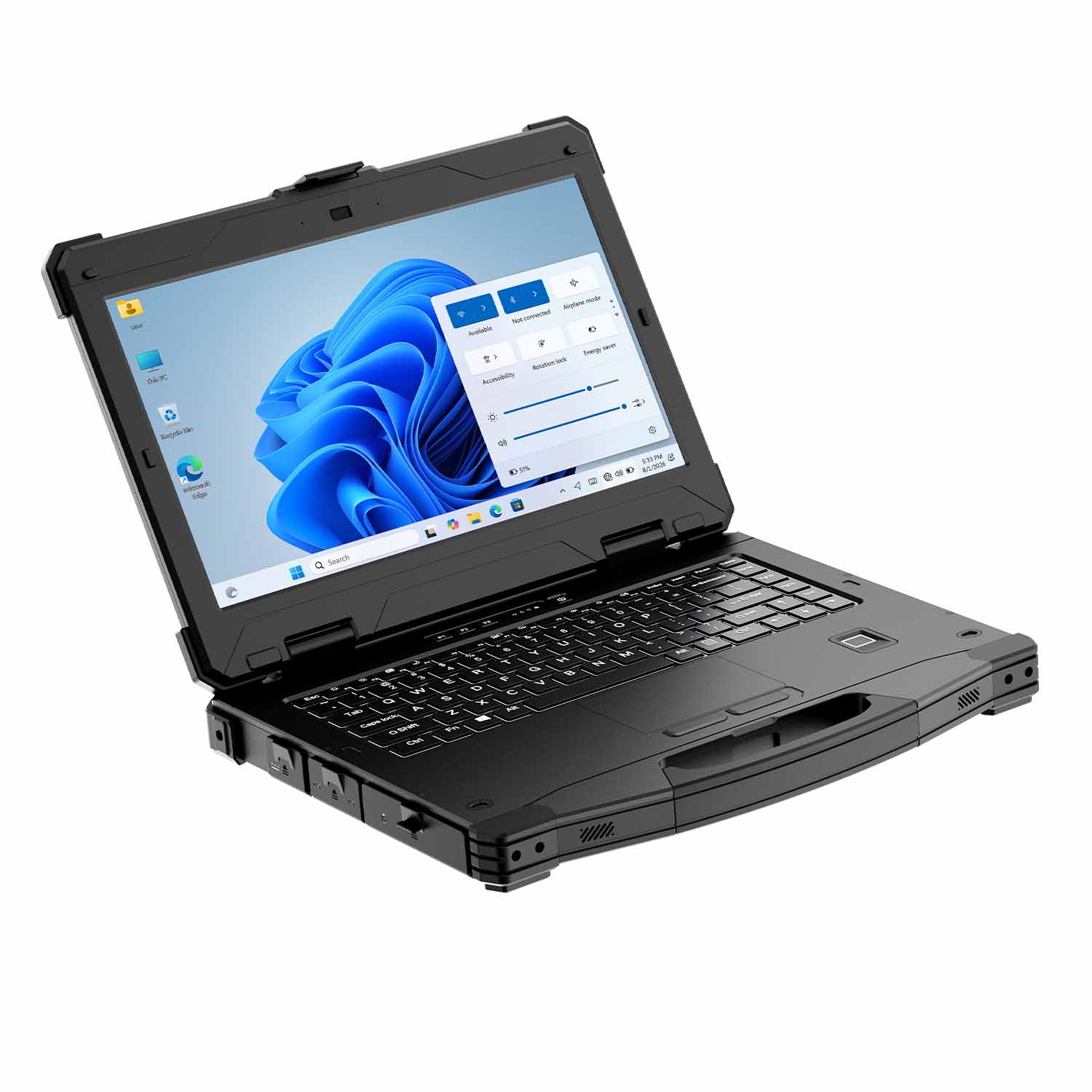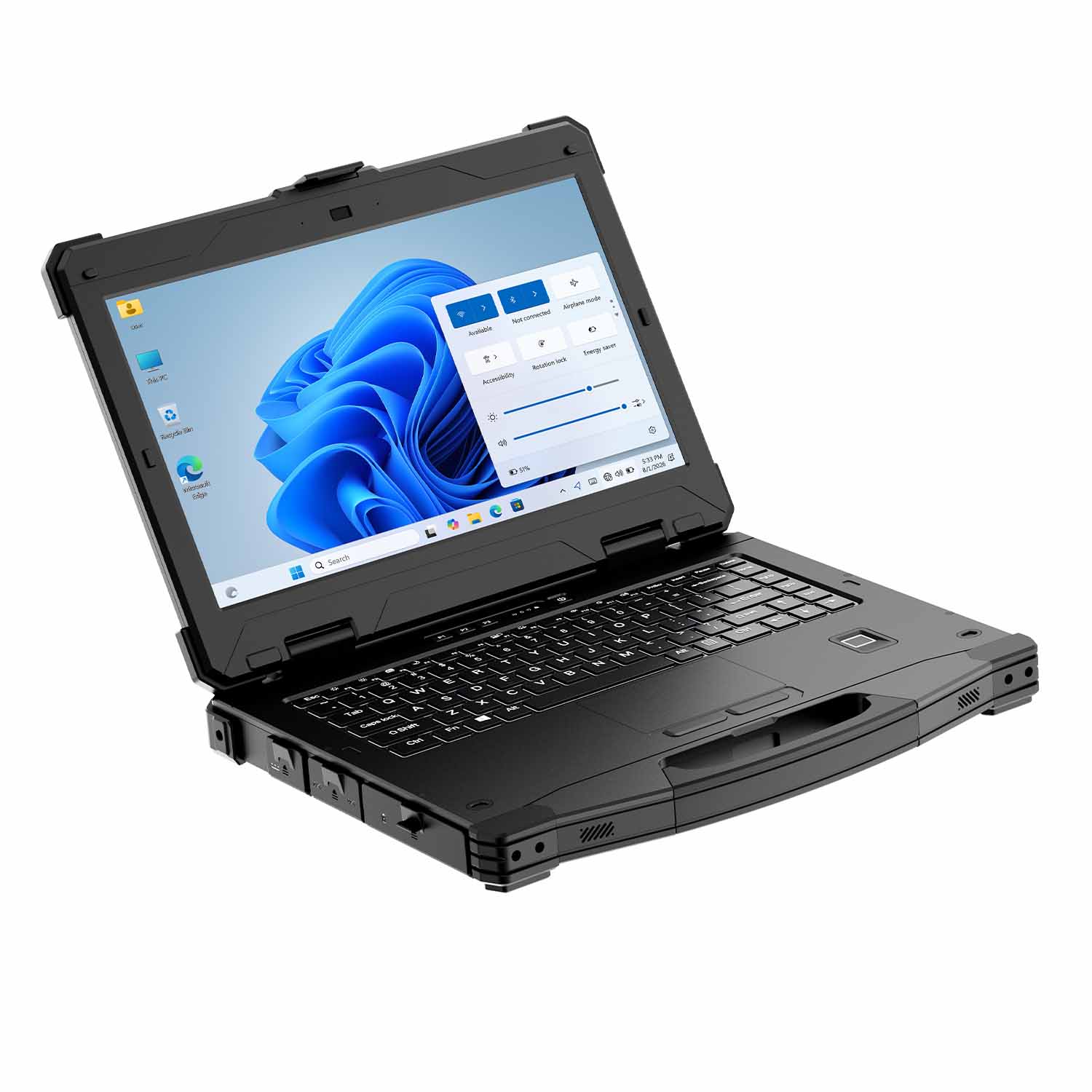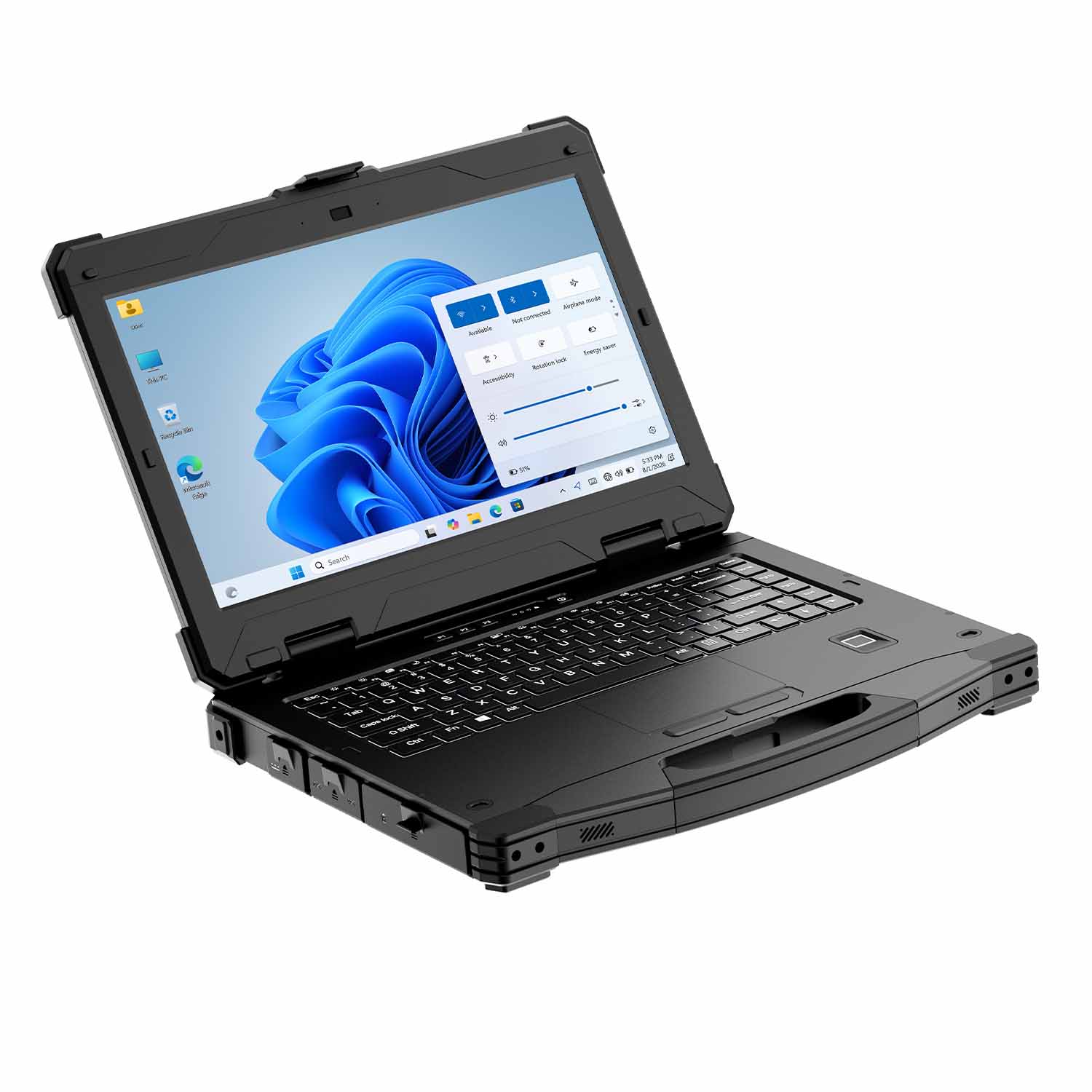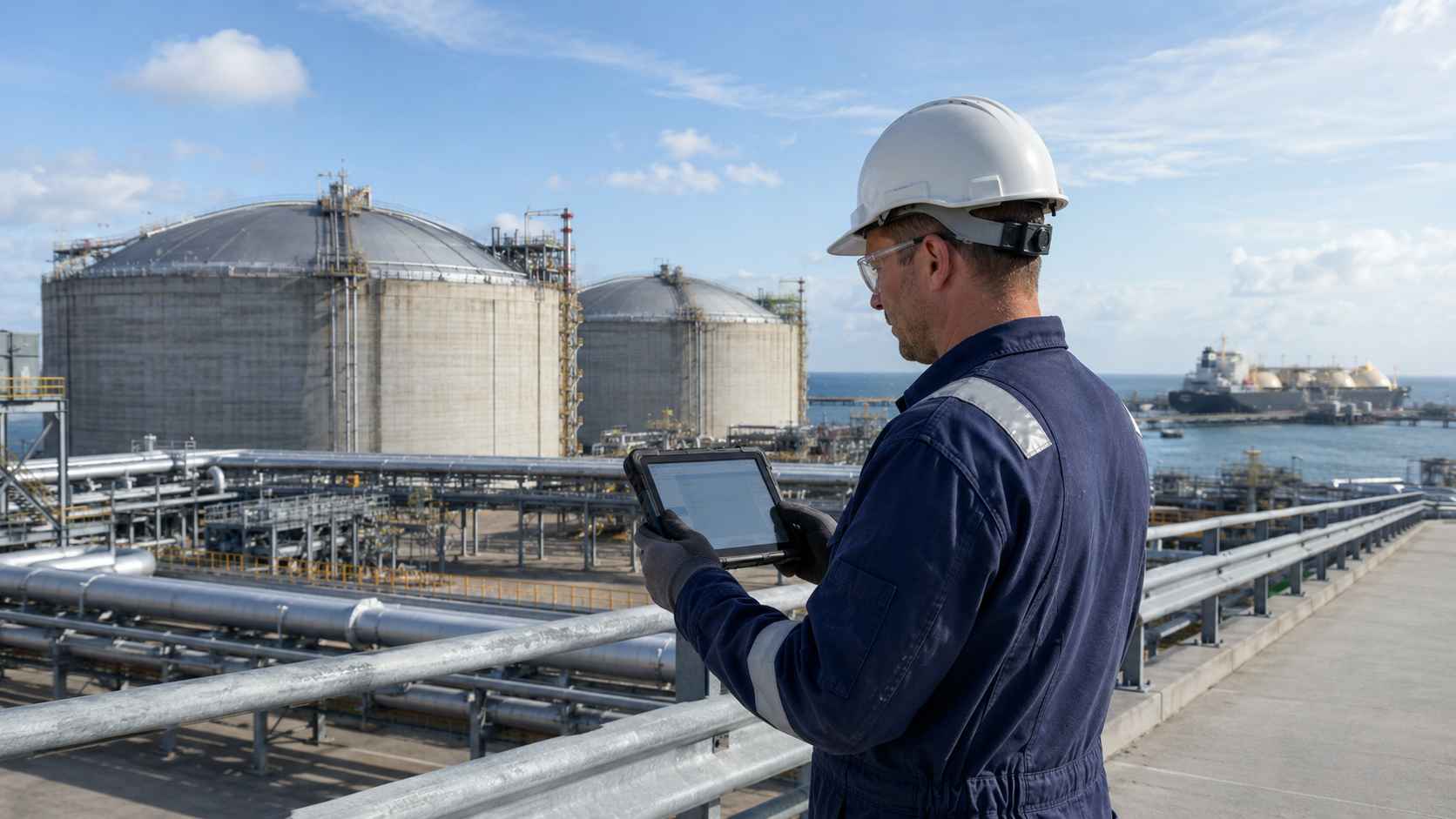
We have run tablet selection exercises at three LNG receiving terminals. The same mistake appears every time: procurement teams see −162°C on the LNG datasheet and demand a "cryogenic-rated" handheld, then pay a premium for an ordinary IP65 rugged tablet that was never intended for cryogenic contact. The −162°C figure is the liquid temperature, not the ambient operating specification for a device standing next to insulated transfer pipework. This guide is built from those field exercises. It compares ten manufacturers not on brochure claims, but on whether their certified configuration, glove-compatible interface, and offline record handling actually survive a representative inspection round at your terminal.
A tablet near insulated transfer equipment encounters local weather, spray, sunlight and temperature transitions; none of the products below should be treated as resistant to direct cryogenic contact.
An LNG terminal rugged tablet also changes hands between people with different jobs. An operator records an instrument reading, a maintenance technician checks a work order, and a contractor supervisor reviews an access request. These tasks place different demands on the display, application and authentication process. Purchasing every device against the longest specification sheet can leave the actual workflow unresolved.
This shortlist therefore separates equipment intended for Zone 1, equipment intended for Zone 2, and North American hazardous-location configurations. They are not ten interchangeable Zone 1 tablets. The site’s area-classification drawings and applicable national requirements determine which candidates reach a field trial; a product family name does not grant permission to enter a hazardous area.
In our experience, a supplier earns its place on the shortlist when it can answer four questions without sending you back to the brochure:
1. What exactly is certified? We need the model number, equipment category, gas group, temperature class, certified ambient range, and any special conditions of use tied to the certificate suffix "X". ATEX 2014/34/EU and IECEx are starting points; they do not automatically satisfy national acceptance or North American Class/Division requirements. One terminal we worked with rejected a shipment because the certificate "X" condition required a specific carrying case that was not included in the box.
2. What do the ruggedness ratings actually mean? IP65 and IP66 are dust-tight plus water-jet tests; IP67 and IP68 are immersion under defined conditions. An IP68 tablet can still fail under high-pressure washdown or salt spray. MIL-STD-810G/H are test methods, not pass/fail seals of approval. Ask for the test report number and the specific procedures that were tailored, not a "military certified" badge.
3. Does the approved configuration match the task? The Ex variant of a tablet may delete the scanner module, change the battery chemistry, or restrict charging temperature. A replaceable battery in the spec sheet does not mean you can swap it inside a Zone 1 area.
4. Can you return a repaired unit to service without re-certifying it? We have seen terminals keep a cabinet of "spares" that were never enrolled in the MDM, never loaded with the inspection app, and therefore useless when a primary device failed at shift handover. The repair process must preserve explosion-protection integrity; otherwise the spare is just an expensive paperweight.
The Top 10 LNG Tablet Manufacturers of 2026
The manufacturers below appear in no particular performance order. Each entry identifies the relevant product scope and then a practical reason to consider it. The proposed applications remain subject to the terminal’s approved equipment-selection process.
1. i.safe MOBILE (Germany)
i.safe MOBILE builds only explosion-protected mobile devices; the IS940.1 is their 10.1-inch Android Zone 1/21 tablet, rated IP68 and MIL-STD-810H with an operating range of −20°C to +55°C. Because they do not sell non-Ex consumer hardware, their product structure forces a purchasing team to start from the required protection level rather than retrofitting a rugged tablet later.
2. Pepperl+Fuchs / ECOM (Germany)
Pepperl+Fuchs acquired ECOM's hazardous-area mobility portfolio and now sells the Tab-Ex family under its own brand. The Tab-Ex 05 DZ1 is an 8-inch Android Zone 1 tablet marked Ex db ia IIC T6 Gb—note that DZ1 is the Zone 1 variant; DZ2 and D2 are different certifications and must not be substituted.
3. Aegex Technologies (United States)
Aegex builds Windows tablets for hazardous industries. The Aegex100M is marketed for Zone 1, with Zone 0 use possible only when combined with the manufacturer's specified case and additional conditions. Its current IECEx marking is Ex ia IIB T4 Ga—not IIC; verify this against your site's gas grouping requirements. Older product documents should not be used in place of the certificate shipped with the specific unit.
4. BARTEC (Germany)
BARTEC's current tablet offering is the ET60/65EX2 Android series, certified for ATEX/IECEx Zone 2/22 with separate North American approvals. This is not the same device as the older Agile X IS, and the two should not be confused in procurement.
5. Getac (Taiwan)
The F110-EX is Getac's 11.6-inch Windows tablet, certified for ATEX/IECEx Zone 2/22, with a display brightness of up to 1,200 nits. Do not assume an ordinary F110 specification applies; the Ex variant is a separately certified configuration.
6. CENAVA (China)
CENAVA supplies industrial Android and Windows computers, including configurable rugged and hazardous-area tablet families. Its relevance is strongest where a project has defined requirements for asset identification, application deployment and peripheral integration.
Key Products: The A10ST-EX is a 10.1-inch Android platform. Its product page separates hazardous-area configurations and names Zone 2/22 documents, including IECEx CSAE 24.0031X and ATEX CSANe 24ATEX1144X, alongside other advertised protection markings.
Why They’re on the List — Core Strength: Configurable identification and interface options are relevant to terminals with established tag formats or specialist applications. This makes the exact bill of materials central to procurement: a module advertised across the family is not automatically part of every approved assembly.
For an LNG plant tablet, start with the operation to be performed: reading an equipment tag, opening a work order or collecting a maintenance observation. That defines whether an integrated reader is needed and whether a simpler camera-based workflow is adequate.
7. Winmate (Taiwan)
The M101AD-EX is a 10.1-inch Windows tablet with ATEX/IECEx Zone 2 and Class I, Division 2 certification. The direct optical bonding and antiglare treatment are relevant for outdoor drawing access, but the "EX" suffix does not extend to Zone 1.
8. DURABOOK (Taiwan)
The U11I-EX is an 11.6-inch Windows tablet with ATEX Zone 2/22 certification and Twinhead's Coolfinity fanless design. Eliminating the fan removes a moving part and reduces dust ingestion, but it does not eliminate thermal throttling under sustained load or solar exposure.
9. Panasonic TOUGHBOOK (Japan)
The TOUGHBOOK G2 offers an optional Class I, Division 2, Groups A–D configuration for North American use. This is an option, not a blanket approval for every G2 unit, and it does not imply ATEX Zone 1 suitability.
10. Zebra Technologies (United States)
Zebra's ET60/ET65 series includes an optional integrated SE55 scanner and carries Class I, Division 2 certification. The standard Zebra unit must not be confused with the separately engineered BARTEC ET60/65EX2 ATEX/IECEx adaptation described earlier; they share a chassis but not a hazardous-location certificate.

How to Choose the Right Manufacturer for Your Application
Move from the manufacturer shortlist to a small comparison using one representative round. Keep the application, task list and acceptance criteria consistent so differences in setup do not masquerade as differences in hardware.
Define Your Operating Environment
Start with the area classification drawing, not the industry label. We have seen terminals where the administration building is unclassified, the jetty walkway is Zone 2, and the unloading arm base is Zone 1—all within 200 meters. An unloading activity does not make every building Zone 1, and a quiet night shift does not downgrade a classified location.
Verify your site's gas grouping requirement. IIC is not a universal LNG requirement; many LNG terminals handle methane-only streams where IIB or IIA is sufficient. A T-class is a maximum surface-temperature limit, not an ambient operating range. Do not let a vendor upsell you to IIC unless your hazard analysis justifies it.
Selecting a low temperature rugged tablet for LNG terminal work also requires a transition profile. For example, a cold device entering a room at 20°C and 60% relative humidity may remain below the room’s roughly 12°C dew point and collect condensation. Set the handling and acclimatization procedure with the equipment instructions in mind; do not improvise warming with a heater or charge a cold battery outside its allowed conditions.
Record the lowest expected ambient temperature, sunlight exposure, rainfall, cleaning agents and time spent in each environment. Direct liquid release and cryogenic-contact hazards belong to the terminal’s process-safety controls. PHMSA’s LNG safety guidance treats cryogenic effects and flammable releases as distinct hazards; an ordinary ruggedness claim addresses neither by itself.
Clarify Performance Requirements
Use a proposed 45-minute trial with 30 representative inspection points, adjusted to the real route. These are planning values, not measured product results. Include numeric readings, a drawing lookup, an exception photograph and an interrupted form. Run the trial only under an authorized procedure with approved equipment.
Record wrong-asset selections, input corrections, missed entries and time spent recovering from an interruption.
Repeat the relevant tasks with the site’s actual dry and wet glove types. “Glove mode” is a feature to assess, not proof of compatibility with every material or thickness.
Compare bright outdoor conditions with a permitted night-work setting. Excessive screen brightness can be as awkward at night as inadequate contrast is during daylight.
Finish with a handover: the next authorized user should see which records are complete, pending or unresolved without inheriting the previous user’s identity.
Set thresholds from the existing work process and the safety significance of each field. A faster round is not an improvement if it creates ambiguous records or encourages unsafe handling.
Consider Software & Integration
A useful published LNG example comes from Cameron LNG, an export and liquefaction facility rather than a receiving terminal. In its 2023 AVEVA conference presentation, the operator described mobile rounds, SAP maintenance integration and a private LTE Band 48/CBRS network. It explicitly separated that field business network from process control. The presentation also identified Class I, Division 2 requirements for the relevant equipment areas; it did not present them as Zone 1.
The transferable decision is architectural: give operators access to the information they need while preserving the boundary between mobile business applications and control systems. A receiving terminal needs its own network and cybersecurity design, not a copy of another operator’s coverage claim.
For a proposed offline exercise, interrupt the application’s connection in a controlled test environment, create several observations and reconnect. Check timestamps, asset identifiers, attachment association and duplicate handling. Expired permit information must be visibly stale; queued data must not silently become permission to begin work. Keep the approved emergency communications and safety procedures independent of this trial.
Analyze Total Cost of Ownership (TCO) vs. Initial Cost
Compare the cost of delivering a usable fleet: devices, permitted accessories, application deployment, charging infrastructure, spares, repair logistics and ongoing support. Include the time required to enroll a replacement and recover pending records. A spare left unconfigured in a cabinet does not shorten a disrupted shift.
Use measured trial data for any business case. If a route needs fewer return visits to retrieve information, record those visits and the associated time before assigning savings. Keep avoided administrative effort separate from process availability; a tablet supplier’s productivity claim is not evidence of reduced LNG downtime.
Document who approves repairs, who checks devices returning to service, and who owns the application after the initial rollout. Those responsibilities are especially important when procurement, operations and IT use different suppliers. Establish an approved withdrawal and fallback process for a damaged device rather than asking the operator to judge enclosure integrity during a round.
The Future of LNG Terminal Tablets: Trends to Watch
Mobile records connected to asset context. Linking a photograph or observation to the correct equipment, work order and document revision creates more value than collecting additional unstructured files. The next procurement should assess those relationships, not only the ability to capture data.
Managed private connectivity with defined limits. Private networks create options for field business applications, but coverage, mobility and national spectrum rules remain site-specific. Offline behavior and a clear separation from safety functions will still matter when the radio connection is strong.
Security support treated as an operating cost. Hardware replacement and software support do not necessarily follow the same timetable. Buying teams should record supported operating-system versions, application dependencies and the planned update process alongside the asset’s expected service period.
Assistive analytics with human review. Image comparison and suggested defect categories may help prioritize maintenance observations. They should retain the original evidence, identify uncertain results and leave acceptance with the responsible person. A general-purpose tablet application should not be presented as a substitute for gas detection, an emergency shutdown system or an approved safety instrumented function.
Conclusion
The strongest shortlist is built around two things: the permit-to-work route classification, and whether the inspection record produced by the device is actually usable during the shift. A familiar brand or a newer model number will not compensate for a missing approval.
Run your comparison with the same application on every candidate, using the same representative task list. In our standard trial protocol, we measure six things: input accuracy with site gloves, drawing readability at the actual scale used, time to recover from an interrupted form, clarity of the handover record, behavior during a controlled connectivity loss, and whether the operator can correct an out-of-range entry without restarting the round. The cases above are reference points. Your own trial, with your own operators, in your own weather, is the only test that matters.


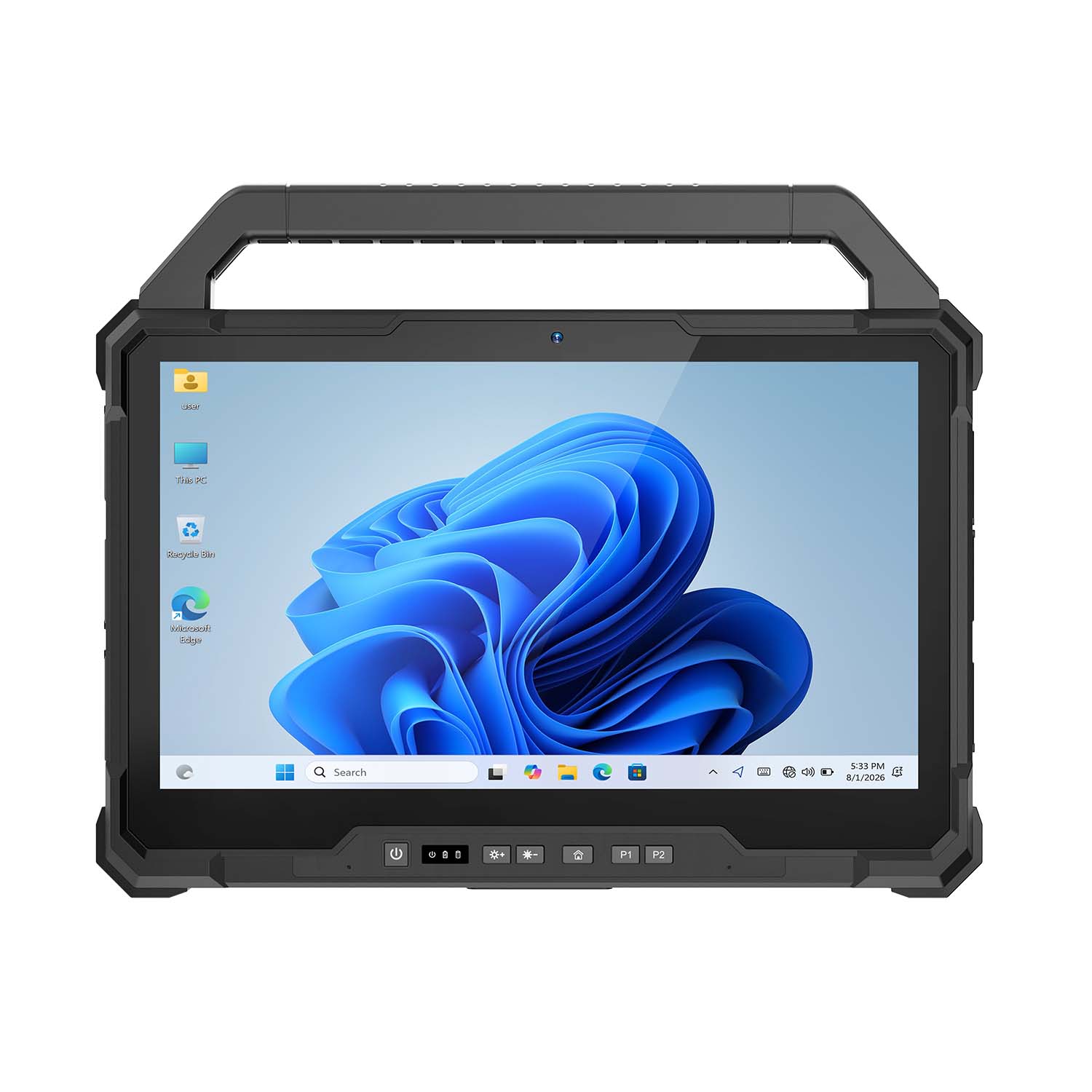 CENAVA W30U i5-1235U 13.3 Inch Win11 IP65 Rugged Tablet
 CENAVA W109U i7-1255U 10.95 Inch Win11 IP67 Rugged Tablet
 CENAVA A109TB MT6789V 10.95 Inch Android 14 IP68 Rugged Tablet
 CENAVA W10Y i7-10510Y 10.1 Inch Win11 IP68 Rugged Tablet Full I/O
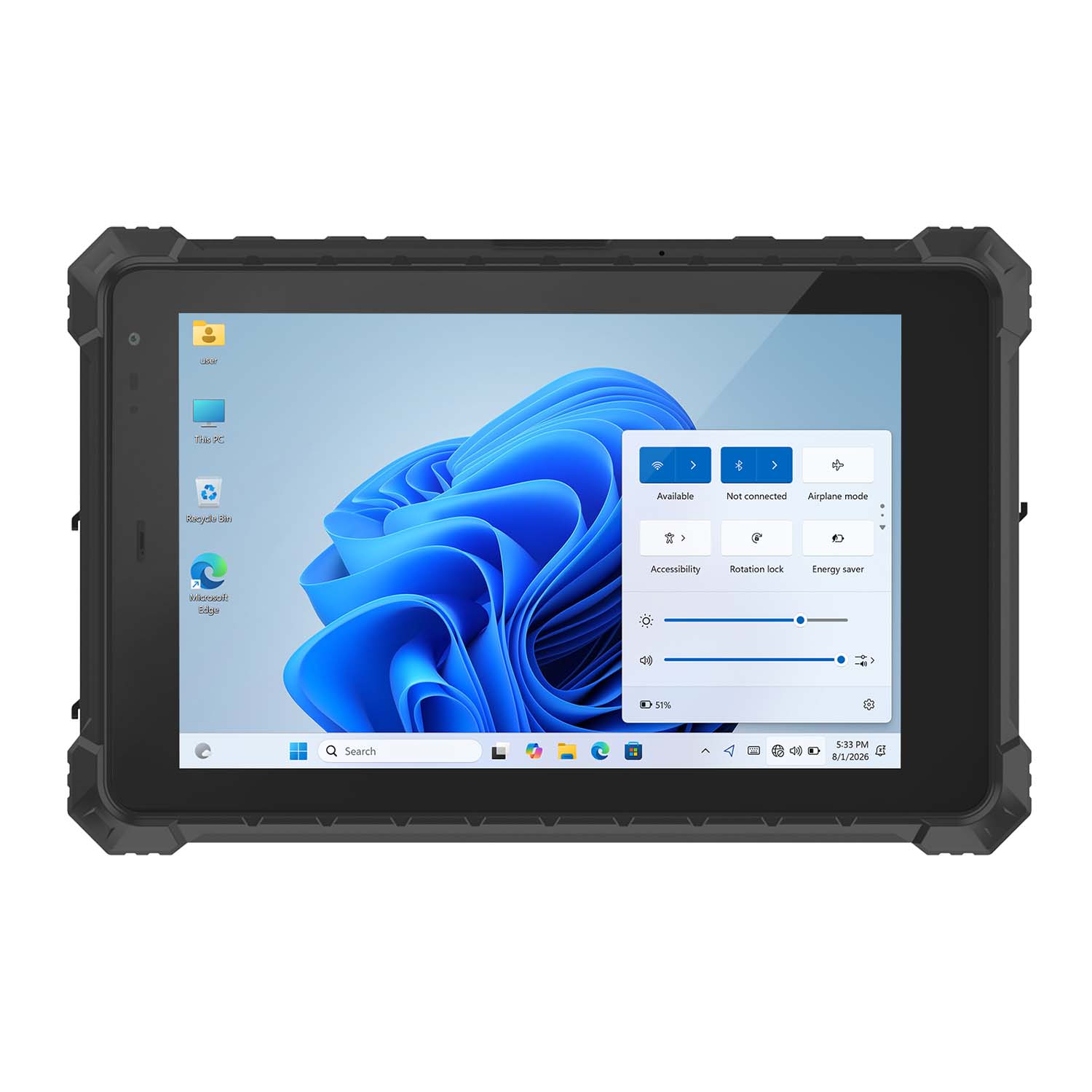 CENAVA W10N N5100 10.1 Inch Win11 IP68 Rugged Tablet Full I/O
 CENAVA A10RX RK3588 10.1 Inch Android 12 IP67 Rugged Tablet
 CENAVA A10ST MT8781 10.1 Inch Android 13 IP68 Rugged Tablet
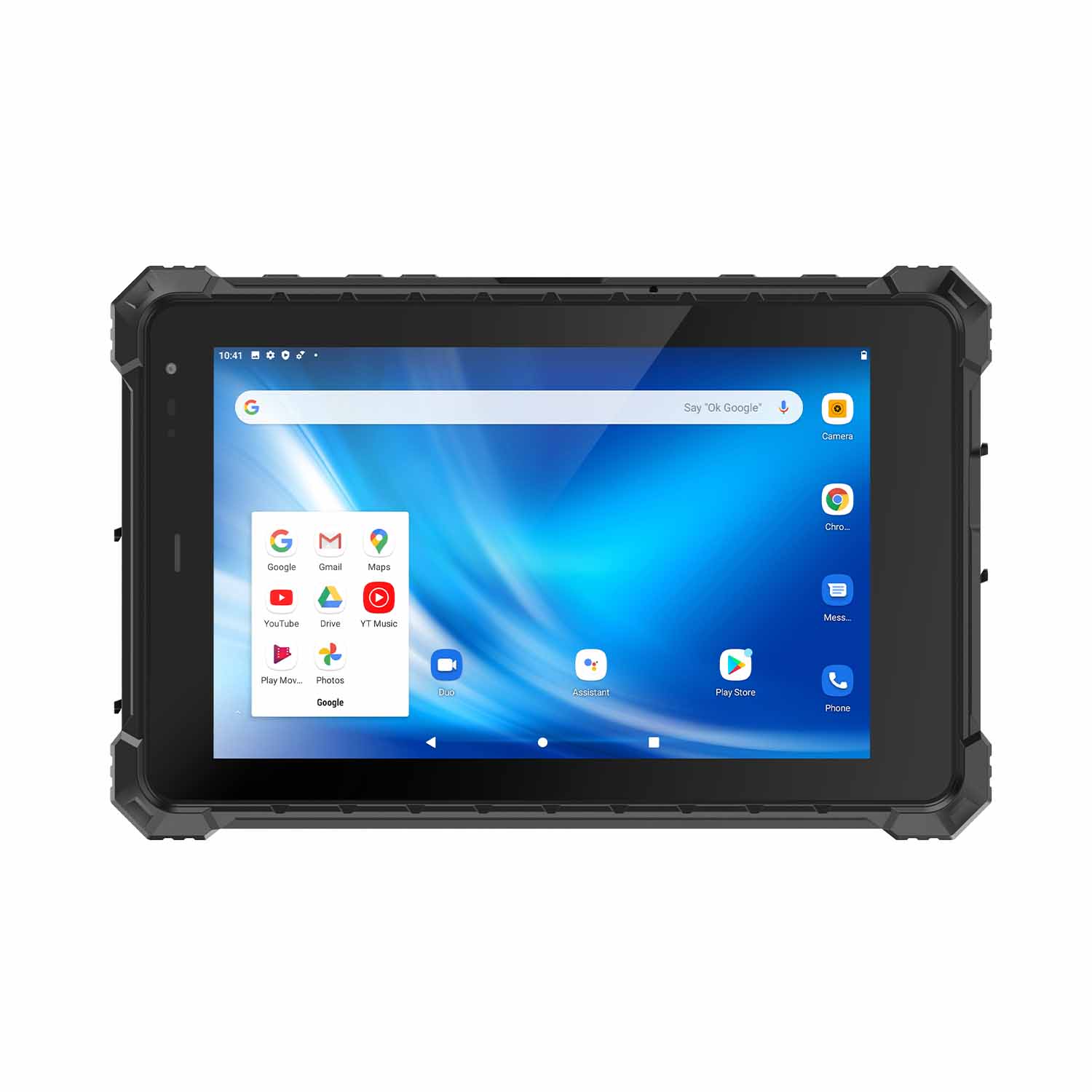 CENAVA A80ST MT6771 8 Inch Android 10 IP68 Rugged Tablet
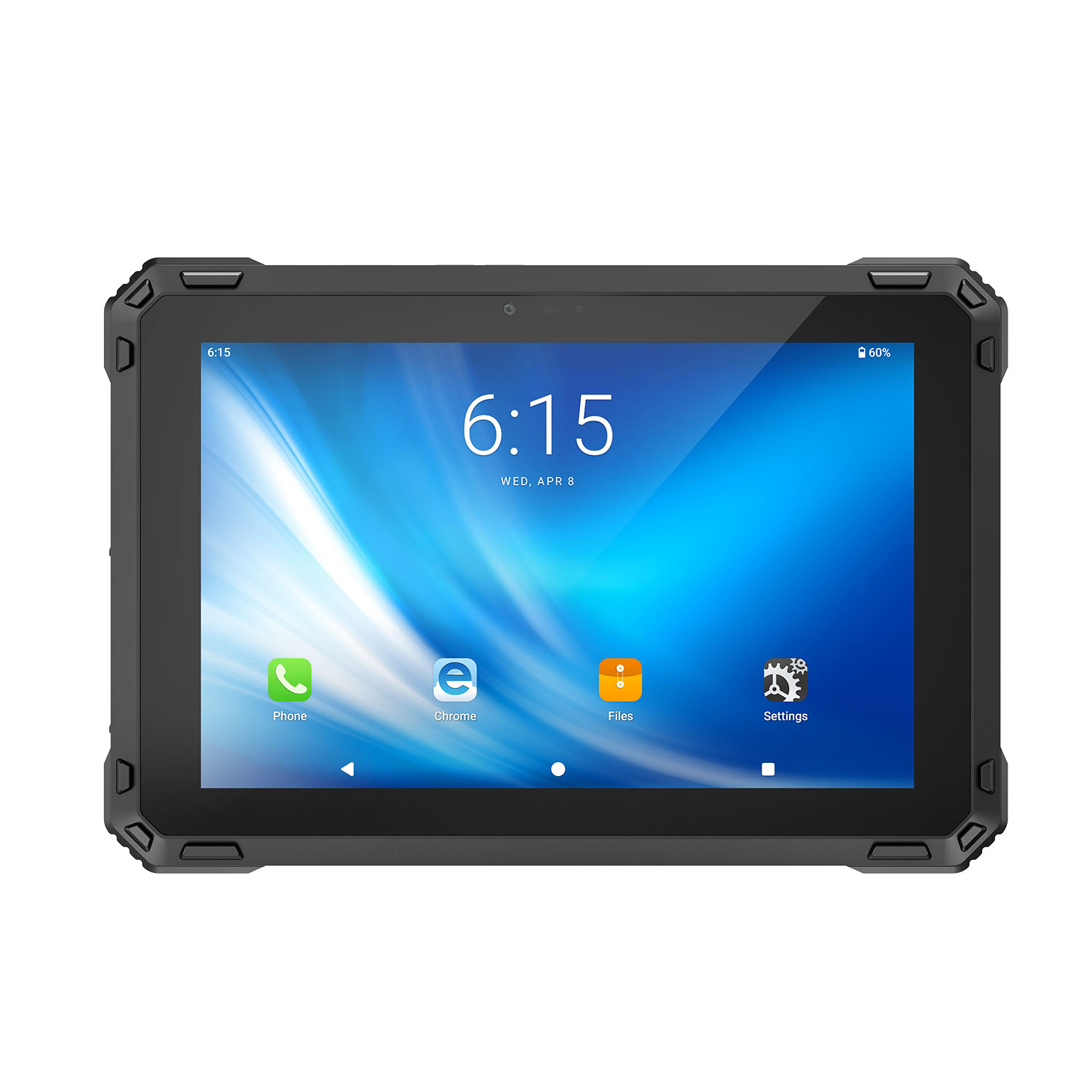 CENAVA A88ST MT6769 8 Inch Android 16 IP68 Rugged Tablet
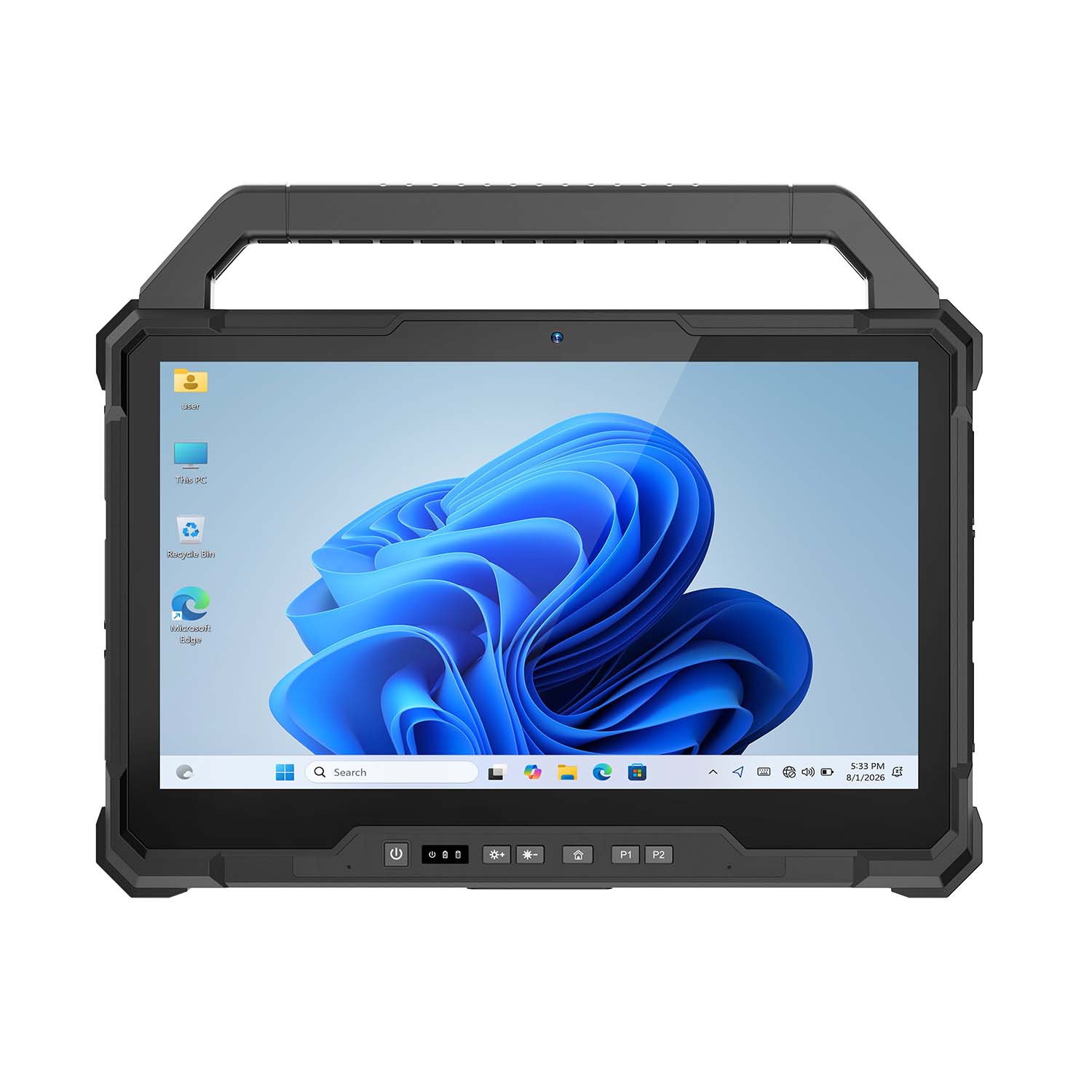 CENAVA W30NS N150 13.3 Inch Win11 IP65 Rugged Tablet
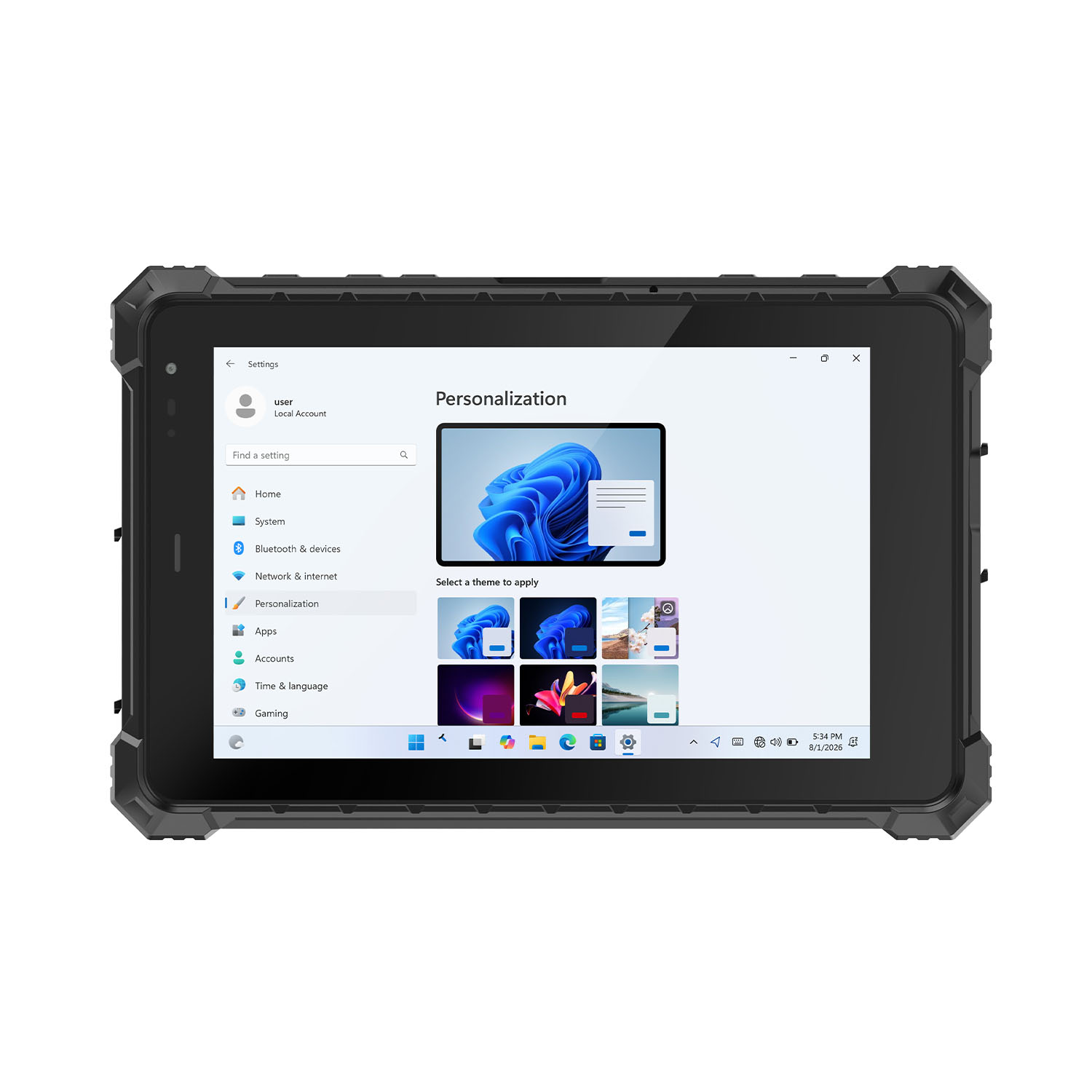 CENAVA W80Y i7-10510Y 8 Inch Win11 IP68 Rugged Gigabit
 CENAVA A10R RK3568 10.1 Inch Android 11 IP68 Rugged Tablet
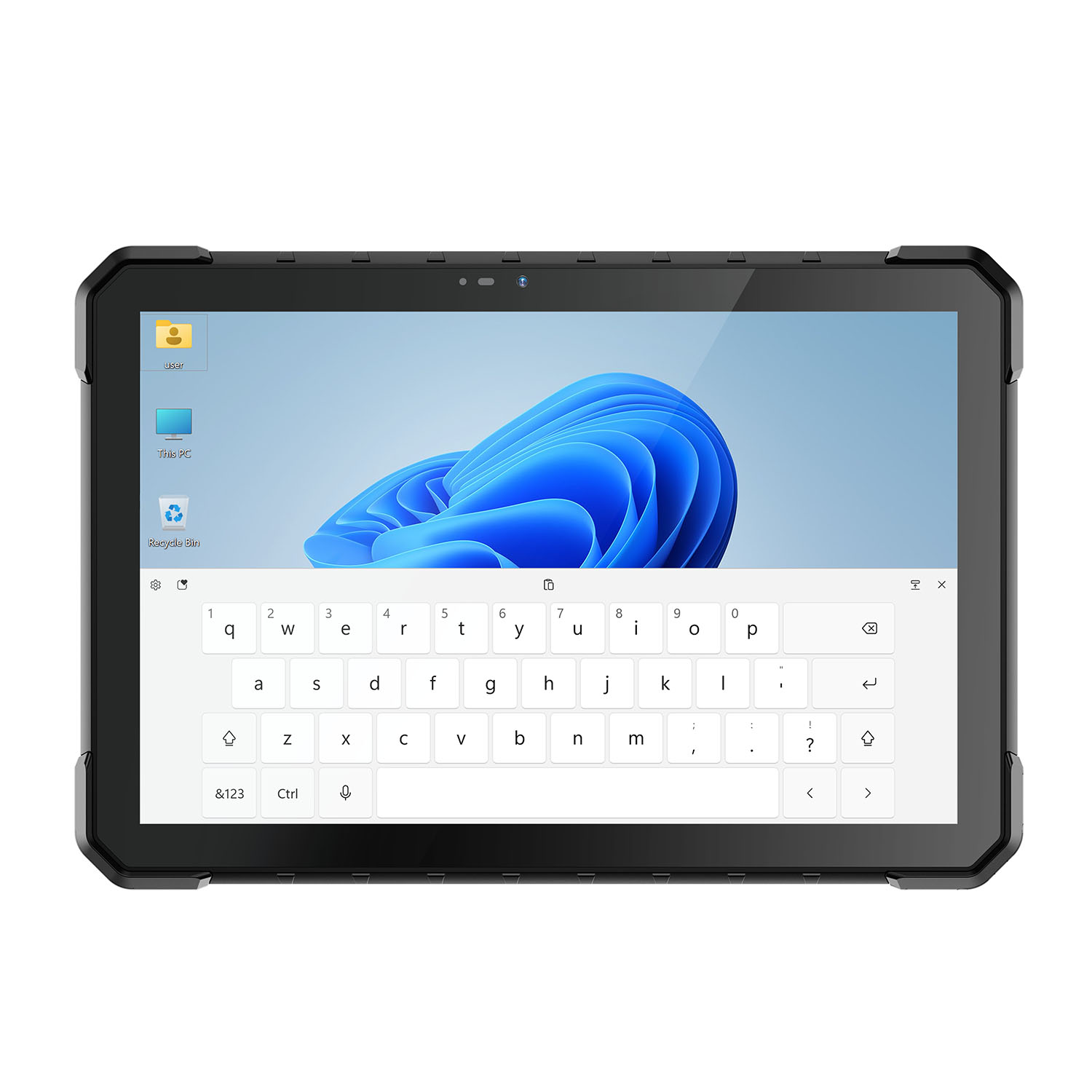 CENAVA W18Y i7-10510Y 10.1 Inch IP68 Industrial Tablet
 CENAVA CXE80C N2930 8 Inch Win10 IP65 Rugged Tablet
 CENAVA A18ST MT8781 10.1 Inch Android 13 IP68 Rugged Tablet
 CENAVA A10R RK3588 10.1 Inch Android 12 IP68 Rugged Tablet
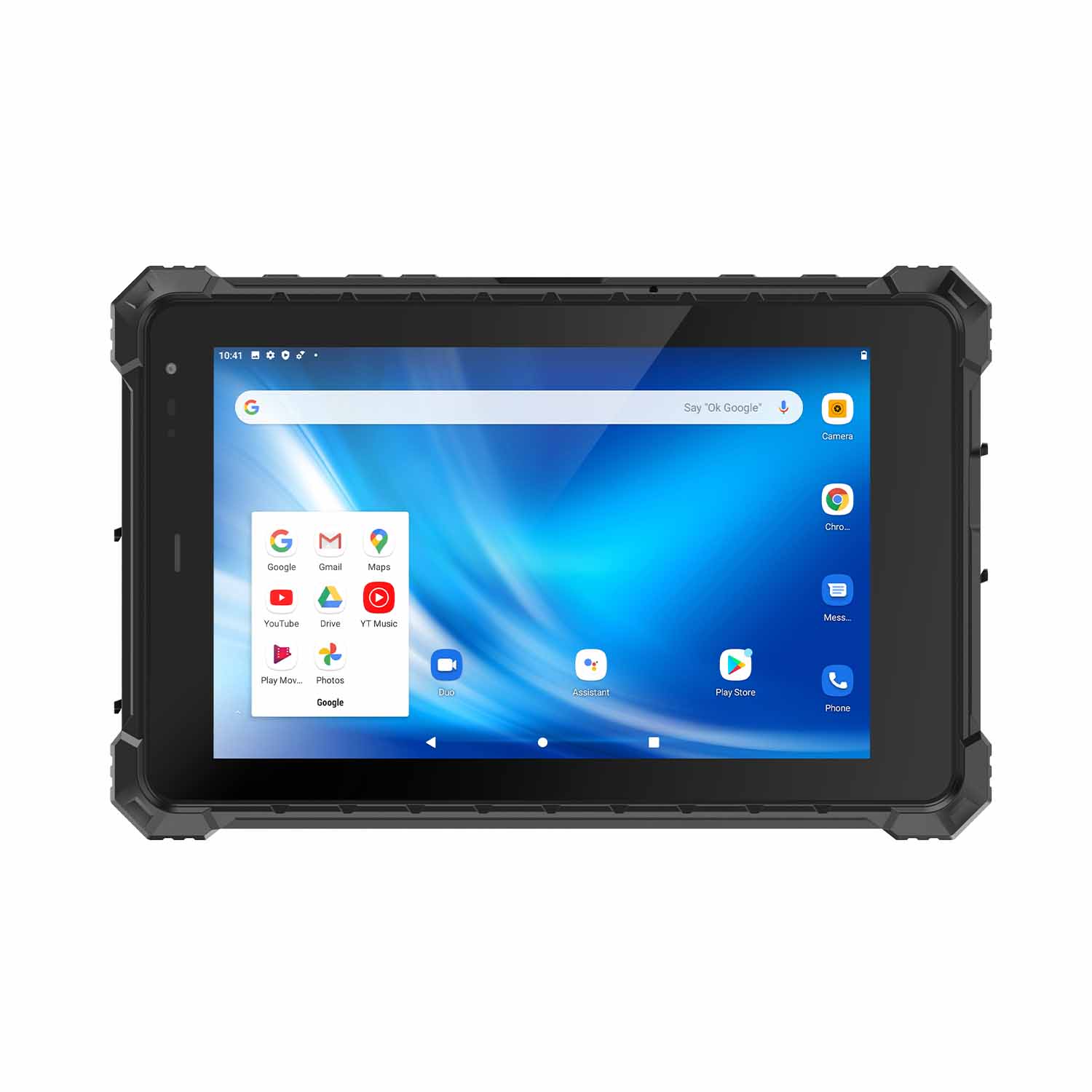 CENAVA A80ST-5G MT6877 8 Inch Android 12 IP68 Rugged Tablet
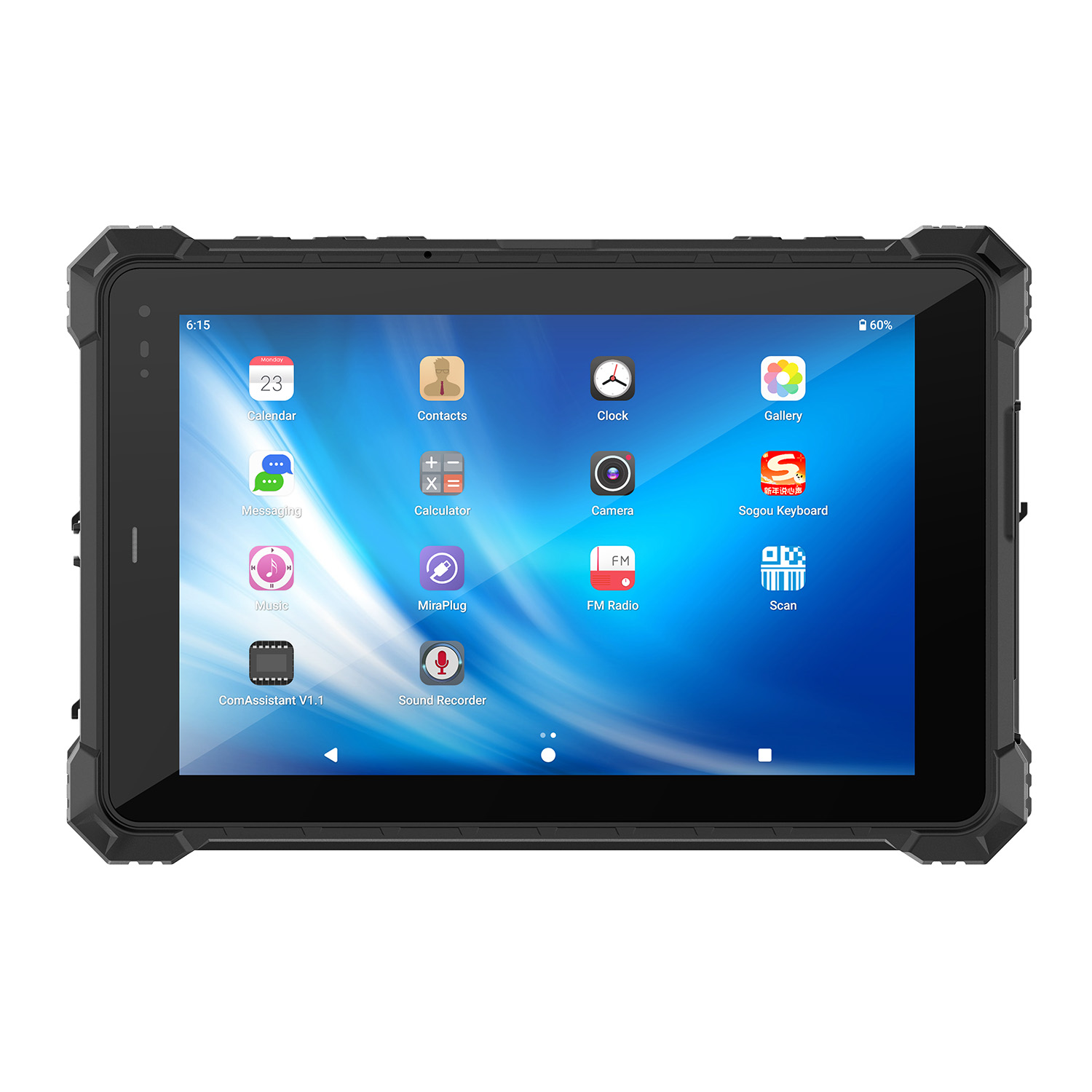 CENAVA A10STX MT8781 10.1 Inch Android 13 IP67 Rugged Tablet
 CENAVA A10ST-5G MT6877 10.1 Inch Android 12 IP68 Rugged Tablet
 CENAVA A10STX-5G MT6877 10.1 inch 5G Rugged Android Tablet
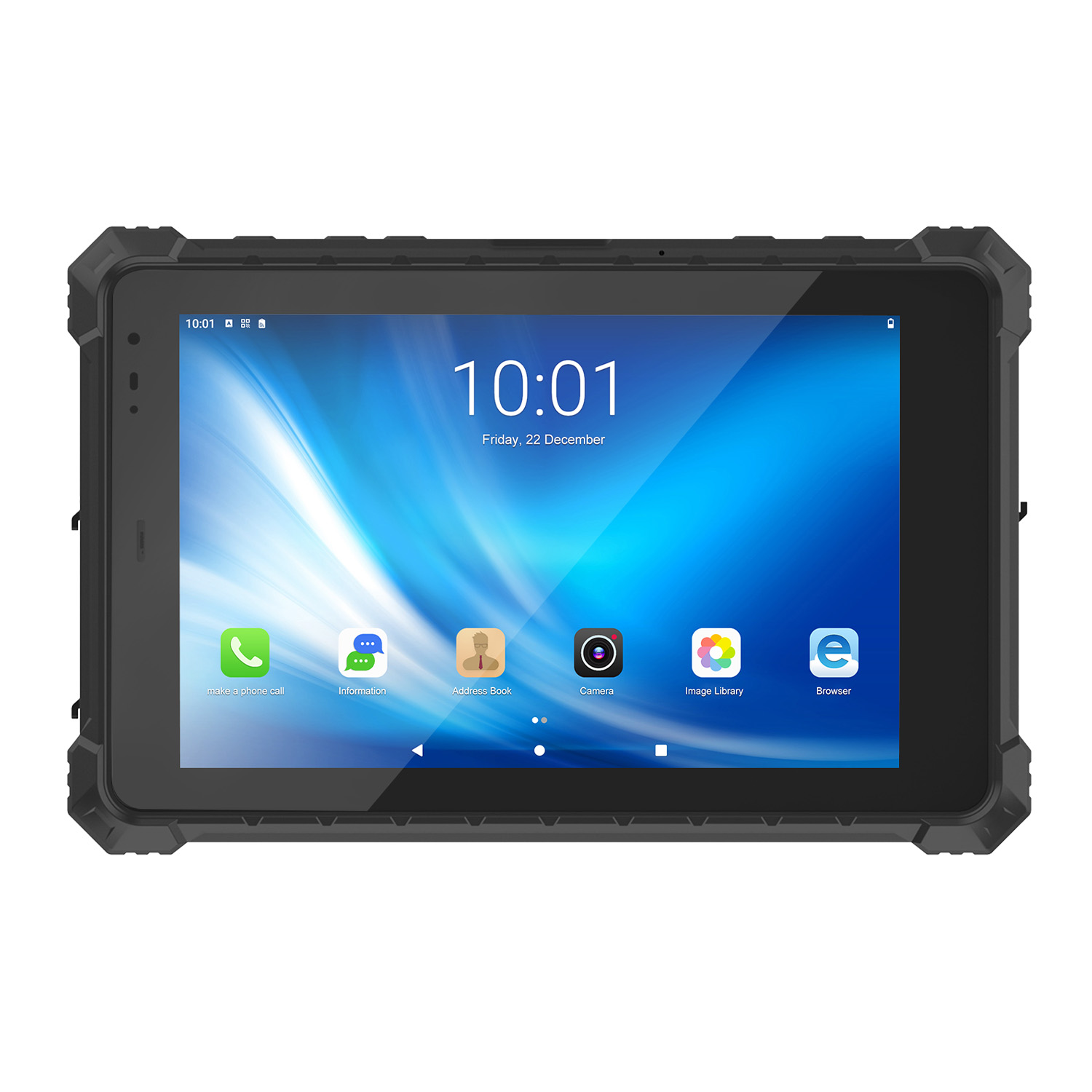 CENAVA A10ST MT6771 10.1 Inch Android 10 IP68 Rugged Tablet
 CENAVA A10STX MT6769 10.1 Inch Android 16 IP67 Rugged Tablet
 CENAVA A10ST MT6769 10.1 Inch Android 16 IP68 Rugged Tablet
 CENAVA A10STX MT6771 10.1 Inch Android 10 IP67 Rugged Tablet
 CENAVA A80ST MT8781 8 Inch Android 13 IP68 Rugged Tablet
 CENAVA A80R RK3588 8 Inch Android 12 IP68 Rugged Tablet
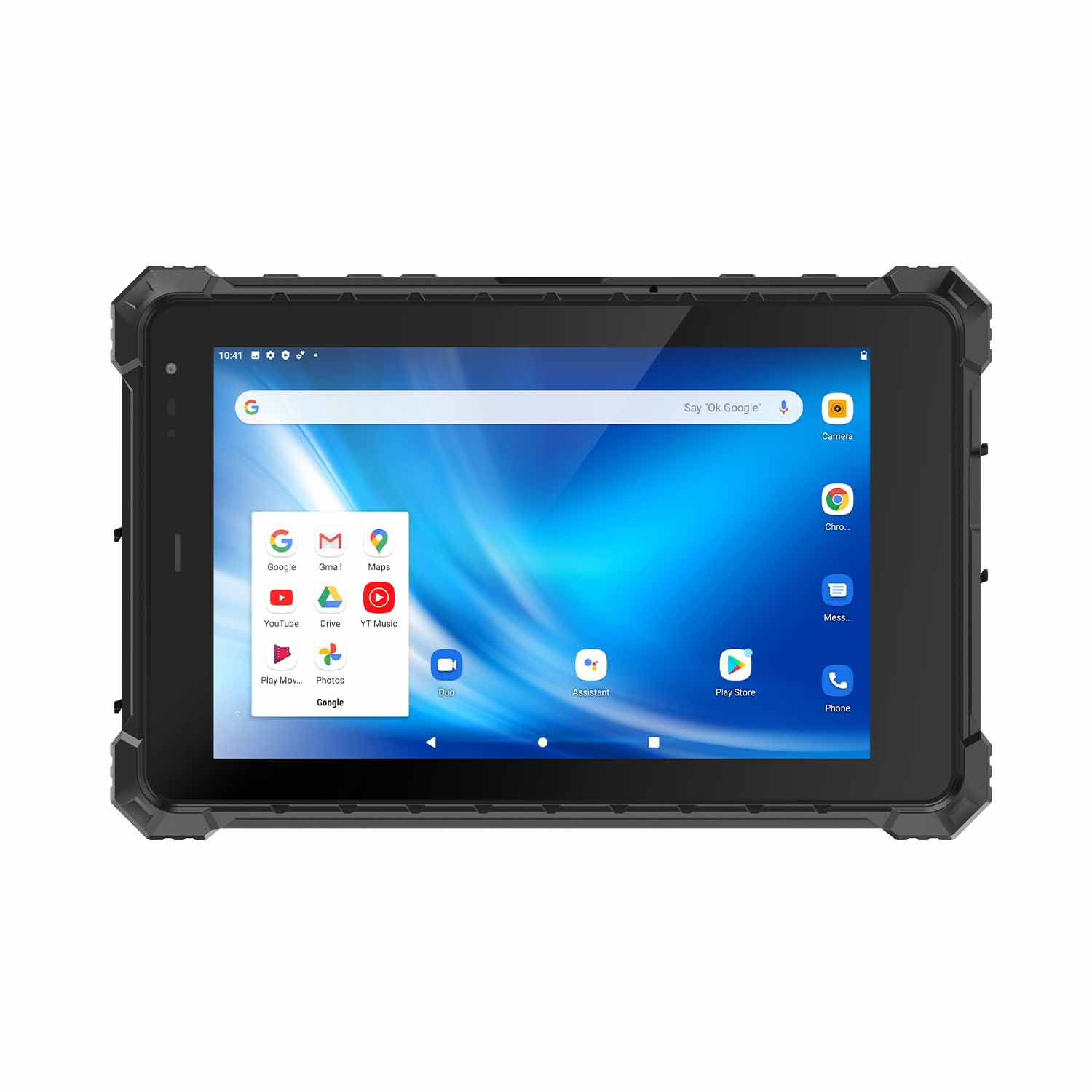 CENAVA A80STX-5G MT6877 8 Inch Android 12 IP67 Rugged Tablet
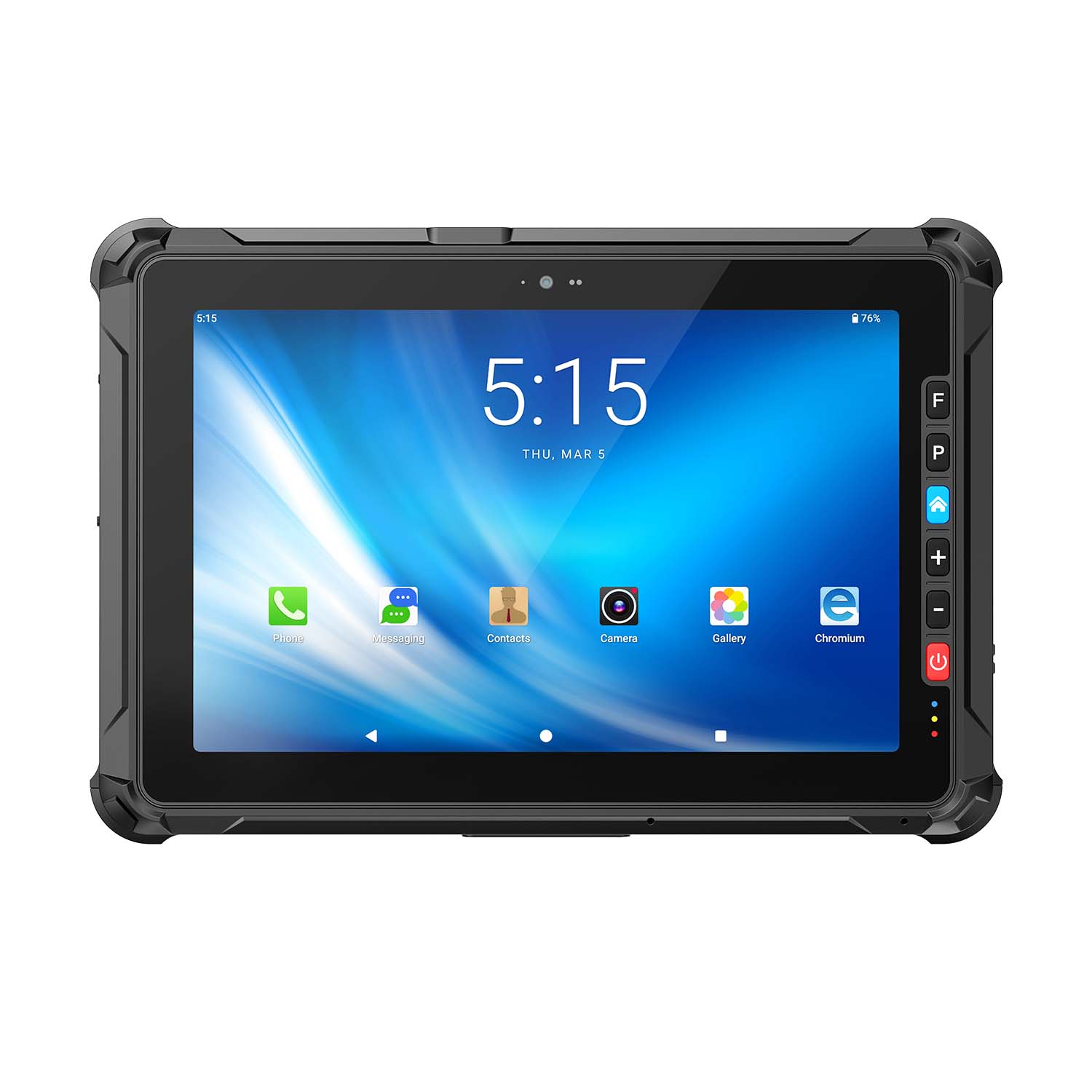 CENAVA A109ST MT8781 10.95 Inch Android 16 IP67 Rugged Tablet
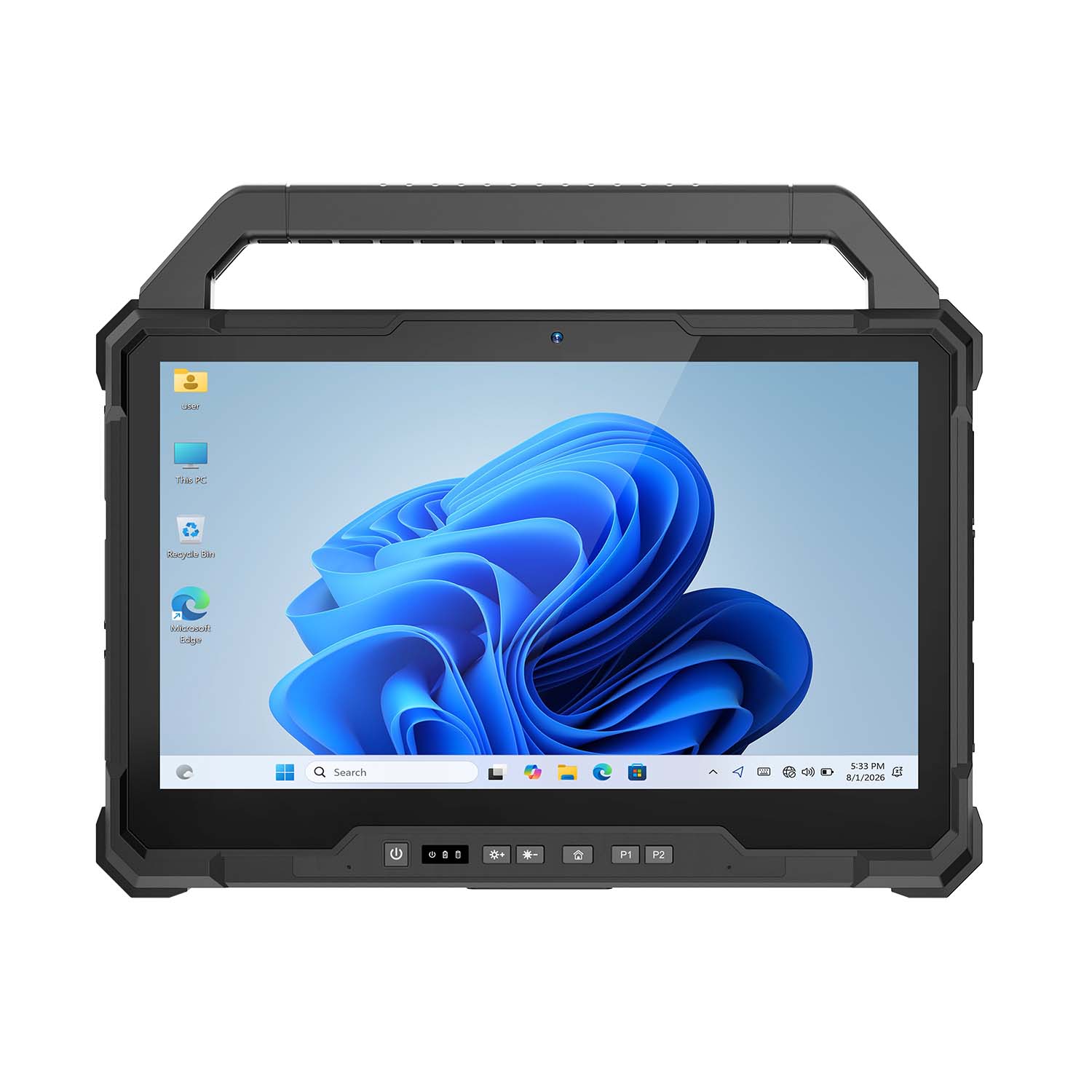 CENAVA W30U Pro Ultra7-155U 13.3 Inch Win11 IP65 Rugged Tablet
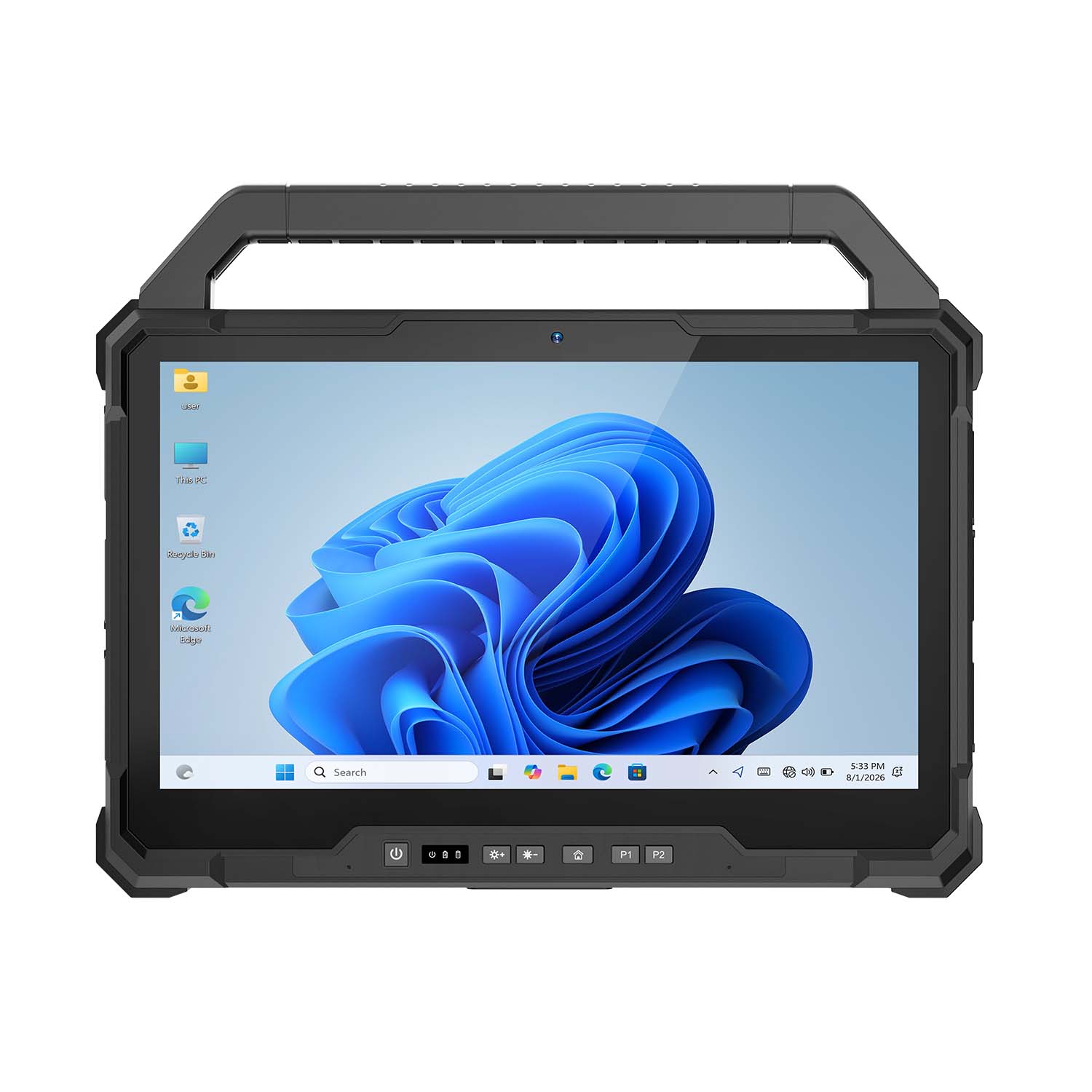 CENAVA W30U i7-1255U 13.3 Inch Win11 IP65 Rugged Tablet
 CENAVA W109NS N150 10.95 Inch Win11 IP67 Rugged Tablet GbE
 CENAVA W109U i5-1235U 10.95 Inch Win11 IP67 Rugged Tablet
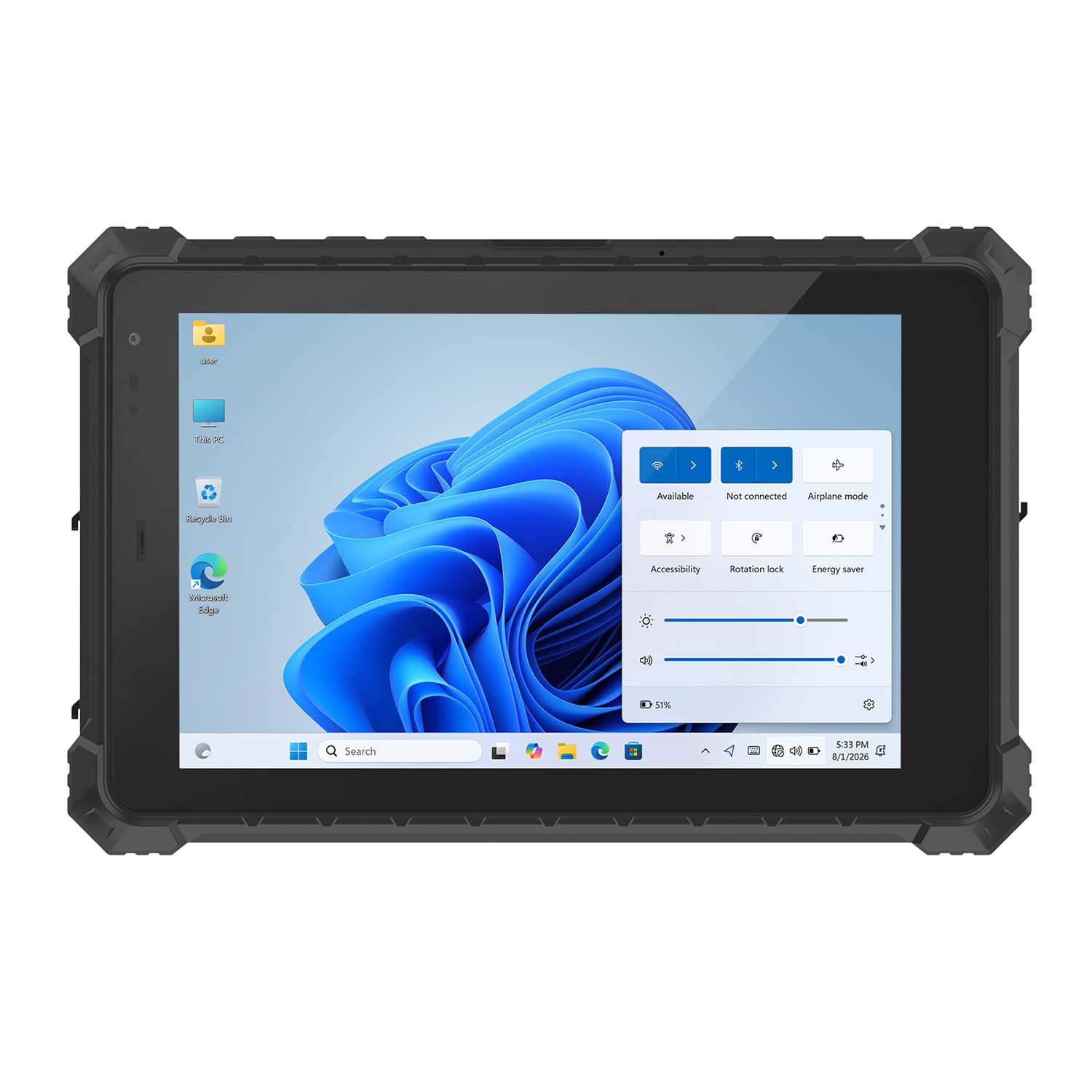 CENAVA W10Y i5-10210Y 10.1 Inch Win11 IP68 Rugged Tablet Full I/O
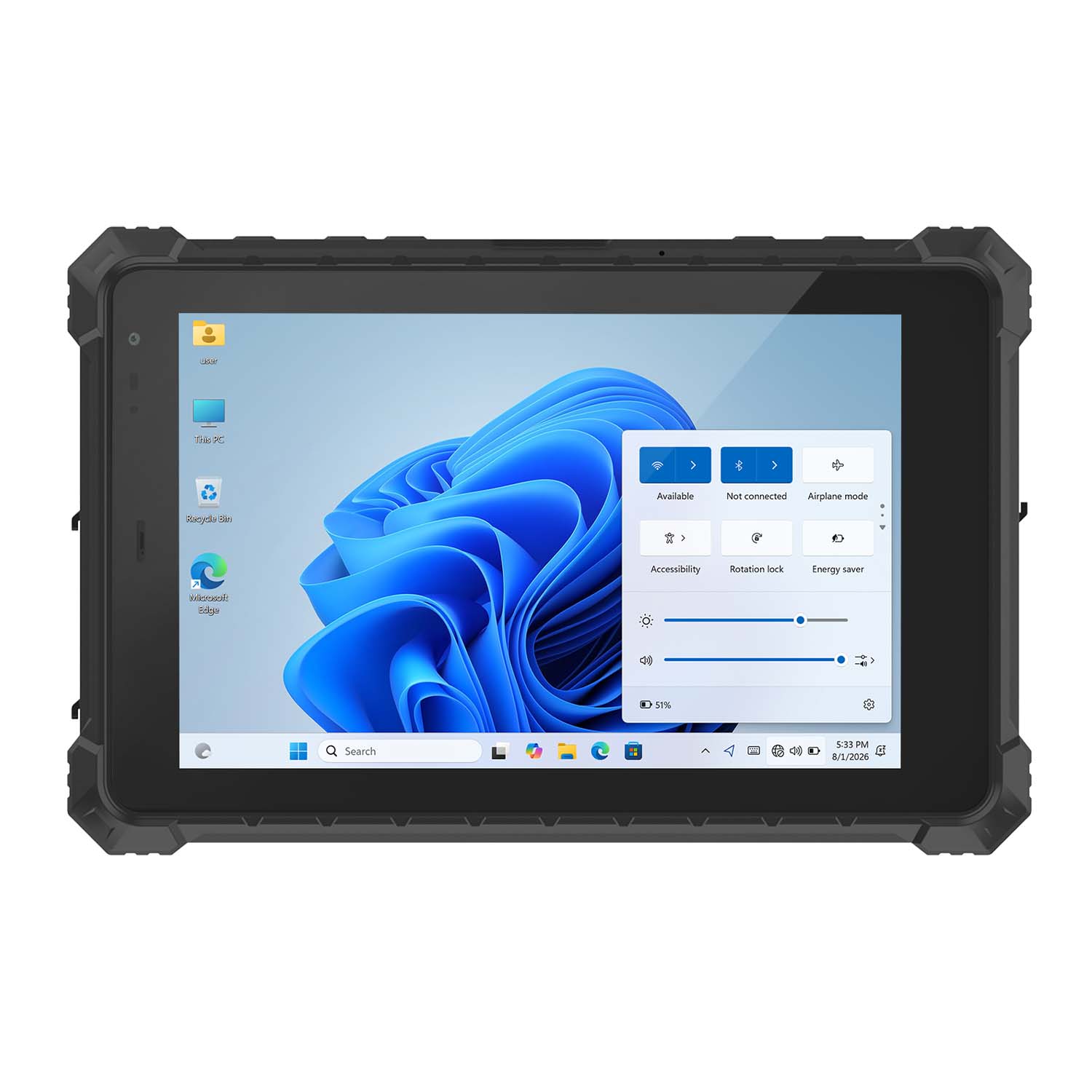 CENAVA W10NPRO N100 10.1 Inch Win11 IP68 Rugged Full I/O
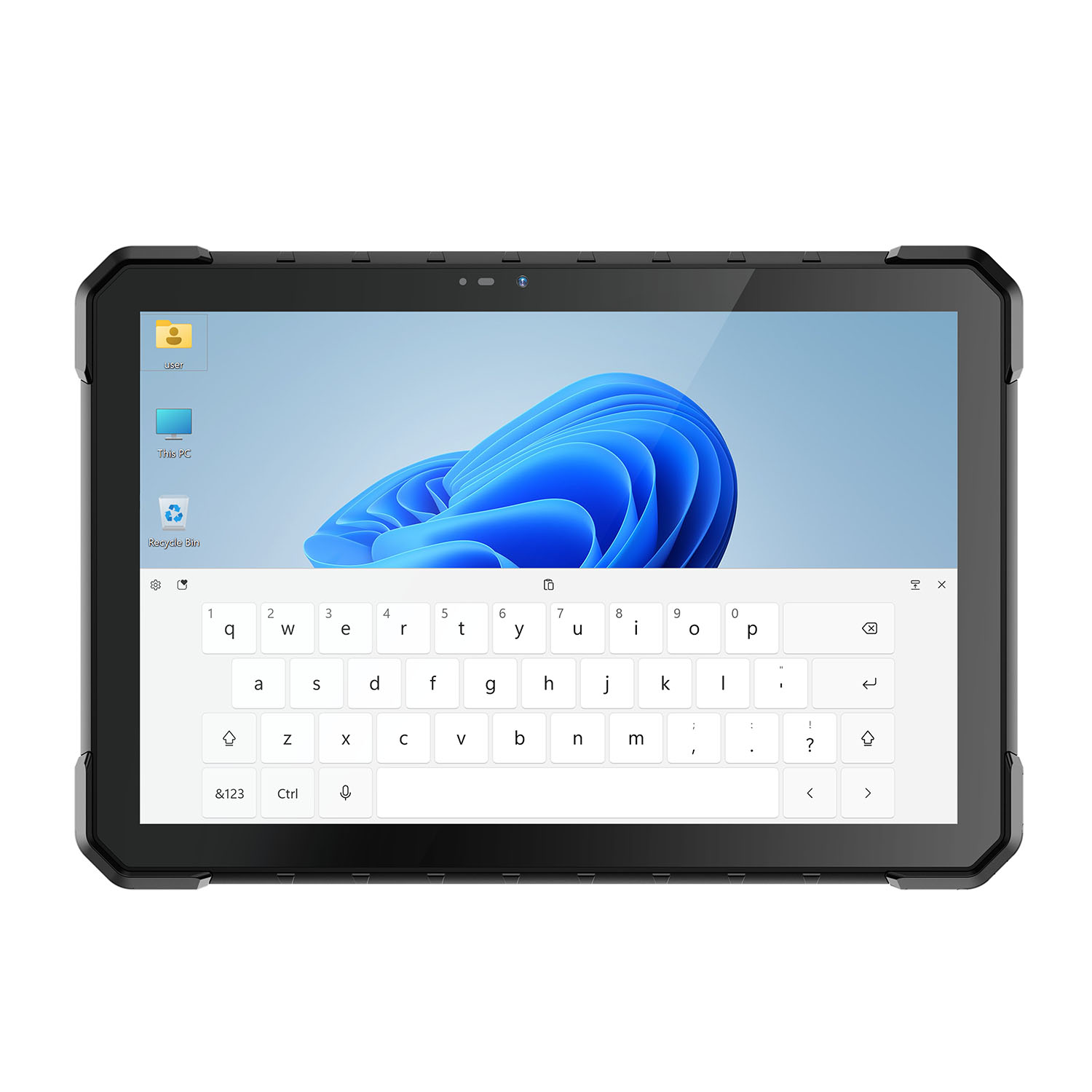 CENAVA W18Y i5-10210Y 10.1 Inch Win11 IP68 Rugged Slim
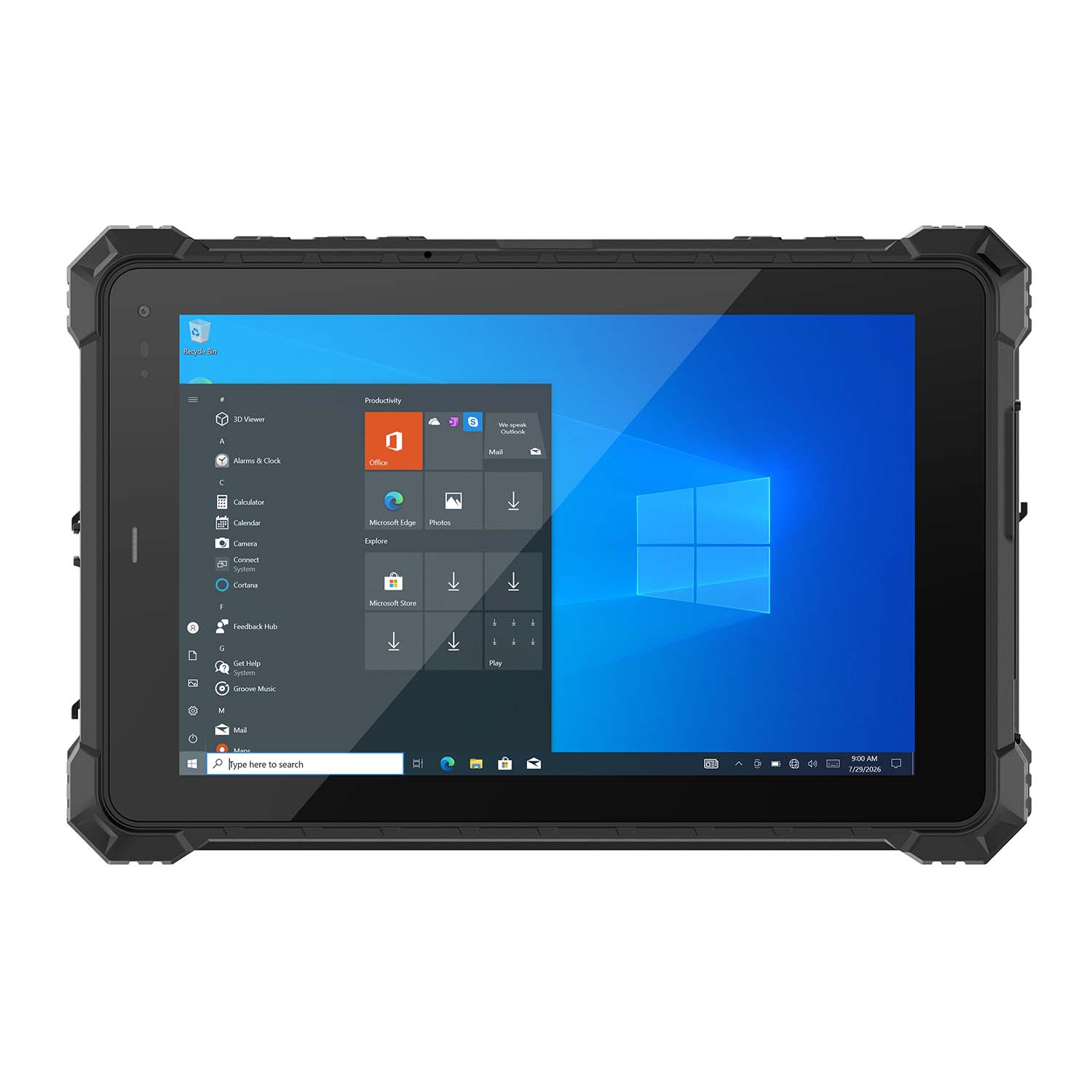 CENAVA W10NX N5100 10.1 Inch Windows IP67 Industrial Tablet
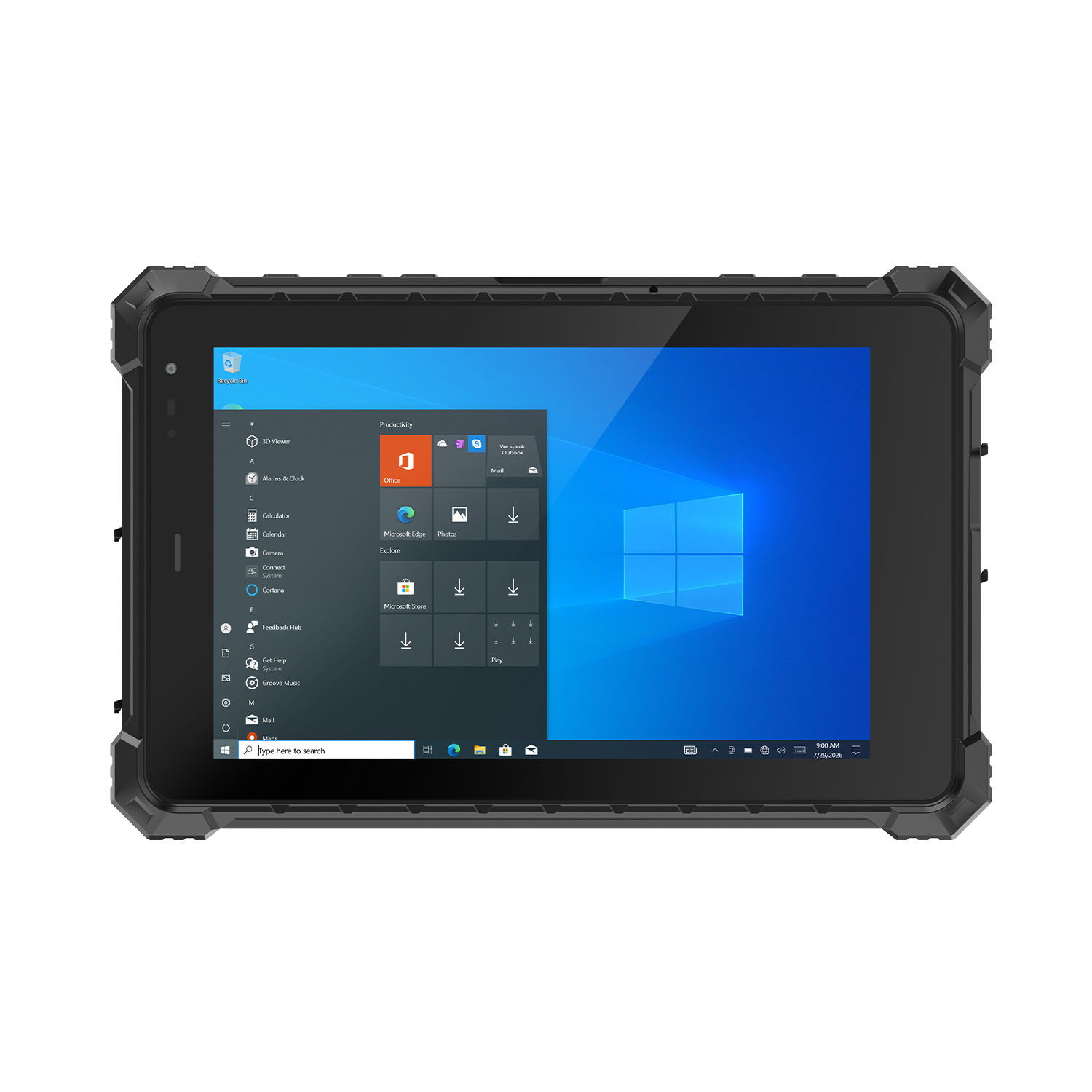 CENAVA W80N N5100 8 Inch Win11 IP68 Windows Rugged Tablet
 CENAVA H10PRO N100 10.1 Inch Win11 Industrial PC | WiFi6 Touch Panel
-1.jpg) CENAVA H55N N5100 5.5" Win11 Mini Industrial PC
CENAVA H55N N5100 5.5" Win11 Mini Industrial PC
 CENAVA H10F N100 10.1" Win11 Industrial Panel PC Touch Computer
 CENAVA H10F N95 10.1" Win11 Industrial Panel PC | WiFi6 Touch Computer
 CENAVA H7S N3350 7 Inch Win10 Entry Industrial PC | POE Fanless Touch Panel
 CENAVA H7 N4020 7" Win10 Compact Industrial PC | POE Fanless Touch Panel
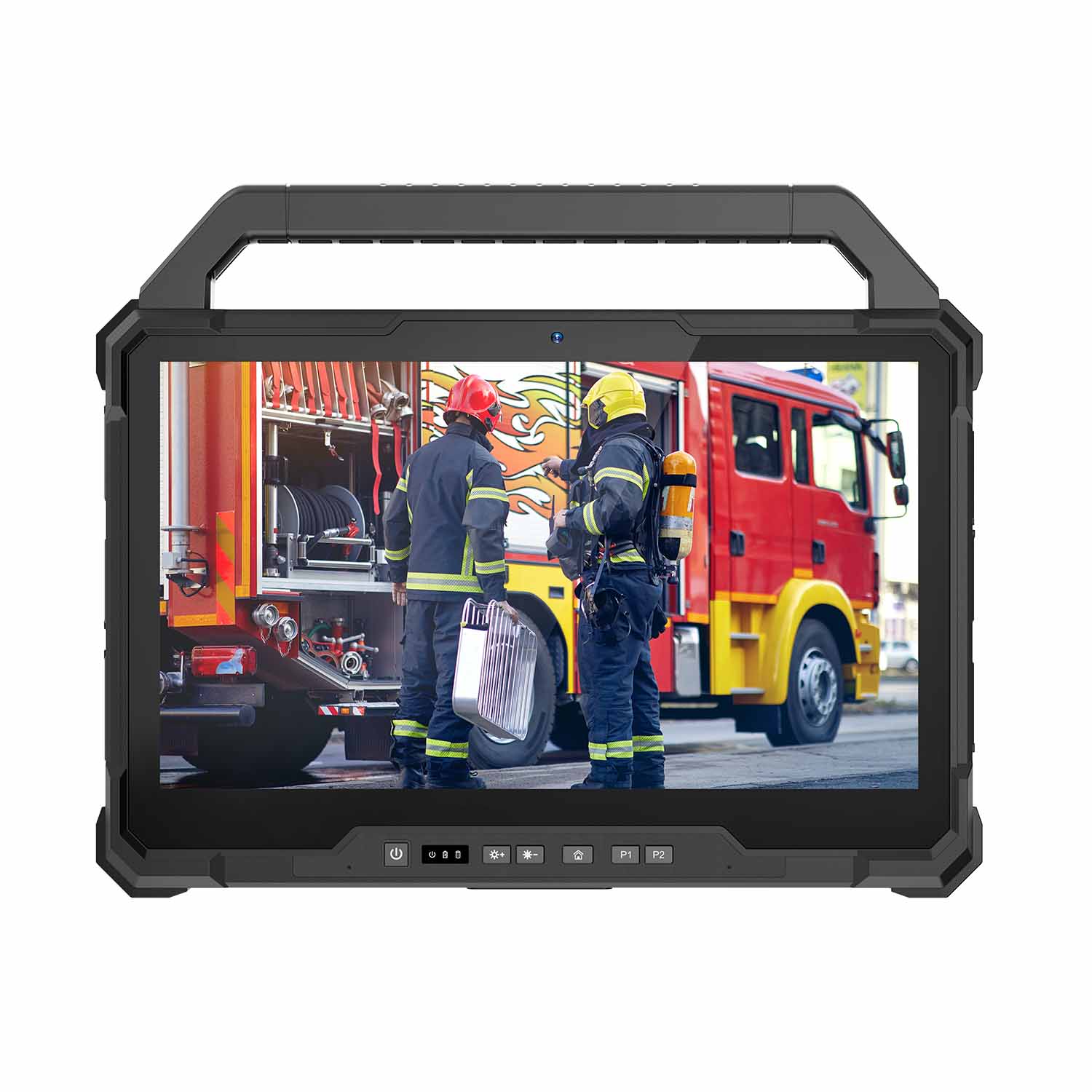 W30U-EX i7-1255U 13.3 Inch Explosion-Proof Windows Tablet
 W30UPro-EX Ultra7-155U ATEX II 2GD Ex ib IIC T5 Gb Explosion-Proof Tablet
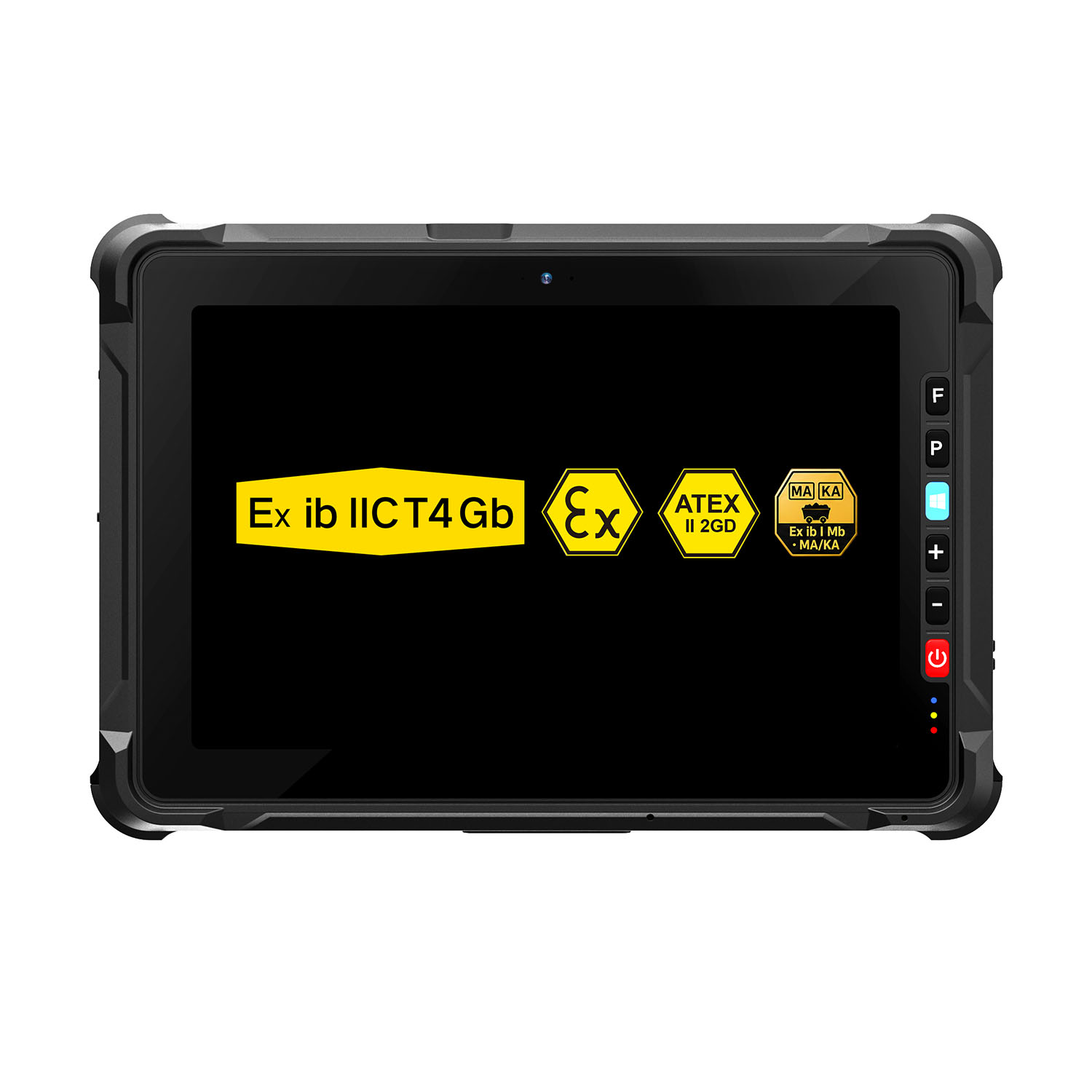 W109NS-EX N150 Explosion-Proof Hazardous Area Windows Tablet
 A109ST-EX MT8781 20000mAh Explosion-Proof ATEX II 2GD Android Tablet
.jpg) W10N-EX N5100 Explosion-Proof Intrinsically Safe Windows Tablet
W10N-EX N5100 Explosion-Proof Intrinsically Safe Windows Tablet
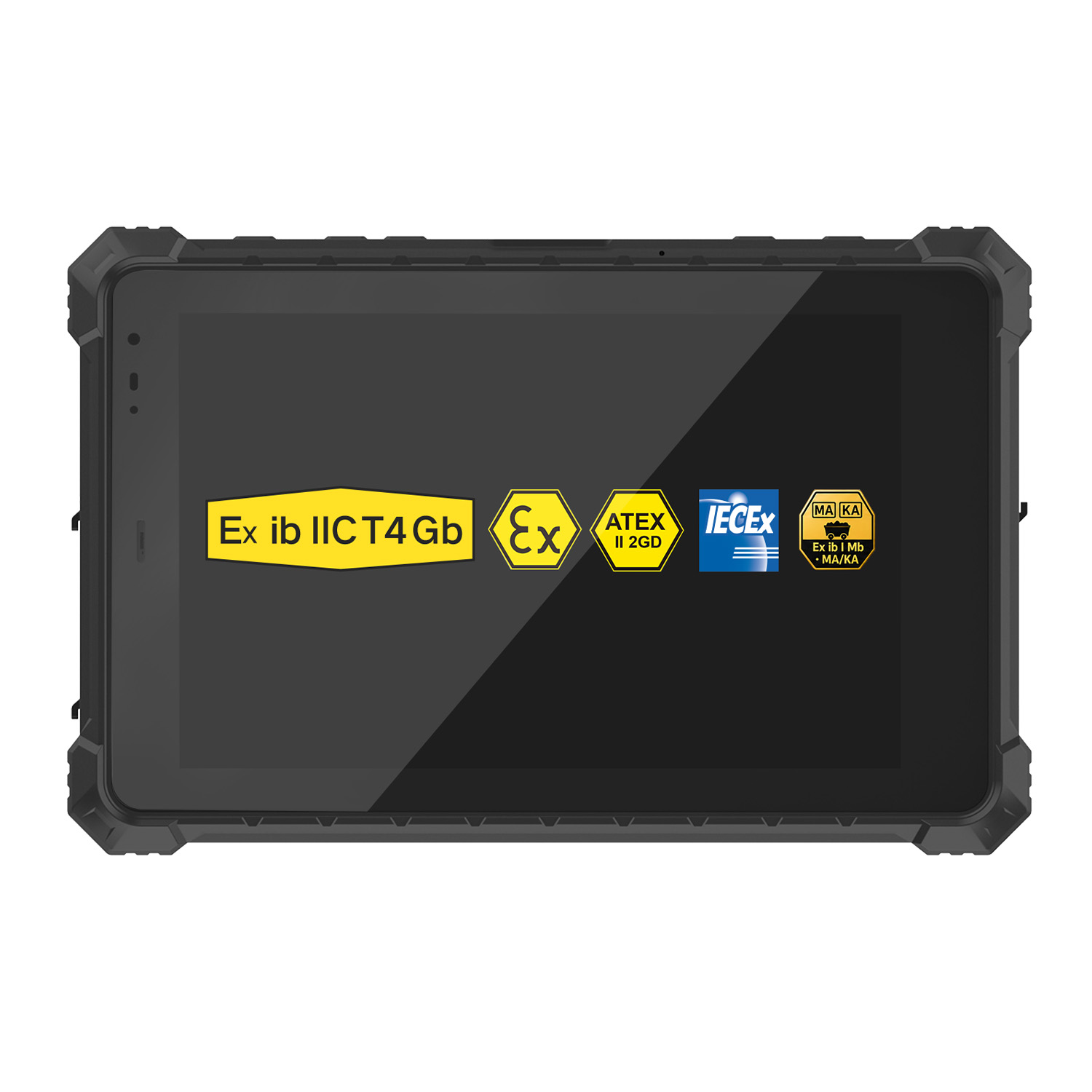 A10ST-EX MT8781 Ex ib IIC T5 Gb Hazardous Area Rugged Tablet
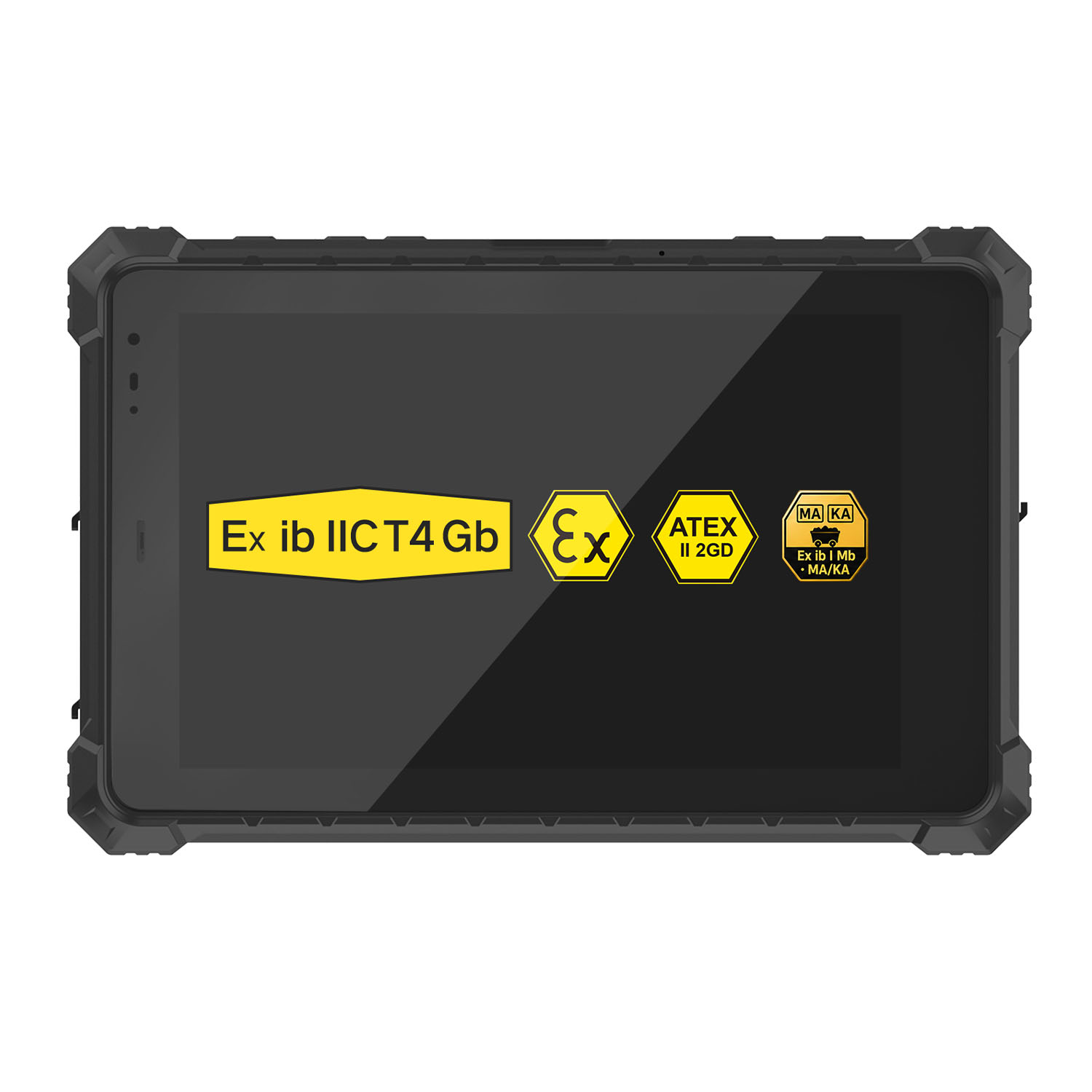 A10R-EX 10.1 Inch Explosion Proof RK3568 Industrial Tablet PC
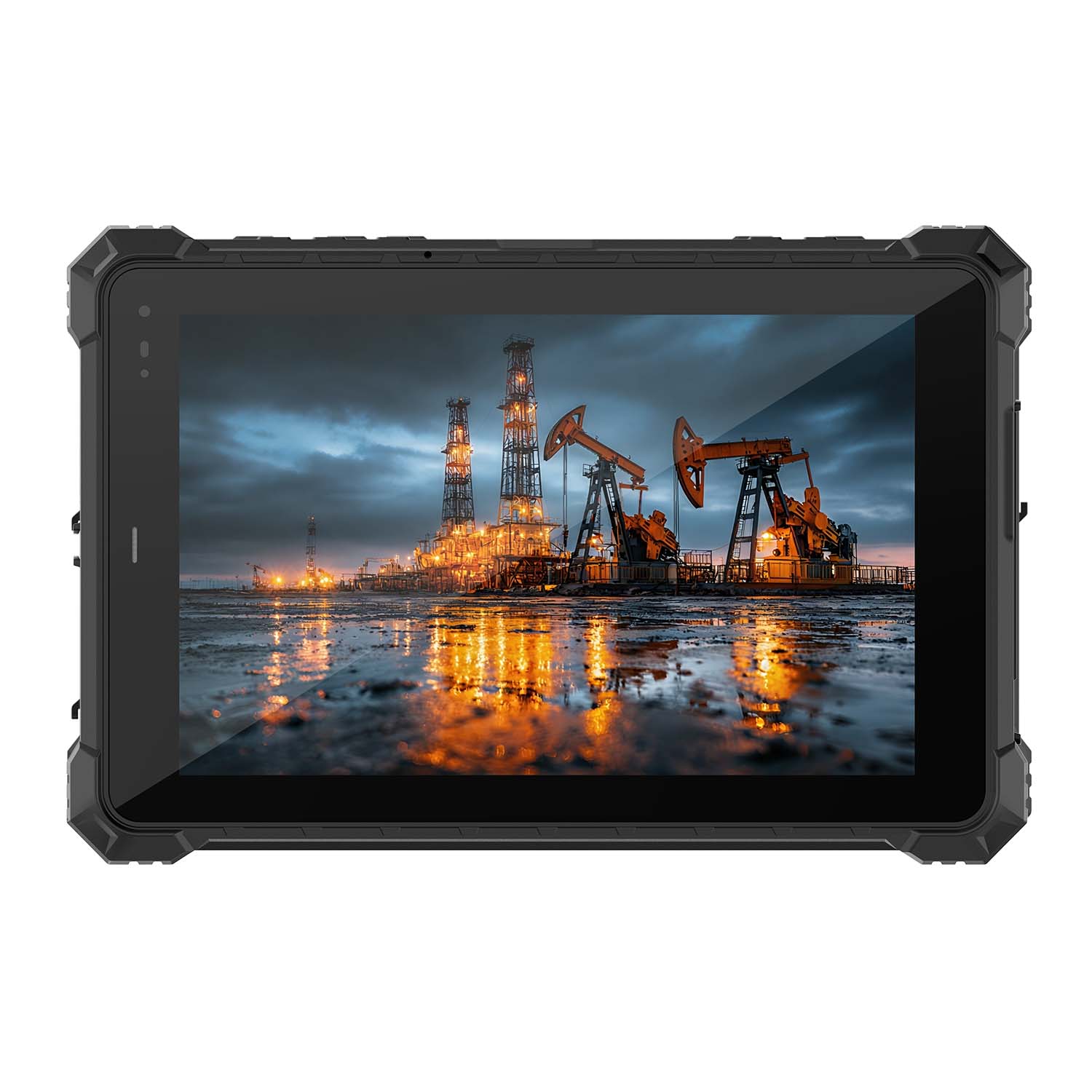 A10STX-EX MT8781 10.1 Inch ATEX II 2GD Android Tablet
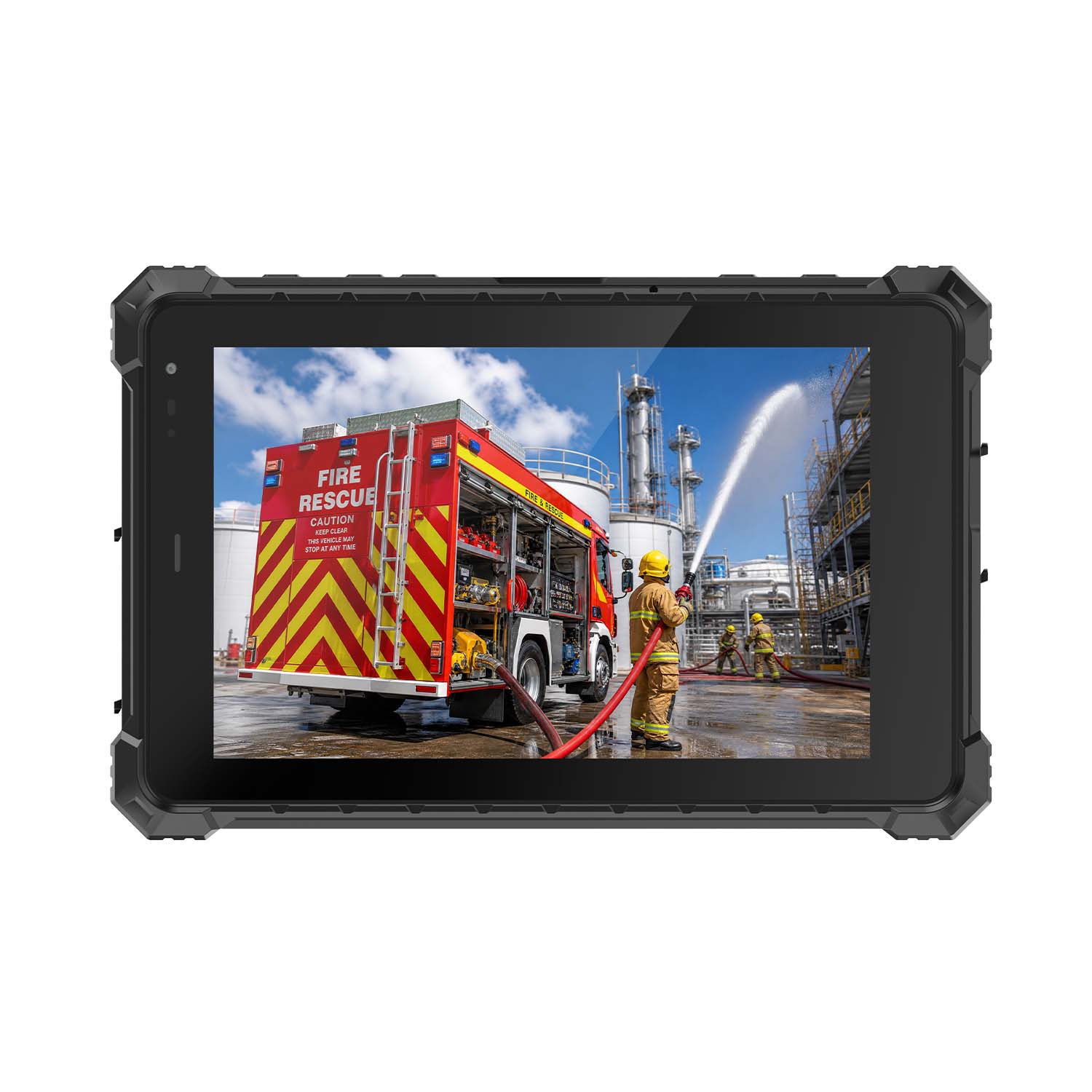 W80N-EX N5100 8 Inch Explosion-Proof Windows ATEX II 2GD Tablet
 A18ST-EX Slim 10.1-Inch Explosion-Proof Android Tablet
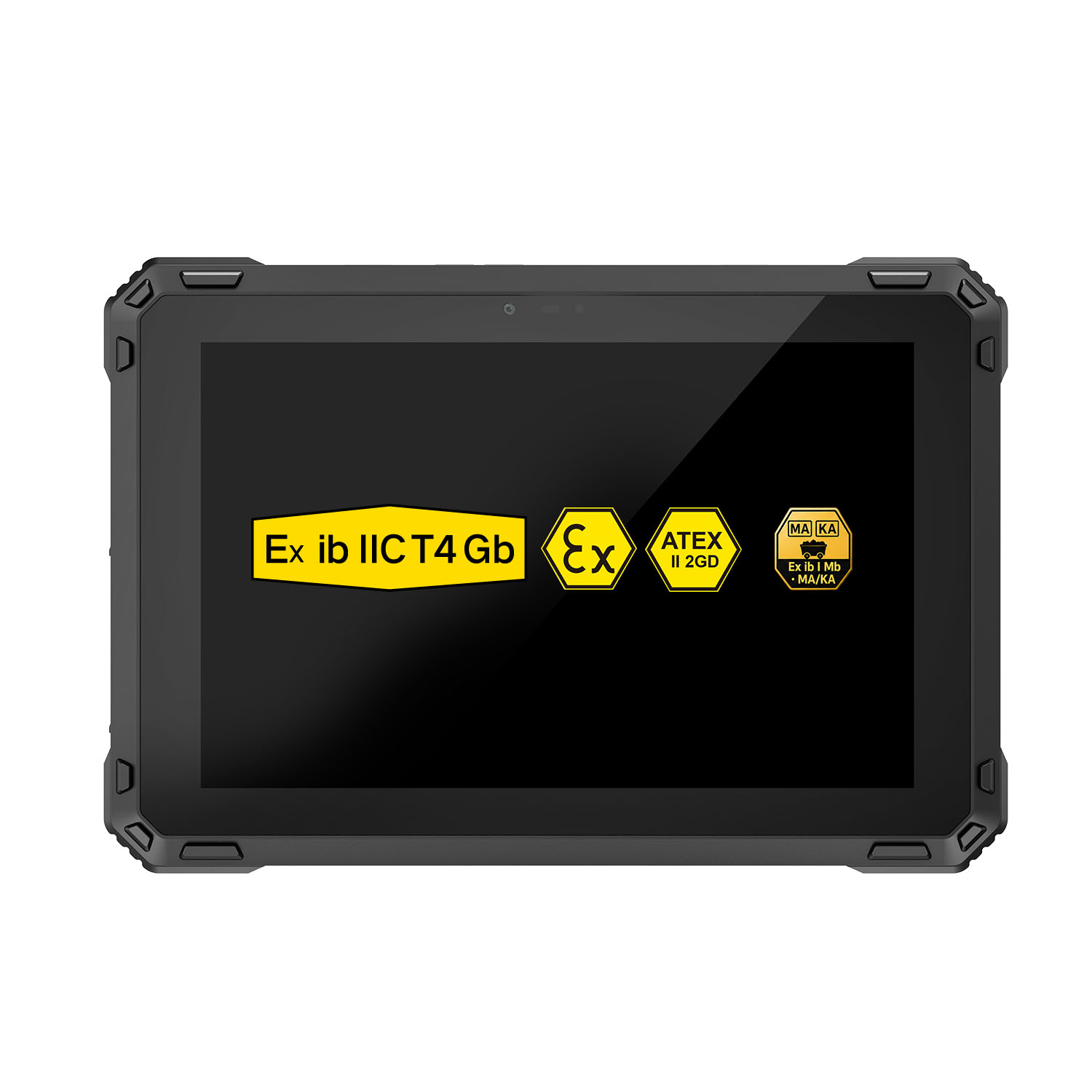 A88ST-EX MT6769 Hazardous Area 8-Inch Explosion-Proof Android Tablet
 A80ST-5G EX MT6877 8 Inch Ex ib ⅡC T4 Gb Explosion Proof Tablet
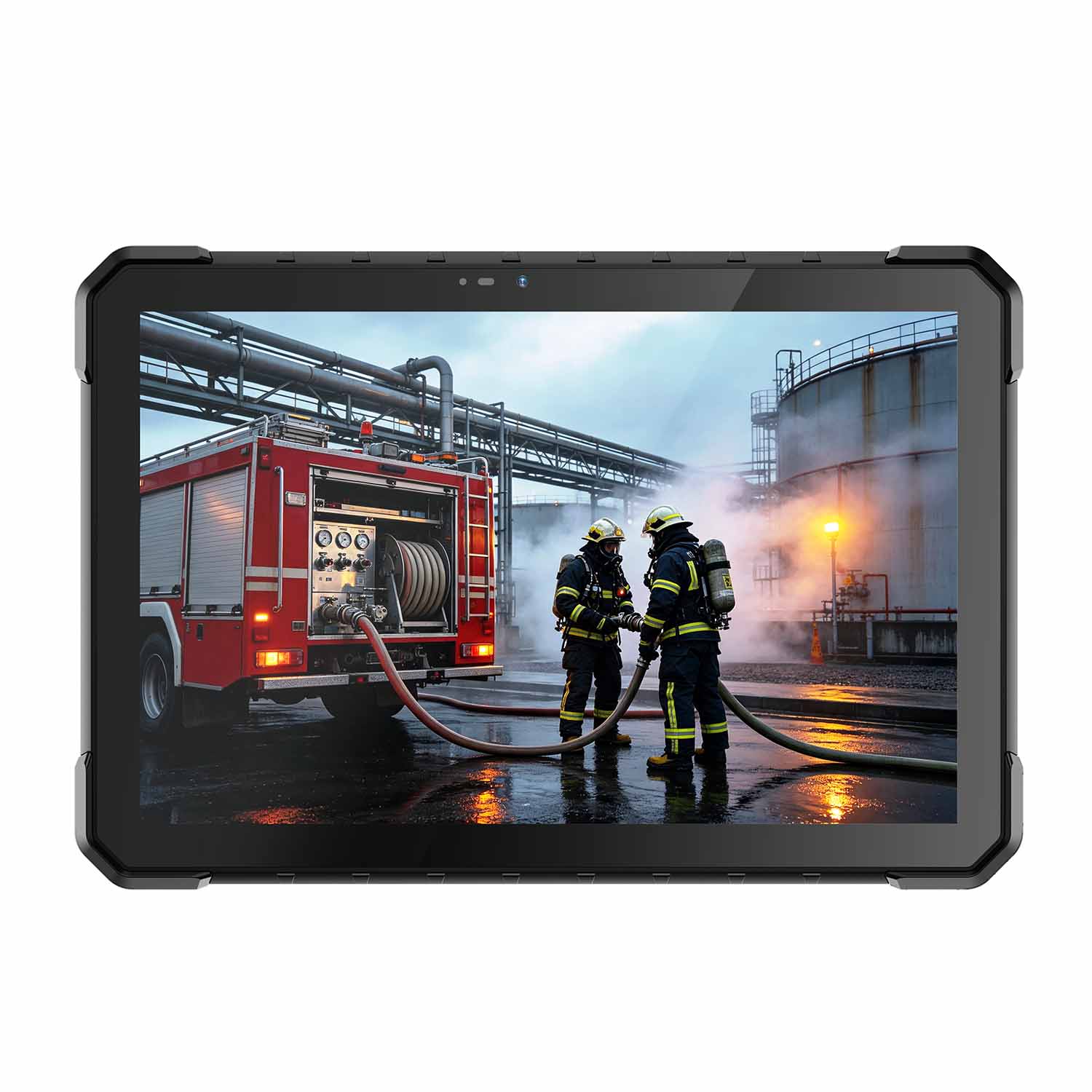 CENAVA W18Y-EX i7 10.1 Inch Explosion-Proof Windows 11 Tablet
 W65G-EX Explosion-Proof Windows Handheld Hazardous Area PDA