This guide identifies the tablet manufacturers most relevant to petroleum berths by separating ordinary port mobility from work that requires an exact hazardous-location approval.
Salt spray is the easy part. A tablet that shrugs it off on the quay can still be the wrong configuration ten meters away, beside the tanker manifold. IP65 and IP68 are enclosure tests; intrinsic safety, static control and Zone 1/2 entry permission live in a different set of documents entirely.
A berth never sits still. Mooring lines take up load, gangways shift with the tide, loading arms articulate — and escape routes narrow exactly when tanker traffic peaks. We have seen a shoulder strap catch a handrail during a gangway crossing; a tablet left on a pipe support becomes a dropped object over water.
The workflow also crosses several parties. A terminal operator may review the ship/shore checklist, verify a seal, record arm position, attach a photograph and acknowledge a pause while the control system manages the transfer. The tablet carries evidence. It does not command the ESD chain, prove electrical bonding or replace the approved gas detector.
The ten manufacturers below serve different parts of that operation. Some focus on Zone 1/21 equipment, several provide Zone 2/22 or North American Division 2 configurations, and one standard rugged platform belongs only in designated nonhazardous areas. The order is not an absolute ranking.
What Defines a Top-Tier Tanker Loading Tablet Manufacturer?
A credible supplier begins with the terminal's area-classification drawing and operating procedure, not with the largest number of rugged badges. The differences become decisive when a six-device berth trial scales across multiple jetties:
Approval evidence tied to the exact unit: The certificate, model suffix, gas group, temperature class and special conditions match the ordered configuration. Regional radio approval and hazardous-location approval remain separate records.
A controlled carrying system: The tablet, hand strap, shoulder strap, stylus and tether are assessed around gangways, handrails and loading arms. The approved arrangement does not create a snag or dropped-object hazard.
Usable input in marine conditions: Daylight, night lighting, rain, salt residue and issued gloves are part of the trial. A supplier does not extrapolate one touchscreen result to every glove or screen protector.
Lifecycle and data governance: OS maintenance, device identity, repair exchange, offline queues and terminal cybersecurity are planned for the fleet life rather than added after commissioning.
The Top 10 Port Oil Terminal Loading Tablet Manufacturers of 2026
These manufacturers approach berth mobility from different directions. Some prioritize compact Android checklists, others retain Windows maintenance applications, and the final entries address region-specific Division 2 or nonhazardous workflows. Each section separates company background, the named product, the practical technical advantage and the port route where it deserves consideration.
1. Pepperl+Fuchs / ECOM Instruments (Germany)
Pepperl+Fuchs and its ECOM Instruments brand have a long history in explosion-protected mobile equipment and industrial communication. Terminal operators often encounter the company through hazardous-area phones, tablets and accessories rather than through an ordinary enterprise device adapted late in the design process.
2. i.safe MOBILE (Germany)
i.safe MOBILE develops communication equipment specifically for potentially explosive atmospheres. Its range is organized around defined Zone and Division applications instead of treating hazardous-location approval as a generic property of a rugged enclosure. That specialization is valuable when several terminal roles must share one controlled Android platform.
3. Aegex Technologies (United States)
Aegex focuses on Windows tablets for hazardous industrial environments. The platform is relevant where a terminal has existing desktop-oriented maintenance or documentation software that cannot be reproduced easily in a simplified Android application. Its approval conditions are central to how the device is deployed.
4. BARTEC (Germany)
BARTEC has decades of experience in explosion protection and enterprise mobility for oil, gas and chemical sites. Its current tablet offering adapts an enterprise data-capture platform under defined hazardous-area configurations. That route is useful when identification and device management are as important as form entry.
5. Getac (Taiwan)
Getac produces rugged Windows computers for utilities, public safety and industrial service. The F110-EX gives terminals a full-size Windows workspace with a named Zone 2 route. It is most relevant to maintenance and supervisory tasks that need drawings or multi-pane applications.
6. CENAVA (China)
CENAVA develops rugged tablets and industrial mobile devices for inspection, logistics and hazardous-area projects. Its OEM/ODM model is relevant when a terminal operator or integrator needs a defined Android build, application package and accessory set under one configuration-control process. Hardware changes must preserve the identity covered by the project certificate.
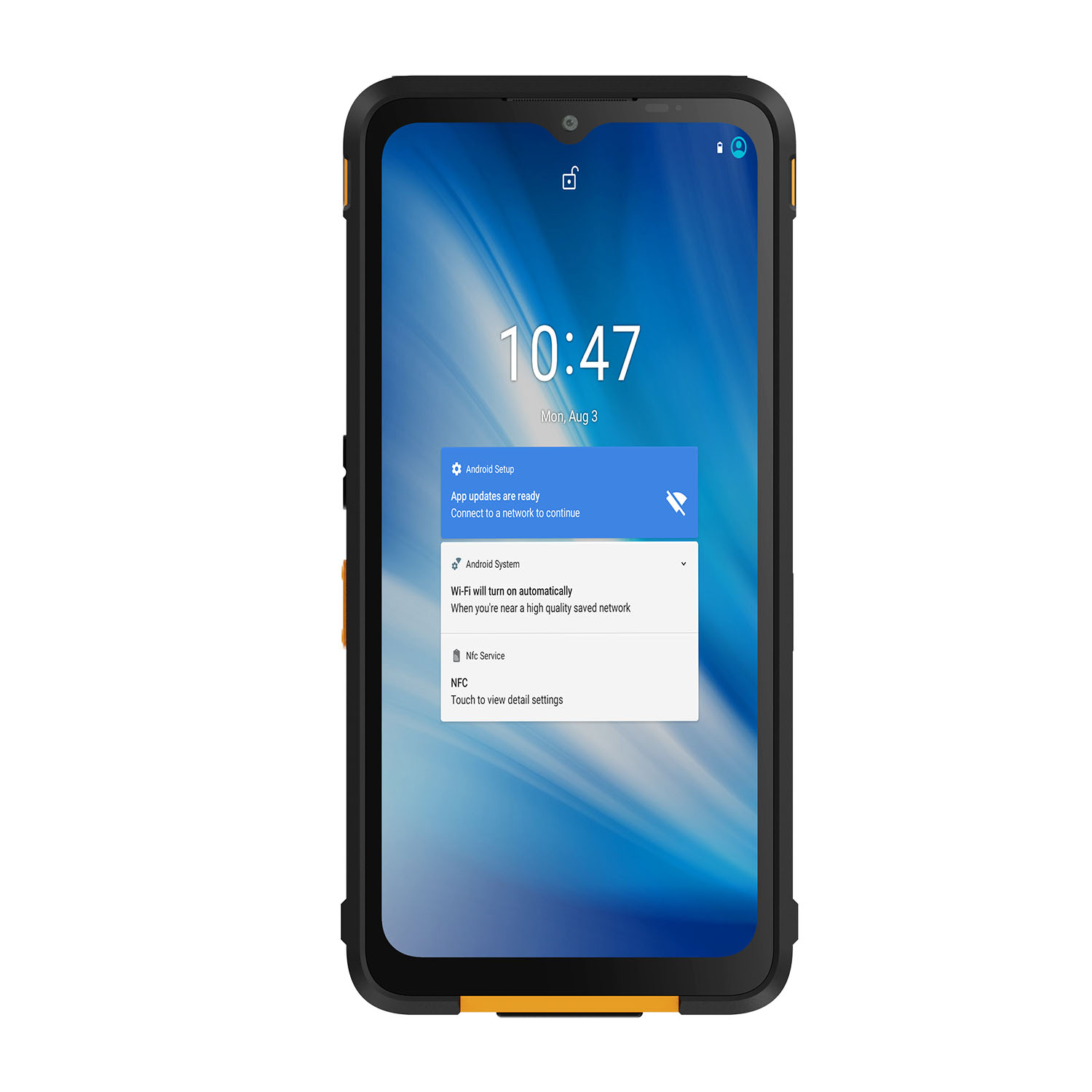
Key Products: The CENAVA A10ST-EX is a 10.1-inch Android tablet with IP68 protection. CENAVA publishes the Zone 2/22 IECEx certificate IECEx CSAE 24.0031X with Ex ic IIC T4 Gc / Ex ic IIIC T135°C Dc, and the EU Zone 2/22 certificate CSANe 24ATEX1144X with II 3GD marking.
Why They're on the List — Core Strength: CENAVA offers an OEM-oriented route for linking a named Zone 2/22 configuration with berth checklists, tag capture and project-specific accessories.
A rugged tablet for port oil terminal loading should keep the exact approved model visible in the asset register. The A10ST-EX is relevant when the berth classification, gas group and temperature class match its documents; it should not be extended to Zone 1 through a generic “explosion-proof” description.
Project confirmation is justified when compliance or interoperability depends on the ordered configuration. In that case, contact CENAVA with the destination country; terminal and cargo environment; Zone or Division, gas group and temperature class; minimum and maximum temperature; required OS and application; country, mobile operator and SIM/eSIM format for cellular service; exact NFC card or tag technology; plus the intended hand strap, dock and safe charging point.
7. Winmate (Taiwan)
Winmate supplies industrial displays and rugged mobile computers for manufacturing, transport and hazardous-area projects. Its M101-EX line provides a Windows path for terminals that need field access to existing maintenance applications. Product suffix and regional configuration remain important parts of the technical description.
8. DURABOOK (Taiwan)
DURABOOK supplies rugged Windows computers for public safety, utilities and industrial operations. Its hazardous-area tablet range includes compact and larger formats, giving a terminal a choice between walking mobility and drawing space. The approval level remains tied to the exact EX model.
9. Panasonic TOUGHBOOK (Japan)
Panasonic has supplied TOUGHBOOK devices to utilities, public safety and transport fleets for decades. Port operators may value the product family's docks, keyboards and repair ecosystem where one Windows image spans vehicles, workshops and selected field roles. Hazardous-location scope is region and configuration specific.
10. Zebra Technologies (United States)
Zebra is known for enterprise Android mobility, barcode capture and centralized device management. Those strengths fit ports that identify seals, equipment and cargo documents across gate, warehouse and berth workflows. Hazardous-location use depends on the selected configuration rather than the ET60/ET65 family name alone.
How to Choose the Right Manufacturer for Your Application
Searches for the best ATEX tablet for petroleum terminals often start with a product list, but the defensible decision starts with the berth route, certificate and task. Four workstreams turn those requirements into a measurable selection process.
Define Your Operating Environment
Overlay the tablet route on the terminal's approved area-classification drawing. Mark the tanker manifold, loading-arm envelope, vapor-return equipment, pump area, access gangway, control room, vehicle lane and safe charging point. The tablet role should stop wherever the terminal procedure or permit says it stops.
Separate the standards. IEC 60529 addresses enclosure ingress, and MIL-STD-810 provides environmental test methods. The European Commission's ATEX guidance explains the EU conformity framework. None of those documents replaces the terminal's static-control, transfer or emergency procedure.
Static electricity is not a tablet function. The approved bonding or grounding monitor, overfill system and ESD chain remain authoritative. A screen entry may record their indicated status, but it must not become a parallel permissive or encourage a worker to bypass a dedicated control.
Clarify Performance Requirements
Build an 18-task pilot in a dry, isolated or otherwise approved training setting. Include 4 checklist steps, 4 tag scans, 4 photographs, 3 exception entries and 3 handoffs. Add one wet screen, one salt-marked label and one incorrect asset ID. Measure completion, correction and the number of repeated touches.
Test daylight and darkness separately. Open water can reflect sun into the screen during the day, while floodlights create hard glare at night. The useful measure is whether the operator finds the correct arm or valve identifier in 20 seconds with the production protector installed.
The carrying test includes a parked loading arm, handrail and mock gangway. A worker walks the approved route for 8 minutes, completes a 90-second form and never places the tablet on pipework. A tether that crosses the body or catches a railing is redesigned even if the tablet itself passes a drop method.
Consider Software & Integration
Begin with the network disabled. Cache the berth package, complete 3 records, attach 3 photographs and revise one seal identifier. After 30 minutes, restore service and inspect the pending queue before synchronization. Strong quay coverage is useful, but the application still needs visible offline state and conflict handling.
A search for a 5G intrinsically safe tablet for oil terminal combines three separate requirements: hazardous-location approval, regional radio authorization and compatibility with the intended network. Good signal at one berth does not establish carrier-band or SIM/eSIM suitability in another country.
Keep operational technology separate. The mobile workflow may receive read-only equipment context or a signed task state through an approved interface. It should not obtain direct loading-arm, pump, valve or ESD control merely because a private 5G network has low latency.
NFC must be named precisely. ISO/IEC 14443 Type A or B, MIFARE DESFire, an employee badge and a low-frequency terminal tag are not interchangeable. Use the real credential or tag during the pilot, with the final tablet case and mounting position.
Analyze Total Cost of Ownership (TCO) vs. Initial Cost
Include approved straps, styluses, screen protectors, safe chargers, docks, spare batteries, device-management licensing, application validation, training and repair logistics. Keep Zone 1, Zone 2, Division 2 and nonhazardous tablets in separate asset groups; a similar enclosure color is not configuration control.
Use measured transfer data, not brochure estimates. Placeholder arithmetic: 4 berths × 5 documentation cycles × 90 seconds of avoided duplicate transcription = 30 staff-minutes recovered daily. Swap in your pilot numbers — if the figure still looks trivial at your berth count, the tablet program has a problem no discount will fix.
Inspect the repair and certificate path. Ask how a replacement preserves the approval suffix, whether the issued strap remains orderable and how the asset record changes after service. The purchase price becomes the smallest line item if, three years in, replacement units arrive carrying a different approval suffix.
Future Trends in Port Oil Terminal Field Tablets
Terminal mobility is moving toward clearer device identity and better workflow evidence rather than simply higher enclosure numbers. Four developments will shape the next procurement cycle:
Certificate-aware fleet assignment: Device management will associate each serial number with its approval route, terminal and permitted work group. A mismatch can be flagged when the berth job is issued.
Offline-first private 5G workflows: High-capacity quay networks will speed image and document transfer, while local queues preserve the task through handover, maintenance or coverage loss.
Digital ship/shore checklists with controlled handoff: Timestamped acknowledgements and visible exceptions will reduce duplicate transcription without turning the tablet into an ESD or cargo-control station.
Bounded image assistance: On-device models may flag an unreadable seal, obscured label or incomplete photograph for human review. Flagging is fine; deciding is not. An unreadable seal gets flagged — it never gets auto-approved.
Conclusion
Pepperl+Fuchs/ECOM, i.safe MOBILE and Aegex provide high-protection hazardous-area routes, while BARTEC, Getac, CENAVA, Winmate and DURABOOK address defined Zone 2/22 or related regional workflows. Panasonic and Zebra add mature North American Division 2 and enterprise-fleet options. Their real differences appear during berth-route, glove, glare and offline trials—not from a rugged label alone.
Approval follows the exact model, certificate conditions, gas group, temperature class and regional configuration. None of those badges — IP68, MIL-STD-810H, full 5G bars — answers the question that matters: is this exact unit approved for this exact zone?
A defensible program ends with three artifacts: the 18-task dry-run results, a route-controlled asset register, and a measured recovery from a 30-minute outage. Bonding verification, gas detection, overfill protection, loading-arm interlocks, ESD authority — those belong to certified systems. The tablet records; it never commands. Stay inside that line and it earns its place on every berth.


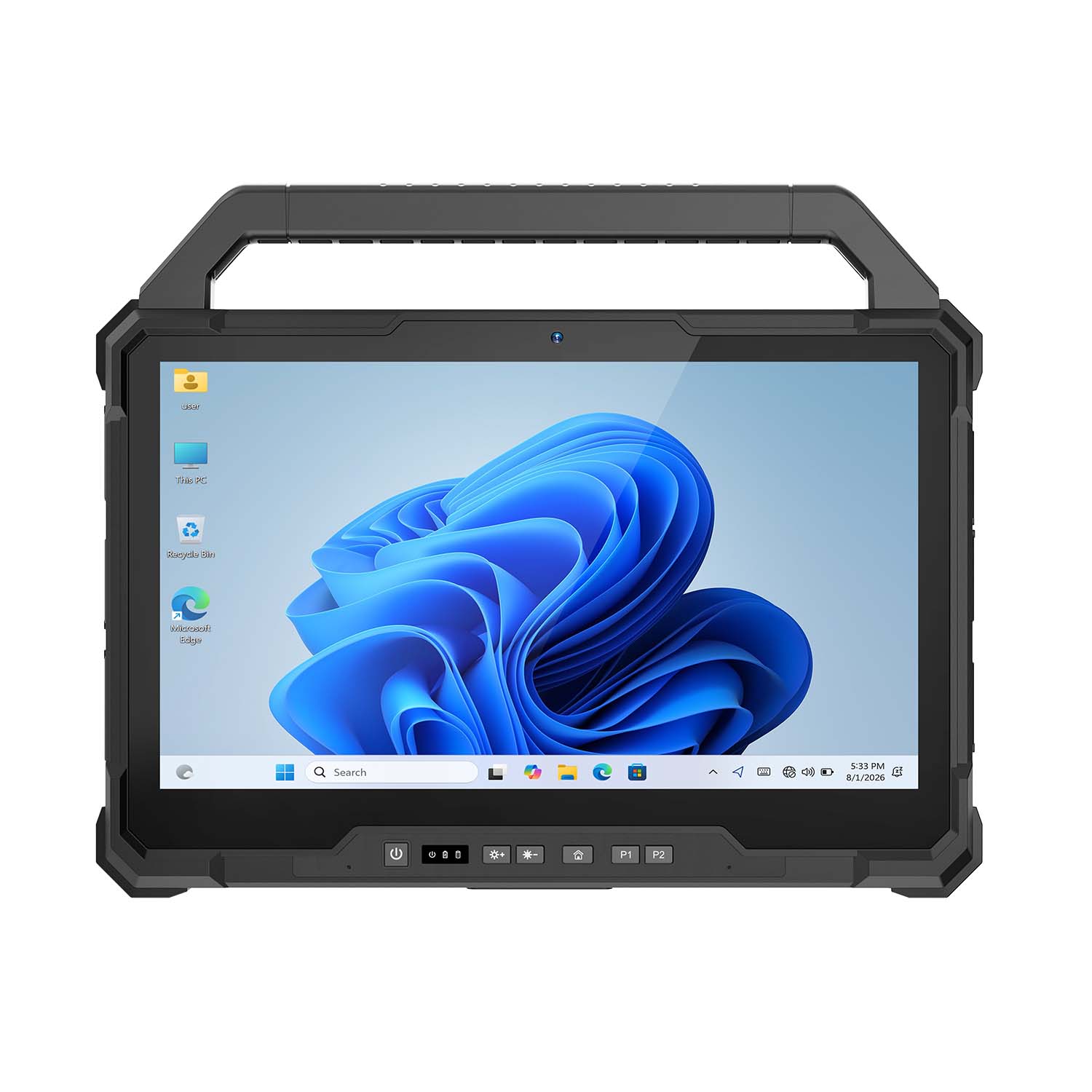 CENAVA W30U i5-1235U 13.3 Inch Win11 IP65 Rugged Tablet
 CENAVA W109U i7-1255U 10.95 Inch Win11 IP67 Rugged Tablet
 CENAVA A109TB MT6789V 10.95 Inch Android 14 IP68 Rugged Tablet
 CENAVA W10Y i7-10510Y 10.1 Inch Win11 IP68 Rugged Tablet Full I/O
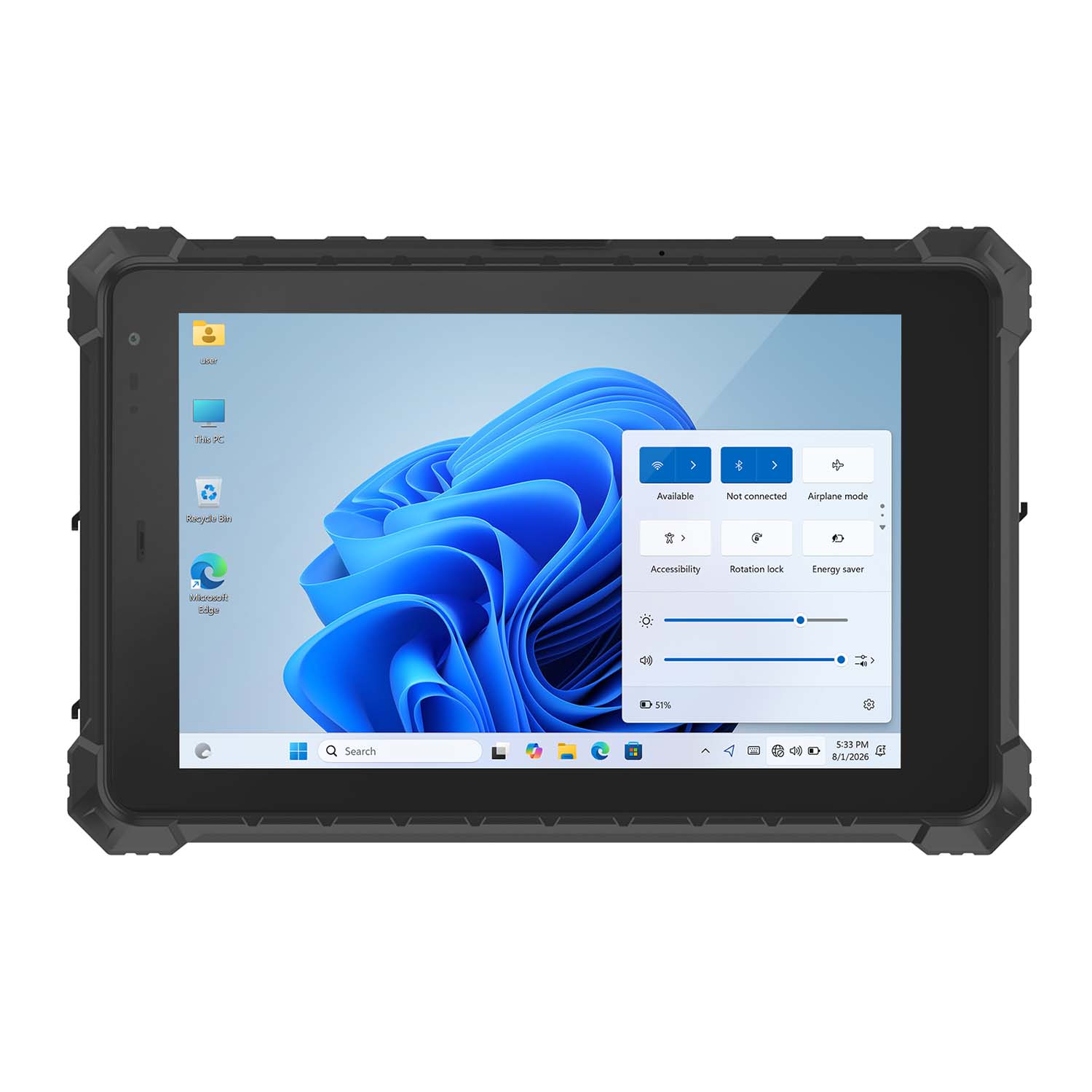 CENAVA W10N N5100 10.1 Inch Win11 IP68 Rugged Tablet Full I/O
 CENAVA A10RX RK3588 10.1 Inch Android 12 IP67 Rugged Tablet
 CENAVA A10ST MT8781 10.1 Inch Android 13 IP68 Rugged Tablet
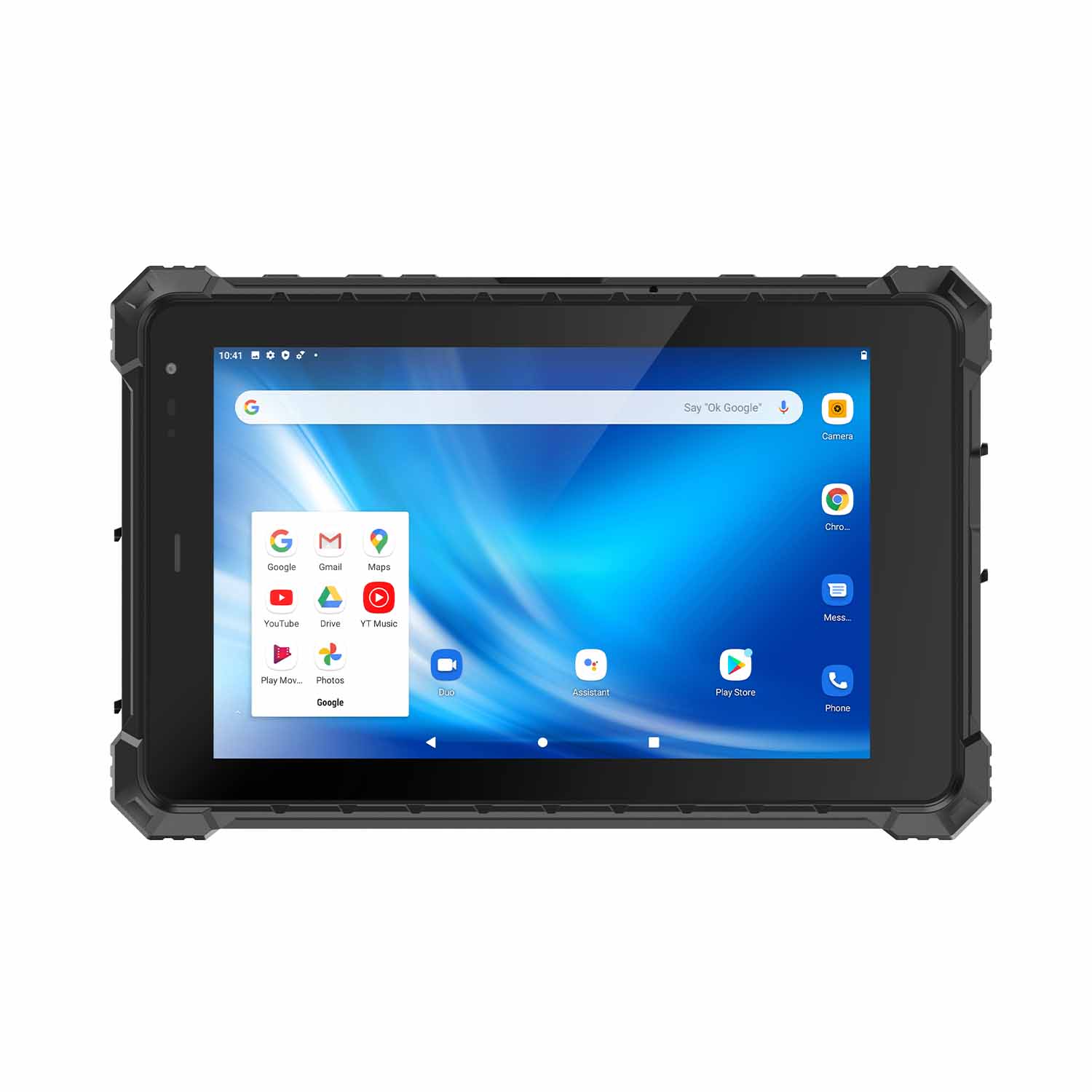 CENAVA A80ST MT6771 8 Inch Android 10 IP68 Rugged Tablet
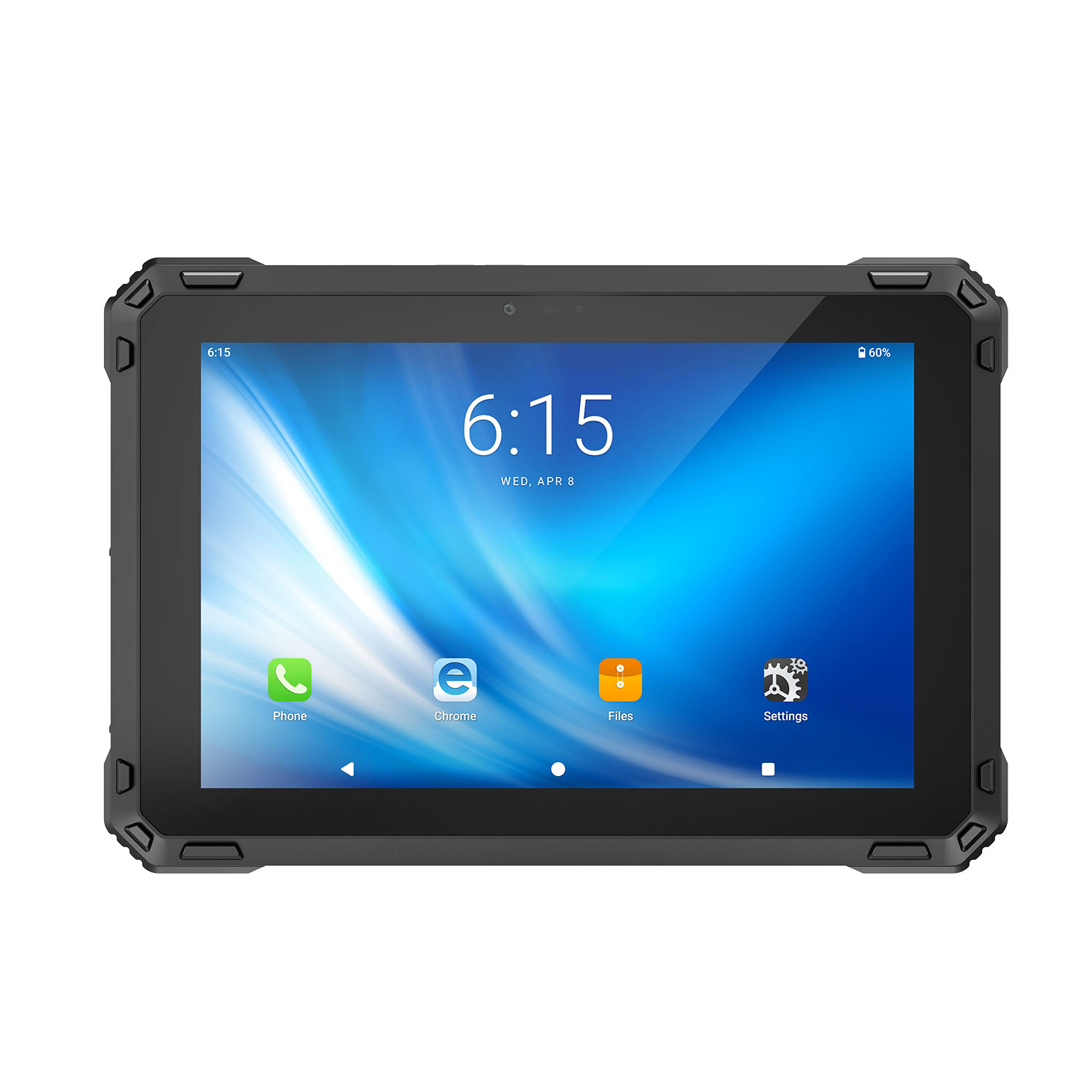 CENAVA A88ST MT6769 8 Inch Android 16 IP68 Rugged Tablet
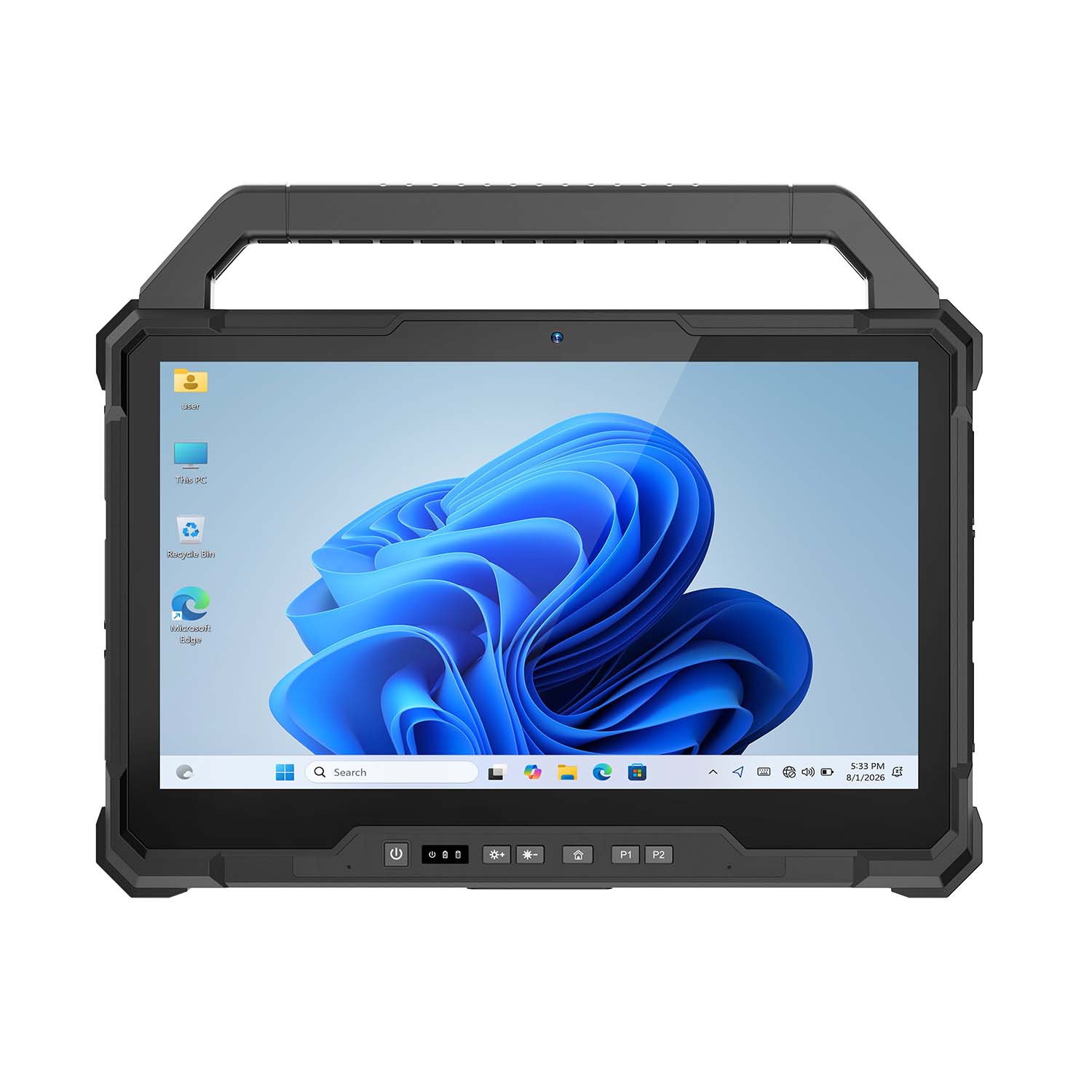 CENAVA W30NS N150 13.3 Inch Win11 IP65 Rugged Tablet
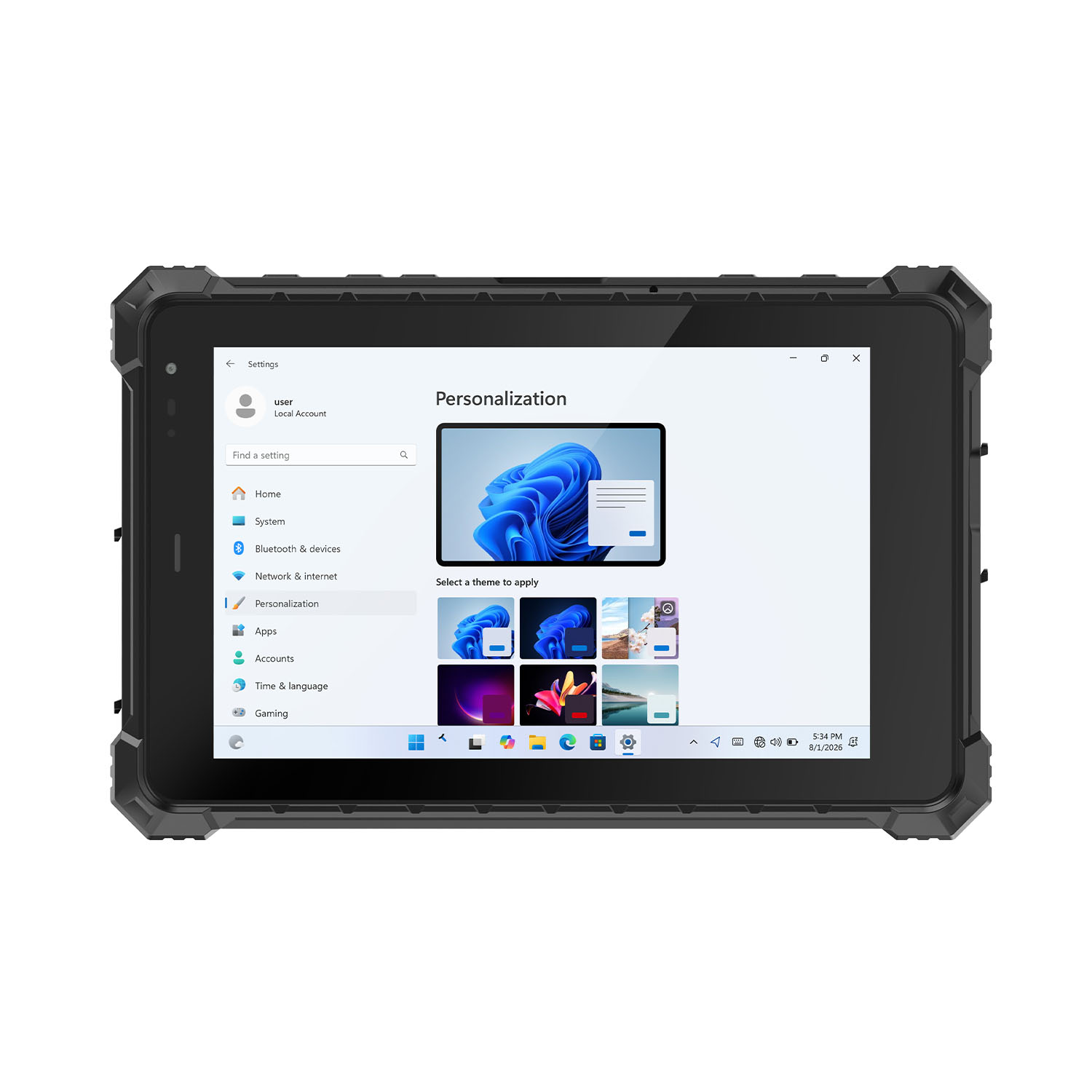 CENAVA W80Y i7-10510Y 8 Inch Win11 IP68 Rugged Gigabit
 CENAVA A10R RK3568 10.1 Inch Android 11 IP68 Rugged Tablet
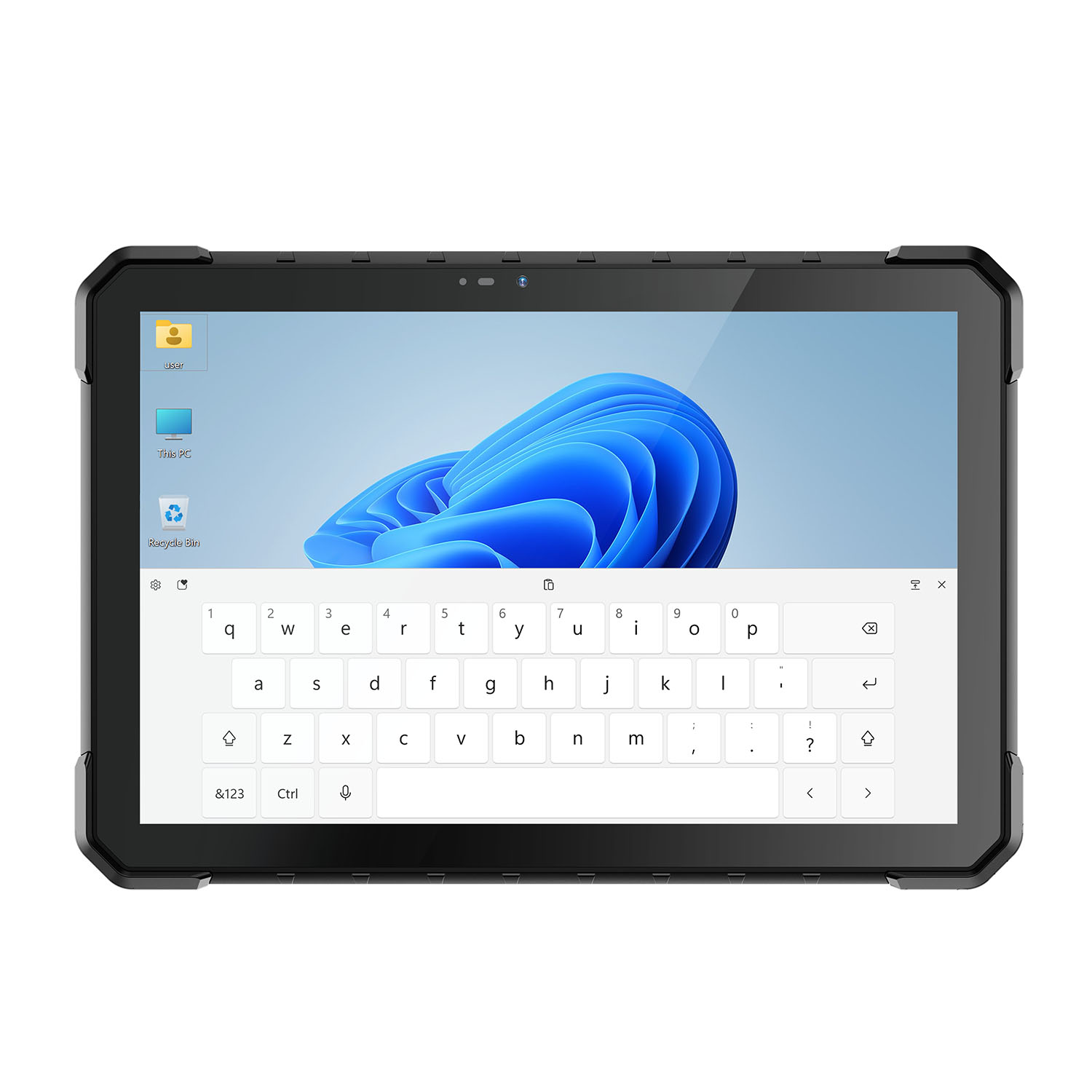 CENAVA W18Y i7-10510Y 10.1 Inch IP68 Industrial Tablet
 CENAVA CXE80C N2930 8 Inch Win10 IP65 Rugged Tablet
 CENAVA A18ST MT8781 10.1 Inch Android 13 IP68 Rugged Tablet
 CENAVA A10R RK3588 10.1 Inch Android 12 IP68 Rugged Tablet
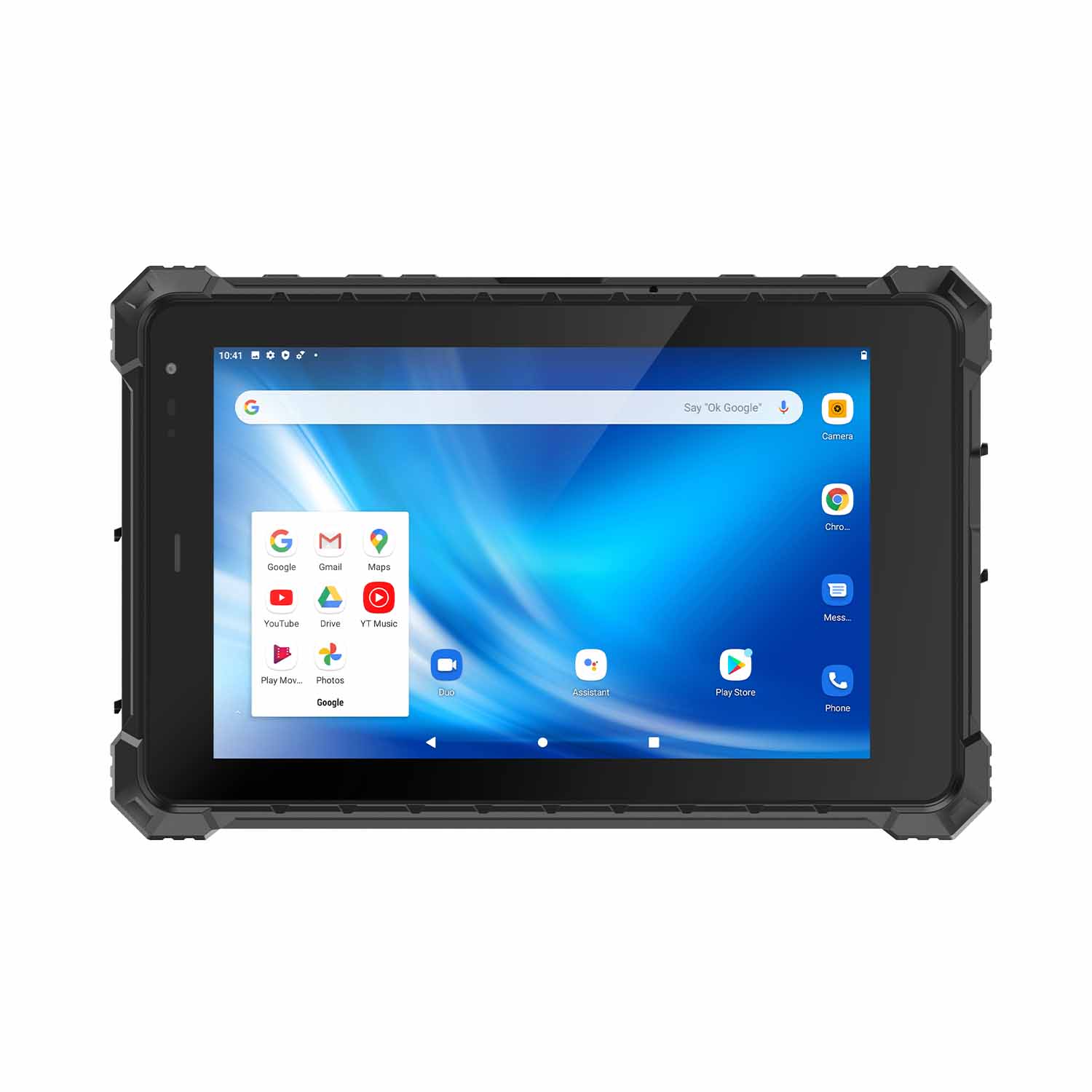 CENAVA A80ST-5G MT6877 8 Inch Android 12 IP68 Rugged Tablet
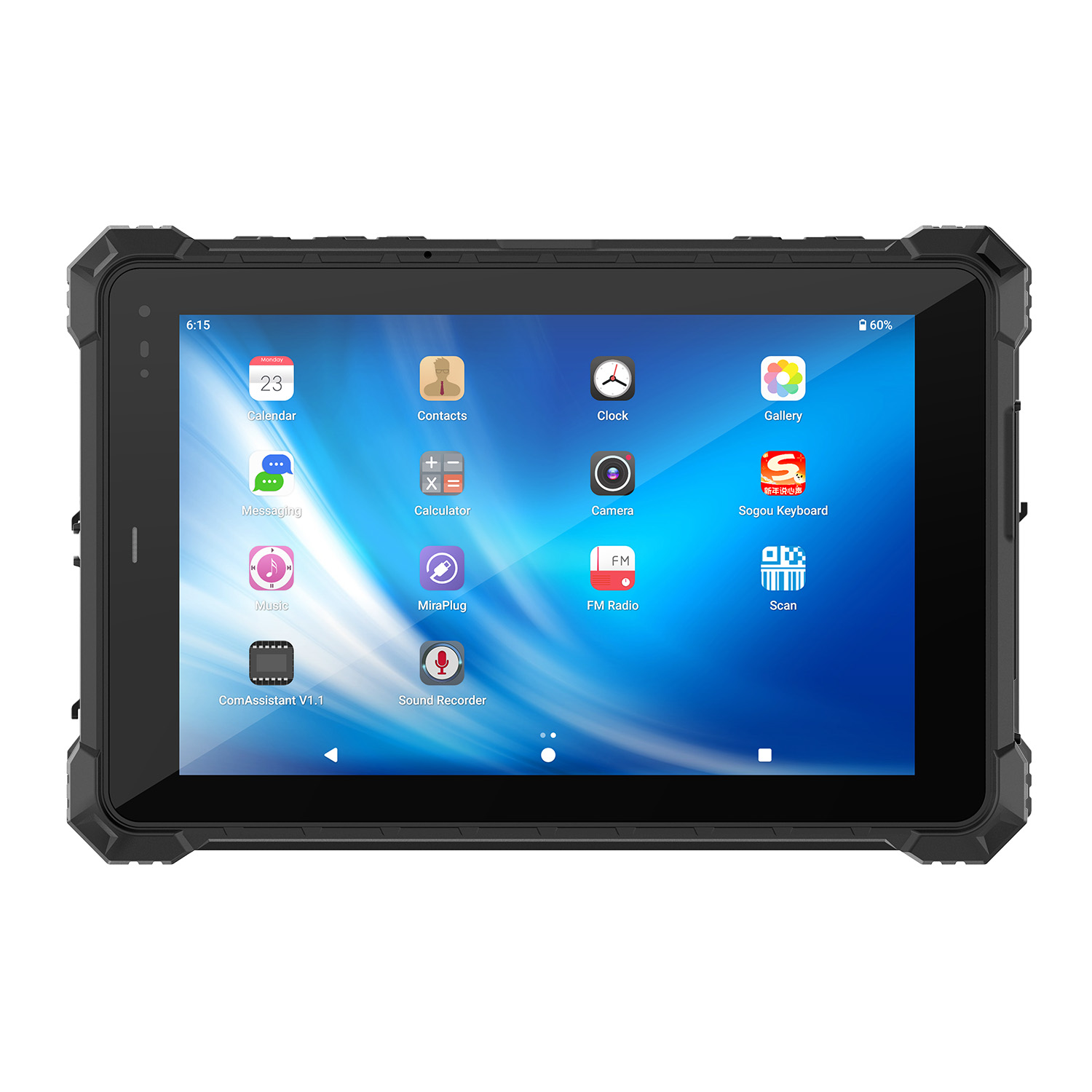 CENAVA A10STX MT8781 10.1 Inch Android 13 IP67 Rugged Tablet
 CENAVA A10ST-5G MT6877 10.1 Inch Android 12 IP68 Rugged Tablet
 CENAVA A10STX-5G MT6877 10.1 inch 5G Rugged Android Tablet
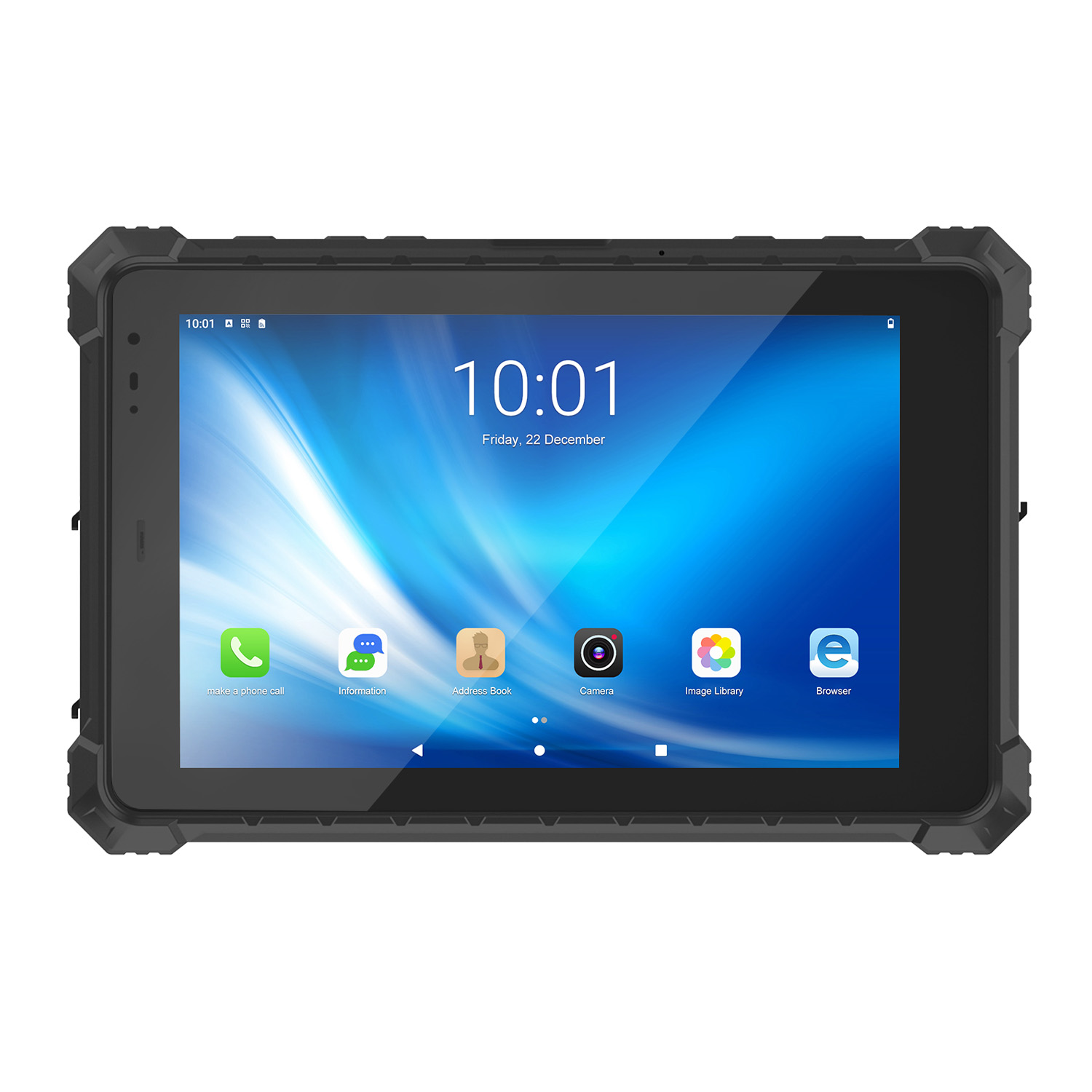 CENAVA A10ST MT6771 10.1 Inch Android 10 IP68 Rugged Tablet
 CENAVA A10STX MT6769 10.1 Inch Android 16 IP67 Rugged Tablet
 CENAVA A10ST MT6769 10.1 Inch Android 16 IP68 Rugged Tablet
 CENAVA A10STX MT6771 10.1 Inch Android 10 IP67 Rugged Tablet
 CENAVA A80ST MT8781 8 Inch Android 13 IP68 Rugged Tablet
 CENAVA A80R RK3588 8 Inch Android 12 IP68 Rugged Tablet
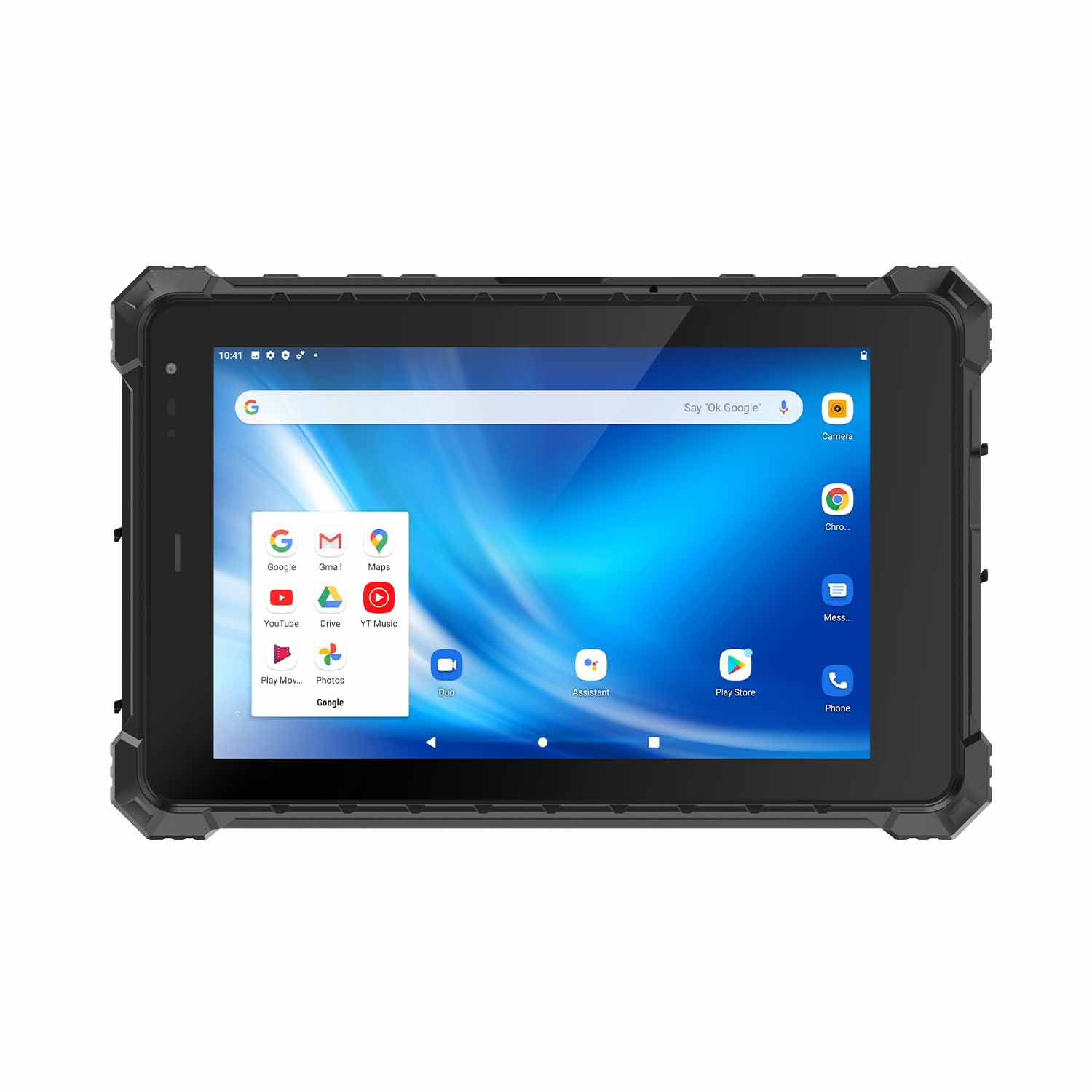 CENAVA A80STX-5G MT6877 8 Inch Android 12 IP67 Rugged Tablet
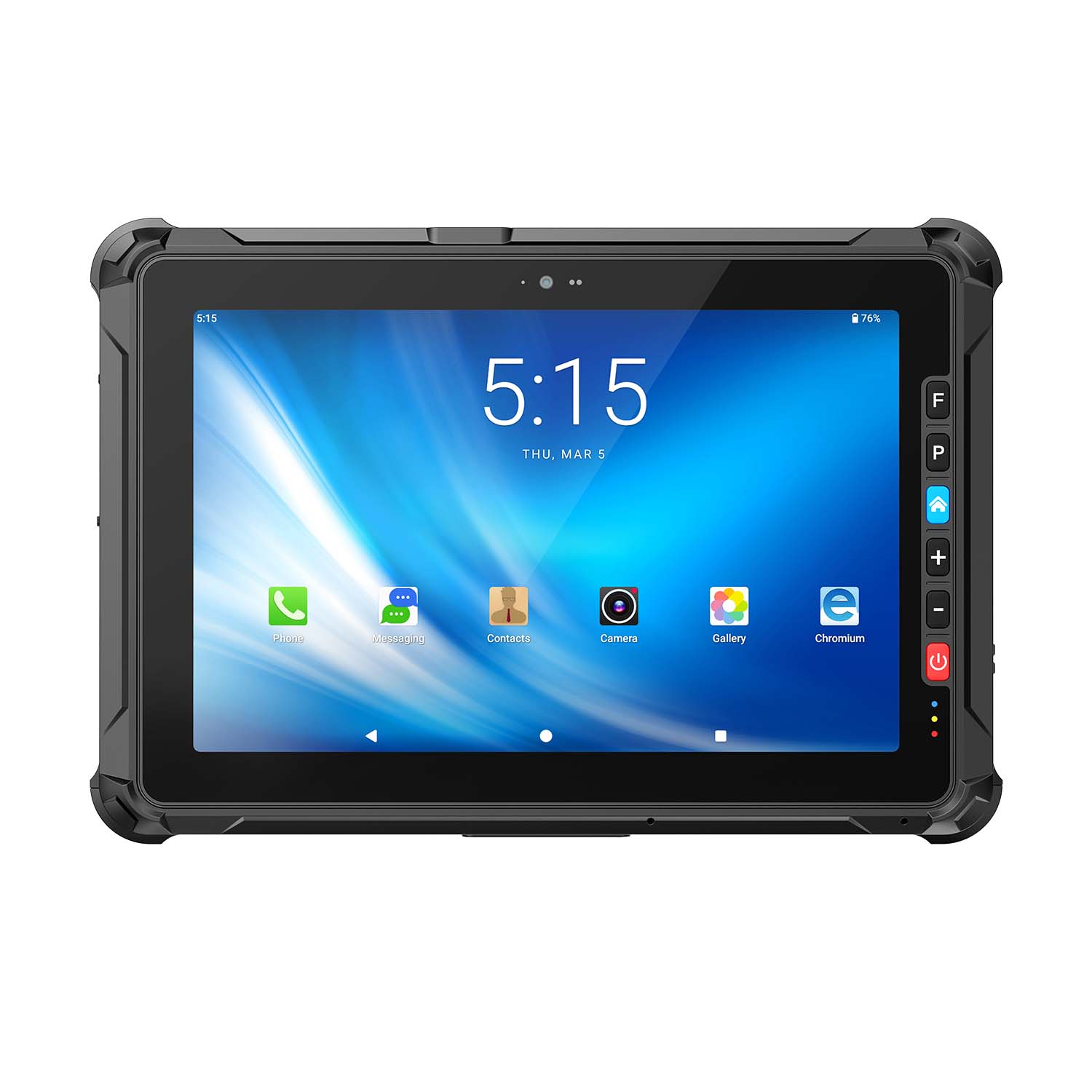 CENAVA A109ST MT8781 10.95 Inch Android 16 IP67 Rugged Tablet
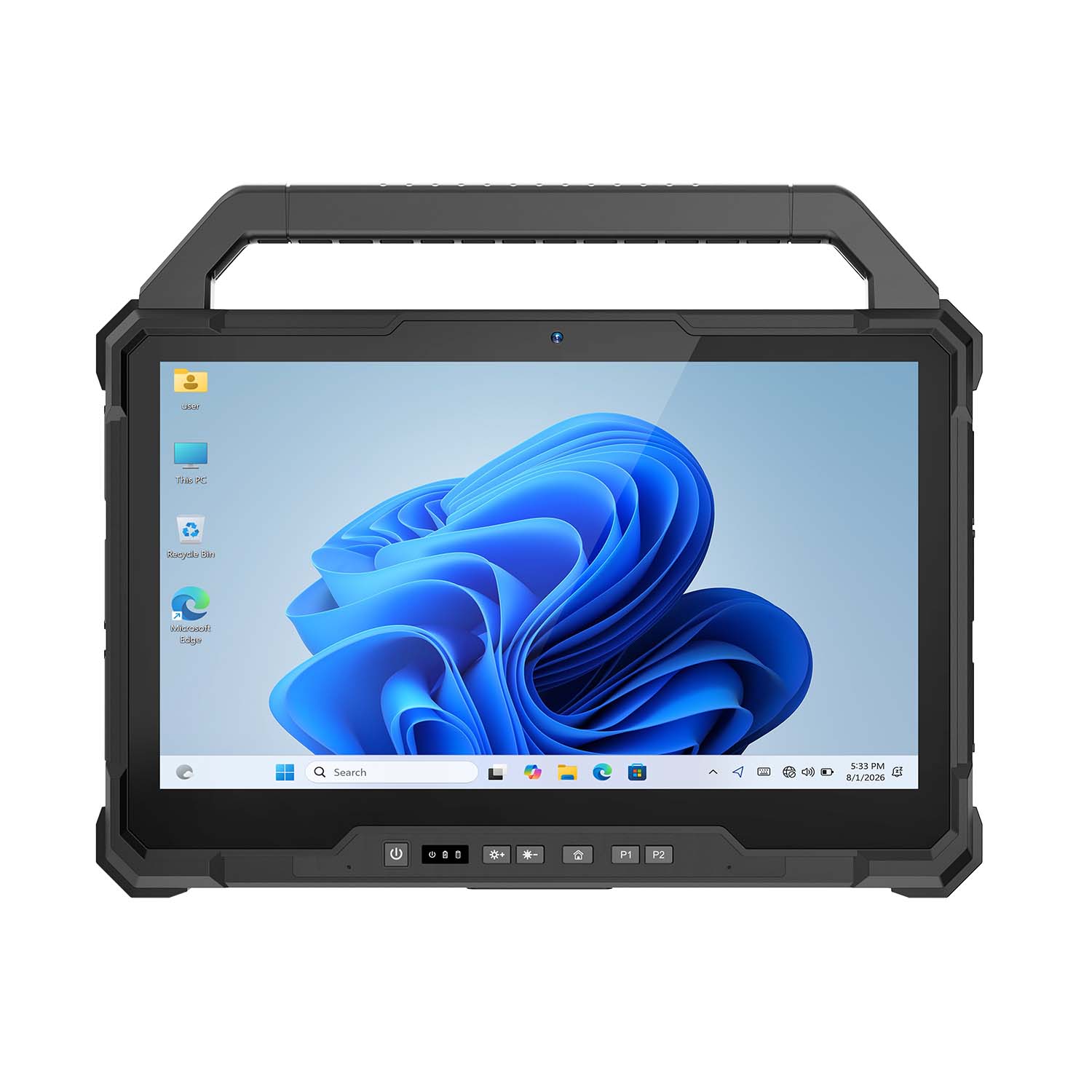 CENAVA W30U Pro Ultra7-155U 13.3 Inch Win11 IP65 Rugged Tablet
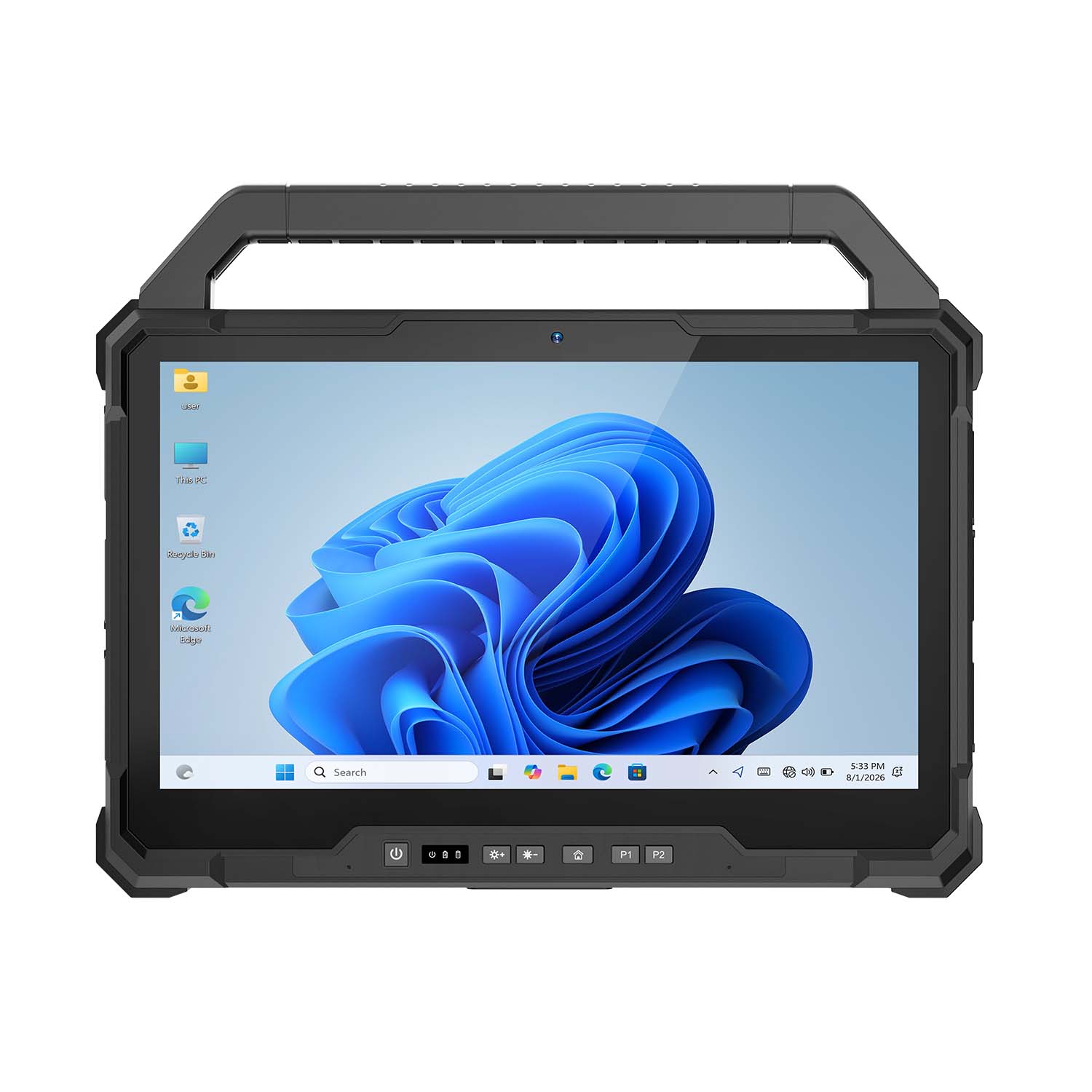 CENAVA W30U i7-1255U 13.3 Inch Win11 IP65 Rugged Tablet
 CENAVA W109NS N150 10.95 Inch Win11 IP67 Rugged Tablet GbE
 CENAVA W109U i5-1235U 10.95 Inch Win11 IP67 Rugged Tablet
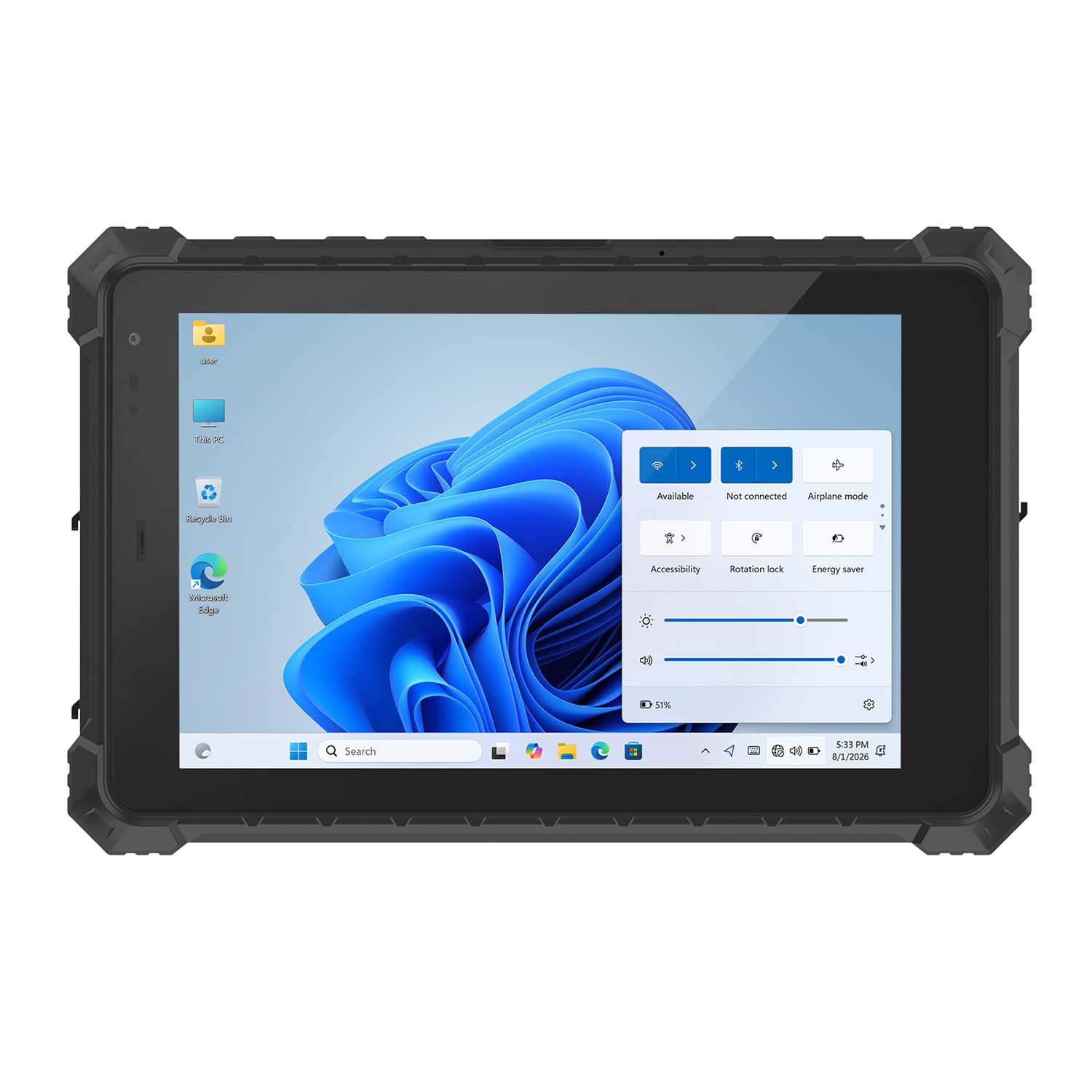 CENAVA W10Y i5-10210Y 10.1 Inch Win11 IP68 Rugged Tablet Full I/O
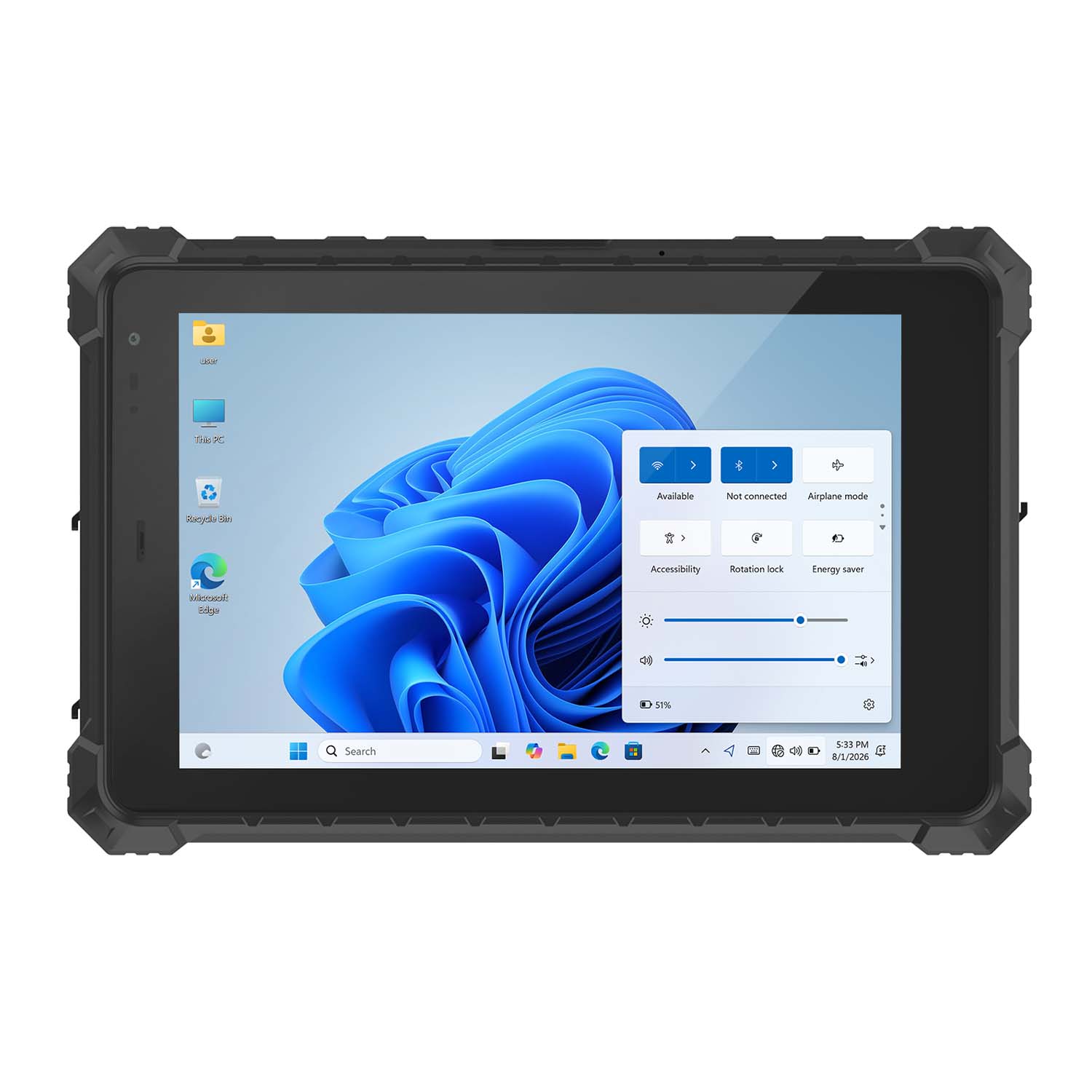 CENAVA W10NPRO N100 10.1 Inch Win11 IP68 Rugged Full I/O
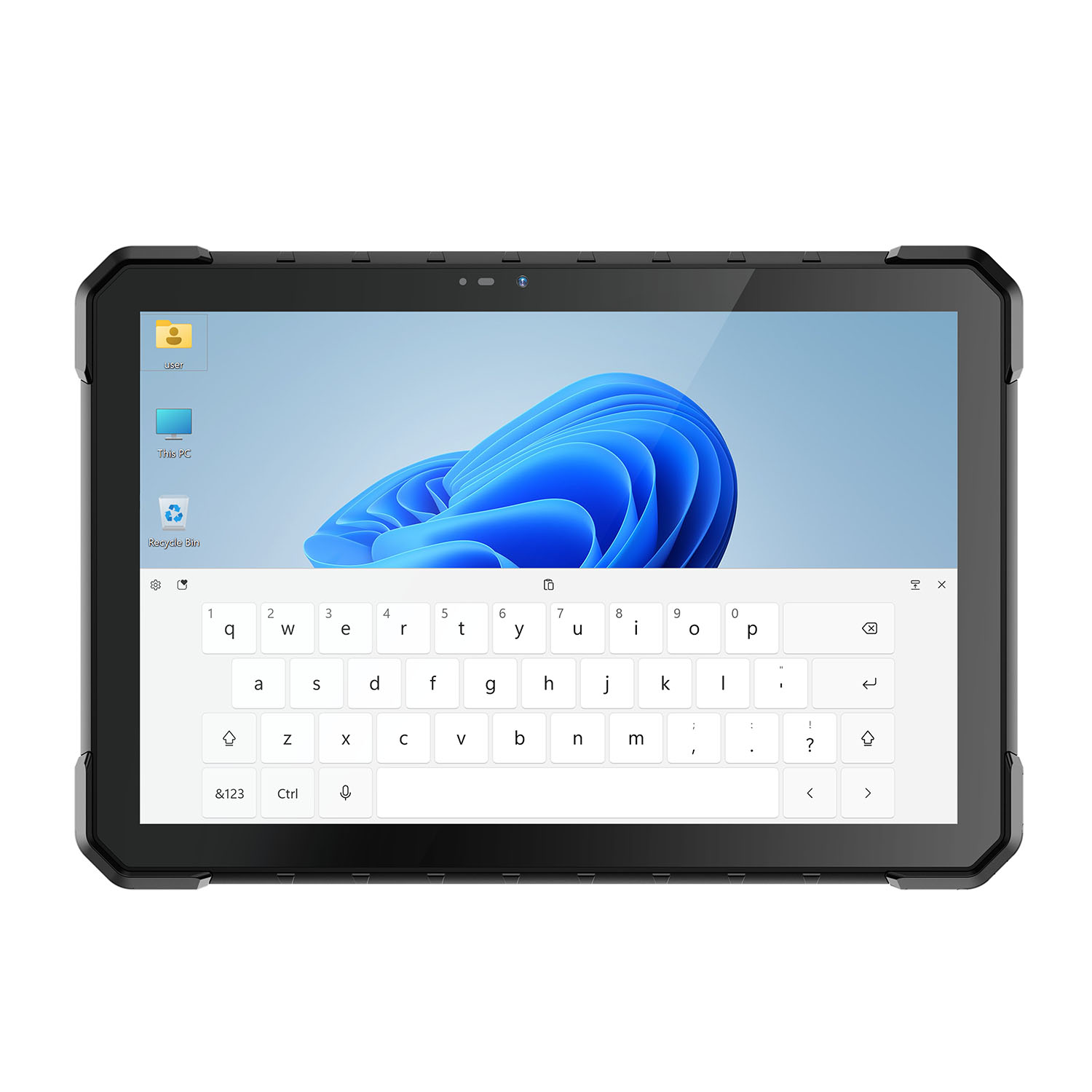 CENAVA W18Y i5-10210Y 10.1 Inch Win11 IP68 Rugged Slim
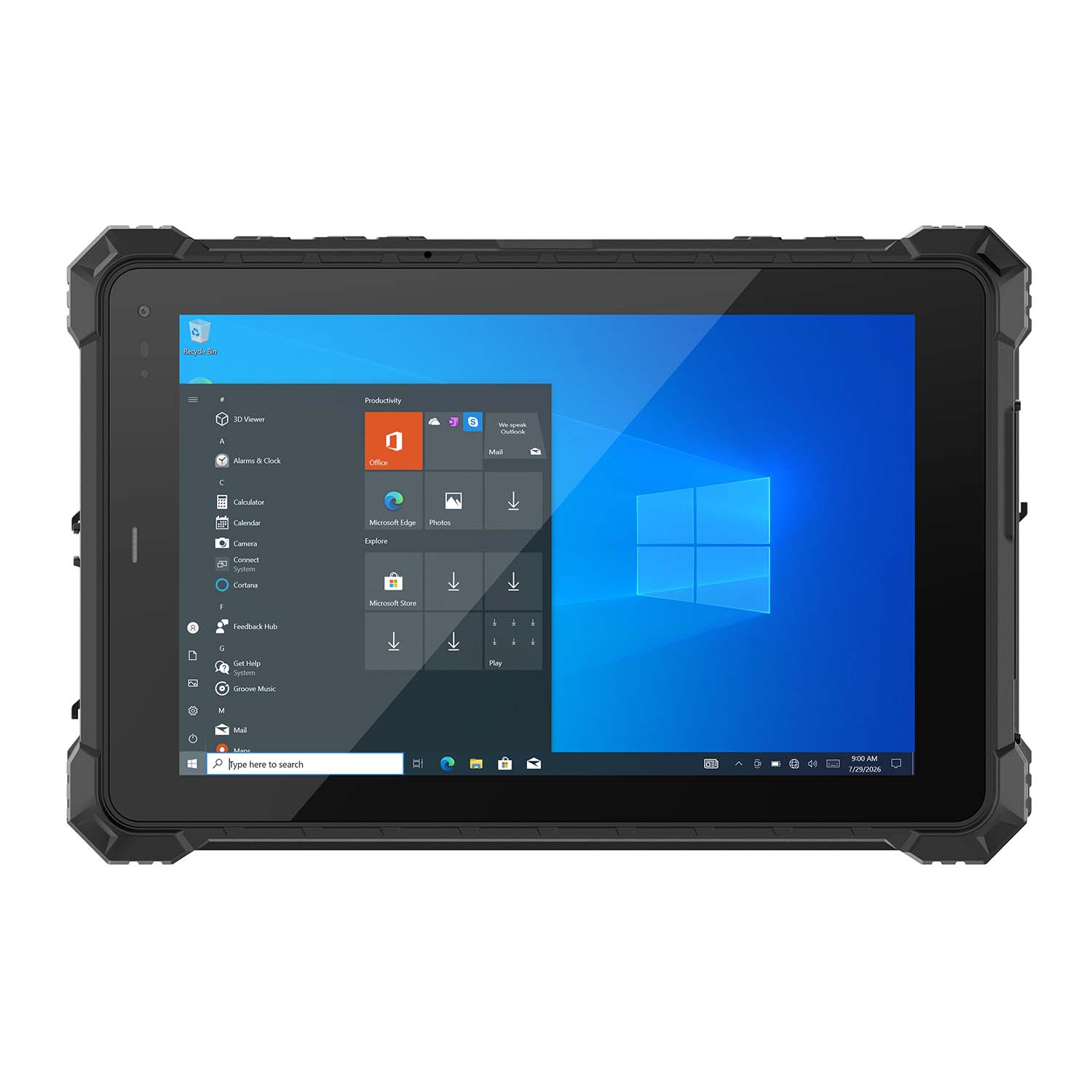 CENAVA W10NX N5100 10.1 Inch Windows IP67 Industrial Tablet
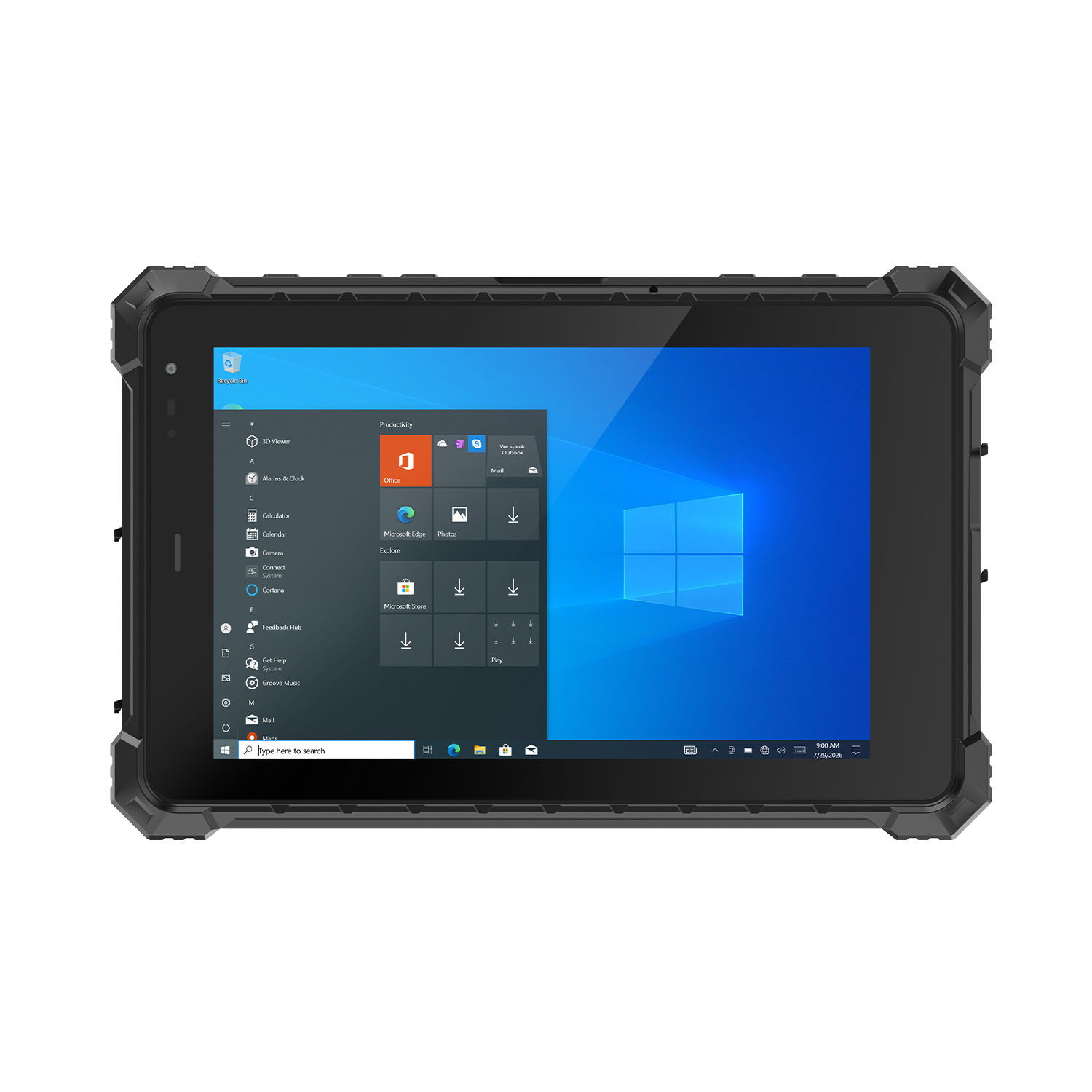 CENAVA W80N N5100 8 Inch Win11 IP68 Windows Rugged Tablet
 CENAVA H10PRO N100 10.1 Inch Win11 Industrial PC | WiFi6 Touch Panel
-1.jpg) CENAVA H55N N5100 5.5" Win11 Mini Industrial PC
CENAVA H55N N5100 5.5" Win11 Mini Industrial PC
 CENAVA H10F N100 10.1" Win11 Industrial Panel PC Touch Computer
 CENAVA H10F N95 10.1" Win11 Industrial Panel PC | WiFi6 Touch Computer
 CENAVA H7S N3350 7 Inch Win10 Entry Industrial PC | POE Fanless Touch Panel
 CENAVA H7 N4020 7" Win10 Compact Industrial PC | POE Fanless Touch Panel
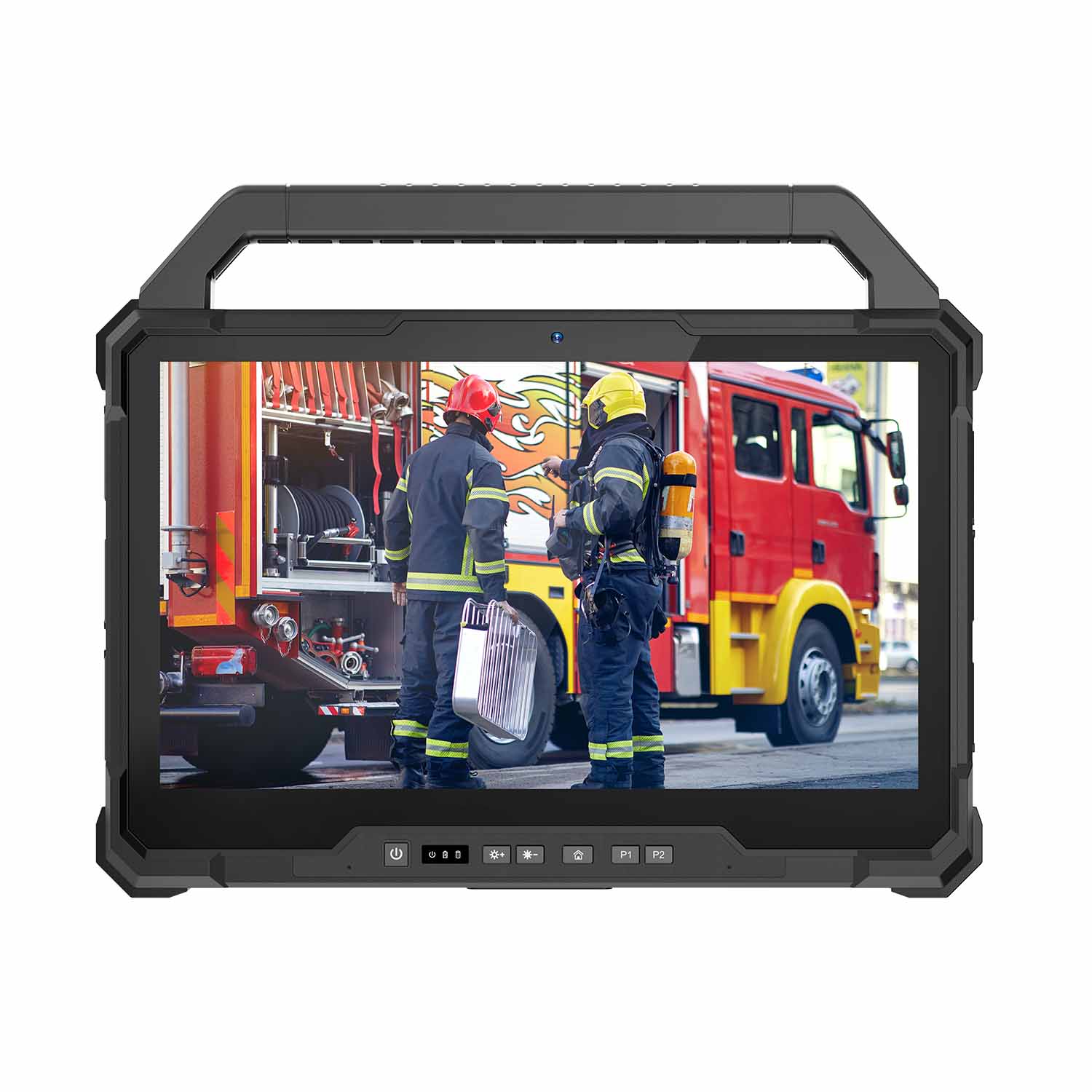 W30U-EX i7-1255U 13.3 Inch Explosion-Proof Windows Tablet
 W30UPro-EX Ultra7-155U ATEX II 2GD Ex ib IIC T5 Gb Explosion-Proof Tablet
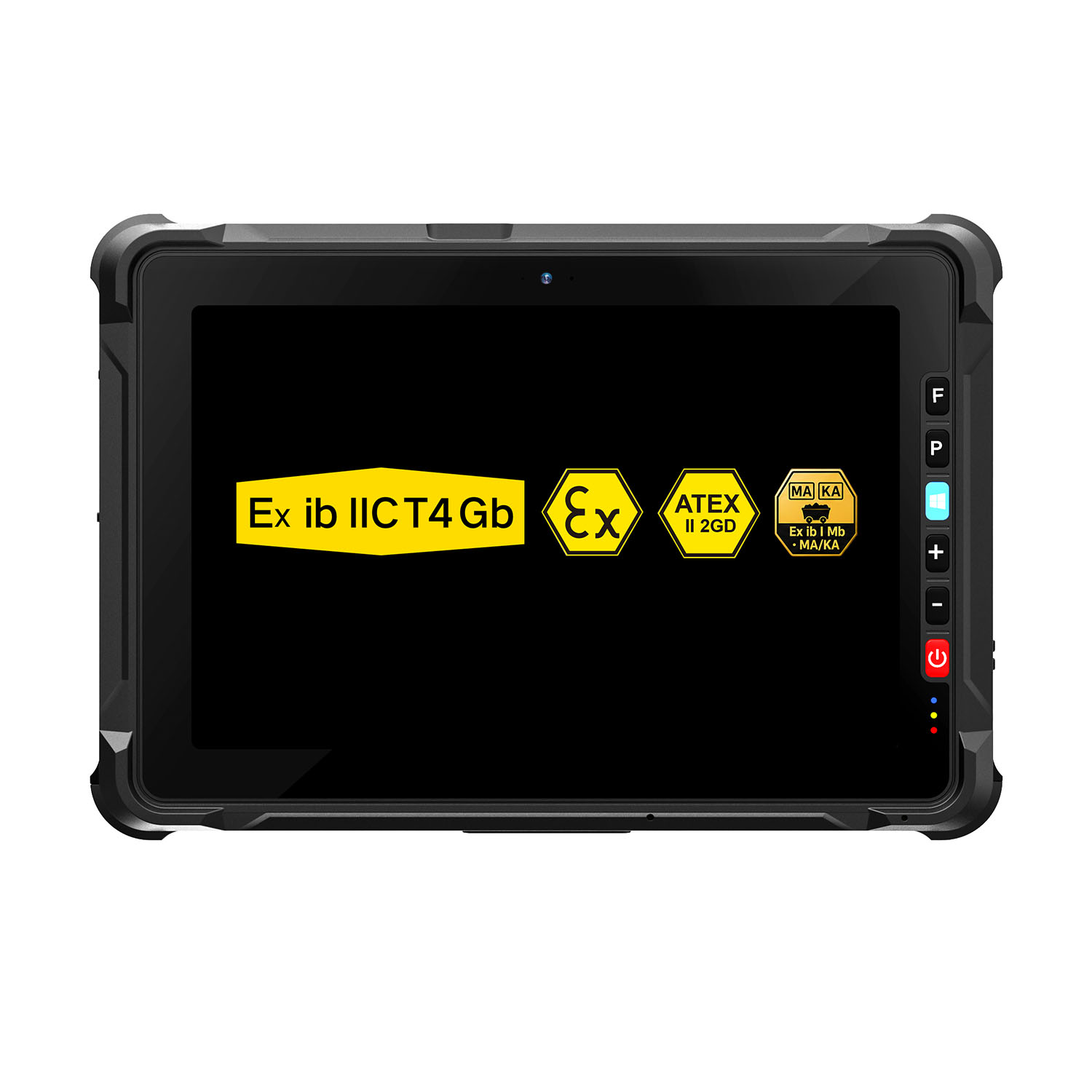 W109NS-EX N150 Explosion-Proof Hazardous Area Windows Tablet
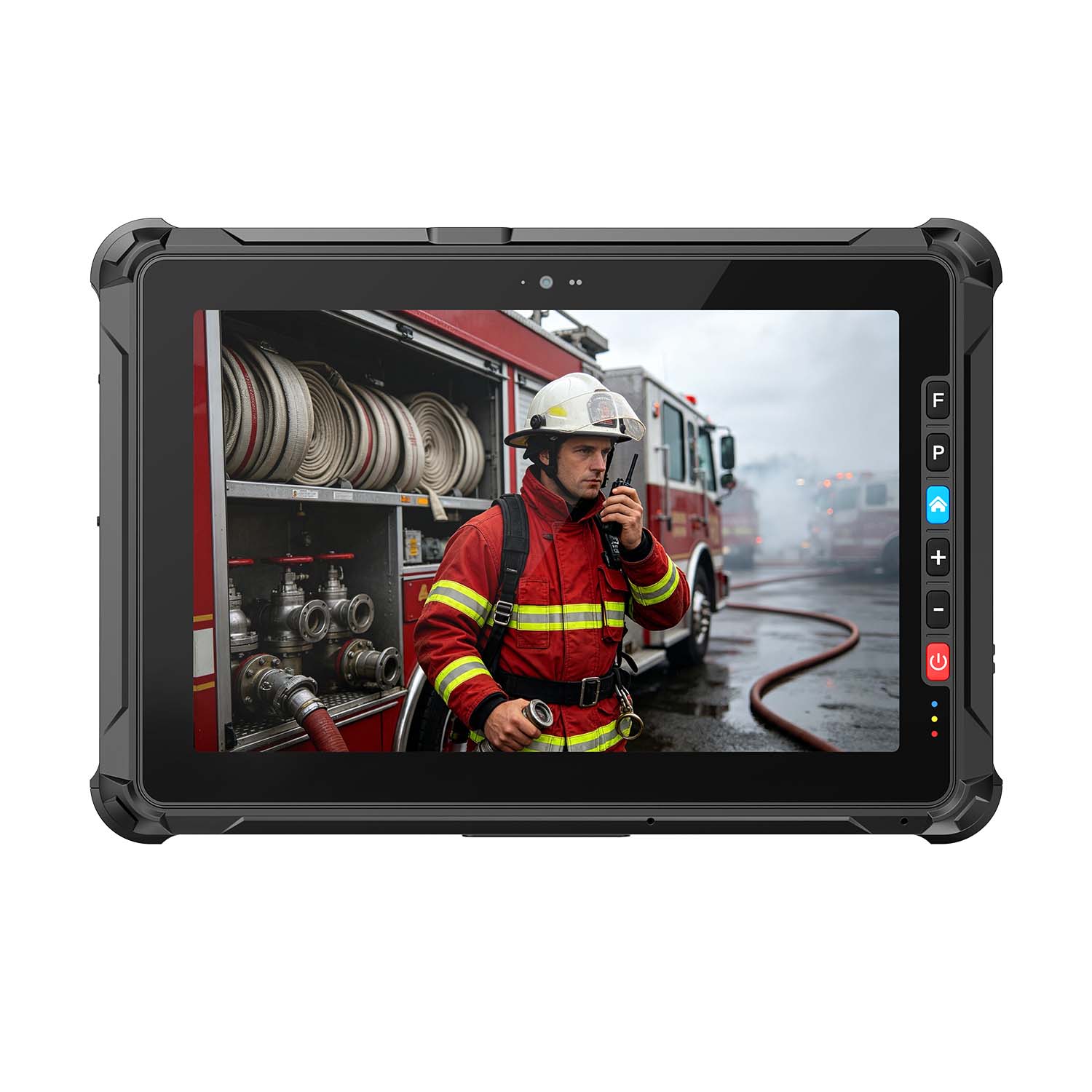 A109ST-EX MT8781 20000mAh Explosion-Proof ATEX II 2GD Android Tablet
.jpg) W10N-EX N5100 Explosion-Proof Intrinsically Safe Windows Tablet
W10N-EX N5100 Explosion-Proof Intrinsically Safe Windows Tablet
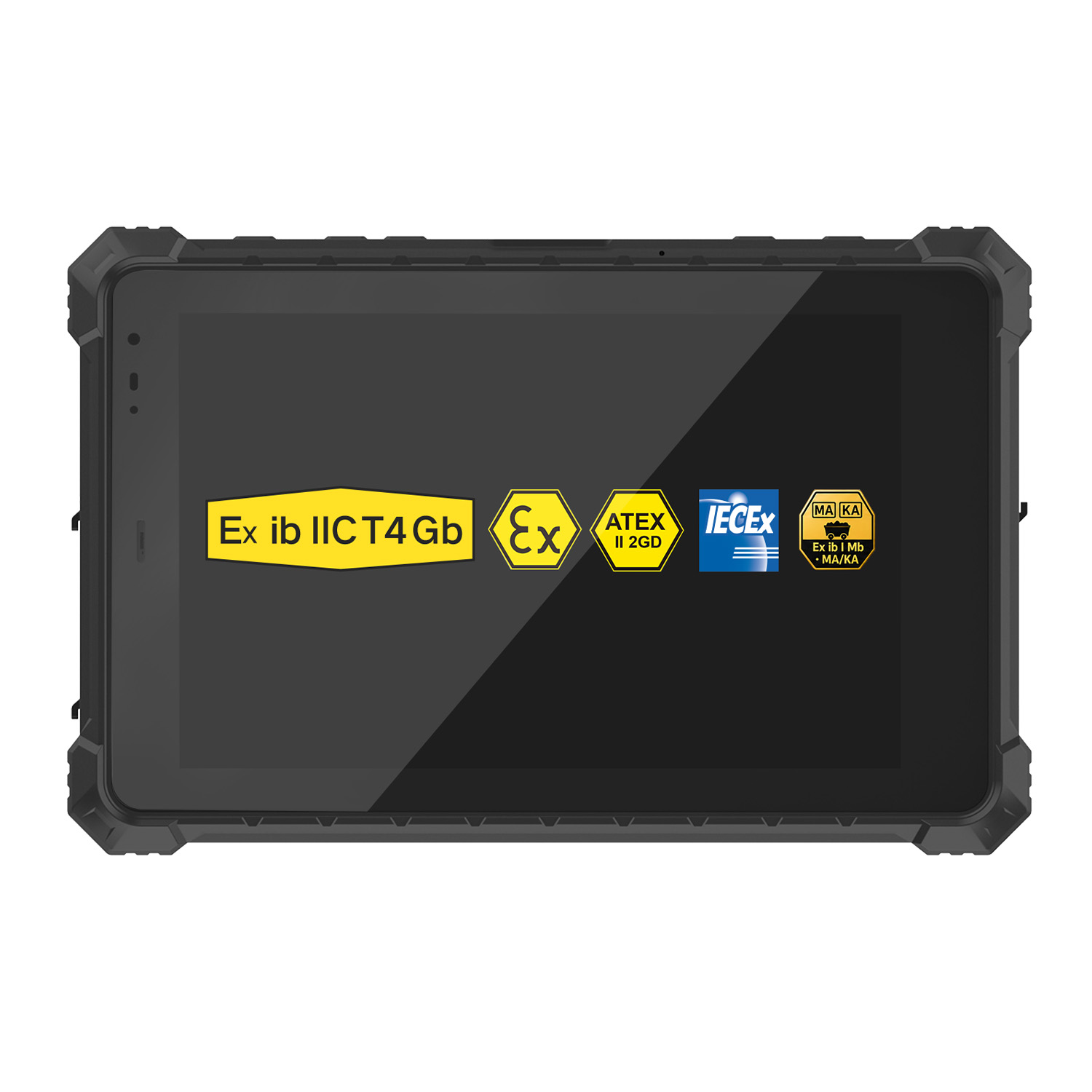 A10ST-EX MT8781 Ex ib IIC T5 Gb Hazardous Area Rugged Tablet
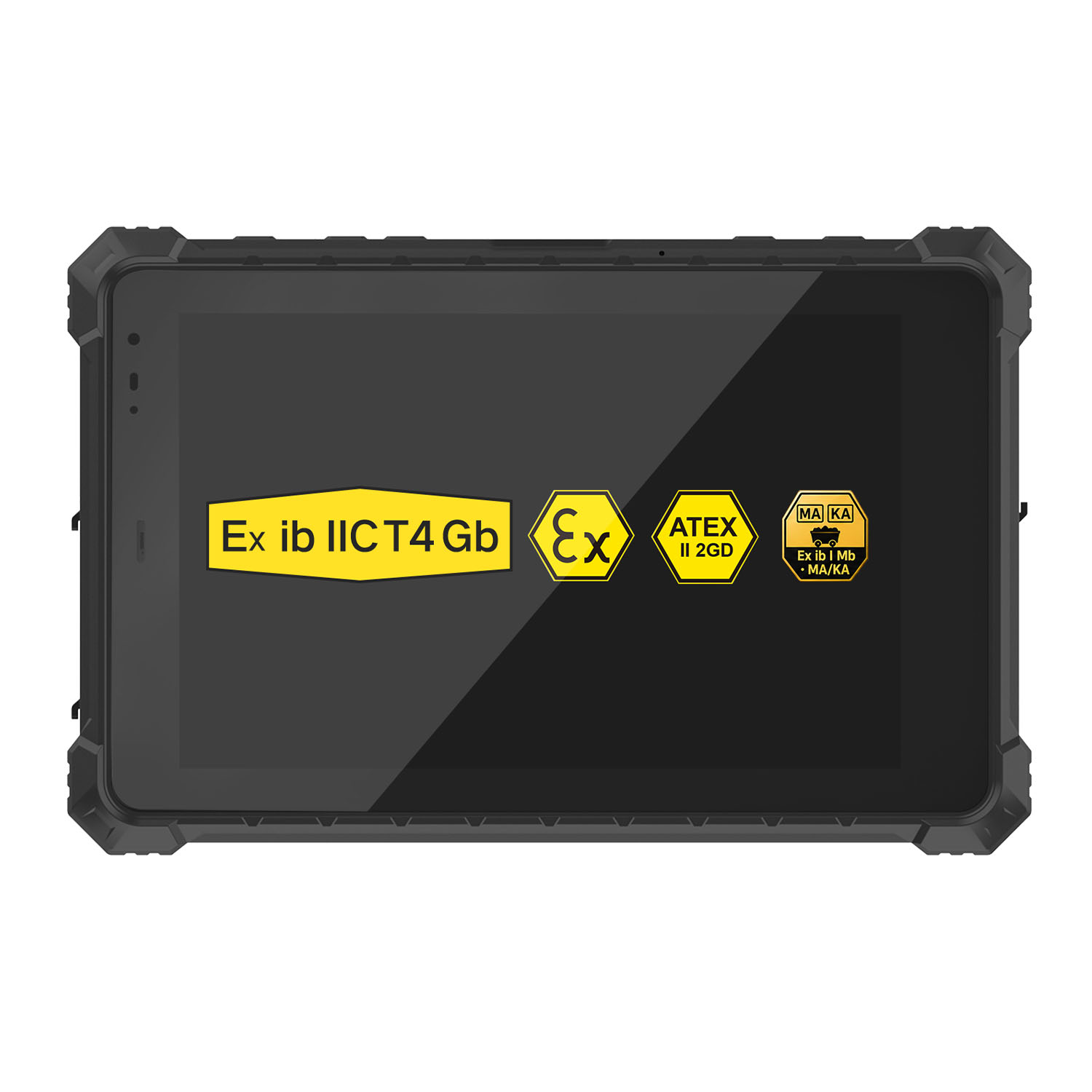 A10R-EX 10.1 Inch Explosion Proof RK3568 Industrial Tablet PC
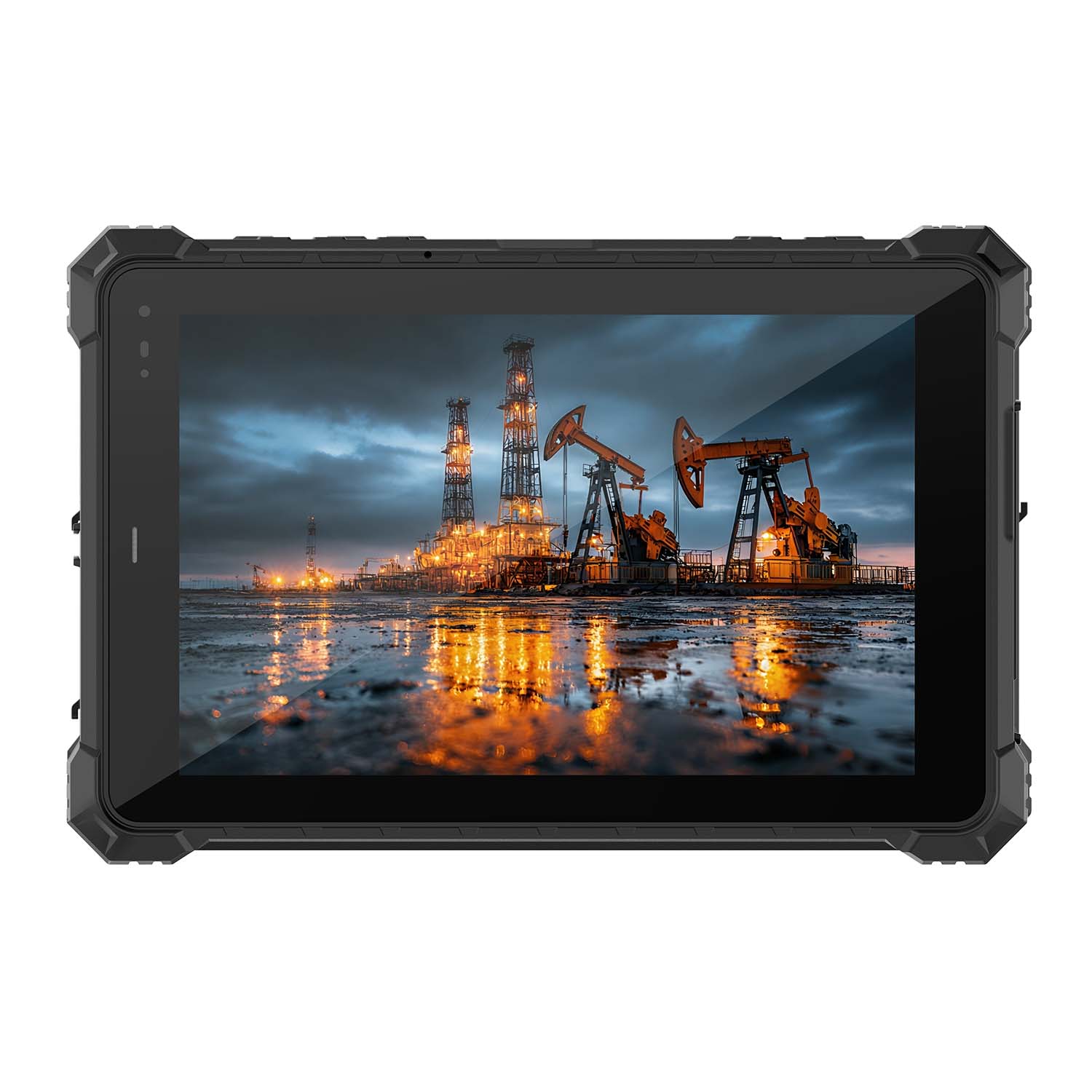 A10STX-EX MT8781 10.1 Inch ATEX II 2GD Android Tablet
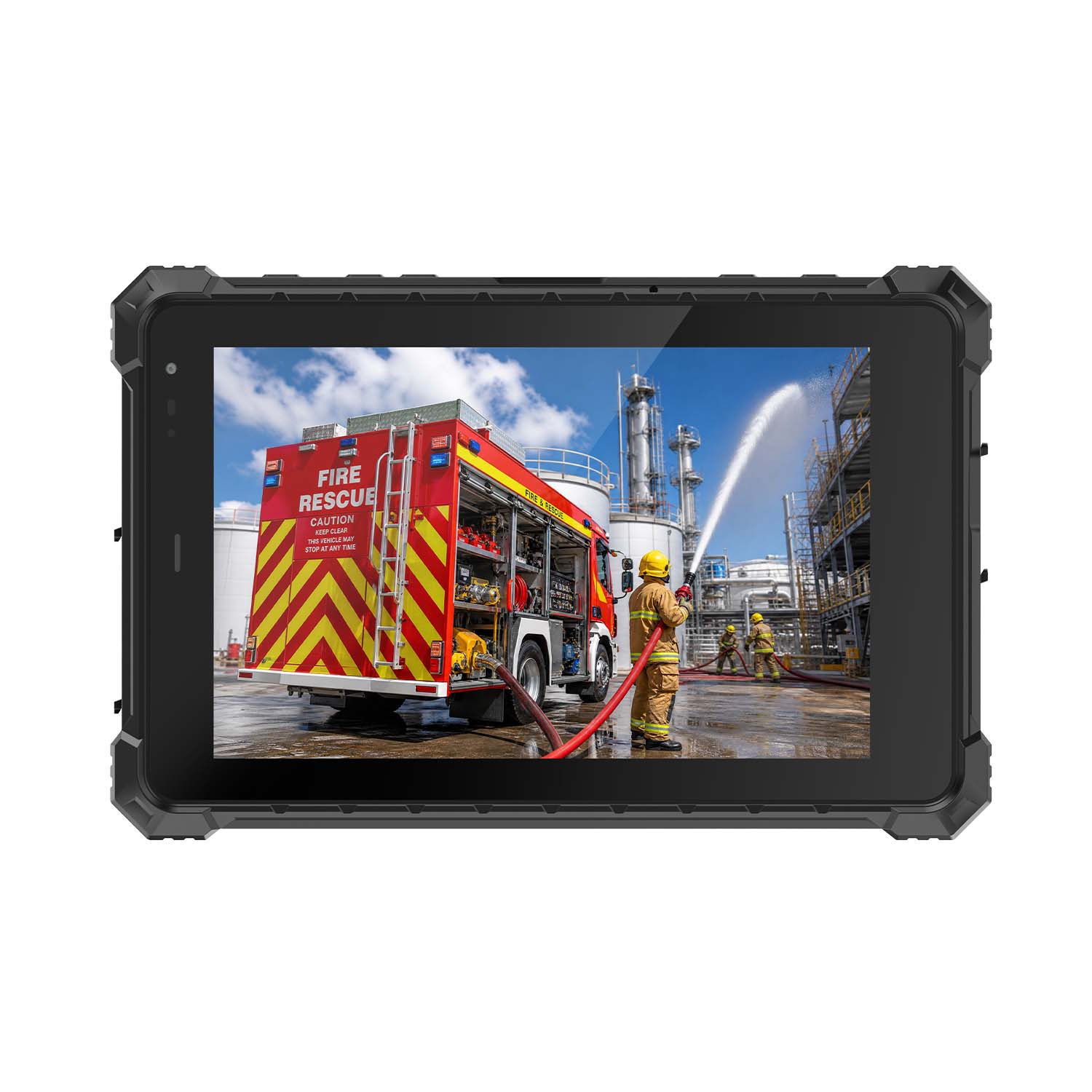 W80N-EX N5100 8 Inch Explosion-Proof Windows ATEX II 2GD Tablet
 A18ST-EX Slim 10.1-Inch Explosion-Proof Android Tablet
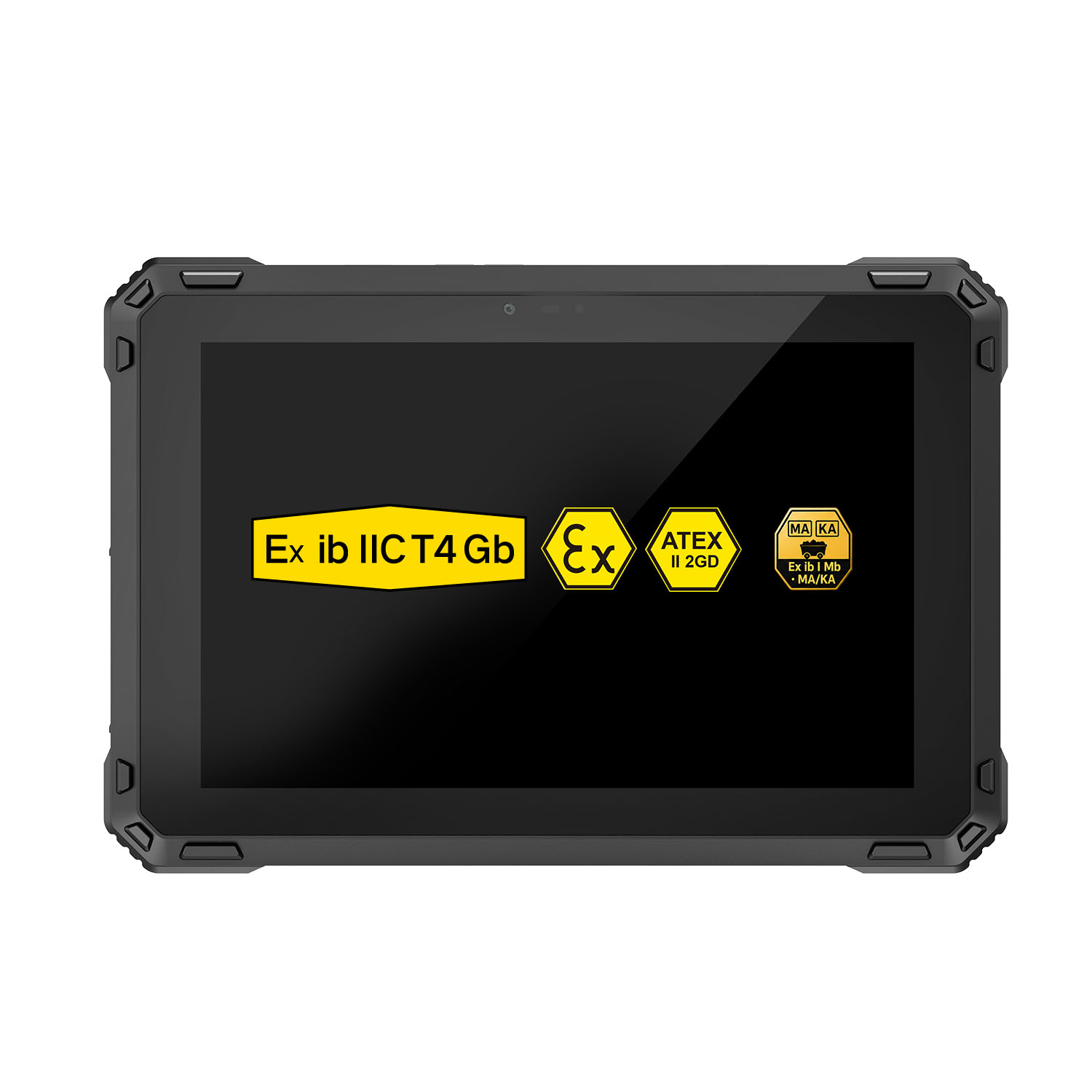 A88ST-EX MT6769 Hazardous Area 8-Inch Explosion-Proof Android Tablet
 A80ST-5G EX MT6877 8 Inch Ex ib ⅡC T4 Gb Explosion Proof Tablet
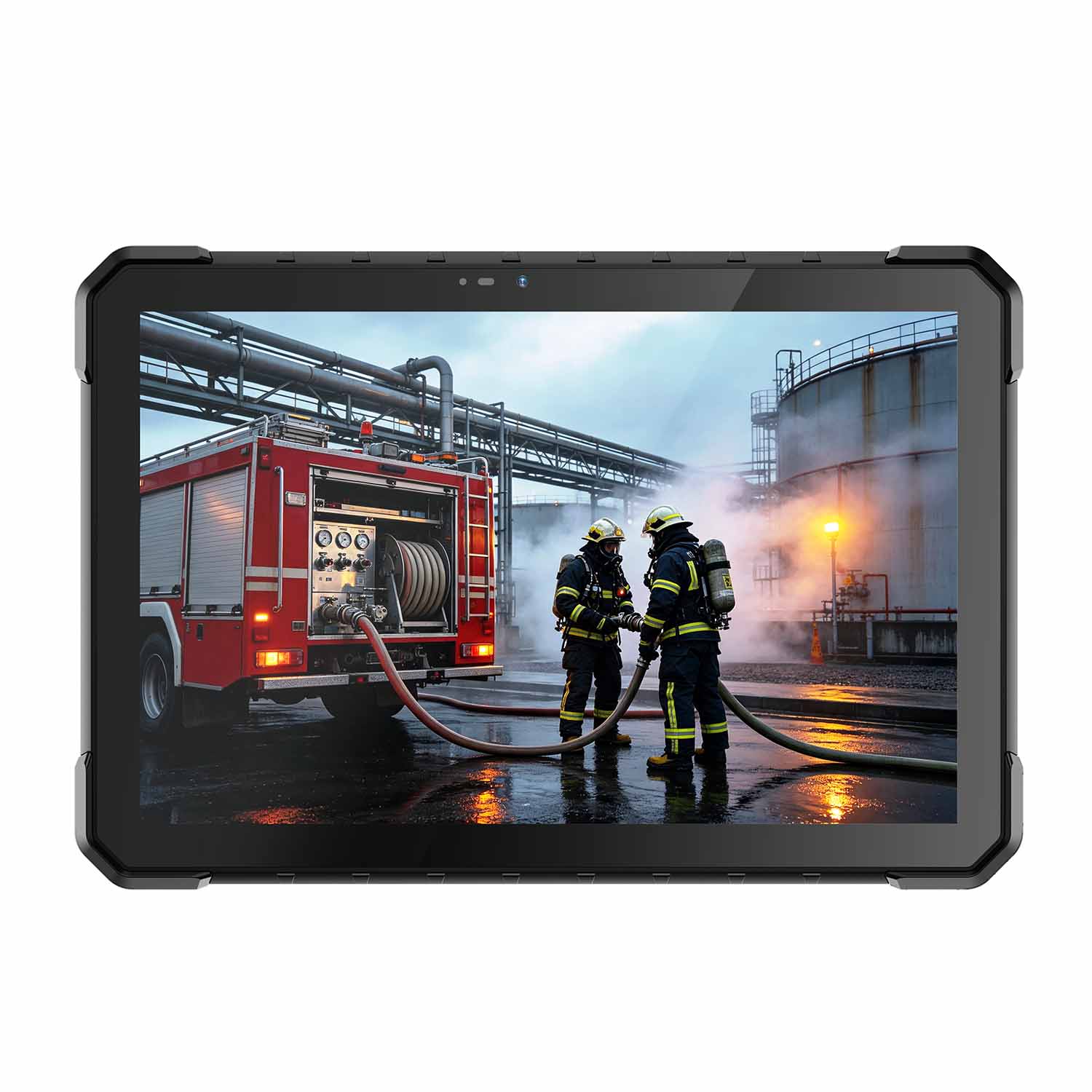 CENAVA W18Y-EX i7 10.1 Inch Explosion-Proof Windows 11 Tablet
 W65G-EX Explosion-Proof Windows Handheld Hazardous Area PDA