
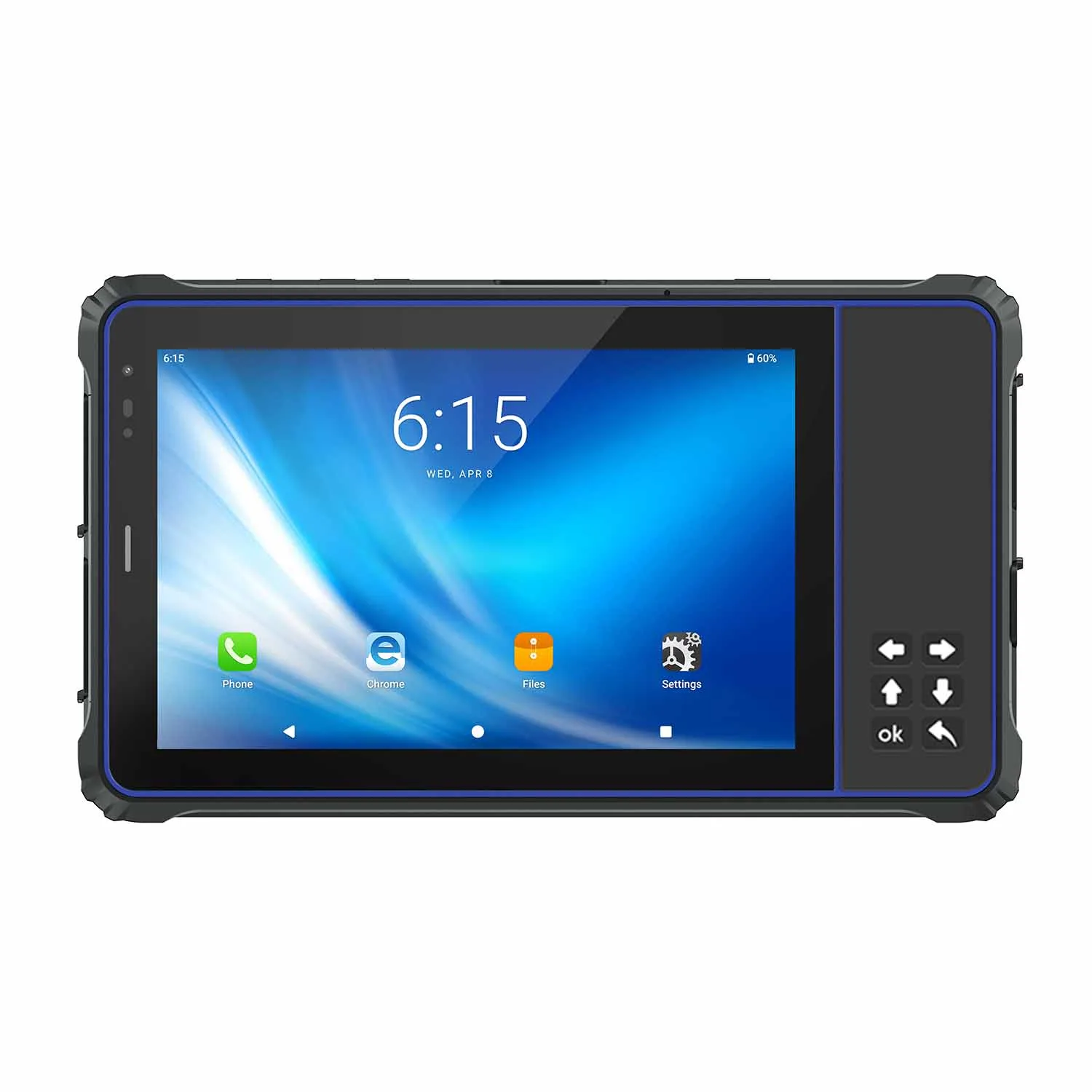
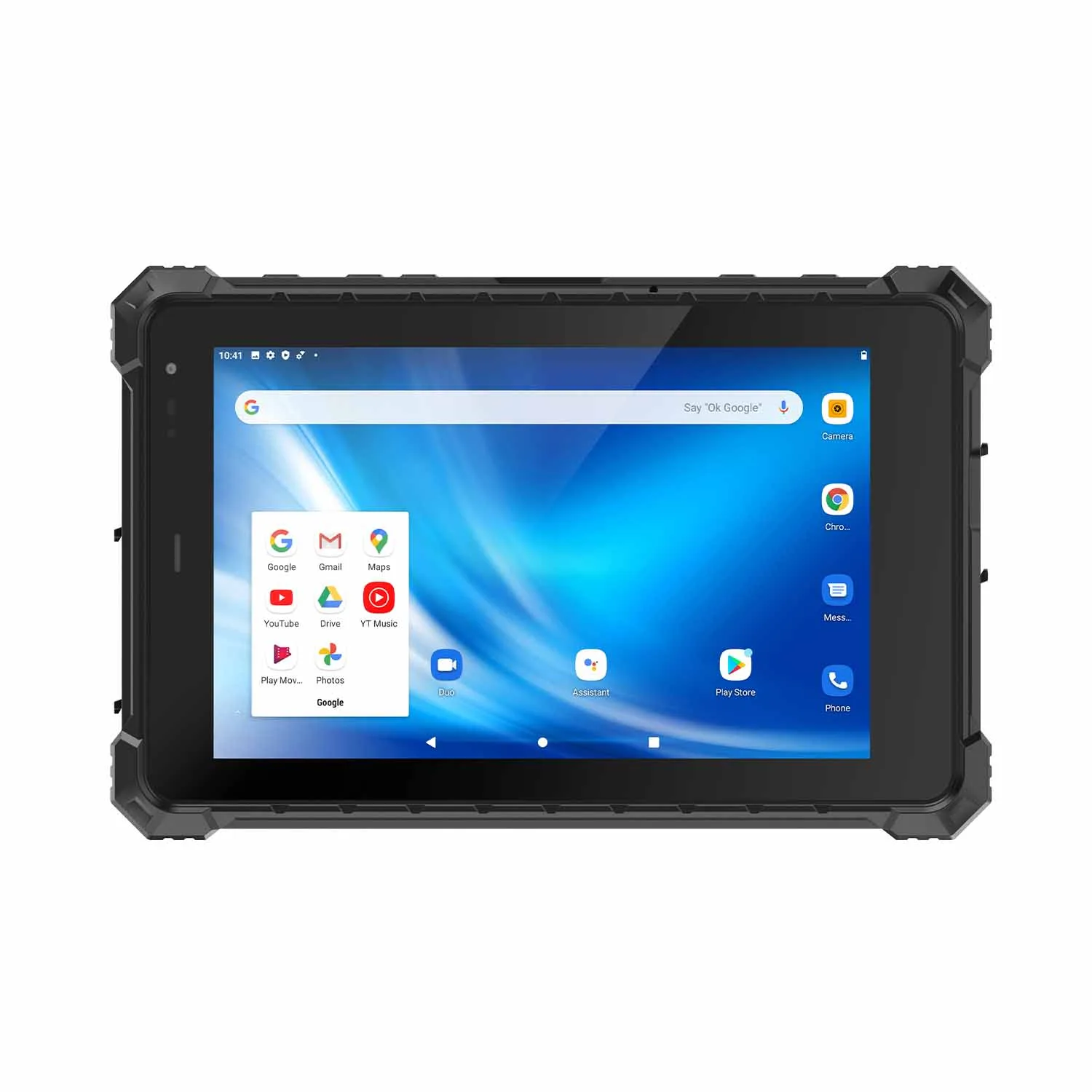
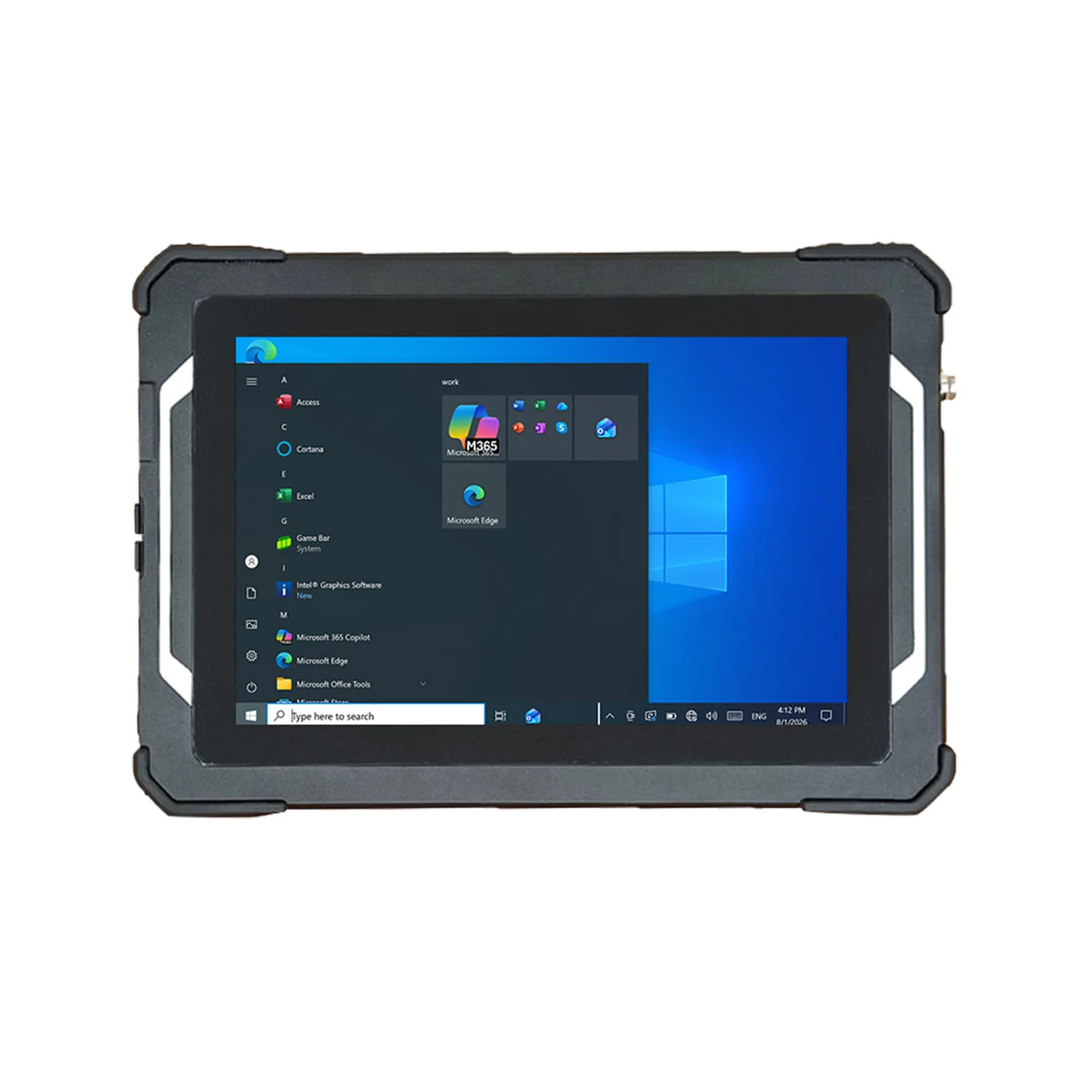
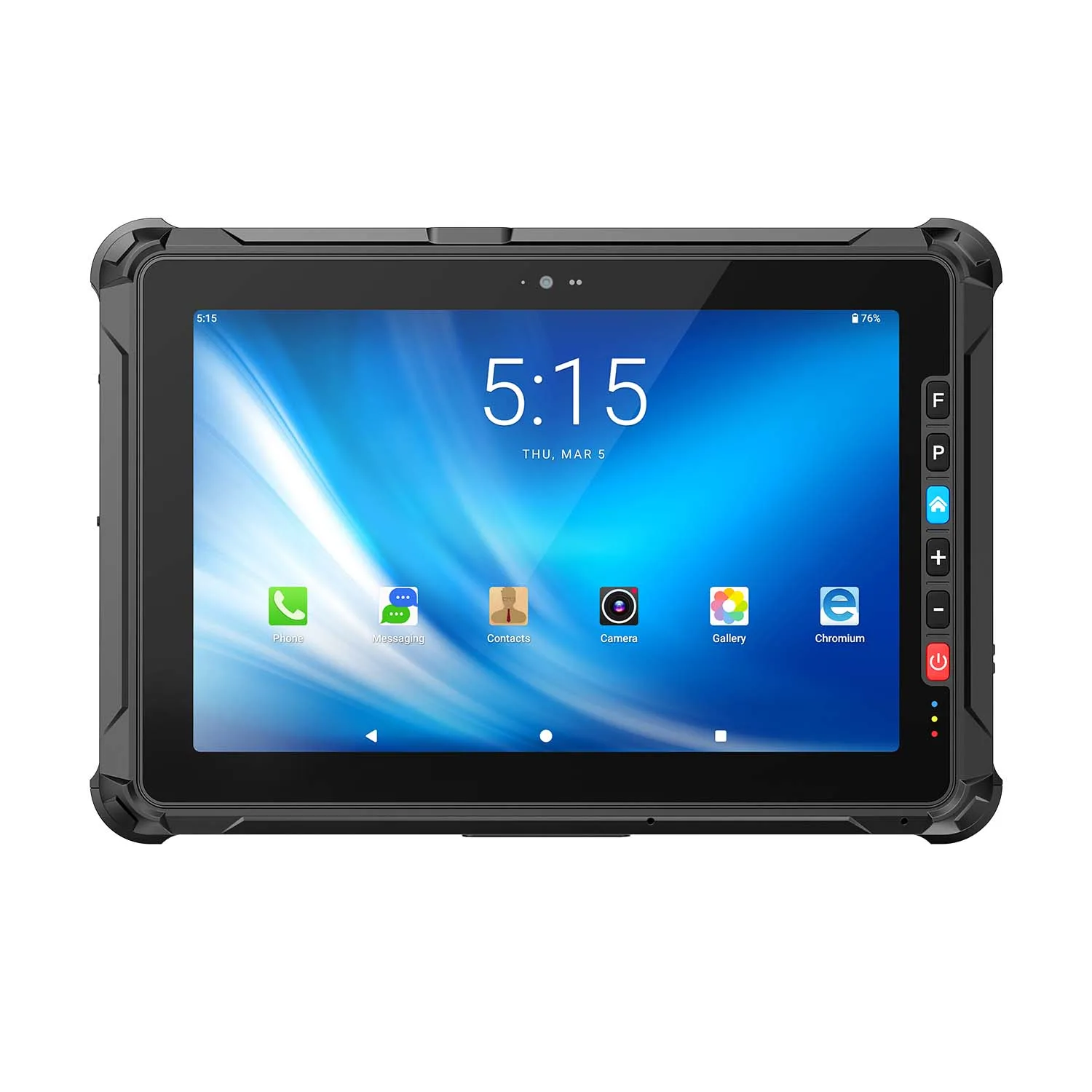
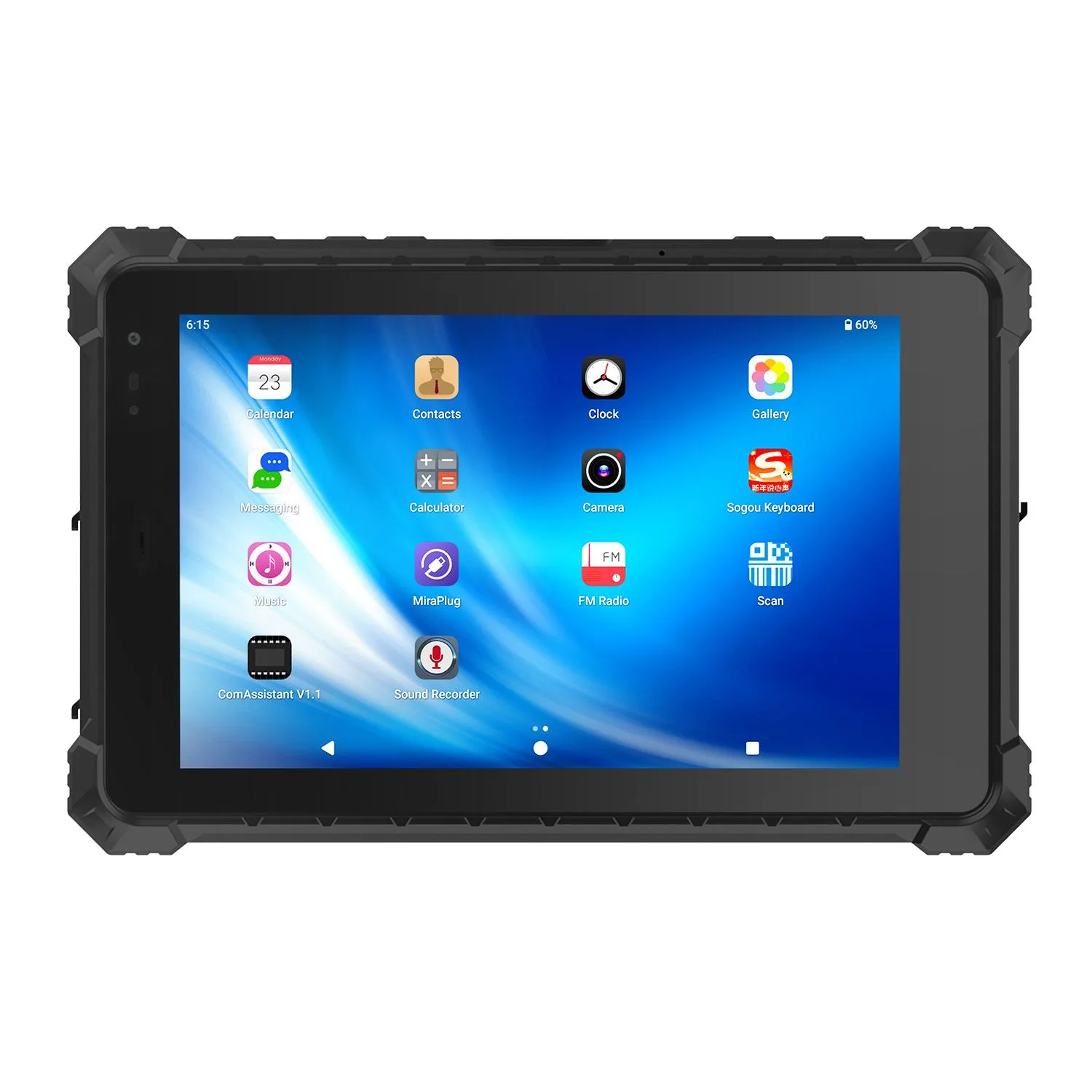
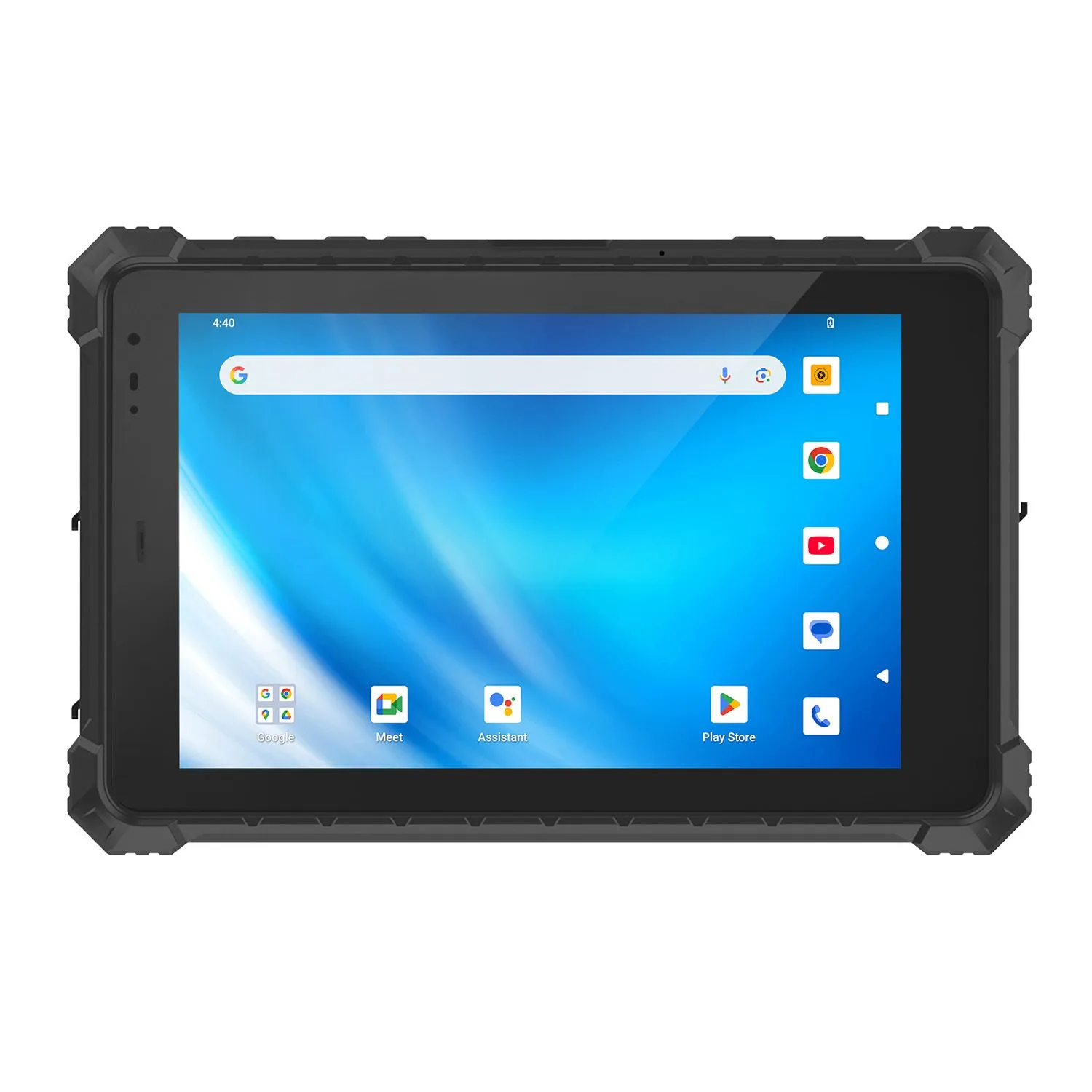
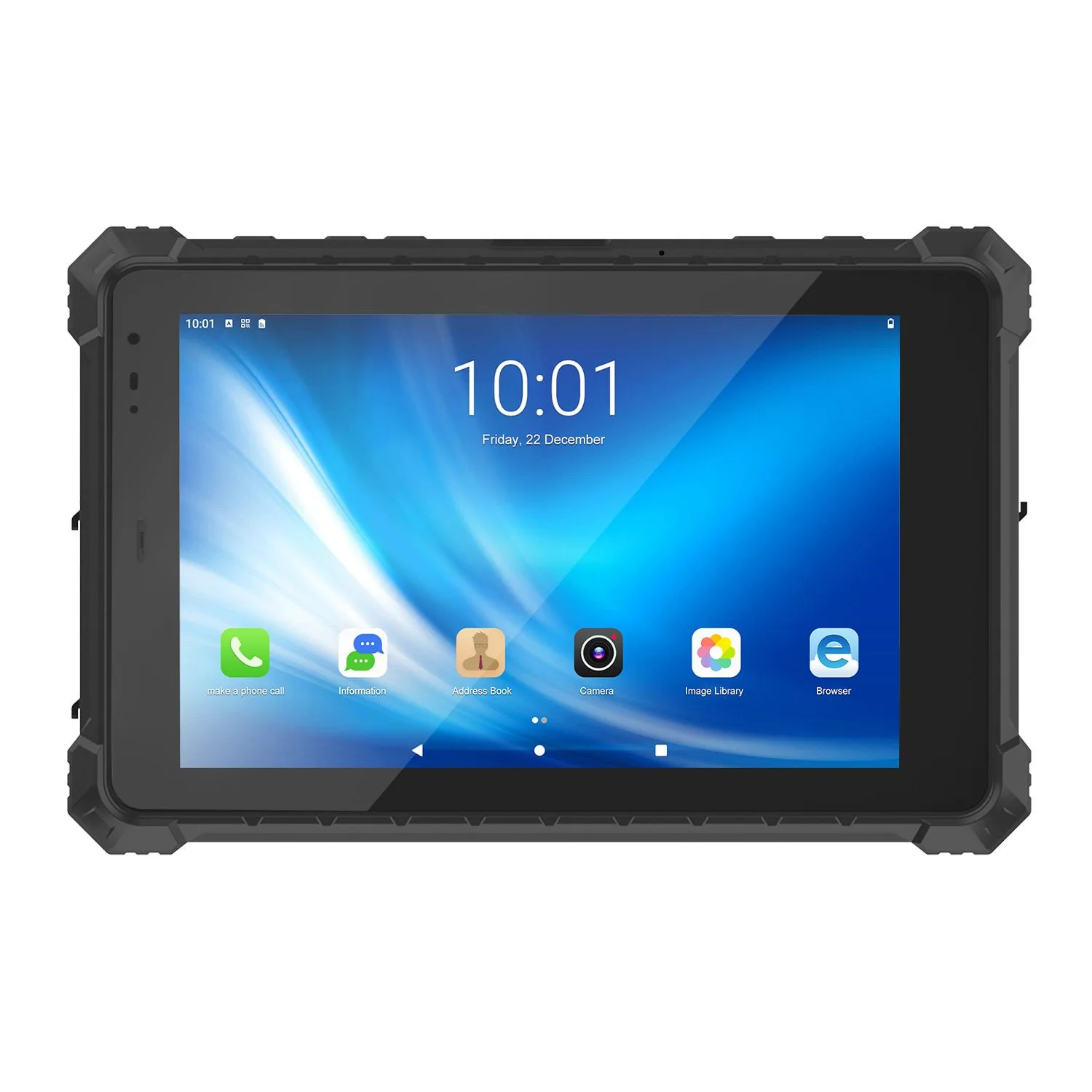
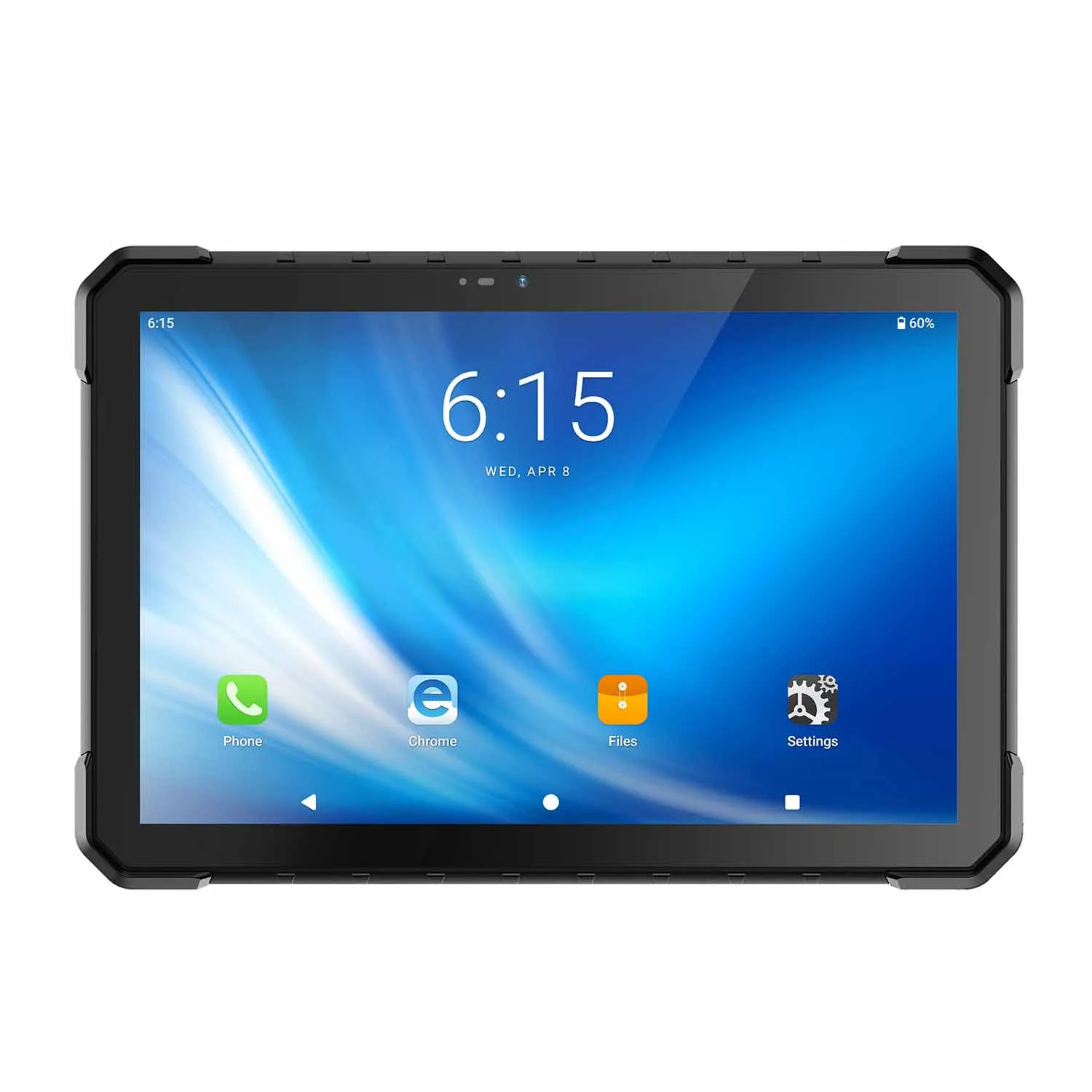
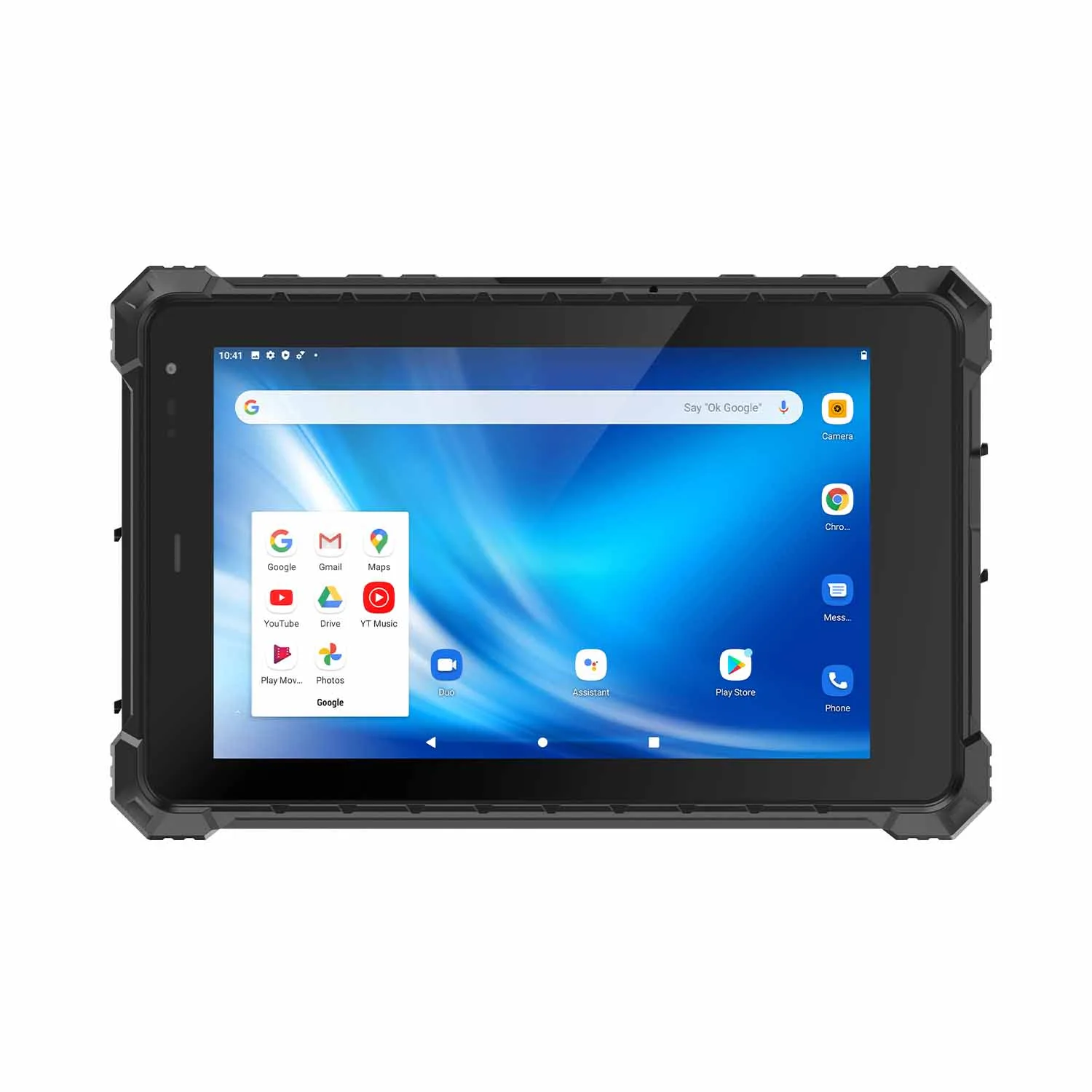
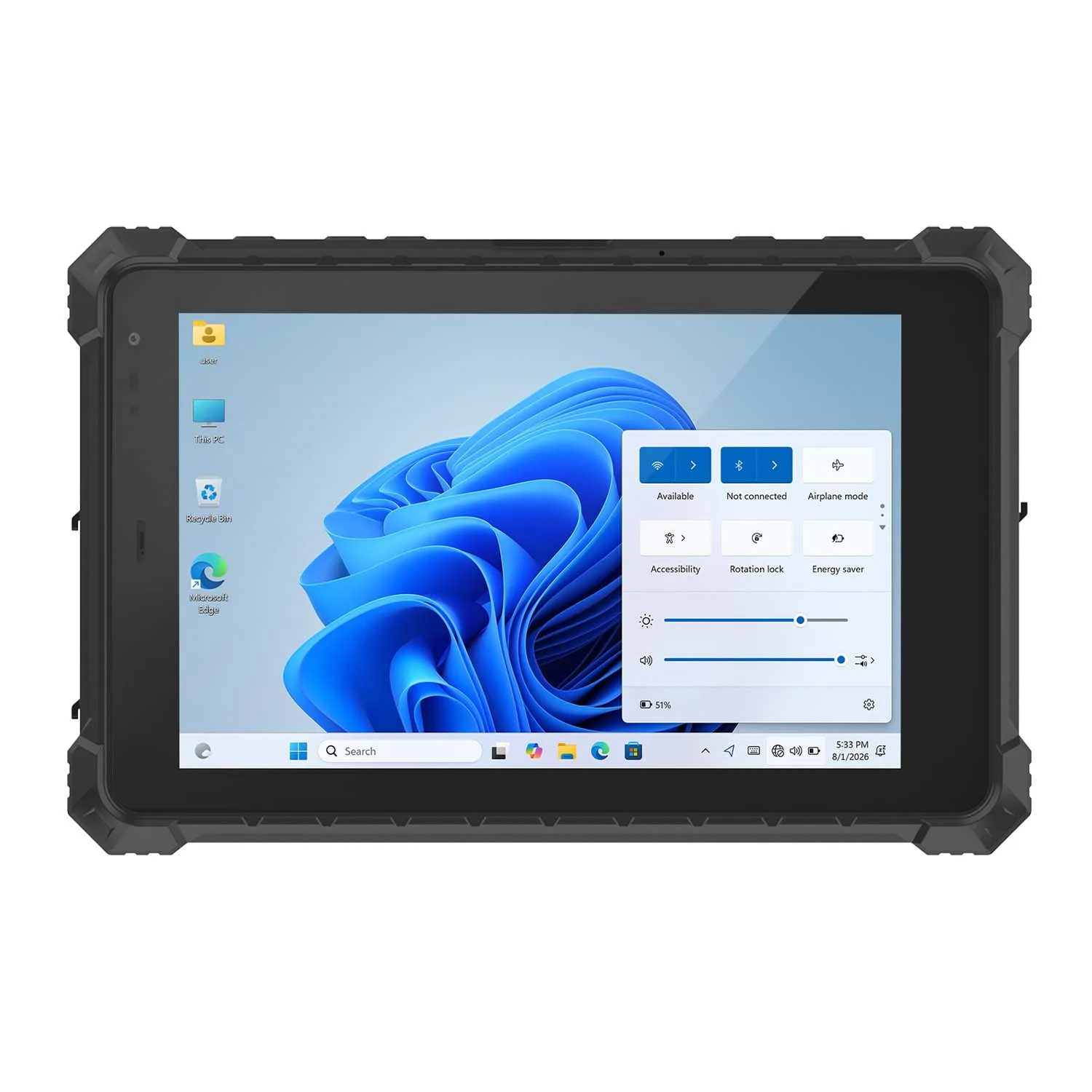
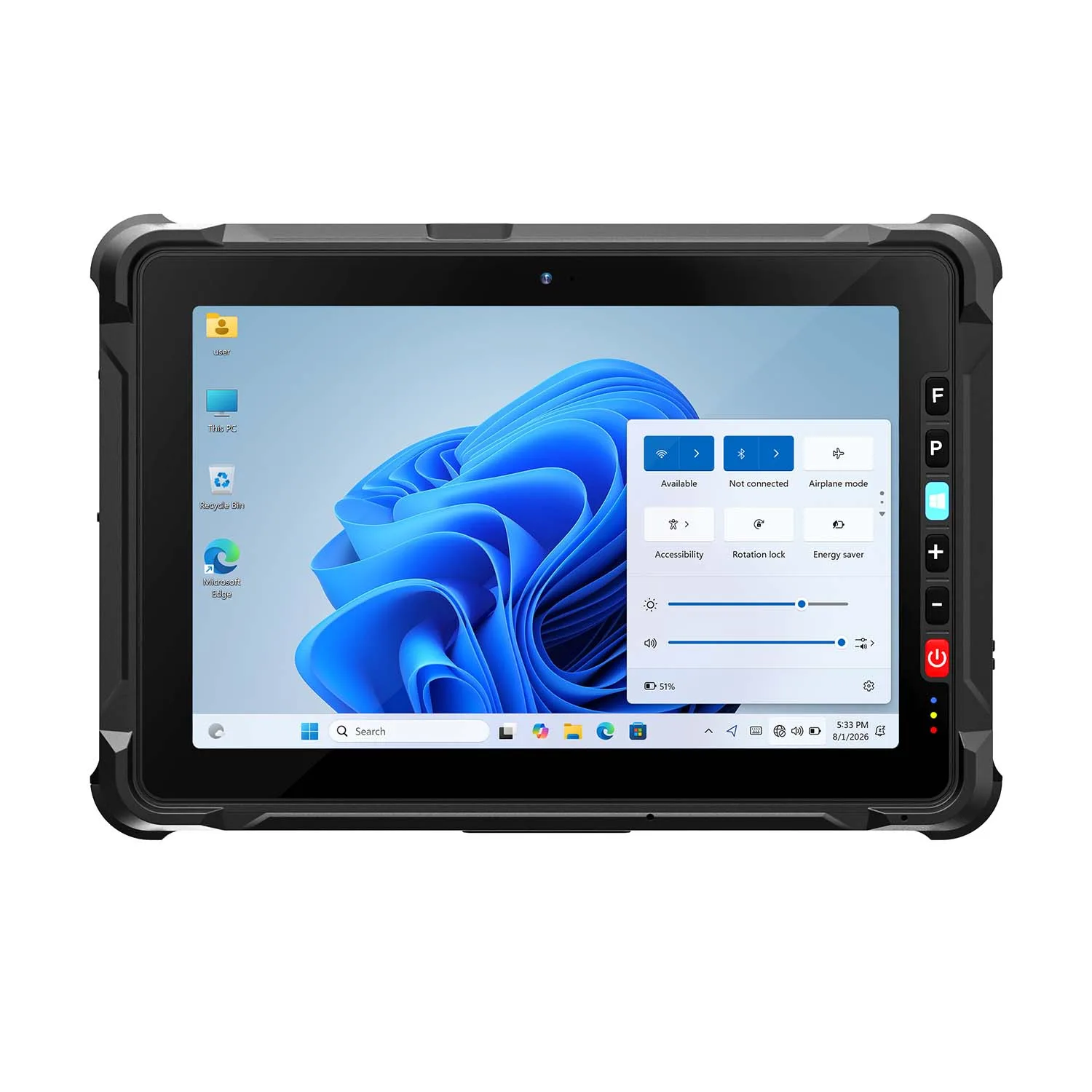
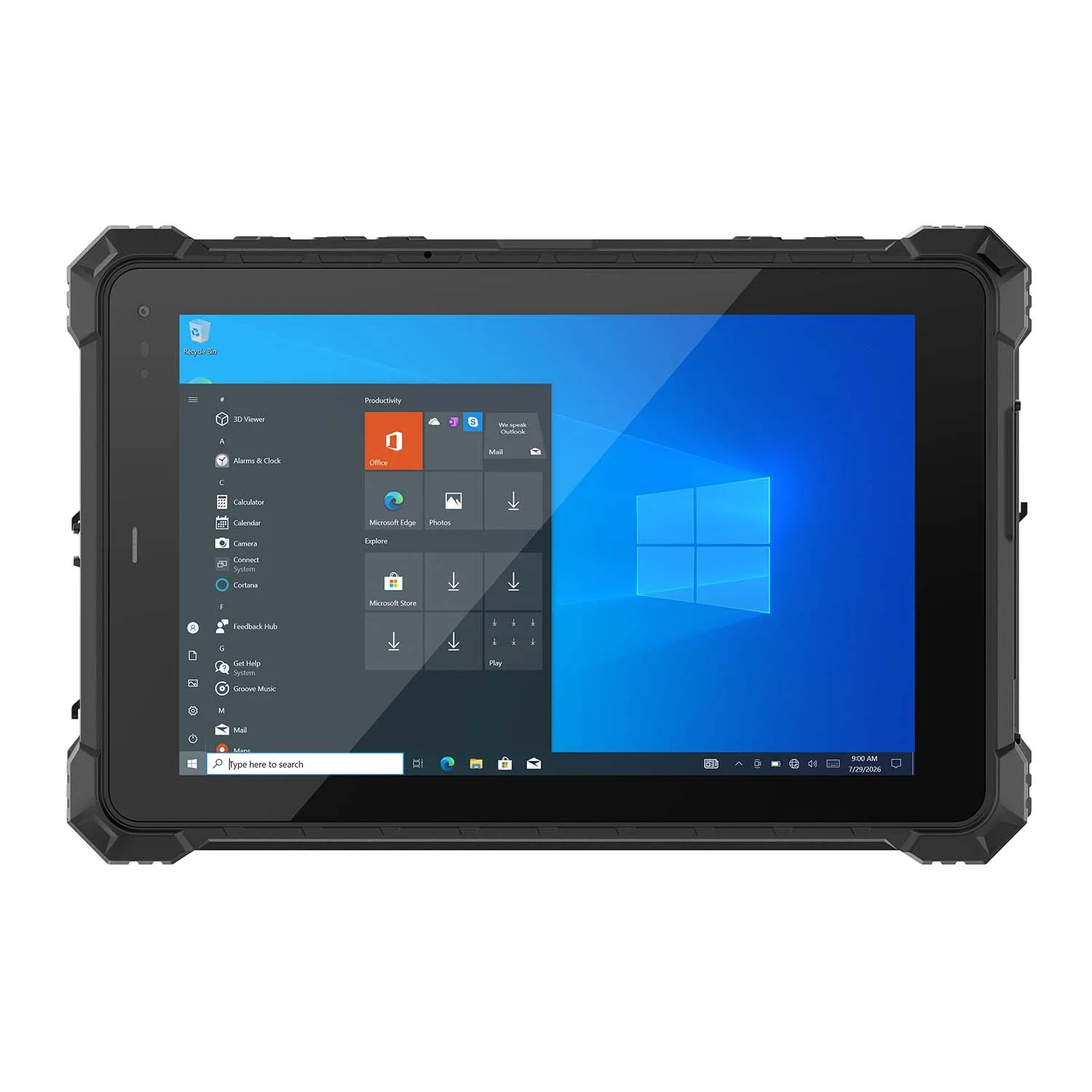
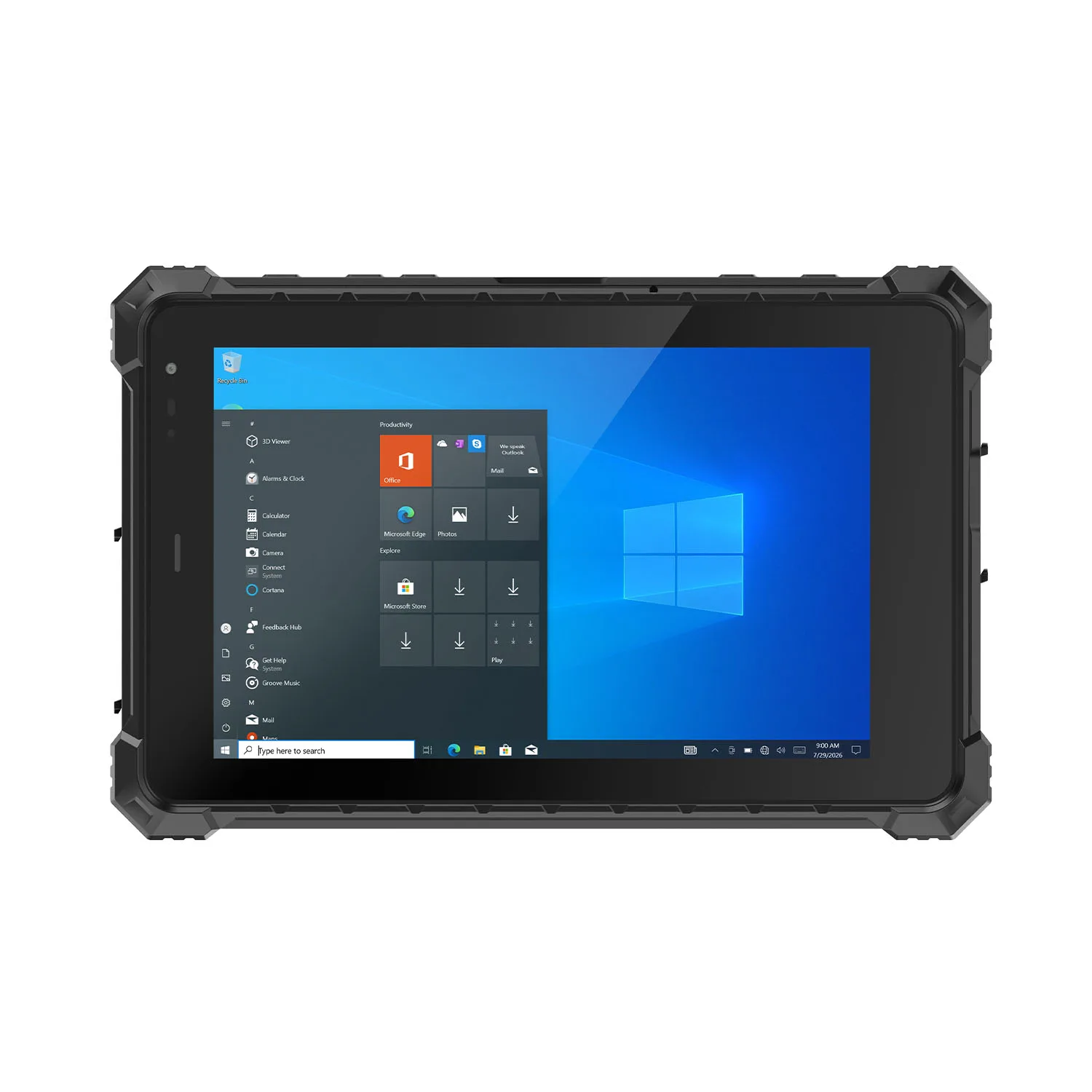
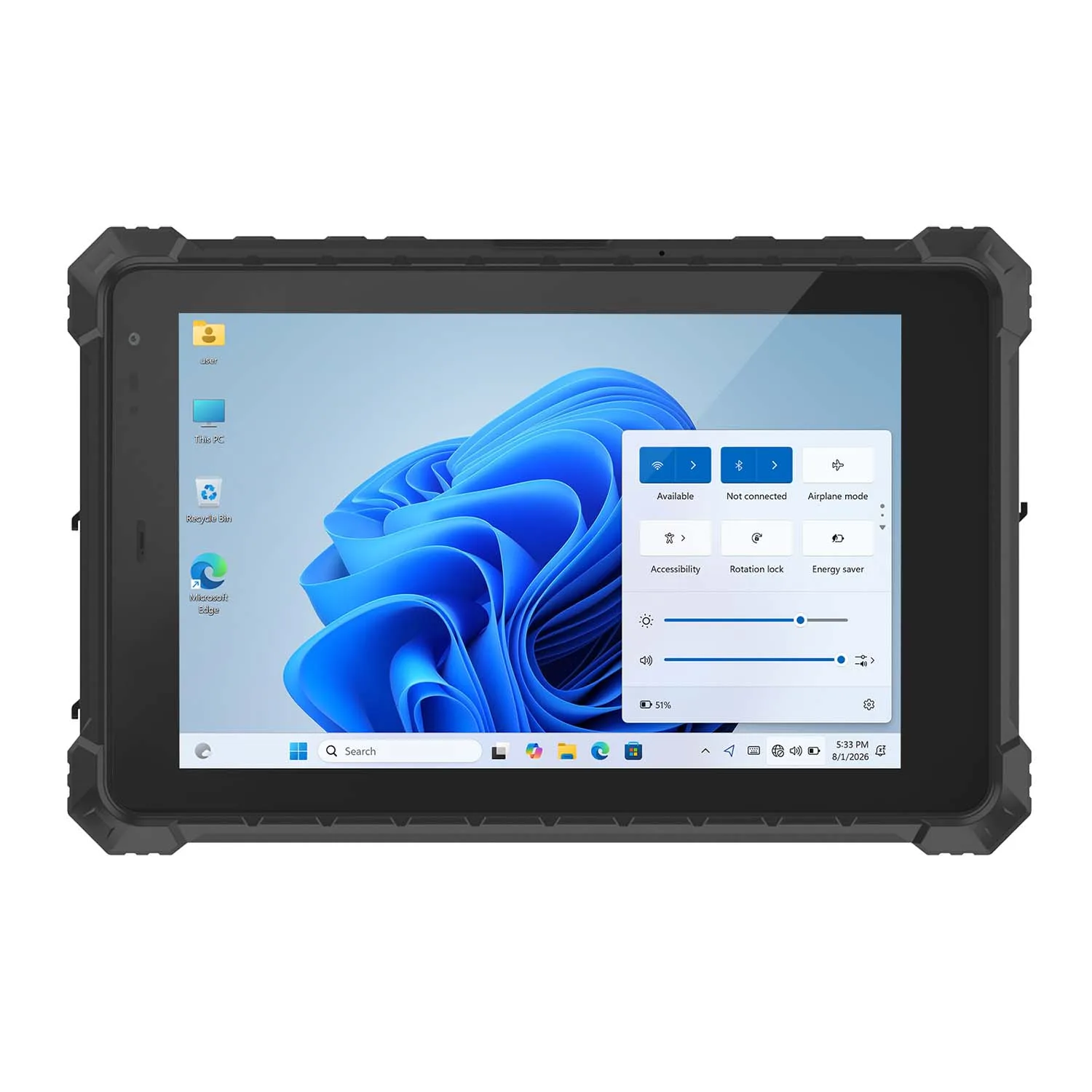
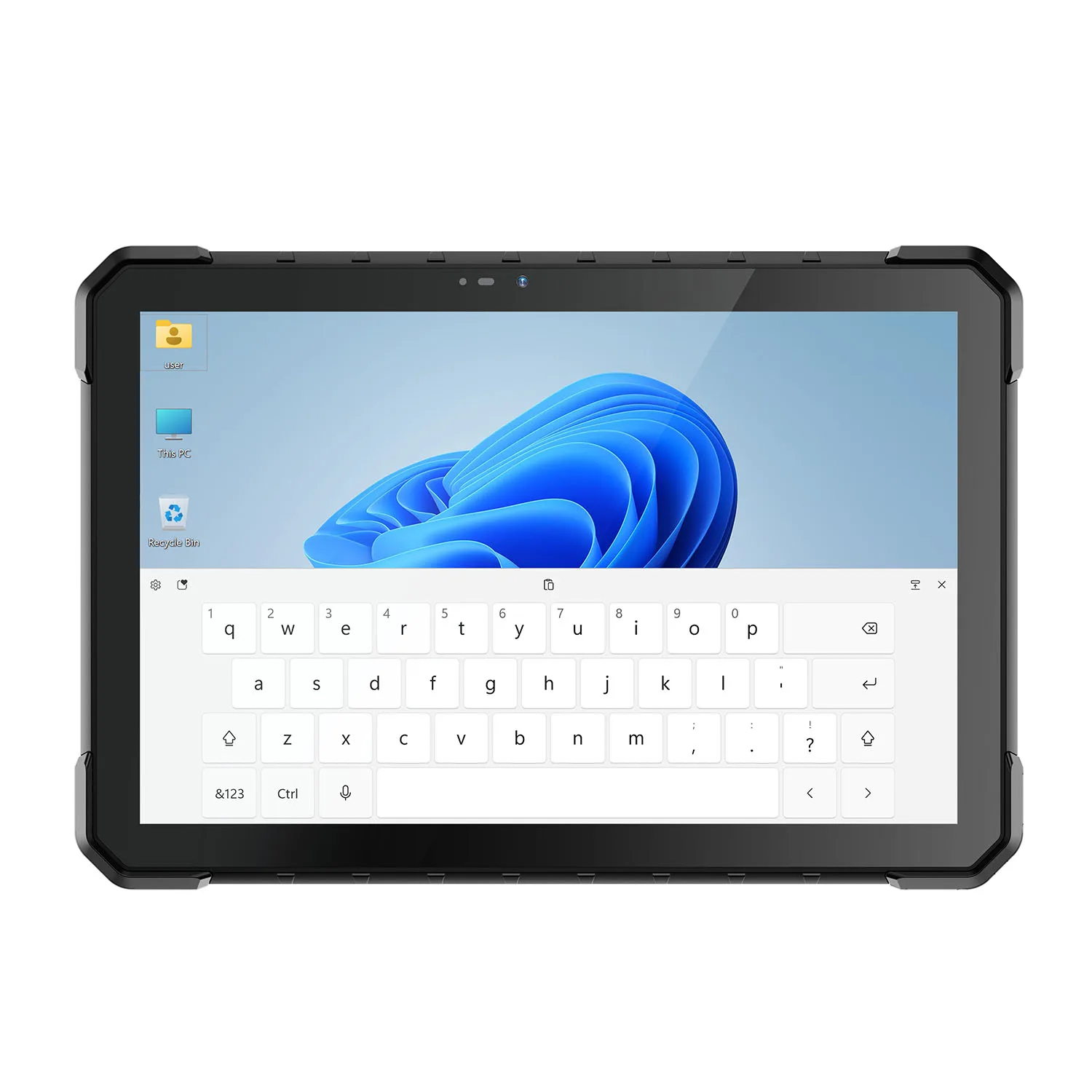
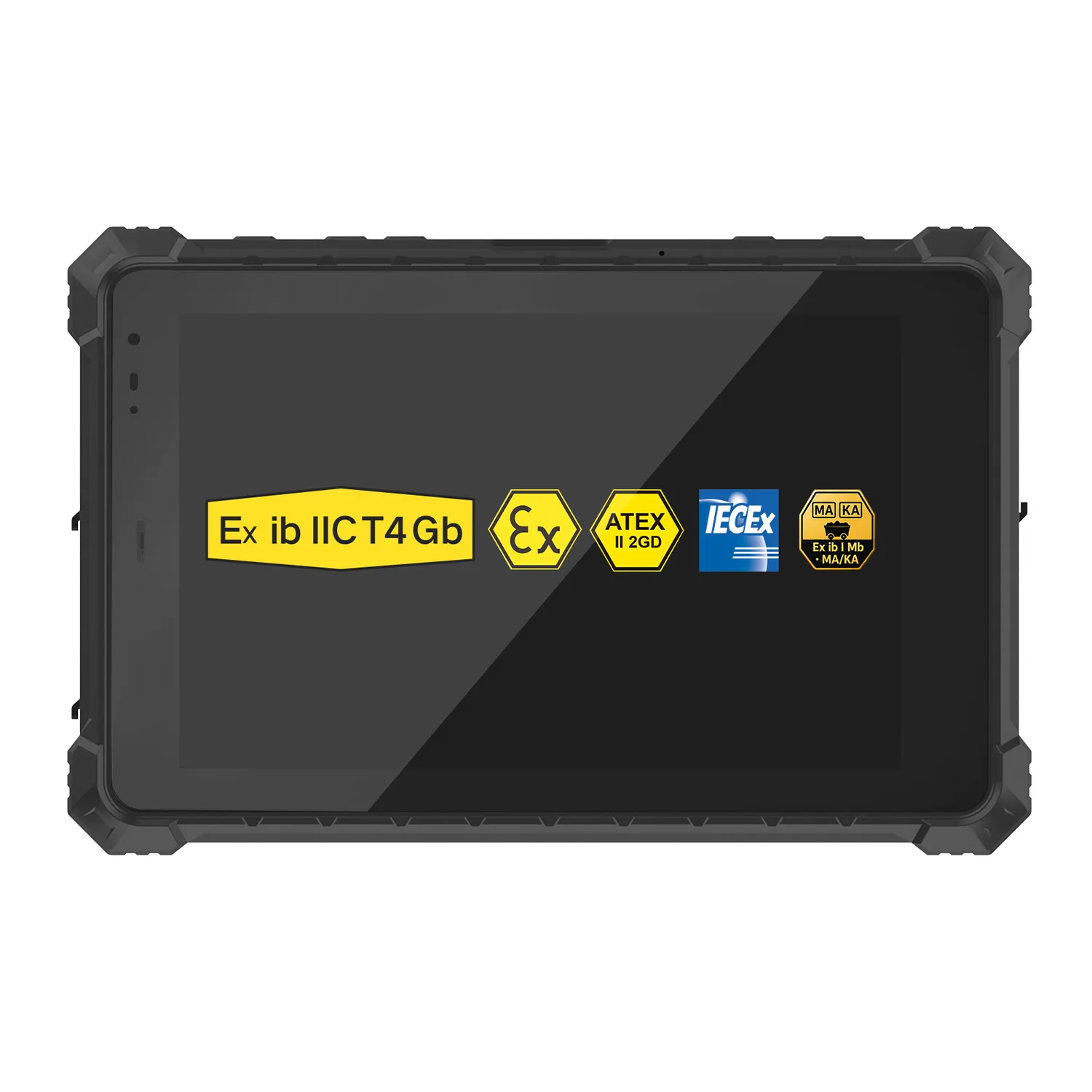
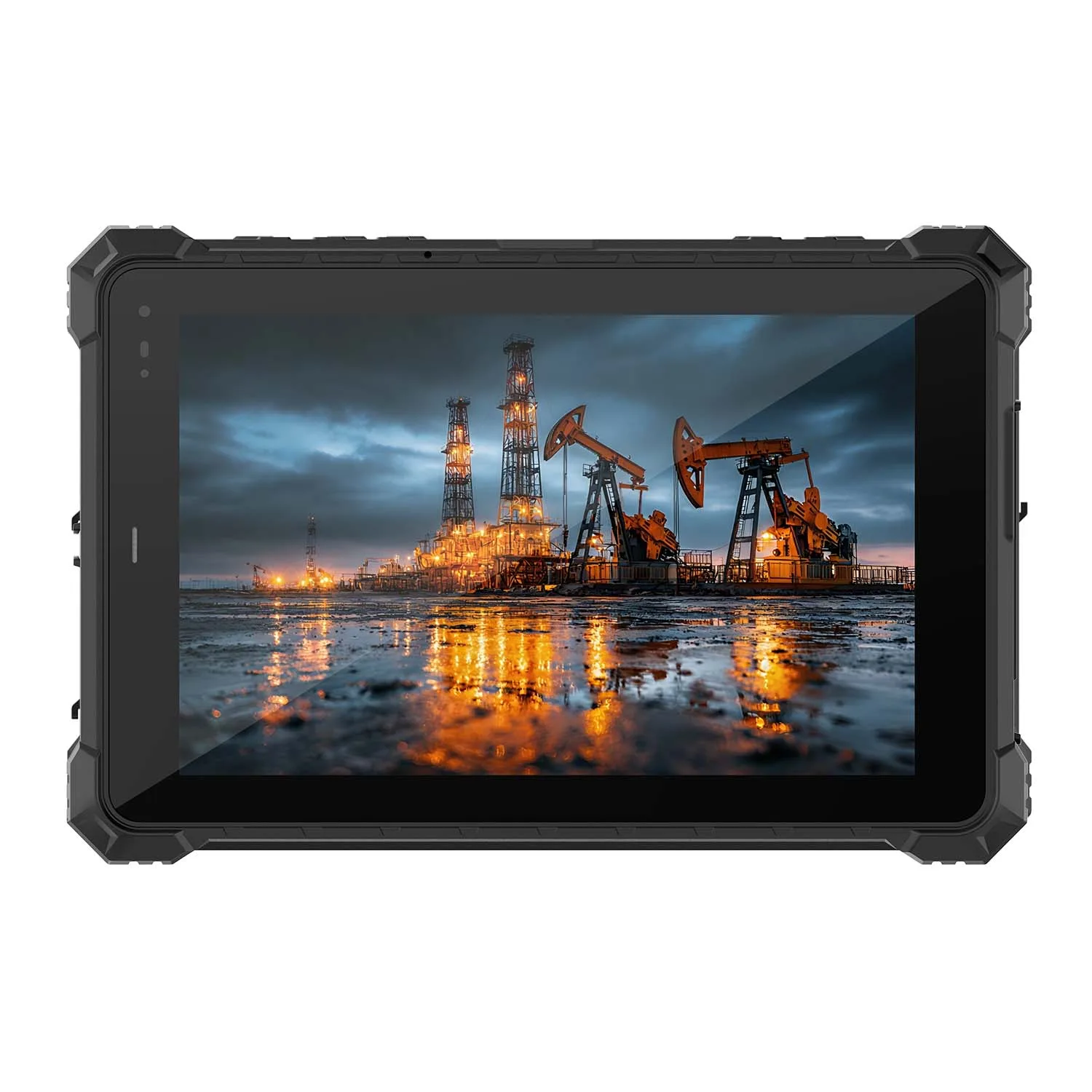
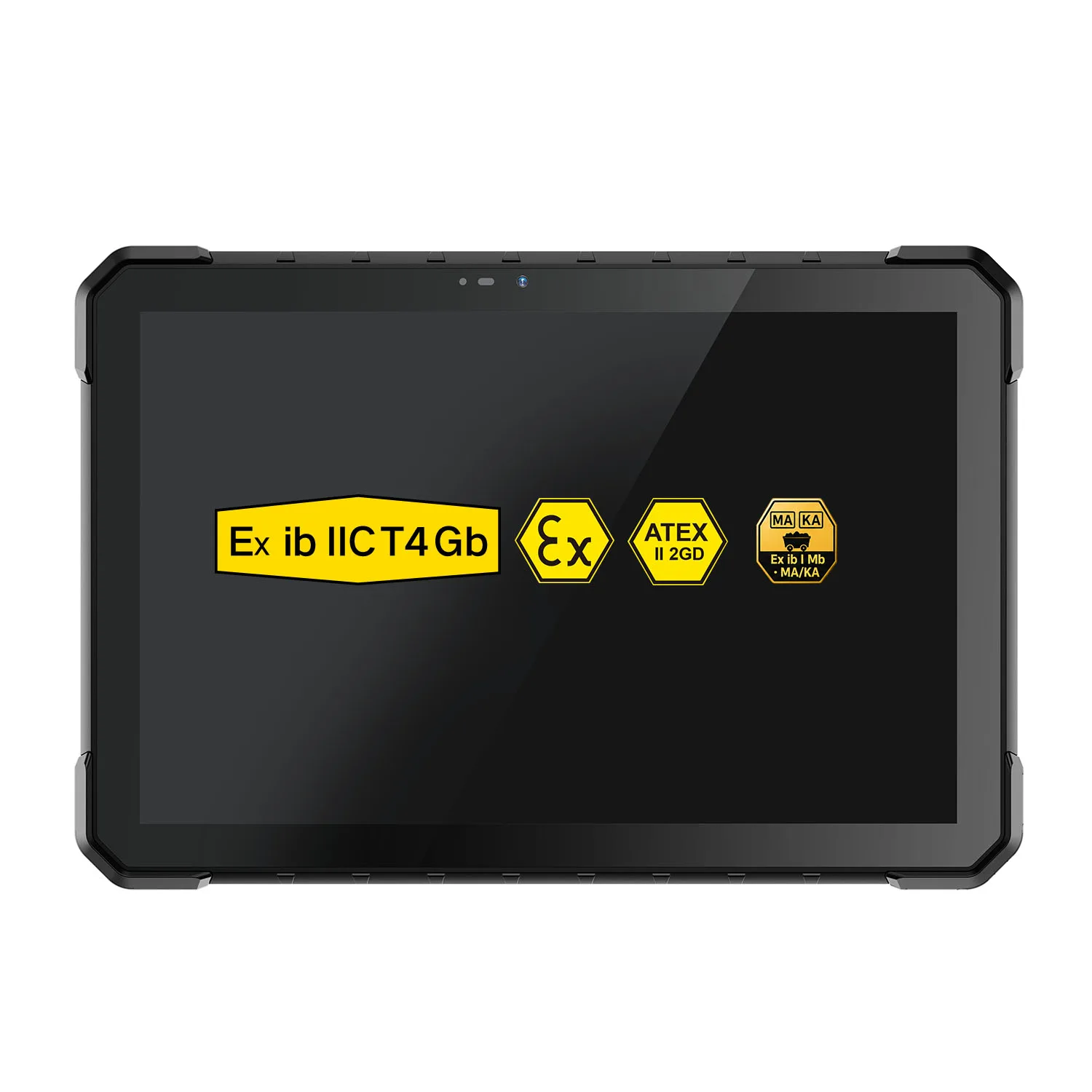
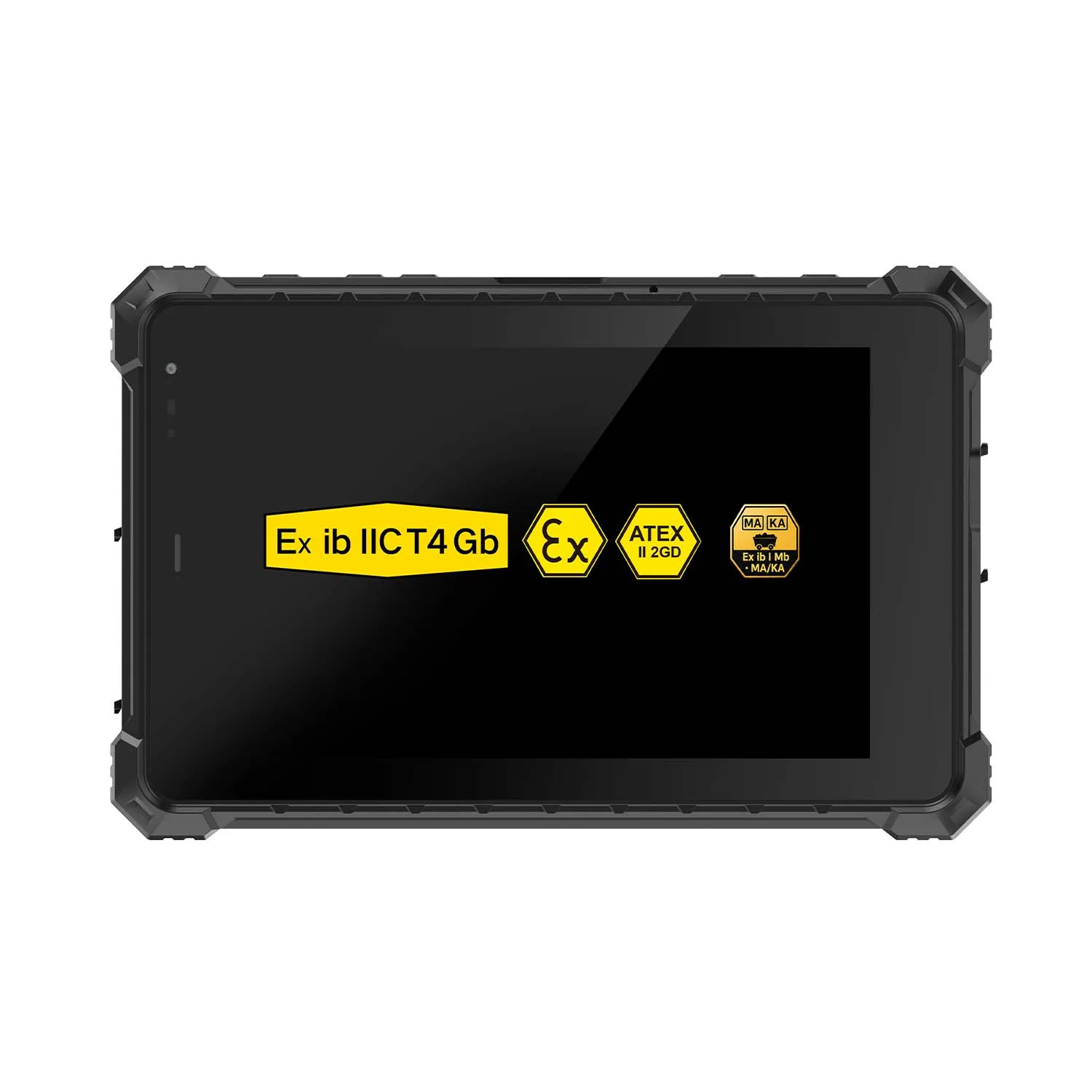
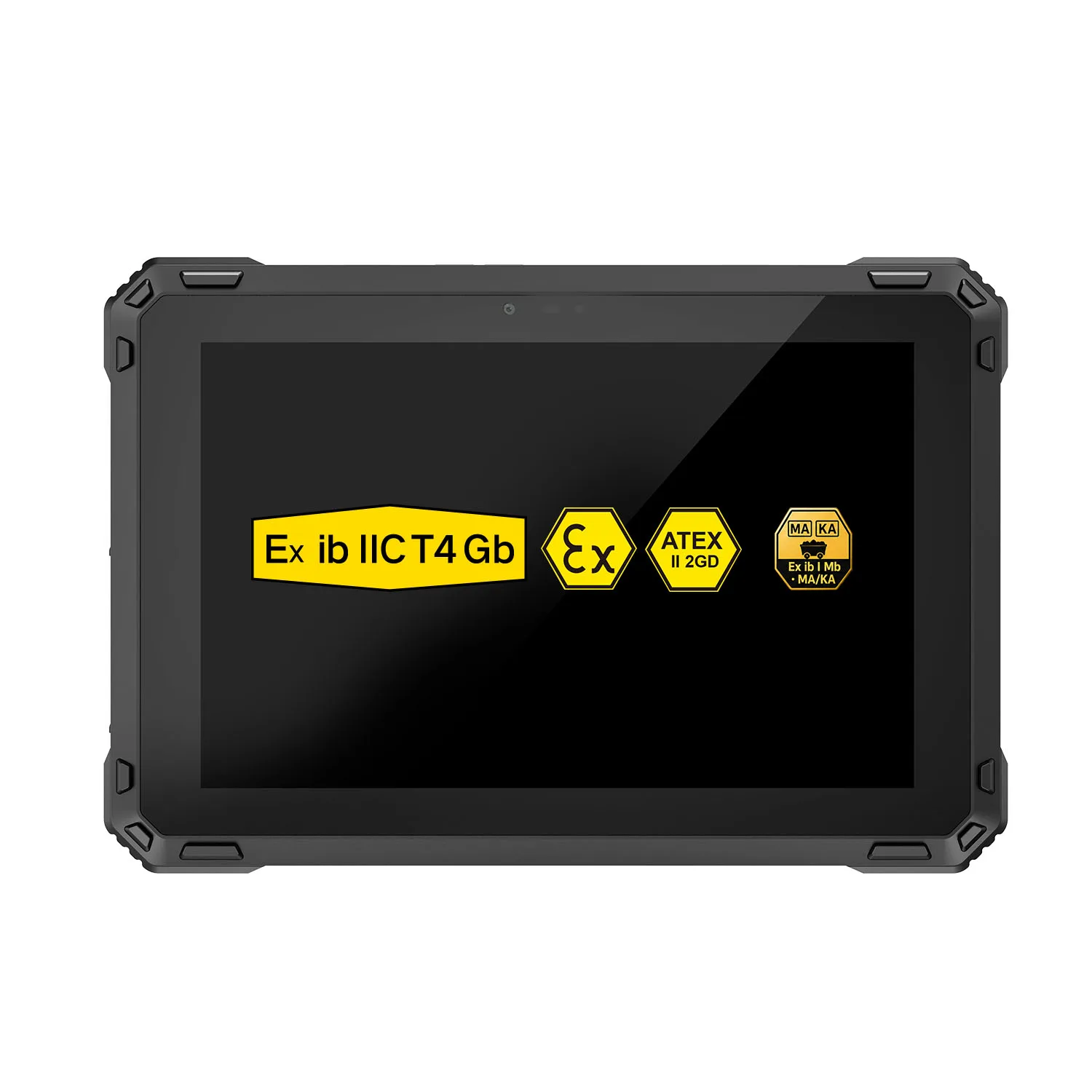
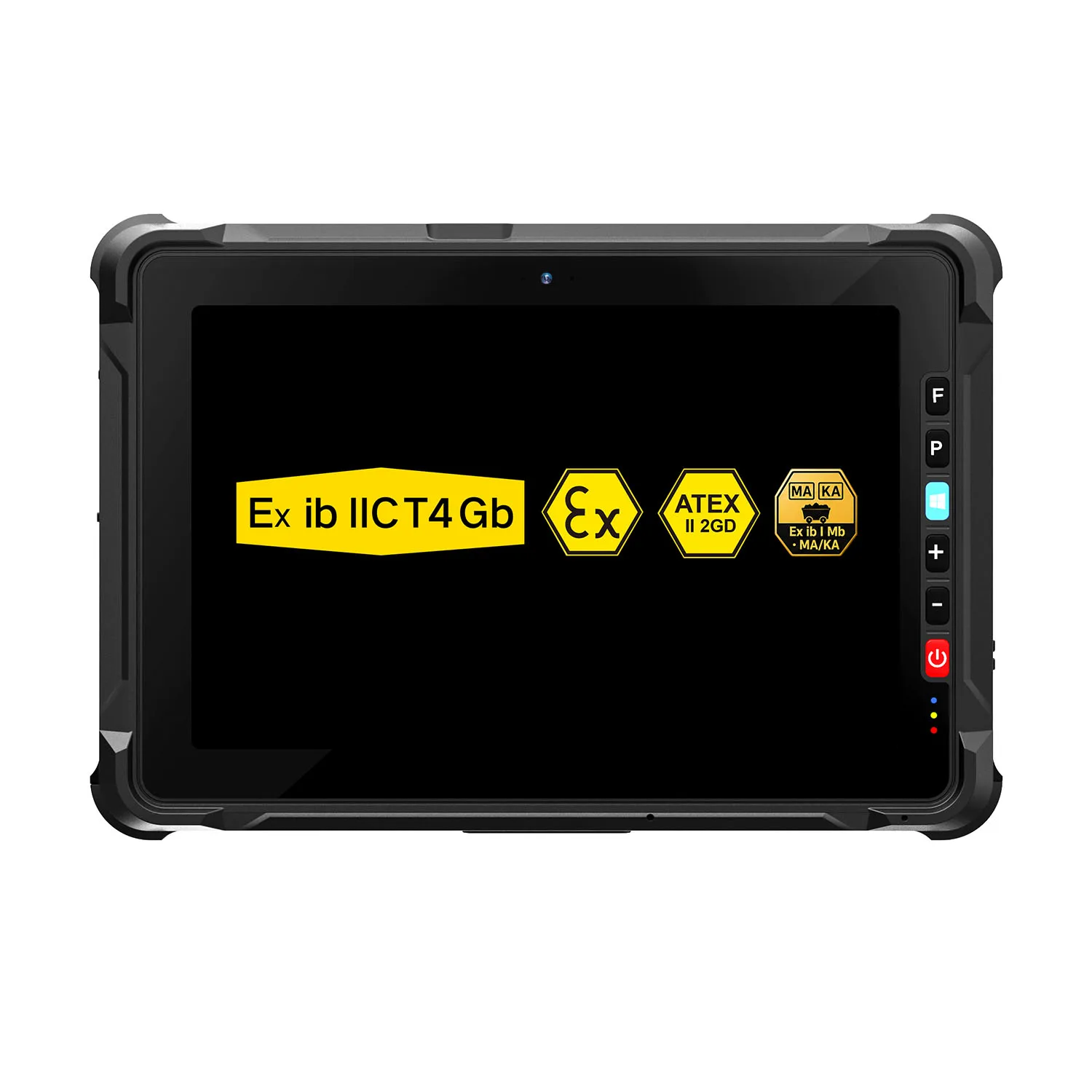
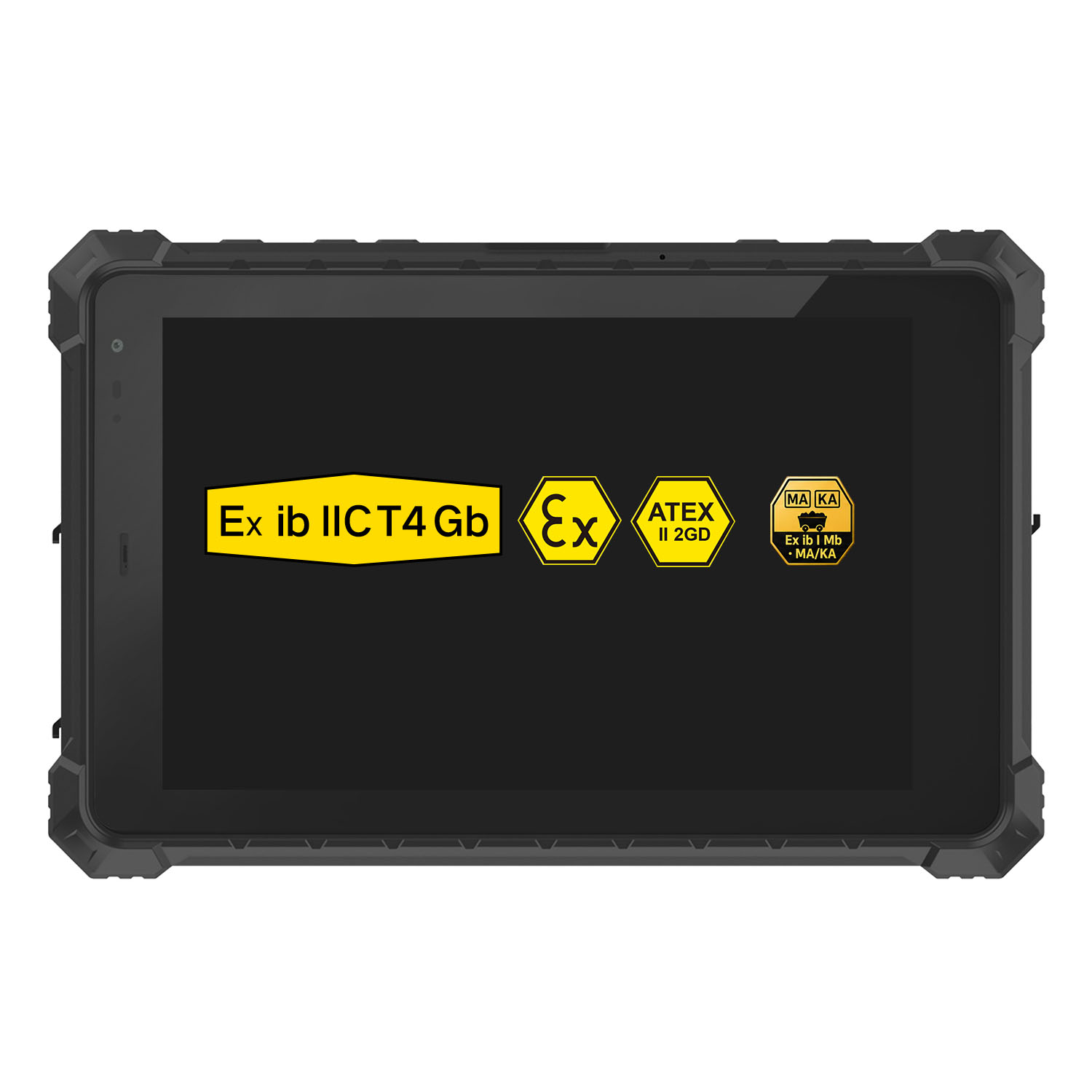
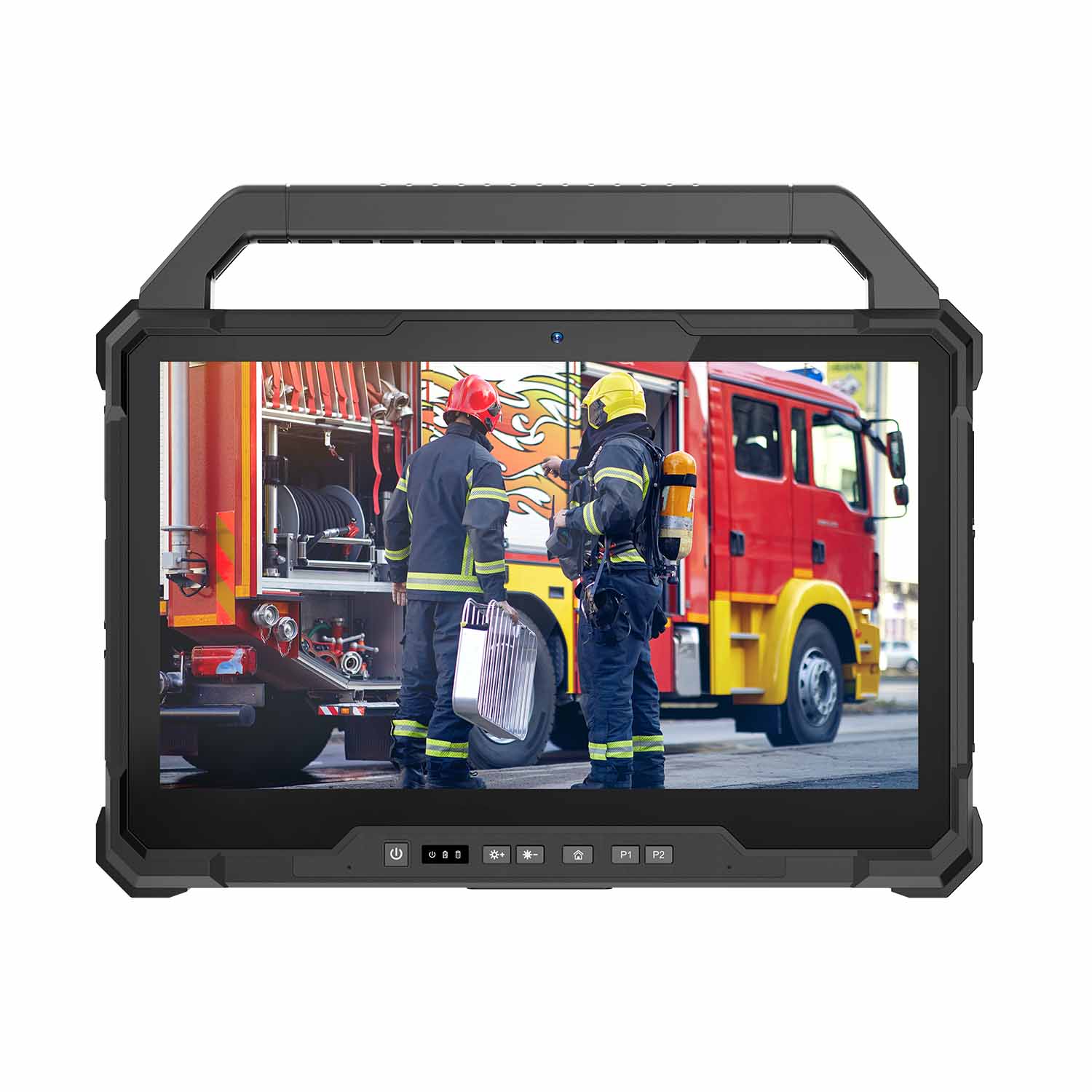
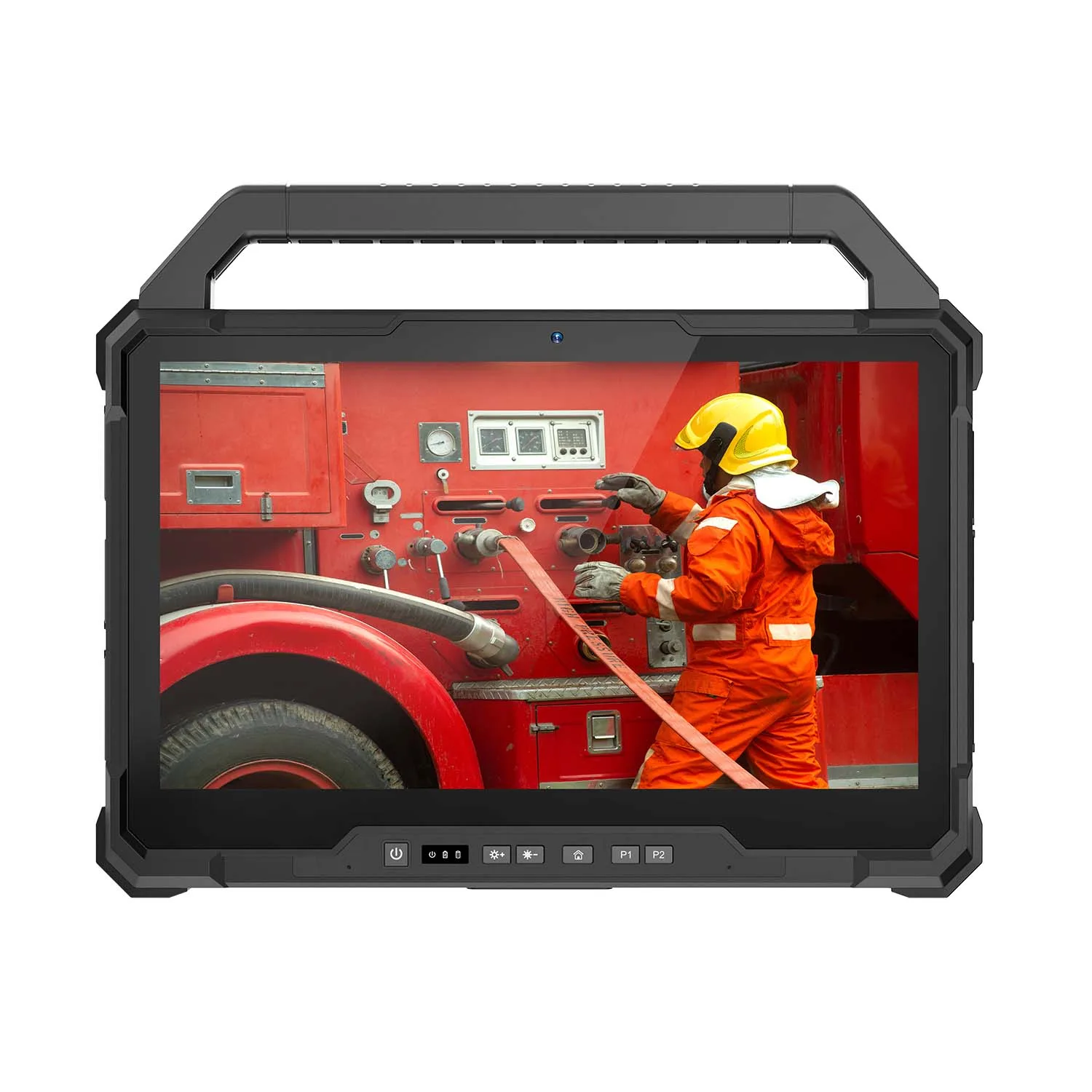
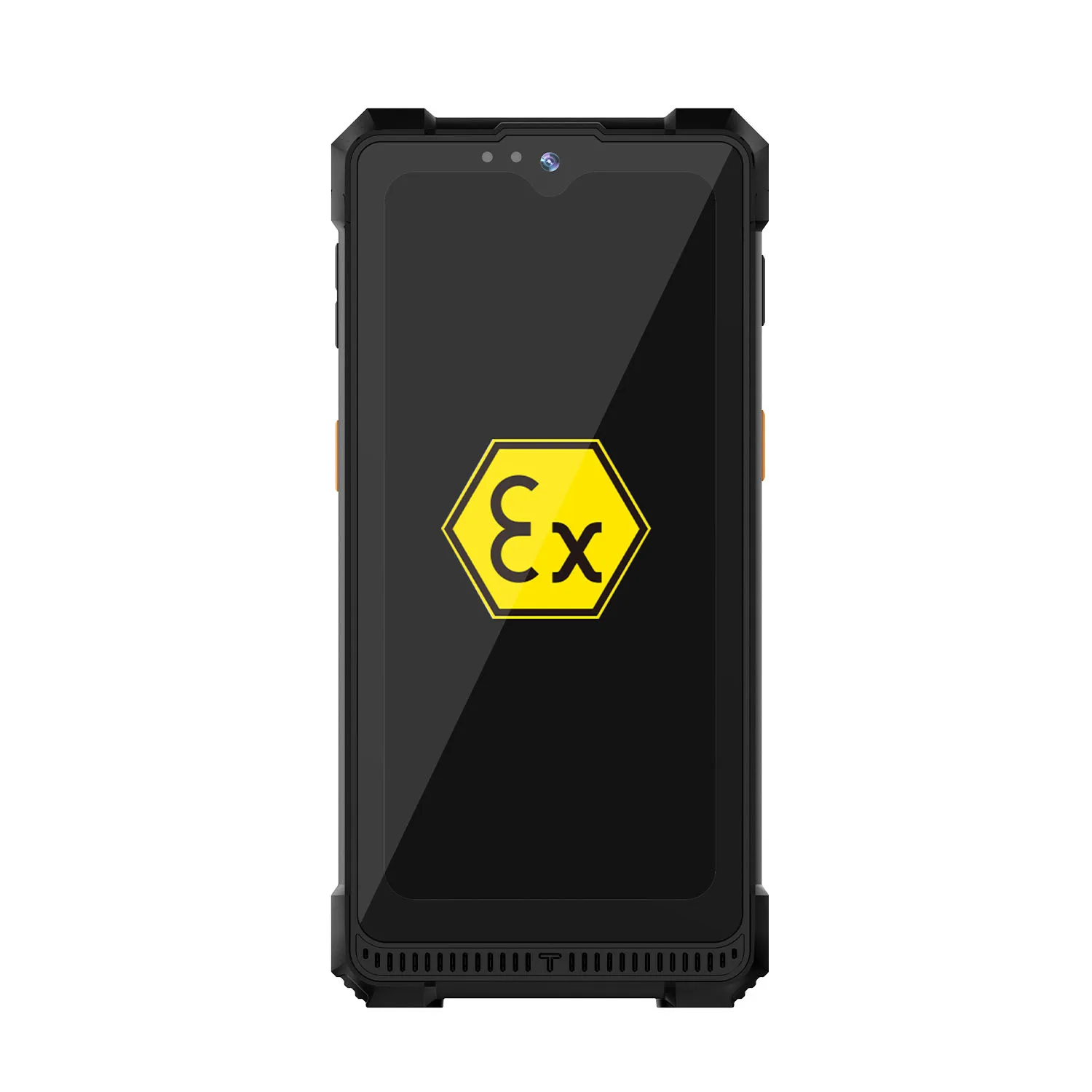
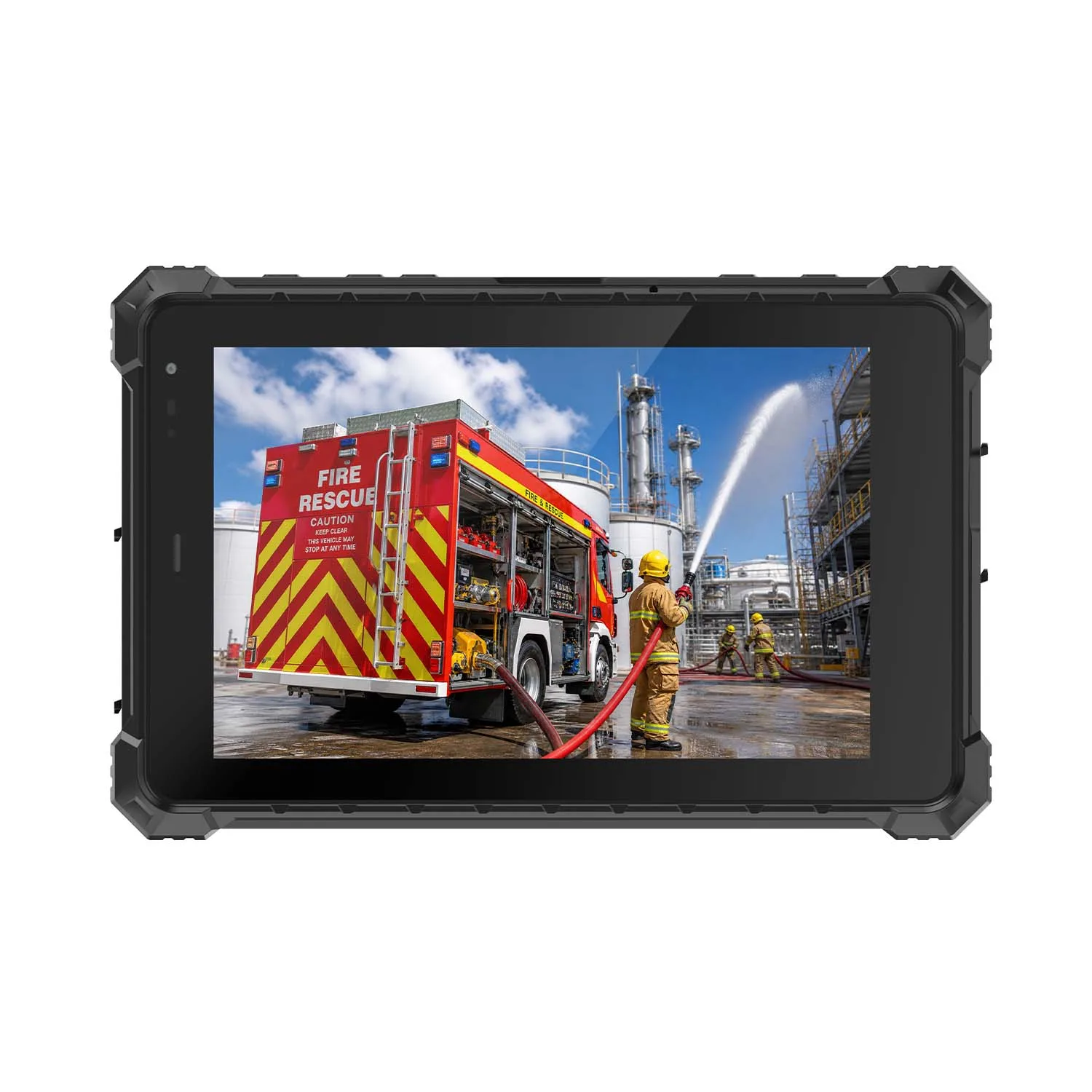






What Is an Explosion-Proof Tablet?
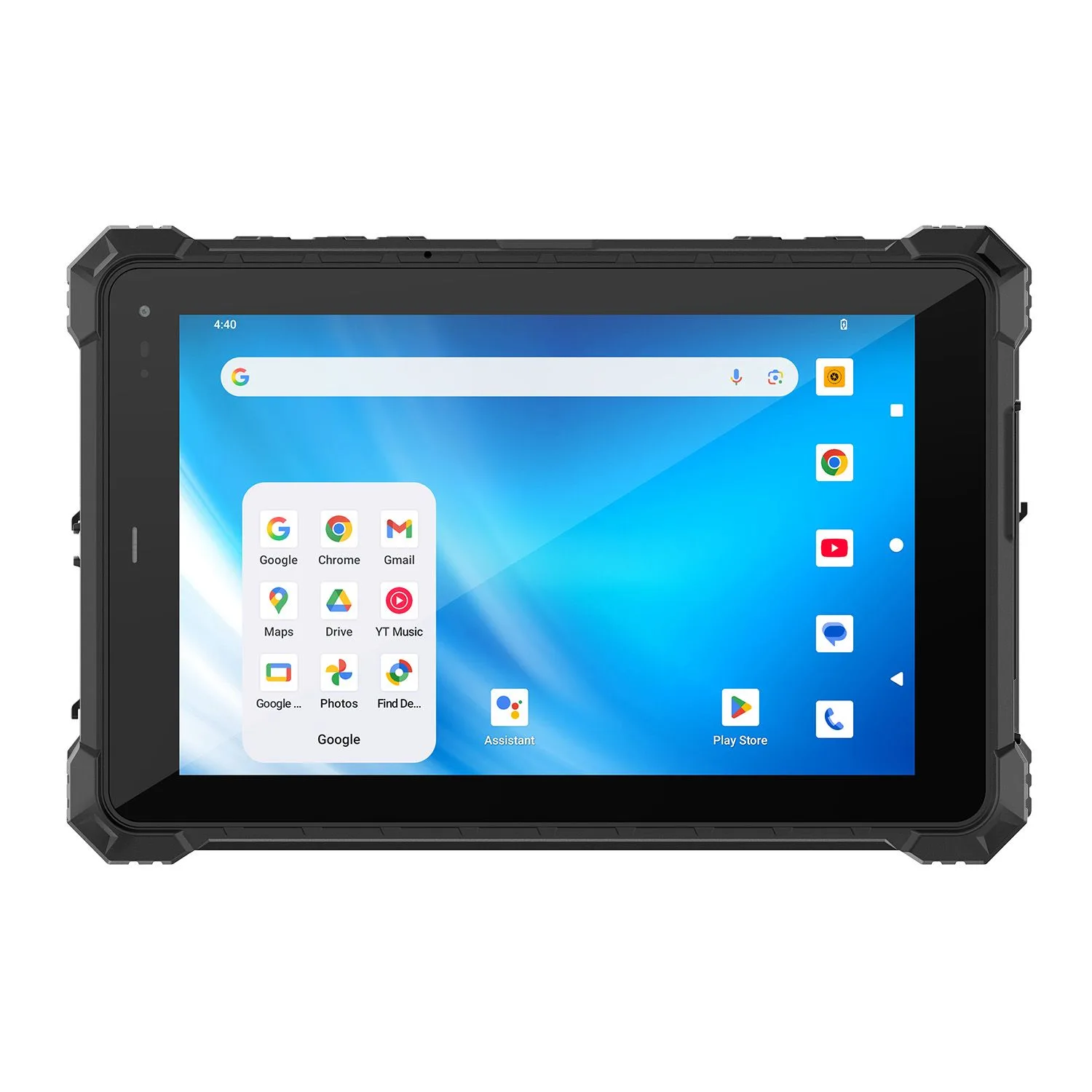
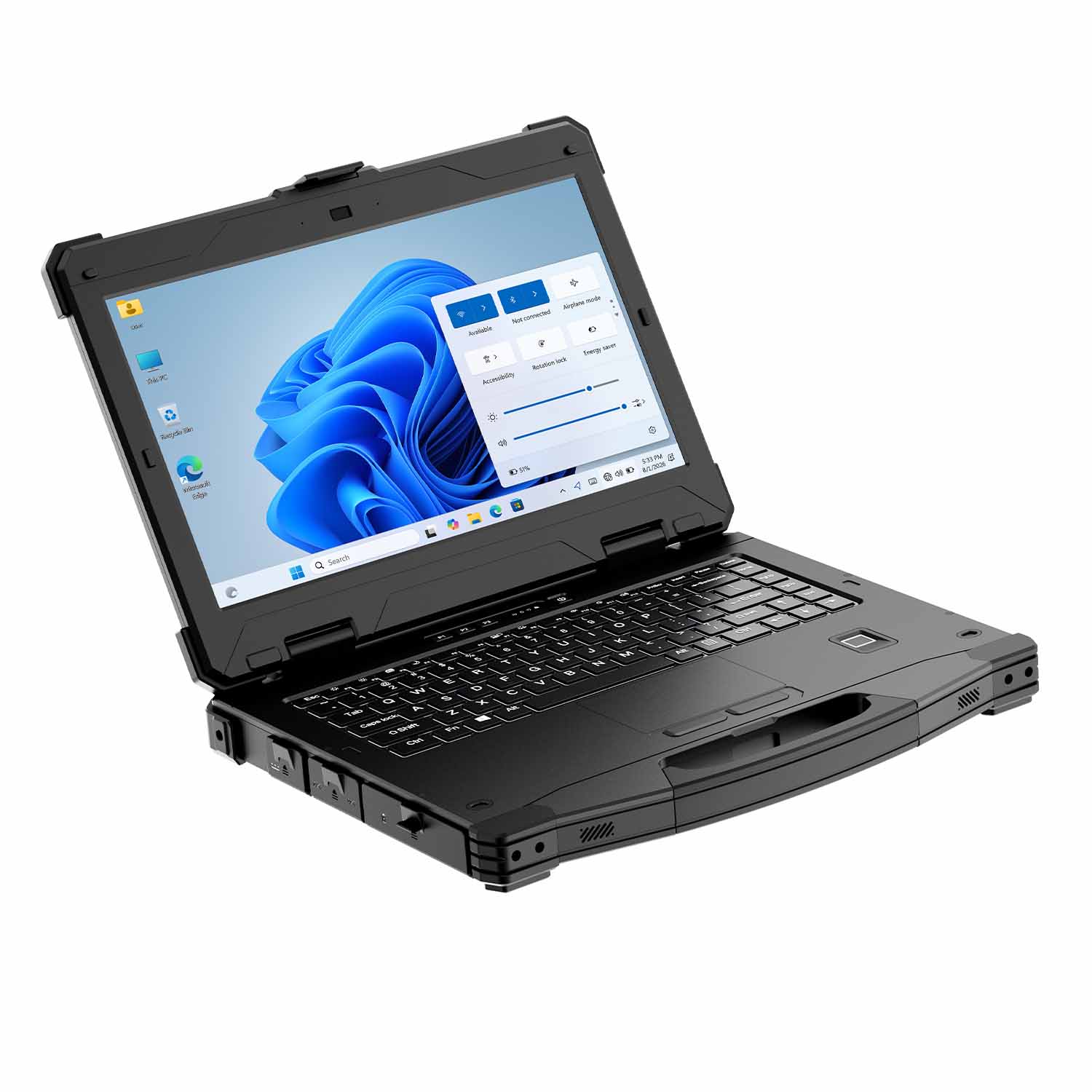
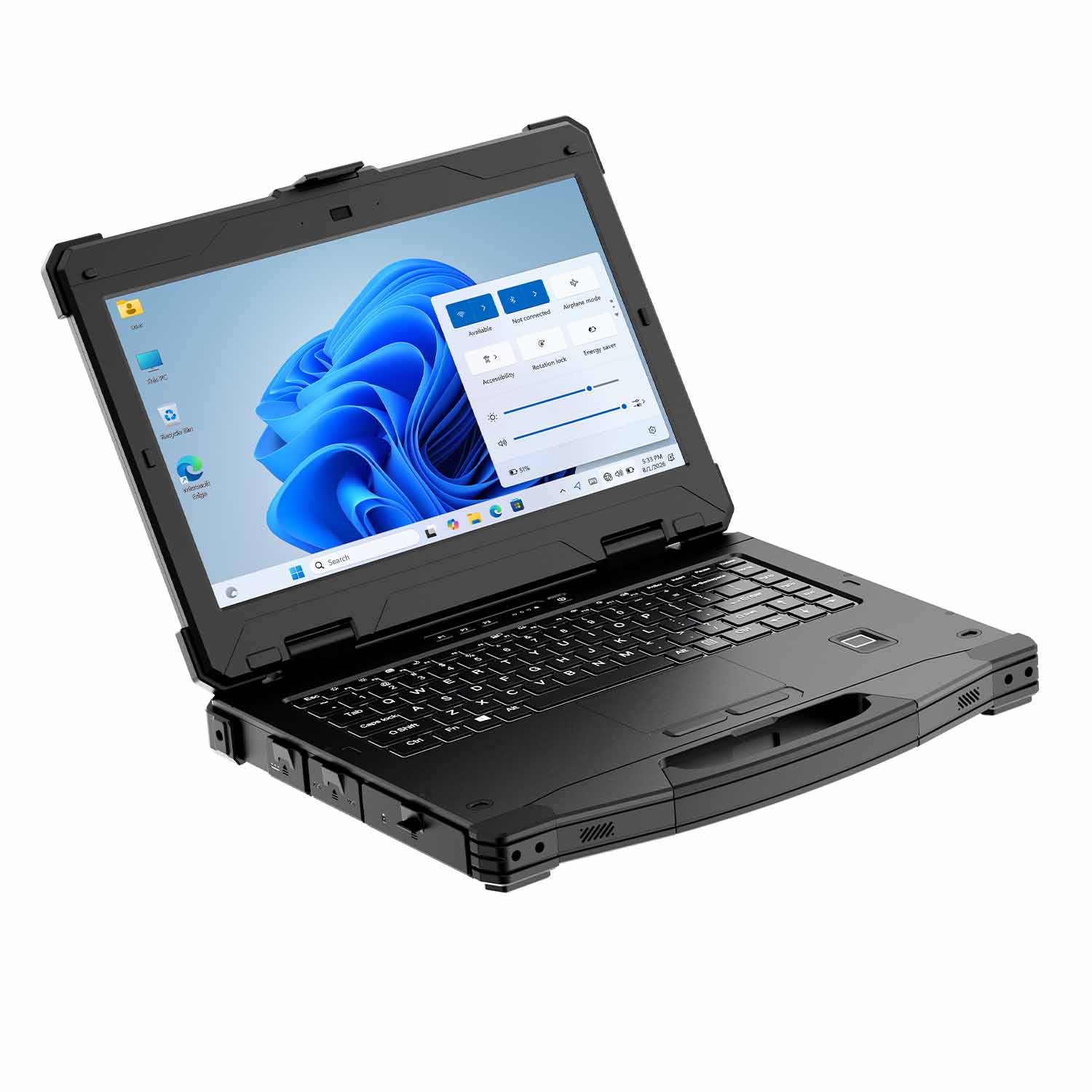
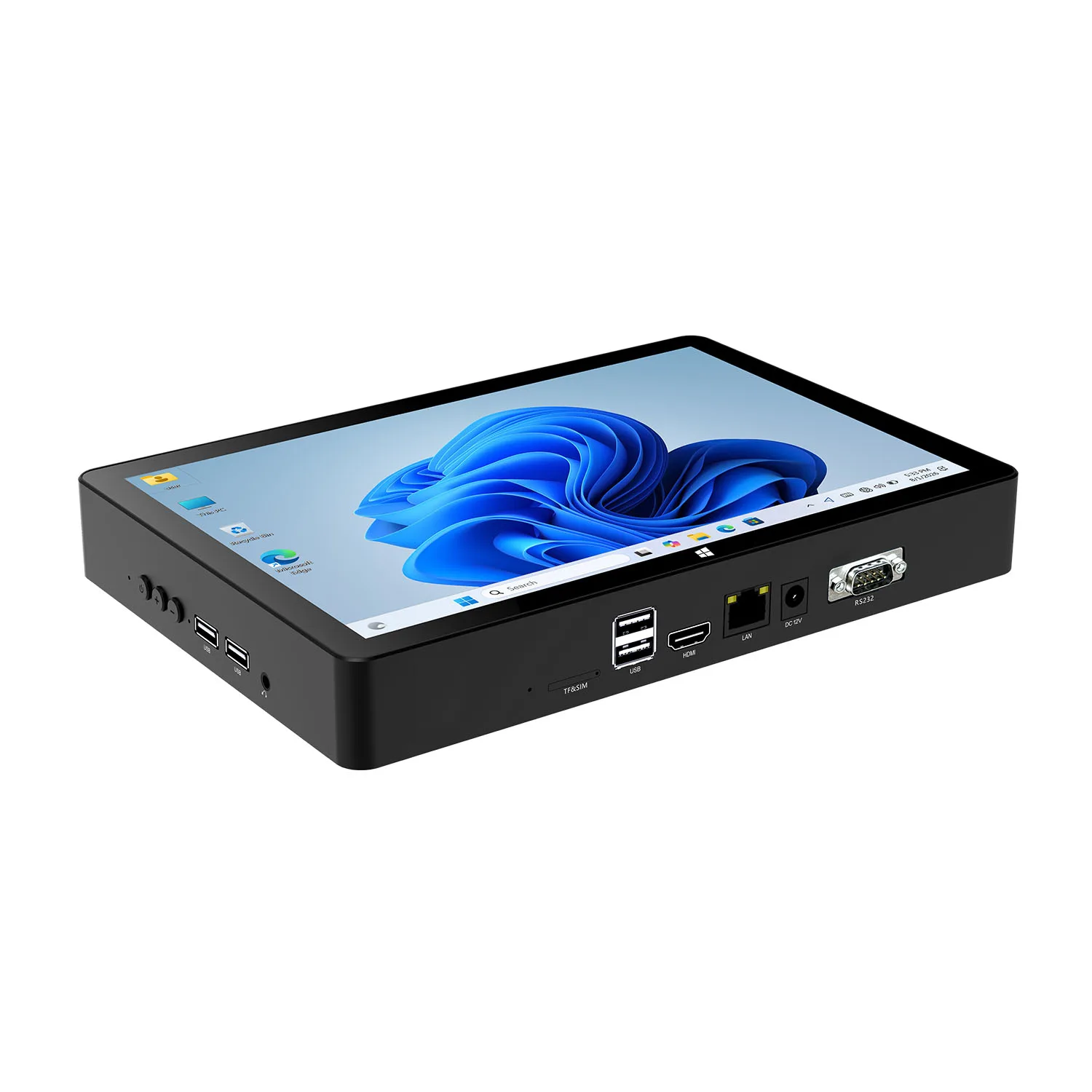
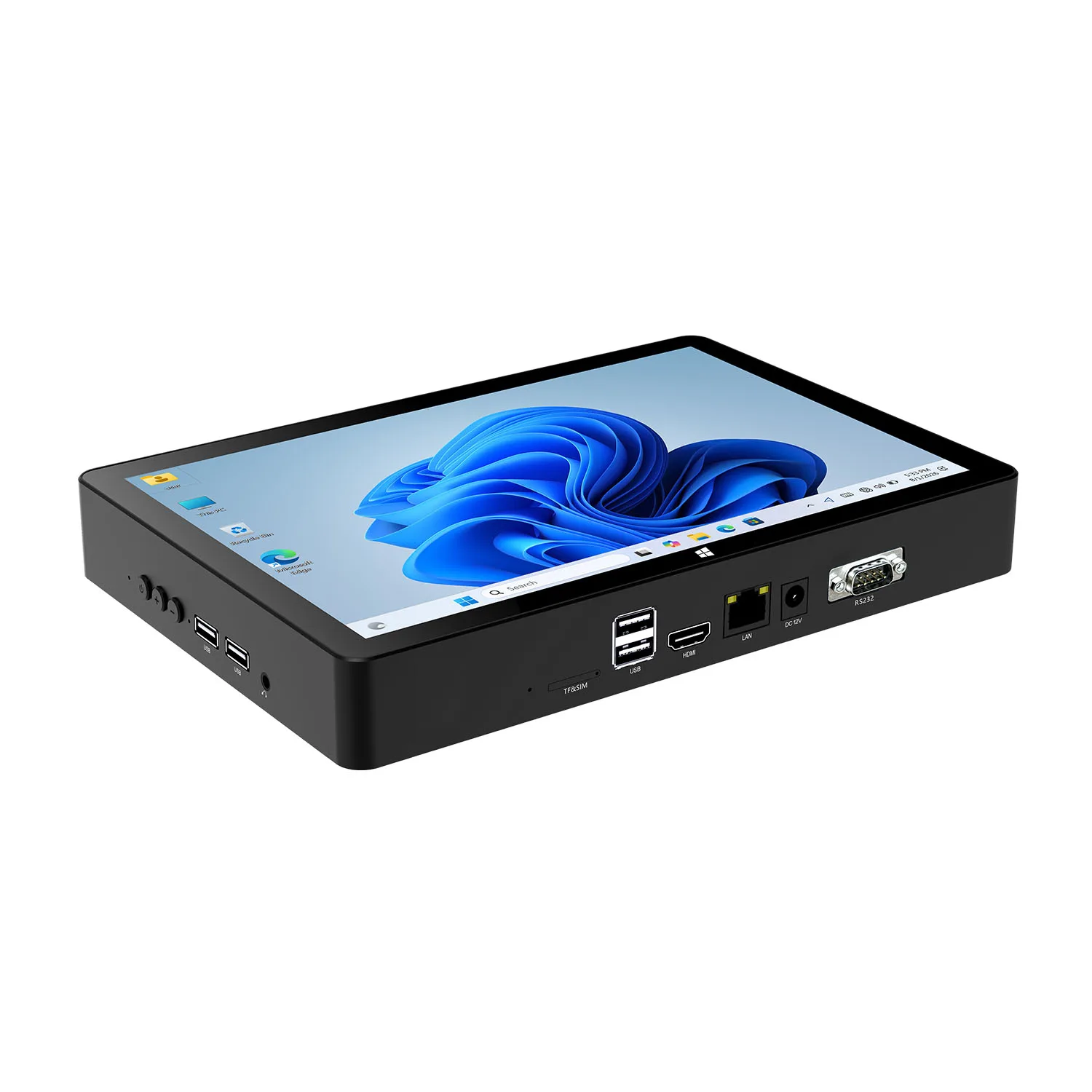
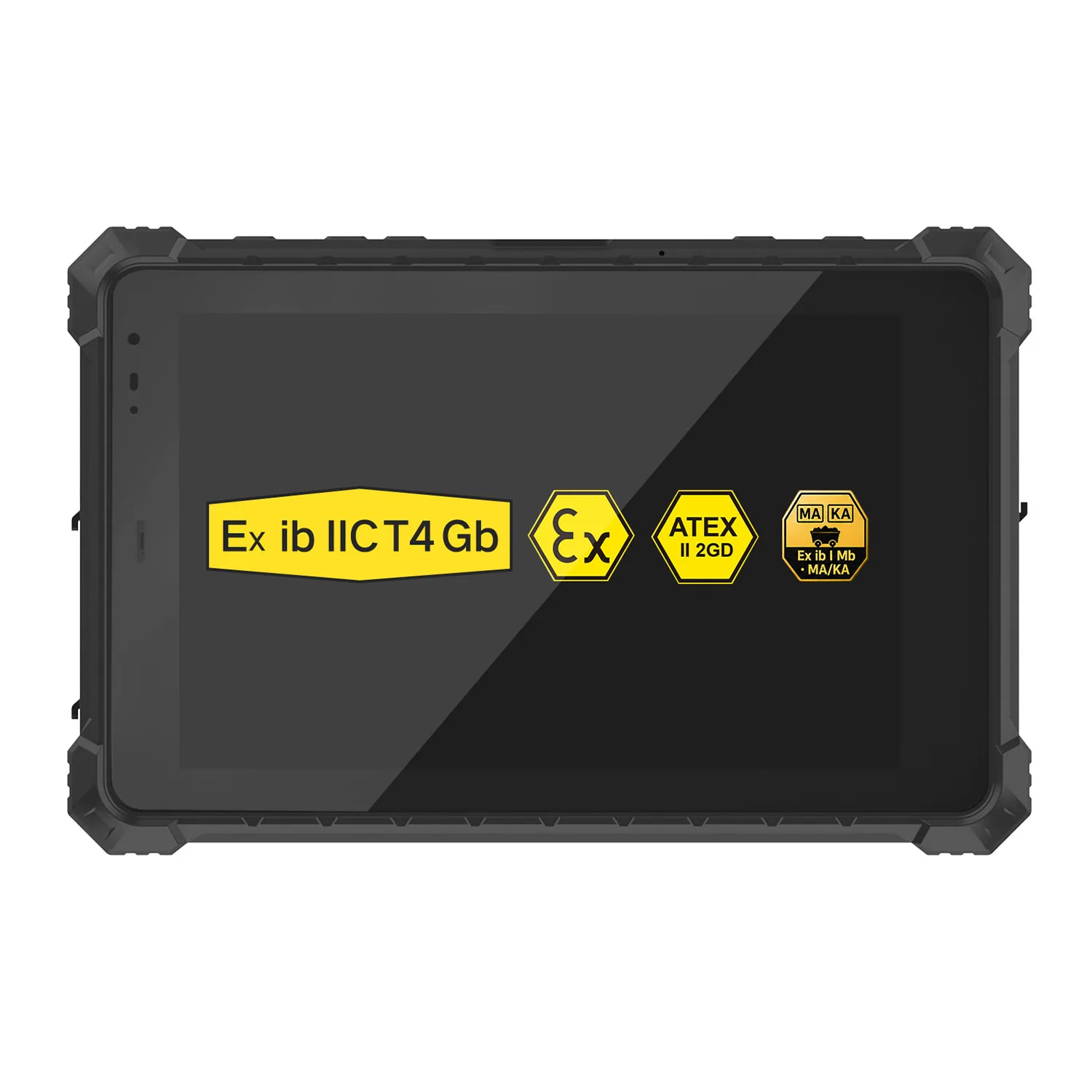
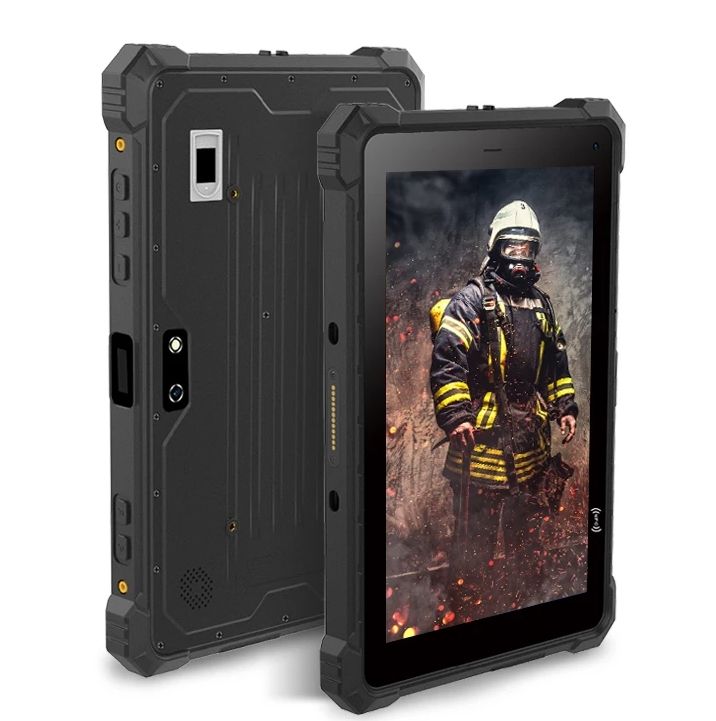
An explosion-proof tablet is a mobile computer specially engineered to work in areas filled with flammable gas, vapor, or combustible dust — its circuits and casing are designed so they cannot generate a spark or hot surface capable of igniting the surrounding atmosphere. Unlike an ordinary rugged tablet, it must carry a formal hazardous-location certificate (ATEX, IECEx, UL, FM, or CSA) in addition to its dust/water (IP) rating before it can legally be used in a hazardous area.
1. Definition & Main Explosion-Proof Structures
An explosion-proof tablet is a mobile terminal engineered exclusively for sites filled with flammable gas, vapor, or combustible dust. Its core safety objective is preventing internal sparks or overheated surfaces from igniting the surrounding hazardous atmosphere.| Design Type | How It Works | Also Known As |
|---|---|---|
| Enclosure Explosion-Proof (Ex d) | Thick metal housing contains any internal minor explosion, stopping flame and sparks from escaping | Flameproof enclosure |
| Intrinsically Safe (Ex ia / Ex ib) | Limits total circuit energy to a level too low to ever generate a spark | Intrinsically safe tablet |
Hazardous-area classification also differs by region: the EU and most of the world use the Zone system, while North America uses the Class & Division system. Any explosion-proof tablet must pass the certification recognized in its deployment region before use in a hazardous area — see our full ATEX vs IECEx vs UL/FM/CSA certification guide for a region-by-region breakdown.>
2. Explosion-Proof Tablet vs. Ordinary Rugged Tablet
| Ordinary Rugged Tablet | Explosion-Proof Tablet | |
|---|---|---|
| Core structure | No current-limiting/intrinsic-safety circuit | Intrinsically safe circuit and battery design |
| Design purpose | Resists water, dust, drops, and vibration | Additionally eliminates ignition sources |
| Certification | IP rating + MIL-STD-810 shock/vibration testing | IP rating + MIL-STD-810 plus ATEX/IECEx/UL/FM/CSA hazardous-location certification |
| Where it can be used | General construction, logistics, outdoor inspection | Certified hazardous areas (its home turf) — and anywhere a normal rugged tablet works |
3. Global Mainstream Explosion-Proof Certification Standards
| System | Region | Classification | Notes |
|---|---|---|---|
| ATEX | EU (mandatory) | Gas Zone 0/1/2, dust Zone 20/21/22, Ga/Gb/Gc levels | Based on EU Directive 2014/34/EU; mandatory for EU market entry |
| IECEx | Global (voluntary) | Same Zone system as ATEX | Recognized in 35+ countries; an IECEx certificate is the fastest base document when adding national approvals such as China's CCC Ex — the national body tests only the differences instead of starting from zero |
| UL | USA (mandatory) | Class I/II Division 1/2 | Based on US NEC codes |
| FM | USA (supplementary) | Class I/II Division 1/2 | Preferred where insurance coverage against explosion incidents matters |
| CSA | Canada (mandatory) | Supports both Zone and Class/Division | Applies to mining and fine chemical projects across Canada |
4. Core Features of a Genuine Explosion-Proof Tablet
Intrinsically safe circuit and battery — purpose-built to avoid static discharge and thermal sparks.
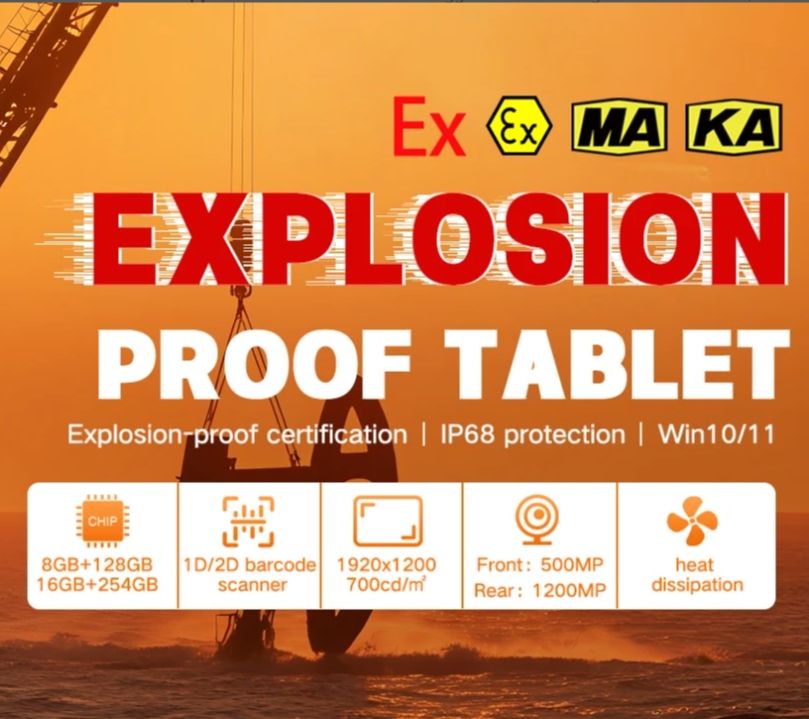
High-level rugged performance — IP65–IP68 dust/water protection tested to MIL-STD-810 shock, vibration, and temperature standards, built for continuous field use in harsh sites.
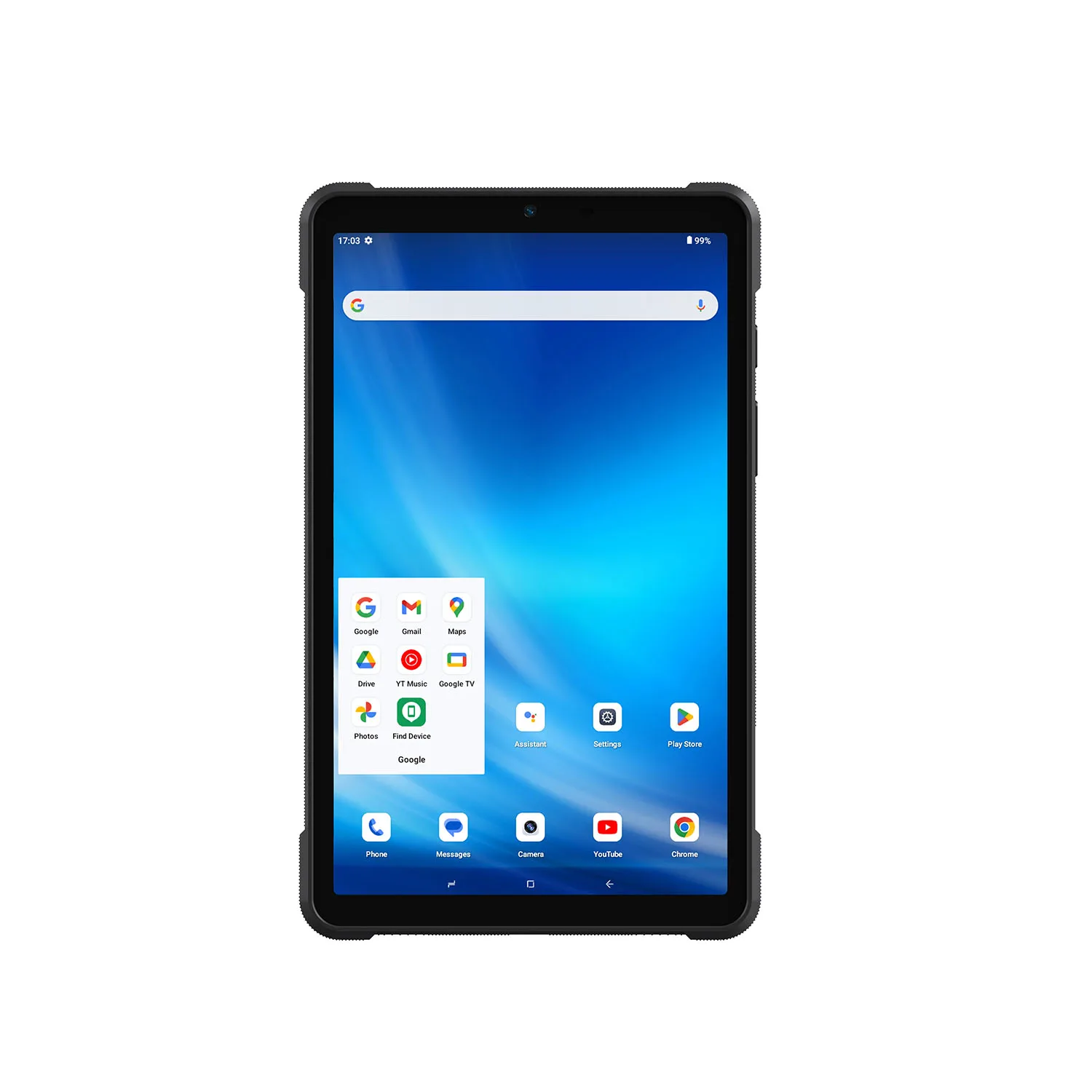
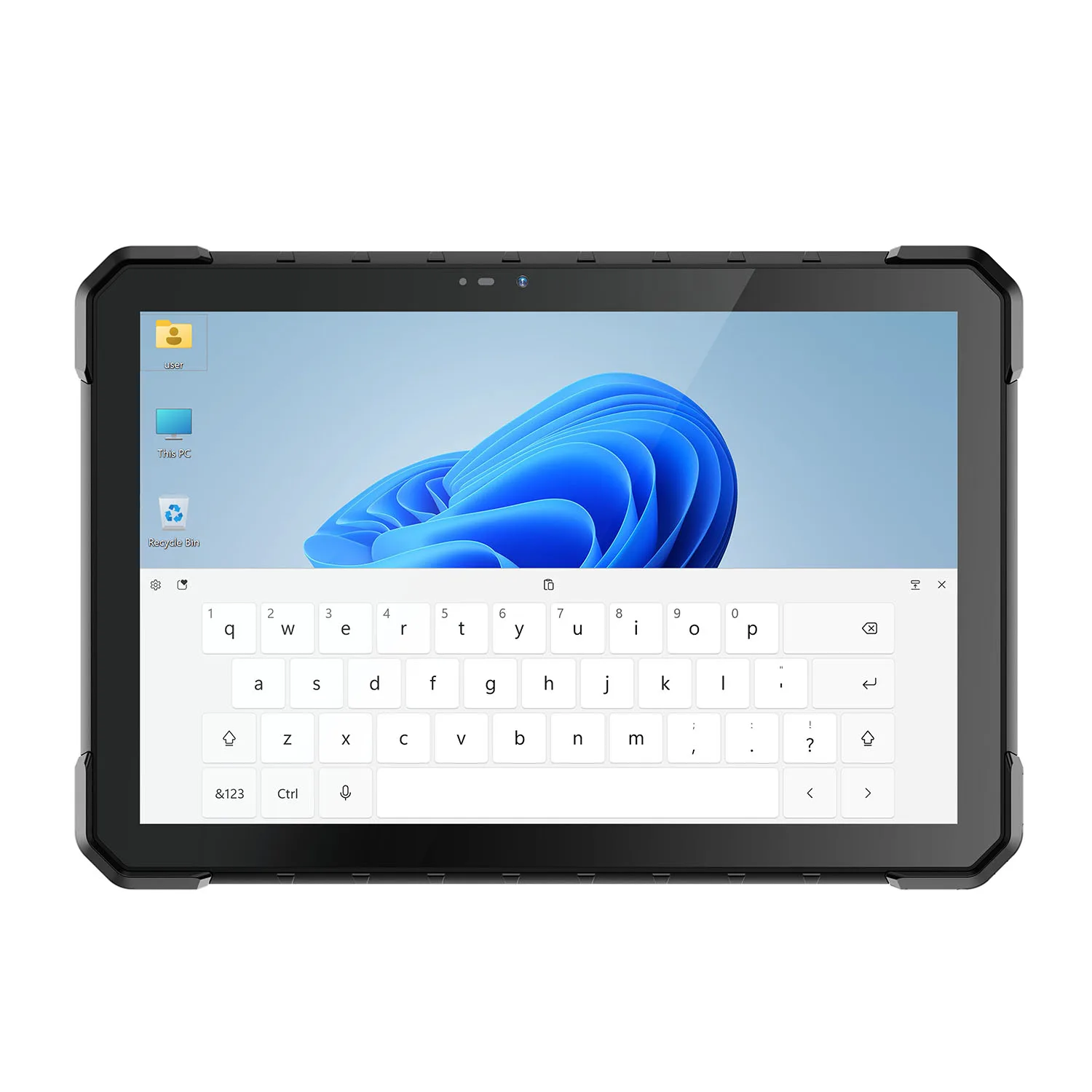
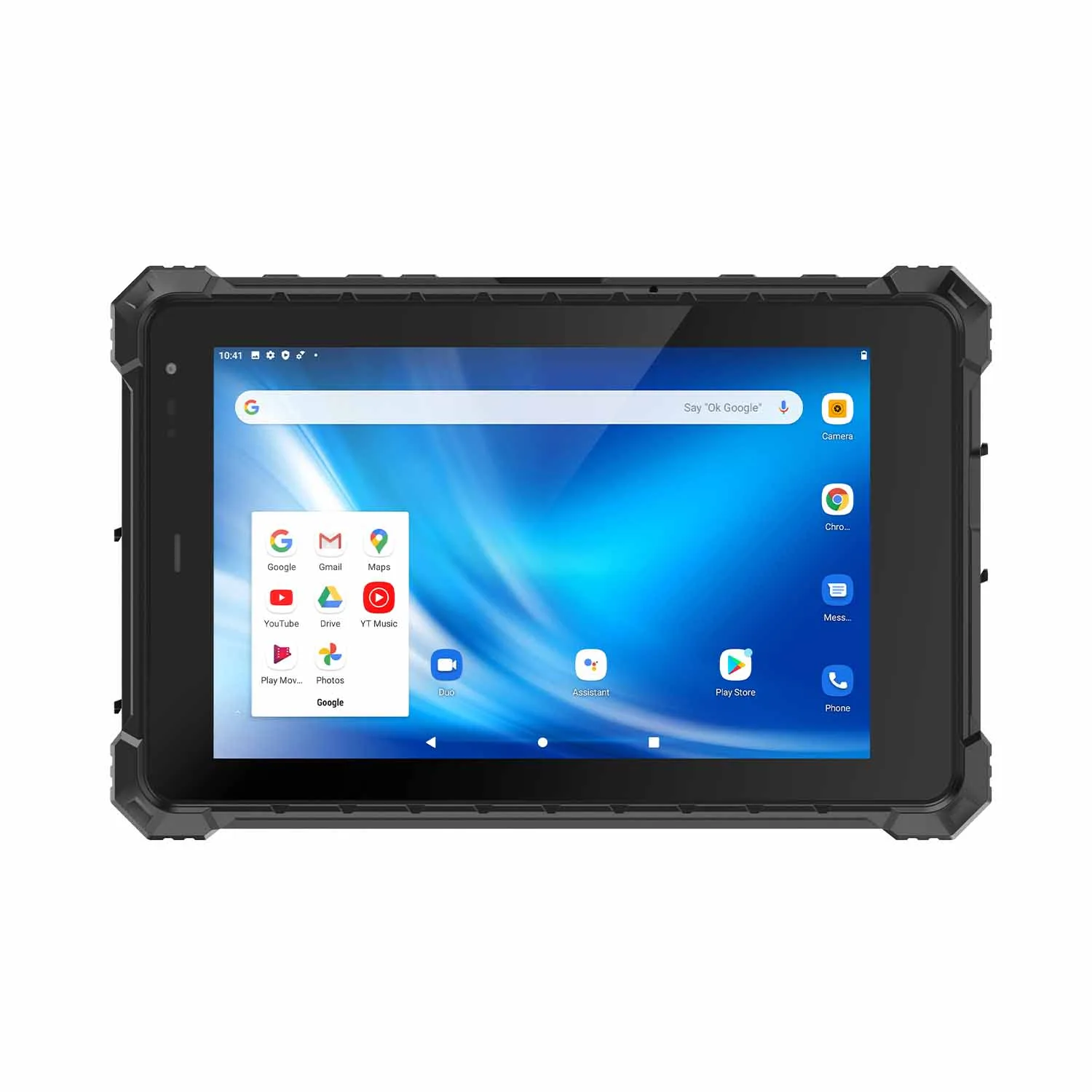
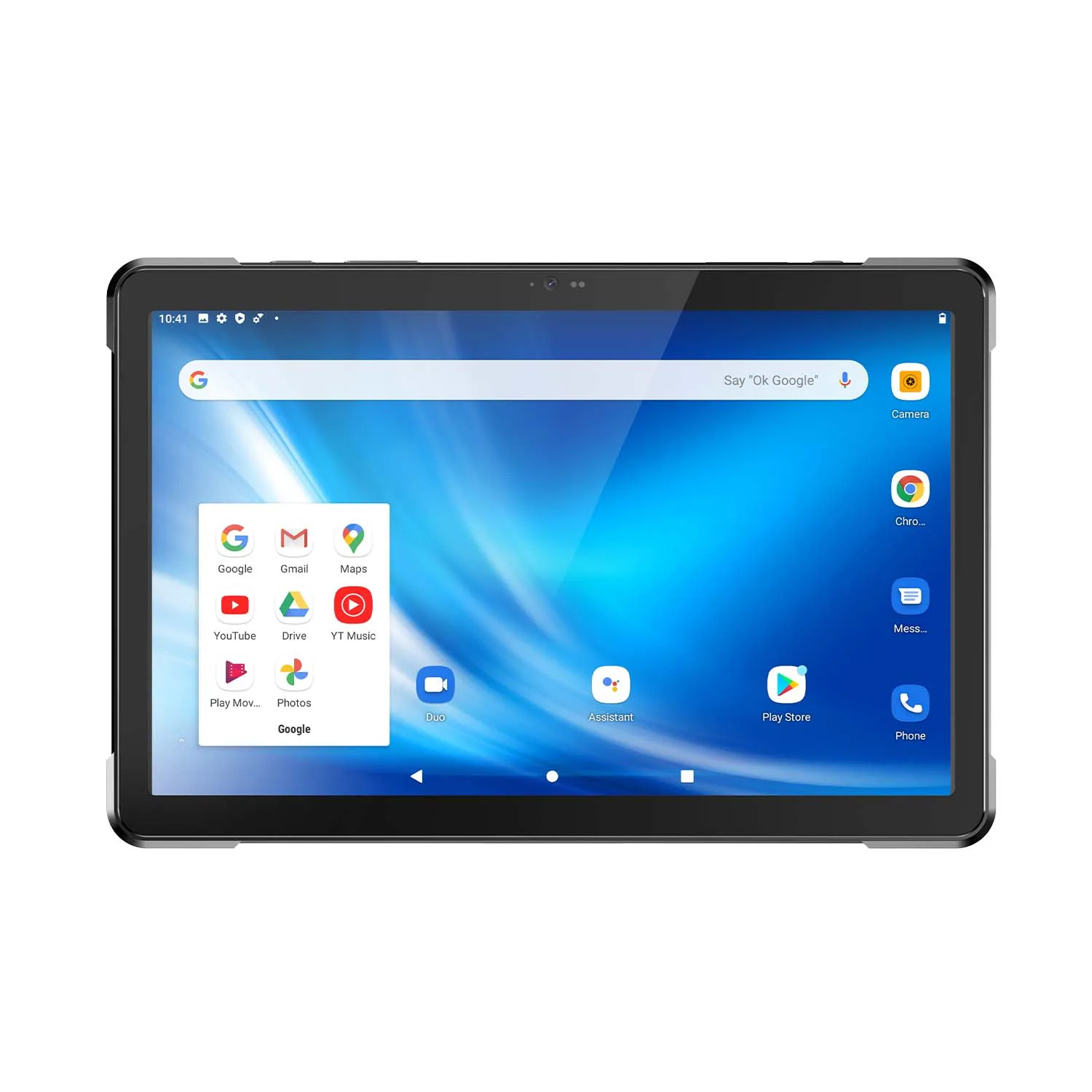
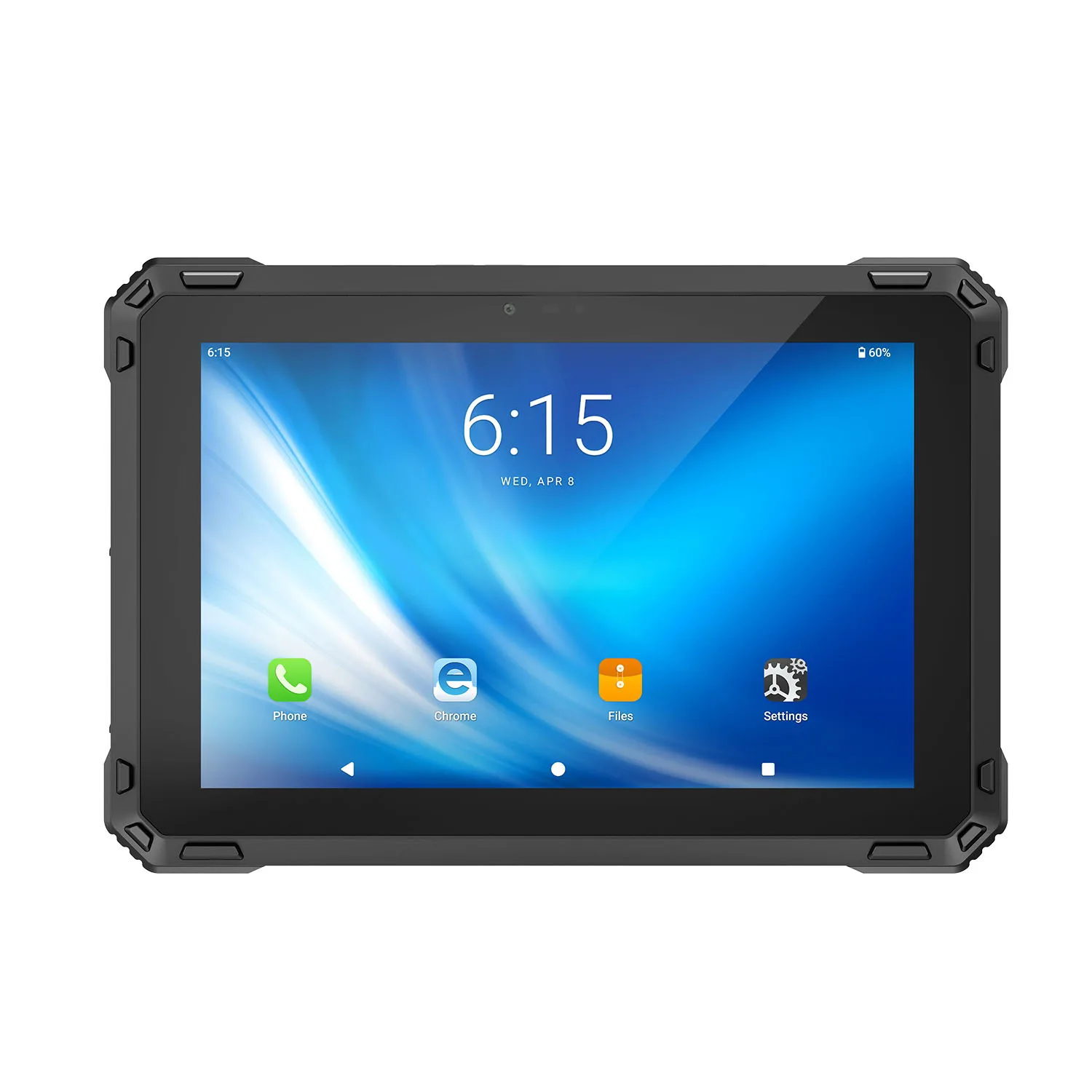
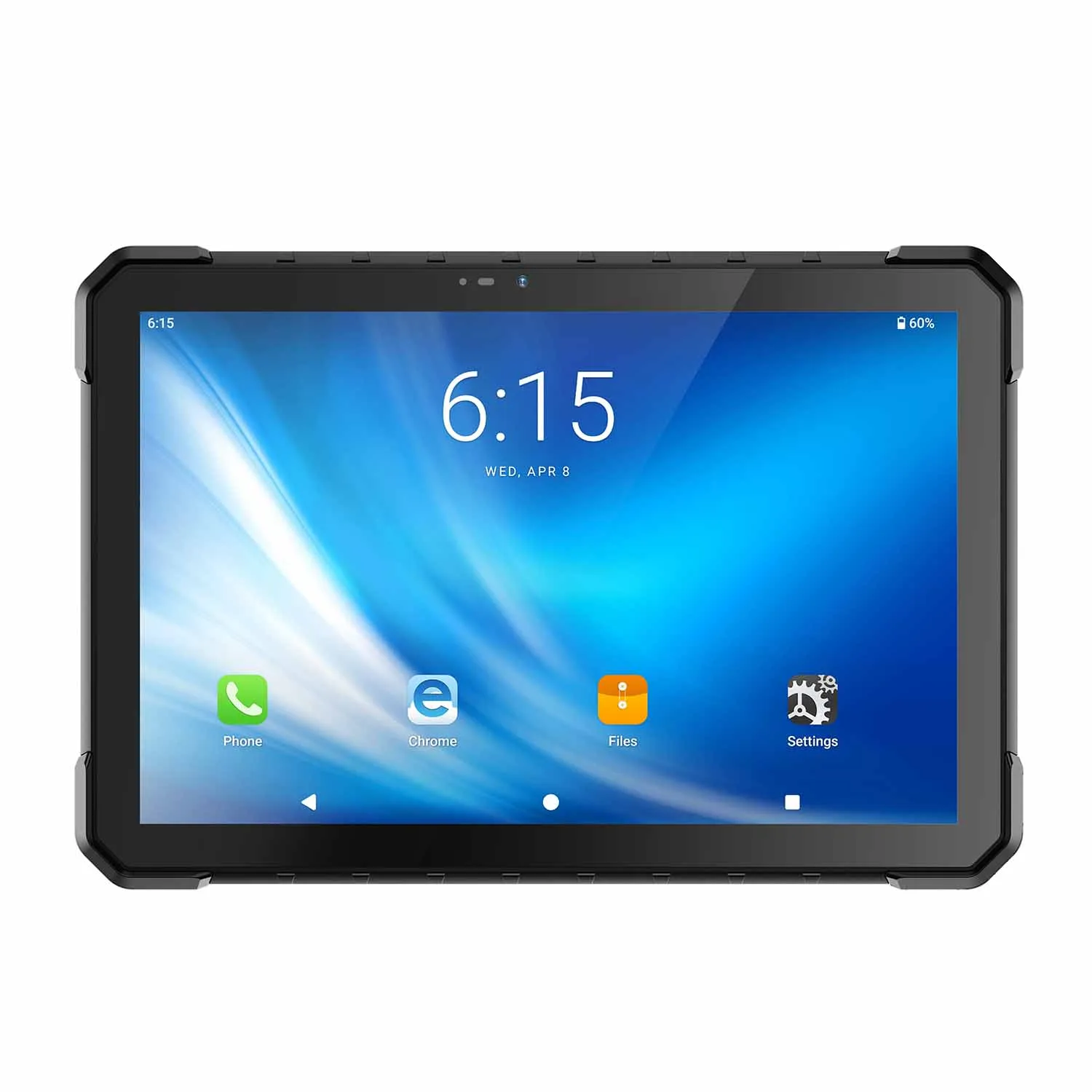
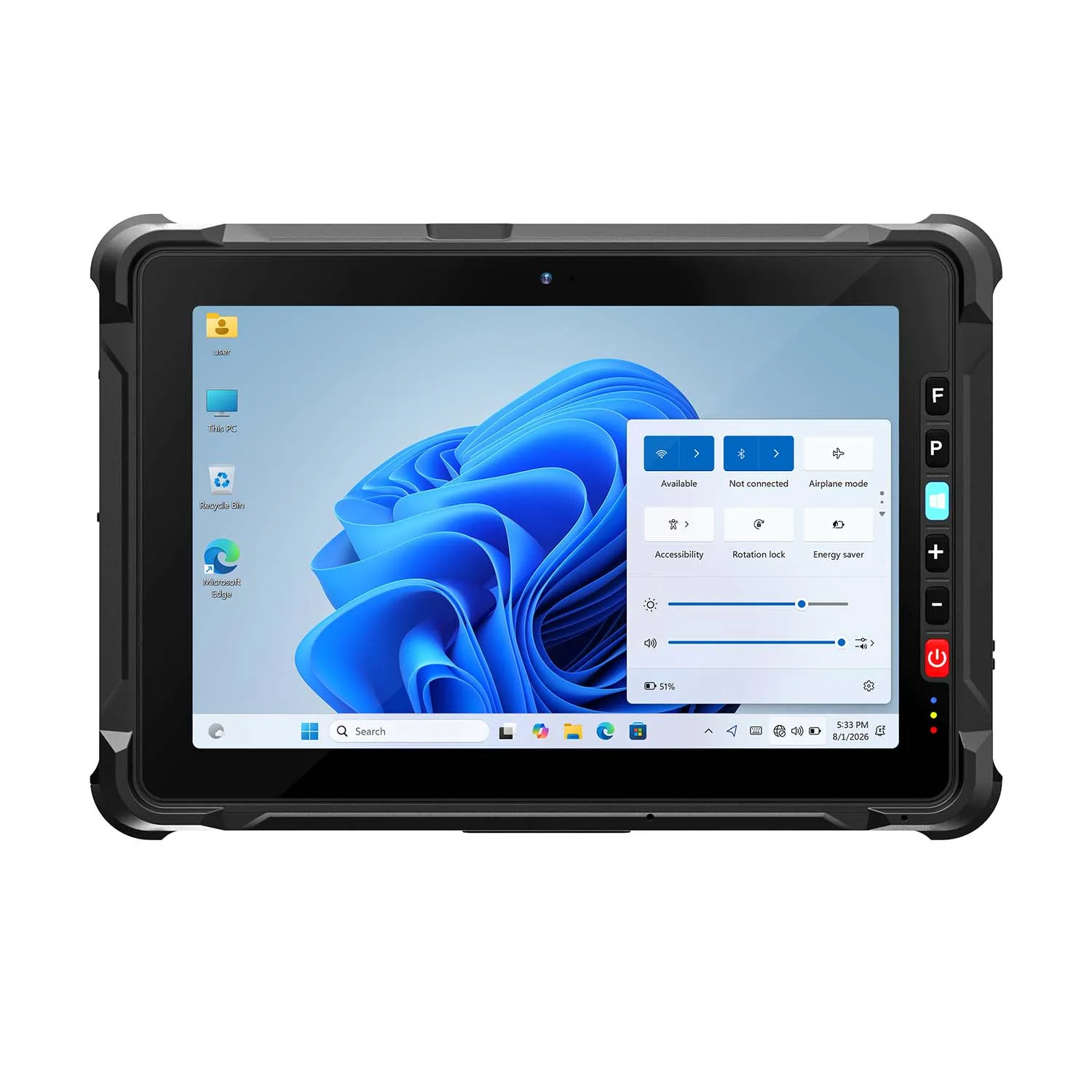
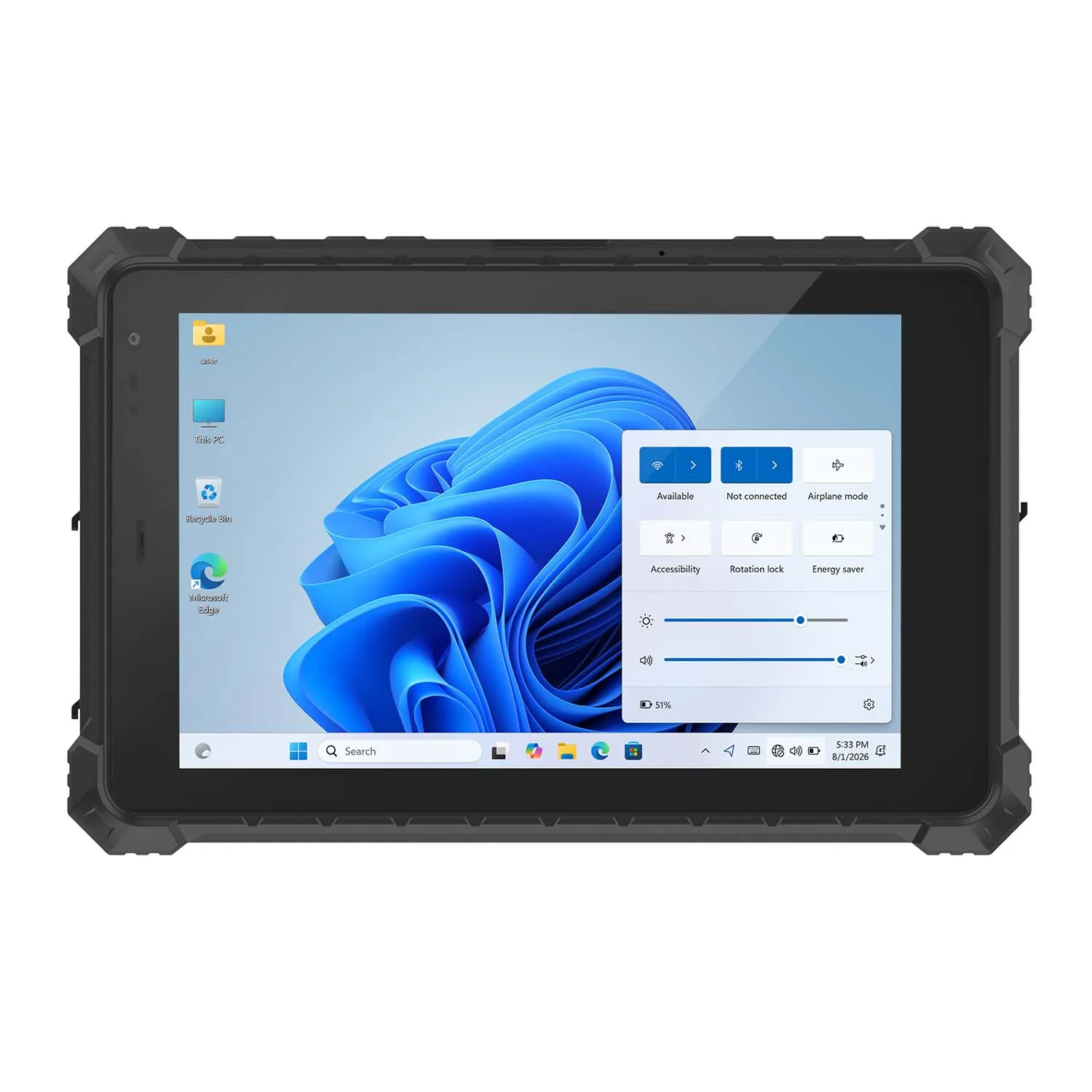
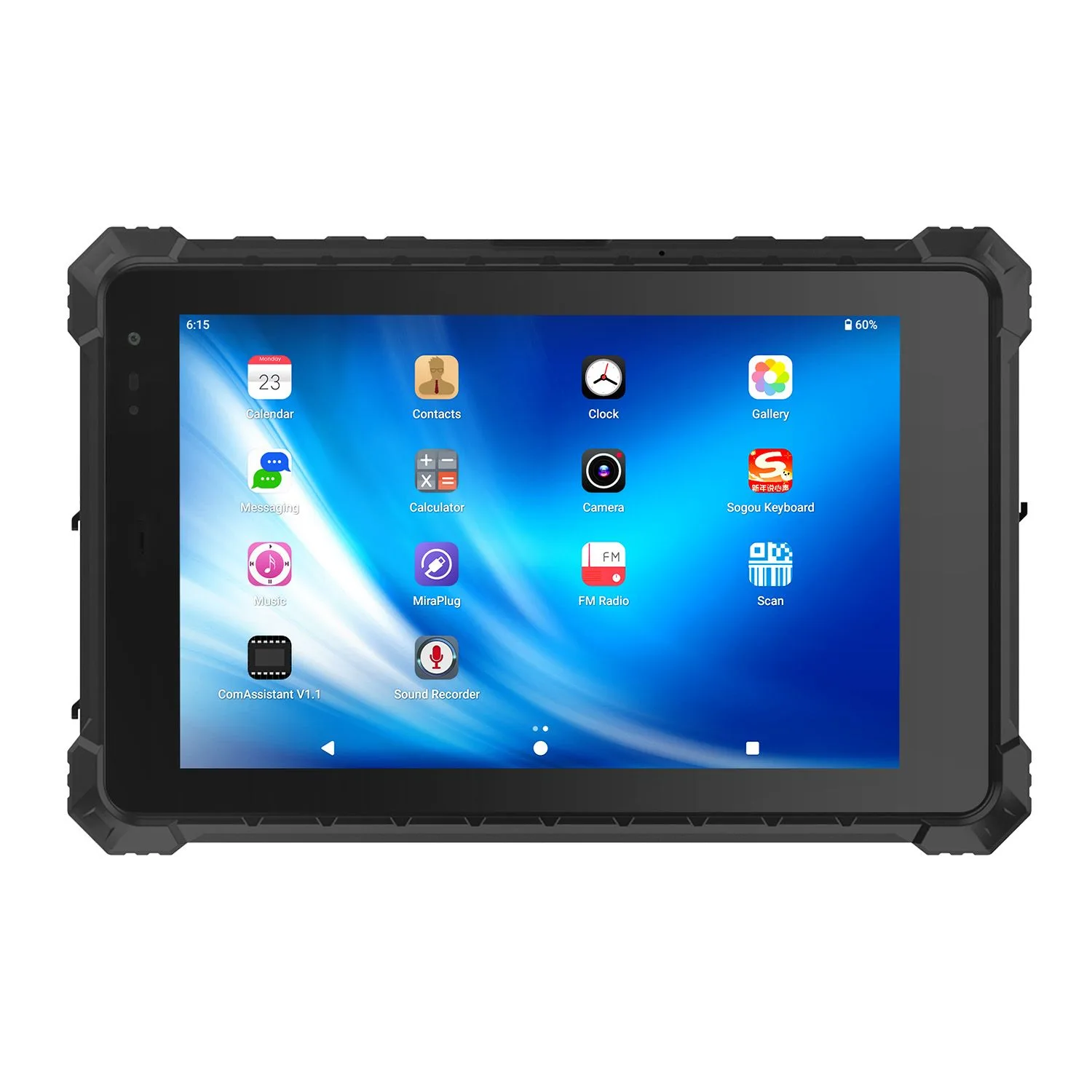
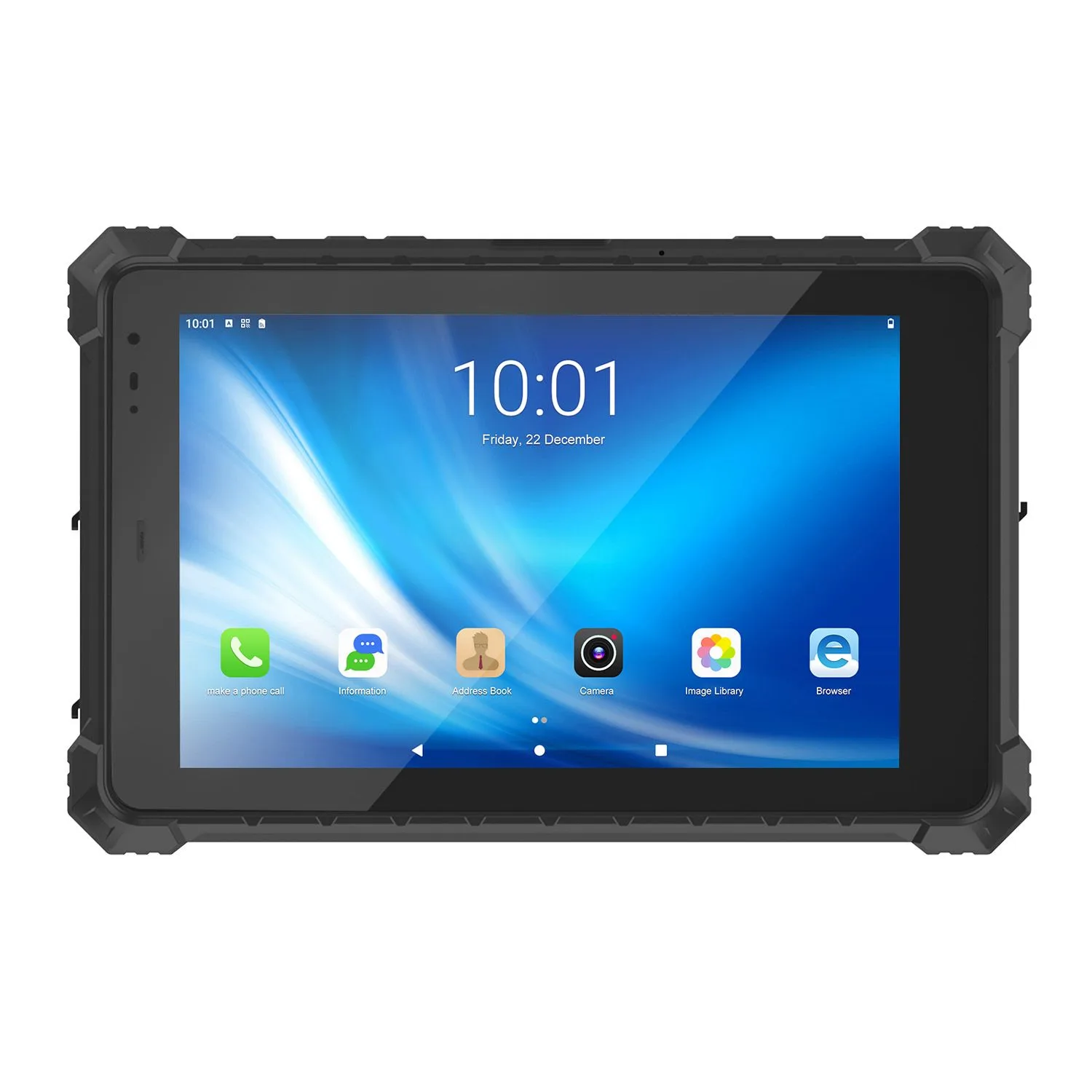
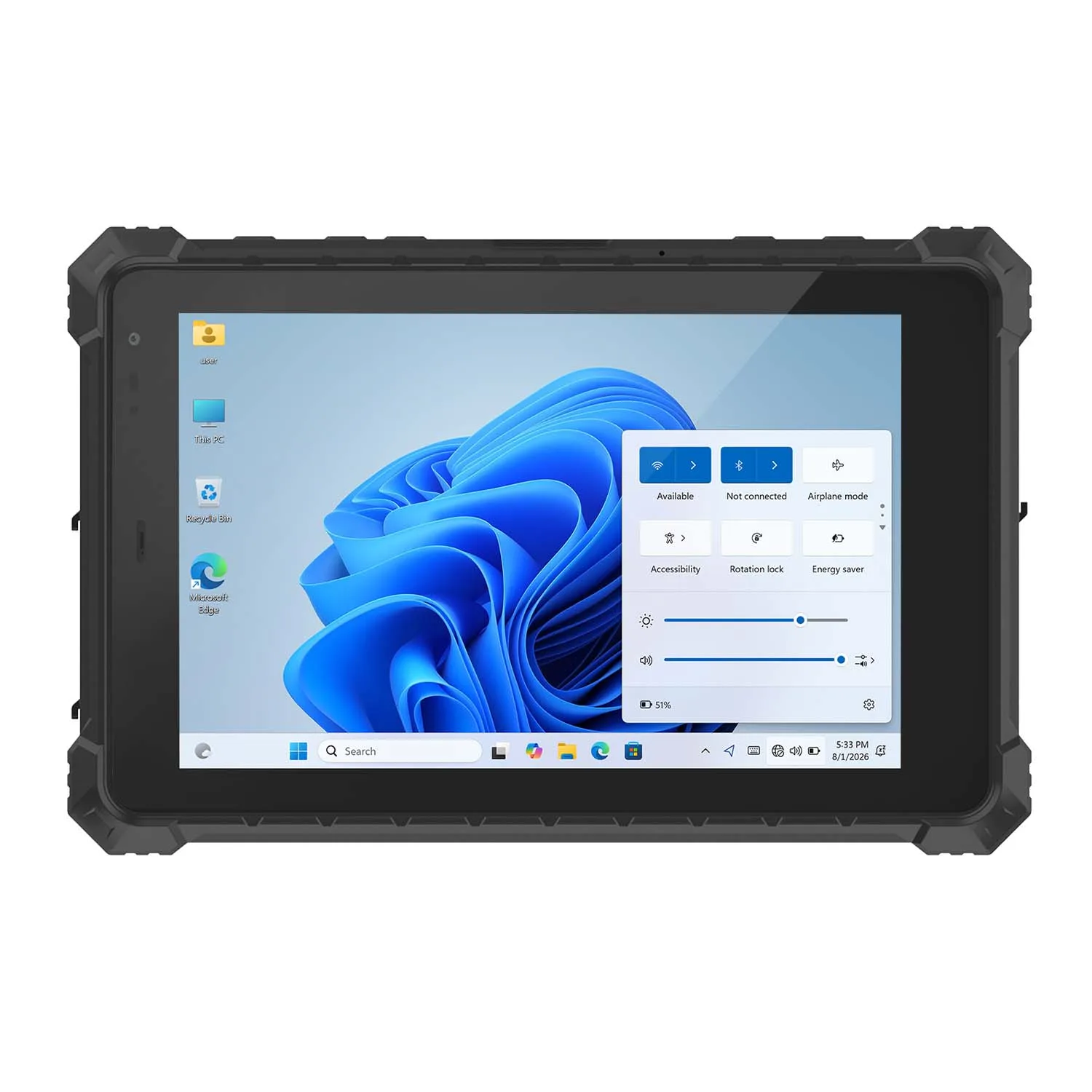
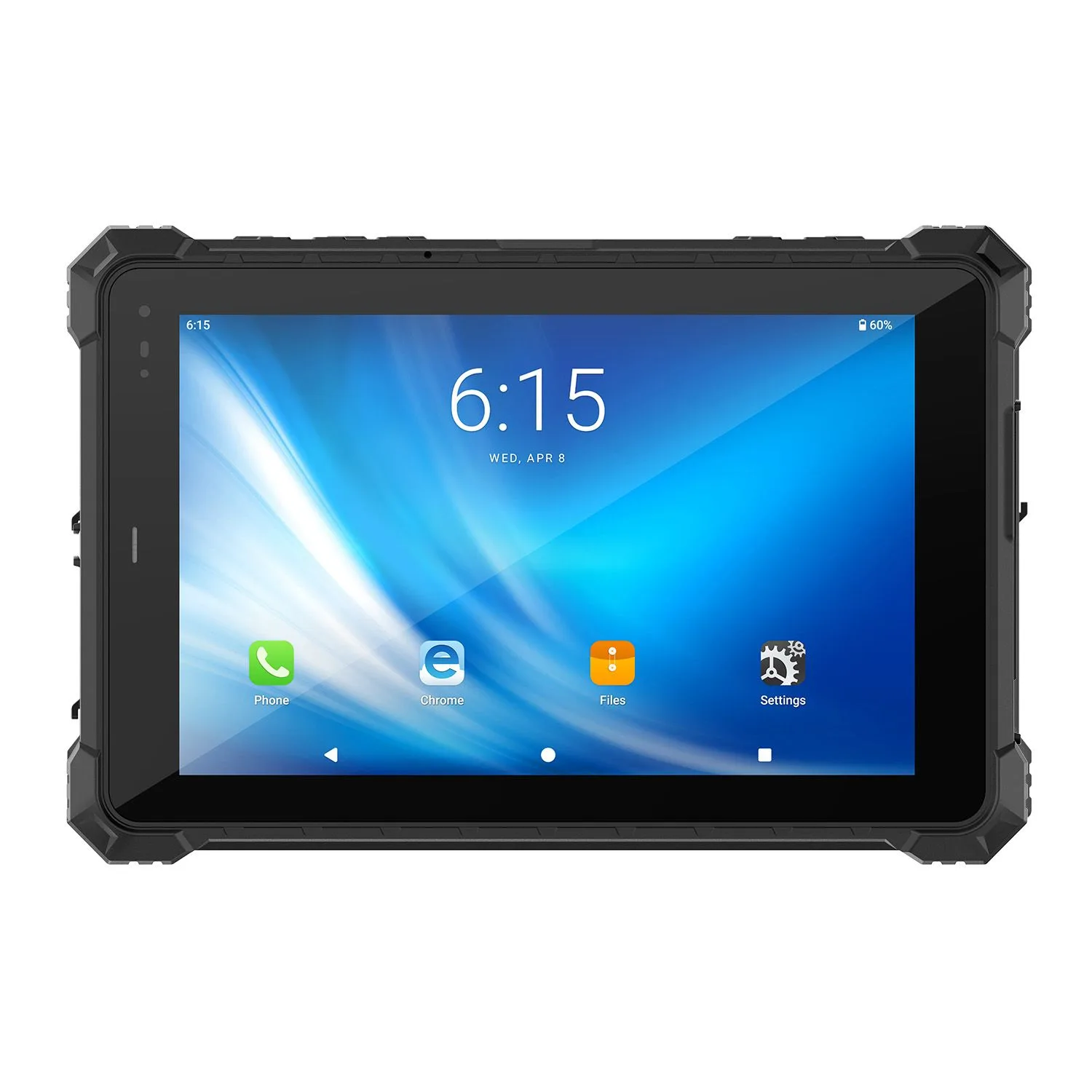
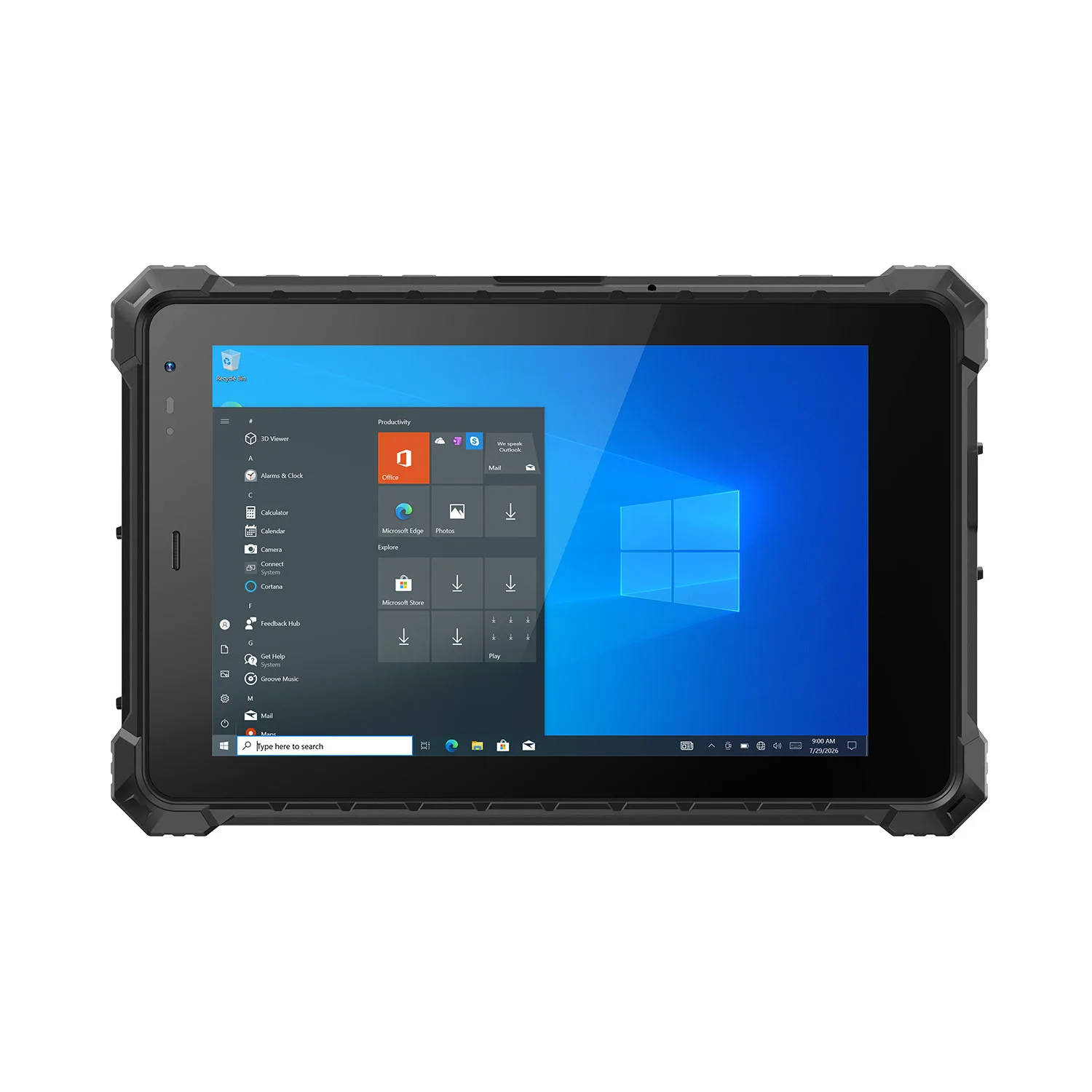
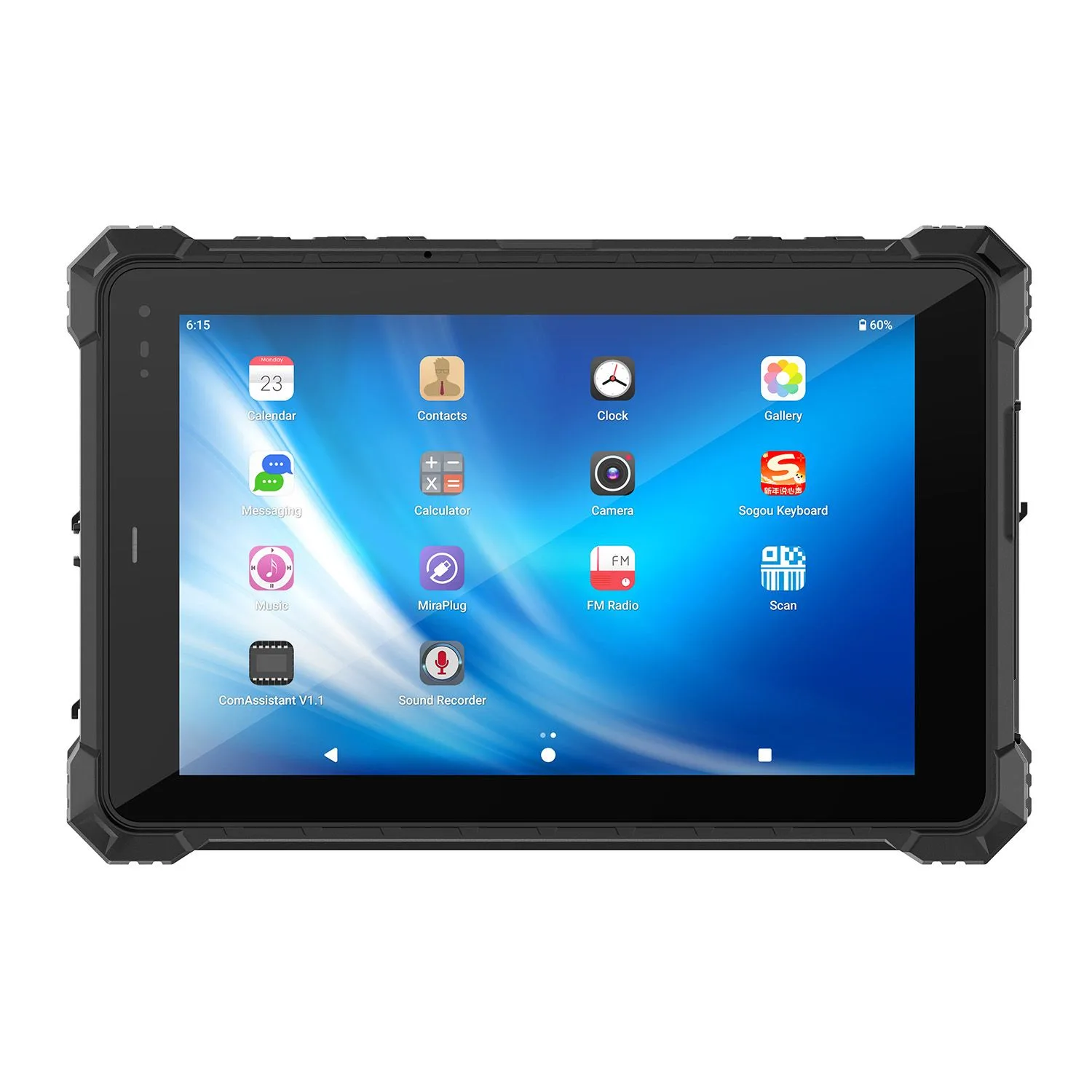
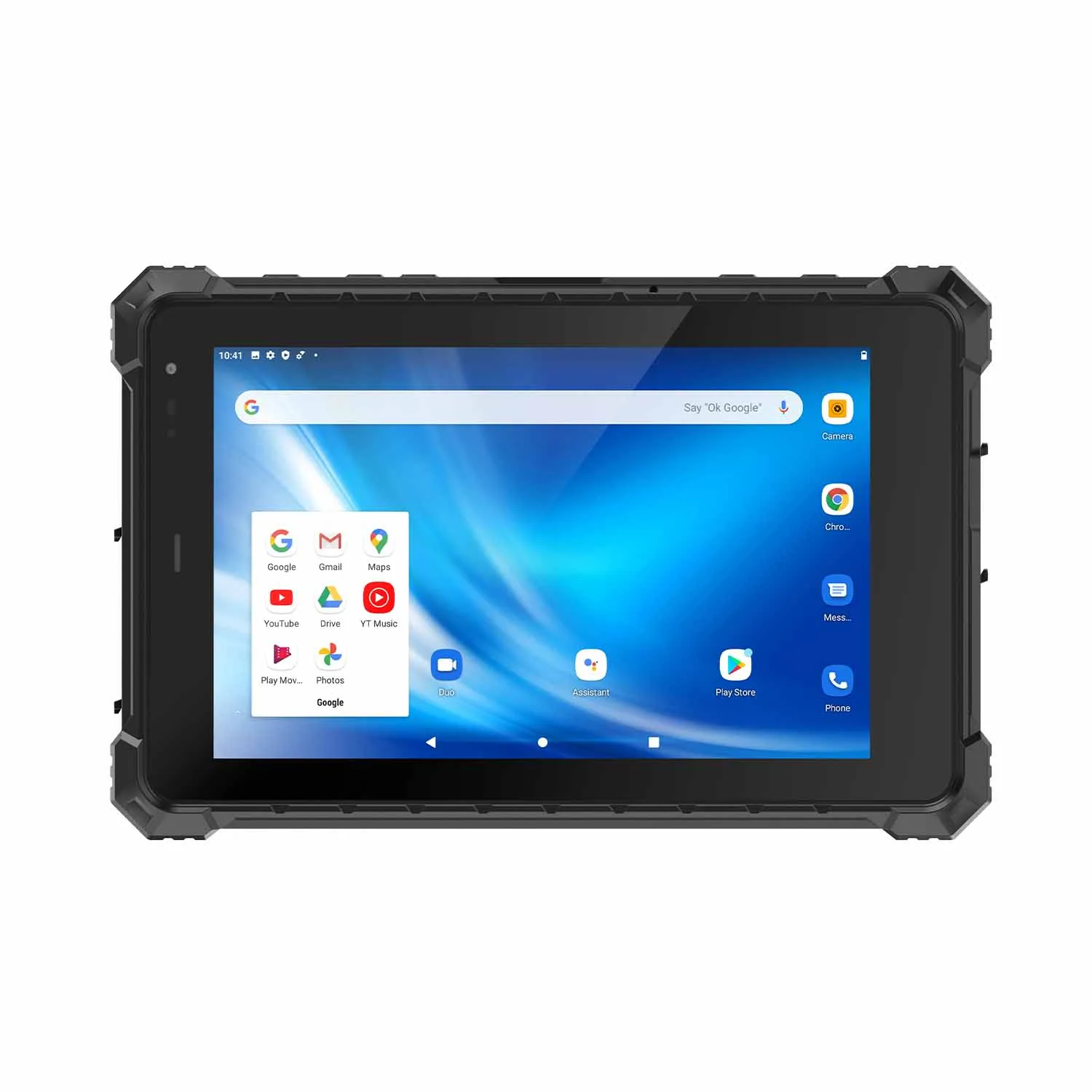
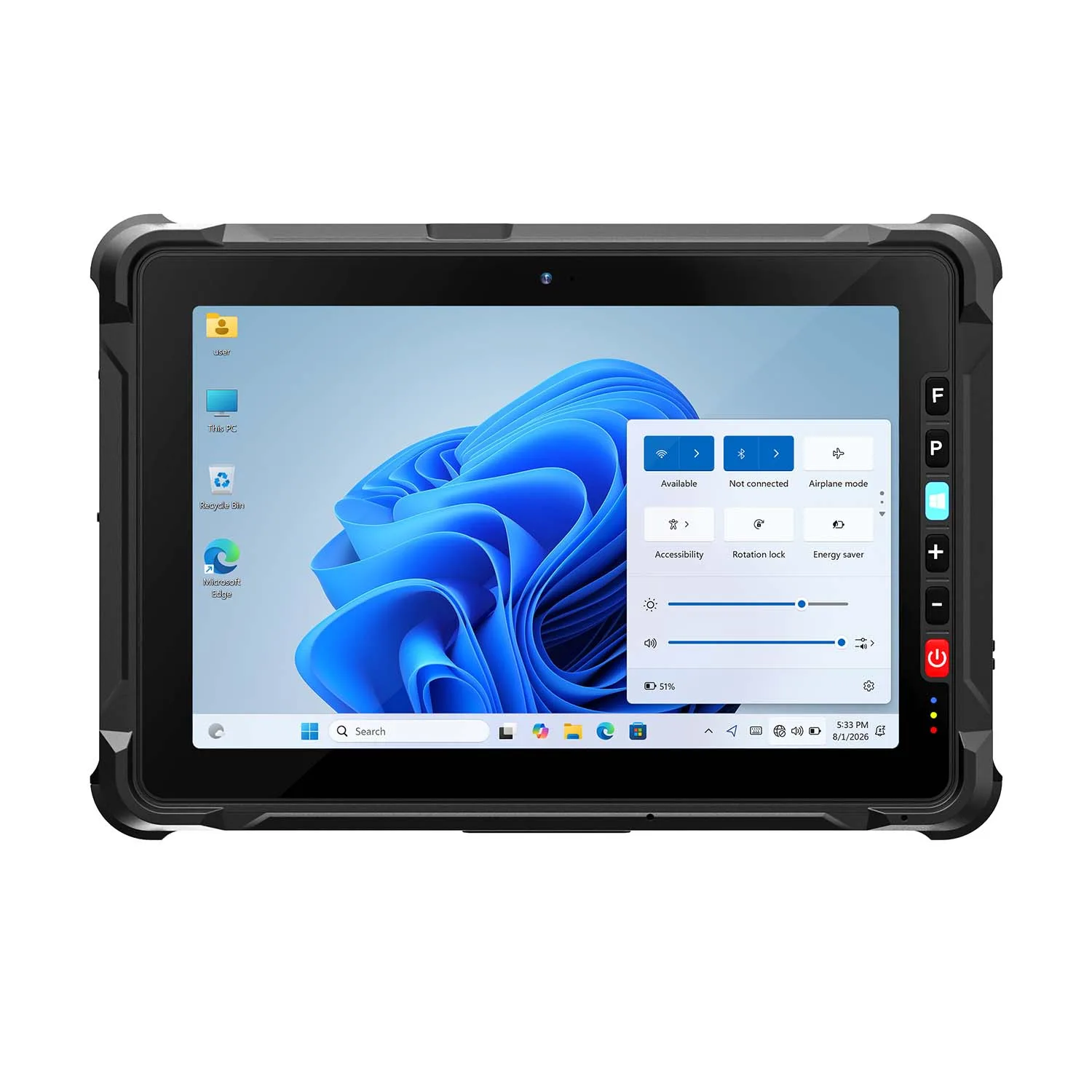
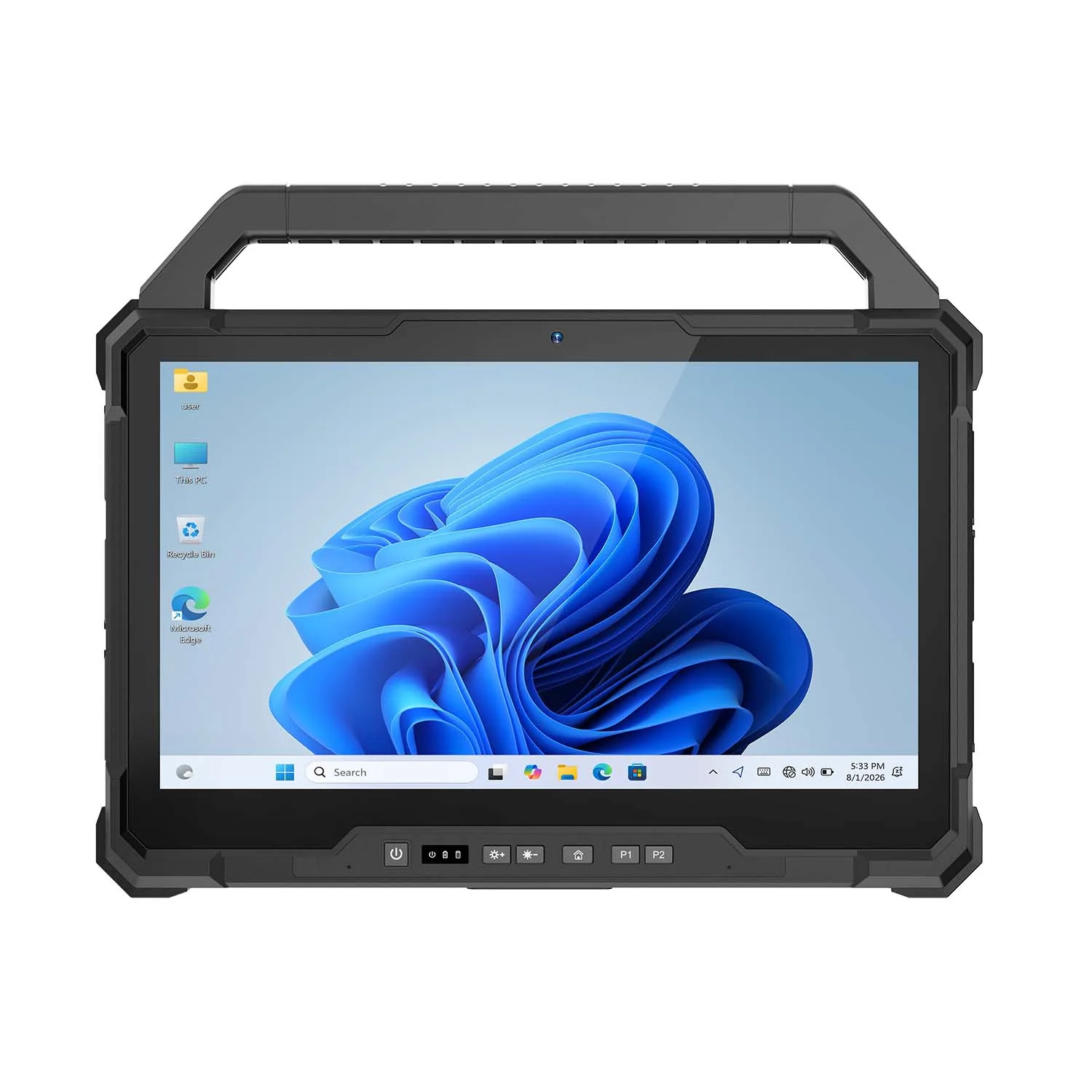
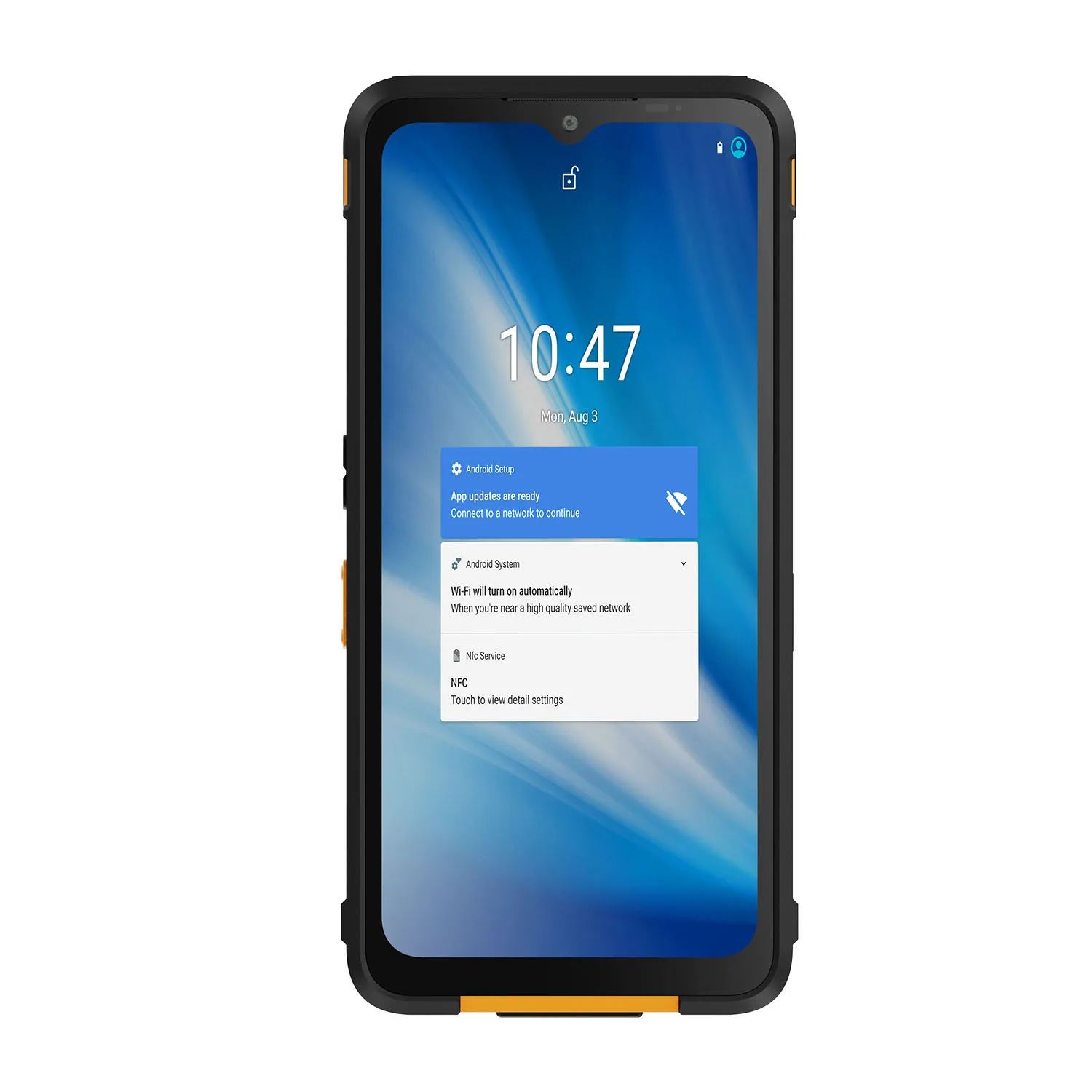
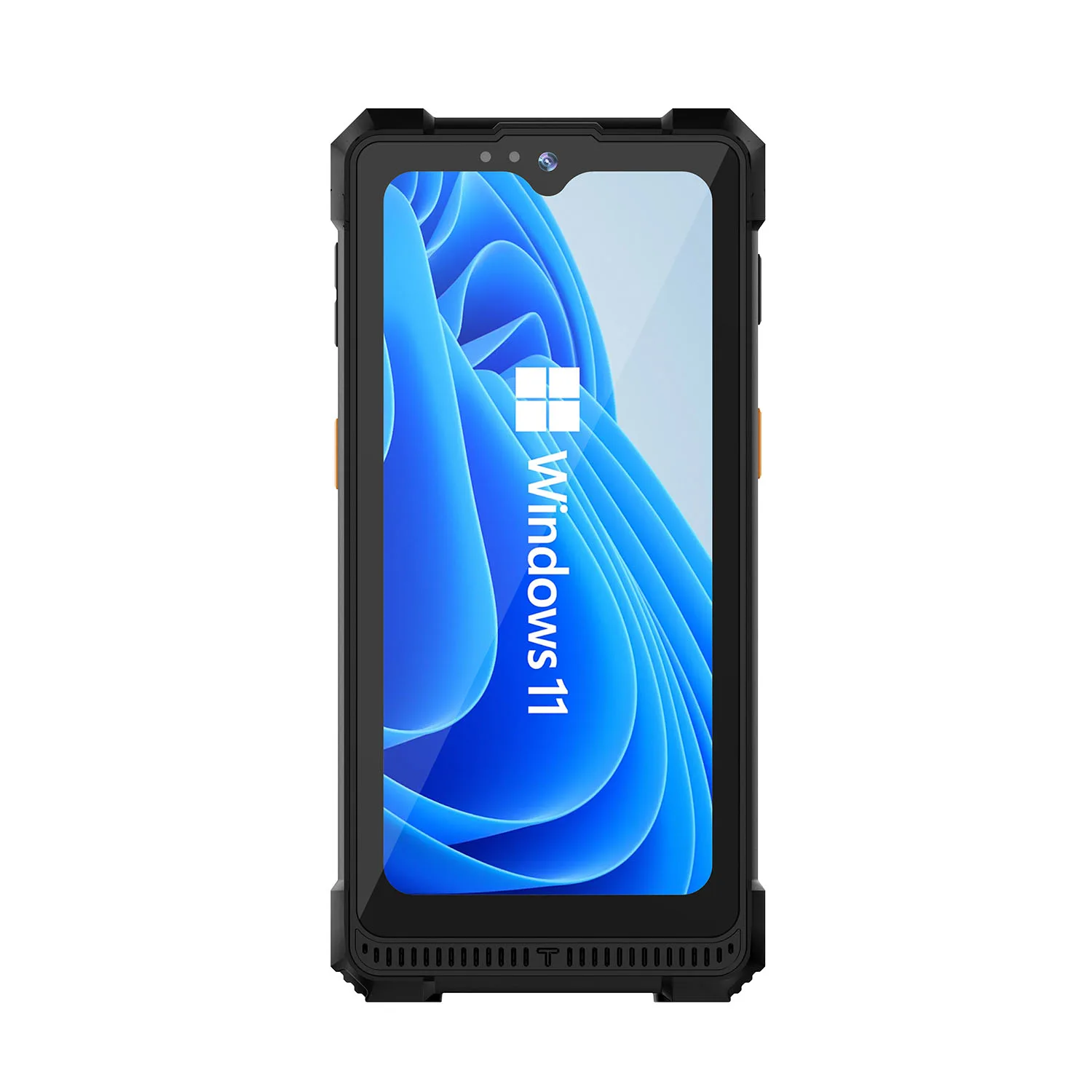
Dual OS options — Android or Windows to match different industrial software stacks; for example, CENAVA's A10ST/A109T (Android) and W109U (Windows) rugged tablet lines both have certified explosion-proof variants available.
Expandable modules — 1D/2D barcode scanner, GPS/BeiDou/GLONASS/RTK positioning, and RFID for on-site inspection data capture.
Lightweight & handheld — compact enough for long patrol shifts, unlike older bulky explosion-proof equipment.
If a "core feature" list for an explosion-proof tablet doesn't mention intrinsic safety circuitry or a named hazardous-location certificate, treat it as a red flag — dust/water resistance and drop resistance alone do not make a tablet explosion-proof.
5. Key Application Industries
| Industry | Typical Hazard | Example Site |
|---|---|---|
| Mining | Methane, coal dust | Underground coal mines, non-ferrous mines |
| Chemical & pharmaceutical | Volatile solvent vapor | Chemical workshops, solvent storage, biopharma plants |
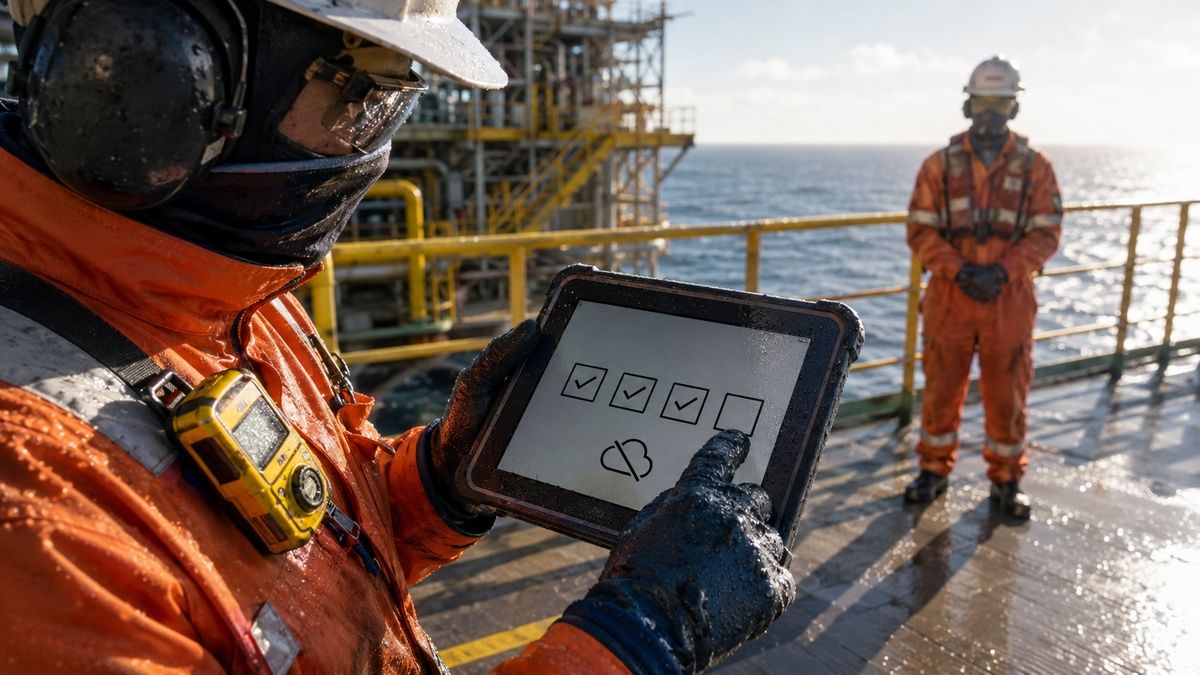
| Oil & gas | Flammable gas/vapor | Offshore platforms, refineries, pipeline patrol — see our oil & gas explosion-proof tablet buying guide |
| New energy & materials | Hydrogen, lithium electrolyte | Hydrogen refueling stations, battery workshops |
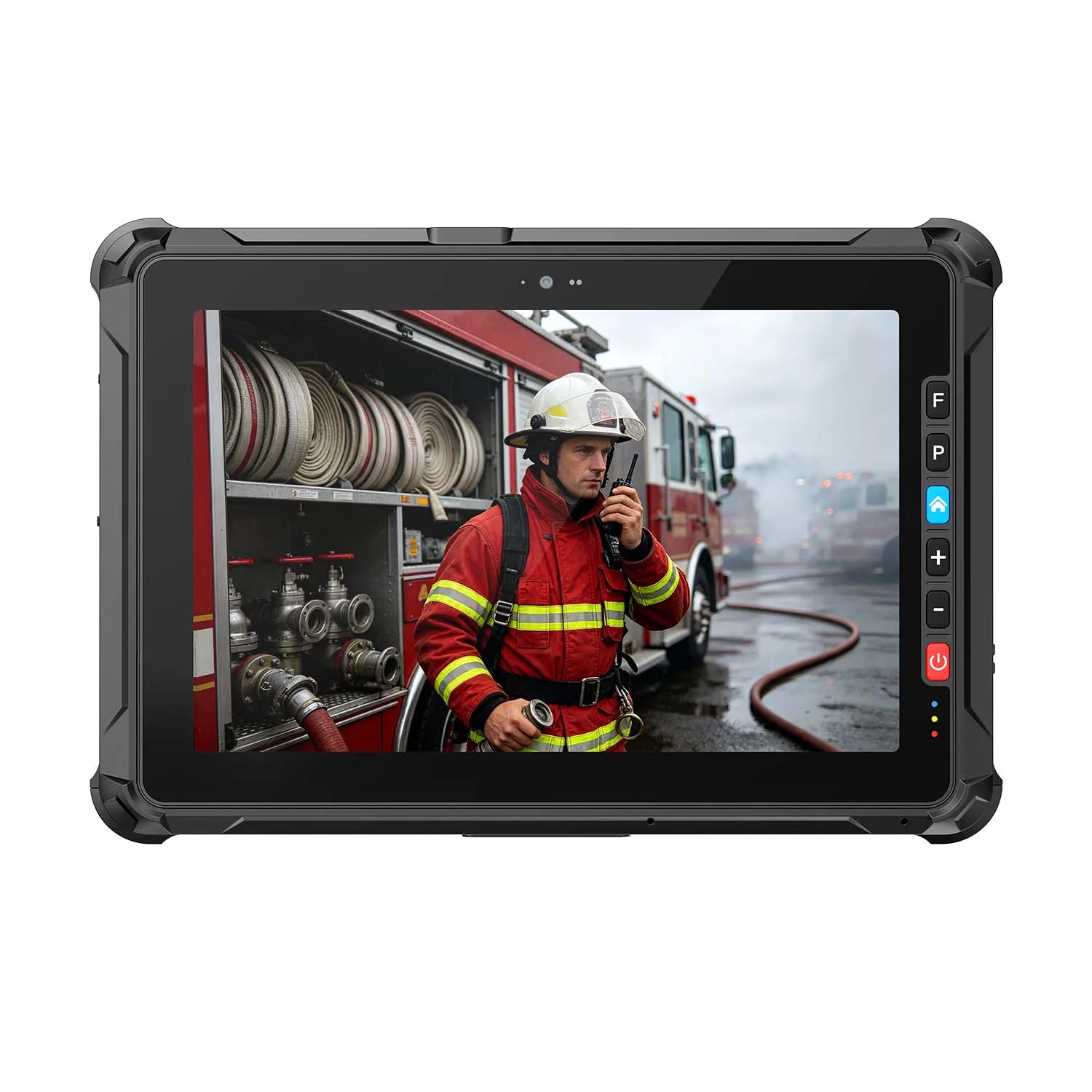
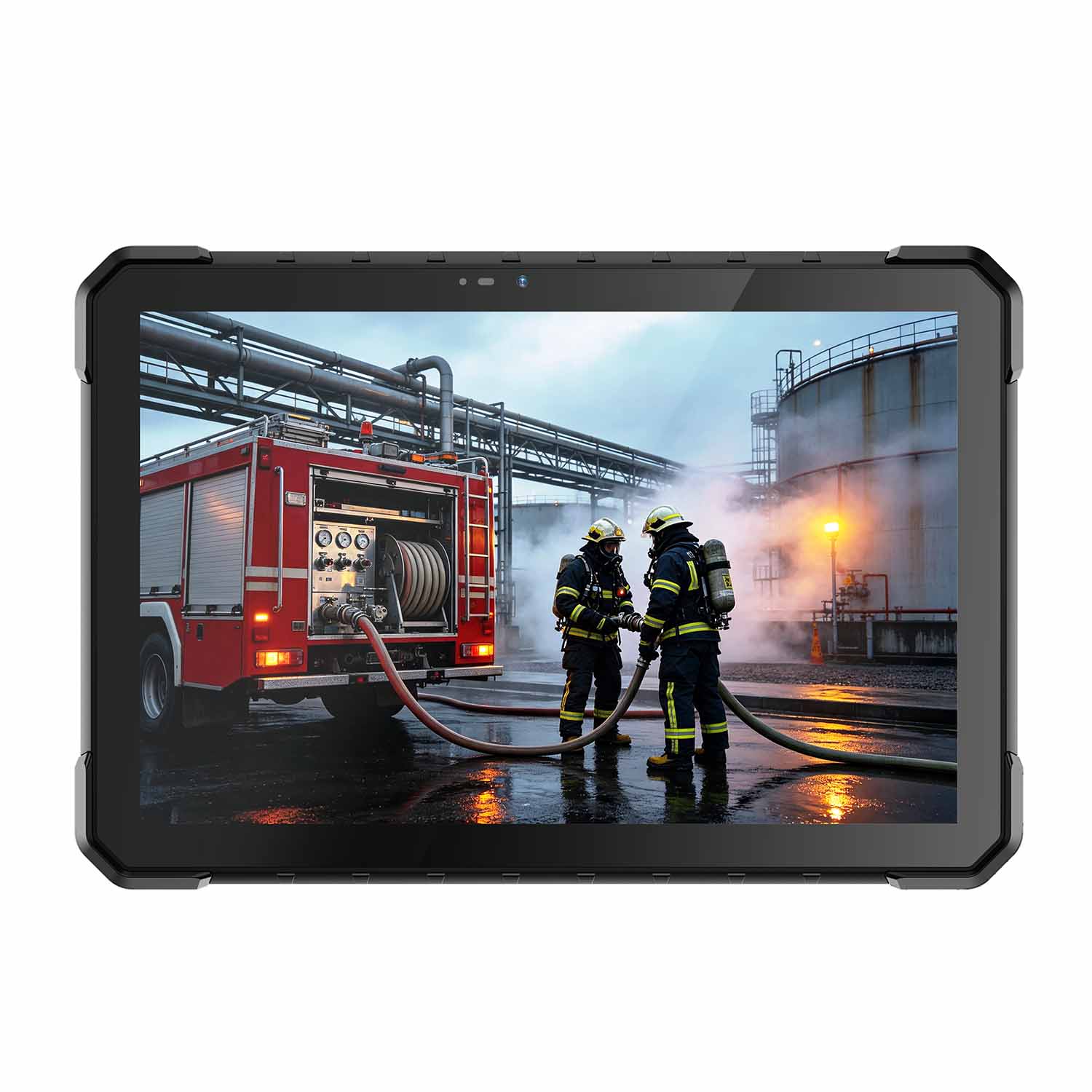
| Fire & emergency rescue | Hazardous chemical incidents | On-site inspection and incident data recording |
6. Six-Step Selection Guide for Hazardous-Area Tablets
Confirm hazard classification — is the site a gas or dust environment? Identify the Zone/Division level and temperature group (T1–T6).
Check target-market certification — ATEX for EU projects, UL/FM/CSA for US and Canadian sites, IECEx for global multi-region operations.
Match environmental resistance — an IP68 fully sealed model suits damp, dusty sites; confirm the exact IP rating with your supplier rather than assuming a higher number covers every condition (see our IP65 vs IP67 vs IP68 guide).
Determine OS & expansion needs — Windows for office-integrated industrial software, Android with a barcode scanner for rapid field inspection.
Verify battery & endurance — pick large-capacity intrinsically safe batteries for all-day continuous field work.
Confirm documentation — request the actual test report/certificate number for the Zone or Division your project requires; a datasheet claim without a certificate number cannot be verified by customs or an auditor.
Frequently Asked Questions
What makes a tablet "explosion-proof" instead of just "rugged"?An explosion-proof tablet has an intrinsically safe circuit and battery design plus a formal hazardous-location certificate (ATEX/IECEx/UL/FM/CSA), while an ordinary rugged tablet only resists water, dust, drops, and vibration without eliminating ignition sources.Is an IP68-rated tablet automatically explosion-proof?No — IP68 only certifies dust and water resistance; a tablet needs a separate ATEX, IECEx, UL, FM, or CSA certificate specifically for use in a hazardous area.
What is the difference between Ex d and Ex ia/ib explosion-proof design?Ex d (enclosure explosion-proof) uses a thick metal housing to contain an internal explosion, while Ex ia/ib (intrinsically safe) limits circuit energy so a spark can never form — most handheld explosion-proof tablets use the lighter Ex ia/ib approach.
Which certification does my project need?It depends on location: ATEX for the EU, UL or FM for the United States, CSA for Canada, and IECEx for multi-country deployments — see our full certification comparison guide.
Can an explosion-proof tablet run Android or Windows?Yes — both operating systems are available in certified explosion-proof configurations; Android suits rapid field inspection with barcode scanning, while Windows suits office-integrated industrial software.
Does CENAVA manufacture explosion-proof tablets?Yes — CENAVA is an industrial hardware manufacturer whose rugged tablet range includes ATEX, IECEx, CCRI, and MA/KA certified explosion-proof configurations; see the ATEX & IECEx Certified Rugged Devices page for the current lineup.
What temperature and IP rating do explosion-proof tablets typically support?CENAVA's rugged tablet range is rated up to IP68 and tested to MIL-STD-810 standards; always confirm the exact operating temperature range and IP rating on the specific model's datasheet before ordering, since these vary by product.
About CENAVA
CENAVA (Shenzhen Chenxiang Intelligent Technology Co., Ltd.) is an industrial hardware manufacturer headquartered in Shenzhen, China, with products sold in nearly 100 countries and serving 700+ enterprise customers worldwide. The company holds 60+ intellectual property patents and has passed 3C, CE, FCC, FCC-ID, RoHS, and explosion-proof certifications, with an in-house team covering appearance design, mold development, and software/hardware engineering for one-stop custom hardware production.Contact CENAVA for Certified Explosion-Proof Tablet Solutions →Need a Rugged Device for Your Project?
Tell us your operating environment and requirements — our engineers will recommend a configuration and quote within 24 hours.
Get a Free Quote Back to Blog