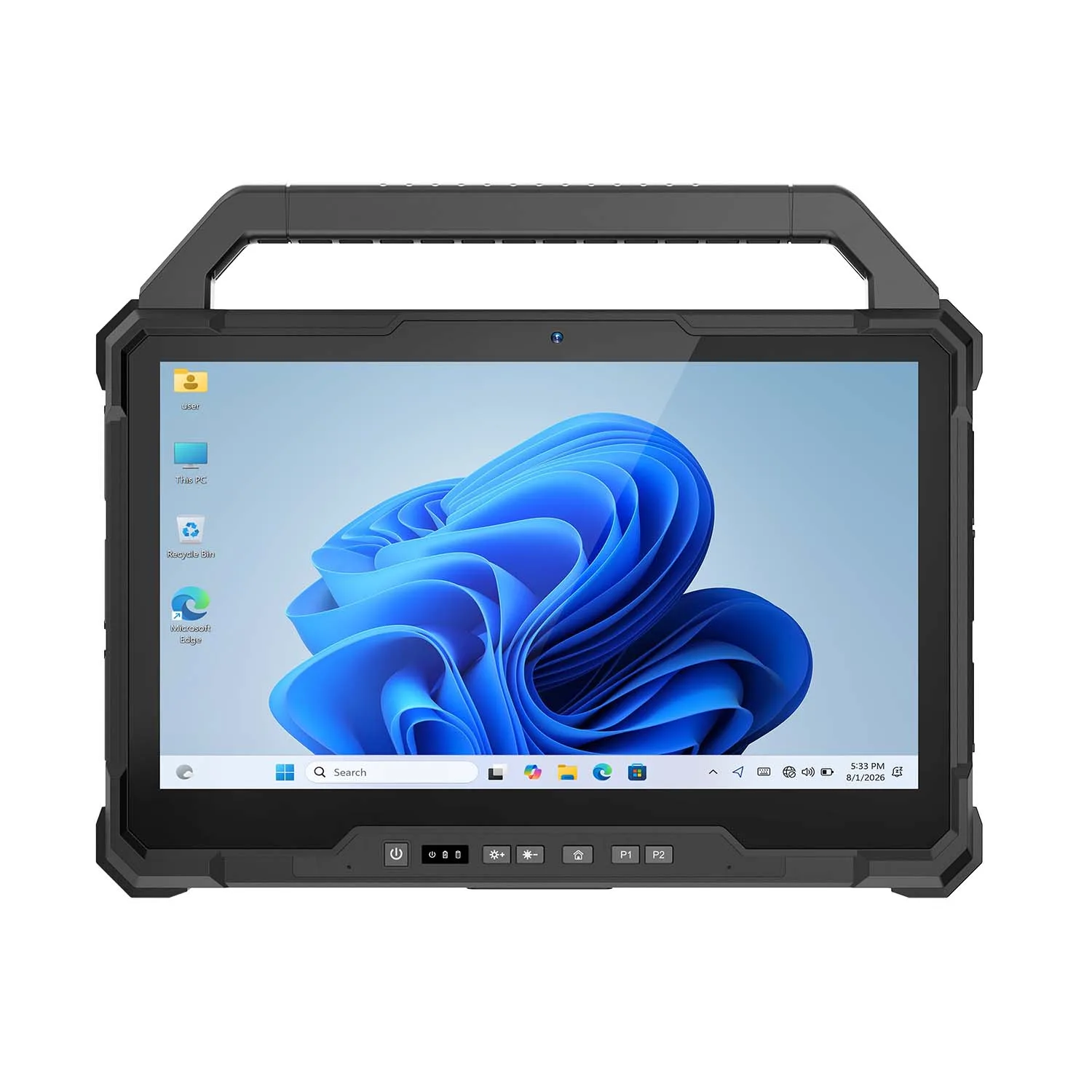

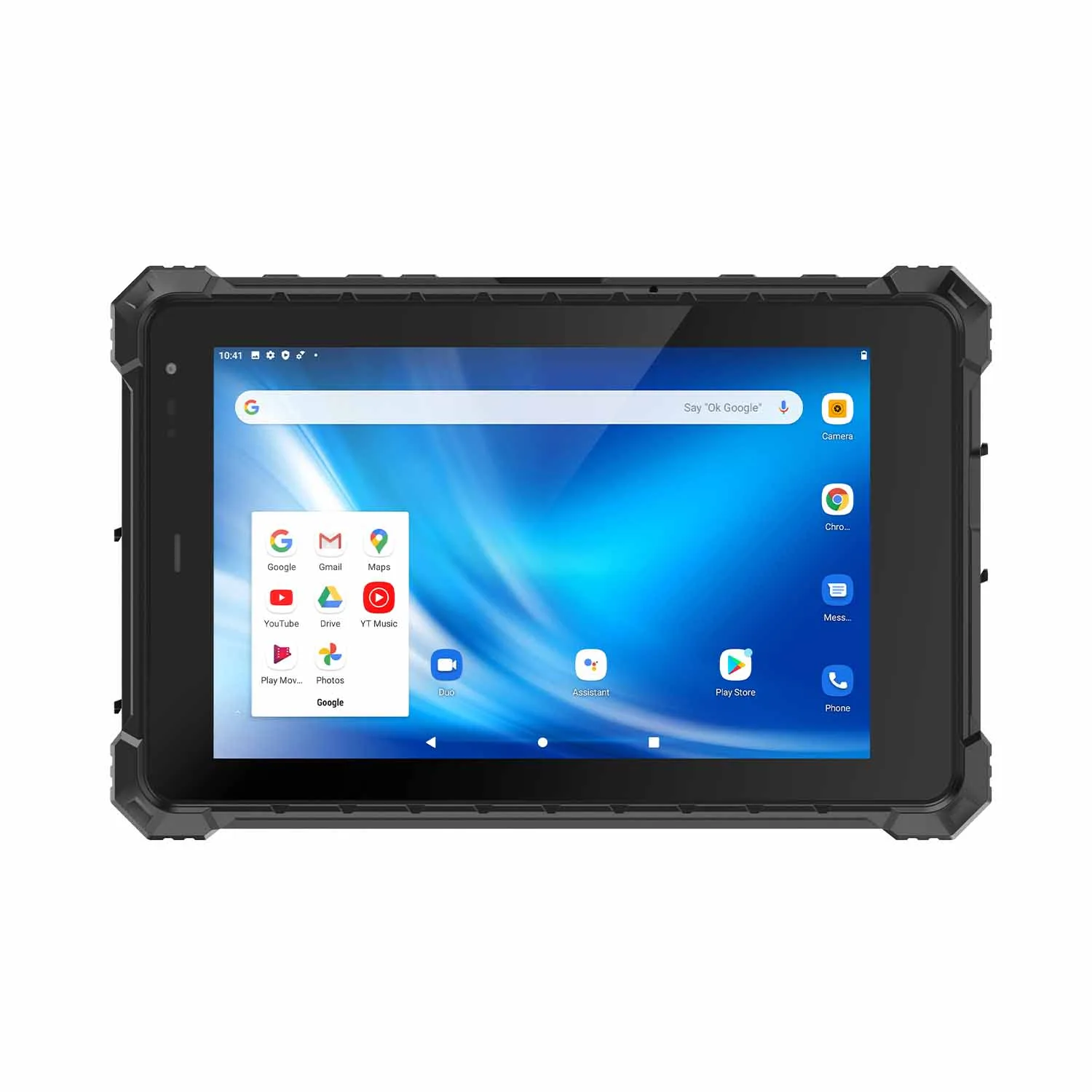
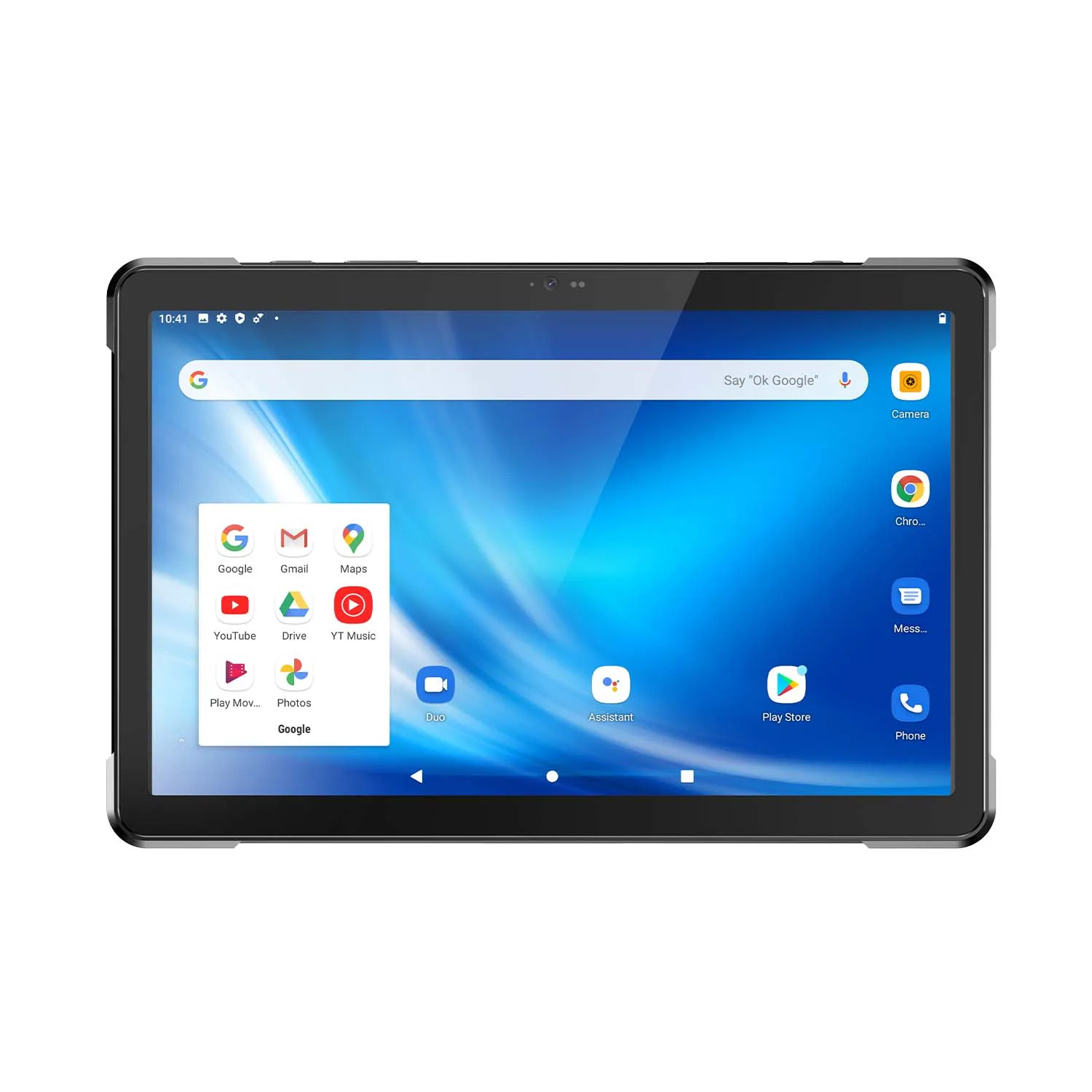
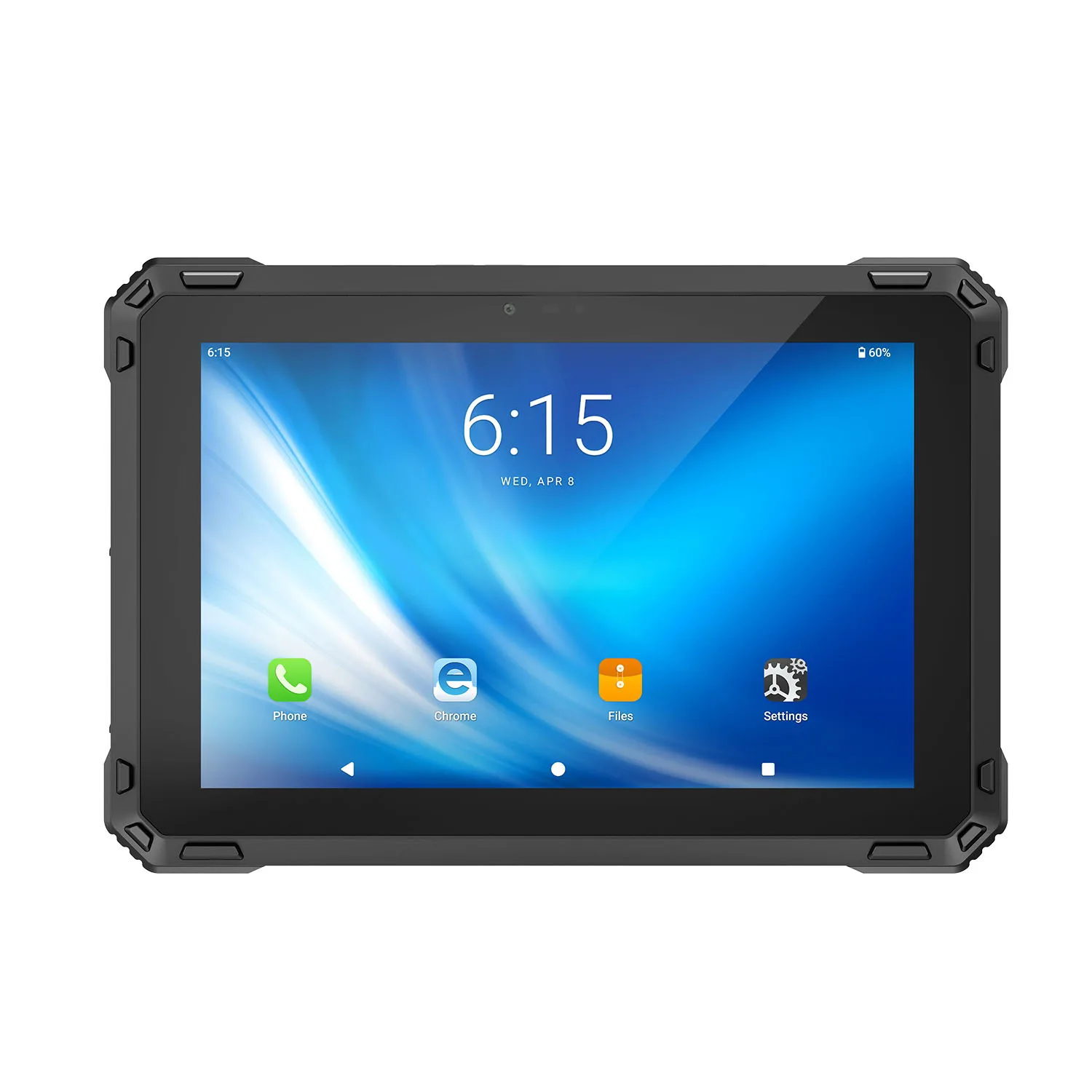
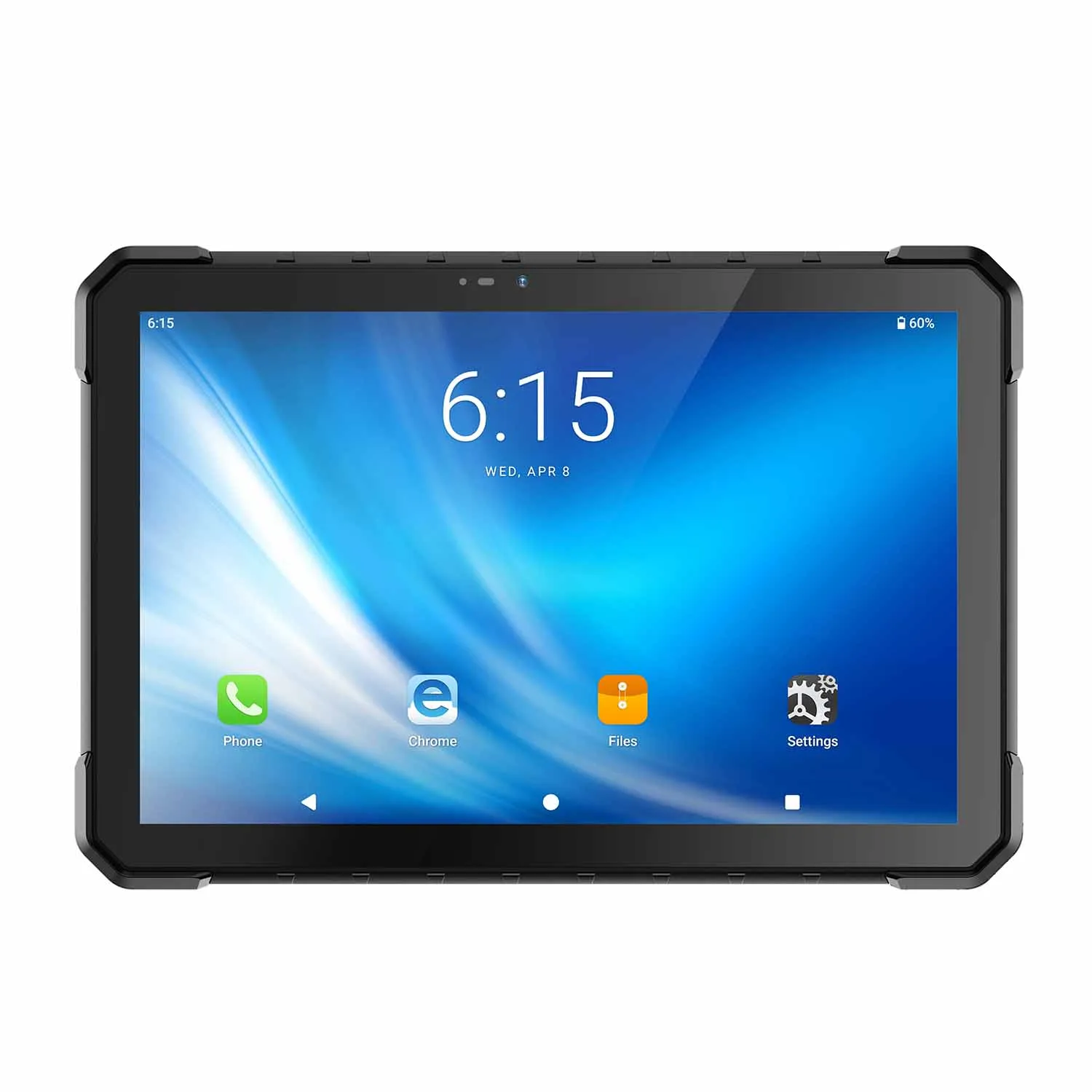
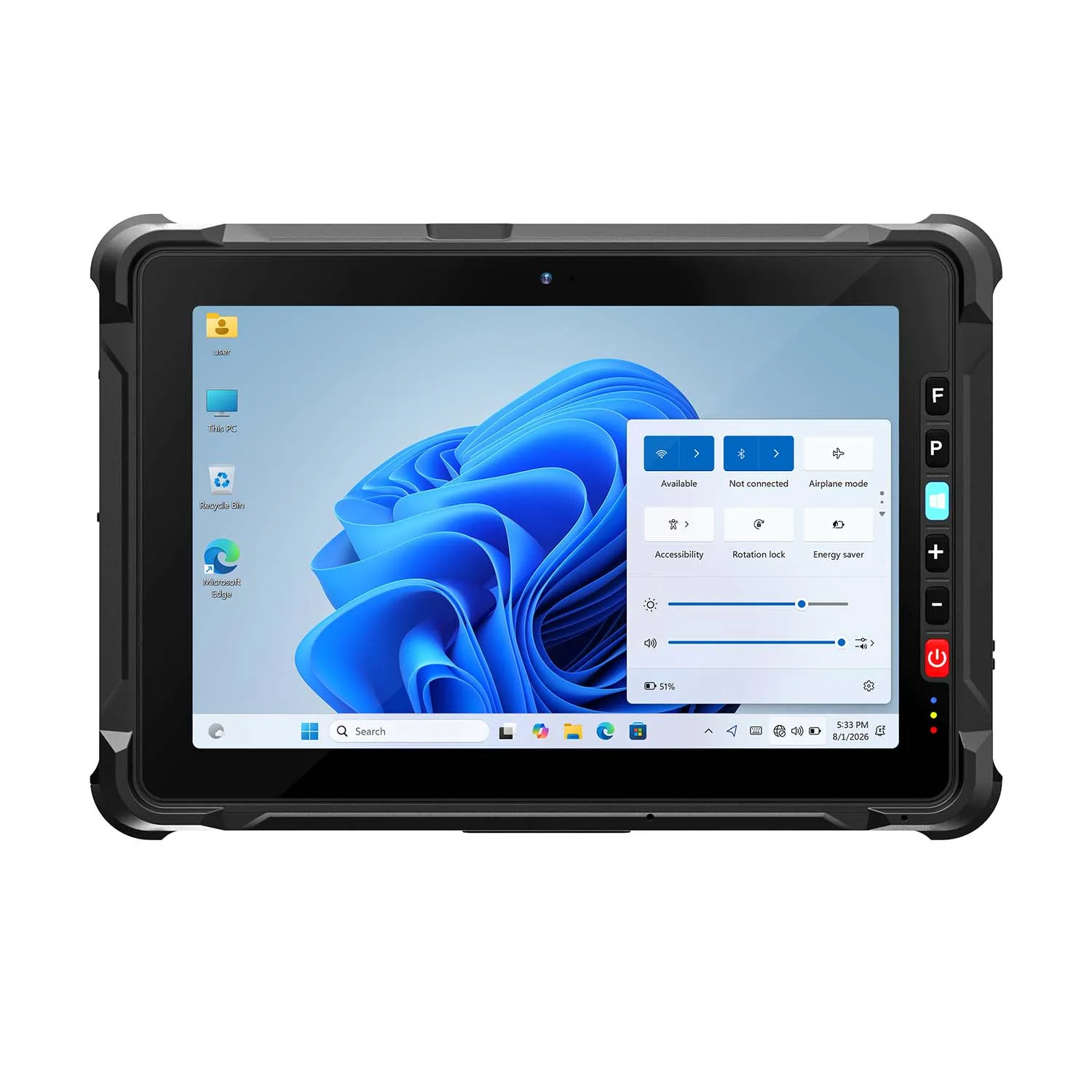
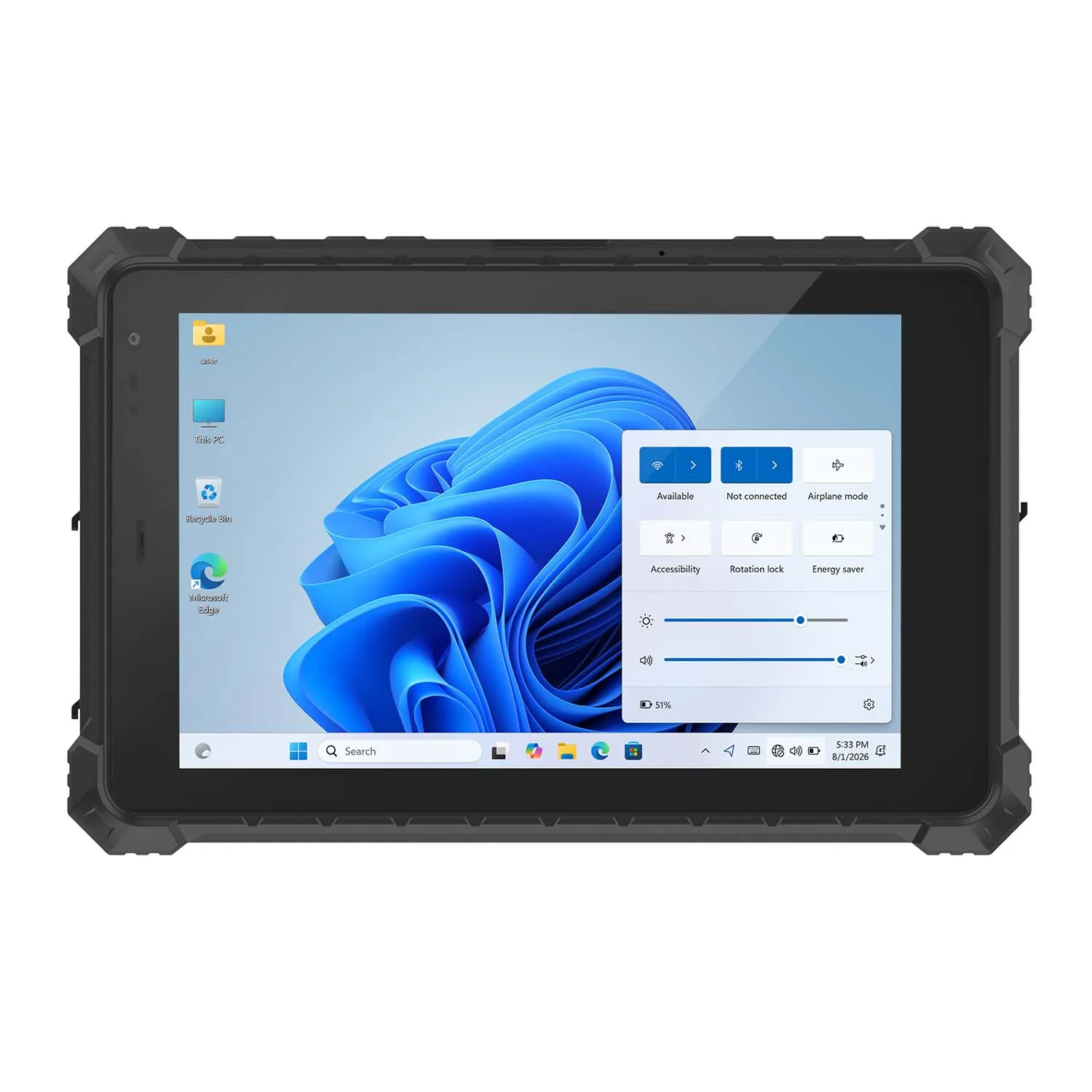
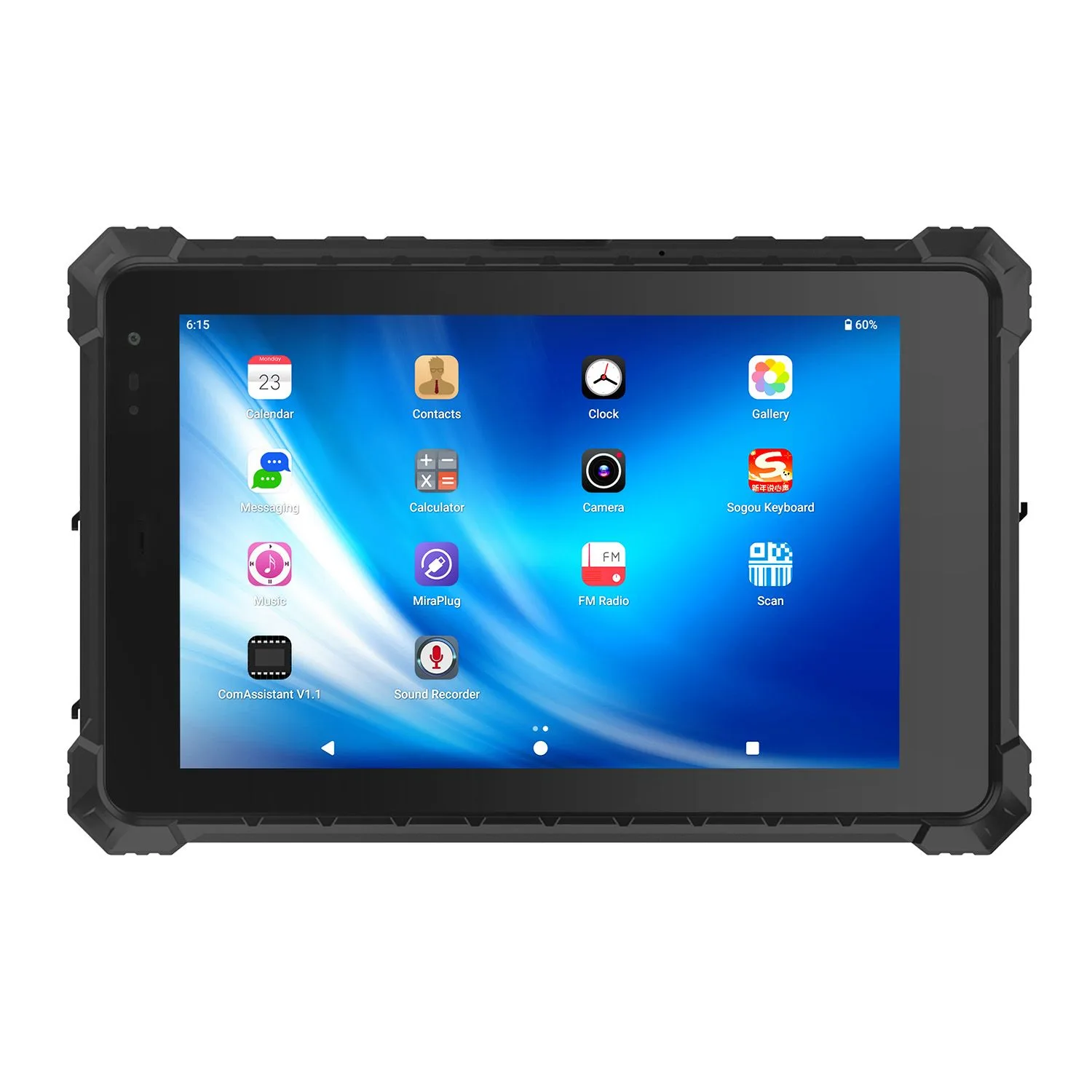
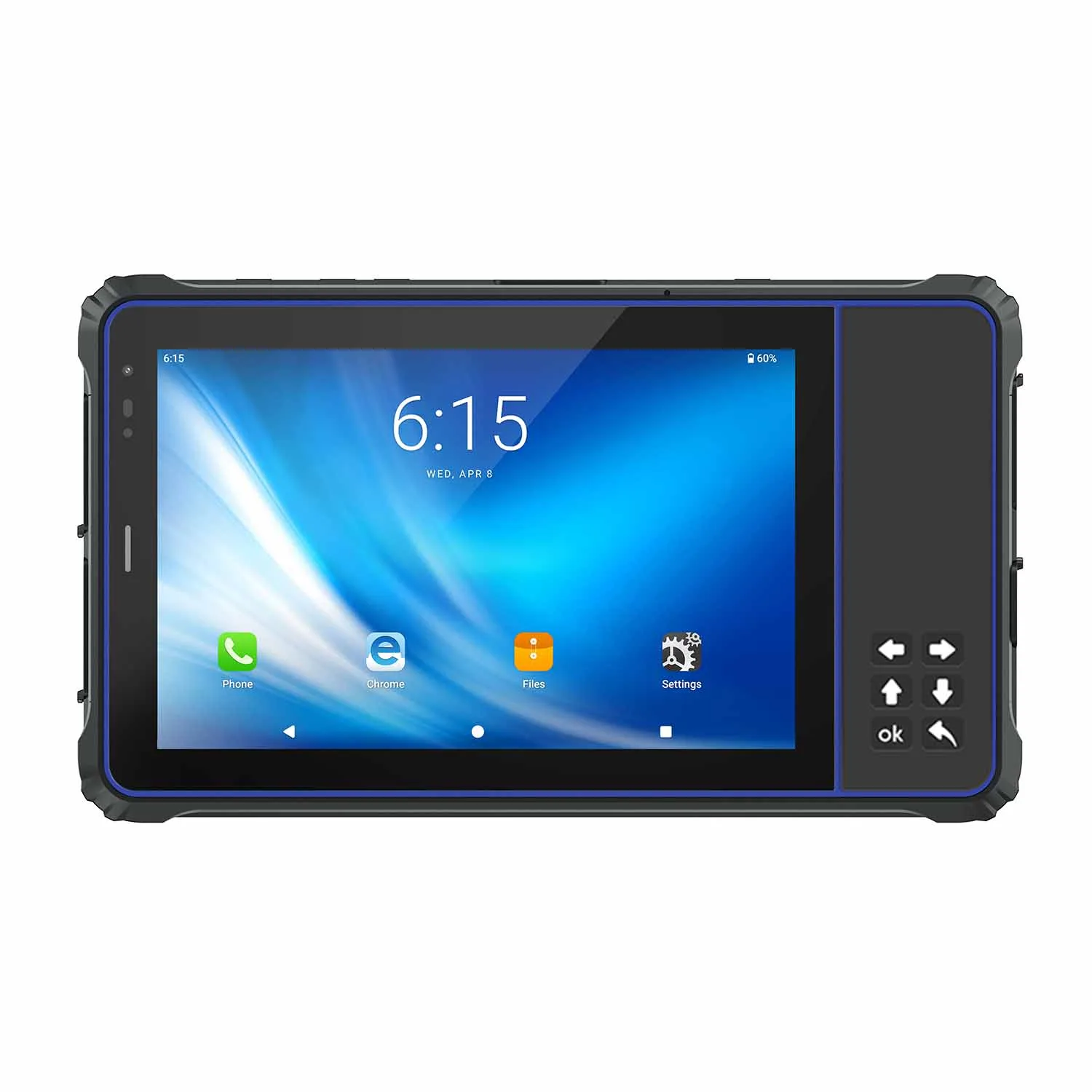
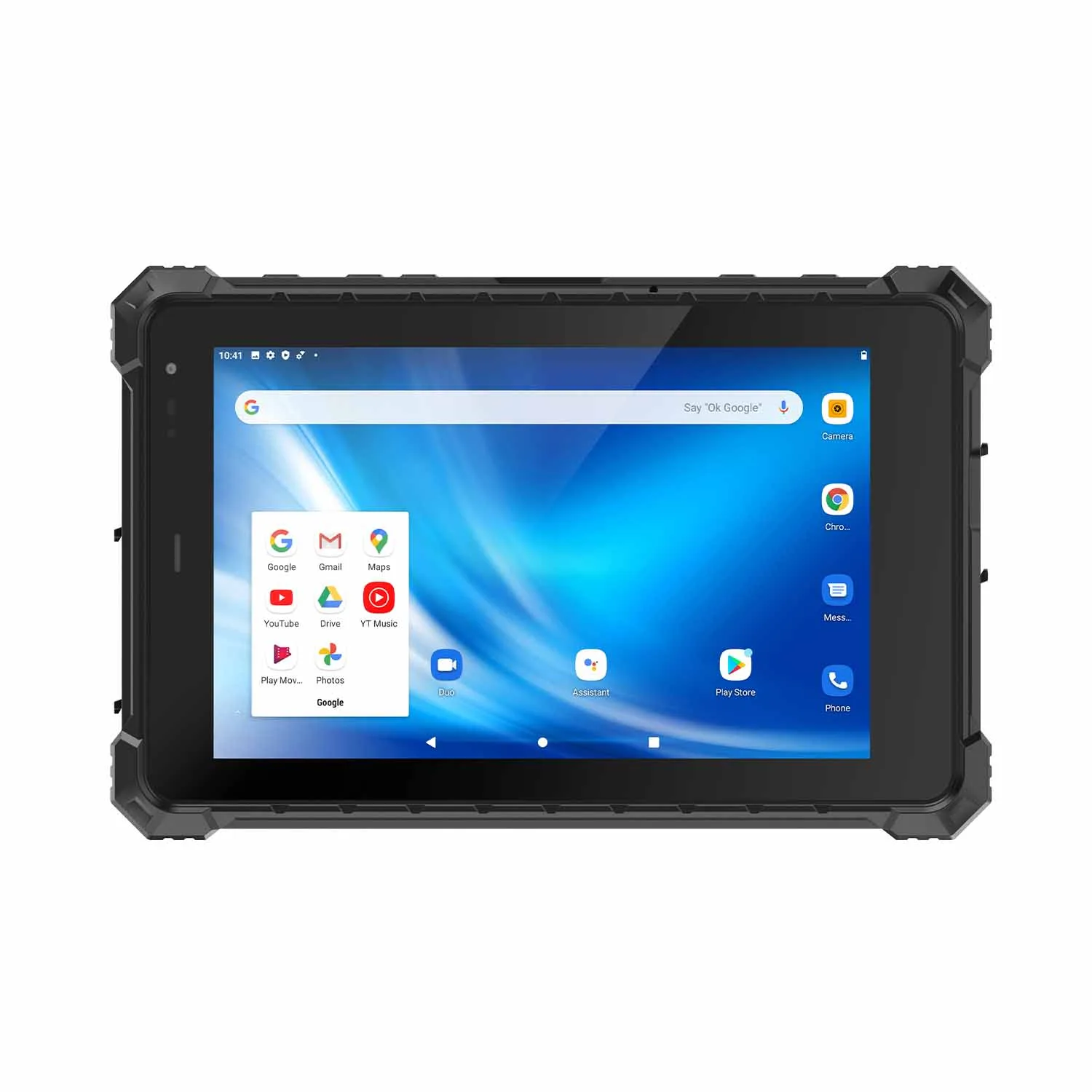
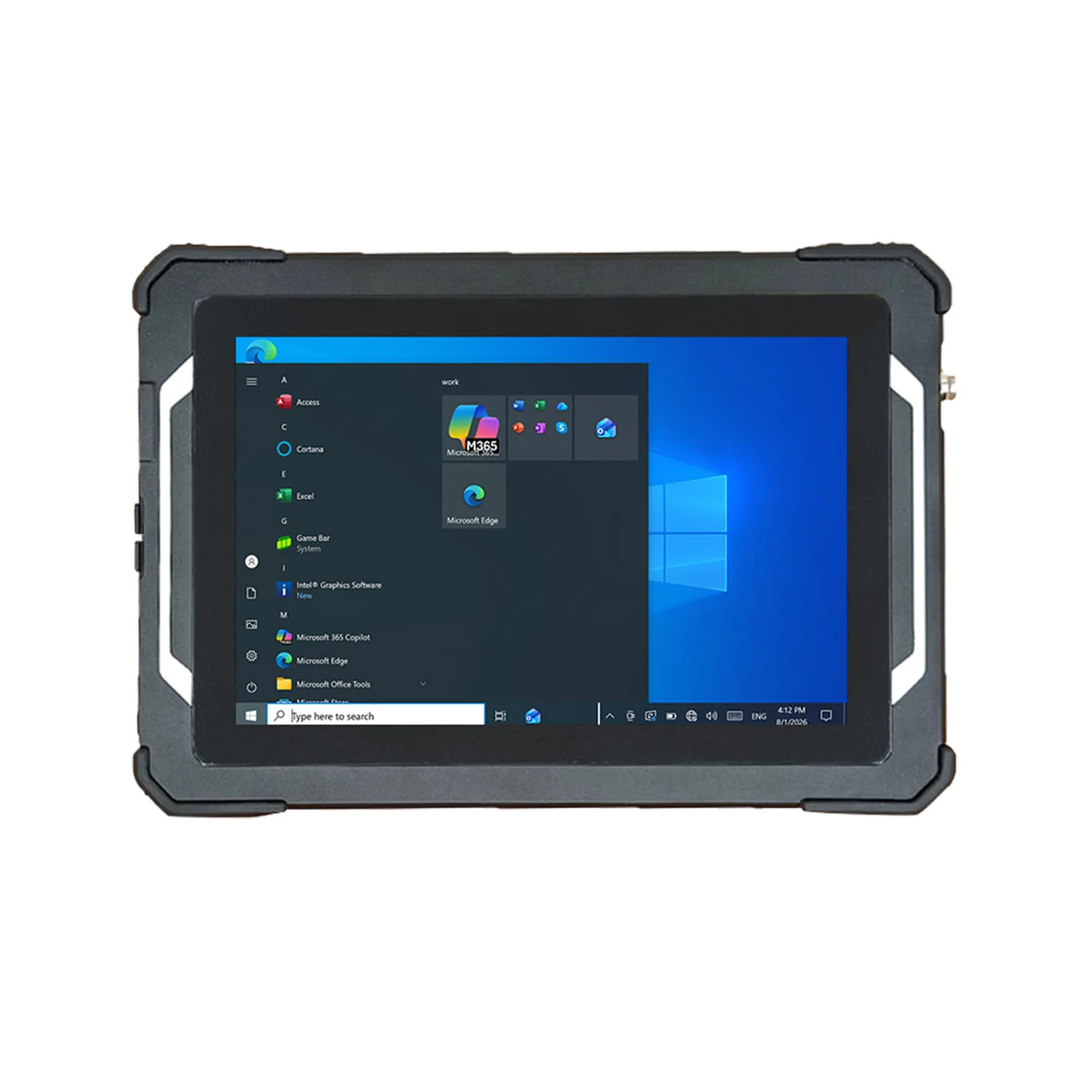
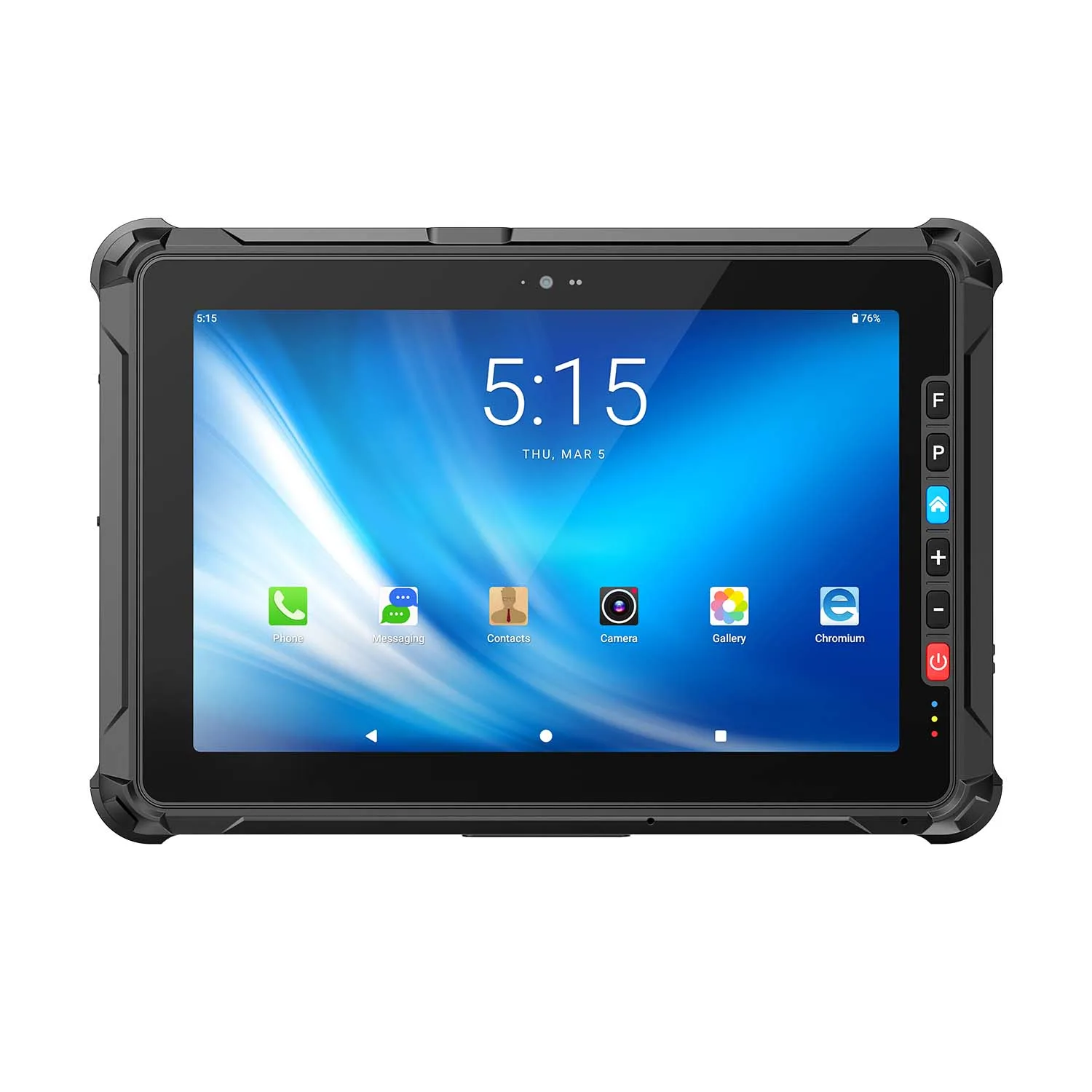
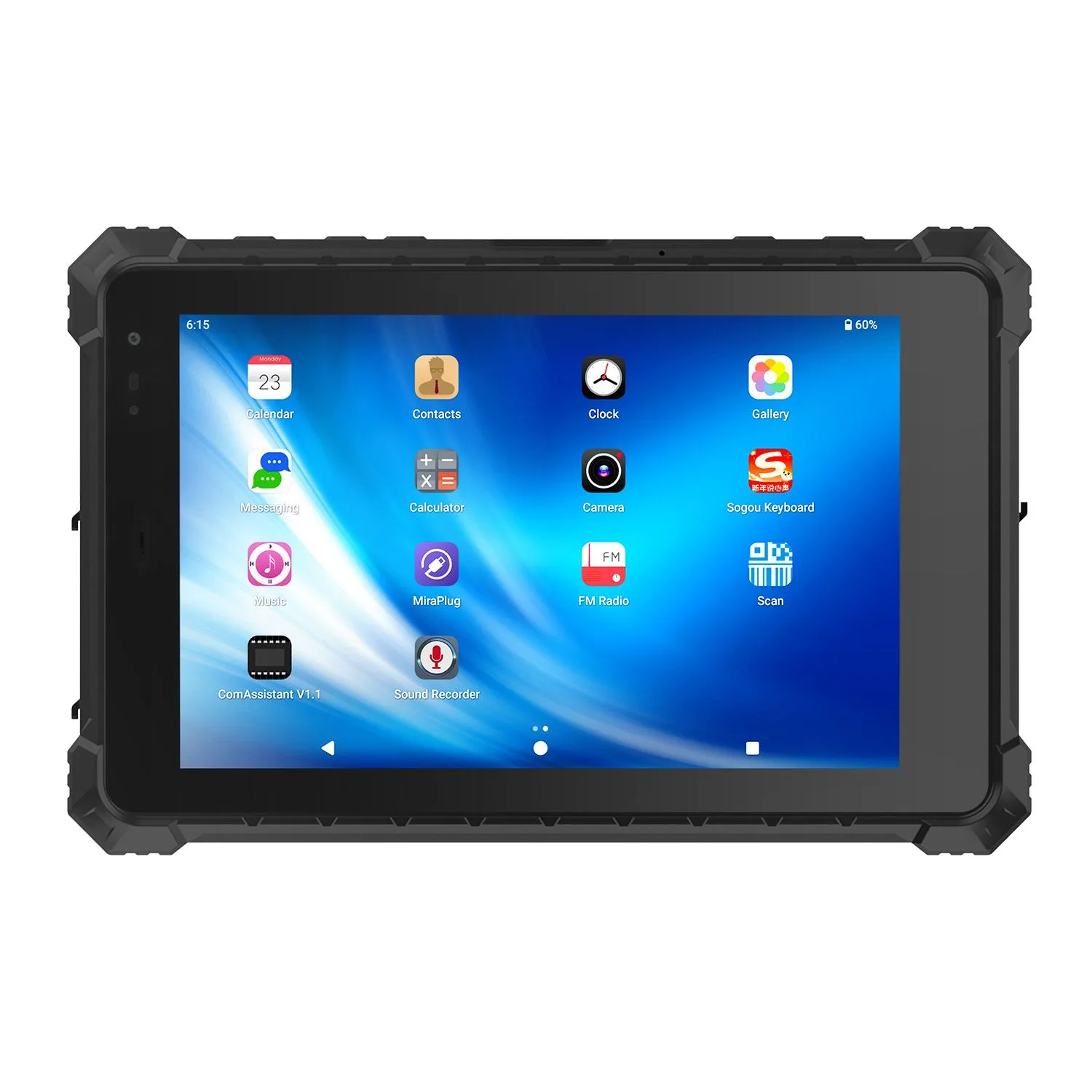
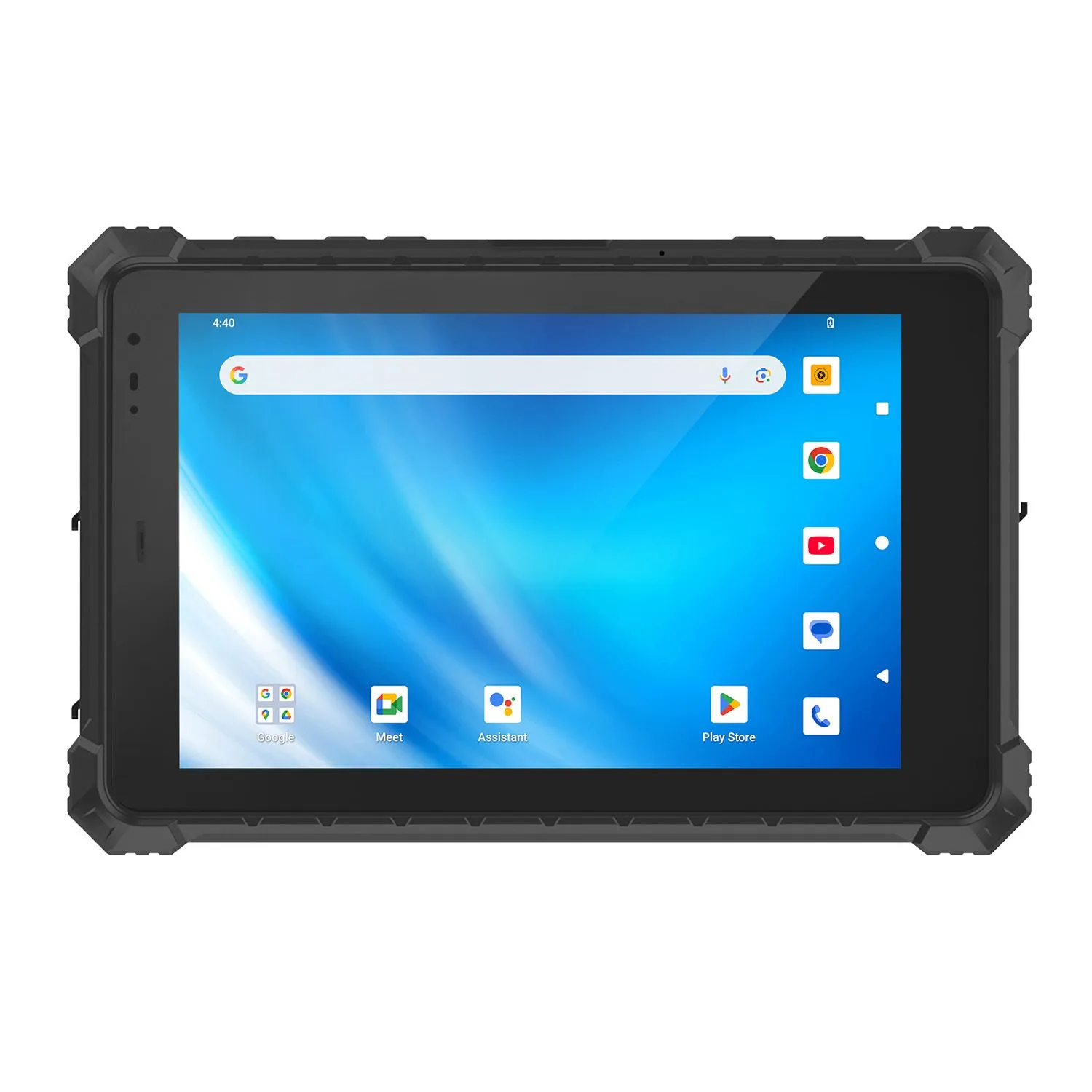
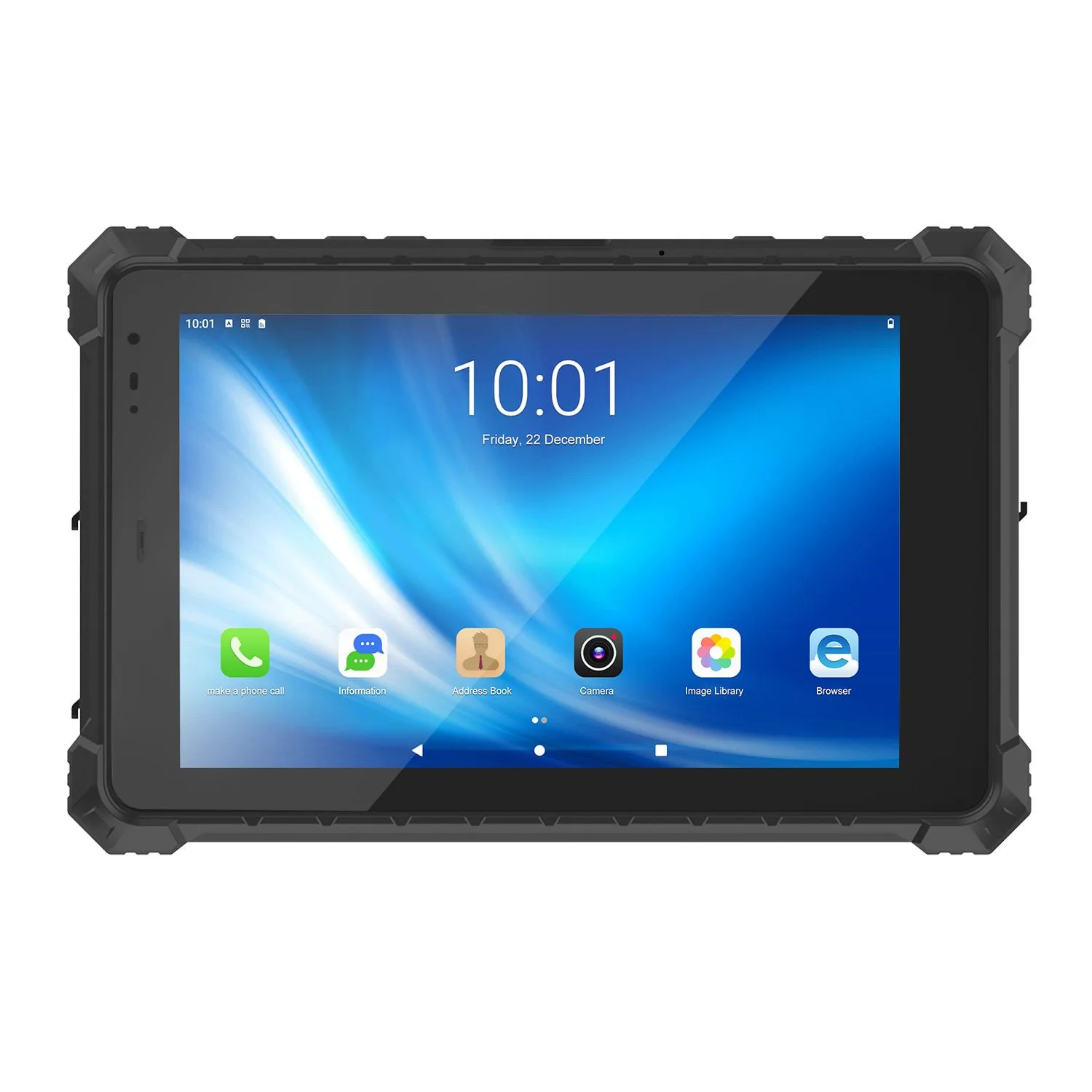
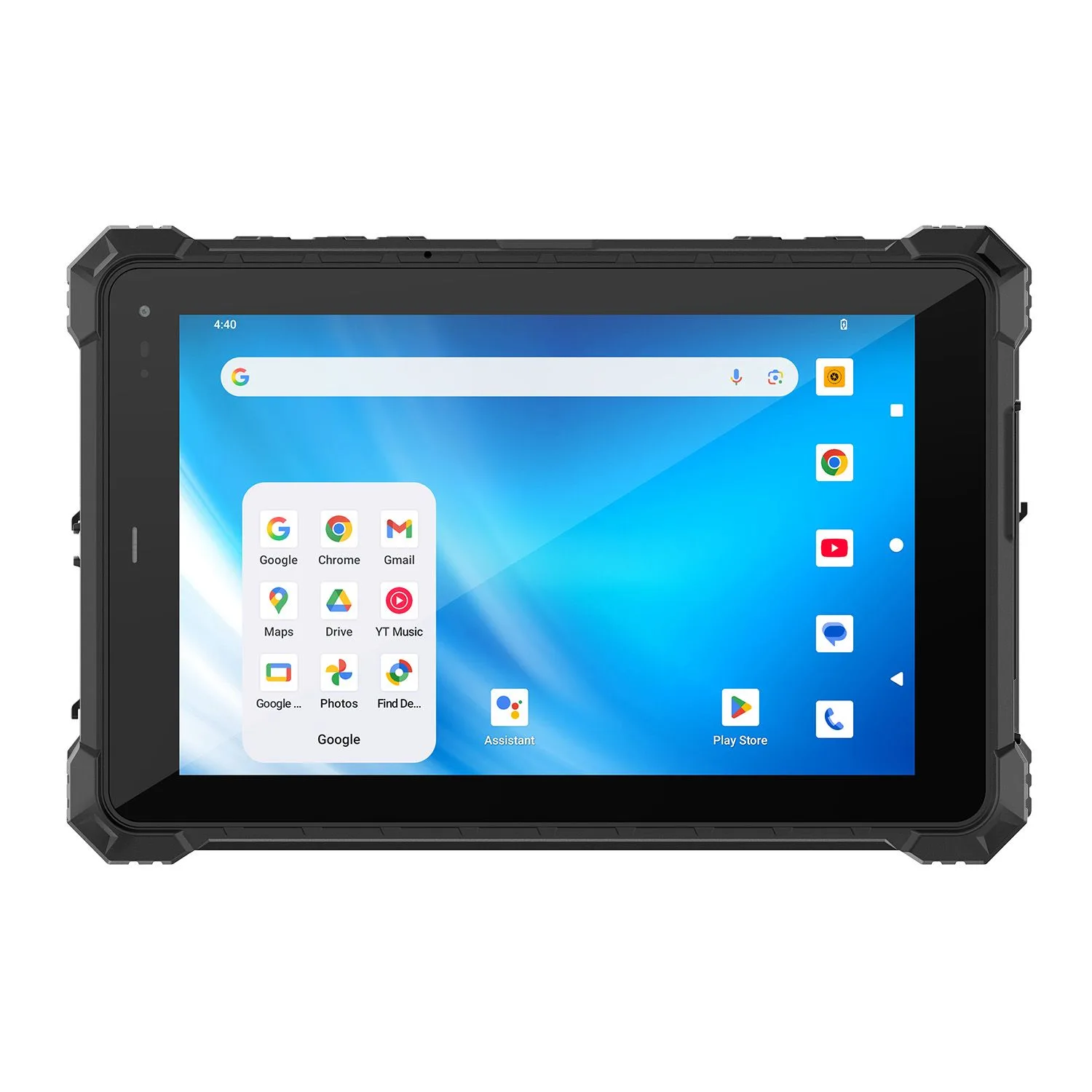
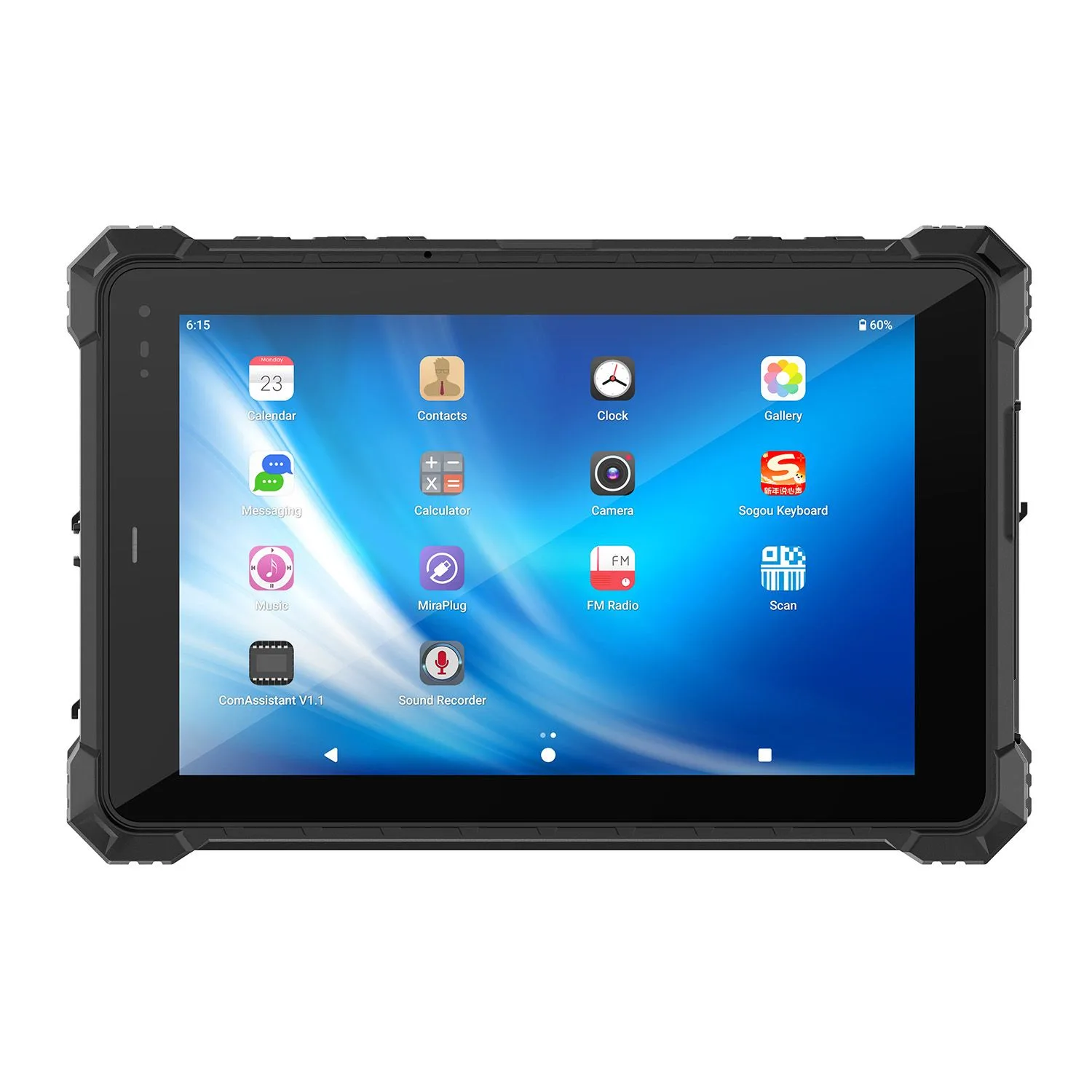
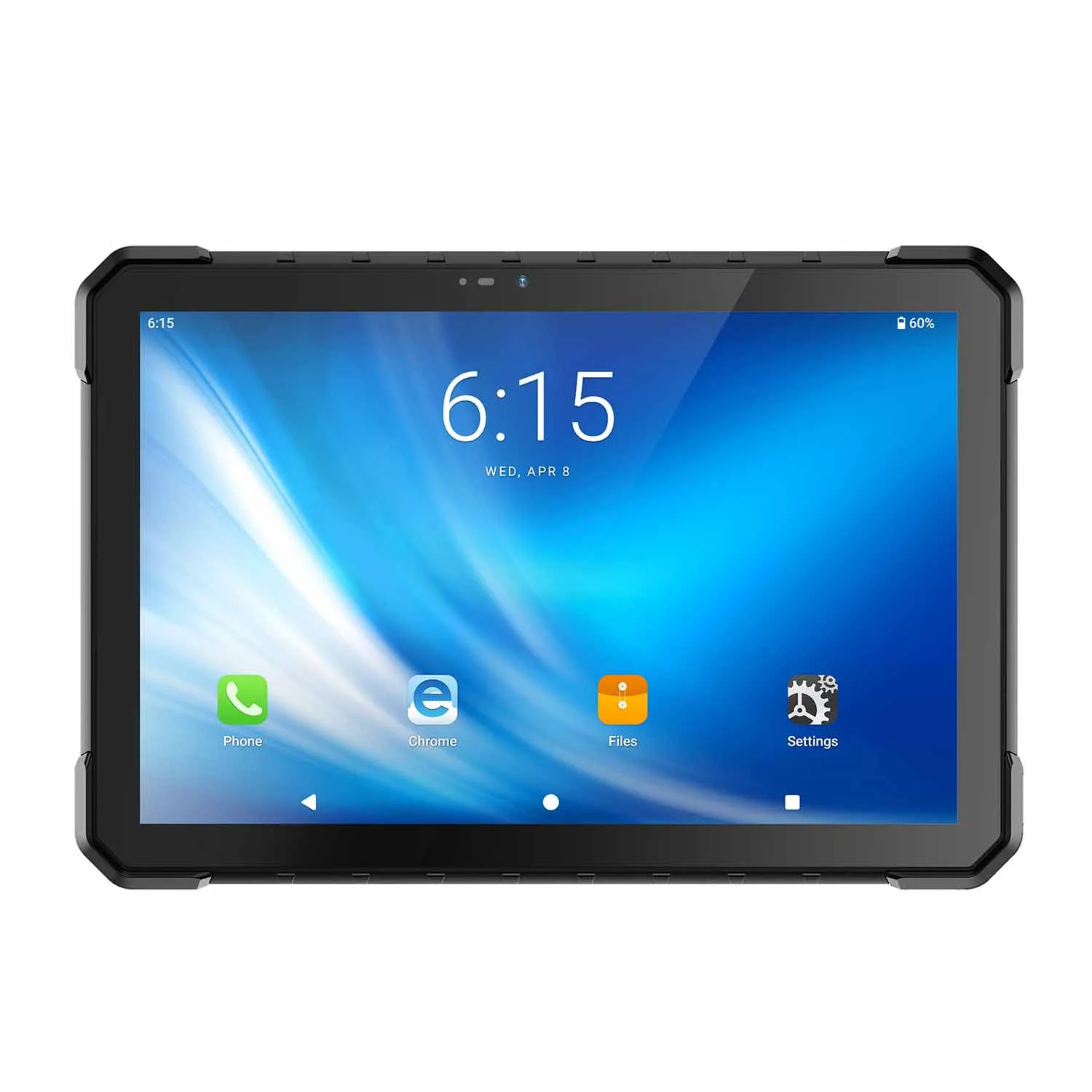
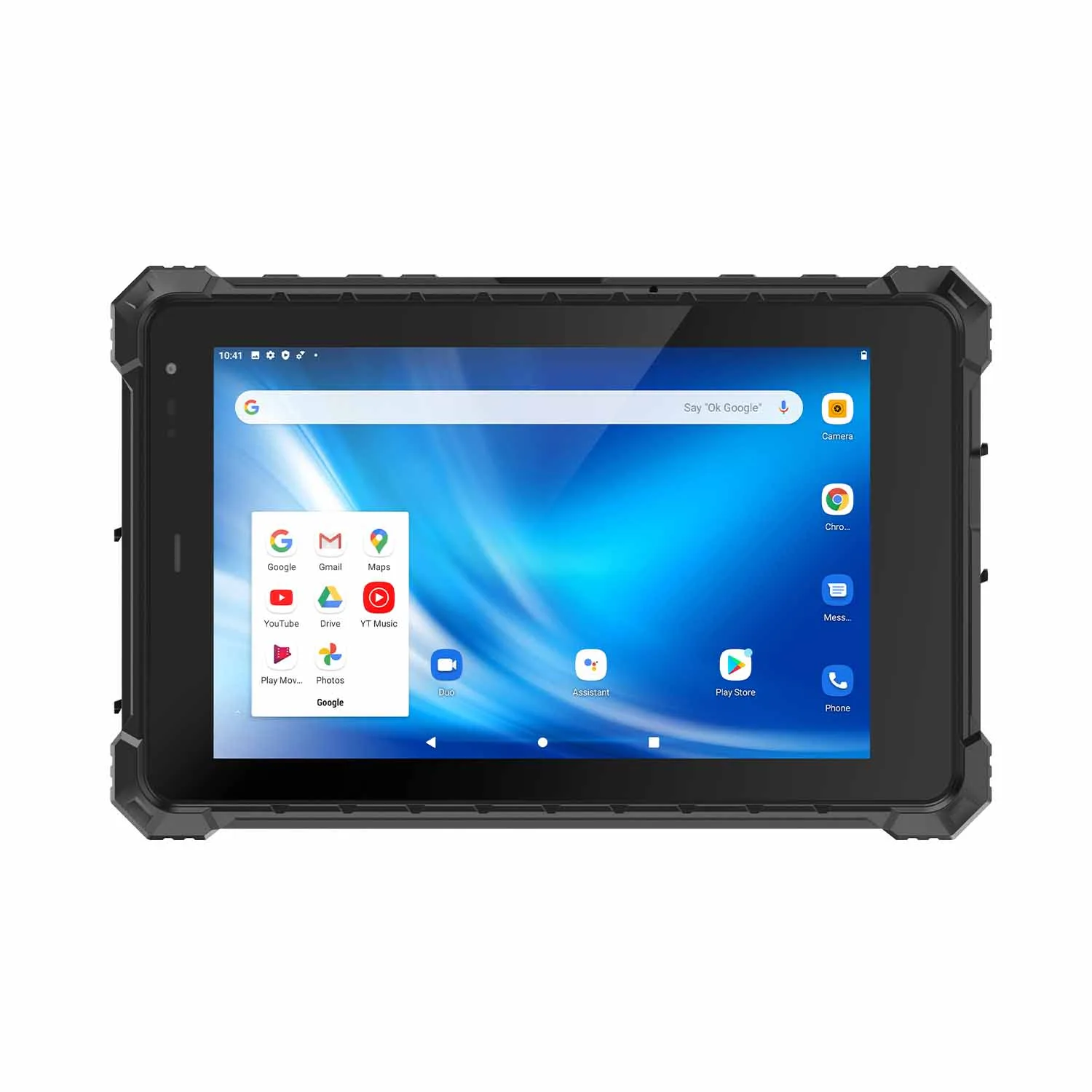
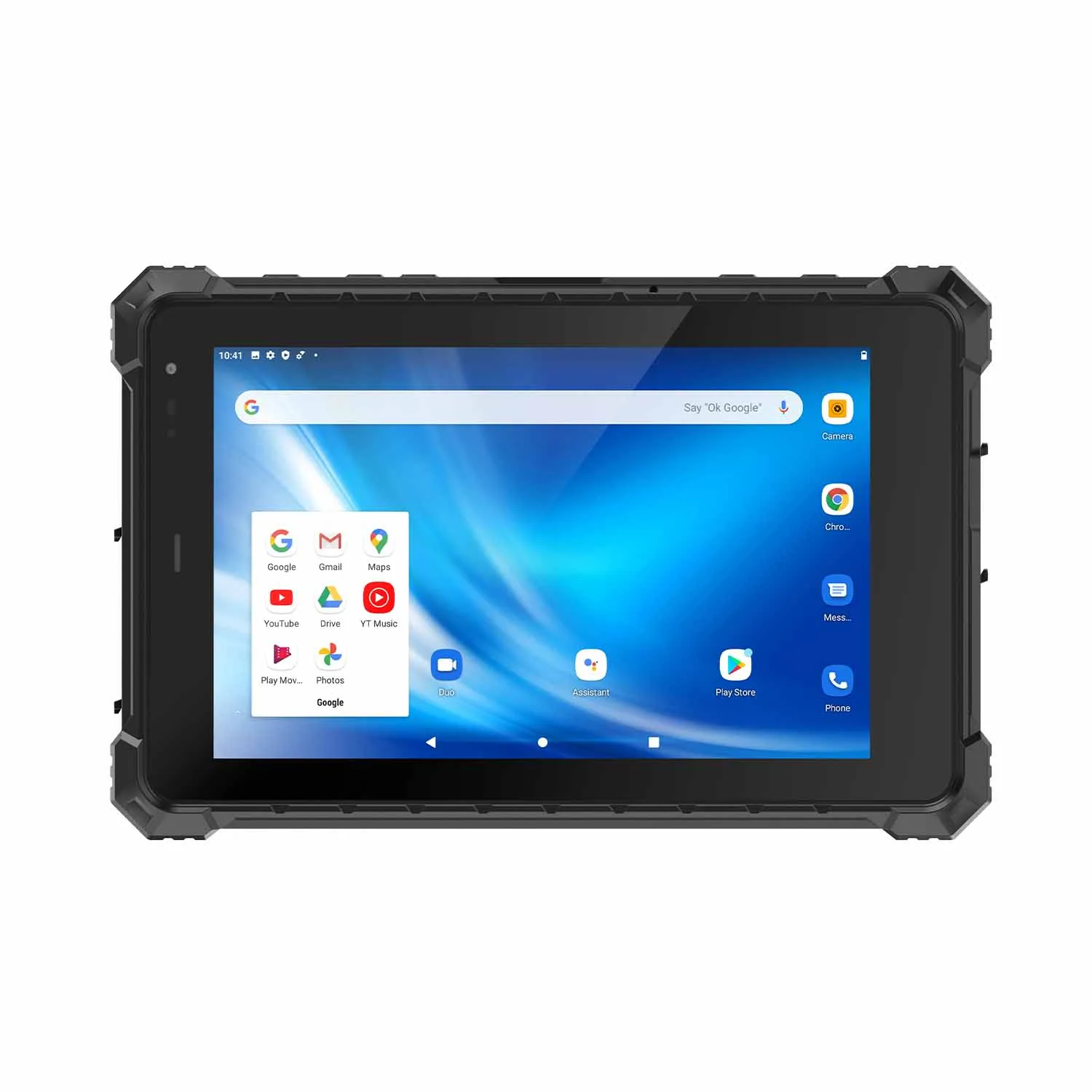
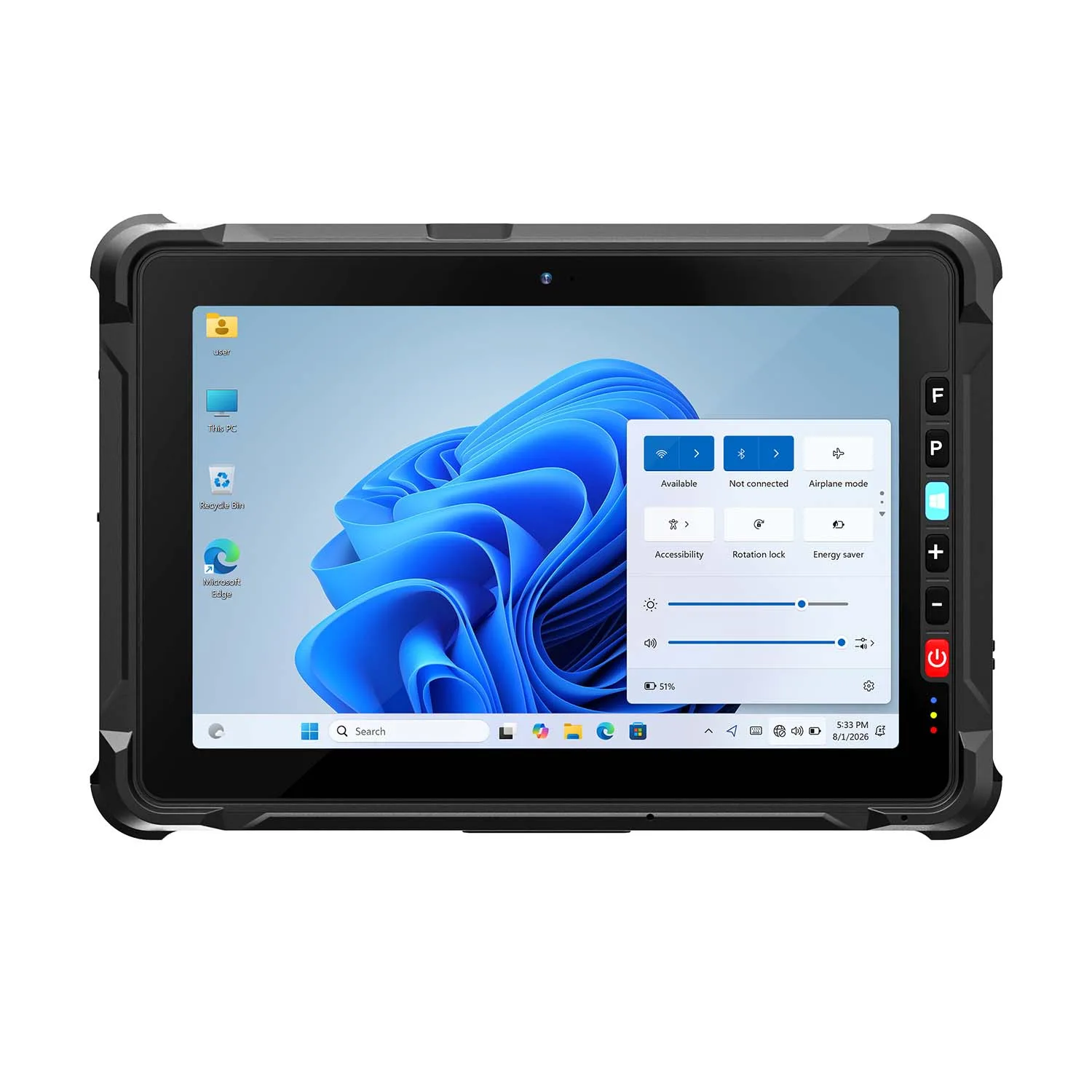
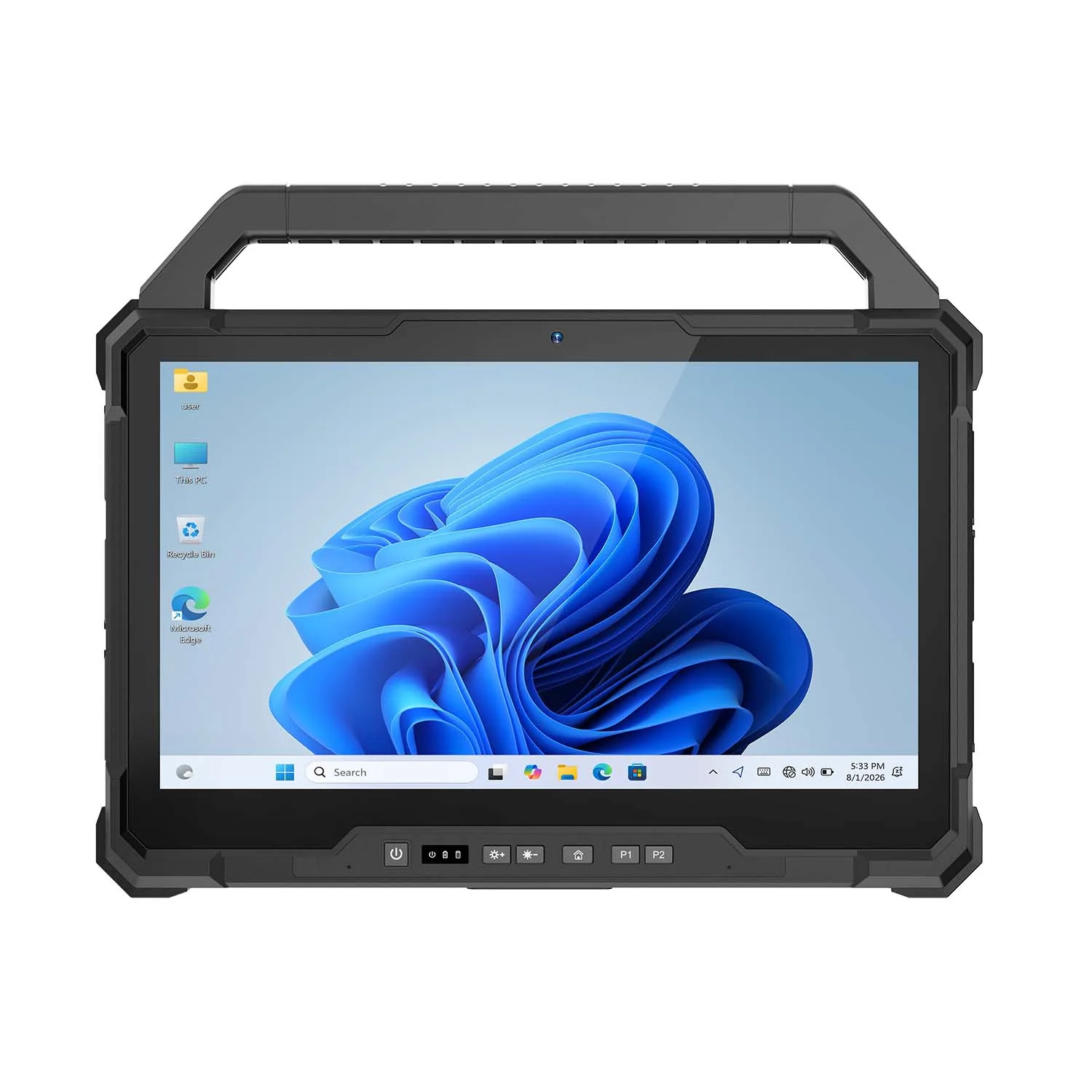
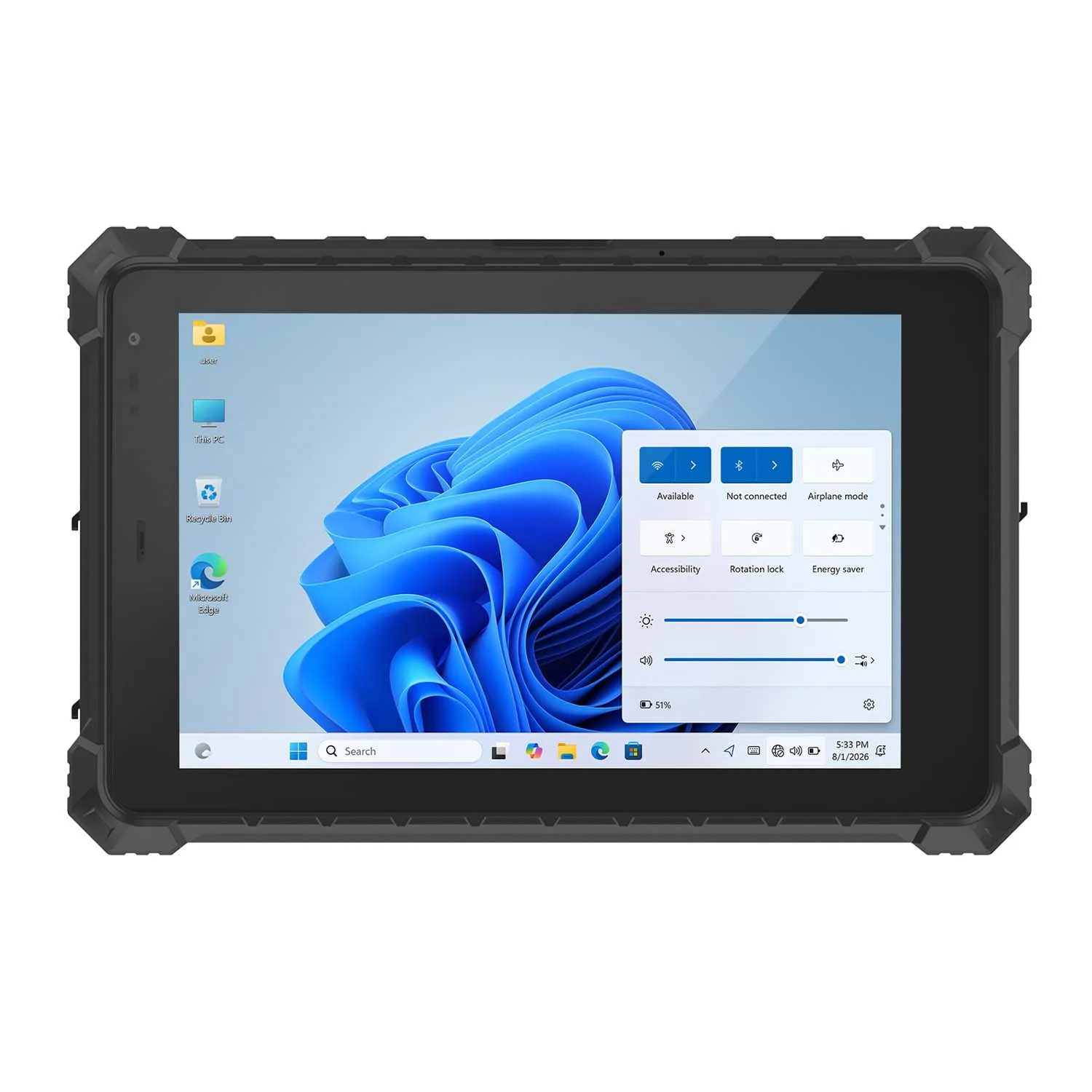
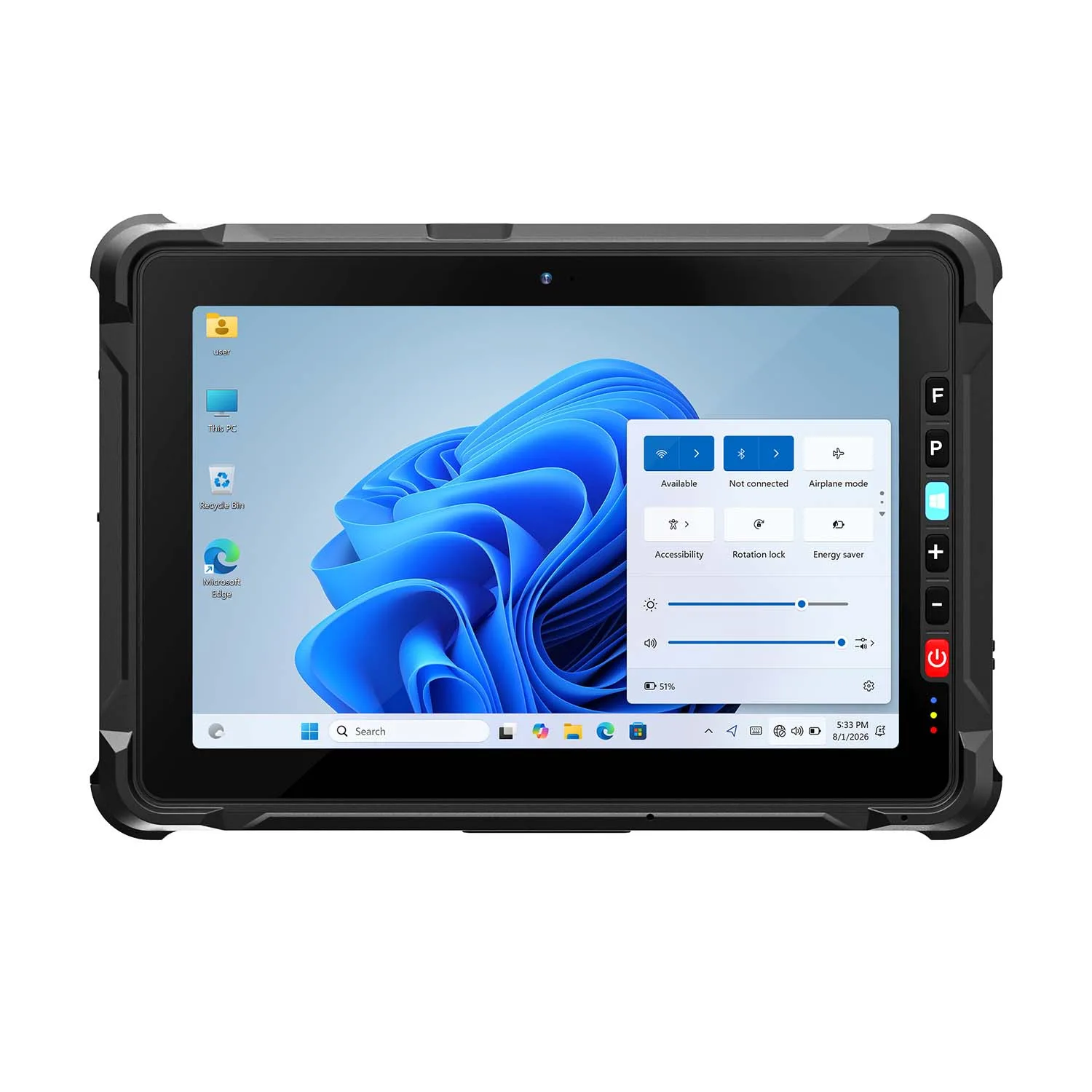
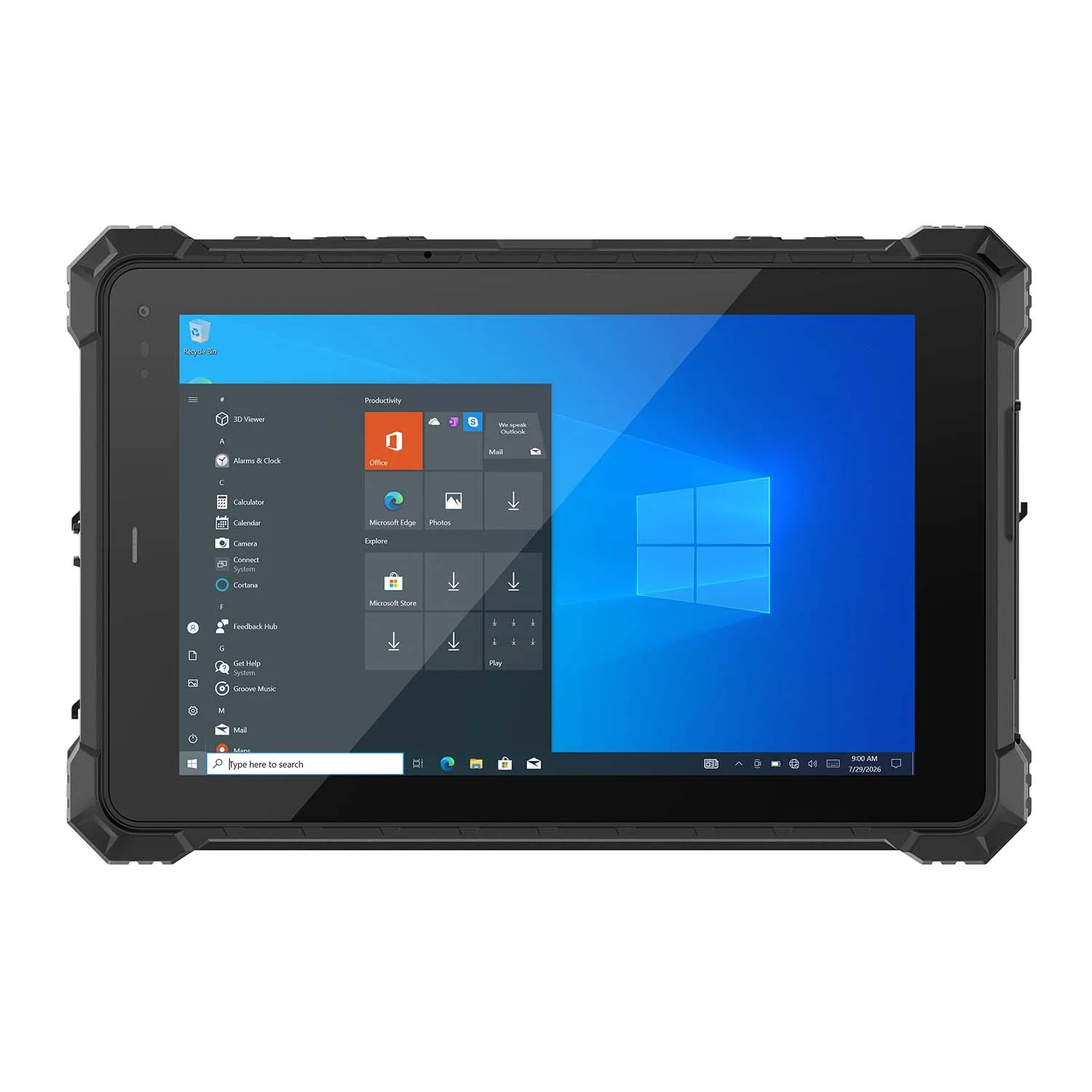
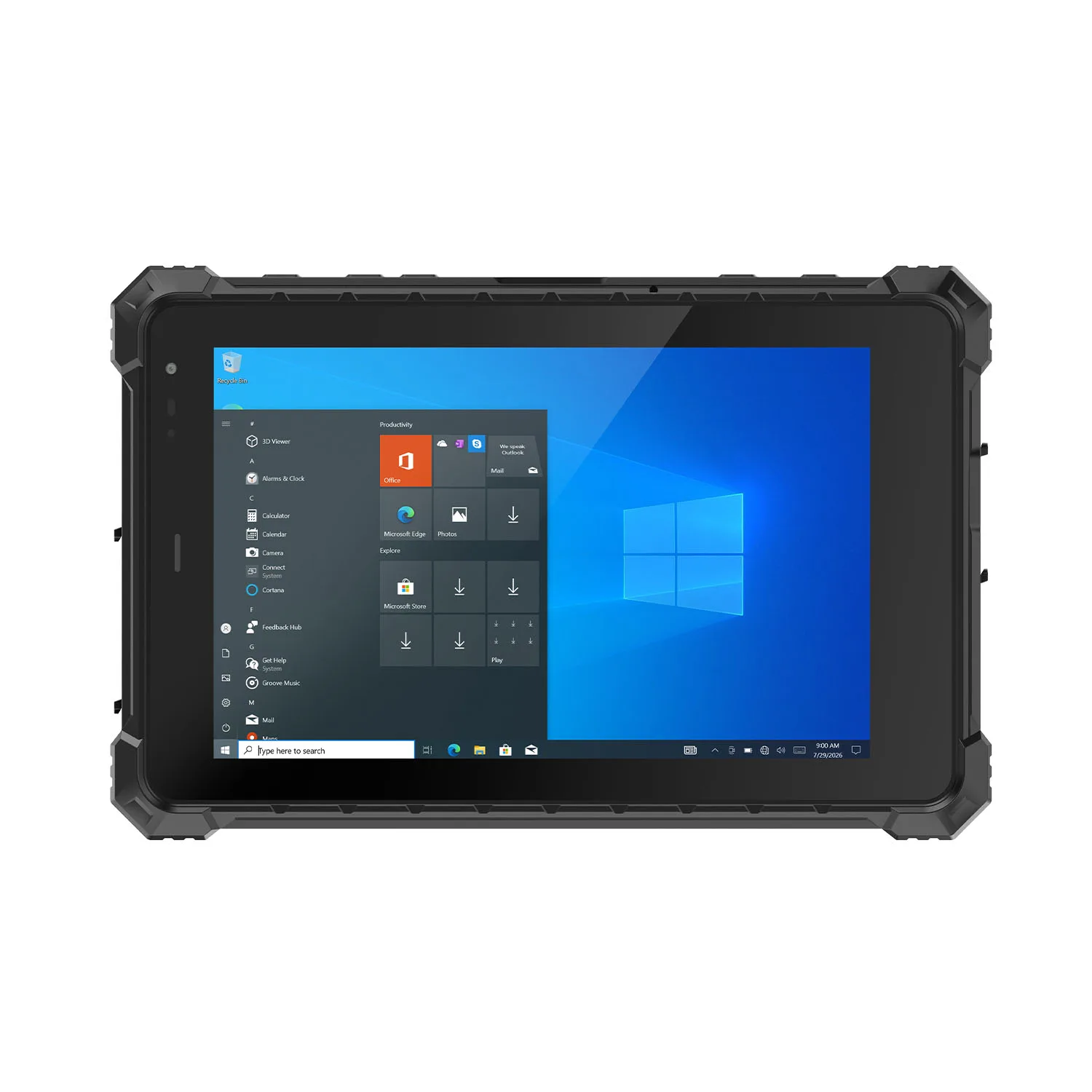
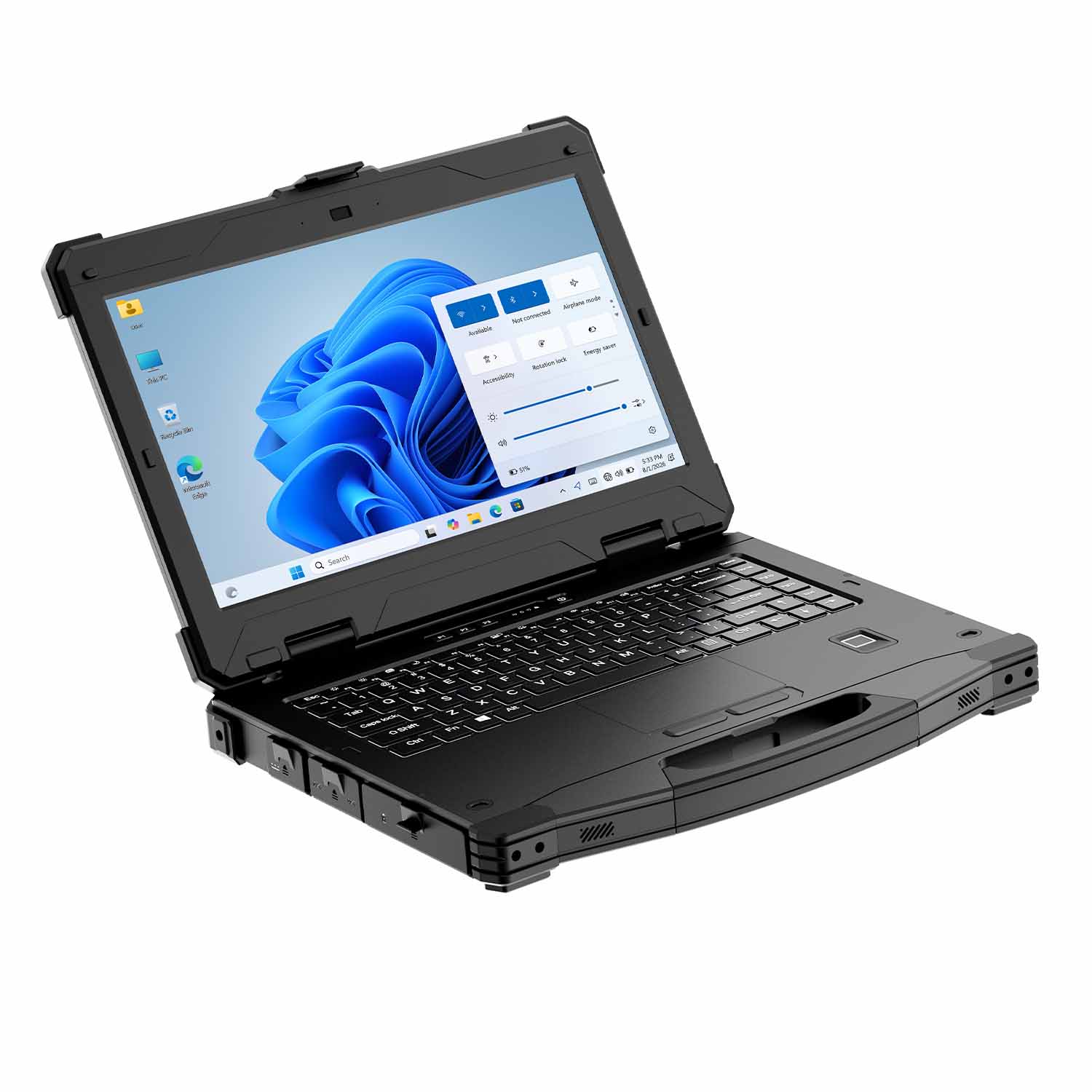
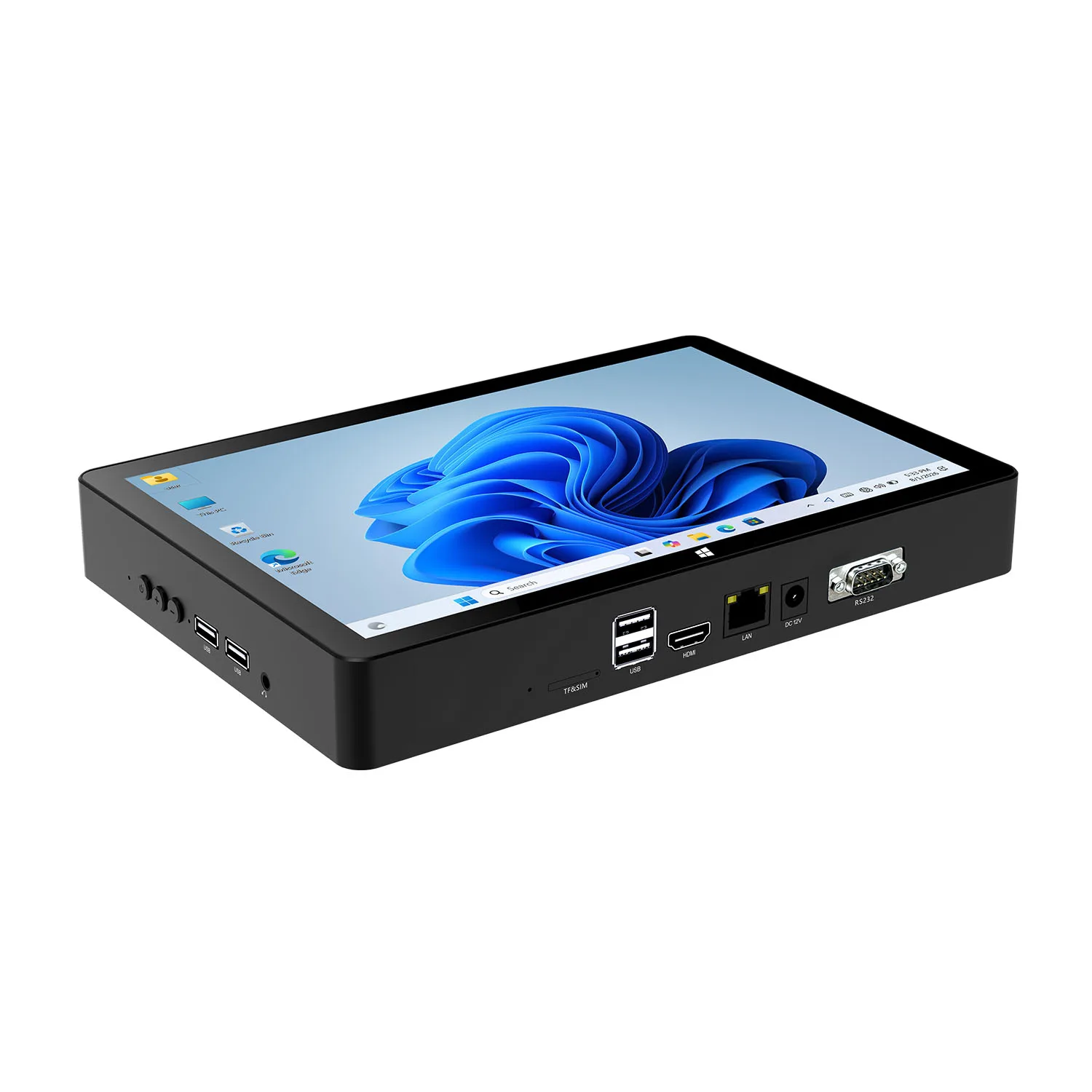
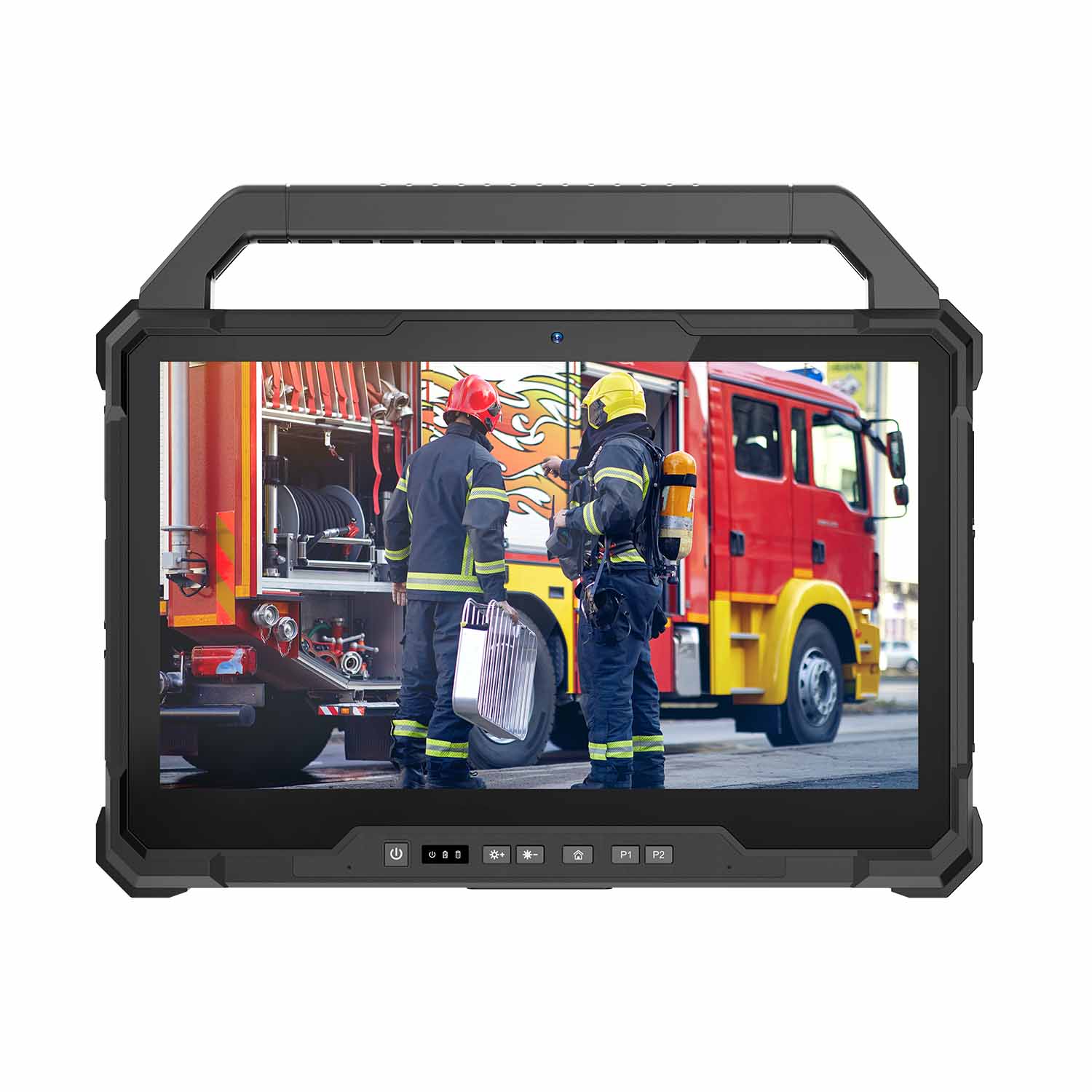
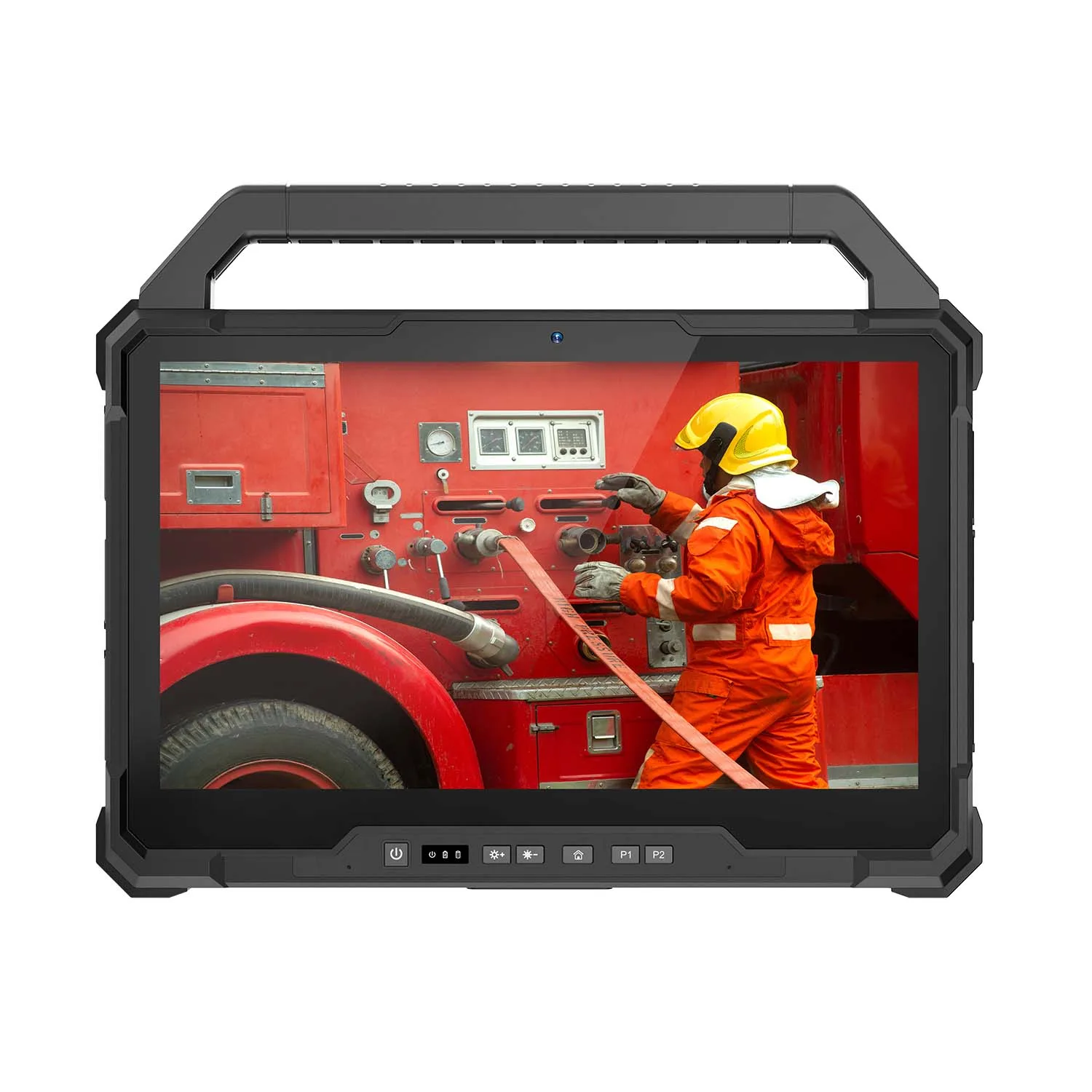
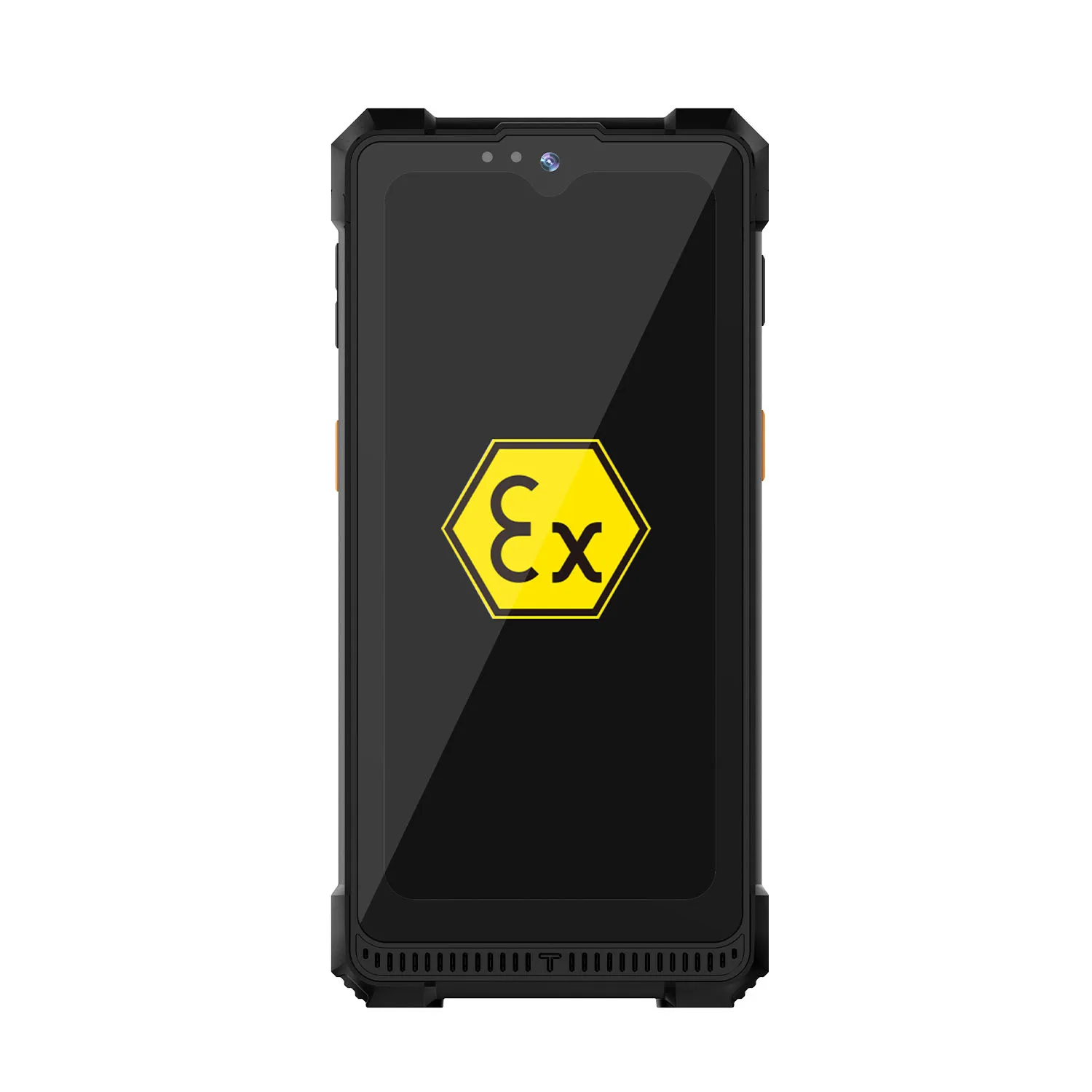
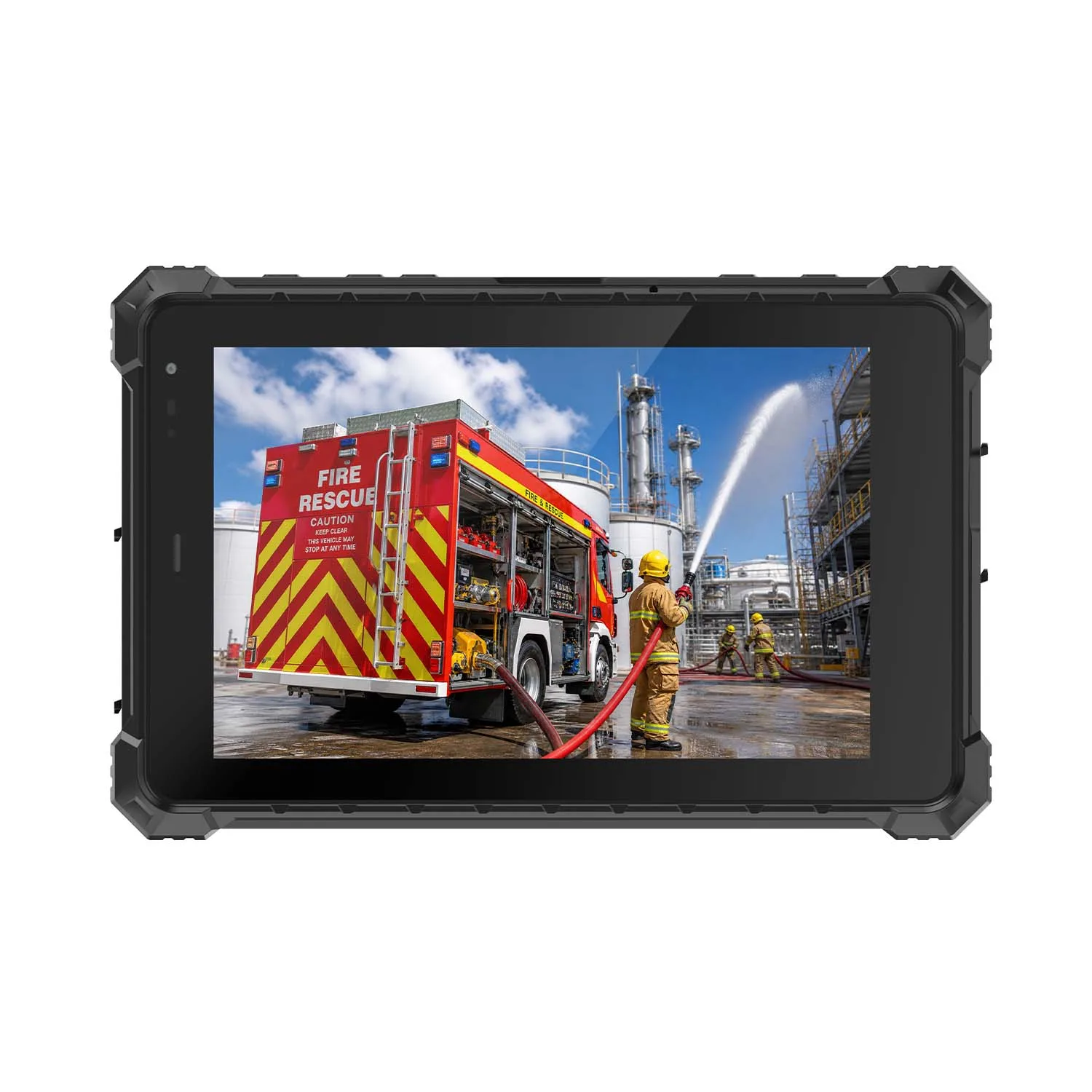






Why MIL-STD Certification Matters for Military Rugged Tablets?
What Are MIL-STD-810H and MIL-STD-461G?
MIL-STD-810H is a U.S. Department of Defense environmental testing standard used to validate equipment durability under extreme conditions. Its test methods simulate combat, harsh climates, and difficult terrain — covering high and low temperatures, temperature shock, humidity, rain, salt fog, vibration, and impact. A device that passes MIL-STD-810H is verified to keep operating reliably despite these conditions, not just to survive a single drop in a lab demo.MIL-STD-461G is the companion electromagnetic compatibility (EMC) standard, verifying that a device can withstand external electromagnetic interference and control its own emissions — the two directions of electromagnetic compatibility (EMC) that 461G actually tests — from radios, radar, other equipment, or the environment — without malfunctioning.Durability certification (810H) and electromagnetic compatibility certification (461G) test completely different failure modes — a tablet can pass drop and vibration tests and still glitch or lose signal integrity near active radio equipment if it isn't also 461G compliant.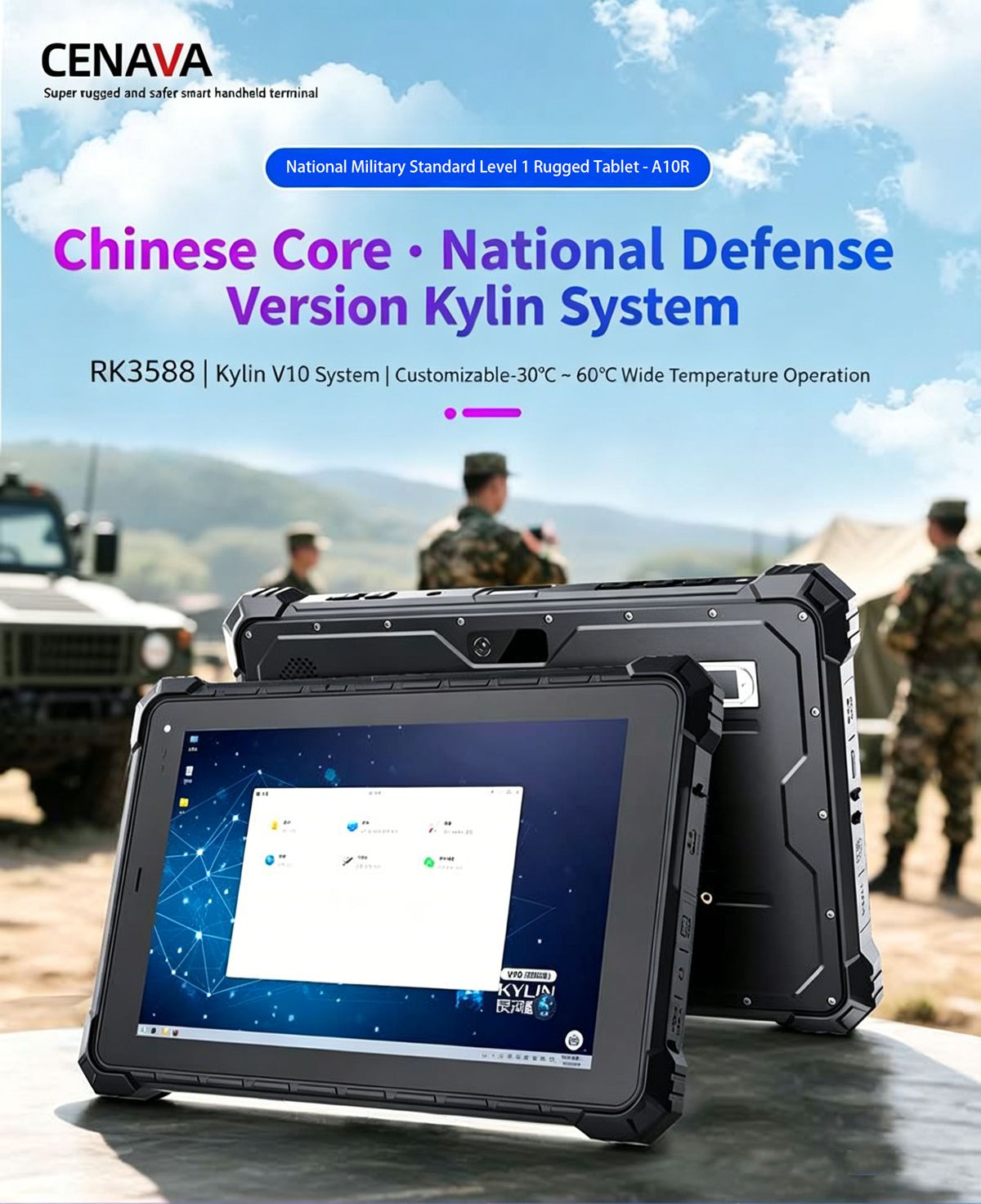
Rugged Tablet Certifications, Side by Side
Buyers researching rugged tablets often encounter several certifications that sound similar but test entirely different things. Here's how they compare:| Certification | What It Tests | Not To Be Confused With |
|---|---|---|
| MIL-STD-810H | Physical durability: shock, vibration, temperature, humidity, salt fog, drops | IP ratings (which test dust/water ingress specifically, not general ruggedness) |
| MIL-STD-461G | Electromagnetic compatibility (EMI/EMR resistance) | MIL-STD-810H (durability) — a device can meet one without the other |
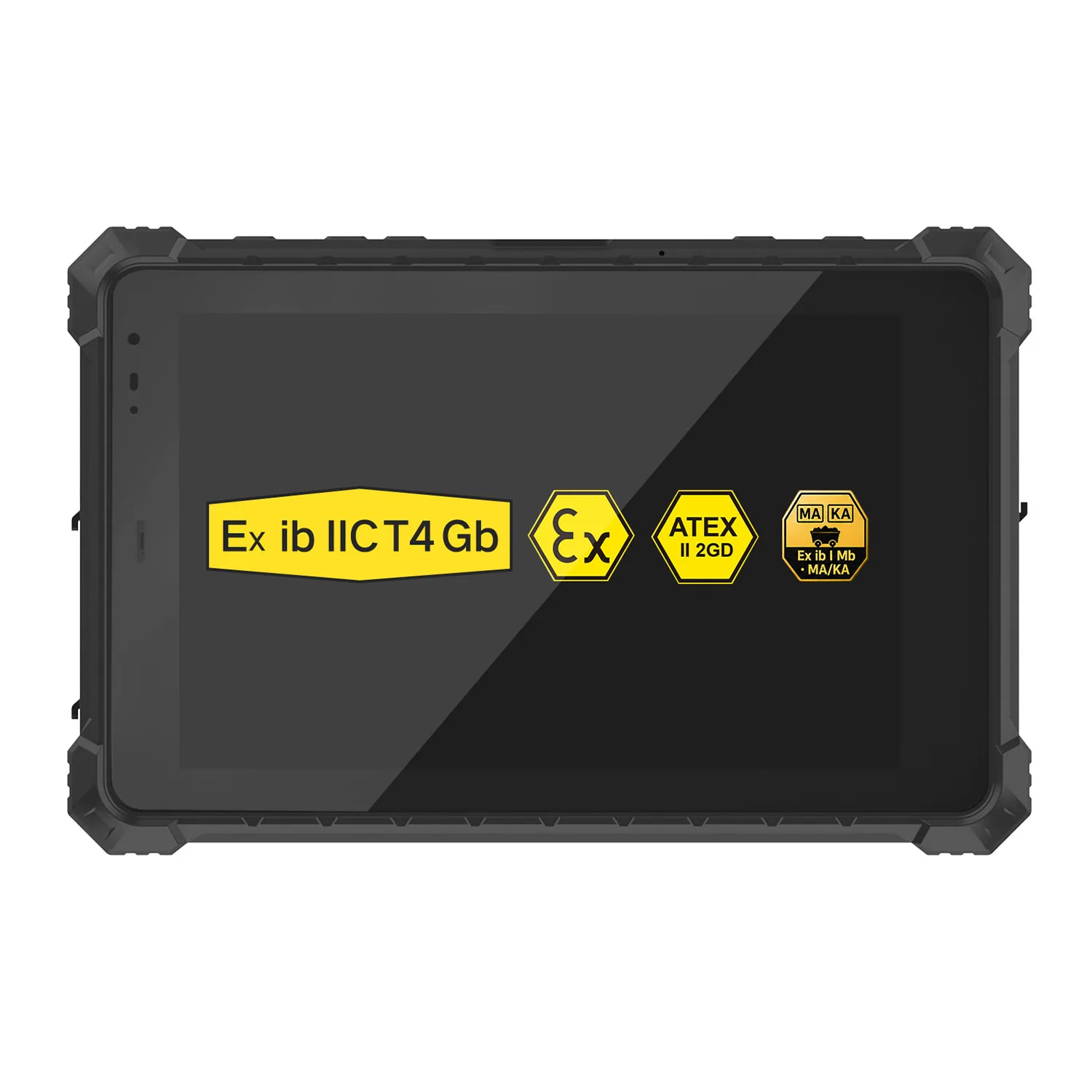
| IP65/67/68 | Dust and water ingress protection | Explosion-proof certification (ATEX/IECEx) — IP rating alone doesn't clear a device for hazardous atmospheres |
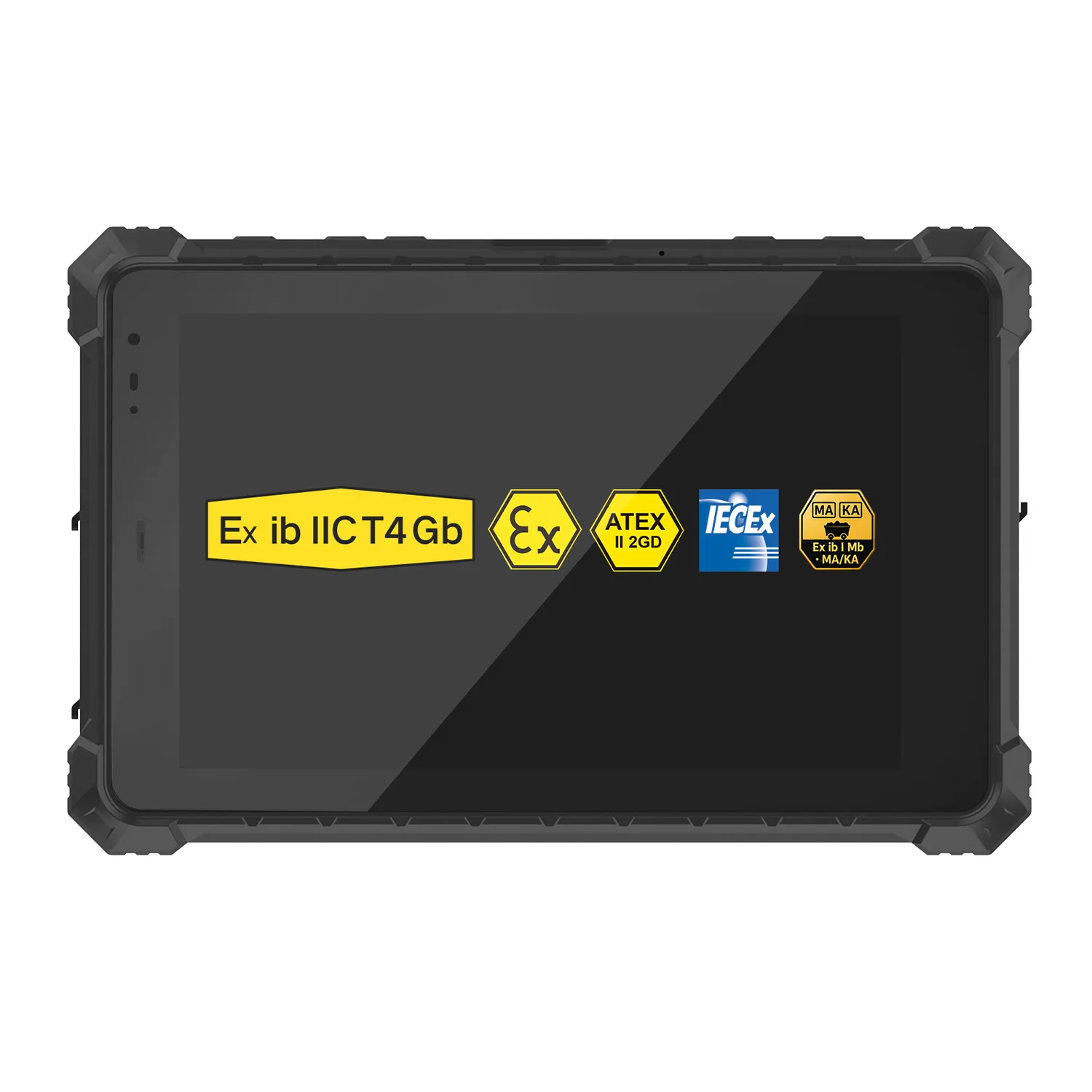
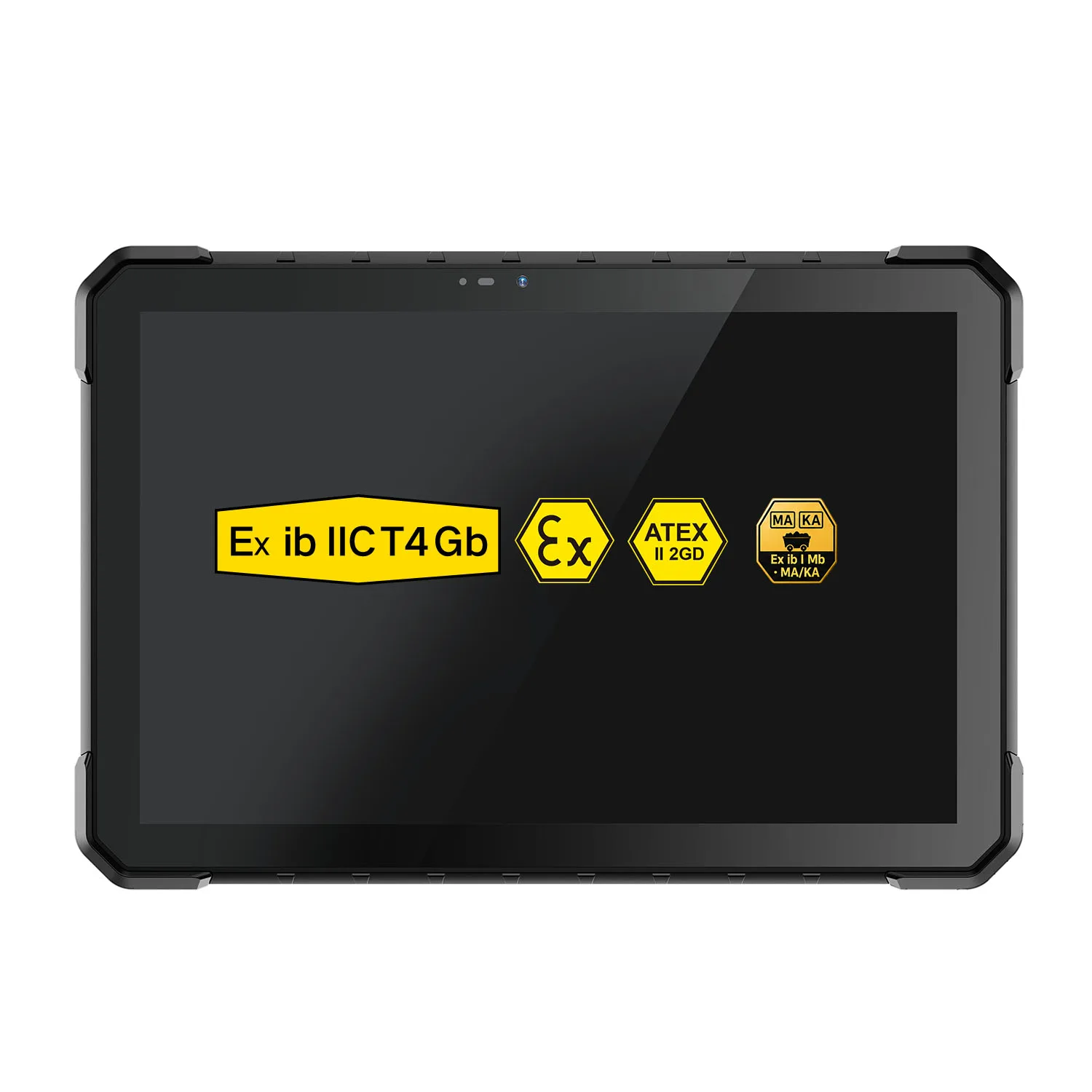
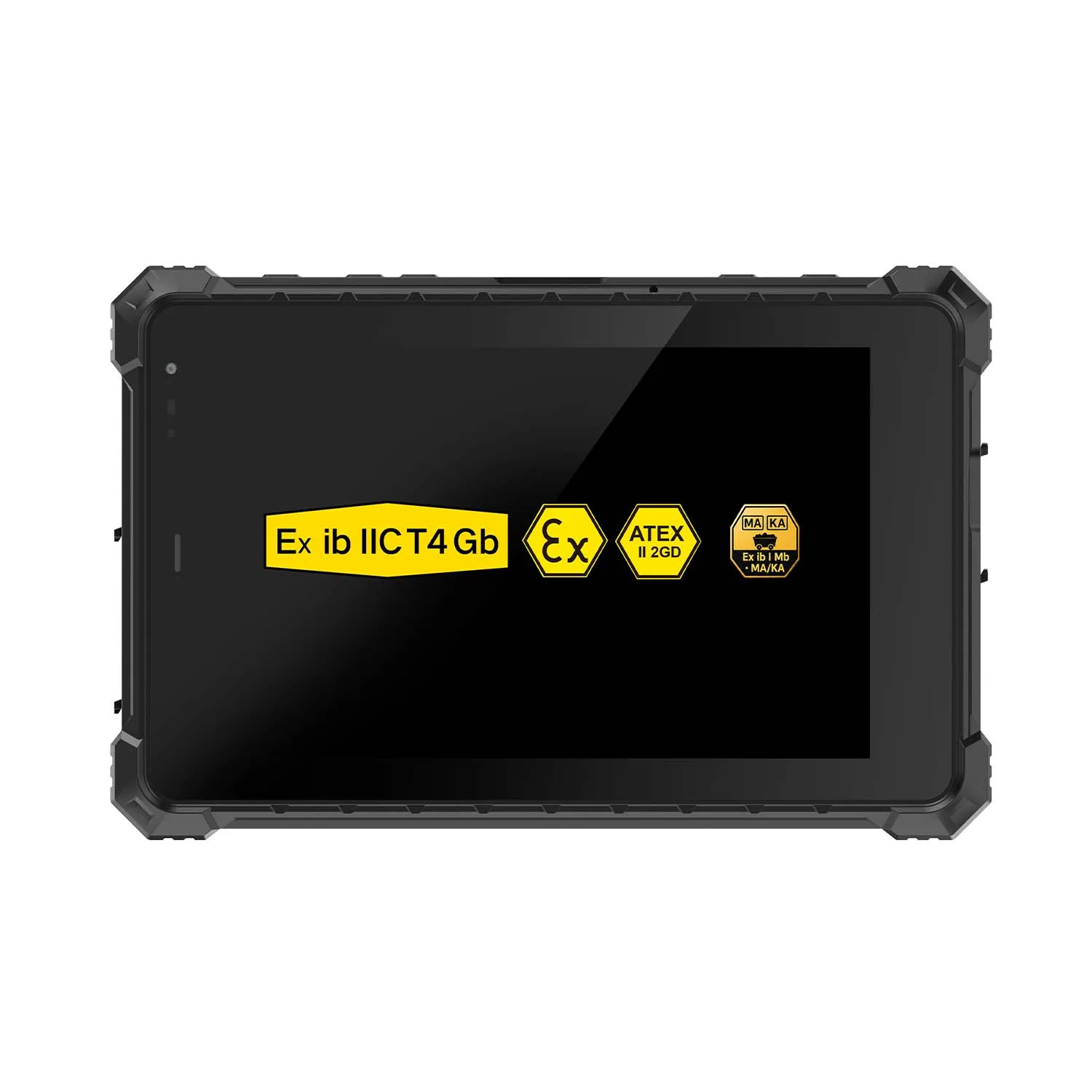
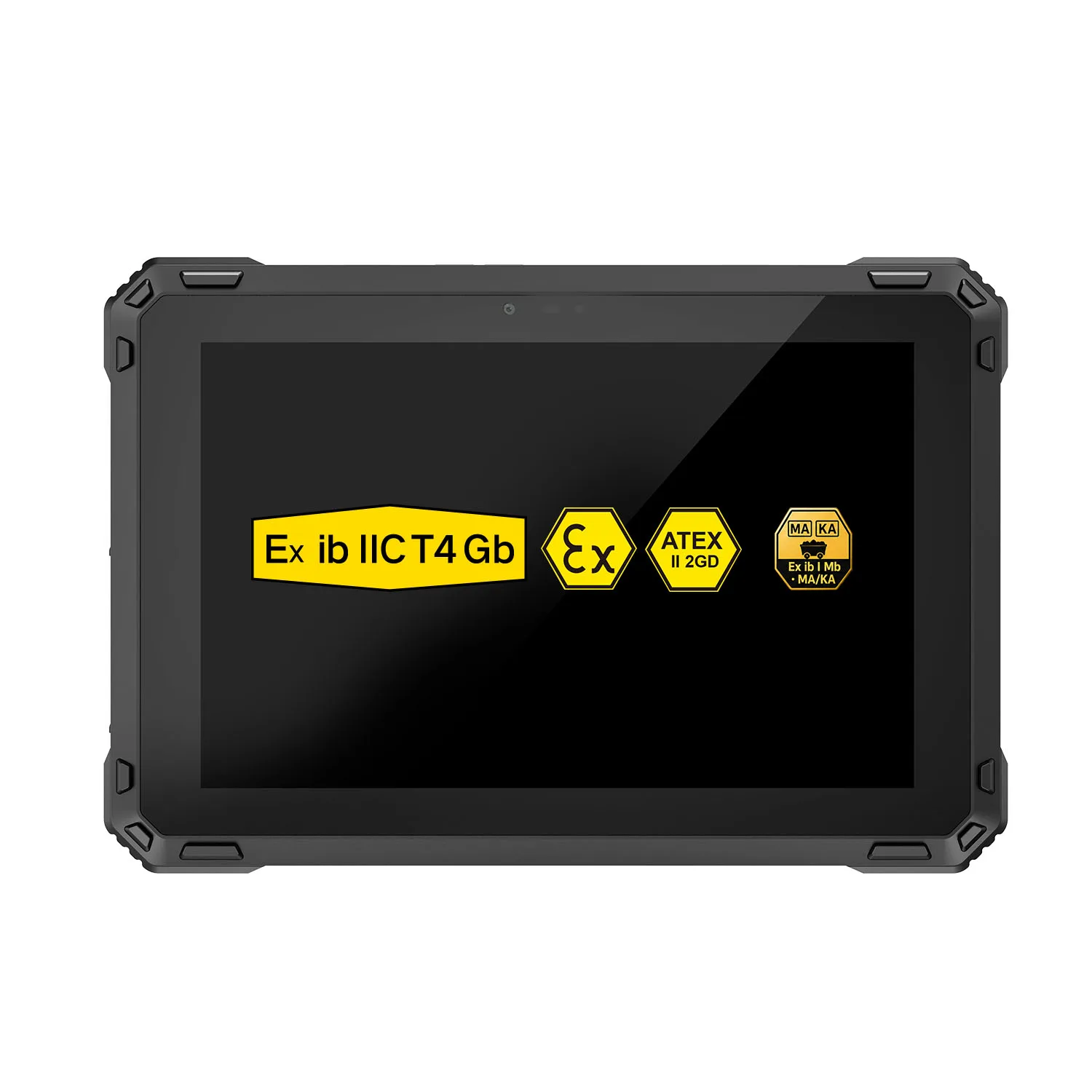
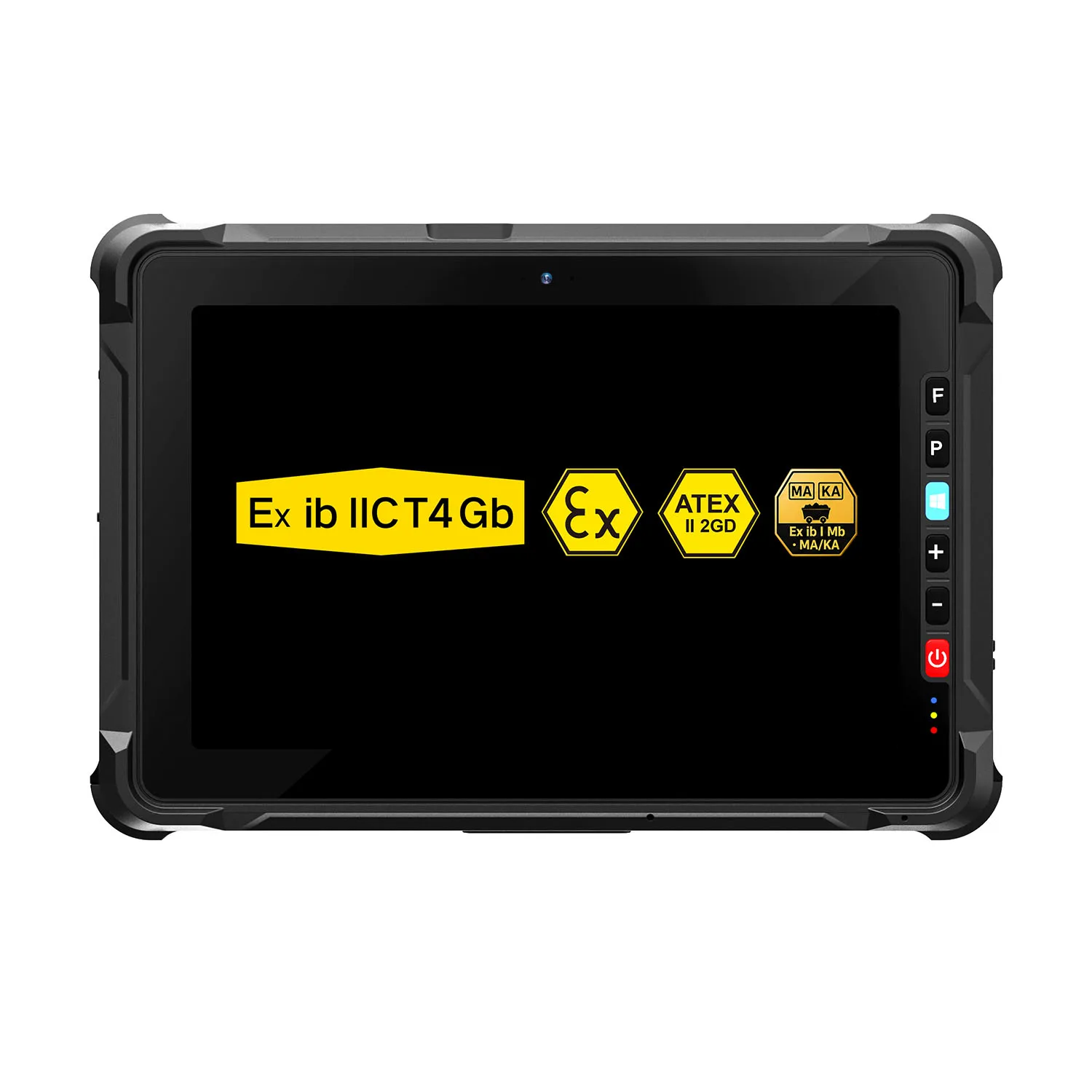
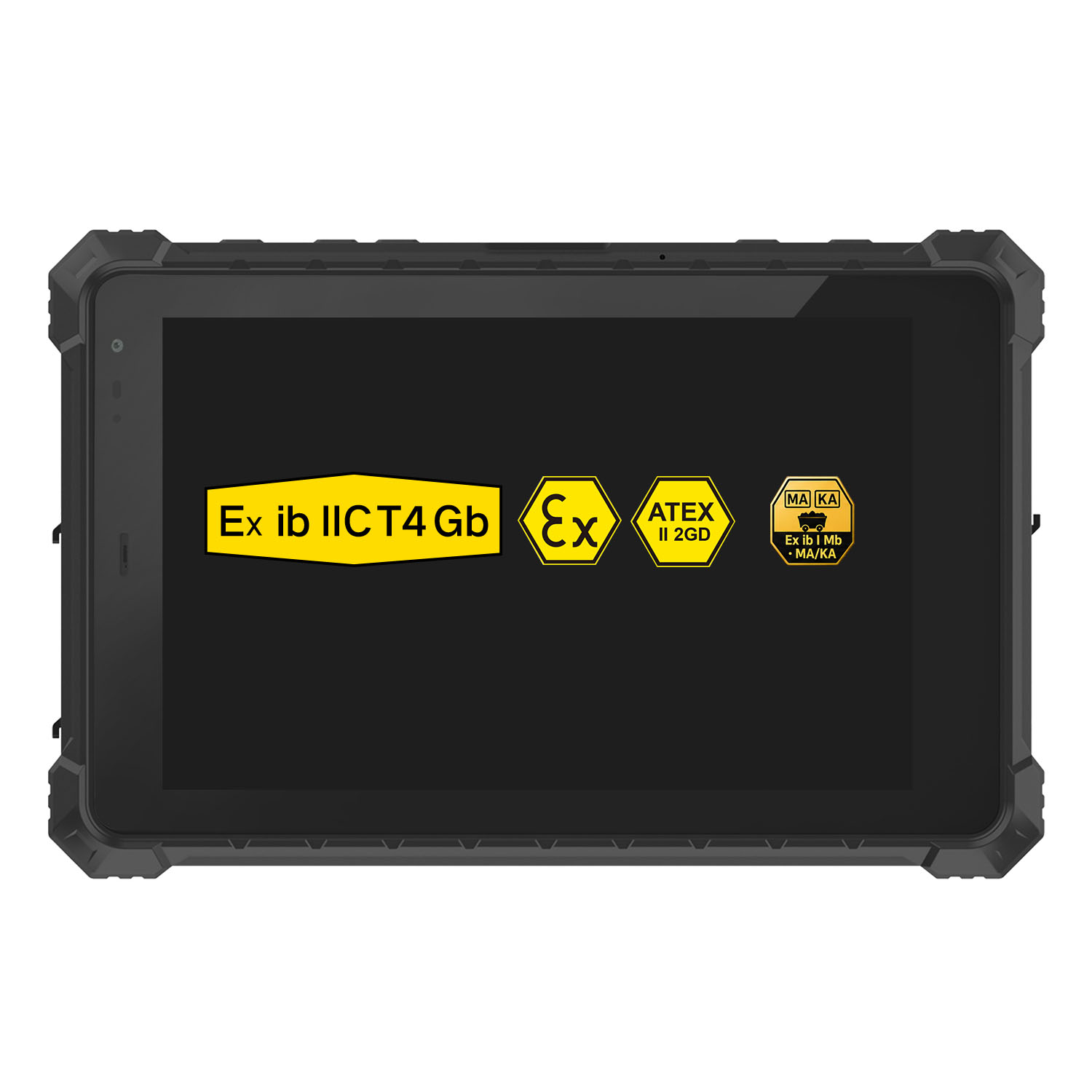
| ATEX / IECEx | Safe operation in explosive/flammable atmospheres | General ruggedness — an explosion-proof device isn't automatically MIL-STD tested, and vice versa |
| GJB | China's national military equipment standard | MIL-STD (US standard) — GJB and MIL-STD are separate national systems, not interchangeable |
Core Features of a MIL-STD Certified Rugged Tablet
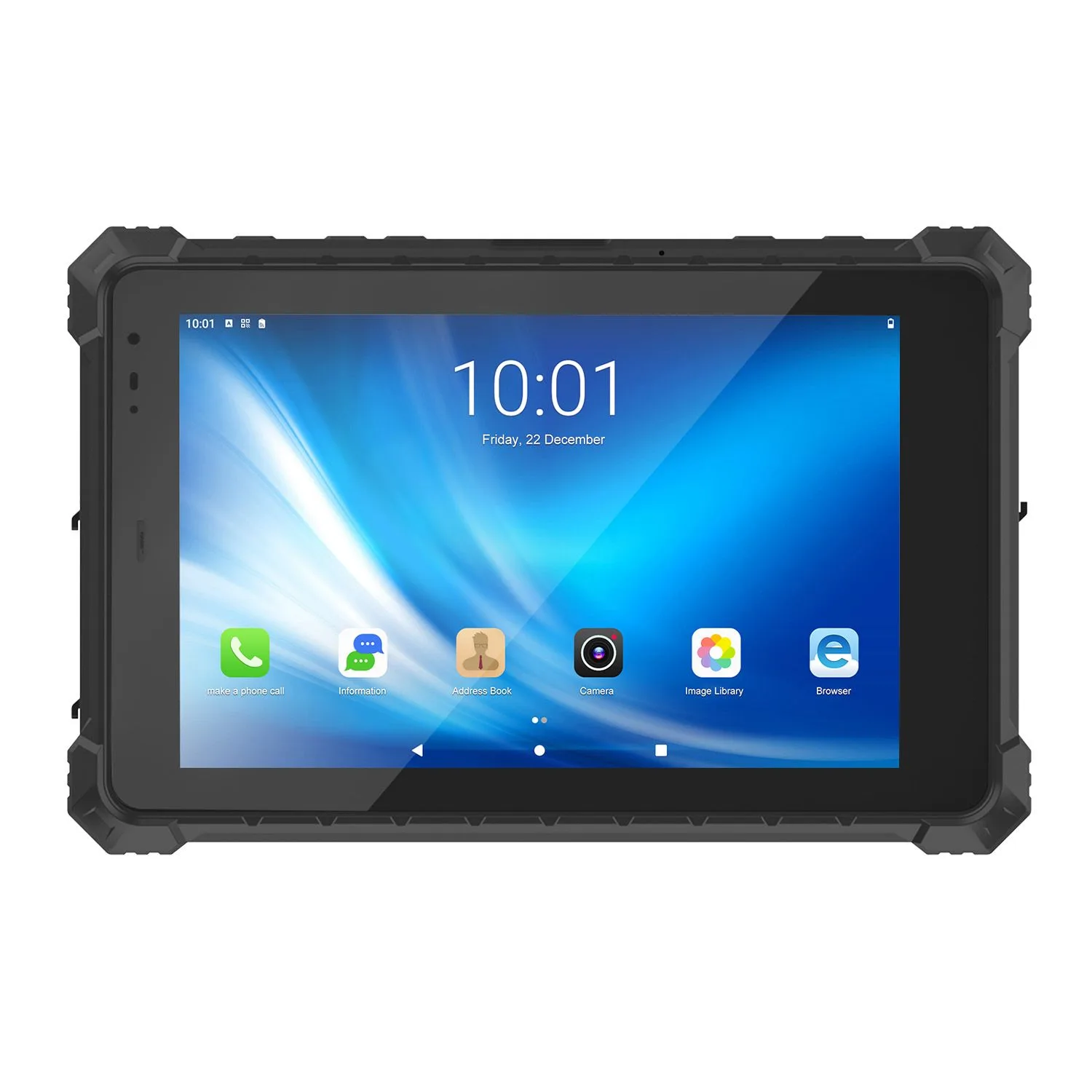
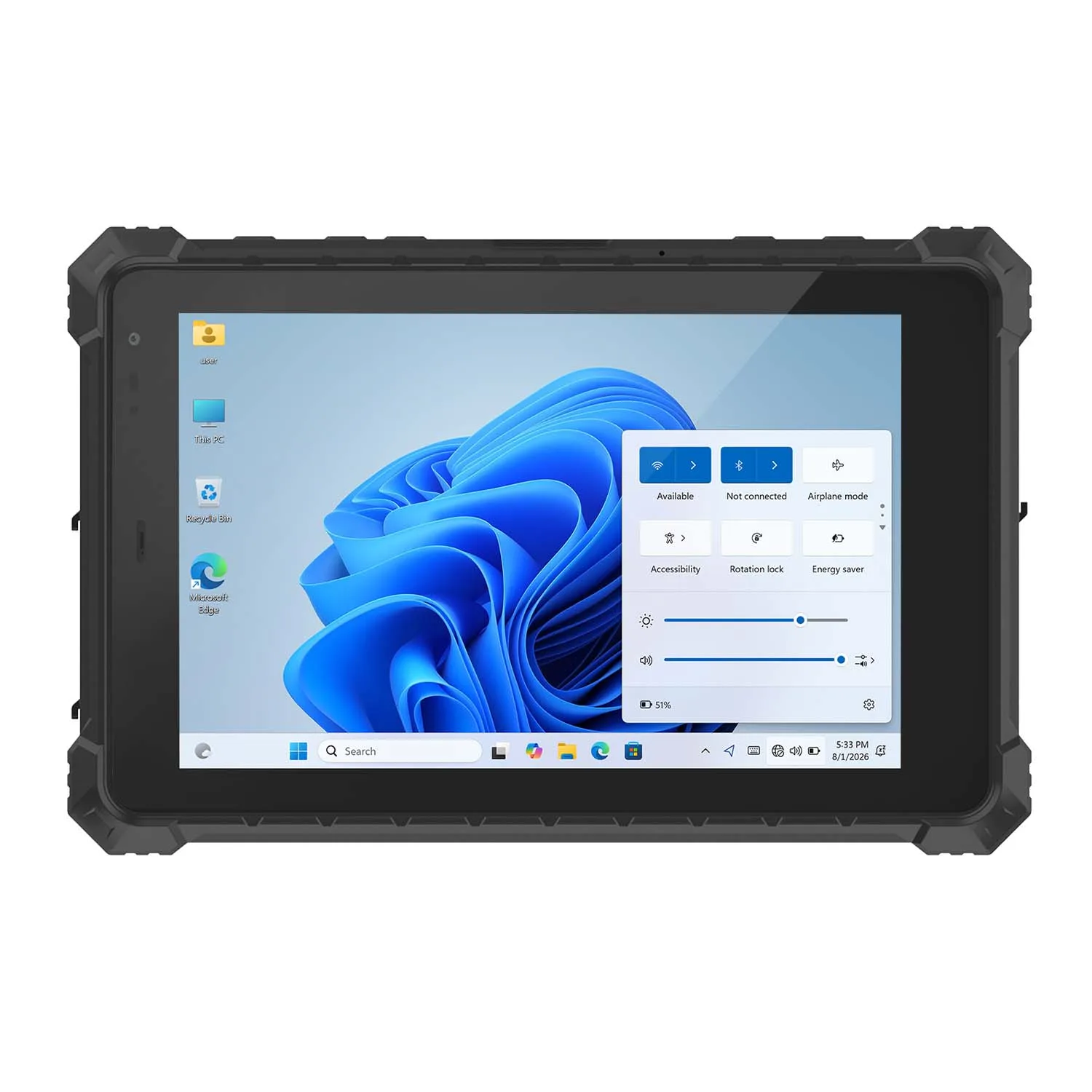
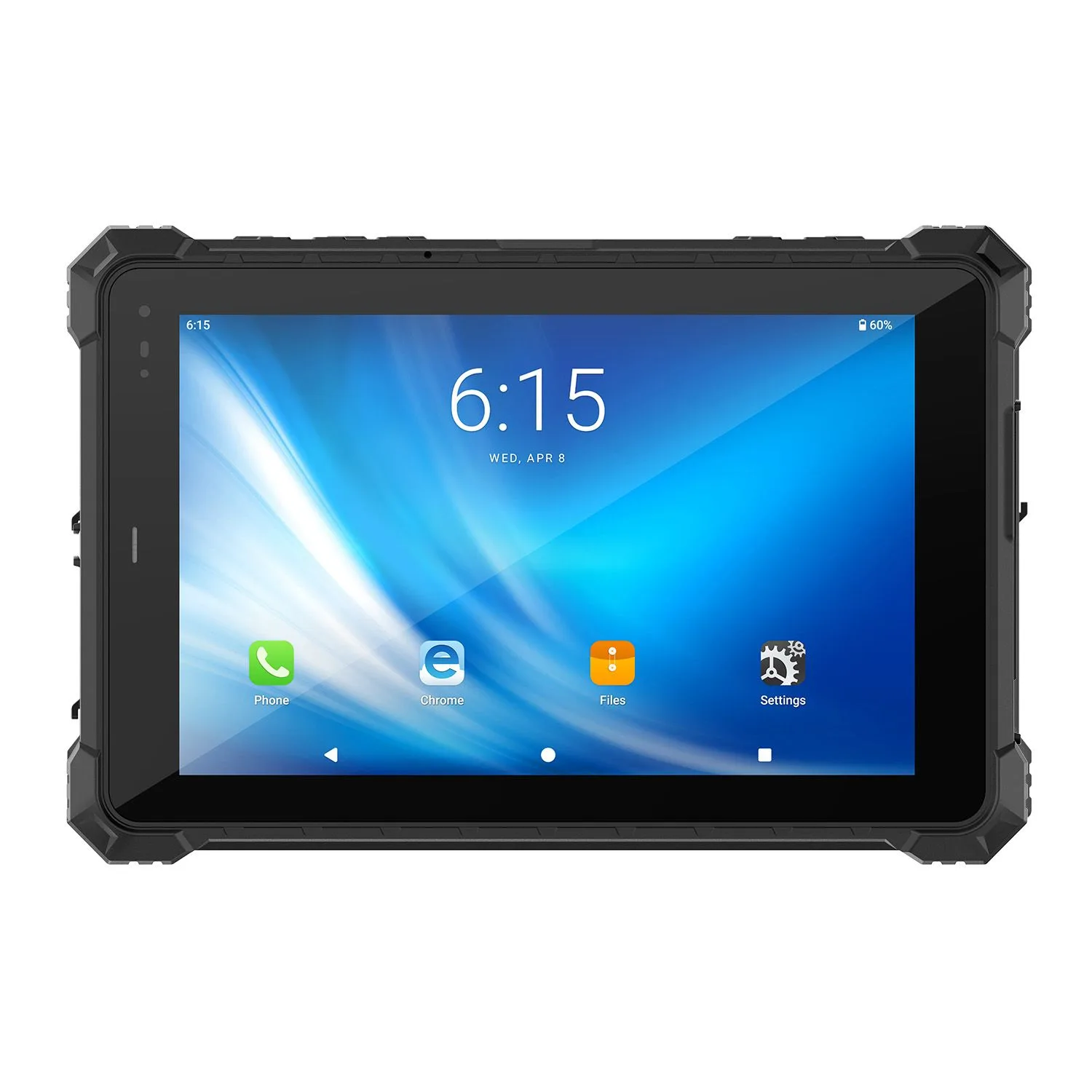
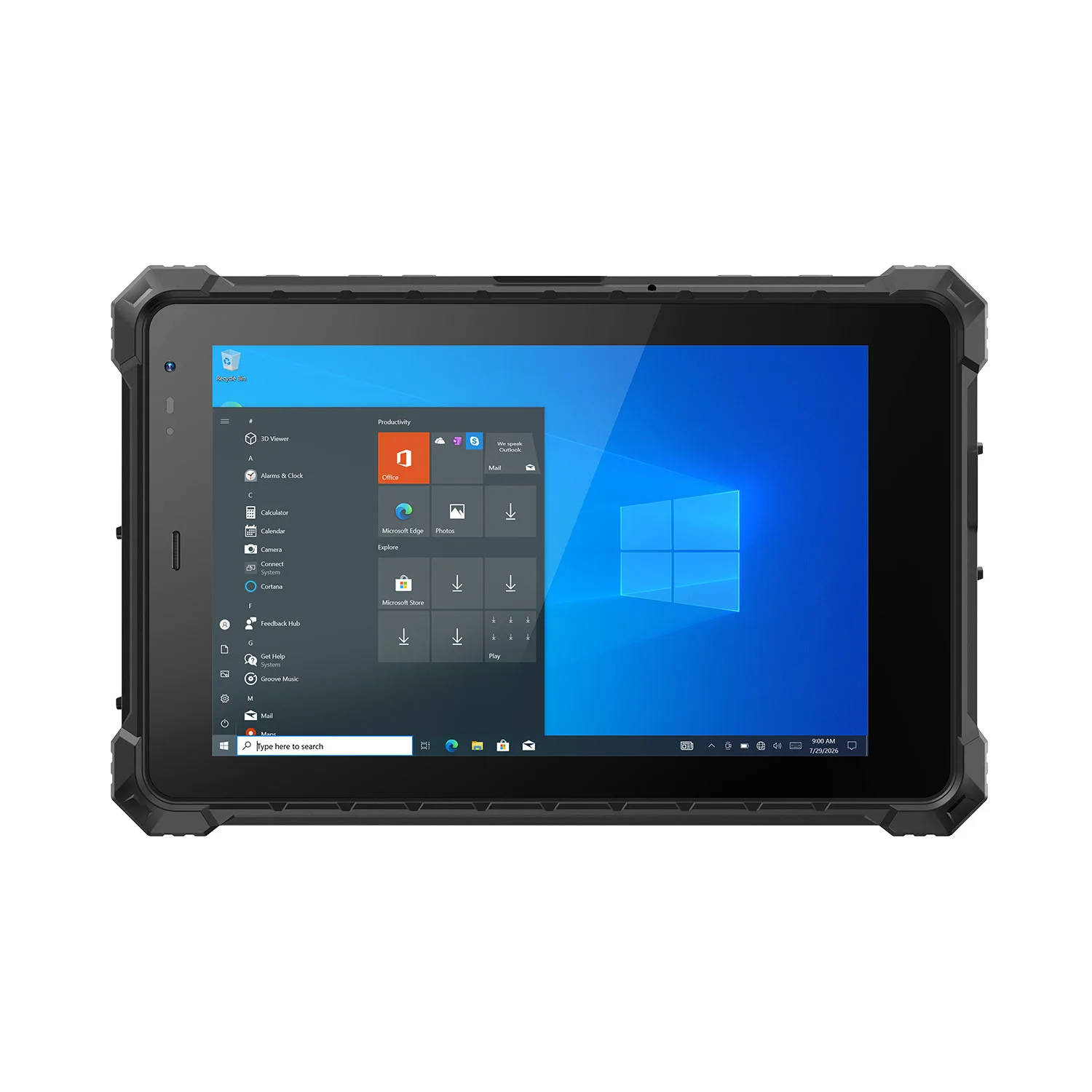
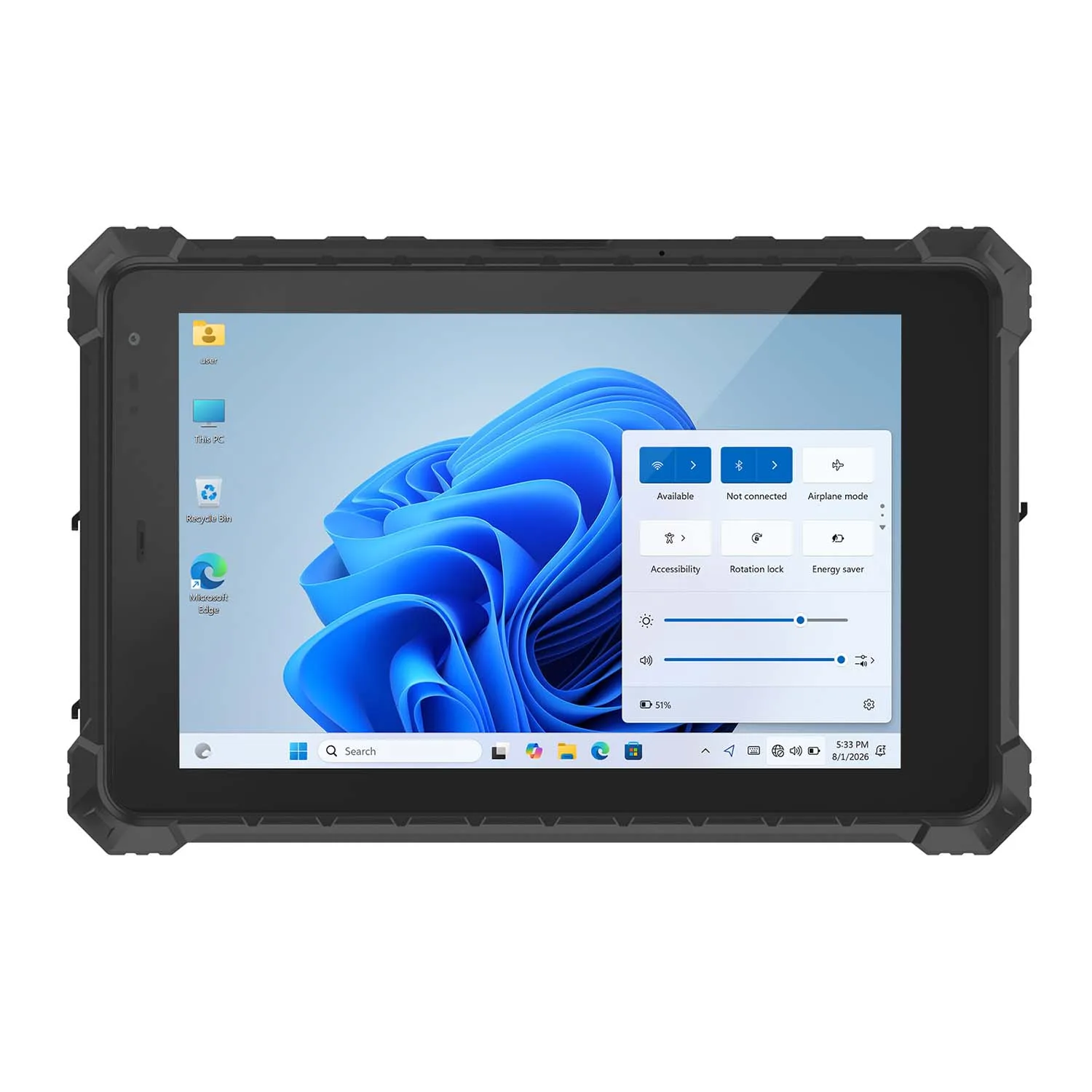
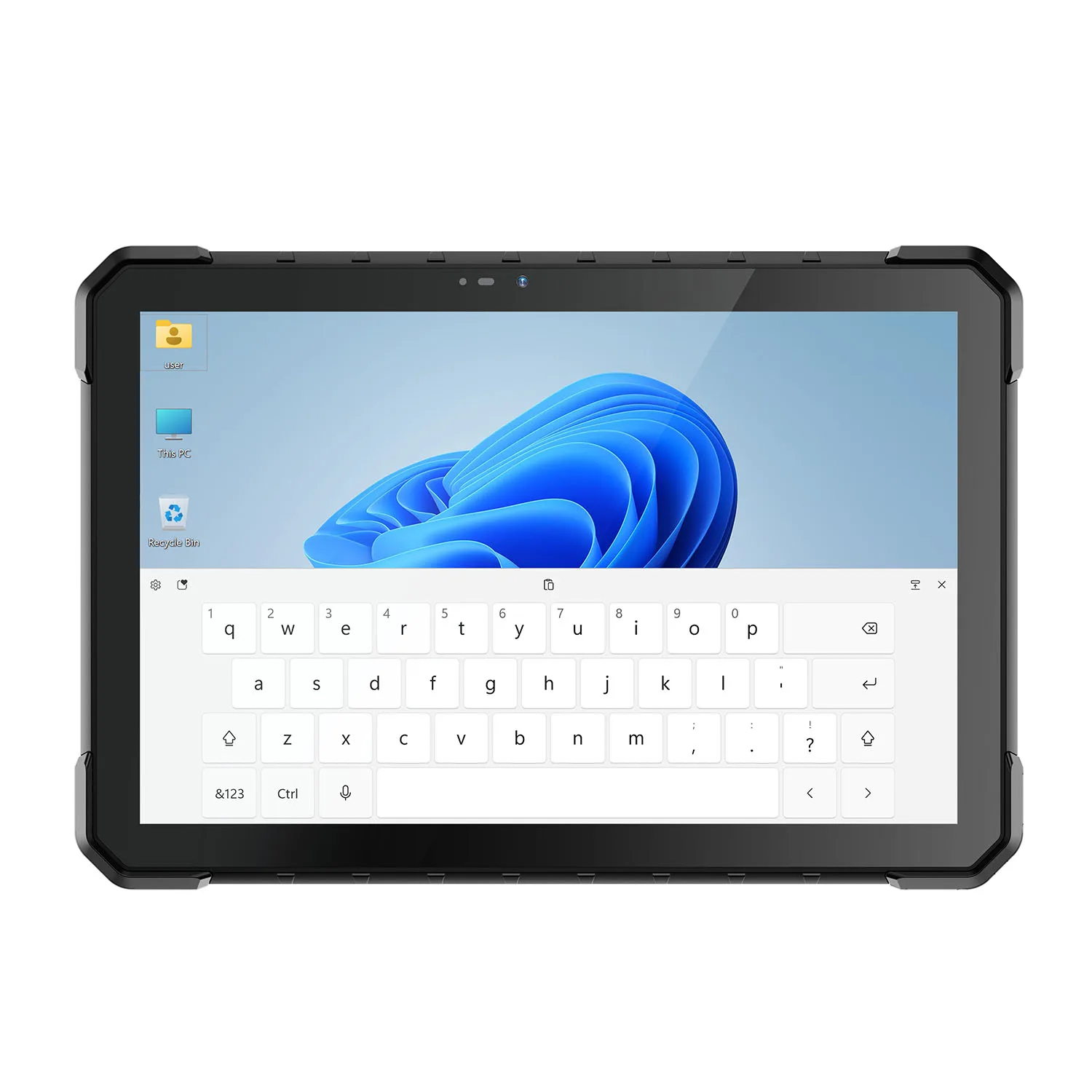
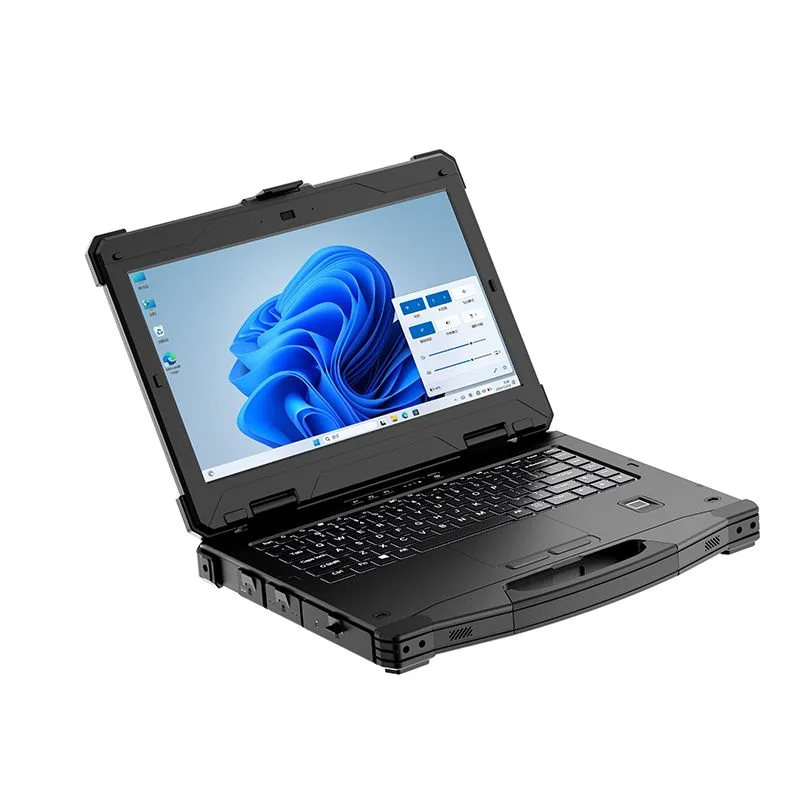
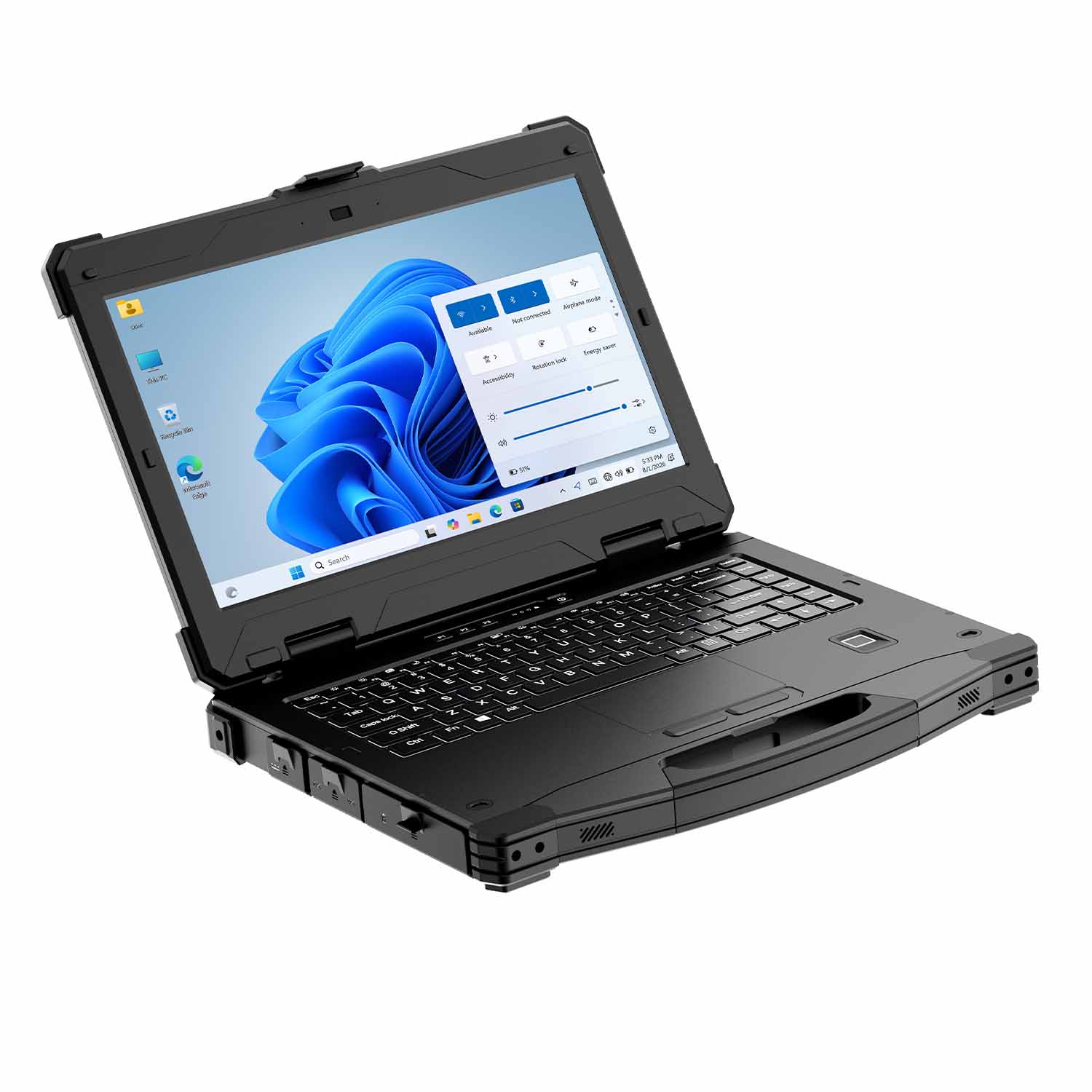
Exceptional durability — built to withstand repeated drops, shocks, and intense vibration without losing function.
High ingress protection — many MIL-STD rugged tablets also carry an IP rating; for example, submersion resistance to 1 m for 30 minutes is common, though the exact figure varies by model.
Wide temperature range — reliable operation from sub-zero climates to desert heat (commonly cited around -20°C to 60°C, though this varies by model — always confirm on the specific datasheet).
Long battery life — high-capacity batteries built for continuous operation where external power isn't reliably available.
Electromagnetic compatibility — MIL-STD-461G compliance shields the device from EMI in radio-dense or industrial environments.
High performance — powerful processors and high-resolution displays for complex data processing even in the field.
Why Military and Industrial Environments Need MIL-STD Rugged Tablets
Improving mission success rate — in combat zones or hazardous sites, equipment reliability directly affects mission outcomes; consumer-grade devices are far more likely to fail under the same conditions.
Reducing maintenance and replacement costs — the math buyers actually run: a consumer tablet in a field-service fleet typically lasts 12–18 months before screen or port failure; a MIL-STD-tested unit runs 3–4 years. Even at 2–3× the unit price, the per-year cost is lower before you count a single lost workday.
Protecting data security — rugged devices typically include stronger tamper-resistant and anti-vandalism features, protecting sensitive information even in hostile conditions.
How to Choose the Right MIL-STD Rugged Tablet
Match the certification to your environment — MIL-STD-810H covers most military and industrial conditions; marine deployments should additionally confirm salt-fog resistance, and electromagnetically sensitive operations should prioritize MIL-STD-461G compliance.
Size the processing power to your workload — real-time data processing and complex software need a capable processor and sufficient RAM.
Prioritize battery life where charging access is unreliable.
Choose the right display — high-brightness, anti-reflective screens for outdoor sunlight readability, with accurate touch response for field use.
Layer in additional certifications as needed — explosion-proof (ATEX/IECEx), China's GJB military standard, or other specialized certifications depending on the operational environment.
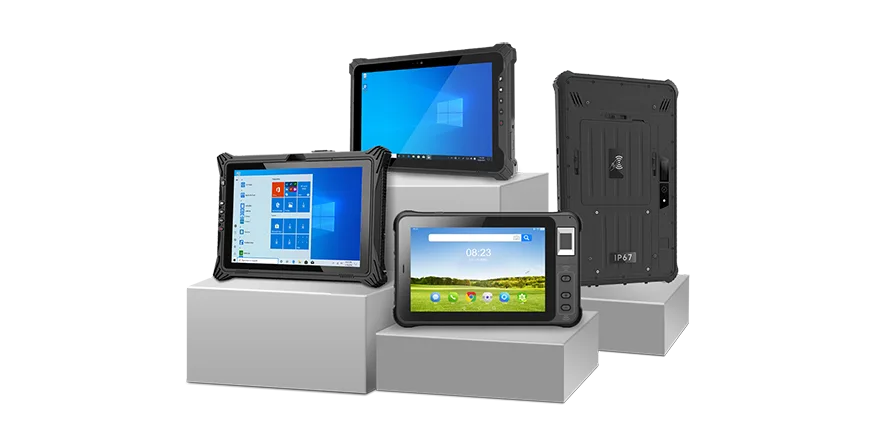
Partner with CENAVA to get the most reliable rugged devices, ensuring the success of your critical missions.
Frequently Asked Questions
What is the difference between MIL-STD-810H and MIL-STD-461G?MIL-STD-810H tests physical durability (shock, vibration, temperature, humidity, salt fog, drops), while MIL-STD-461G tests electromagnetic compatibility (resistance to and emission of electromagnetic interference) — they cover different failure modes and a device can pass one without the other.Does a MIL-STD-810H certified tablet automatically have a high IP rating?
No — MIL-STD-810H and IP ratings are separate certifications; MIL-STD-810H covers general durability testing while IP ratings specifically measure dust and water ingress protection, so always check both figures independently.Is GJB the same as MIL-STD?
No — GJB is China's national military equipment standard, while MIL-STD is a U.S. Department of Defense standard; they are separate certification systems, though a device can hold both.Do I need MIL-STD-461G if I'm not in the military?
It depends on your environment — MIL-STD-461G matters most in electromagnetically dense settings (near radios, radar, or heavy industrial equipment), regardless of whether the deployment is military or civilian industrial.Can a rugged tablet be both MIL-STD certified and explosion-proof?
Yes — these are independent certifications covering different requirements, and a device intended for hazardous industrial sites often needs both MIL-STD durability testing and ATEX/IECEx explosion-proof certification.Does CENAVA offer MIL-STD certified rugged tablets?
Yes — CENAVA's rugged tablet range is tested to MIL-STD standards, and the company has also demonstrated GJB (Chinese military standard) certified devices at international trade shows; see the Rugged Tablet product line for current models.
Partnering with CENAVA
CENAVA is a manufacturer of industrial rugged devices committed to providing MIL-STD tested rugged tablets, industrial touchscreen computers, and customized solutions, with a certification portfolio that also spans GJB (Chinese military standard), IP68 ingress protection, and ATEX/IECEx explosion-proof approval — see CENAVA's certification range shown at Global Sources Hong Kong 2026.Need a Rugged Device for Your Project?
Tell us your operating environment and requirements — our engineers will recommend a configuration and quote within 24 hours.
Get a Free Quote Back to Blog