Choose a tablet by mapping its exact route through the plant, matching any hazardous-location approval to that route and then testing the real inspection task. This wastewater treatment tablet buying guide compares 10 manufacturers without treating water resistance as evidence of methane-area suitability.
Picture one shift: a technician starts at an outdoor aeration basin in the rain, walks to a pump room, drives to a remote lift station and ends at the anaerobic-digester service area. The tablet rides along — wet gloves, condensation on the screen, biological residue on the ports. At the first three stops, usability is the main headache. At the fourth, methane and hydrogen sulfide change the equipment question entirely.
Anaerobic digestion is where most procurement mistakes happen. Digesters generate methane and hydrogen sulfide — the EPA is clear on that — and both gases raise ignition and exposure questions simultaneously. Those questions get answered by the facility's classification drawing and ventilation design, not by a product brochure. And to be blunt: no tablet on this list detects gas, interlocks a ventilation fan or replaces a trained rescue team. Anyone who tells you otherwise is selling, not advising.
The same fleet often crosses an operational boundary. A technician may review a work order in an unclassified control room, inspect an outdoor pump in a wet but ordinary location and then approach a classified gas-handling area. Buying one rugged-looking model for all three jobs can either overspend on office work or leave the hazardous-area requirement unmet.
Our 2026 comparison therefore separates approval scope from everyday ruggedness and software fit. It is not a market-share ranking. Product details link to manufacturer sources, while workflow examples are proposed trials unless a public incident is specifically attributed; they are not claims of completed customer deployments.
What Defines a Top-Tier Sewage Plant Tablet Manufacturer?
The useful manufacturer makes the operating boundary as clear as the product features. Four areas deserve the closest attention, Definitions stay general here and model-specific details in each company's entry.
Hazardous-location precision: Under the common ATEX/IECEx gas framework, Zone 0, Zone 1 and Zone 2 correspond to equipment protection levels Ga, Gb and Gc. North American Class I Division or Zone approvals use a different legal and marking framework. OSHA 1910.307 requires equipment to be approved for the particular class, group and temperature conditions. Do not assume every digester location is Zone 1, every wastewater gas mixture belongs to IIC or an ATEX configuration is automatically accepted in North America. Pull the site's classification drawing and hold it next to the product marking — they have to match, word for word.
Ruggedness with correct limits: IEC 60529 ingress ratings describe resistance to solids and water under defined tests. IP65, IP66, IP67 or IP68 does not establish chemical resistance, corrosion life or hazardous-area approval. MIL-STD-810G and MIL-STD-810H refer to the MIL-STD-810 environmental test-method framework, not a blanket U.S. government certification. Relevant methods and the tested assembly matter — and a wide operating-temperature claim on the spec sheet says nothing about the charging range or whether condensation will kill the screen on a cold-to-warm transition.
Wet handling and maintainability: Wastewater work combines rain, splash, biological contamination and corrosive atmospheres in different proportions. Procurement should obtain an approved cleaning method for the exact enclosure and check whether identification remains legible after routine service. Port covers, straps and stylus tethers must be part of the assessed configuration. Charging, wired connections and battery changes belong in an appropriate location unless the approved system and instructions expressly permit otherwise.
Workflow and lifecycle accountability: A strong supplier offers stable model identity, manageable operating-system maintenance and a repair path that preserves any special configuration. Test the CMMS, authentication and offline queue with dummy records in an unclassified environment in an unclassified environment. If a sync fails, the operator needs to see it — a silent failure is worse than no sync at all, and preserve the original observation. If the form keeps prompting an operator to finish the checklist while a gas alarm is sounding, the application is dangerous — redesign it before rollout.
The Top 8 Wastewater Treatment Plant Tablet Manufacturers of 2026
This shortlist is presented without a performance ranking. Entries 1–3 address higher-protection gas-area categories through different operating systems. Entries 4–8 focus on Zone 2 or Division 2 choices. Zebra and Panasonic add North American Class I, Division 2 options whose exact SKU and regional scope still require purchasing control. No model below is assigned to a location merely because methane may be present elsewhere on the site.
1. Pepperl+Fuchs / ECOM (Germany)
Pepperl+Fuchs pairs its process-industry explosion-protection engineering with ECOM's mobile devices. The reference product for this category is the Tab-Ex 05 DZ1 — an Android tablet carrying a combined Ex db ia IIC T6 Gb marking, which means flameproof-plus-intrinsically-safe construction approved for Zone 1 gas areas. For a wastewater utility, that covers the stops a Zone 2 device cannot make: digester service areas and gas-handling rooms on the same route as the office. One detail worth checking on any Zone 1 shortlist: whether the certificate's "X" suffix ties approval to a specific carry case or accessory — a missing holster has rejected otherwise compliant hardware at receiving.
2. i.safe MOBILE (Germany)
i.safe MOBILE builds its entire portfolio around hazardous-area mobility. Its IS940.1 is one of the few tablets certified for Zone 1/21 running Android 14 on a current chipset — relevant when the maintenance manual, not the work order, is what needs the bigger screen. The programmable hardware keys matter more than they sound: at an aeration basin in rain, a physical push-to-talk or scan button works with wet gloves when a wet-screen mode is still guessing.
3. Aegex Technologies (United States)
Aegex is the Windows answer when the route genuinely enters Zone 1 or Zone 0 territory. The Aegex100M carries Ex ia IIC T4 Ga — ia protection and a Ga equipment level, the highest gas-area category in this guide — so a plant running a legacy Windows maintenance application does not have to choose between the software and the digester area. The trade-off to plan for: the user manual prohibits charging and wired connection inside the hazardous area, which shapes shift planning more than any spec-sheet line.
4. BARTEC (Germany)
BARTEC's ET60/65EX2 starts from Zebra's ET60/65 enterprise tablet and re-engineers it for ATEX Zone 2/22. Same base hardware family, separate certificate — the Zebra badge on the casing does not transfer, a distinction that matters when a visually identical non-EX unit shows up as a spare. For plants that already identify pumps and valves by barcode, it keeps one scanning workflow across the office and the classified yard.
5. Getac (Taiwan)
Getac's F110-EX is a fully rugged Windows tablet with Zone 2 certification, aimed at routes where the job is drawings and desktop tools rather than scanning. The practical question for wastewater duty is not the EX mark but the cleaning method: confirm the accepted wipe-down procedure for the exact enclosure before assigning it to biofilm-prone stations, because an IP rating says nothing about surviving your disinfectant.
6. CENAVA (China)
CENAVA supplies rugged tablets and undertakes OEM/ODM configuration work. Its role in this shortlist is a project-specific Android option where the utility defines the task, reader requirement and permitted hardware configuration before rollout.
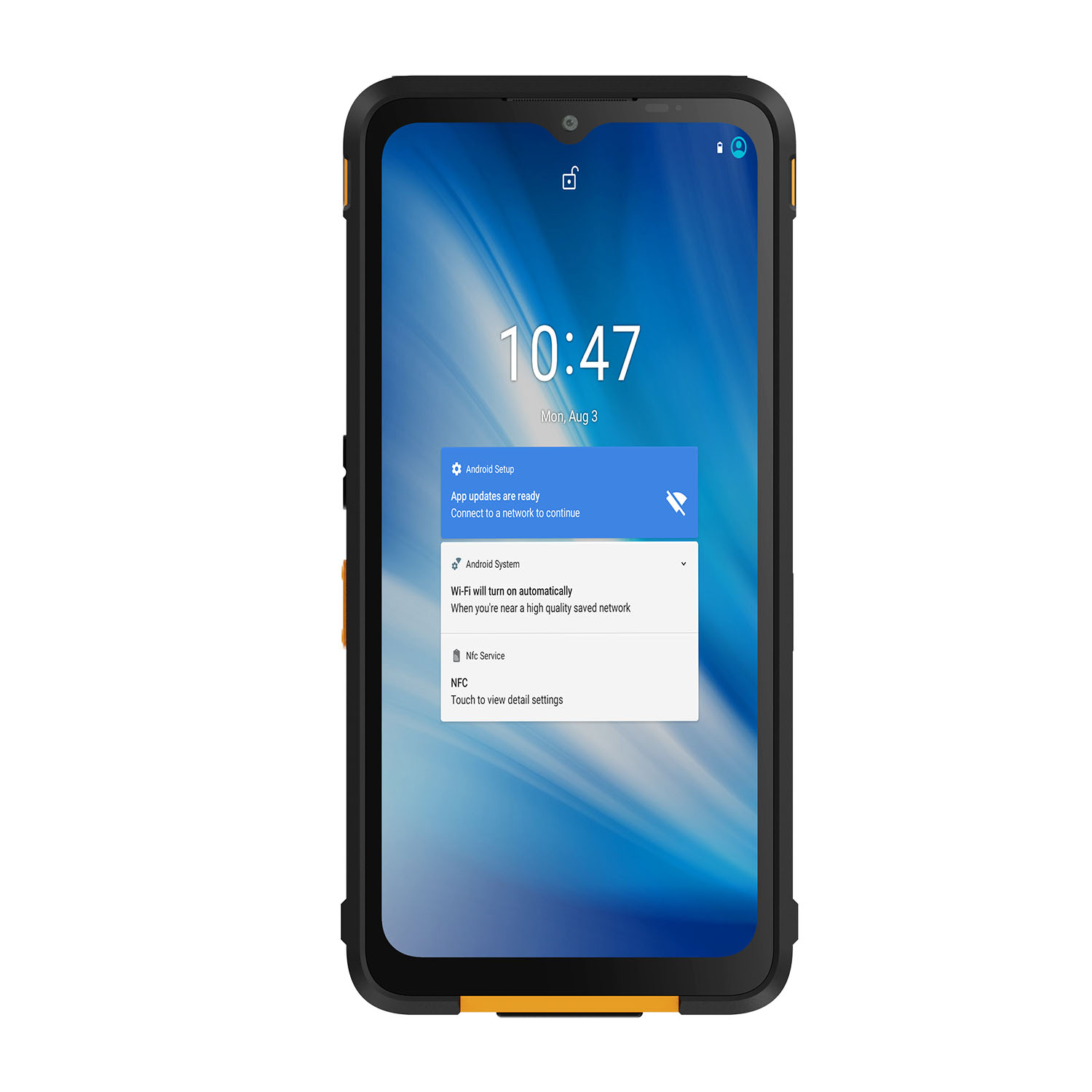
Key Products: The A10ST-EX is a 10.1-inch Android 13 tablet. Its product matrix references IECEx CSAE 24.0031X, Ex ic IIC T4 Gc, and ATEX CSANe 24ATEX1144X, II 3GD for the relevant Zone 2/22 configuration; CENAVA also states IP68.
Why They're on the List — Core Strength: Configuration work is valuable when procurement freezes the application, input method and accessory set as one controlled build. That is more defensible than accepting a different reader or battery simply because the product family name remains unchanged.
A remote lift-station workflow might associate an NFC tag with the pump record, save an observation offline and transmit it after service returns. A useful test: deliberately mismatch the NFC tag and an interrupted sync with dummy data. The application must display an unsent record and preserve the asset relationship instead of silently attaching it to the previous pump.
The product page also discusses a higher-category marking under voluntary technical-document verification. That should not be represented as formal Zone 1 ATEX conformity. The European Commission's ATEX guidance warns that voluntary certificates must not be confused with required conformity assessment. This article therefore keeps the CENAVA comparison to the named Zone 2 routes and exact supplied configuration.
7. Winmate (Taiwan)
Winmate's M101AD-EX publishes both Zone 2 and Class I Division 2 approvals in one Windows product family — useful for groups operating plants on both sides of the Atlantic that want one procurement line instead of two. Verify which approval covers the exact SKU on your quote; family-level statements do not transfer between configurations.
8. DURABOOK (Taiwan)
DURABOOK's U11I-EX is the compact option in this list — an 11.6-inch fanless (Coolfinity) Windows tablet with ATEX Zone 2/22 certification. Fanless matters beyond noise: no fan means no airflow path pulling humid, H₂S-laden air through the chassis, which is a corrosion question in this industry, not an acoustic one. The smaller format fits routes built around many short lift-station stops.
| Manufacturer | Reference model | OS | Hazardous-area tier | Wet-route fit | Boundary to note |
1 | Pepperl+Fuchs/ECOM | Tab-Ex 05 DZ1 | Android | Zone 1 (Ex db ia IIC T6 Gb) | Approved accessories part of the build | "X" suffix may tie approval to carry case |
2 | i.safe MOBILE | IS940.1 | Android | Zone 1/21 | Physical keys for wet-glove work | Verify per-SKU scope |
3 | Aegex | Aegex100M | Windows | Zone 1/0 (Ex ia IIC T4 Ga) | — | No charging/wired connection in hazardous area |
4 | BARTEC | ET60/65EX2 | Android | Zone 2/22 | Zebra-based scanning workflow | Zebra hardware ≠ Zebra certificate |
5 | Getac | F110-EX | Windows | Zone 2 | Confirm approved cleaning method | — |
6 | CENAVA | A10ST-EX | Android | Zone 2/22 (named configs) | NFC workflow tested per build | Higher-category claims via voluntary verification only |
7 | Winmate | M101AD-EX | Windows | Zone 2 + C1D2 | — | Approval varies by SKU |
8 | DURABOOK | U11I-EX | Windows | Zone 2/22 | Fanless — no corrosive airflow path | — |

How to Choose the Right Manufacturer for Your Application
The best rugged tablet for wastewater treatment is the model that clears the safety-scope gate and then completes the real task with fewer avoidable errors. Keep approval, usability and lifecycle cost as three separate decisions — don't let a strong result in one cancel a failure in another; a strong result in one category does not cancel a failure in another.
Define Your Operating Environment
Map the full route." Everyone says this; almost nobody does it correctly. Pull the current classification drawing — not the one from the original construction in 2007, the current one — and trace the actual walking path: handoff point, cleaning station, dock, vehicle. "Digester building" is not a classification. "Outdoor" is not automatically unclassified.
Map the full route: Use the current classification drawing and work procedure. Include the handoff point, cleaning station, dock and vehicle. “Digester building” or “pump room” is not a classification, and an outdoor location is not automatically unclassified.
Separate ignition and exposure questions: Anaerobic digesters produce methane and hydrogen sulfide, while headworks and lift stations may also present H₂S exposure. Gas group, temperature class and zone address electrical equipment selection; atmospheric testing and confined-space controls protect people. One does not replace the other.
Account for wet and corrosive service: Record expected rain, splash, condensation and the approved cleaning chemistry. A high IP number does not prove resistance to hydrogen-sulfide corrosion or every disinfectant. The plant should define when residue or enclosure damage takes a device out of service.
OSHA's hydrogen-sulfide control guidance calls for atmospheric testing from outside a space, continuous monitoring during applicable work, ventilation and a rescue plan. A tablet may display a procedure or receive an instrument record, but it is not the measuring instrument or trained attendant. Do not conduct a device trial by entering a wet well or confined space solely to test connectivity.
Clarify Performance Requirements
Searches for a waterproof ip68 wastewater tablet often compress several different needs into one phrase. IP68 describes ingress testing under stated conditions; it does not promise unlimited immersion, wet-finger accuracy, cleanability or methane-area approval. Translate the search term into a written task and maintenance method.
Build a short test — we use 18 work orders as a starting point because it fills about half a shift and forces enough repetition to expose input errors. Include at least one correction (operator typed the wrong pump number) and one escalation (supervisor override for an urgent repair). If the team breezes through in 20 minutes, the test was too easy. Record completion time and input errors. Keep the exercise in an unclassified test setting until the software is stable.
Use the actual gloves and screen protection: Test each PPE configuration required for the route. Record missed taps separately from accidental submissions. A wet-screen mode or conductive stylus still needs an acceptable retention method and a control layout large enough for the task.
Measure the shift workload: Run the intended application with representative screen brightness and camera use. Document remaining charge and the authorized charging or exchange process. Treat the result as evidence for that configuration and route, not a promise for every season.
Cleaning should be tested through an approved bench procedure, not by spraying an energized tablet with wastewater or disinfectant. If the manufacturer's accepted method cannot remove expected residue without damaging labels or seals, the model is a poor operational fit even when its ingress rating is attractive.
Consider Software & Integration
Make offline state visible: At an unclassified test bench, interrupt connectivity after a dummy observation is saved. Restore service and inspect the CMMS for duplicates, missing attachments and the wrong asset relationship. A local check mark should not look like server acceptance.
Preserve the source of measurements: The tablet may receive a reading from an approved gas detector or process instrument. Store the instrument identity and timestamp with the value. An ordinary tablet sensor or photograph must not be presented as calibrated process evidence.
Keep emergency action outside normal synchronization: A gas alarm, overflow or worker collapse requires the facility's immediate response even when the app or network fails. Digital completion can follow once people are safe and the procedure allows documentation.
A CDC investigation of a 1983 fatality at an Omaha wastewater-treatment plant shows why this separation matters. A worker died after going to collect samples in the influent building; NIOSH identified factors that included warm-weather sewage conditions, ventilation design and inadequate procedures. A tablet might have improved the record trail — who entered, when, what the last reading said. It could not have measured the atmosphere, fixed the ventilation design or made the entry safe. Thirty-three years later, that distinction still gets blurred in sales conversations.
Analyze Total Cost of Ownership (TCO) vs. Initial Cost
Count the complete controlled deployment: Include approved carrying equipment, enrollment, training and safe-location charging. Add the cost of keeping visually similar configurations distinct. A lower device price is misleading when the required reader, dock or repair process is missing.
Replace assumptions with route data: As an illustration, 7 operators visiting 4 remote stations would lose 140 staff-minutes per day if each visit required a 5-minute return to an office terminal. Those inputs are hypothetical. Measure the actual route and never count removal of atmospheric testing or another required control as productivity.
Define repair and replacement identity: State who inspects a damaged enclosure, who restores the application and what qualifies as an equivalent spare. The replacement must preserve both the work function and the approved configuration for its assigned area.
If a CENAVA configuration genuinely requires project review, contact CENAVA with the installation country, applicable ATEX/IECEx or Class/Division framework, Zone or Division, gas group and required temperature class. Include the ambient range, likely splash or cleaning exposure, application and operating system. Add the carrier and SIM/eSIM requirement only for cellular work; add the NFC card or tag type only when that function is required. Do not send access keys, card credentials or other secrets. Routine comparisons above do not require a sales inquiry.
 The Future of Wastewater and Biogas Tablets: Trends to Watch
For 2026 procurement, four developments are more useful than chasing a longer feature list.
Traceable connection to approved instruments: Mobile applications are becoming better at receiving measurements with device identity and timestamps intact. The useful advance is traceability, not turning a tablet into a gas detector. Preserve the original instrument record and distinguish imported values from manual entries.
Offline-first work at distributed assets: Lift stations frequently expose weaknesses in applications designed around continuous service. A visible transaction queue and controlled retry reduce duplicate work orders. You will hear vendors pitch stronger radios as the answer. Sometimes they help. But a lift station 15 miles from the plant will lose signal at the worst moment — the app needs to handle that gracefully, not pretend connectivity is always there.
Lifecycle design for wet, corrosive sites: Buyers are paying more attention to replaceable wear parts, cleaning instructions and longer software maintenance. For approved equipment, repair must preserve the protection concept and identification. A removable battery is easy to spec and easy to sell. What is harder: the cleaning protocol that keeps biofilm out of the charging contacts, the repair process that preserves the ATEX marking, the software update schedule that does not brick the device mid-shift. Sustainability in this industry means the tablet still works correctly three years from now — not just that the battery pops out.
Assisted inspection with bounded claims: Image analysis will get better at flagging a missing guard or comparing pump condition over time. That is useful. What it must not do — and what some vendors will quietly imply it can — is infer a safe atmosphere, certify wall thickness or replace a vibration reading. If the AI overlay says 'looks fine' and the operator believes it, you have replaced a calibrated instrument with a guess. Keep the original image and the human decision in the record.
Frequently Asked Questions
1. Is an IP68 tablet safe to use near a digester?
No — IP68 answers a water question, and a digester asks a fire question. Ingress ratings (IEC 60529) describe dust and water resistance under defined tests; they say nothing about ignition protection. Anaerobic digesters produce methane and hydrogen sulfide, so the equipment question is the area classification: the tablet needs an approval (ATEX/IECEx Zone, or Class/Division in North America) that matches the site's classification record. A tablet can be IP68 and still be an ignition source.
2. Do I need Zone 1 equipment everywhere in a wastewater plant?
When was the last time your entire plant was one classification zone? Probably never. One fleet can cross an unclassified control room, a wet but ordinary outdoor basin, and a classified gas-handling area in a single shift. Map the actual route on the current classification drawing first; a mixed fleet (Zone 2 devices for most stops, Zone 1 only where the drawing demands it) is usually more defensible than one model forced into every job.
3. Can I test a tablet by entering a wet well to check connectivity?
Do not. OSHA's hydrogen-sulfide guidance requires atmospheric testing from outside the space, continuous monitoring during work, ventilation and a rescue plan — a tablet trial justifies none of those by itself. Run usability and connectivity trials at an unclassified bench with dummy records; the confined-space procedure governs entry, never the device test.
4. Does a Class I Division 2 tablet equal an ATEX Zone 2 tablet?
They address similar risk levels under two different legal systems, and the paperwork does not cross over. A US site inspector wants the C1D2 marking from a NRTL; a European site wants ATEX (and often IECEx for international projects). Several manufacturers in this guide sell both in the same family — but the approval belongs to the exact SKU, so check the marking on the delivered unit, not the family brochure.
Conclusion
Wastewater and biogas facilities can choose among several credible tablet categories in 2026. Pepperl+Fuchs/ECOM, i.safe MOBILE and Aegex address demanding gas-area work through different protection concepts and operating systems. BARTEC, Getac, CENAVA, Winmate and DURABOOK provide distinct Zone 2 or Division 2 paths with meaningful differences in screen size and workflow fit.
Zebra and Panasonic add North American Class I, Division 2 options for controlled configurations. They should not be treated as automatic ATEX equivalents, and no hazardous-location label replaces the need to map the actual route. A mixed fleet may be more defensible than forcing the same model into a control room, outdoor basin and digester-gas area.
Use this wastewater tablet buying guide to narrow the market, then let the classification basis and task trial determine the purchasing shortlist. A well-chosen device improves the traceability of inspections and corrective actions. Gas monitoring, ventilation, confined-space controls and trained emergency response — those are what keep people alive. A tablet improves the paper trail, not the atmosphere.


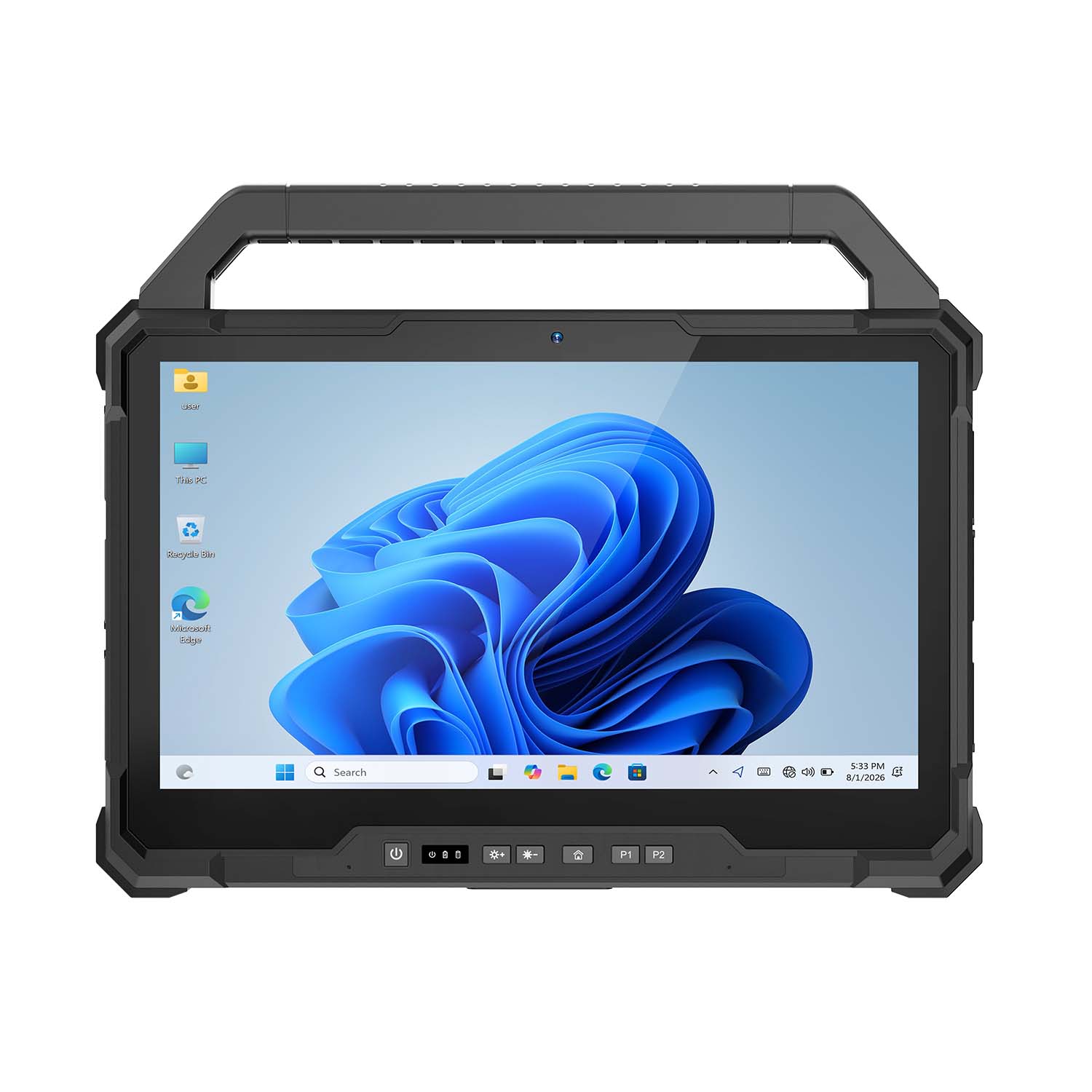 CENAVA W30U i5-1235U 13.3 Inch Win11 IP65 Rugged Tablet
 CENAVA W109U i7-1255U 10.95 Inch Win11 IP67 Rugged Tablet
 CENAVA A109TB MT6789V 10.95 Inch Android 14 IP68 Rugged Tablet
 CENAVA W10Y i7-10510Y 10.1 Inch Win11 IP68 Rugged Tablet Full I/O
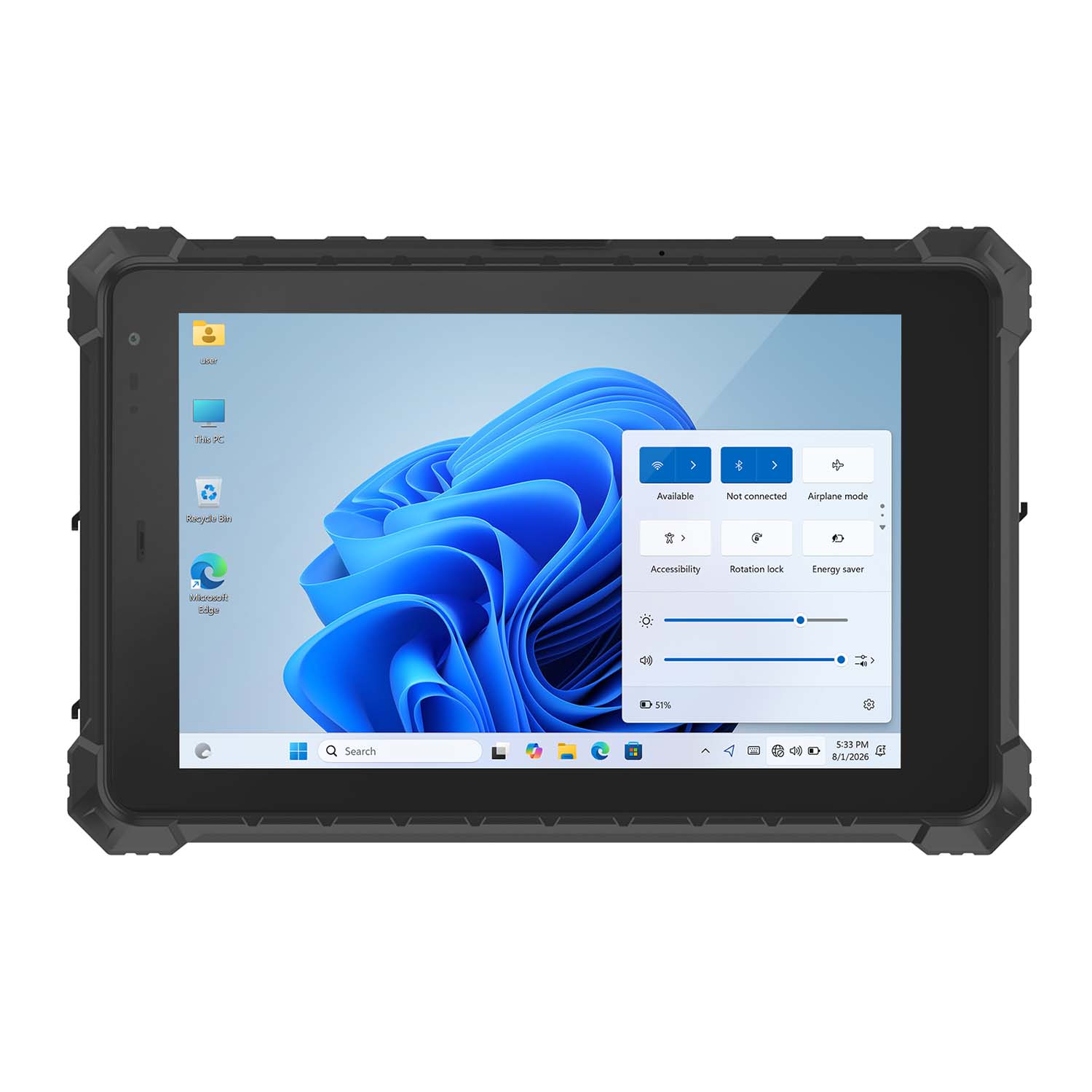 CENAVA W10N N5100 10.1 Inch Win11 IP68 Rugged Tablet Full I/O
 CENAVA A10RX RK3588 10.1 Inch Android 12 IP67 Rugged Tablet
 CENAVA A10ST MT8781 10.1 Inch Android 13 IP68 Rugged Tablet
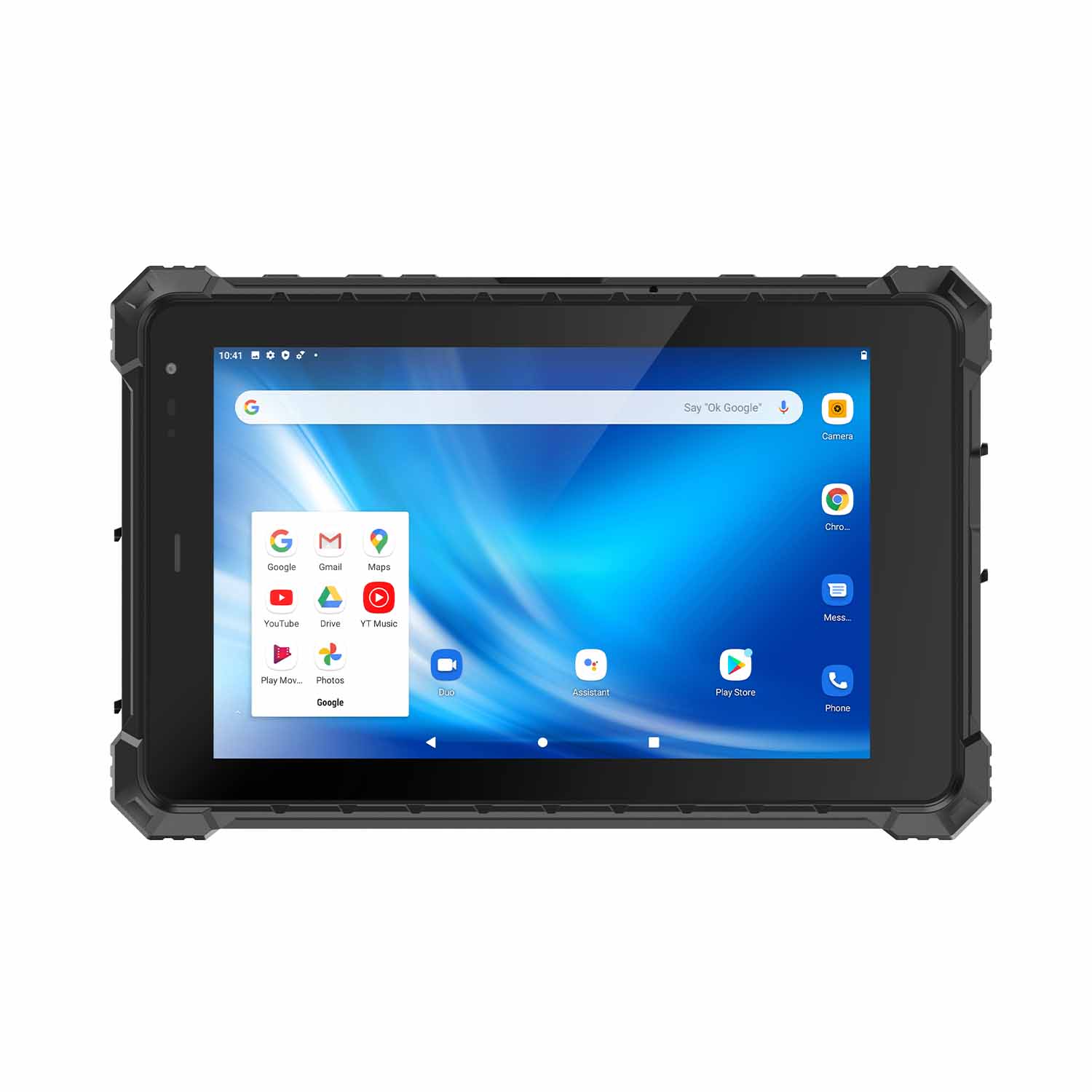 CENAVA A80ST MT6771 8 Inch Android 10 IP68 Rugged Tablet
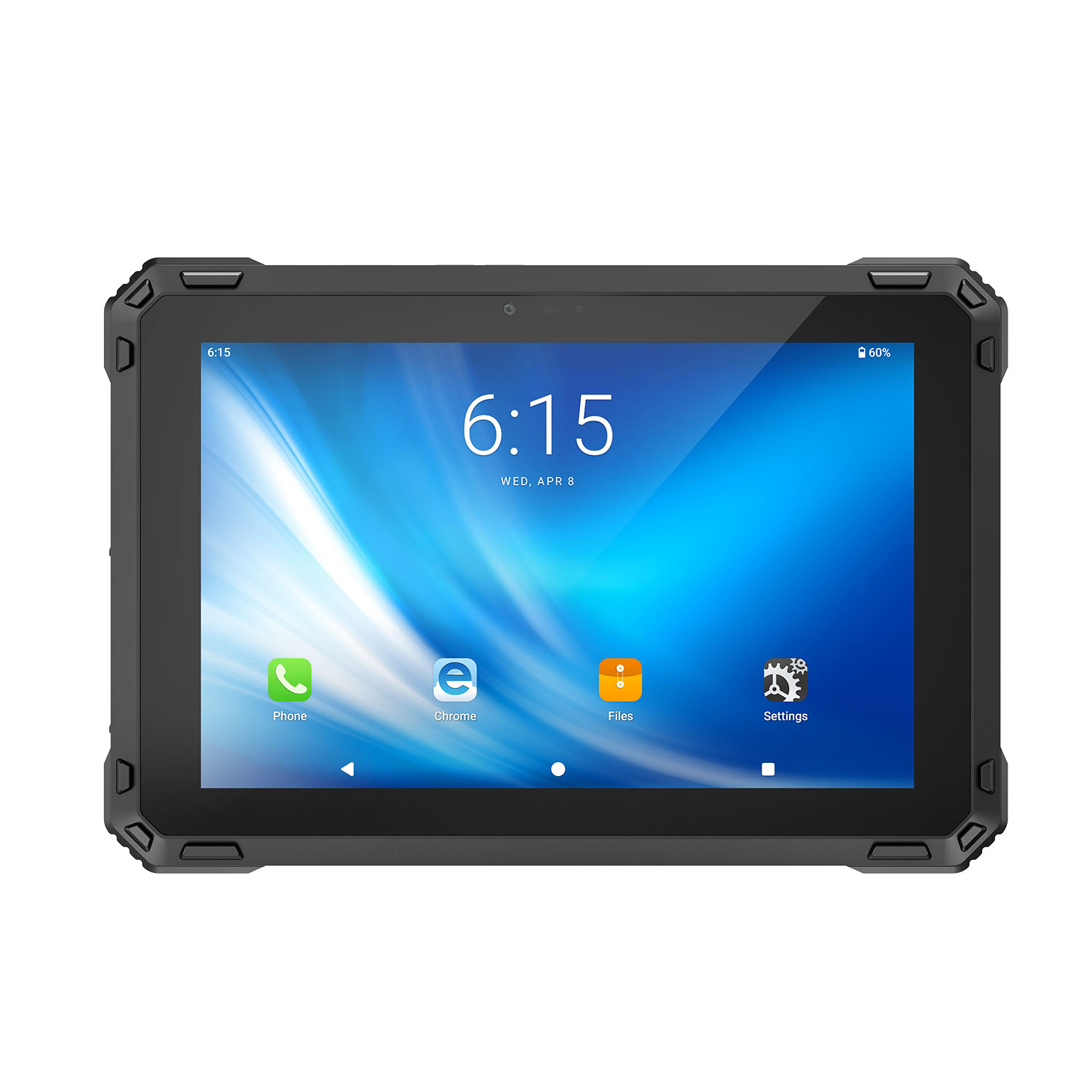 CENAVA A88ST MT6769 8 Inch Android 16 IP68 Rugged Tablet
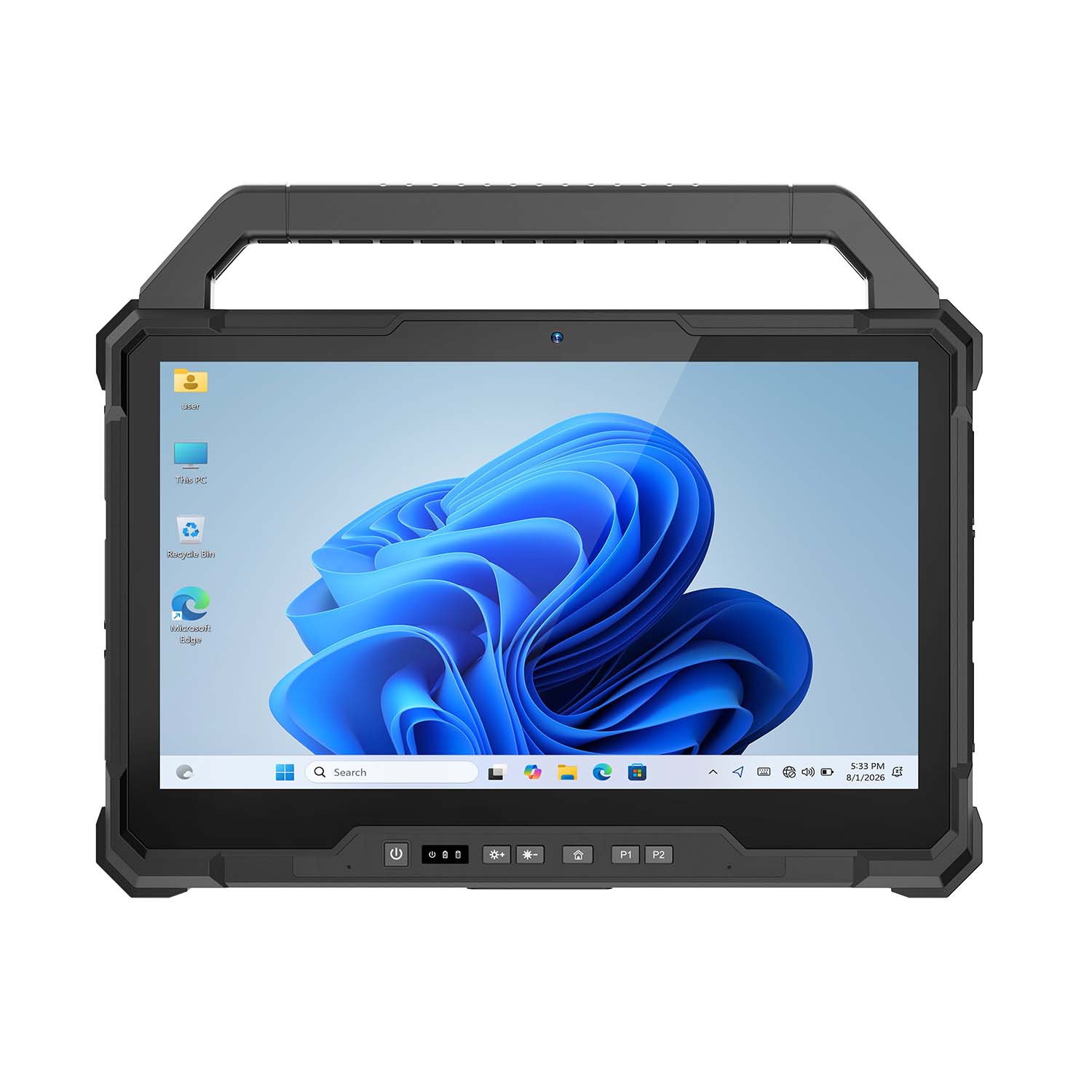 CENAVA W30NS N150 13.3 Inch Win11 IP65 Rugged Tablet
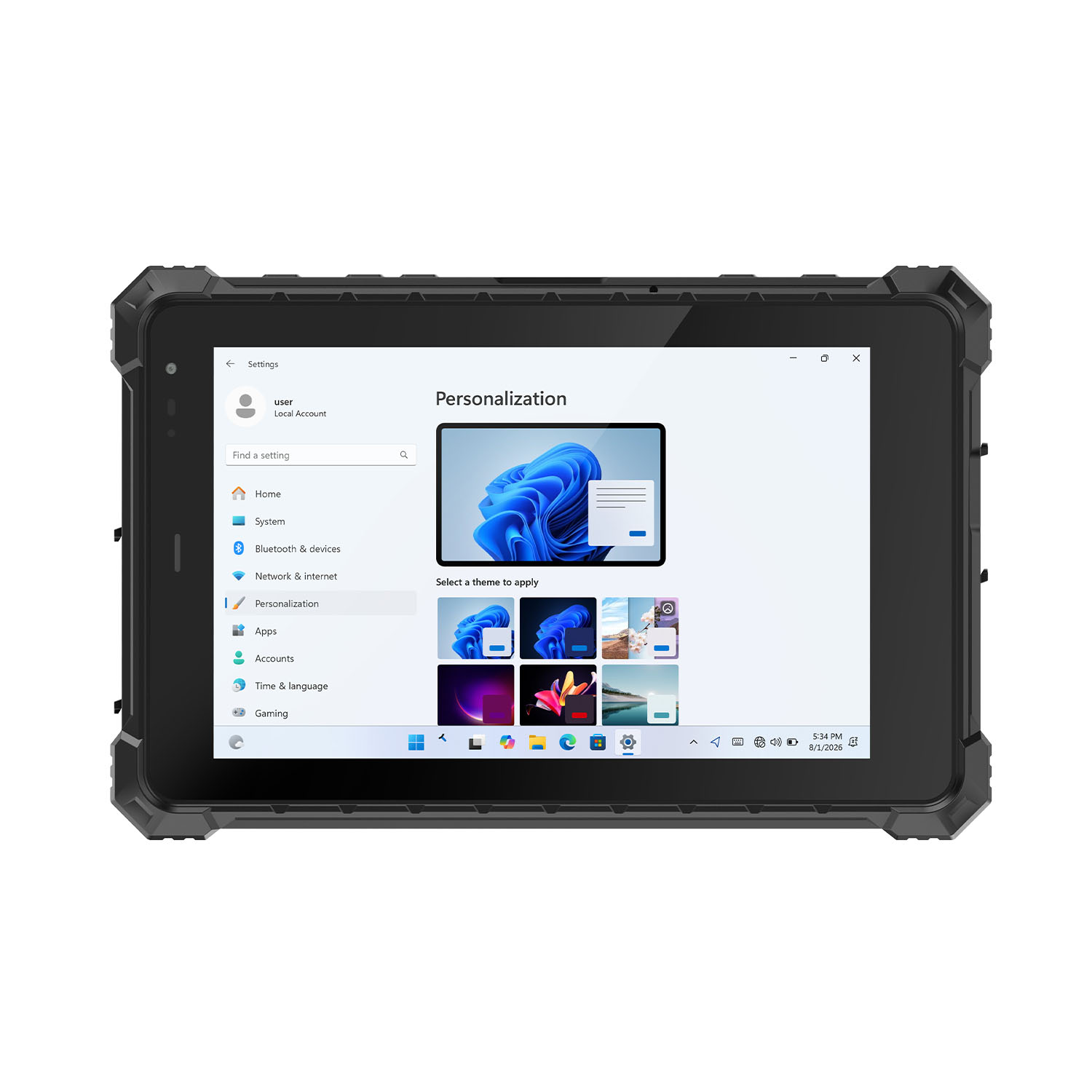 CENAVA W80Y i7-10510Y 8 Inch Win11 IP68 Rugged Gigabit
 CENAVA A10R RK3568 10.1 Inch Android 11 IP68 Rugged Tablet
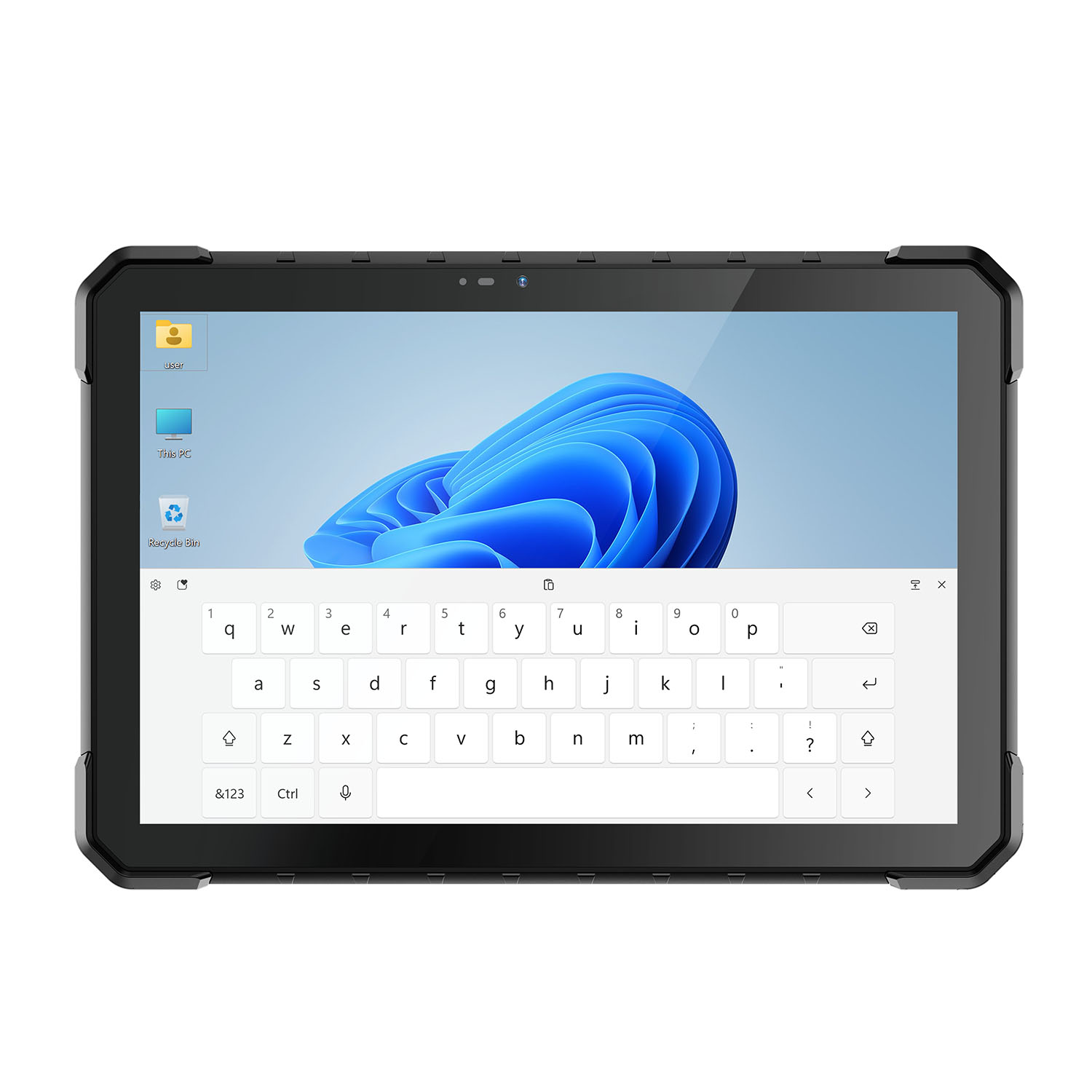 CENAVA W18Y i7-10510Y 10.1 Inch IP68 Industrial Tablet
 CENAVA CXE80C N2930 8 Inch Win10 IP65 Rugged Tablet
 CENAVA A18ST MT8781 10.1 Inch Android 13 IP68 Rugged Tablet
 CENAVA A10R RK3588 10.1 Inch Android 12 IP68 Rugged Tablet
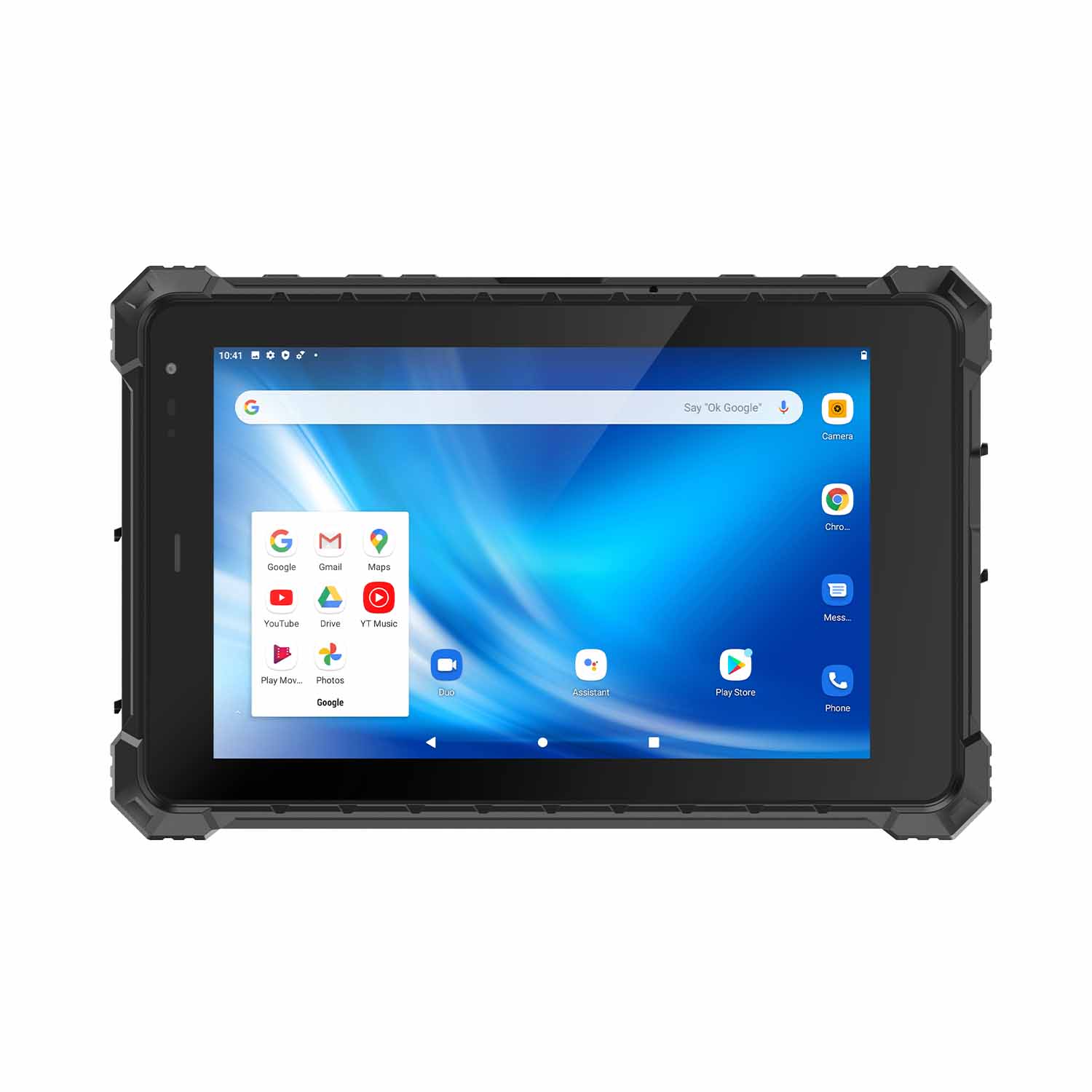 CENAVA A80ST-5G MT6877 8 Inch Android 12 IP68 Rugged Tablet
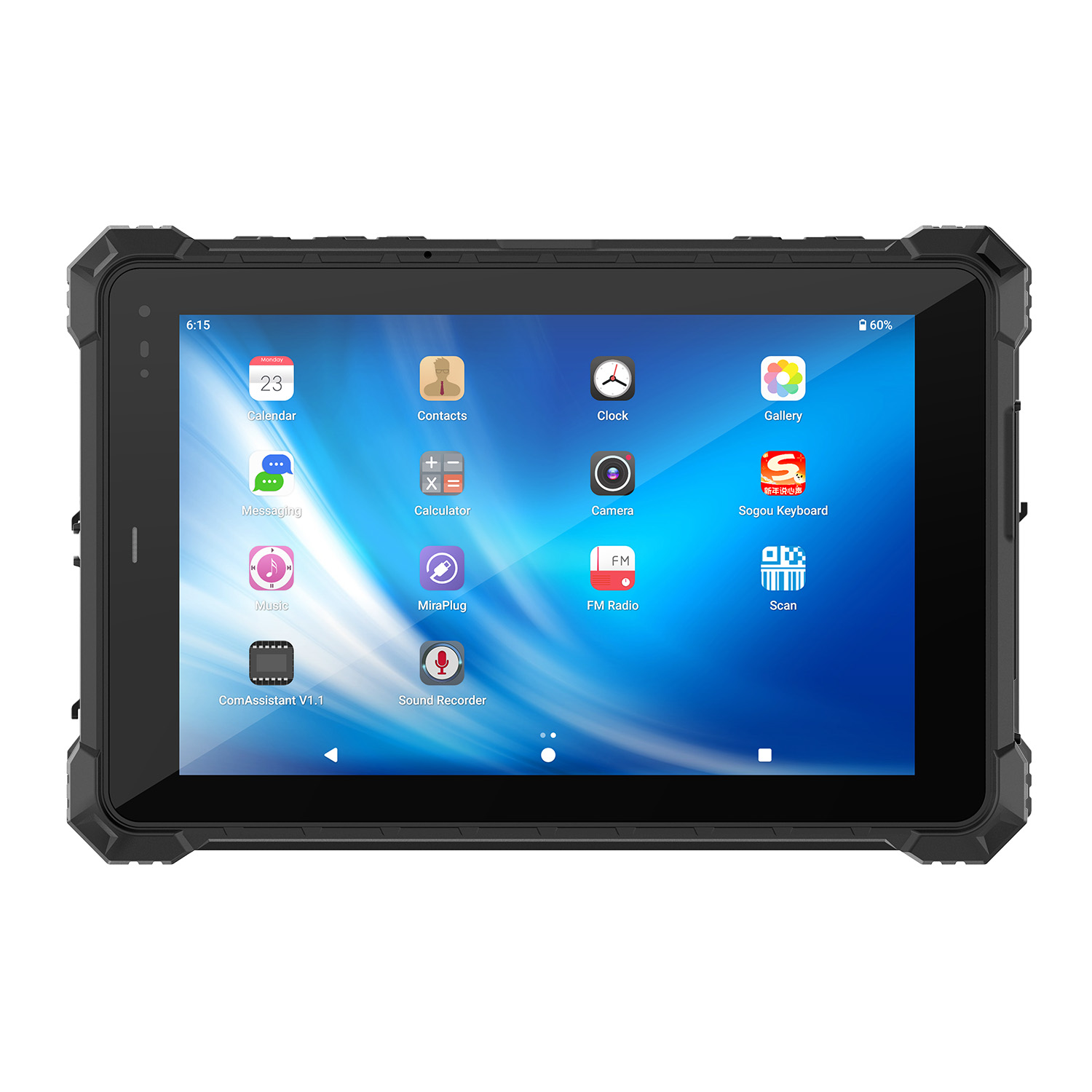 CENAVA A10STX MT8781 10.1 Inch Android 13 IP67 Rugged Tablet
 CENAVA A10ST-5G MT6877 10.1 Inch Android 12 IP68 Rugged Tablet
 CENAVA A10STX-5G MT6877 10.1 inch 5G Rugged Android Tablet
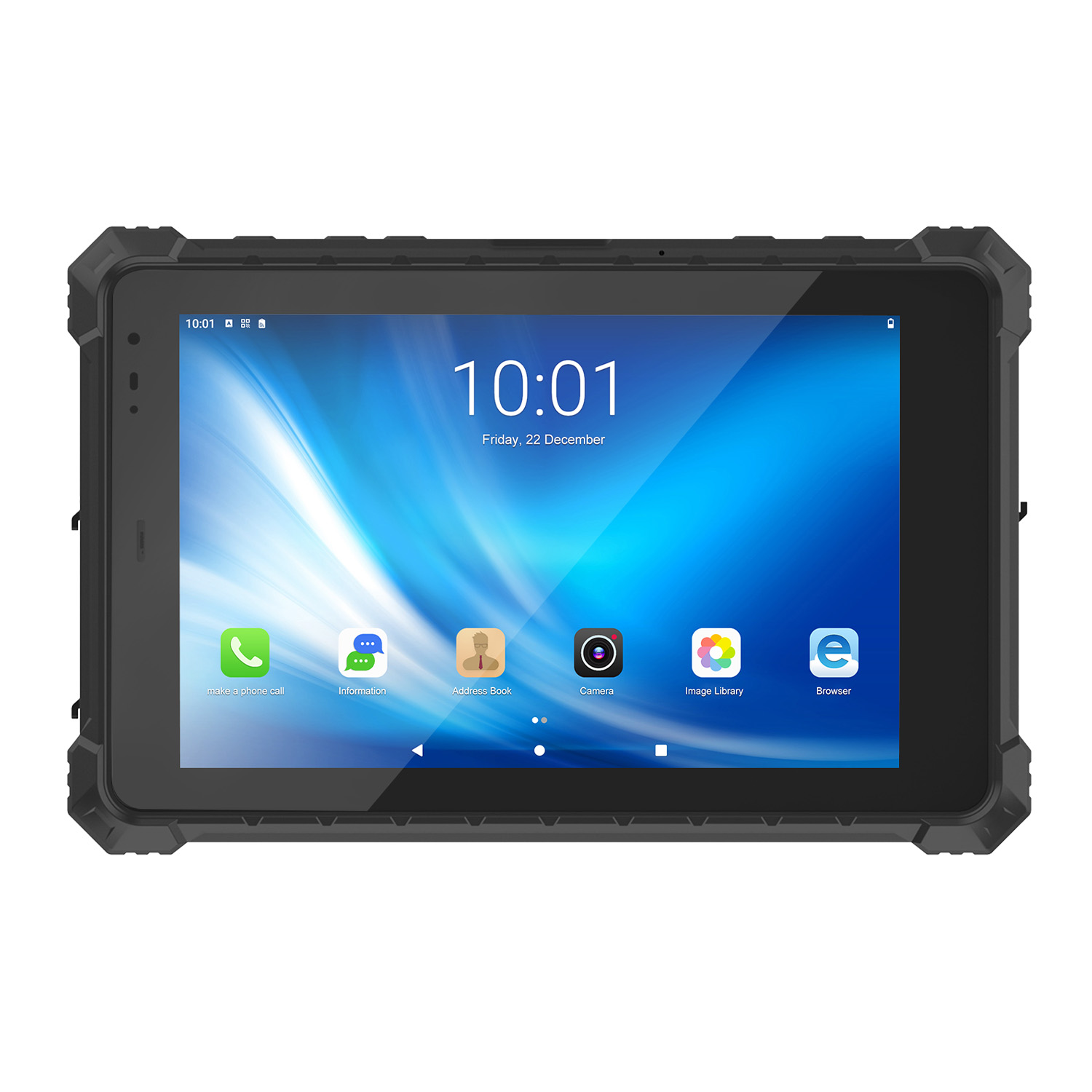 CENAVA A10ST MT6771 10.1 Inch Android 10 IP68 Rugged Tablet
 CENAVA A10STX MT6769 10.1 Inch Android 16 IP67 Rugged Tablet
 CENAVA A10ST MT6769 10.1 Inch Android 16 IP68 Rugged Tablet
 CENAVA A10STX MT6771 10.1 Inch Android 10 IP67 Rugged Tablet
 CENAVA A80ST MT8781 8 Inch Android 13 IP68 Rugged Tablet
 CENAVA A80R RK3588 8 Inch Android 12 IP68 Rugged Tablet
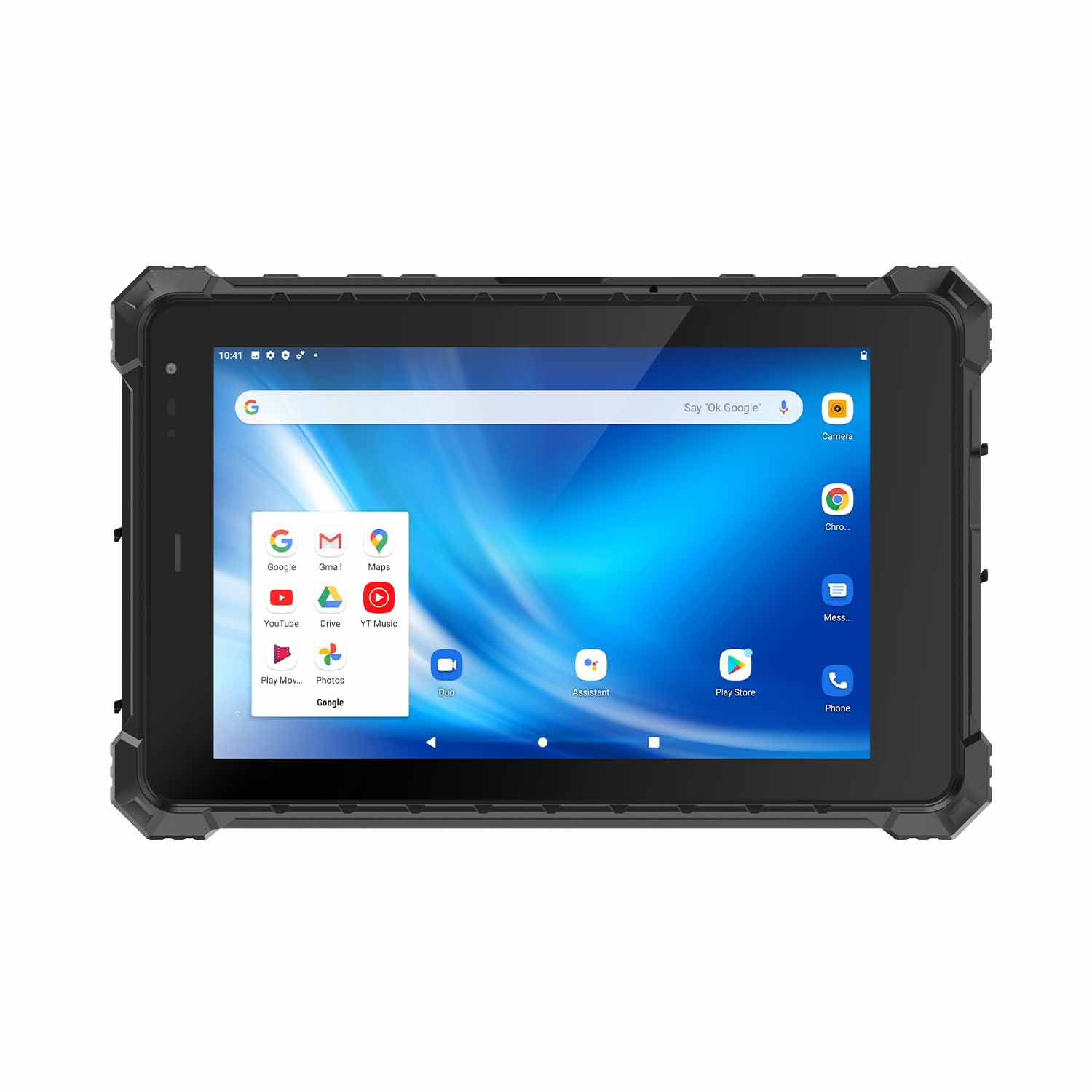 CENAVA A80STX-5G MT6877 8 Inch Android 12 IP67 Rugged Tablet
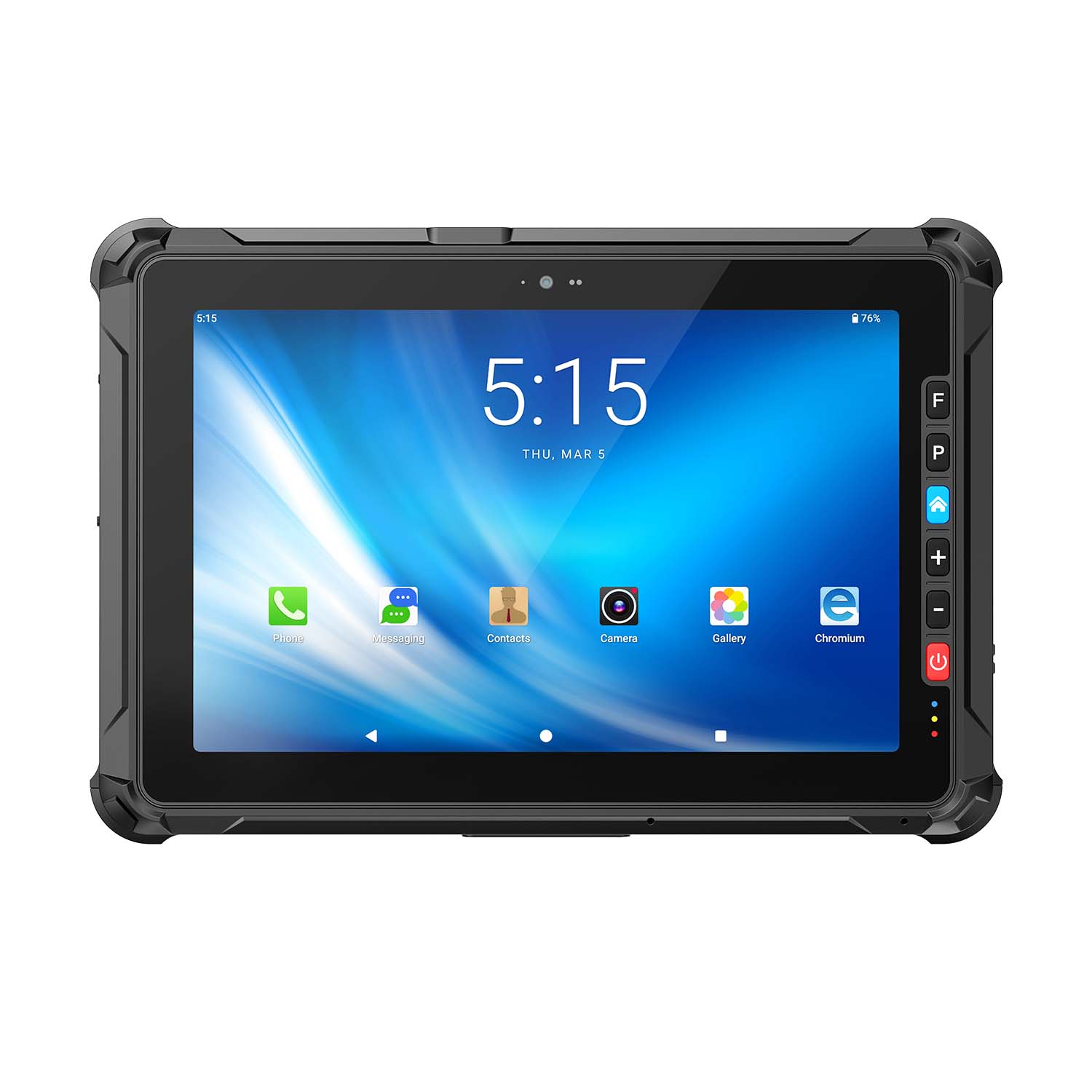 CENAVA A109ST MT8781 10.95 Inch Android 16 IP67 Rugged Tablet
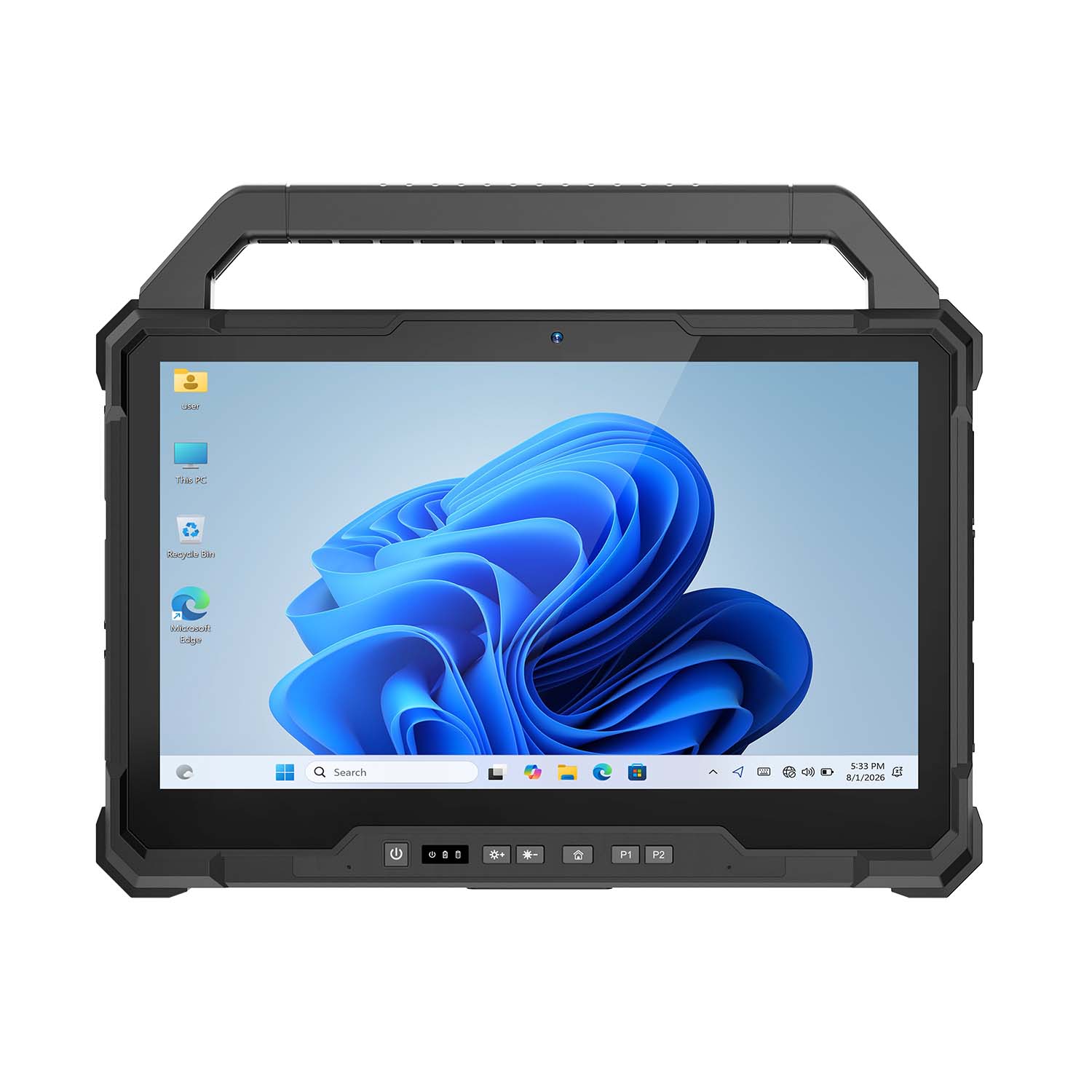 CENAVA W30U Pro Ultra7-155U 13.3 Inch Win11 IP65 Rugged Tablet
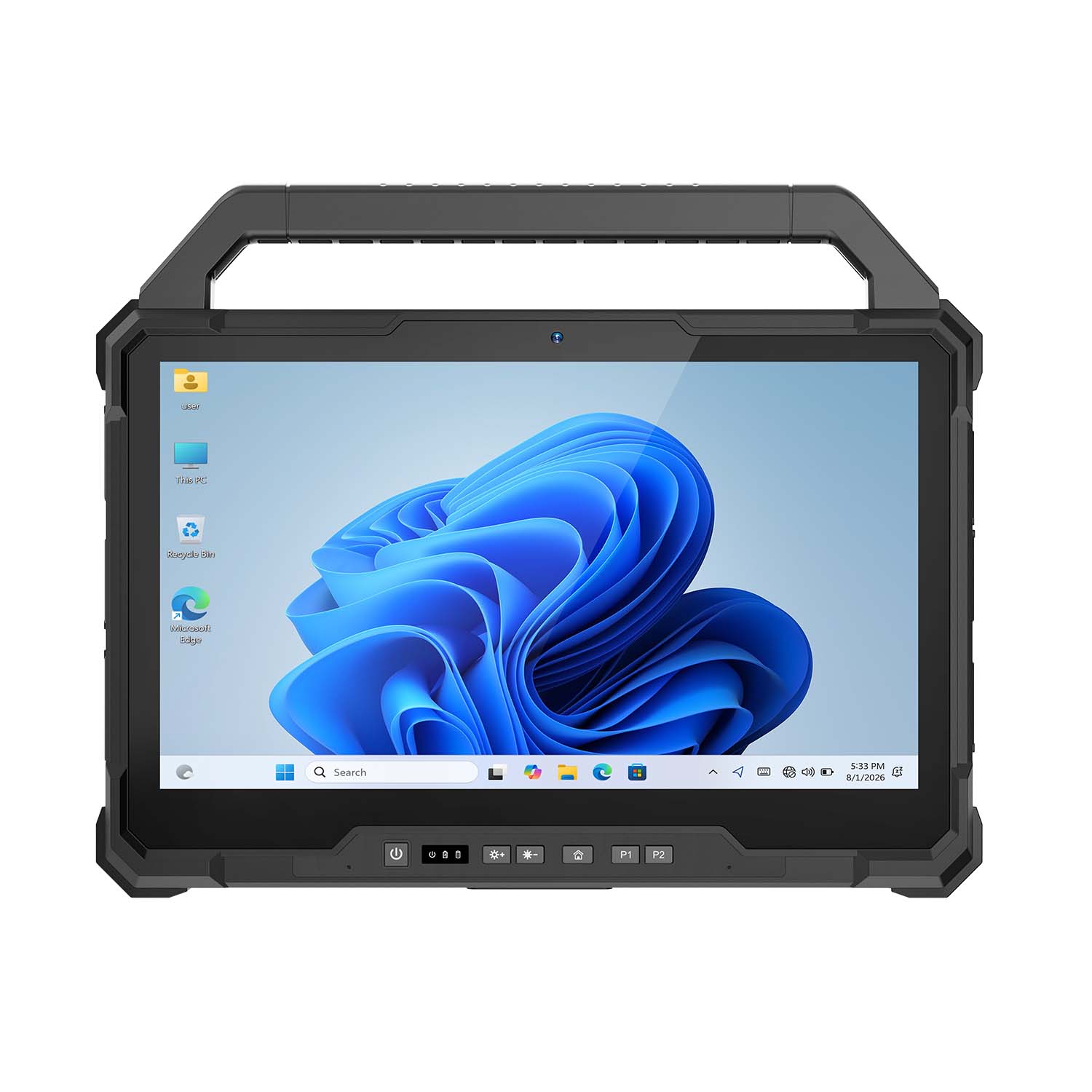 CENAVA W30U i7-1255U 13.3 Inch Win11 IP65 Rugged Tablet
 CENAVA W109NS N150 10.95 Inch Win11 IP67 Rugged Tablet GbE
 CENAVA W109U i5-1235U 10.95 Inch Win11 IP67 Rugged Tablet
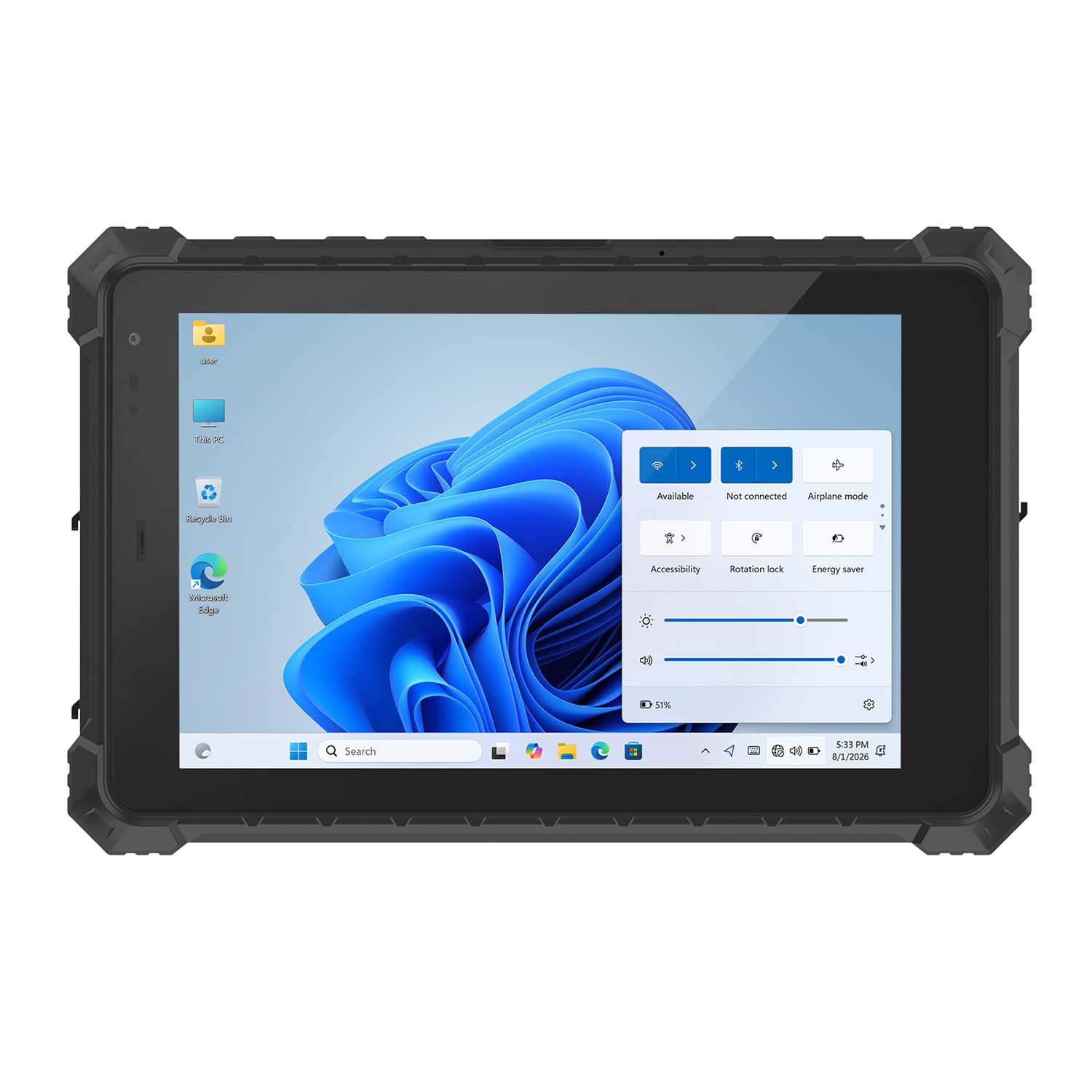 CENAVA W10Y i5-10210Y 10.1 Inch Win11 IP68 Rugged Tablet Full I/O
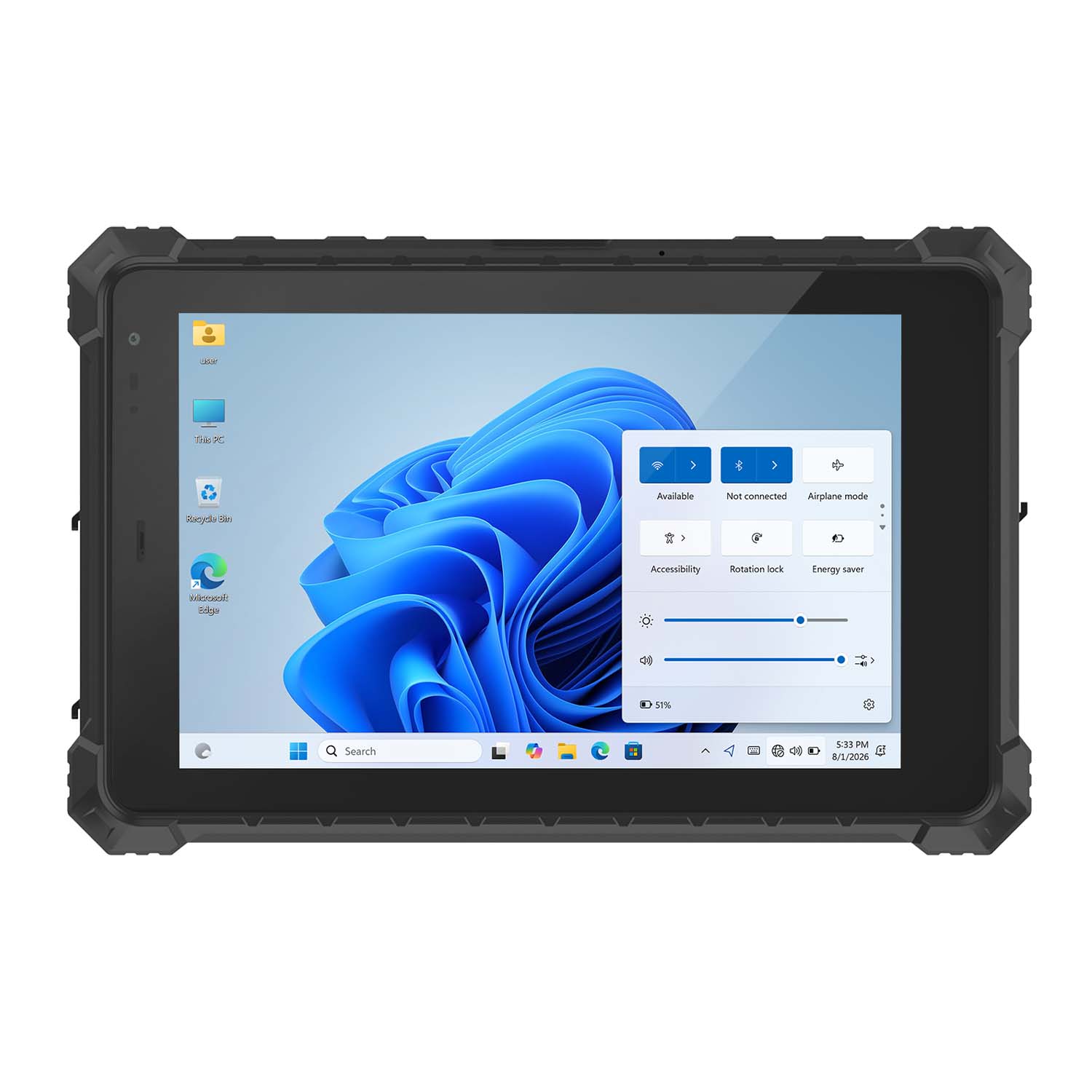 CENAVA W10NPRO N100 10.1 Inch Win11 IP68 Rugged Full I/O
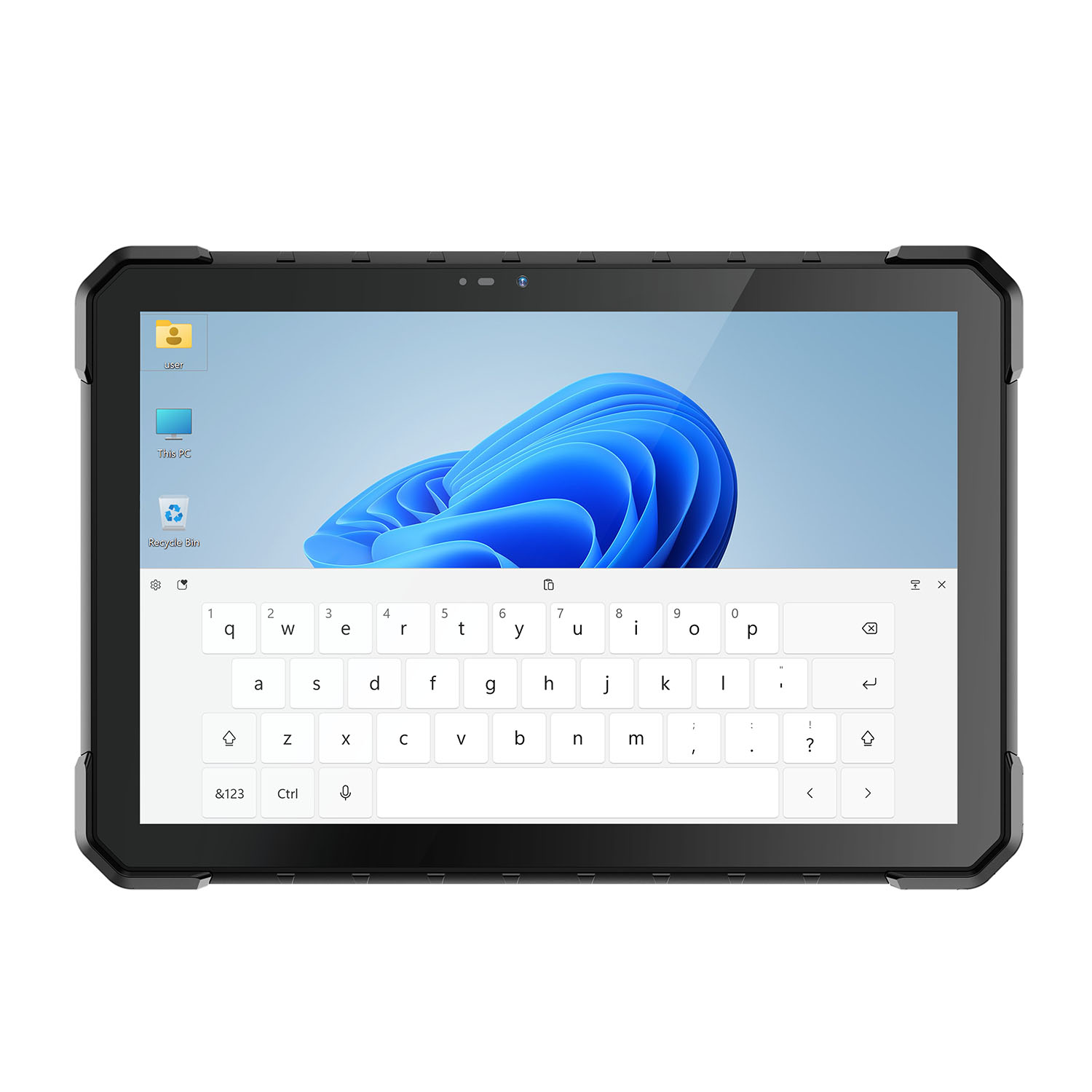 CENAVA W18Y i5-10210Y 10.1 Inch Win11 IP68 Rugged Slim
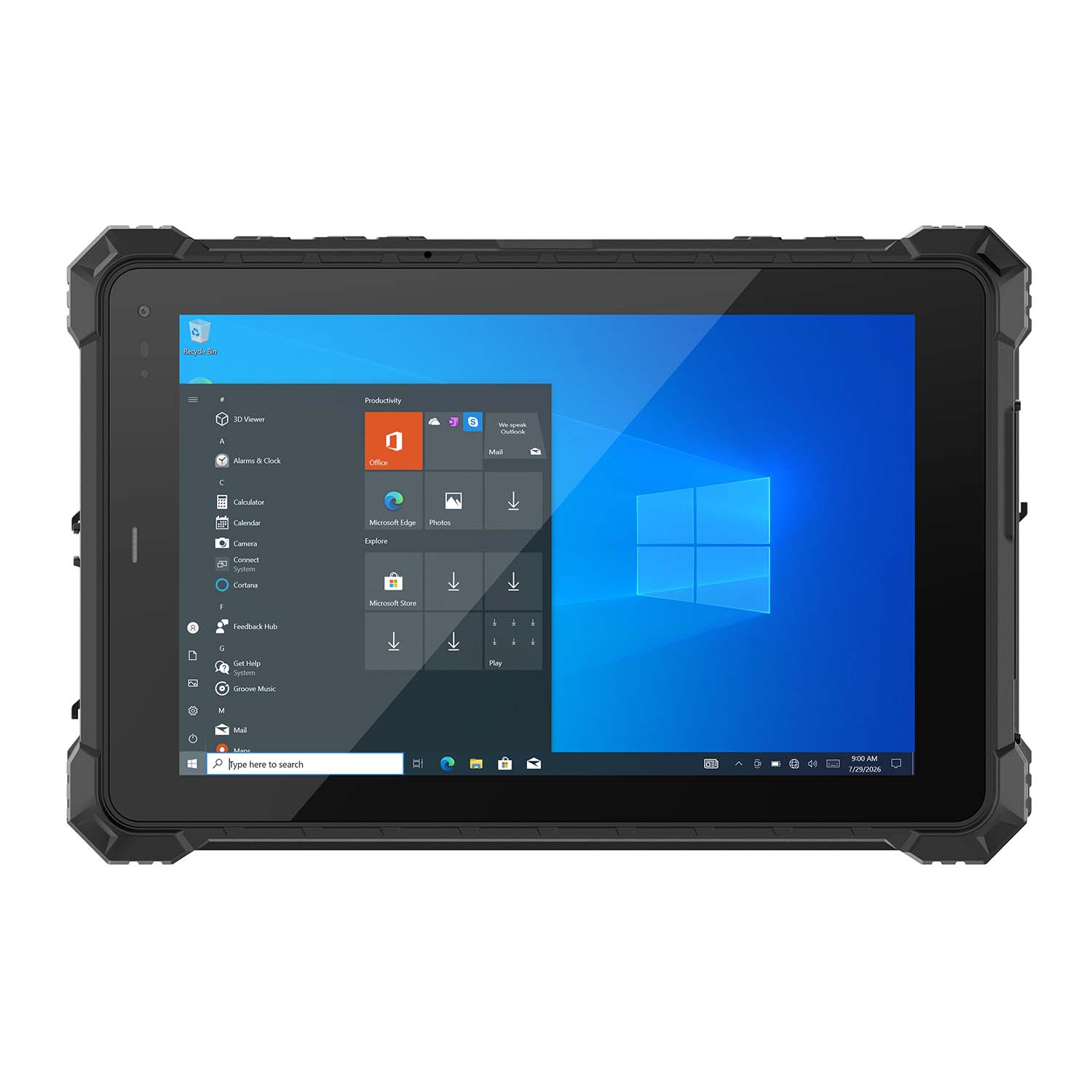 CENAVA W10NX N5100 10.1 Inch Windows IP67 Industrial Tablet
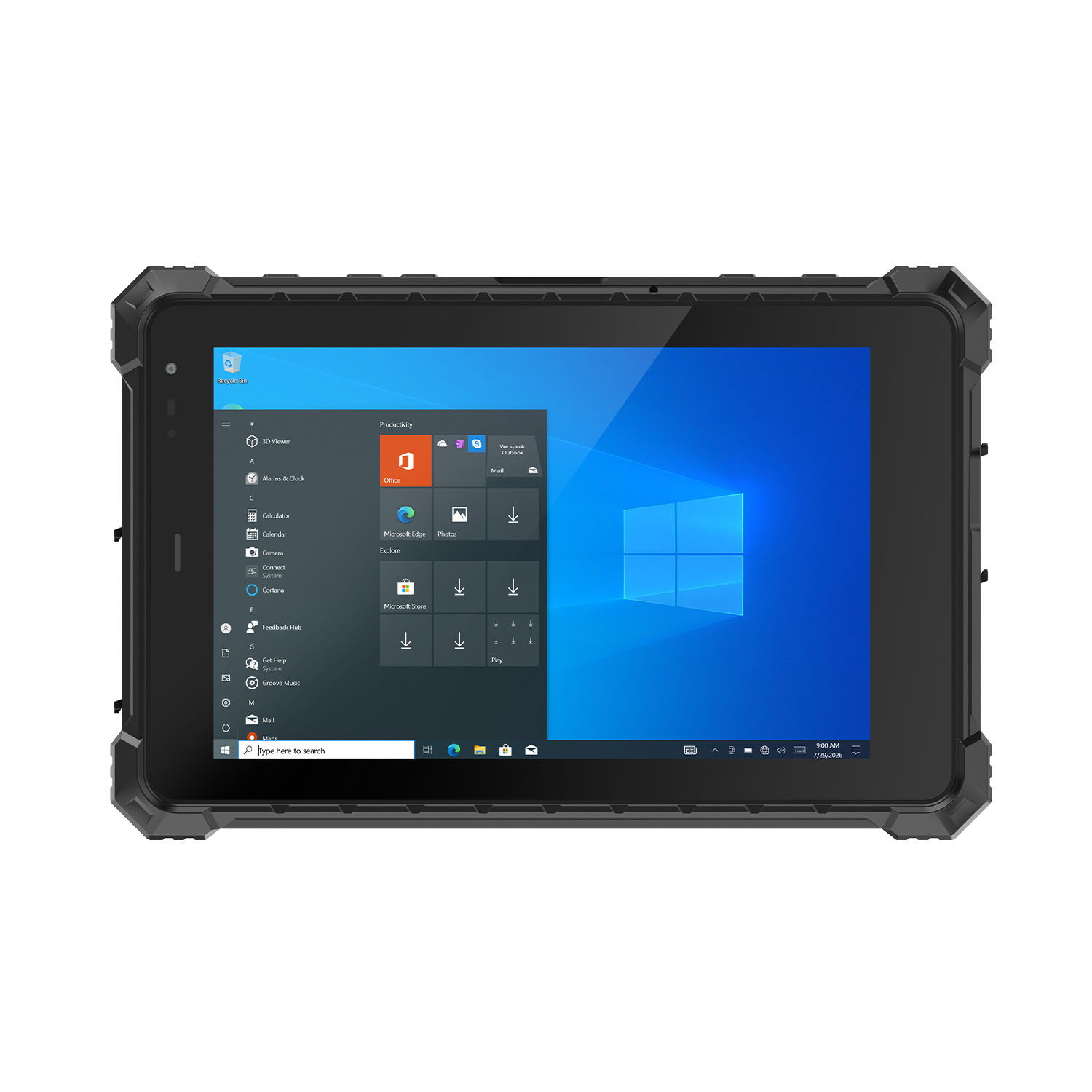 CENAVA W80N N5100 8 Inch Win11 IP68 Windows Rugged Tablet
 CENAVA H10PRO N100 10.1 Inch Win11 Industrial PC | WiFi6 Touch Panel
-1.jpg) CENAVA H55N N5100 5.5" Win11 Mini Industrial PC
CENAVA H55N N5100 5.5" Win11 Mini Industrial PC
 CENAVA H10F N100 10.1" Win11 Industrial Panel PC Touch Computer
 CENAVA H10F N95 10.1" Win11 Industrial Panel PC | WiFi6 Touch Computer
 CENAVA H7S N3350 7 Inch Win10 Entry Industrial PC | POE Fanless Touch Panel
 CENAVA H7 N4020 7" Win10 Compact Industrial PC | POE Fanless Touch Panel
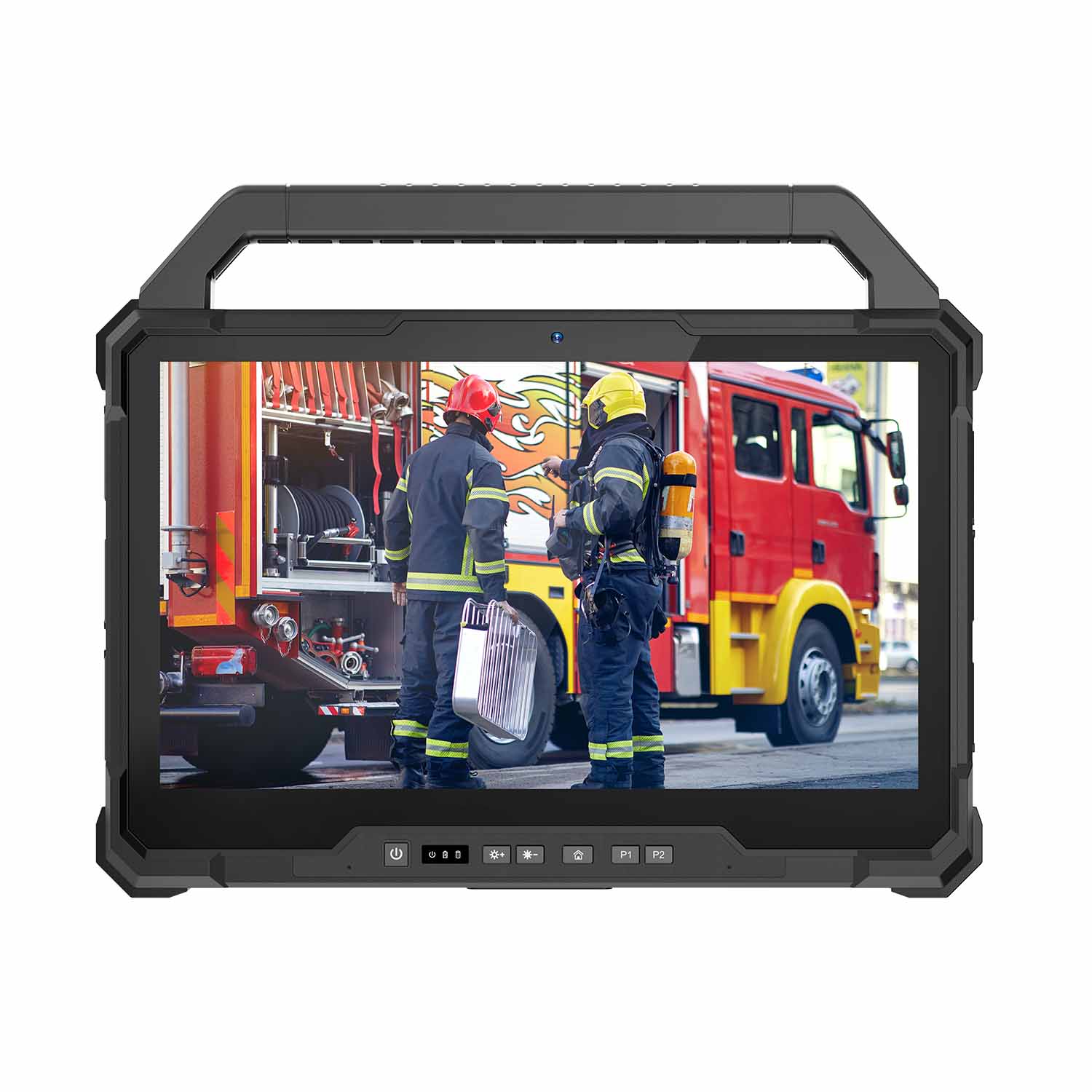 W30U-EX i7-1255U 13.3 Inch Explosion-Proof Windows Tablet
 W30UPro-EX Ultra7-155U ATEX II 2GD Ex ib IIC T5 Gb Explosion-Proof Tablet
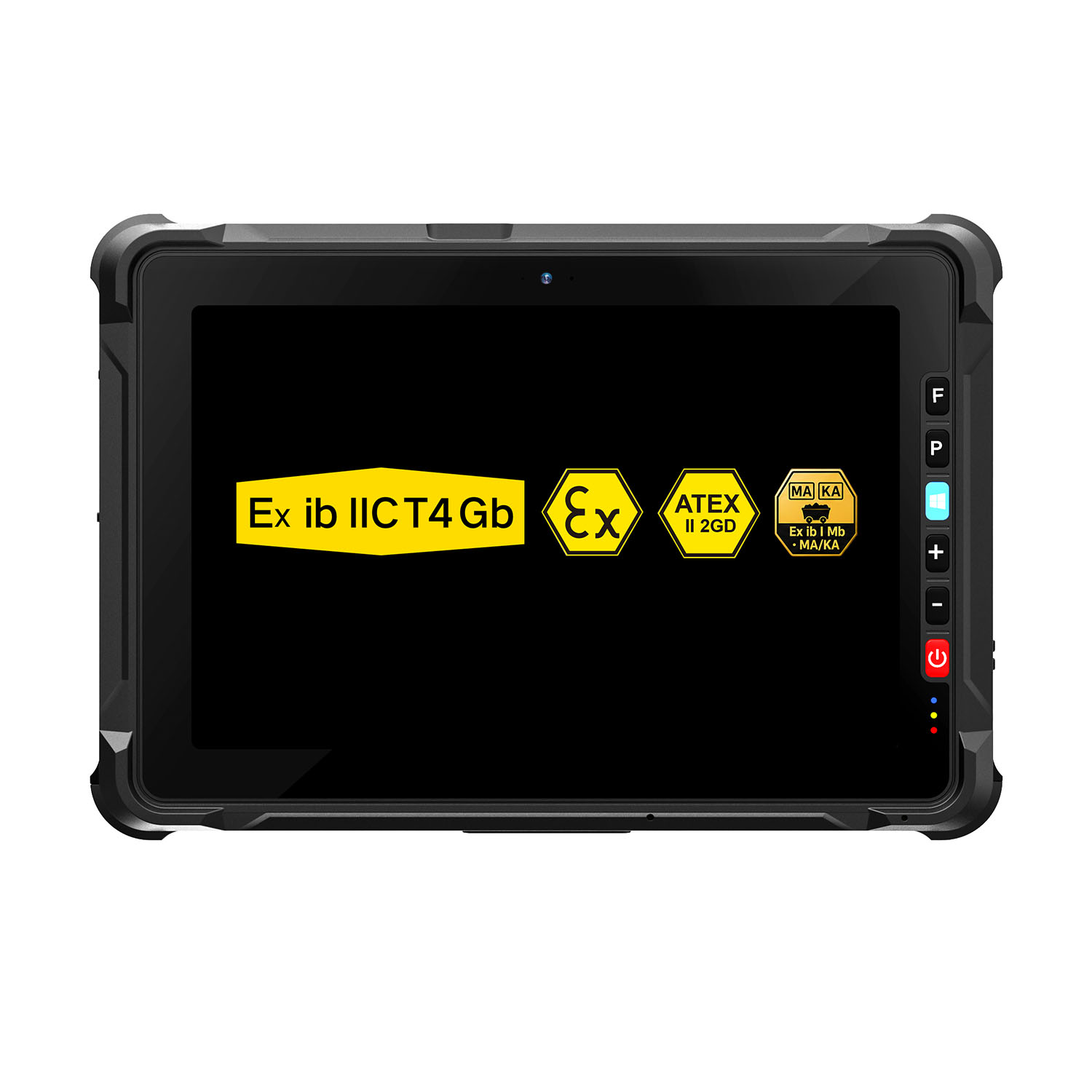 W109NS-EX N150 Explosion-Proof Hazardous Area Windows Tablet
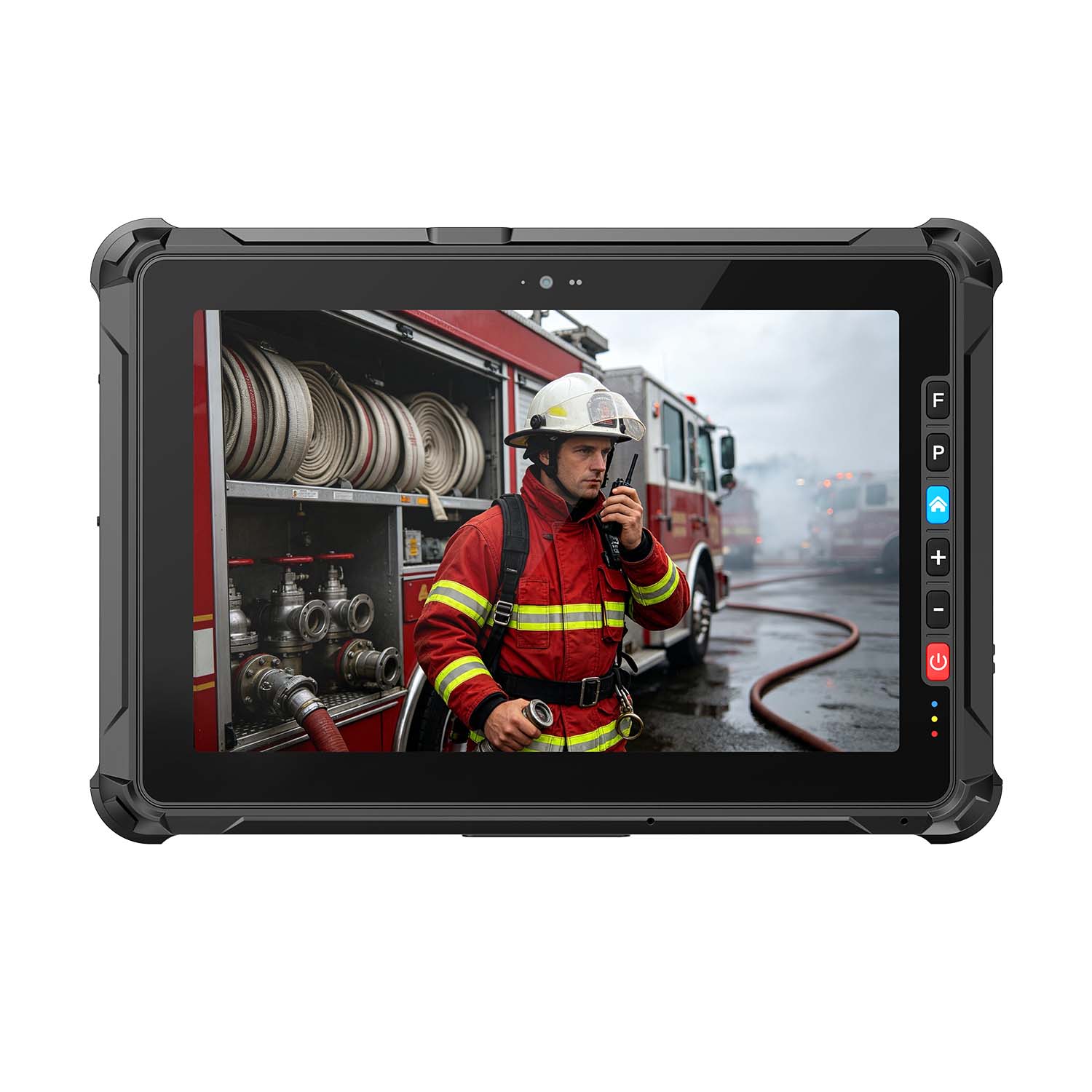 A109ST-EX MT8781 20000mAh Explosion-Proof ATEX II 2GD Android Tablet
.jpg) W10N-EX N5100 Explosion-Proof Intrinsically Safe Windows Tablet
W10N-EX N5100 Explosion-Proof Intrinsically Safe Windows Tablet
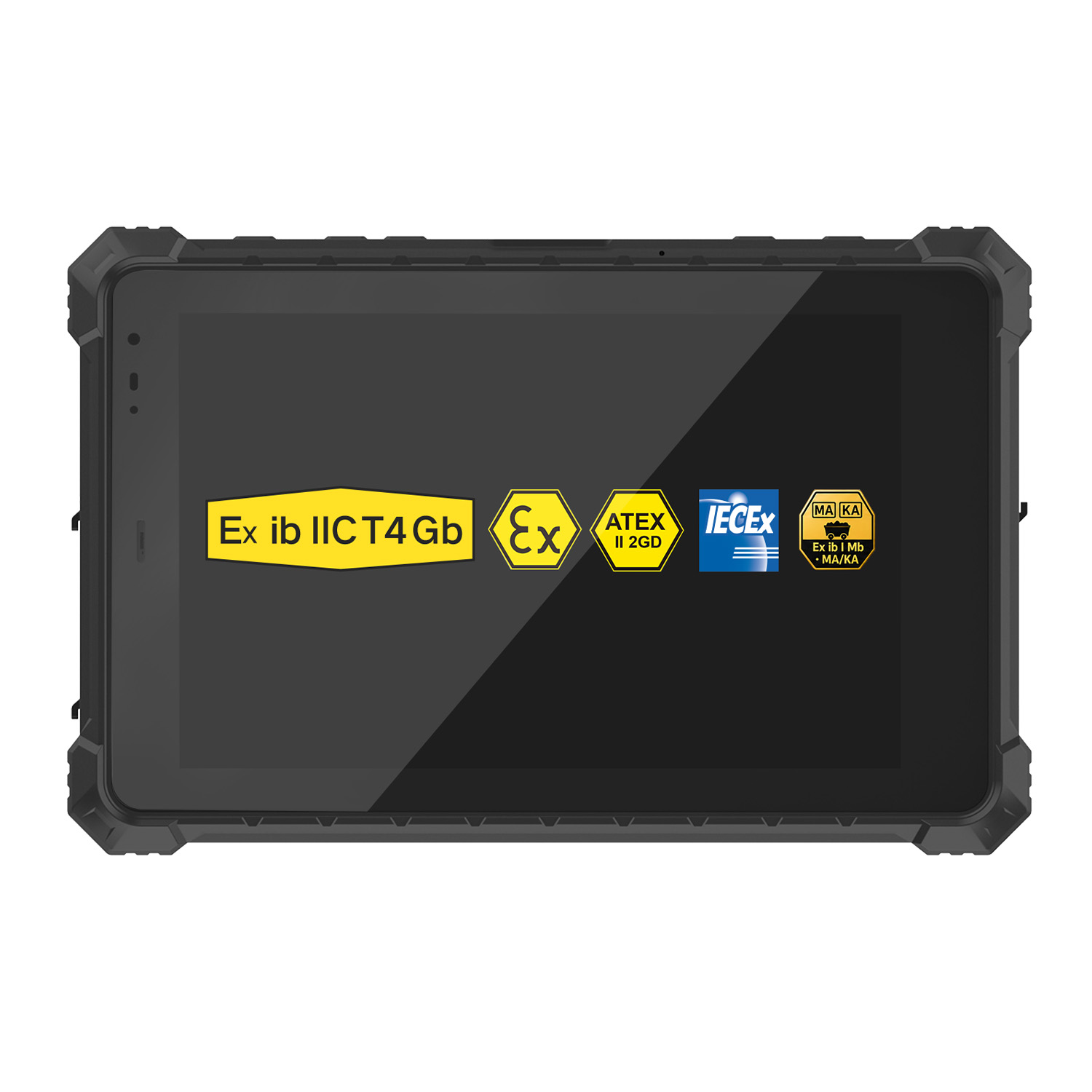 A10ST-EX MT8781 Ex ib IIC T5 Gb Hazardous Area Rugged Tablet
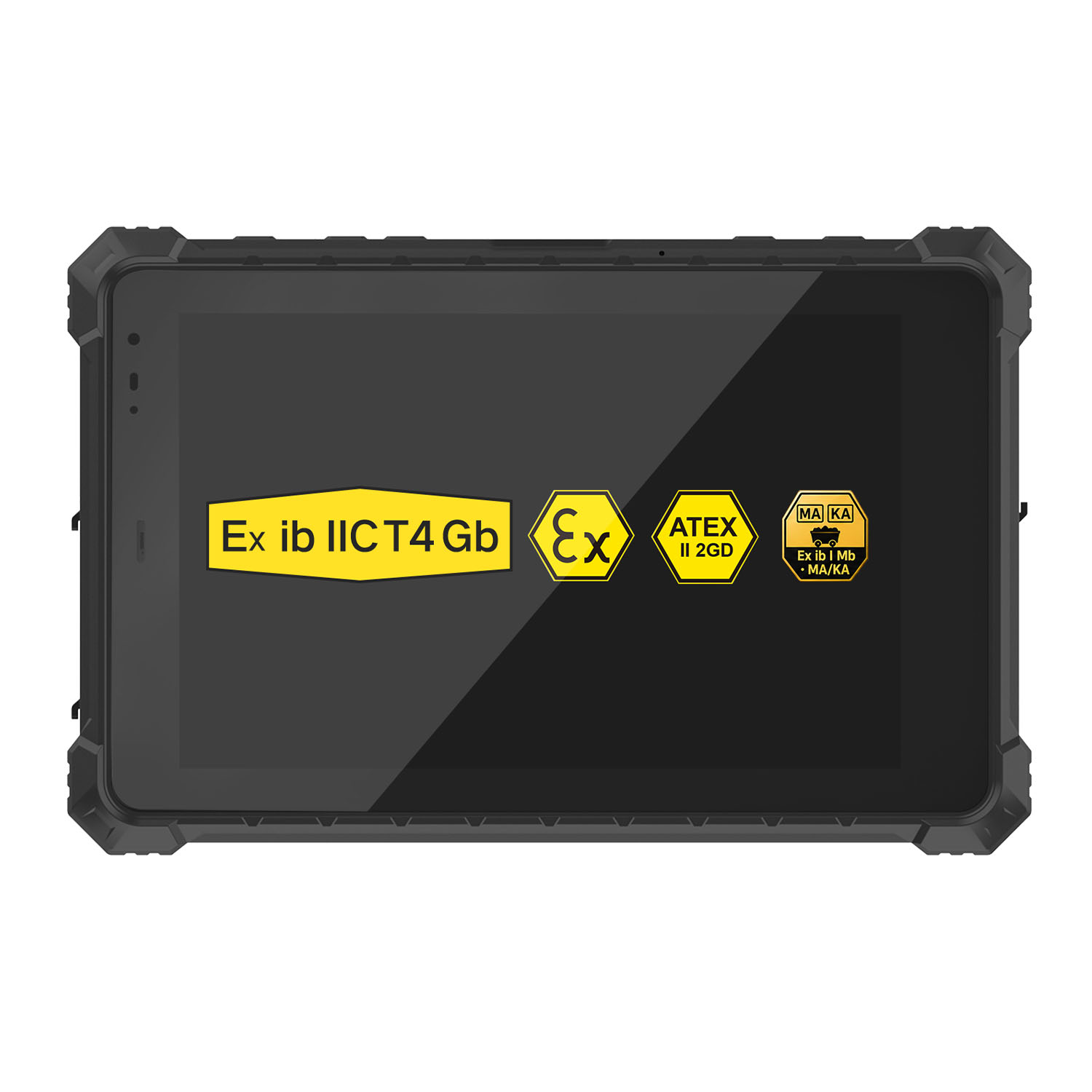 A10R-EX 10.1 Inch Explosion Proof RK3568 Industrial Tablet PC
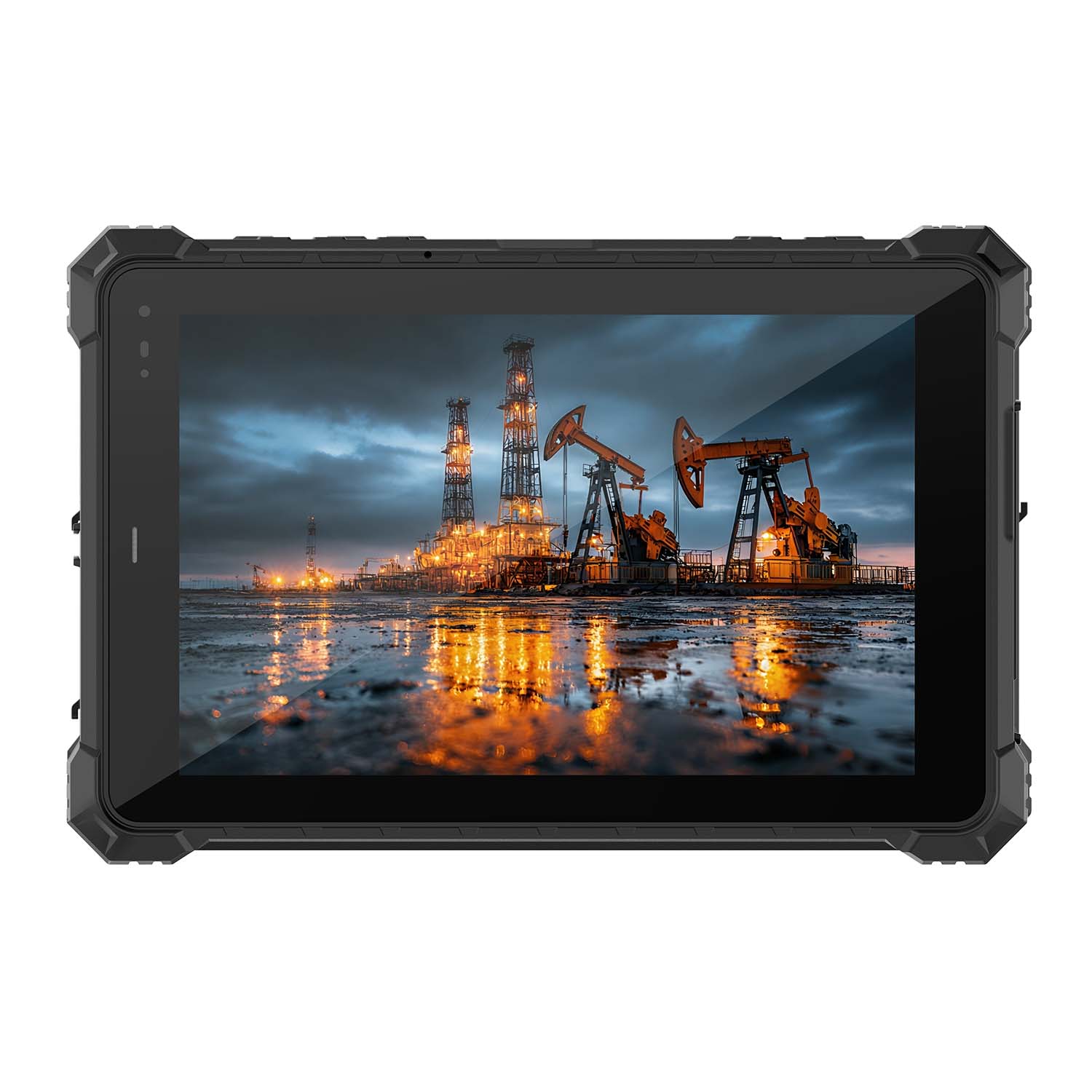 A10STX-EX MT8781 10.1 Inch ATEX II 2GD Android Tablet
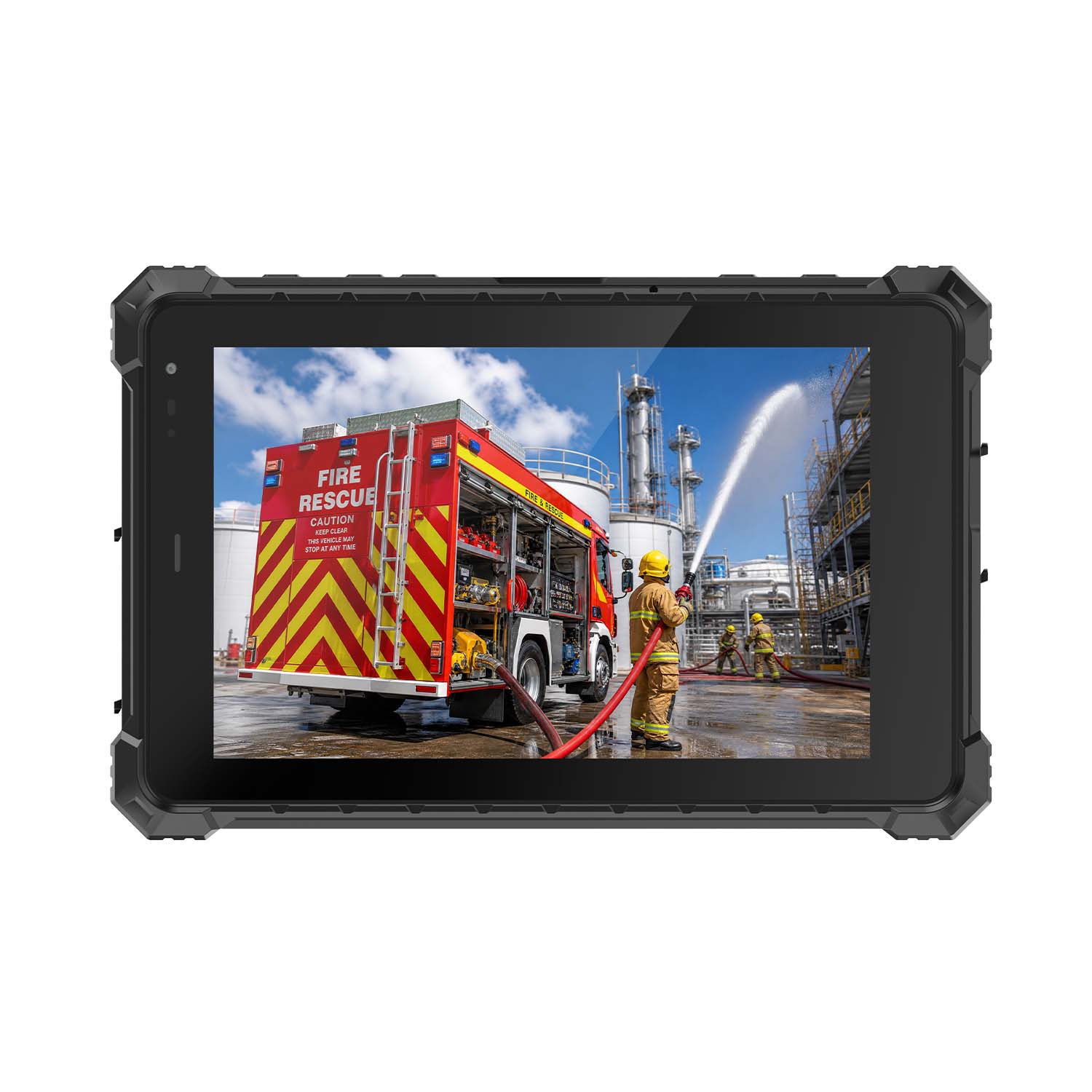 W80N-EX N5100 8 Inch Explosion-Proof Windows ATEX II 2GD Tablet
 A18ST-EX Slim 10.1-Inch Explosion-Proof Android Tablet
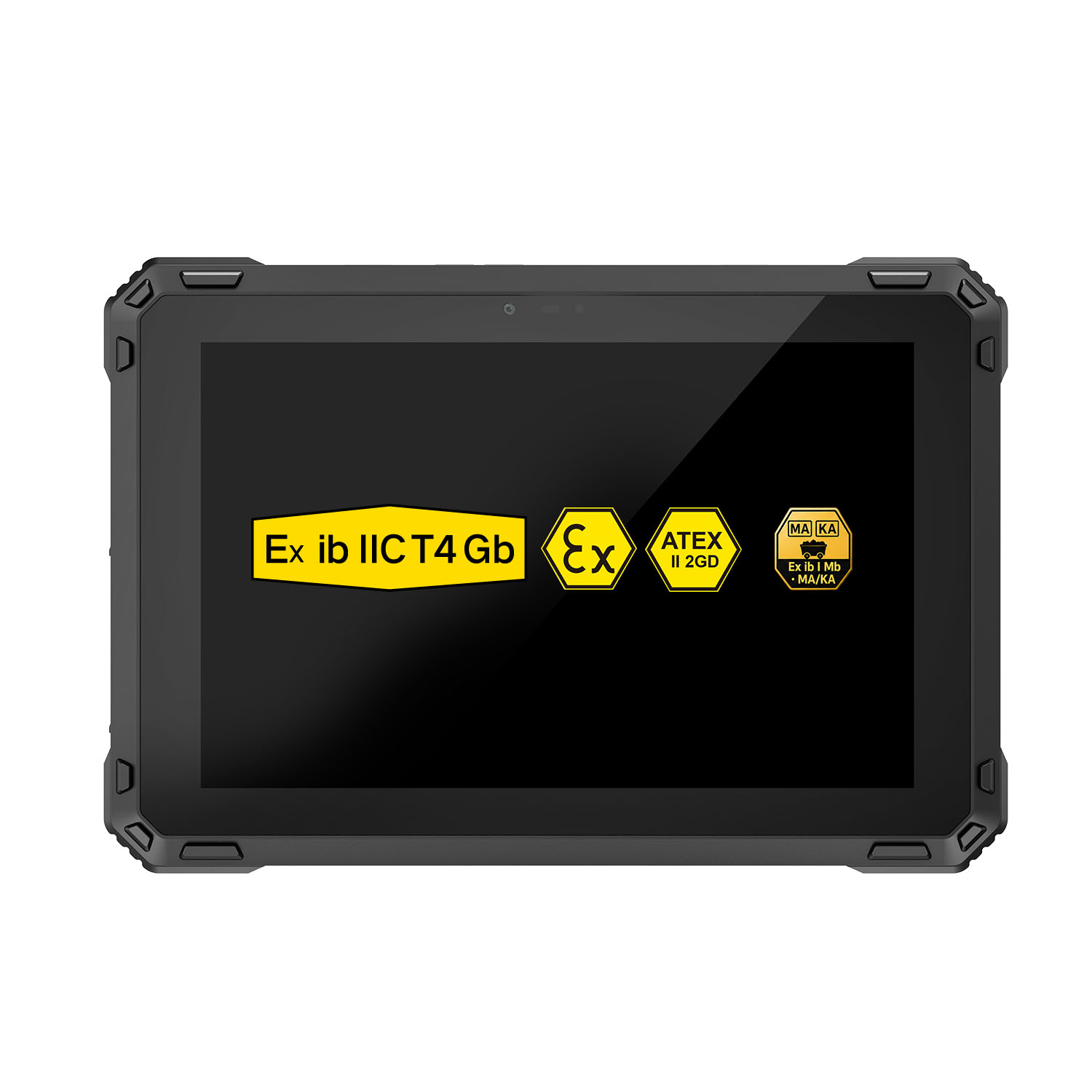 A88ST-EX MT6769 Hazardous Area 8-Inch Explosion-Proof Android Tablet
 A80ST-5G EX MT6877 8 Inch Ex ib ⅡC T4 Gb Explosion Proof Tablet
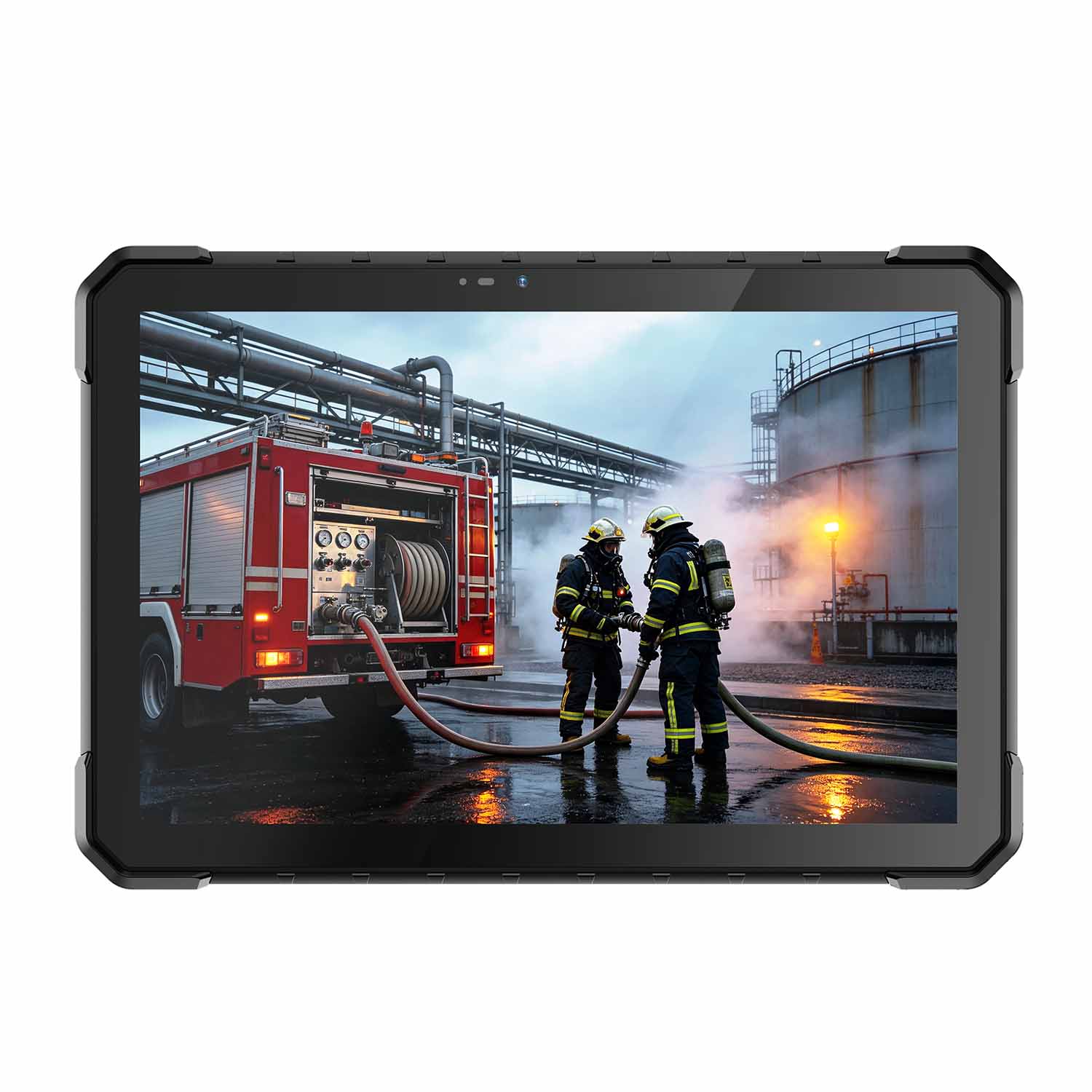 CENAVA W18Y-EX i7 10.1 Inch Explosion-Proof Windows 11 Tablet
 W65G-EX Explosion-Proof Windows Handheld Hazardous Area PDA